Qualcomm Announces Official Renewal of Global Patent License Pact with Apple, Effective April 1, 2027
 09/28 2026
 339
339
Kuaikeji, September 25th News: Qualcomm has formally declared the renewal of its global patent license agreement with Apple, with the new deal slated to take effect on April 1, 2027. Neither party has revealed the contract's duration or financial specifics.
This announcement puts an end to speculation surrounding the future of collaboration between the two tech giants, with Apple set to continue paying royalties to Qualcomm for wireless technology patents.
John Han, Executive Vice President and General Manager of Qualcomm Technology Licensing (QTL), expressed in a press release their satisfaction with extending the license agreement with Apple.
Previous reports indicate that this renewal exercises a two-year extension option, delaying the original agreement's expiration from March 31, 2027.
Reflecting on the history of cooperation between the two companies, Apple and Qualcomm had previously been embroiled in legal disputes over patents in various countries and regions globally. They reached a settlement in April 2019, entering into a six-year global patent license agreement that commenced on April 1, 2019.
Subsequently, Apple opted to extend the agreement by two years, prolonging its validity until March 31, 2027.
It's crucial to note that this renewed patent license agreement is distinct from Qualcomm's agreement to supply baseband chips to Apple.
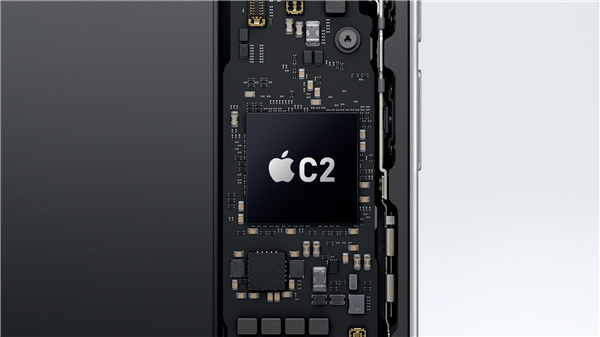
The baseband supply agreement has been confirmed to encompass iPhone models for 2024, 2025, and 2026. In recent years, Apple has been making steady progress in developing its own baseband alternative, beginning with the initial deployment of its self-developed C1 baseband in the iPhone 16e, gradually substituting Qualcomm's baseband hardware with its own custom-designed chips.
Despite Apple's gradual reduction in reliance on Qualcomm for baseband hardware, Qualcomm's vast portfolio of standard essential patents in the cellular communication field remains a technological hurdle that Apple cannot bypass.
This renewal signifies that even if future iPhones fully transition to Apple's self-developed baseband chips, Apple will still be obligated to continue paying patent royalties to Qualcomm.
-
In-depth Analysis | China's Top Three LiDAR Companies Shift Business Priorities as Growth Strategies Diverge
-
Trend丨Power Battery Supply Dynamics Shift as Automakers Dive into Core R&D
-
![]()
Apple May Re-enter Server Market as Internet Market Sees 'Fierce Competition'
-
Chang Jing Ultimately Led Roborock into the Competitive White Goods Market
-
Hot Topic | RSI Goes Viral from Silicon Valley to China: AI Starts to Participate in Training Its Next Version
-
![]()
Huawei's PC Shipments Skyrocket by 82% in Q2 2026, Securing Second Place Behind Lenovo
-
![]()
Qualcomm Announces Official Renewal of Global Patent License Pact with Apple, Effective April 1, 2027
-
![]()
Find X10 Series: OPPO's Dilemma Between Affordability and Innovation Amidst Memory Price Hike and AI Competition