Beware the High Estimated Price Trap When Trading In Your Old Phone
 09/28 2026
 328
328
When you're contemplating an upgrade to a new phone and a trade-in option pops up on the platform, it seems like a great deal. After entering your phone's details, the system presents an estimated recycling price of 4,500 yuan.
Tempted by this offer, you decide to send in your old phone.
Several days pass, and then comes the quality inspection report. It points out major dents, scratches, and paint chipping, which leads to a reduction in the recycling price to 3,017 yuan.
You carefully examine the images in the inspection report, but you can't seem to find dents that would justify a deduction of 1,500 yuan.
When you ask to have your phone returned, they start to negotiate: first 3,200 yuan, then 3,400 yuan, and finally 4,200 yuan...
In the end, they agree to recycle it at the initial quoted price of 4,488 yuan. And this is not an isolated incident.
On the Heimao Complaints Platform, there are over 32,000 complaints related to trade-ins. Out of these, more than 14,000 involve phone recycling, with 90% of them focusing on the issue of high estimated prices but low actual purchase prices.
01 How Does This Deceptive Tactic Operate?
Step 1: Lure with High Prices
When you provide information about your phone's condition, the platform often gives an estimated price that is higher than the market rate. This is a tactic to entice you into sending in your phone.
Step 2: Suppress the Price After Receipt
Once your phone is received, the tables turn. The flaws mentioned in the quality inspection report are often ambiguous. Reasons like white spots on the frame or wear on the back cover are given, which are issues that can only be seen upon close magnification.

Image source: Internet
Step 3: Engage in a Back-and-Forth Negotiation
When you request to have your phone returned, they start to gradually increase the price. However, they usually don't raise it back to the initial quote. They are betting on the fact that you'll find it too much of a hassle to pursue the matter further.
A customer service representative from a recycling platform admitted to a reporter, "There's at least a 30 - 40% margin for price suppression. Such situations are actually abnormal and are indeed the platform's problem."
02 Three Parties Involved, with Blame Being Shifted in All Directions
Trade-ins involve three main parties: consumers, shopping platforms, and the recyclers who partner with these platforms.
You place a trade-in order on the shopping platform, but the actual recycling is carried out by a third-party recycler that the platform has partnered with.
When problems arise, the shopping platform claims that recycling is the responsibility of the partner. Meanwhile, the recycler says they base their quotes on the quality inspection results. This leaves the consumer stuck in the middle, facing extremely high costs for protecting their rights.
03 How Can Ordinary People Protect Themselves?
1. Conduct Your Own Quality Inspection Before Sending
Before sending your phone, use it to record a comprehensive video at the unboxing level. This should include all angles of the phone's appearance, the screen illumination status, and functional tests. This video will be your only evidence for subsequent rights protection.
2. Don't Rely Solely on the Estimated Price
Don't just focus on the estimated price given by one platform. Check the recycling quotes on multiple platforms simultaneously and compare them. If a platform's quote is significantly higher than the others, it's likely a bait price designed to lure you in.
3. Give Priority to In-Person Offline Recycling
The online shipping model for phone recycling is inherently disadvantageous to consumers. Once you send your phone, you lose physical control over it. In-person inspection and quoting at offline stores allow you to take your phone away if you're not satisfied with the offer.
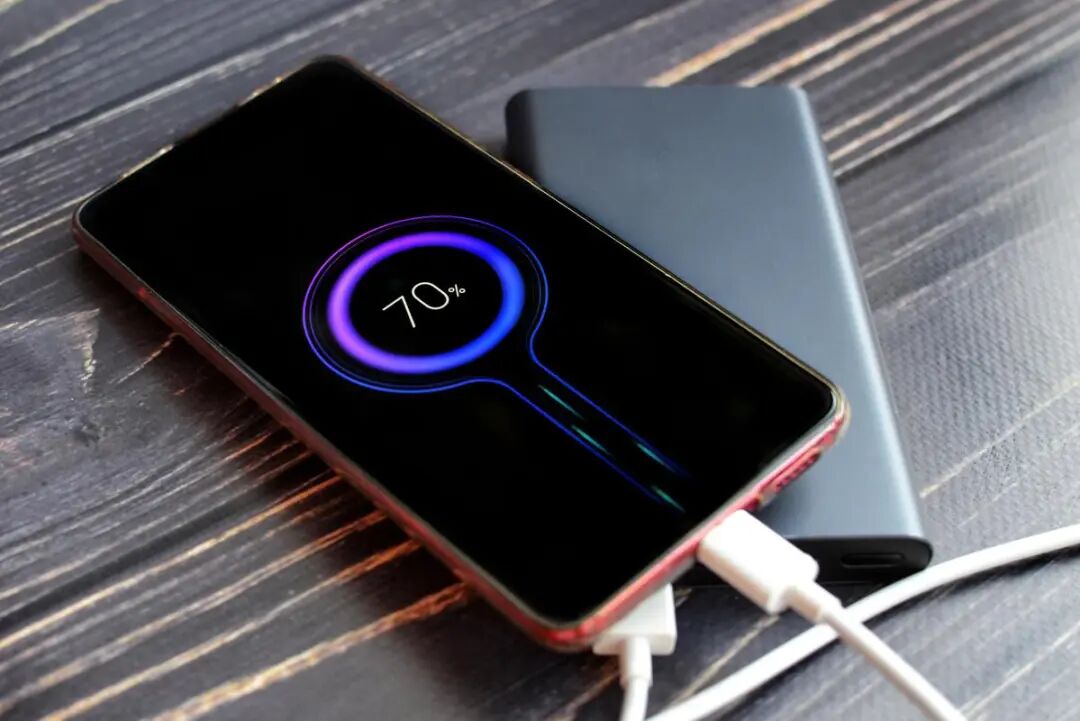
Image source: Internet
4. Request Clear Quality Inspection Photos
If online recycling is necessary, explicitly state before sending your phone that the quality inspection report must include clear, identifiable photos of any flaws. Blurry photos should not be used as a basis for price suppression.
5. You Have the Right to Return Your Phone
If you're not satisfied with the second quote, you have the right to request the return of your phone. Their gradual price increases indicate that the initial quote was inflated. The essence of trade-ins is to turn your old phone into cash, not to send it away and be at the mercy of others.
The next time you see an enticing estimated price, be more cautious. The value of your old phone should not be determined solely by the other party's quality inspection report. #PhoneRecycling
-
![]()
Detailed Explanation of Zhuoyu ZYT World: While the Industry is Still Reviewing Recordings, Zhuoyu has Already Thrown AI into the 'GTA World' for Driving Practice
-
![]()
Beware the High Estimated Price Trap When Trading In Your Old Phone
-
![]()
Why Can Foldable Screens Fold? The Secret Lies in These Two Layers
-
![]()
Dissecting NVIDIA's Latest Autonomous Driving World Model: AlpaDreams
-
![]()
Has End-to-End Technology, Having Evolved to Its Present State, Still Left Edge Scenarios as an Insurmountable Challenge for Autonomous Driving?
-
![]()
Exploring Doubao: What Can the Current In-Cabin Large Model Really Do?
-
![]()
Final Decision: Why Are There So Many New Car Launches Prior to the Mid-Autumn and National Day Holidays?
-
![]()
The Era of Performance Involution Is Over! Domestic Flagship Phones Shift Focus from Benchmarks to Imaging and On-Device AI as Key Differentiators