Latest Developments on Huawei’s ‘MaJie’ Collaboration? Maserati Announces Official Launch of December Brand Strategy
 09/14 2026
 412
412
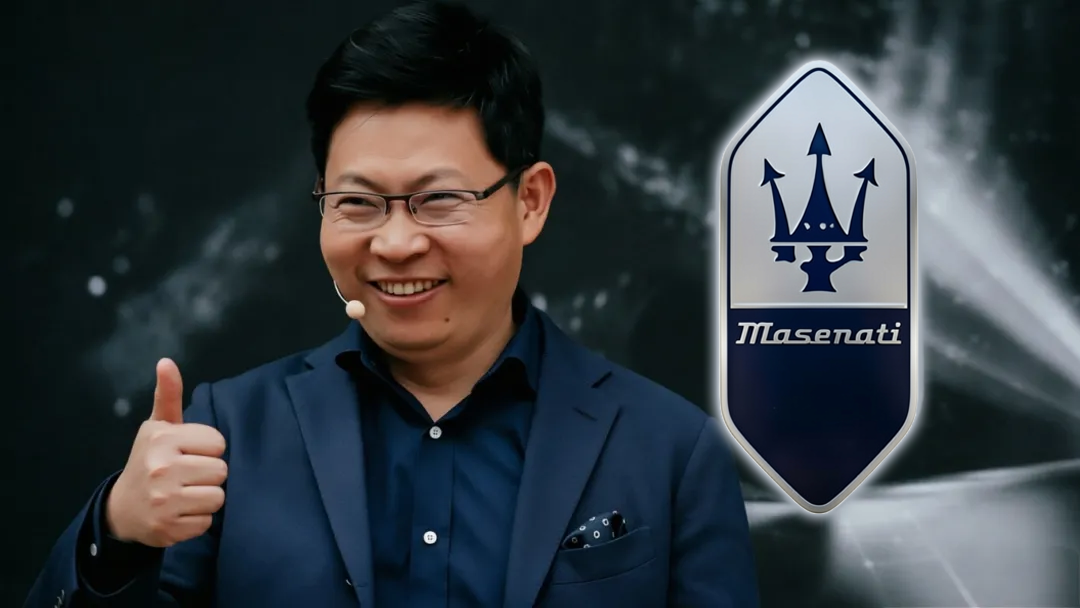 AI-generated image for illustrative purposes only.
The automotive world’s most intriguing development of the year now has a confirmed announcement date.
Stellantis Group’s Asia-Pacific division has announced that Maserati’s comprehensive future strategy will be unveiled during the Investor Day event in Modena, Italy, this December. At this stage, the company has refrained from commenting, neither confirming nor denying the ongoing rumors. Similarly, Huawei and JAC have not responded to inquiries, leaving all speculation to be resolved by year-end.
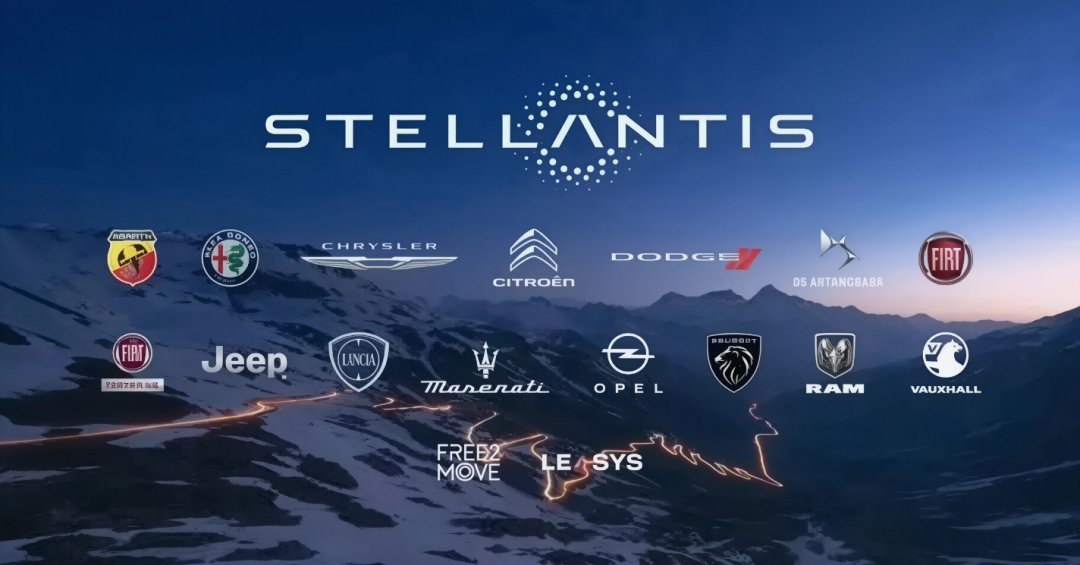
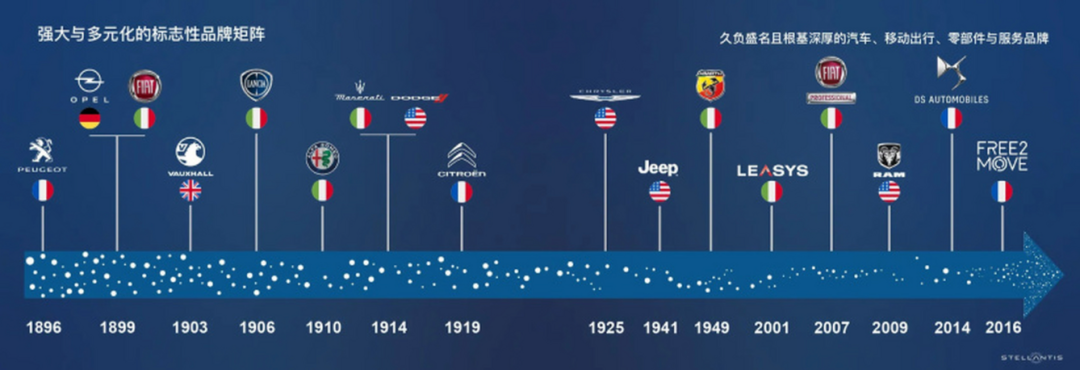 Automotive brands under the Stellantis Group. Source: Zhichejie
However, this potential collaboration remains under intense negotiation and has yet to receive official confirmation. According to a September 2026 report by Italy’s Milano Finanza, the three parties are planning to jointly develop a new premium, fully electric model. This vehicle would adopt a dual-brand strategy, featuring the domestic Zunjie emblem for the Chinese market and the overseas Maserati emblem for international markets. The first model could enter mass production as early as late 2027.
Stellantis unveiled its FaSTLAne 2030 five-year global strategy earlier this year, allocating €60 billion to reposition over a dozen brands: Jeep, Ram, Peugeot, and Fiat as global mainstays; Alfa Romeo and Dodge targeting regional markets; Lancia and DS focusing on niche luxury segments. Maserati’s core plans, however, remain undisclosed. The Group’s CEO has also publicly stated that they are seeking a Chinese industrial partner for Maserati to introduce external technology and revitalize Italian factory capacity.
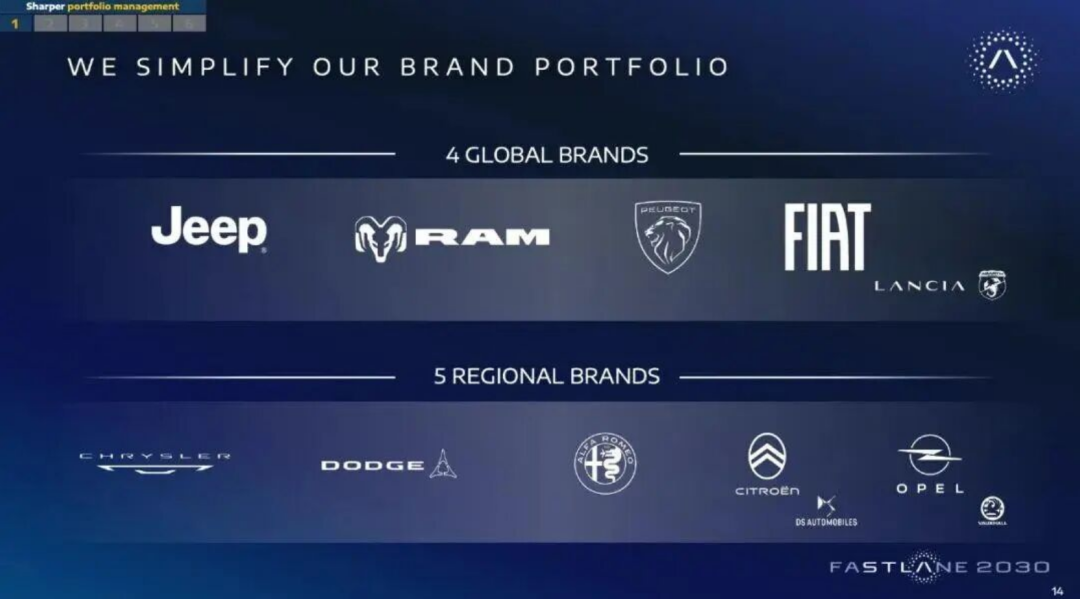
Stellantis' streamlined brand matrix, excluding Maserati. Source: Zhichejie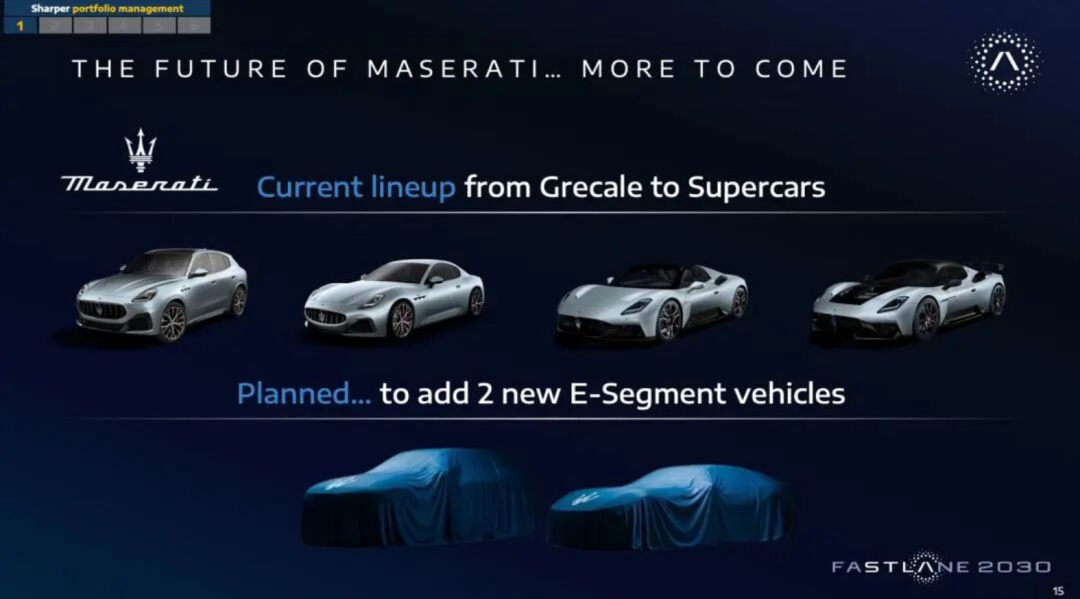 Maserati's brand and product line planning. Source: Zhichejie
This indicates that Maserati, once a symbol of luxury and prestige known for its engine roar, is now seeking technological solutions in China. Recently, rumors have spread across the industry about Huawei, JAC, and Maserati collaborating to build a million-dollar new energy luxury vehicle. Netizens have humorously dubbed the new model ‘MaJie,’ aiming to complete Harmony Intelligent Mobility’s ‘Six Realms’ lineup.
‘MaJie’ AI-generated image for entertainment purposes only.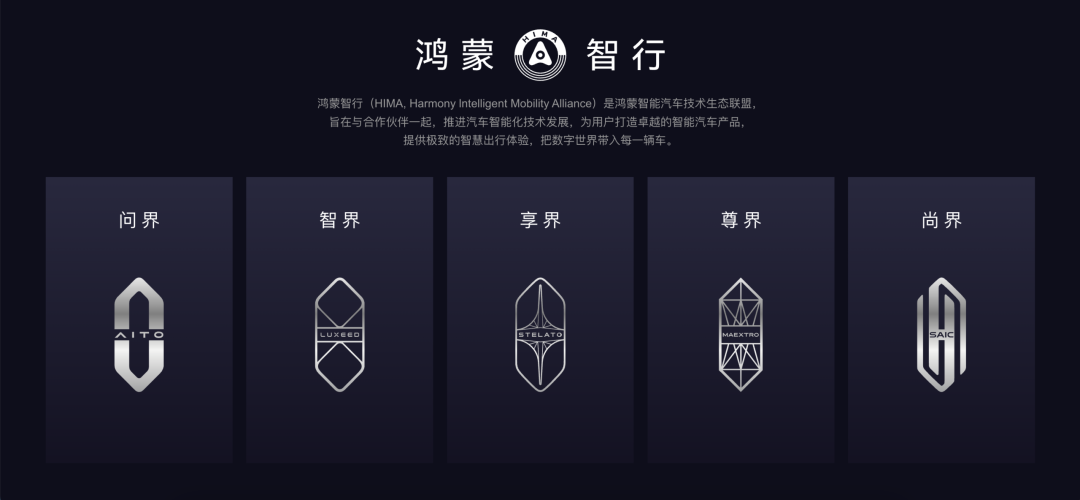
Source: Harmony Intelligent Mobility official website
While the humor is evident, it masks a deeper reality: a century-old luxury brand’s struggle for survival and a signal of China’s automotive technology making significant strides.
01 It’s Not About Humility—Maserati Is Desperate
Many wonder why a century-old brand like Maserati would choose to partner with a Chinese company. The answer lies in stark market data.
During the fuel era, Maserati was a genuine luxury benchmark. Founded in Italy in 1914 with a racing pedigree, the MC20 supercar accelerates from 0-100 km/h in 2.9 seconds. Its iconic engine roar has captivated fans, and its high price tags reflect strong brand premium capabilities.
However, the electric wave has transformed past strengths into burdens. The Folgore all-electric series offered limited innovation, resembling a fuel-to-electric conversion with outdated, laggy infotainment systems and nearly non-existent high-level autonomous driving capabilities. It has been unable to keep pace with the intense competition in the new energy sector.
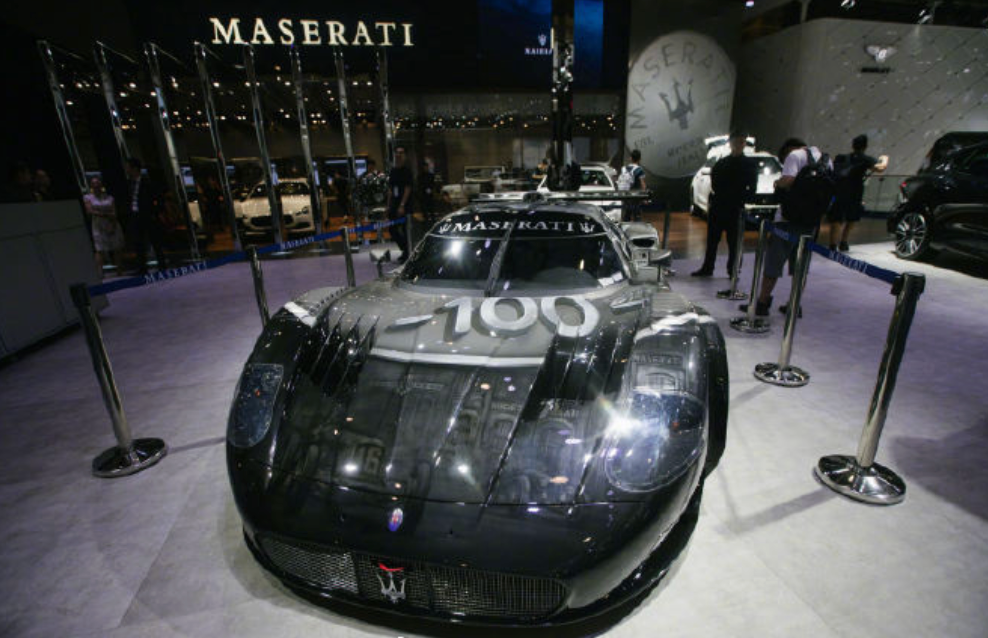 Source: Weibo
Business figures are alarming. By 2025, Maserati’s global shipments fell below 8,000 units. In the Chinese market, sales dropped from 14,498 in 2017 to around 1,400, with just 181 units sold in Q1 2026. The brand’s premium status has collapsed, with some models’ terminal prices nearly halved.
Parent company Stellantis is mired in losses, reporting a €22.3 billion deficit in 2025. It can no longer sustain Maserati financially, with promised R&D investments significantly reduced. The brand faces two paths: invest heavily in multi-year independent R&D of electric smart technologies, risking missing the industry window and potentially exiting the market, or leverage China’s mature automotive industry to quickly address weaknesses and survive.
Stellantis previously found success with China’s supply chain through its Leapmotor stake, a model now being replicated for Maserati. The rumored divisions of labor are clear: Huawei provides the Harmony Intelligent Mobility platform, offering smart cockpit and high-level autonomous driving technologies; JAC handles vehicle manufacturing, supply chain coordination, and mass production; Maserati controls brand positioning and design, preserving the overseas trident logo’s luxury recognition.
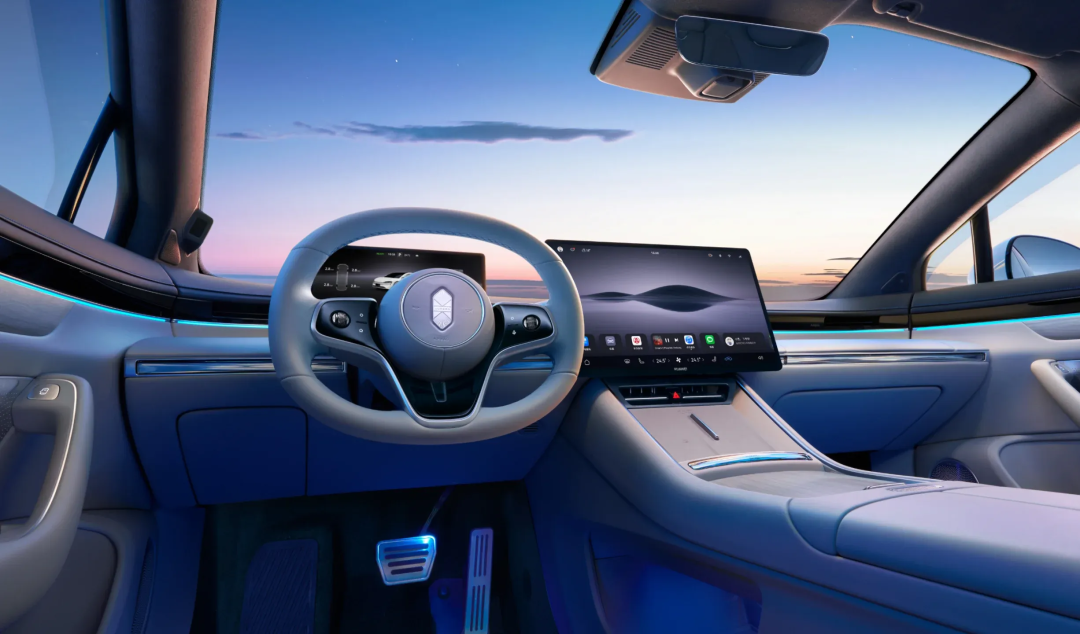
Source: Harmony Smart Cockpit/Screenshot from Harmony Intelligent Mobility official website
02 Legendary Dual-Brand Strategy: One Core Architecture, Dominating Global Luxury Markets
The most imaginative aspect of these rumors is the ‘same core, dual brands’ business model.
The vehicle’s chassis, hardware, powertrain, and smart systems are developed on a single platform, with only the emblem changed to suit domestic and overseas high-end markets. This approach achieves a single R&D investment for dual-market monetization.
The domestic version bears the Zunjie emblem, targeting the ¥700,000–2,000,000 ultra-luxury all-electric segment. It challenges domestic luxury ceilings and competes with Maybach and Rolls-Royce to break foreign monopolies in the million-dollar luxury electric vehicle market. The overseas version sports the Maserati trident logo, leveraging Italy’s luxury heritage for electrification transformation, stabilizing its global luxury market foothold.
If the project succeeds, all three parties gain strategic benefits. Maserati addresses its smart technology gaps with Huawei’s support, controls costs through JAC’s manufacturing, and attempts to revive its Chinese market; Huawei enters the ultra-luxury segment, elevating its Harmony Intelligent Mobility platform to a global elite tier; JAC enhances its manufacturing prowess and industry image through this luxury project.
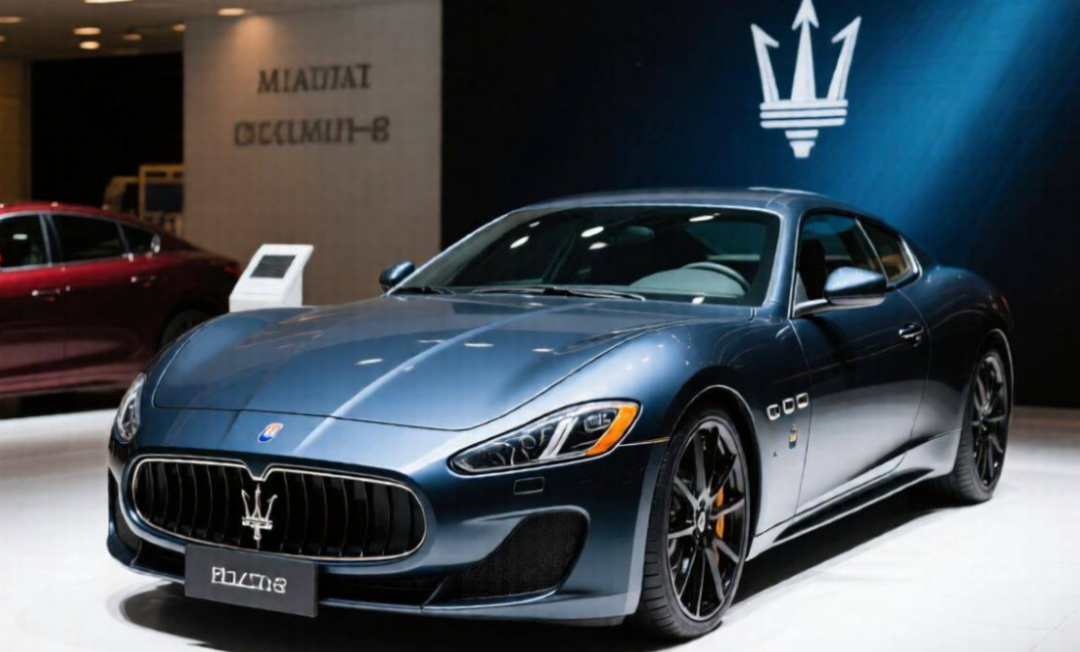 Source: Weibo
However, ideals are plentiful, while real challenges loom. Whether consumers accept the ‘Huawei soul + JAC manufacturing + Maserati emblem’ combination remains highly debated. Adapting HarmonyOS to Maserati’s existing electronics architecture requires extensive engineering validation. Plus, negotiations are ongoing, making the 2027 mass production target uncertain.
Industry sources indicate the project has entered exterior refinement stages, with most disagreements resolved, pending formal signing. The collaboration adopts Huawei’s most tightly bound Harmony Smart Selection model.
03 Paradigm Shift: Solo Play Ends, Automotive Enters Ecosystem Competition Era
Rumors of Maserati’s cooperation reflect broader industry upheaval. The era of closed-door carmaking is over, with automakers, tech platforms, and third-party tech service providers forming an interdependent yet competitive ‘three-body problem’ ecosystem.
China’s smart automotive market isn’t dominated by Huawei alone. Horizon Robotics and Black Sesame Technologies specialize in automotive chips; Momenta and DJI Automotive focus on lightweight autonomous driving solutions, preserving automakers’ autonomy; international giants like Qualcomm and Bosch are also deploying open architectures to weaken single-platform lock-in effects.
In June 2017, Geely Holding acquired a 51% stake in Lotus Cars, becoming its majority shareholder. Geely’s entry brought new resources and strategic direction to Lotus. In 2018, Lotus announced its ‘Vision 80’ ten-year brand revival plan, declaring a full transition to electrification and intelligence, aiming to complete the transformation by its 80th anniversary (2028).
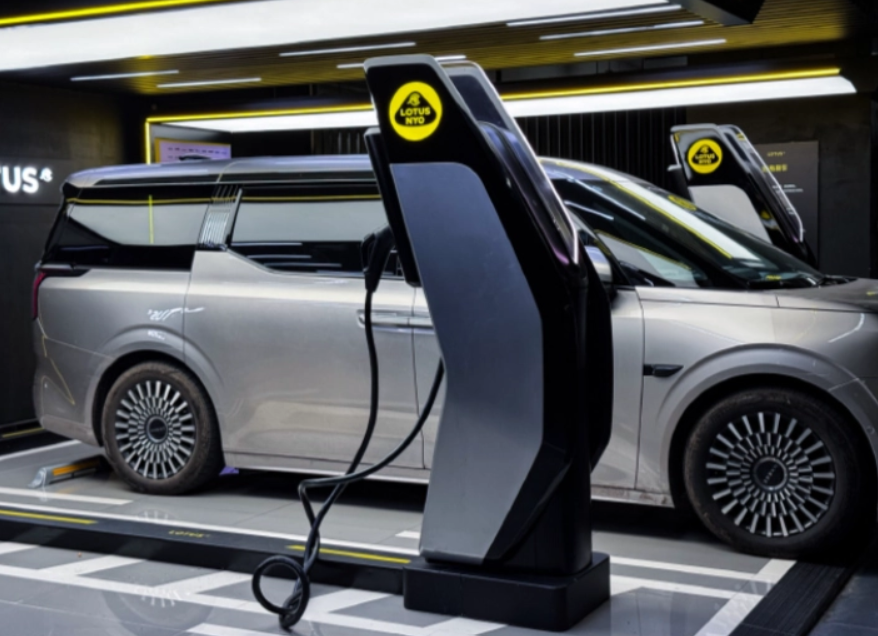
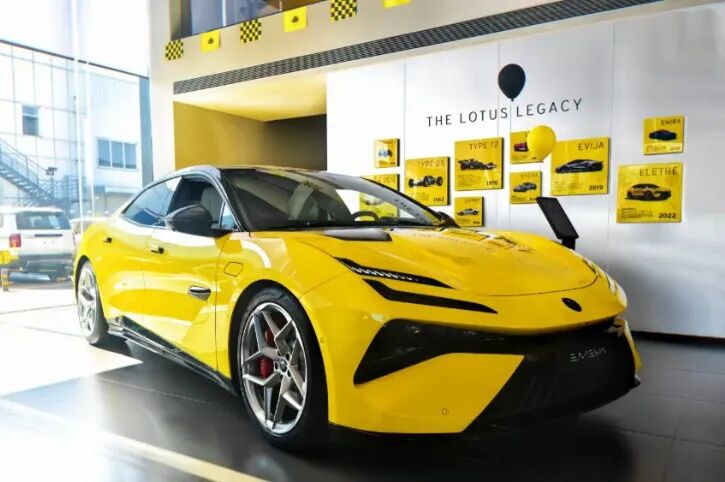 Source: Zhichejie
Considering all factors, the industry likely faces three future paths:
First, Huawei’s ecosystem expands, with more automakers joining, coordinating interests through equity, but intensifying internal brand competition;
Second, tiered coexistence, the most probable outcome: leading automakers insist on self-research, while others leverage external tech, running parallel diversified solutions but causing efficiency losses from multi-standard coexistence;
Third, universal open architectures proliferate, forming unified industry hardware-software standards and dissolving platform bindings.
Meanwhile, China’s new energy vehicle export wave surges, shifting from product exports to tech and system outputs. Maserati’s proactive cooperation seeks China’s complete smart electric capabilities. Regardless of the project’s success, it proves one thing: the era of solo automaker play is over; platformization and ecosystems are the global automotive transformation trend.
Epilogue
A decade ago, domestic automakers imported outdated overseas platforms; a decade later, European century-old luxury brands seek Chinese smart electric solutions.
The rumored ‘MaJie’ isn’t just a million-dollar luxury car story but a microcosm of China’s automotive industry evolving from catching up to surpassing.
Whether the 2027 model launches smoothly, if Harmony’s ‘Six Realms’ lineup is complete, or if the dual-brand model succeeds, all await revelation at Modena’s December Investor Day, with further variables ahead.
Interactive Topic: Do you think ‘MaJie’ will launch successfully? Can Huawei’s partnership with century-old Maserati dominate the million-dollar luxury car market? Share your thoughts in the comments!
Disclaimer: This article is for financial commentary by major firms only and does not constitute investment advice. All corporate data and regulatory events mentioned are from public information, for reference only, subject to official releases. Images sourced online; contact us for copyright removal if needed.
-
![]()
Domestic Computing Power Firms Favoring Private Placements: The New Capital Market Favorites
-
![]()
Blockbuster! Can NIO Auto ‘Rise Like a Phoenix’? Netizens Say: Only Taiyi Can Resurrect Nezha!
-
![]()
Latest Developments on Huawei’s ‘MaJie’ Collaboration? Maserati Announces Official Launch of December Brand Strategy
-
AI Office: The Race Intensifies
-
[Data Microscope] 100 Million Foldable Phones Split the Smartphone Market in Half
-
Every "Hello" to AI Comes with a Price Tag
-
![]()
Why Does a More Mature End-to-End Autonomous Driving System Require More Error-Prone Data?
-
![]()
WeChat is Quietly Making Big Moves! Strengthening the Built-in Browser in the Mac Version, Paving the Way for a Super Agent?