The Roar of the V8 Drowns Out the Hum of Electric Motors: Why European Automakers Are Making a 'Combustion Engine Comeback'
 09/15 2026
 551
551
Editor|He Weiran
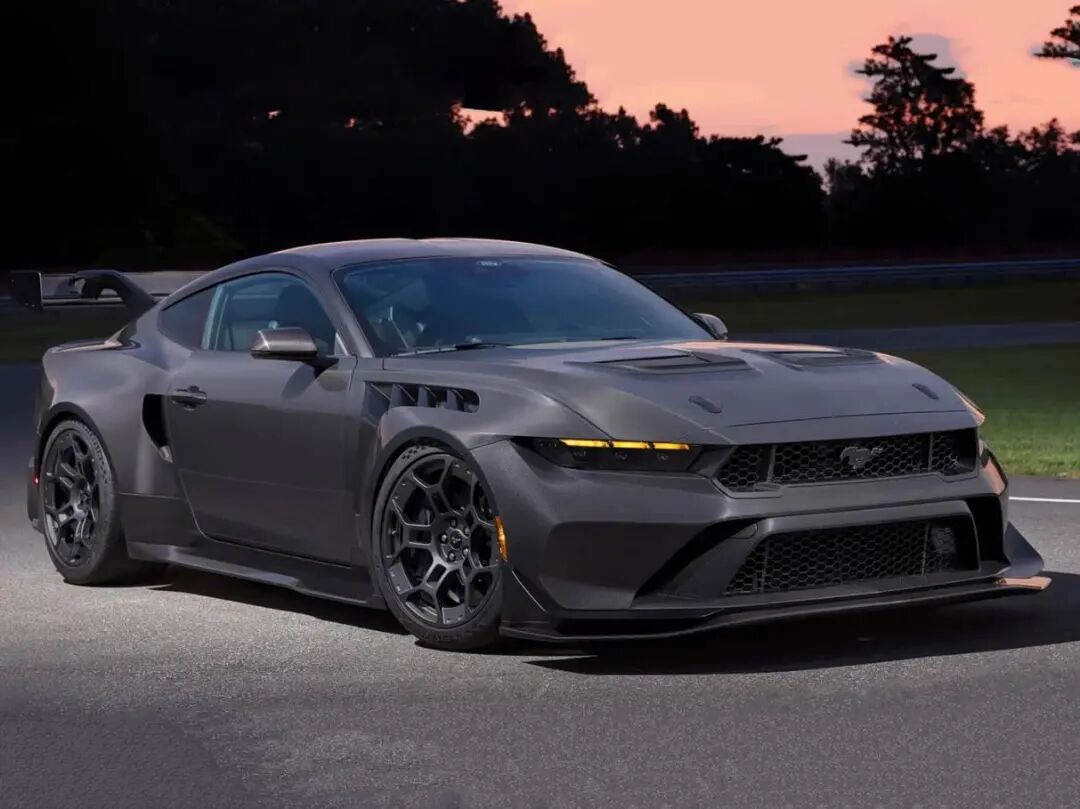
In September 2026, Mercedes-Benz did something that could be considered 'retrogressive' in the era of electrification. AMG released the CLE 646 Spezialanfertigung, a track-focused sports car equipped with a 4.0-liter twin-turbo V8 engine, delivering 637 horsepower, rear-wheel drive only, and limited to just 30 units worldwide—and it sold out immediately upon release.
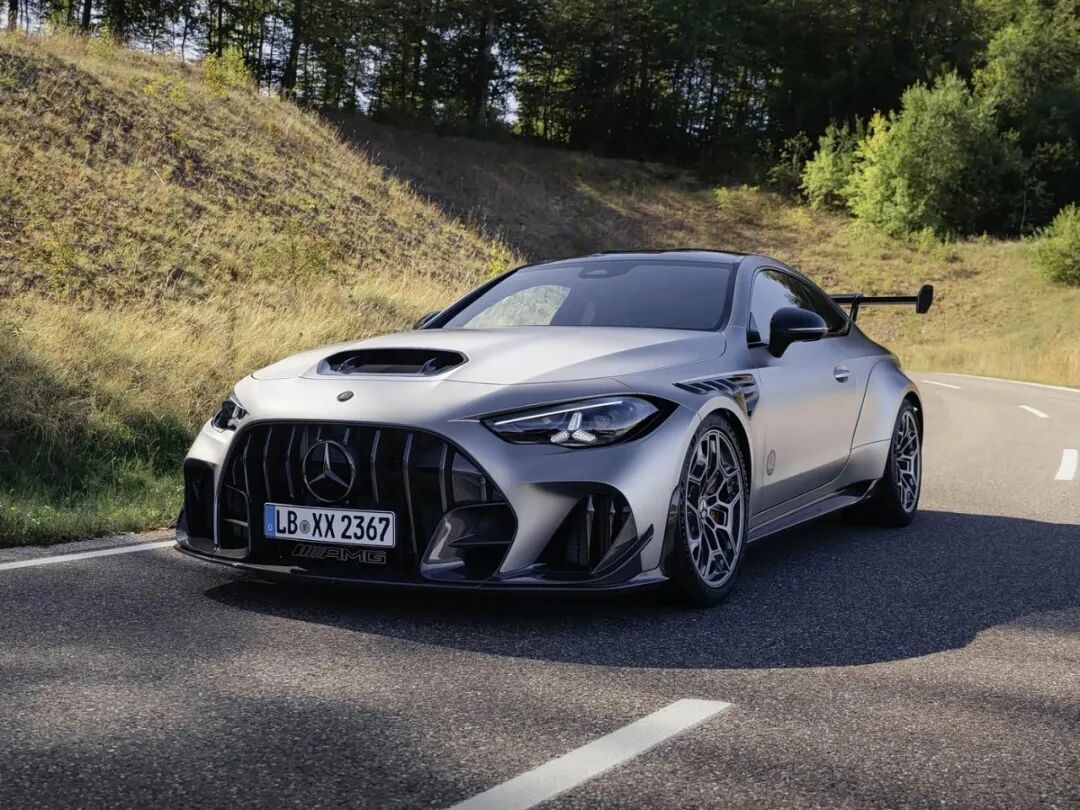
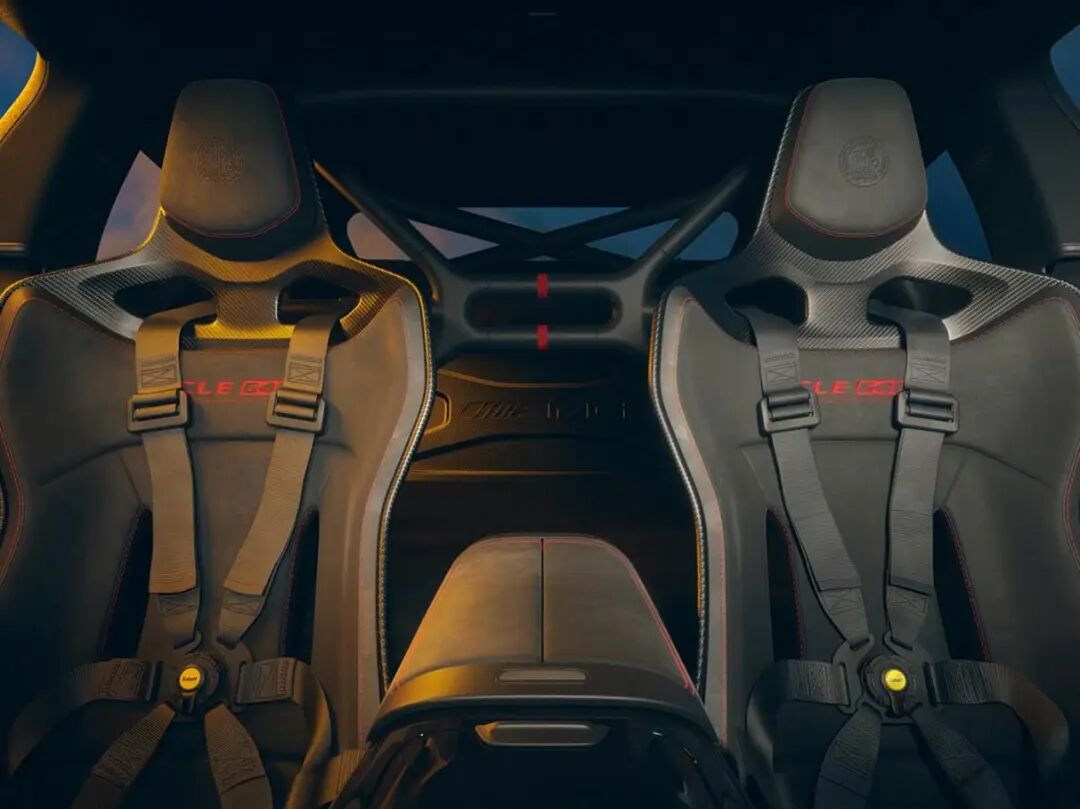
Based on the CLE 53, this car sheds 170 kilograms from its body-in-white, is clad in carbon fiber from end to end, and has had its rear seats and soundproofing materials completely removed. Even the rear windshield has been replaced with polycarbonate. After five years of the automotive industry being dominated by the narrative that 'electrification is the only way forward,' Mercedes-Benz chose to assert its presence with a fuel-powered sports car that is almost anti-intelligent, anti-comfortable, and anti-everyday.
This is not an isolated act of nostalgia. When the CLE 646 is placed on the timeline of the European automotive industry from 2025 to 2026, it serves more as a metaphor: after a collective frenzy of aggressive electrification, European automakers are undergoing a massive strategic reckoning.

From 'All-In on Electric' to 'Flexible Parallelism': A Collective Shift
If one word could describe the electrification proclamations of European automakers around 2021, it would be 'gamble.' Mercedes-Benz announced a full electrification by 2030, Porsche set a target of 80% fully electric vehicles by 2030, Volvo pledged to sell only electric vehicles by 2030, and Bentley planned to completely phase out internal combustion engines by 2030. It was a moment of resonance among policy trends, capital markets, and public sentiment.
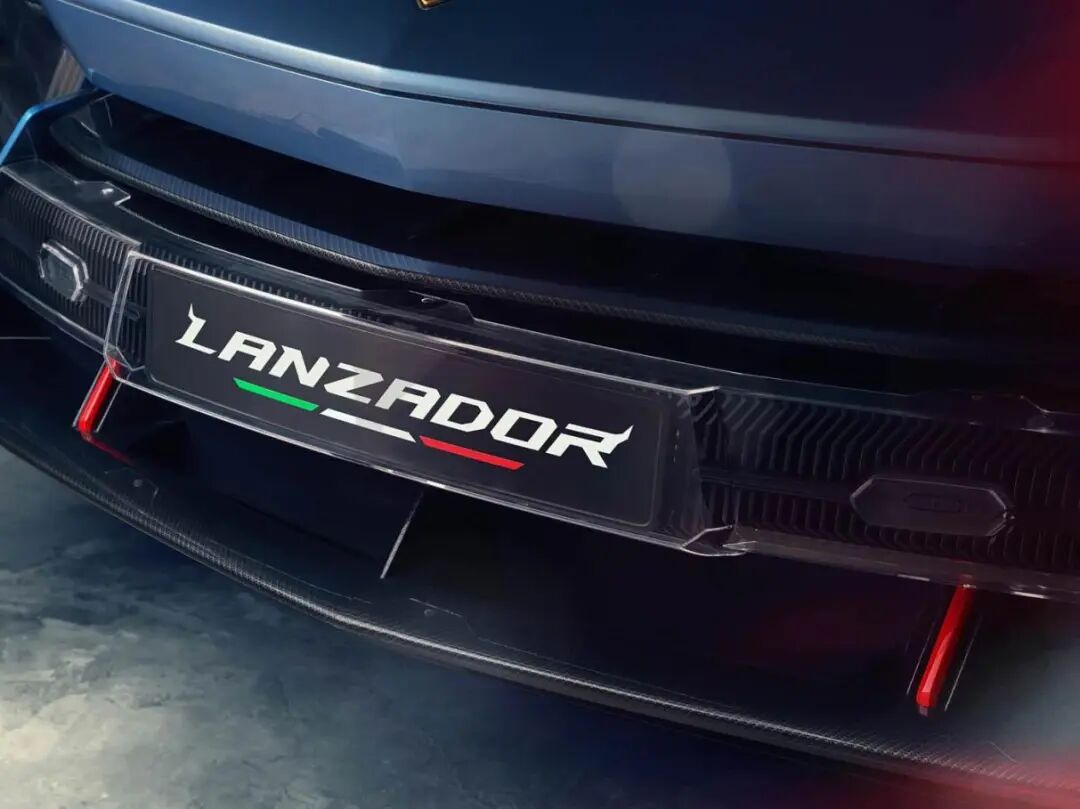
But by 2026, the landscape had changed dramatically. Gernot Döllner, CEO of Audi Global, withdrew the plan for 'full electrification by 2033,' explicitly stating that internal combustion engine models would continue to remain attractive to customers after 2026. Porsche CEO Michael Leiters was even more blunt at the annual shareholder meeting: 'There will never be a fully electric 911.' He also emphasized that hybrid systems are 'not a transitional technology' but the 'elixir of life' for the 911. Lamborghini CEO Stephan Winkelmann confirmed that the Lanzador would not appear as a fully electric model but would instead follow a plug-in hybrid route, reasoning that 'the adoption curve for electric vehicles among buyers is flattening out and approaching zero.' Ferrari halved its target for fully electric vehicles from 40% to 20% by 2030, doubled the proportion of fuel-powered vehicles to 40%, and prioritized core resources for V12 fuel-powered and hybrid models.
The collective 'braking' by ultra-luxury brands is particularly noteworthy. Chris Brownridge, CEO of Rolls-Royce, withdrew his predecessor's promise of 'full electrification by 2030,' stating that the V12 engine would continue to be featured in Rolls-Royce models after 2030. Bentley postponed its second fully electric model to after 2030. Maserati canceled plans for an electric MC20, and Aston Martin shelved its fully electric project. Lotus Cars unveiled its new 'Focus 2030' strategy in London, officially abandoning the goal of full electrification by 2027 and restarting research and development of fuel-powered sports cars.
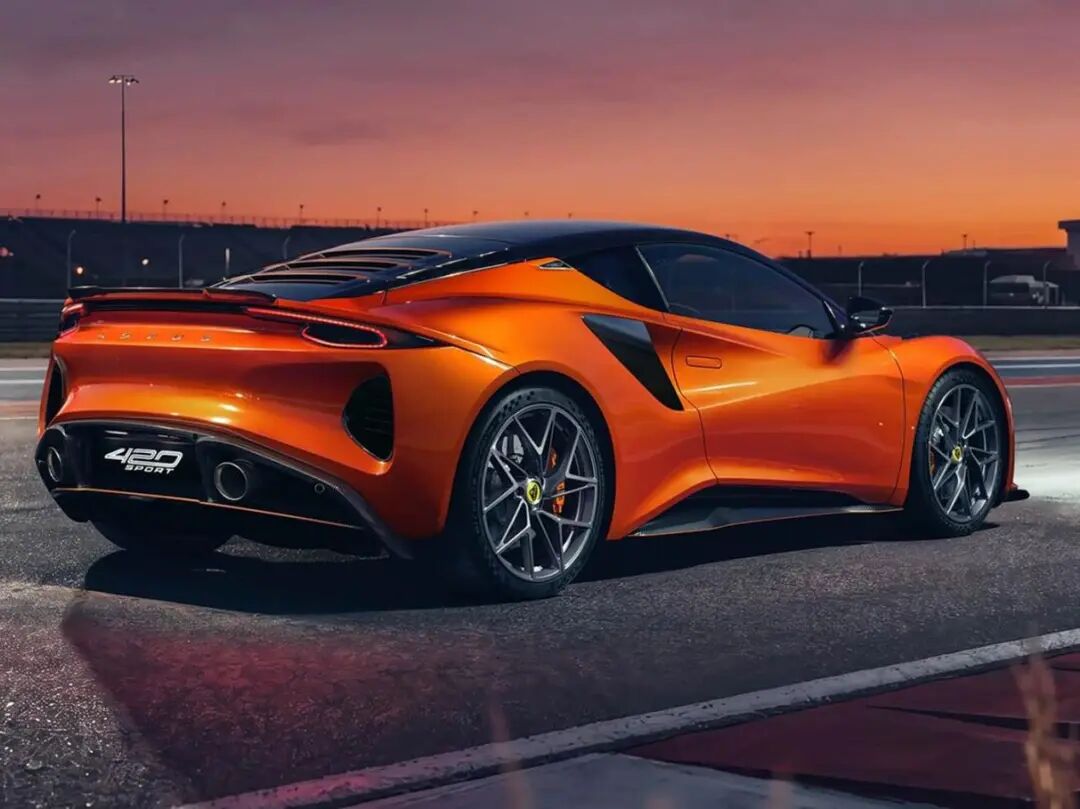
These brands share one common trait: their core products have never been mere commuting tools but emotional consumer goods. When electric motors can easily achieve zero-to-100 km/h acceleration, the roar of a V12 engine, the mechanical vibrations, and the shock of gear shifts become irreplaceable differentiating assets. Winkelmann put it bluntly: buyers are 'more attracted by the emotional experience of the vehicle, something today's electric vehicles cannot replicate.'

The Truth in the Ledger: Fuel-Powered Vehicles Are 'Feeding' Electric Vehicles
If one only looks at the public statements of these brands, it is easy to conclude that 'they are resisting electrification.' But the ledger does not lie.
In the first half of 2026, Volkswagen Group delivered 438,500 fully electric vehicles globally, a year-on-year decline of 5.8%, with the group's cash flow still highly dependent on traditional fuel-powered vehicle operations. Mercedes-Benz's passenger car business saw a 66% year-on-year plunge in operating profit before interest and taxes in the first half, with an even steeper 94% drop in the second quarter, nearing the break-even line and forcing management to simultaneously downgrade full-year expectations. BMW's net profit fell 28.5% year-on-year, prompting management to lower its automotive segment profit margin guidance to between 1% and 3%.
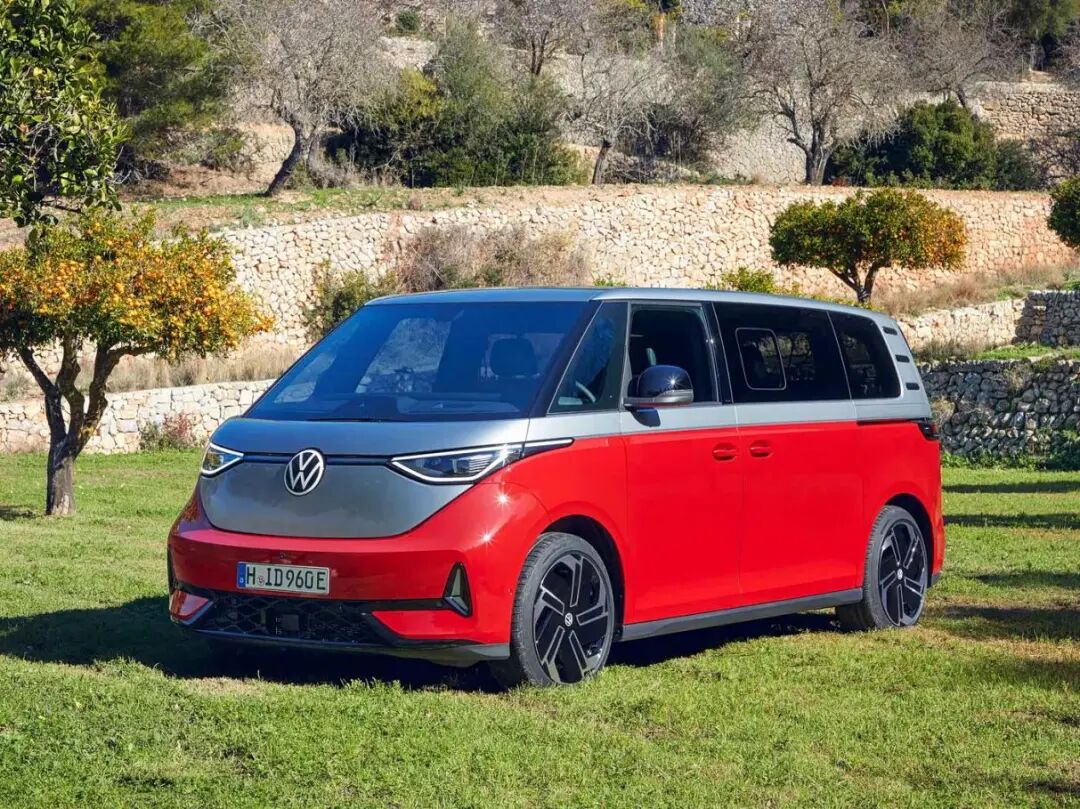
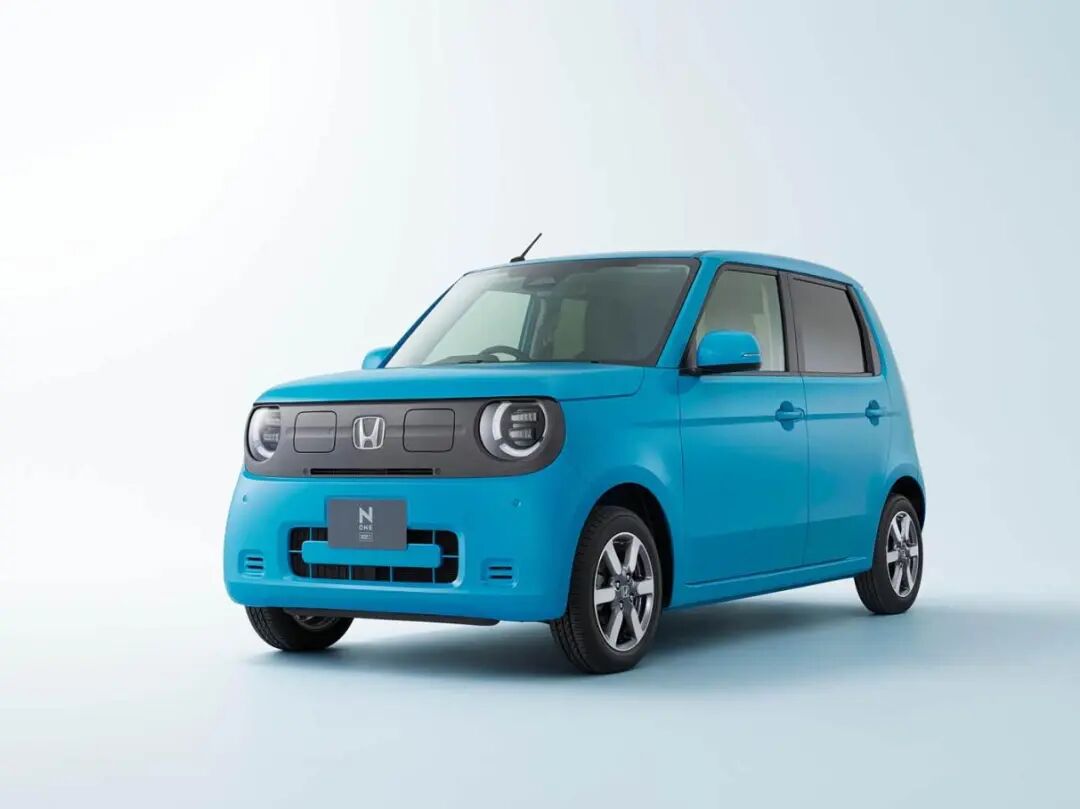
When these figures are viewed alongside the CLE 646, the answer becomes clear. The fuel-powered vehicle business is the most stable cash source for European automakers, while the electric vehicle business is generally in a 'money-burning' phase. The engine factories, transmission production lines, supplier networks, and dealership systems accumulated during the fuel-powered vehicle era are all assets built with substantial investments. A sudden full-scale shift to fully electric vehicles would result in depreciation and impairment of old equipment, a reconfiguration of the supply chain, and a need for dealers to adapt from scratch. Honda has already paid the price: after abandoning multiple fully electric projects in North America, it wrote off 1.45 trillion yen in already invested funds, leading to the company's first annual net loss since going public in 1957, amounting to a staggering 414.3 billion yen.
In other words, the 'combustion engine comeback' by European automakers is not a denial of electrification but a brutal arithmetic problem: before the electric vehicle business becomes profitable, fuel-powered vehicles must continue to generate cash. Maximizing profits from fuel-powered vehicles during the policy grace period, with electric vehicles as a necessary investment for compliance—this pragmatic logic is the real reason behind the 'rhetoric of transformation while continuing to produce fuel-powered vehicles.'

The Two Sides of the Chinese Market: Lost Profits and Unexpected Leverage
The strategic recalibration of European automakers cannot be separated from the changing role of the Chinese market. Over the past decade, 'high sales volume + high premiums' in China have been the core profit engine for BBA (BMW, Mercedes-Benz, Audi). However, data from 2026 paints a different picture: BMW's European market grew by 5.4%, officially replacing China as its largest single market globally. Mercedes-Benz confirmed a 752 million euro impairment of its investment in Chinese joint venture equity, with China transforming from a profit pillar into a performance drag. The market share of German mainstream and luxury brands in China's fully electric vehicle market plummeted to 1.6%, with sales volume falling by more than half year-on-year.
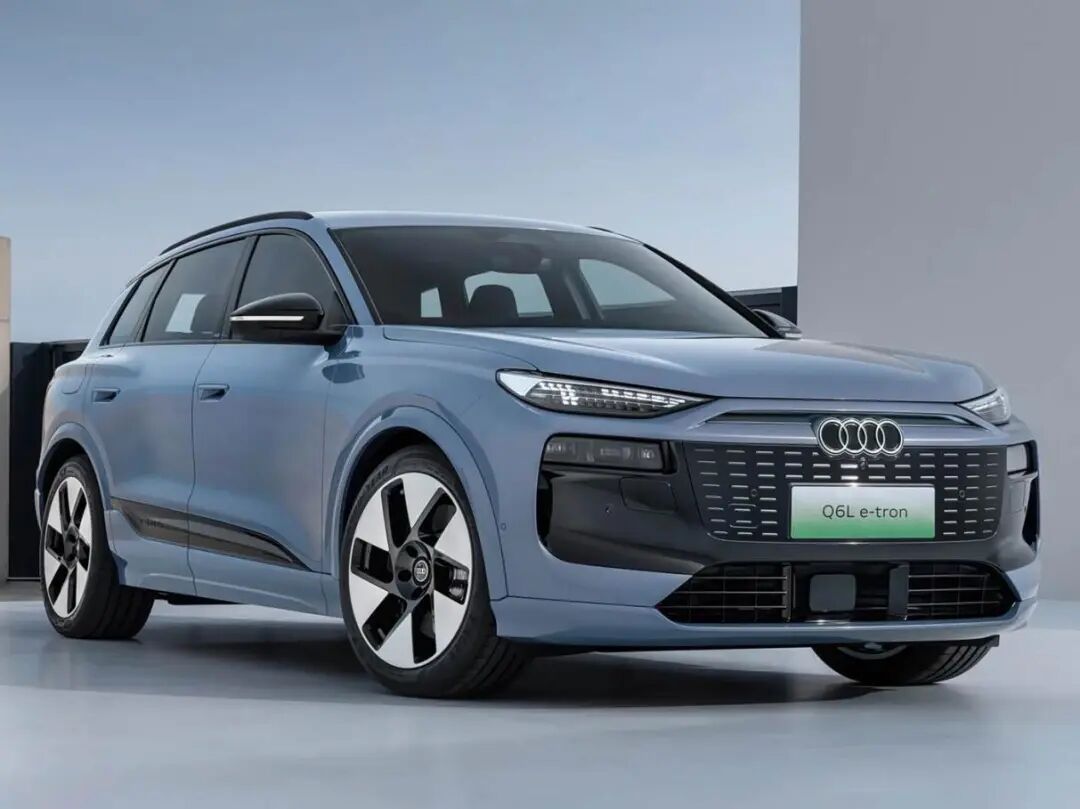
But on the flip side of this 'bleeding,' China is becoming an indispensable technology and compliance partner for European automakers. A report by the Financial Times captured this turning point: for decades, Chinese brands learned manufacturing techniques through joint ventures with Western companies; now, the situation has reversed, with Western automakers relying more on Chinese partners and local supply chain resources to accelerate production and enhance software competitiveness. Martin Sander, head of sales at Volkswagen, admitted that the model the company had long used in Europe was no longer competitive in the Chinese market. The BMW iX3 rolled off the production line in China before being shipped to Bremerhaven, Germany, while the Audi Q6L e-tron is equipped with Huawei's ADS intelligent driving solution. Western manufacturers' market share in China has dropped from 64% in 2020 to 32%, while Chinese automakers' market share in Europe has surged from 0.5% in 2021 to nearly 10% by the spring of 2026.
The most symbolic case occurred in the realm of carbon emissions compliance. In August 2026, Porsche officially exited the Volkswagen Group's carbon emissions pool and formed a joint emissions pool with China's XPENG Motors to jointly calculate fleet carbon emissions data for 2026-2027. Porsche's fully electric vehicle sales in Western Europe fell by about 30% year-on-year in the first half of 2026, and the reintroduction of the fuel-powered Macan further pushed up its fleet emissions average. The cost of purchasing carbon credits from XPENG was far lower than paying fines. For XPENG, regulatory credit trading 'incurs almost no additional costs, with revenue nearly pure profit.' Stellantis also introduced its strategically invested Leapmotor in 2026, establishing a new emissions pool separately.
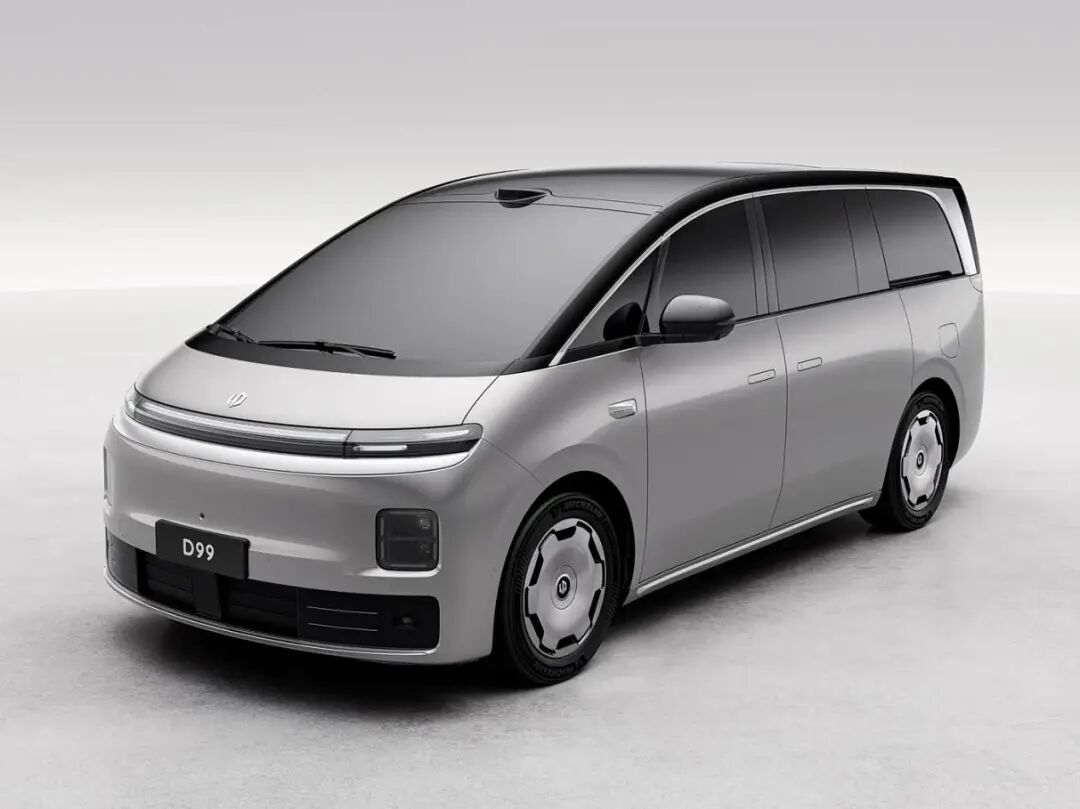
Chinese new energy vehicle companies are upgrading their role in Europe from mere vehicle exporters to providers of carbon compliance solutions. The growing compliance costs for traditional European automakers are transforming into new growth points and sustainable revenue streams for Chinese brands.

So, What Does Fuel-Powered Vehicles Mean in This Era?
Returning to the CLE 646. This car lacks the large screen of an intelligent cockpit, the sensor array for assisted driving, and even rear seats. Its sole reason for existence is driving itself.
In an era defined by algorithms, batteries, and OTA updates, the meaning of purely fuel-powered vehicles is undergoing subtle yet profound changes. They are no longer a 'default option' but are becoming a 'deliberate choice.' Global electric vehicle sales growth is expected to slow from 22% in 2025 to 13% in 2026, with U.S. electric vehicle sales projected to plummet from 1.5 million to 1.1 million. Ford CEO Jim Farley anticipates that the share of electric vehicles in the U.S. new car market may fall from 10% to 5% in the short term. These figures do not signify the failure of electrification, but they do indicate that consumers are voting with their wallets, and the results are far more complex than policymakers and some automaker executives had anticipated.
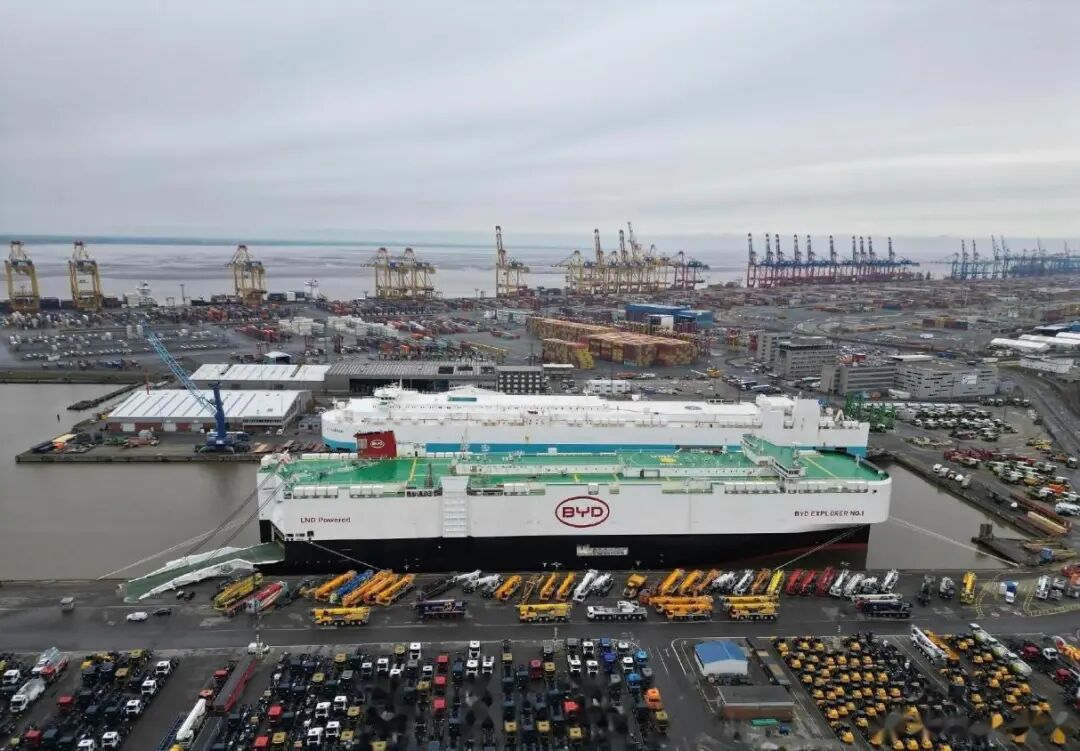
For the Chinese market, the implications of this shift may be even more profound. In the third quarter of 2025, eight Chinese ministries and commissions explicitly included 'stabilizing fuel-powered vehicle consumption' as a key task in their joint plan, while the EU simultaneously relaxed its 2035 internal combustion engine ban, marking a rare convergence in automotive industry policies between China and Europe. As Chinese automakers accelerate factory construction in Europe to cope with anti-subsidy tariffs of up to 45%, European automakers are embracing the Chinese supply chain—BYD is investing 4 billion euros in a Hungarian factory, Chery is restarting a Nissan plant in Spain through a joint venture with Ebro, and XPENG is using Magna for contract manufacturing while negotiating the use of Volkswagen's idle production capacity. This bidirectional 'localization' process is pushing the Chinese and European automotive industries from a simple competitive relationship toward a more complex symbiotic pattern (which means 'pattern' or 'structure' in this context).
The 30 units of CLE 646 were quickly sold out. Those who bought it probably didn't care that it lacked L2 assisted driving or its fuel consumption. What they bought was something that is becoming scarce: an unmediated connection between a machine and its driver. The value of this connection has only truly been highlighted in the era of electric vehicles.

In Conclusion
The "combustion engine counterattack" by European automakers may not ultimately be remembered by history as a "regression." It is more akin to a recalibration: in an era where technological pathways have not yet converged, geopolitical disruptions persist, and consumer demands are highly differentiated, no automaker can afford to bet all its chips on a single direction. Combustion engine vehicles will not disappear, nor will electric vehicles come to a halt. What is truly happening is the dismantling of the narrative of a "single correct answer," replaced by a prolonged transition period where multiple powertrains coexist, each catering to different needs.
And this transition period may last longer than anyone imagines.

Feel free to share, like, and leave comments.
The copyright of this work belongs to Xin Zuojia or the relevant copyright holders. Any third party is prohibited from reprinting without authorization; otherwise, it constitutes infringement.
"Respect originality, respect attitude."
-
![]()
The Roar of the V8 Drowns Out the Hum of Electric Motors: Why European Automakers Are Making a 'Combustion Engine Comeback'
-
![]()
Xiaomi's High-End Strategy Succeeds! Lei Jun Secures Top Spot in Domestic Android Foldable Phone Sales, Stores Overwhelmed
-
![]()
Qianwen's Losses Widen Year-on-Year in Q2, Catching Up with Doubao Remains a Long Road
-
![]()
Taiyi, Which Invested 3 Billion to Revive Nezha, Faces Consumption Restrictions on Its Beneficiary
-
![]()
Domestic Computing Power Reaches a Turning Point: Hardware is No Longer a Bottleneck, Software Ecosystem is the Real Challenge
-
AI Enters the Second Half: Anthropic, DeepSeek, and Zhipu Stockpile Resources for Battle
-
![]()
Graduating Means Unemployment? AI Disrupts Job Market, Driving College Students to Switch Majors, Career Paths, and Industries
-
![]()
AI-Generated Fake Ads: Stealing Faces, Exploiting Influencers, and Undermining Credibility