Mysterious Billionaire Taiyi Shenglian Invests 3 Billion to 'Revitalize' Neta Auto!
 09/15 2026
 376
376
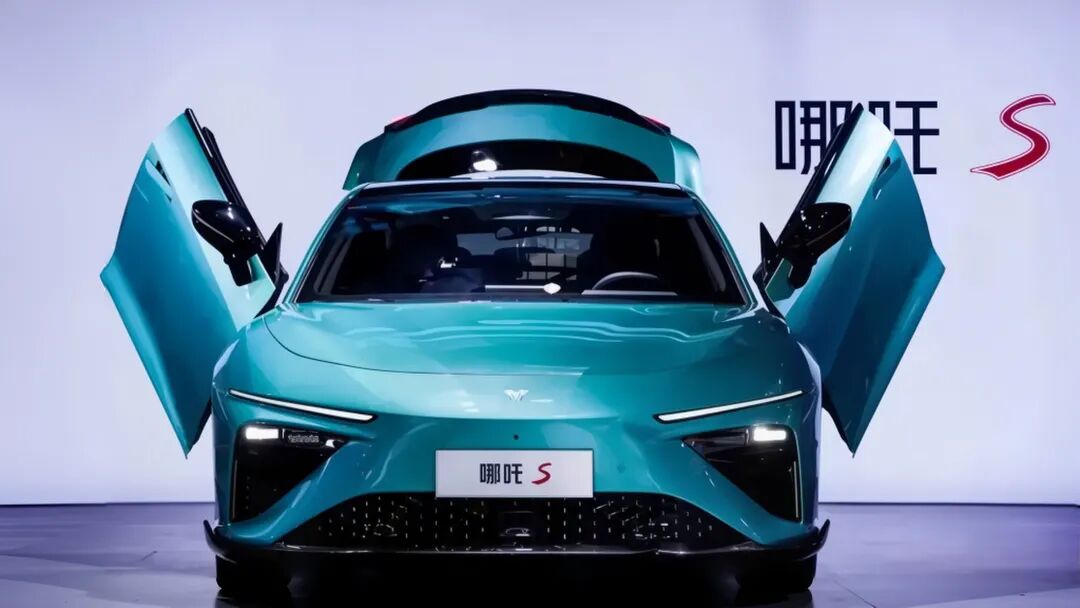 Image Source: Weibo
After a prolonged period of silence and near-oblivion from the public eye, Neta Auto is now poised for a restructuring that could potentially rewrite its destiny. Many had believed that this former sales champion among new energy vehicle (NEV) startups was on the brink of closure. However, an investor with an intriguing name has stepped forward, planning to inject 3 billion yuan in a bid to revive the struggling automaker.
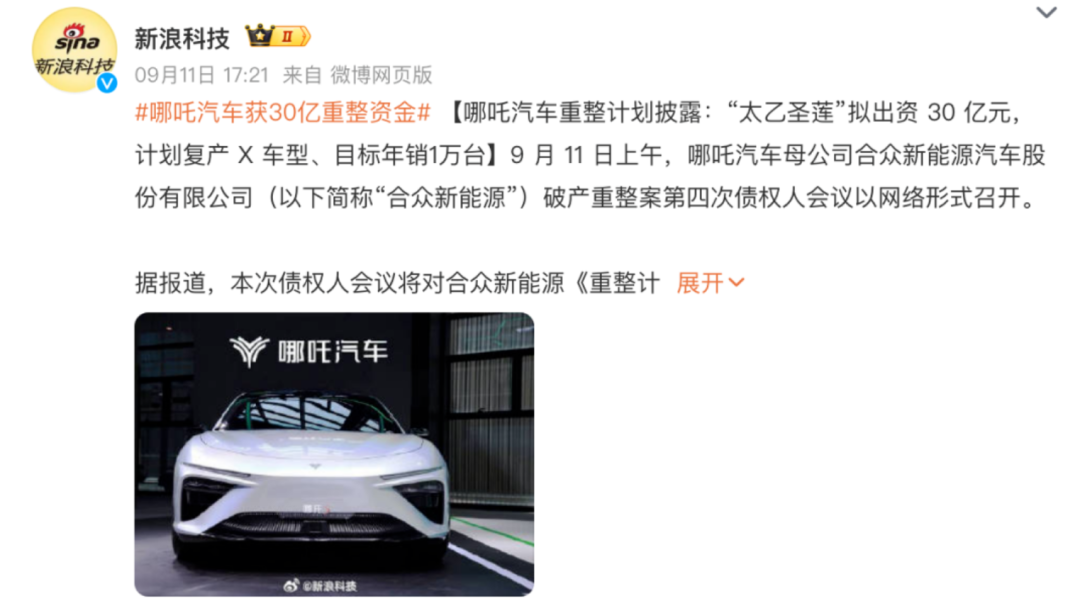
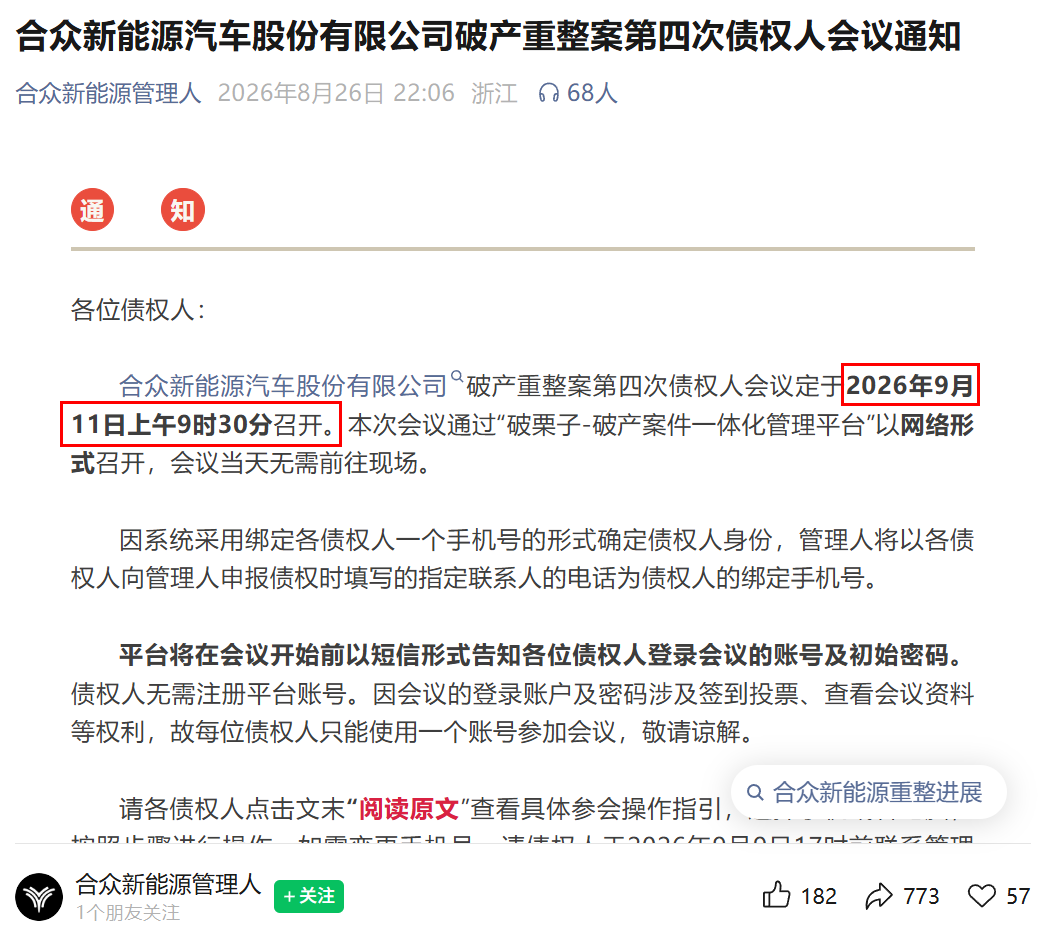 Image Source: Official Account
On September 11, Hozon New Energy Automobile, the parent company of Neta Auto, held its fourth online creditors' meeting, officially unveiling the Restructuring Plan (Draft). The acquiring entity, Zhejiang Taiyi Shenglian Enterprise Management Partnership, made its debut. Netizens quipped: To resurrect Neta, it indeed requires the 'Taiyi Zhenren' (a mythical figure known for miraculous feats).
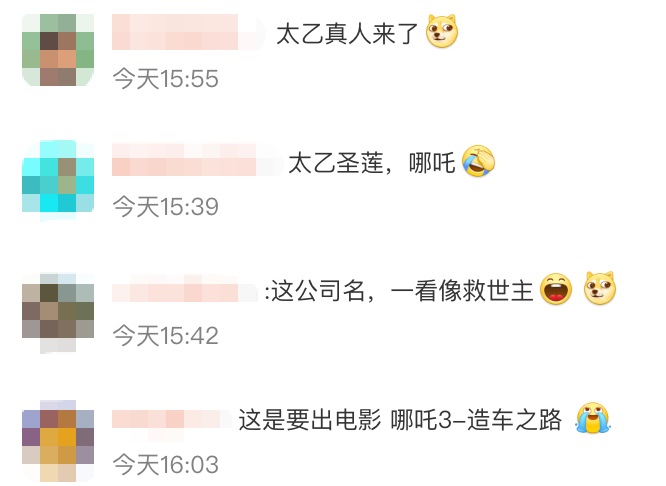
Image Source: Weibo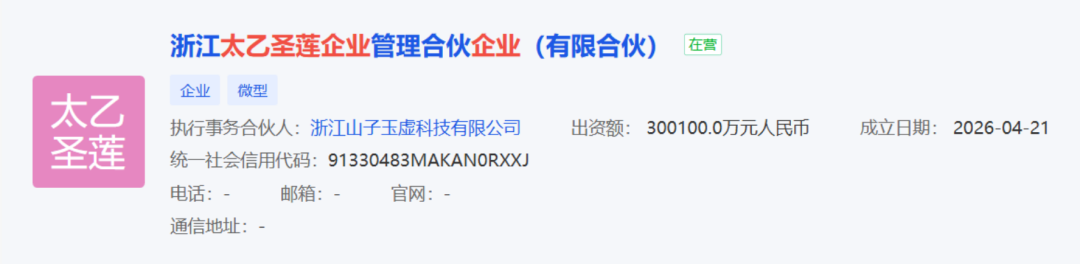
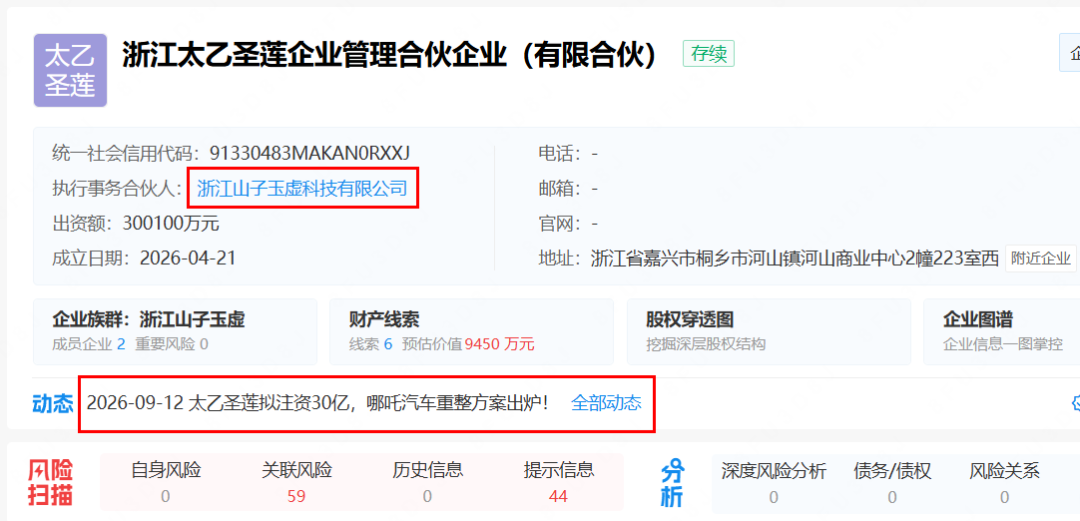
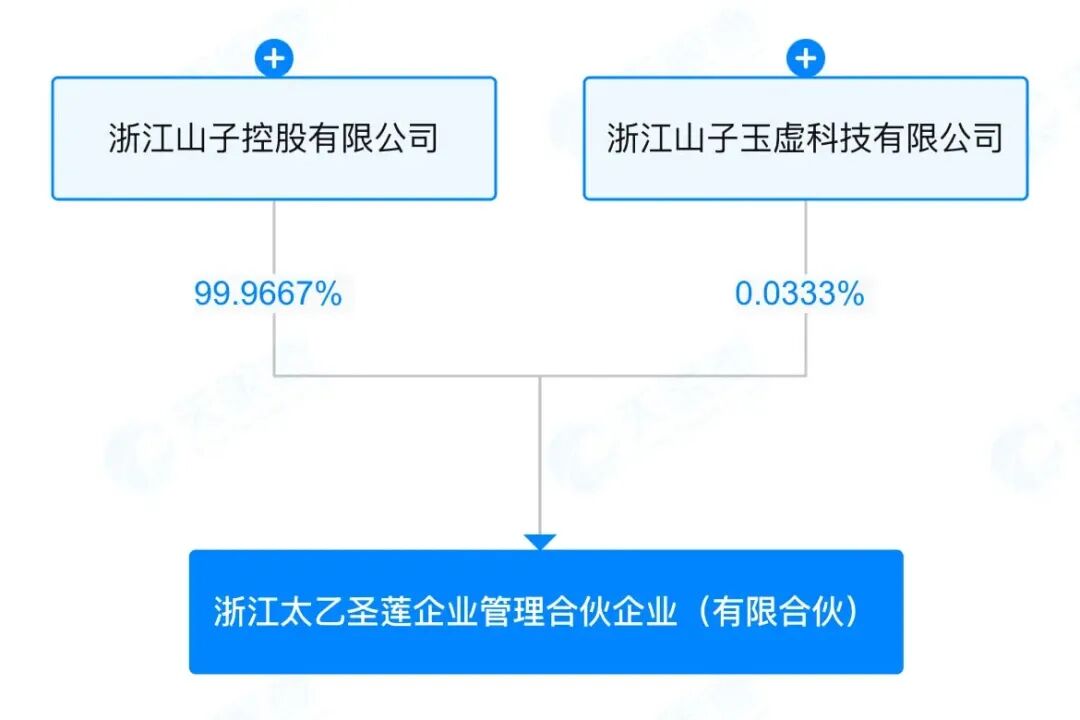 Image Source: Qichacha & Tianyancha
According to the restructuring draft, Taiyi Shenglian intends to invest 3 billion yuan to acquire a 70.62% stake in Hozon New Energy Automobile, thereby gaining absolute operational control of the company. However, the 3 billion yuan remains a theoretical figure; the crux of the matter lies in how these funds will be utilized and whether they will actually materialize.
Breakdown of the 3 Billion Yuan Lifeline: Nearly 40% Allocated for Debt Repayment, Only 1.833 Billion Yuan for Vehicle Manufacturing
Many people assume that the 3 billion yuan figure signifies stability for Neta. However, a closer examination of the fund allocation reveals that this is not a substantial sum for expansion but rather a restart fund aimed at addressing immediate gaps.
The 3 billion yuan restructuring funds are divided into two parts: 1.167 billion yuan will be used to settle historical claims and bankruptcy-related expenses, prioritizing the resolution of Neta's accumulated debts. The remaining 1.833 billion yuan will be injected as working capital into Hozon New Energy Automobile to resume production, repair the supply chain, and cover daily operations.
In essence, only 60% of the 3 billion yuan is earmarked for vehicle manufacturing, with the rest dedicated to resolving past liabilities.
The renowned 'Taiyi Shenglian' is itself an entity established specifically for this restructuring. Business records indicate that the company was registered in April 2026 with a registered capital of 3.001 billion yuan, all of which is currently subscribed but not yet paid in.
This has raised concerns in the market. A previous case involving High-Flyer Automobile's restructuring serves as a cautionary tale: the investor set up a new company, registered a substantial subscribed capital, but the funds never materialized, leading directly to the failure of the restructuring. Therefore, the biggest uncertainty in this restructuring is whether the 3 billion yuan can be fully paid in on time.
Behind the Scenes: The Actual Controller is Ye Ji, Not to Be Confused with Shanzhi Hi-Tech
After a thorough equity analysis, the background of Taiyi Shenglian becomes clearer: the partnership is jointly formed by Zhejiang Shanzhi Holdings and Zhejiang Shanzhi Yuxu Technology, with the ultimate actual controller being Ye Ji, the chairman of Shanzhi Hi-Tech.
It is crucial to distinguish a key point here: the restructuring investor is Taiyi Shenglian, not the listed company Shanzhi Hi-Tech itself.
Earlier, Shanzhi Hi-Tech was indeed the only prospective investor to apply during the management recruitment period. Subsequently, all restructuring-related rights and obligations were transferred in their entirety to Taiyi Shenglian, with the listed company withdrawing and the newly established partnership independently managing the project.
Although the listed company is not directly investing, there are close personnel connections. Yu Shuxin, the head of Shanzhi Hi-Tech's board office, is also involved in Taiyi Shenglian and serves as the legal representative of Zhejiang Qianhe Automobile, a Shanzhi-affiliated automotive company. Another key figure in the restructuring operations team is Zhu Renjie, the vice president of Shanzhi Hi-Tech, who previously worked at Tesla, participated in establishing the Shanghai Gigafactory's body team, and followed up on the Cybertruck mass production project, possessing solid vehicle manufacturing experience.
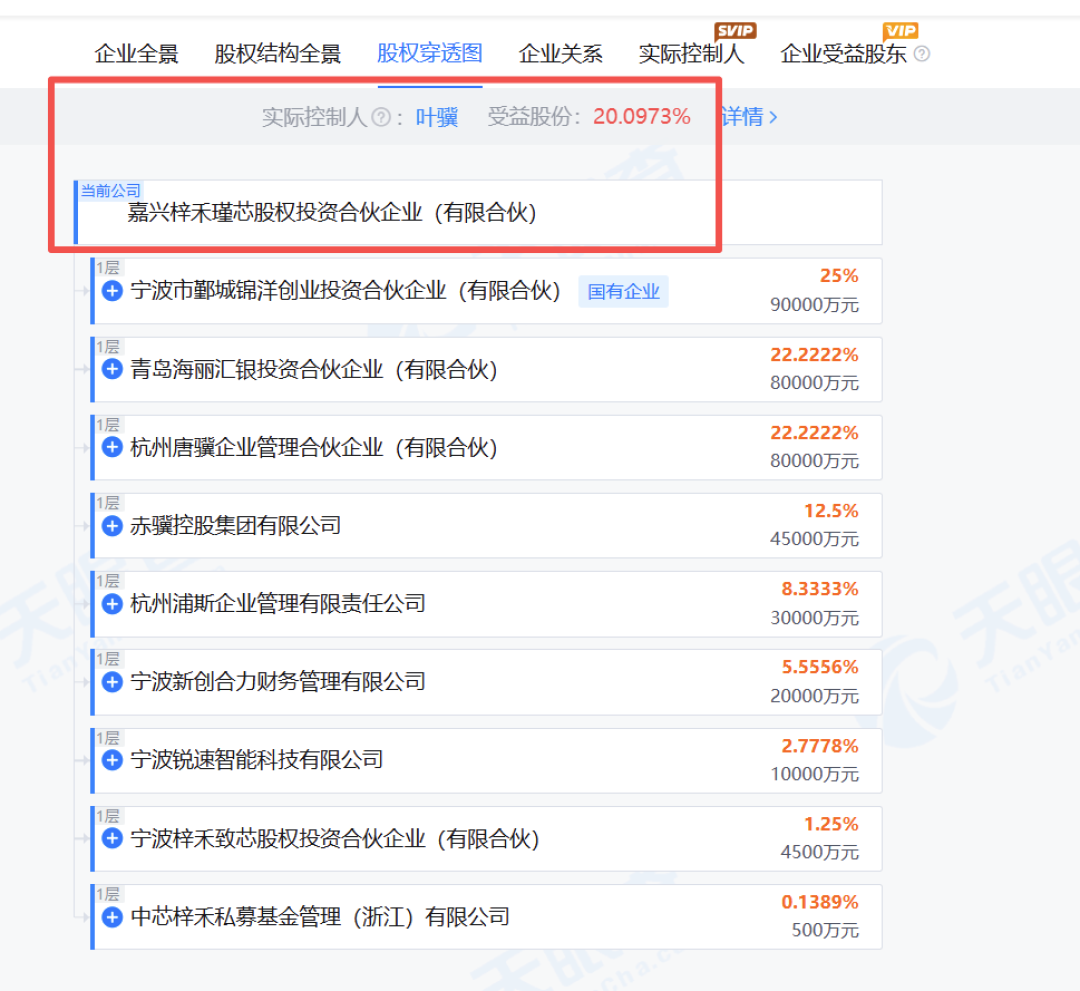
Image Source: Qichacha
Looking at Shanzhi Hi-Tech's background, it was formerly the Ningbo-based real estate company Yinyi Co., Ltd. It entered the automotive sector early on through cross-border acquisitions of overseas automotive parts companies but later faced its own debt crisis and completed bankruptcy restructuring. After Ye Ji took over, he divested the real estate business and focused on new energy vehicles, high-end automotive parts, and semiconductors. With practical experience in listed company bankruptcy restructuring and deep involvement in the automotive supply chain, this is the confidence behind its decision to acquire Neta.
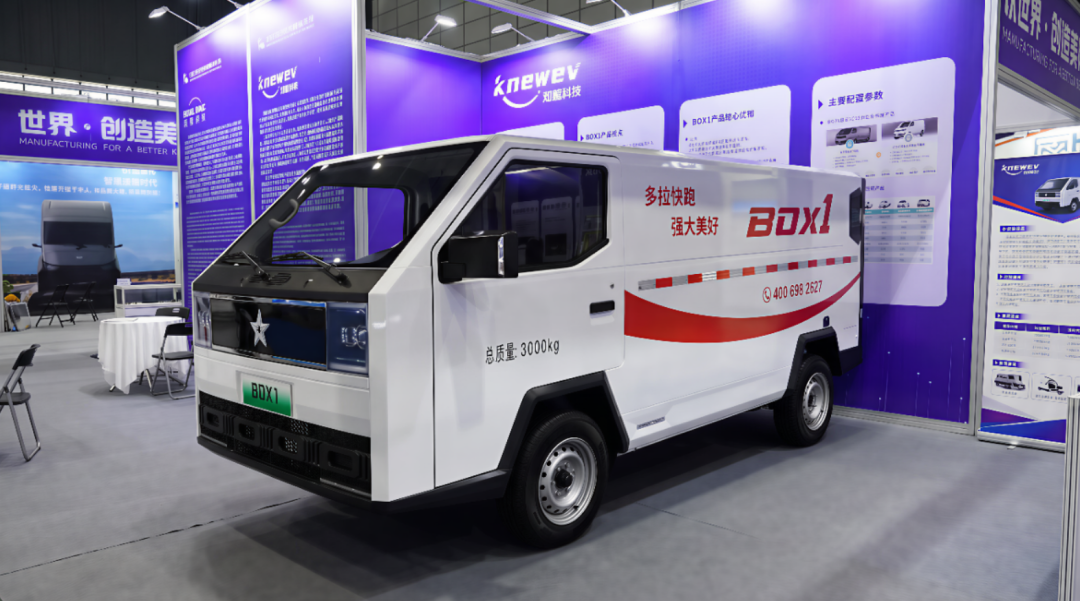
Shanzhi Hi-Tech's New Energy Vehicle Business Image Source: Weibo
Abandoning Domestic Intense Competition, a Three-Step Strategy Bets on Overseas Markets
Founded in 2014, Neta Auto quickly gained traction with its high cost-performance models, capturing the lower-tier market with affordable pricing and becoming a dark horse among NEV startups. The original CEO of Neta Auto was Zhang Yong.
However, hidden risks emerged behind its rapid expansion. To boost sales, Neta continuously ramped up production capacity, establishing vehicle manufacturing plants in Tongxiang, Yichun, and Nanning while simultaneously developing multiple models and investing heavily in both domestic and overseas markets. This aggressive expansion strategy caused the company's debt to soar.
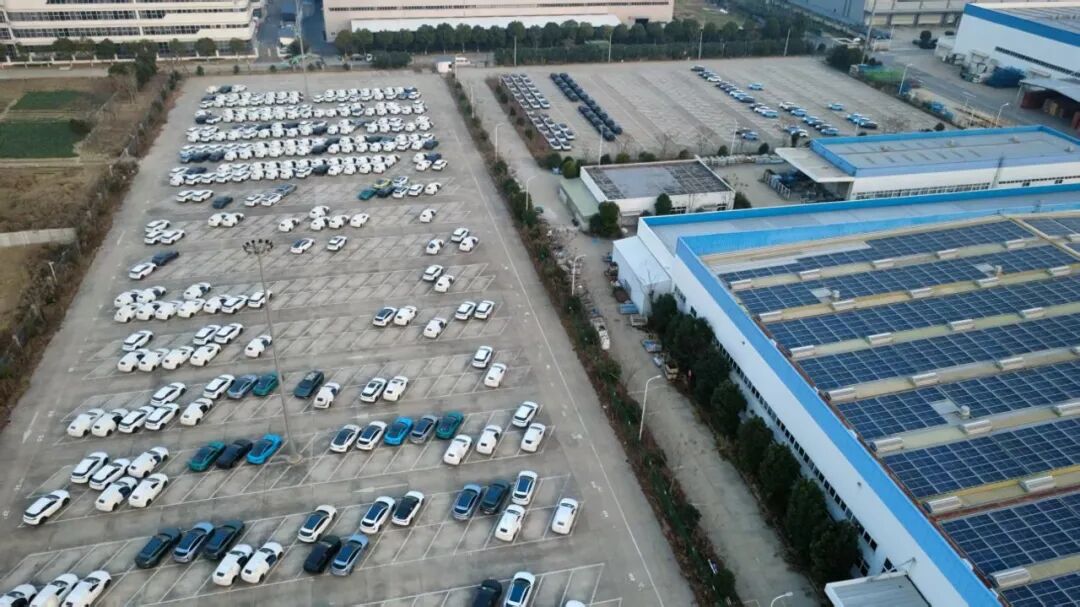
Interior of Hozon New Energy's Tongxiang Plant Image Source: Jiupainews Shu Jiakui
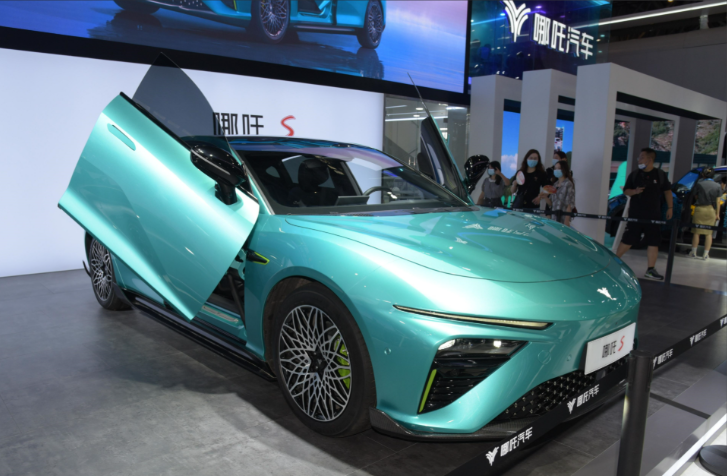 Image Source: Autohome
Looking back, Neta had its moment in the spotlight. In 2022, it delivered 150,000 vehicles annually, claiming the title of the top-selling NEV startup that year. However, the glory was short-lived. Rampant production capacity expansion, simultaneous development of multiple models, and heavy investment in both domestic and overseas markets quickly plunged the company into crisis.
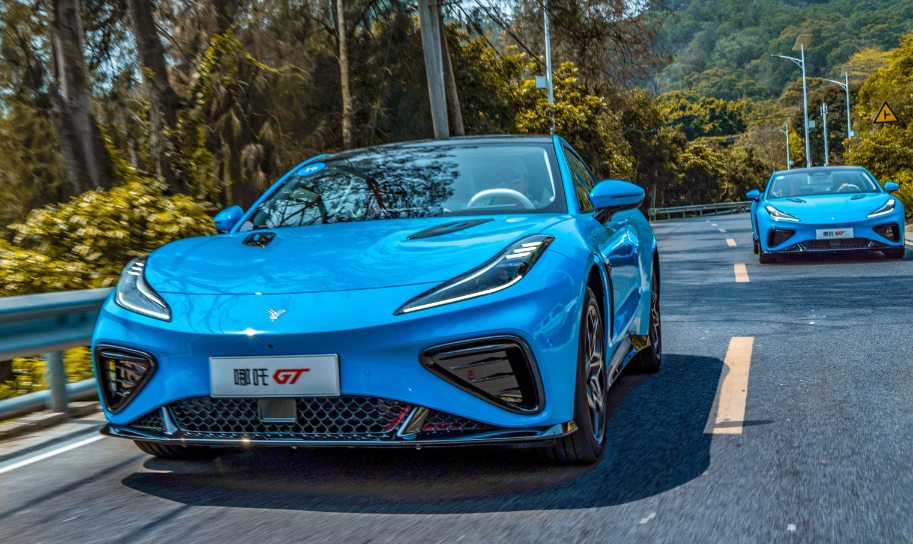 Image Source: Autohome
Over the three years from 2021 to 2023, Neta accumulated losses exceeding 18 billion yuan, exposing its most fatal flaw: the higher its sales, the greater its losses, failing to establish a self-sustaining business model. Subsequently, multiple plants halted production, and the company fell into a quagmire of unpaid salaries and supplier debts. In June 2025, the court formally accepted Hozon New Energy's bankruptcy restructuring application.
Objectively speaking, Neta's downfall was not due to fundamental product quality issues but rather aggressive expansion coupled with management disarray. With existing models, factories, and overseas channel assets still intact, the restructuring plan opts for a different approach: abandoning the fiercely competitive domestic passenger vehicle market and focusing on overseas markets instead.
The restructuring plan outlines a highly pragmatic three-stage development roadmap:
Phase 1: Resume production of the Neta X, targeting overseas markets with an annual sales goal of 10,000 units.
The Neta X is a compact SUV that was priced between 89,800 and 124,800 yuan before production halt. It was already Neta's mainstay for overseas expansion, having entered seven overseas countries and securing over 7,000 overseas orders. The administrator revealed that some overseas prospective orders have already been secured.
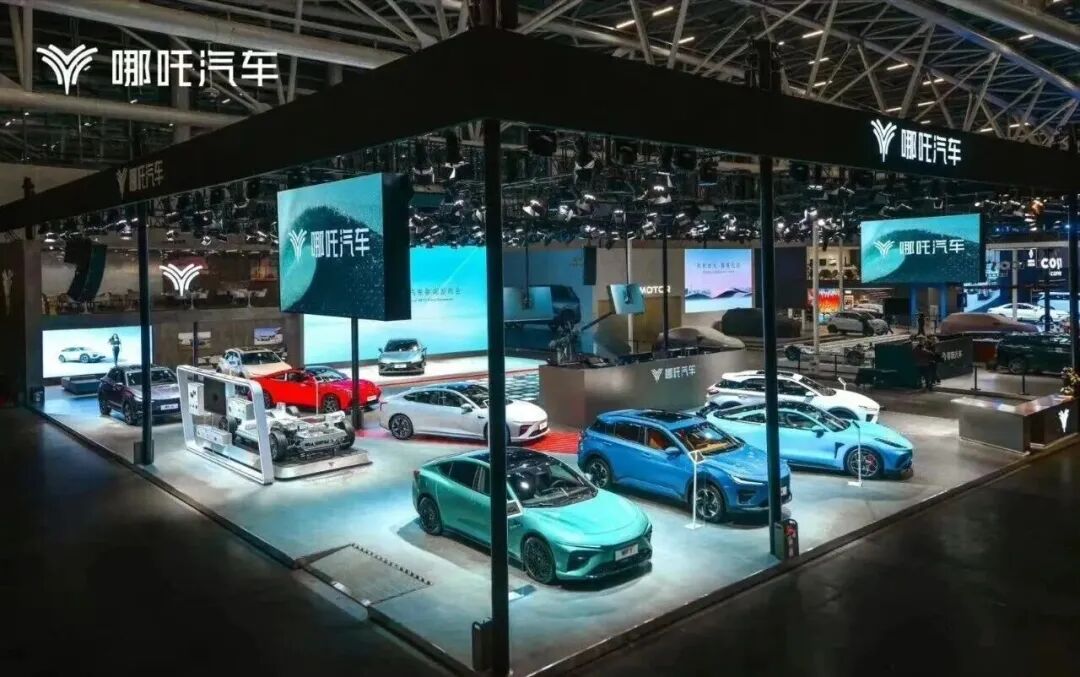 Image Source: Weibo
In addition to vehicle manufacturing, another key focus in this phase is protecting the rights of existing vehicle owners: rebuilding the upstream supply chain, reactivating nationwide service networks, and restoring vehicle after-sales maintenance. Significant asset adjustments will be made: retaining equipment assets for the Neta X and Neta L models; designating equipment for high-investment models like the Neta S and GT as non-core assets for disposal, cutting money-losing product lines to travel light.
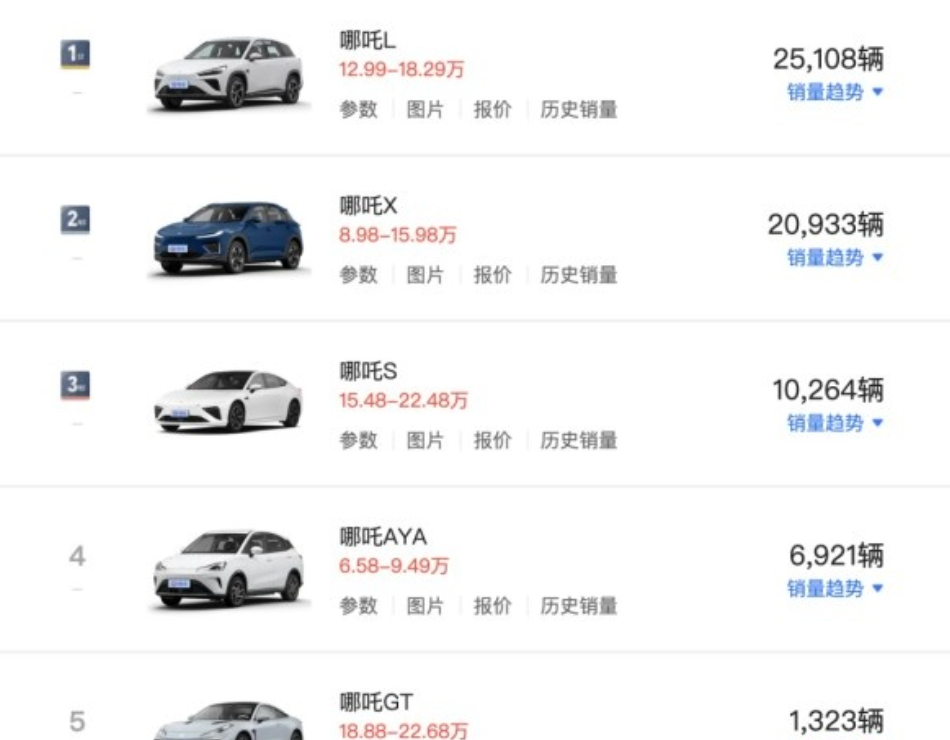 Image Source: Weibo
Phase 2: Target emerging markets in Asia, Africa, and Latin America with an annual production goal of 300,000 units.
Leveraging the foundation established in overseas markets during Phase 1, develop models tailored to Asian, African, and Latin American markets, expand overseas production capacity, and gradually reduce manufacturing costs.
Phase 3: Develop global smart vehicle models, aim for an annual output value of 40 billion yuan, and initiate IPO preparations.
In terms of employee placement, existing employees will be placed according to the law, while channels for rehiring former employees will gradually open to retain original industry talent as much as possible.
A Beautiful Plan Doesn't Guarantee Success: Two Critical Challenges Lie Ahead
No matter how well-crafted the draft plan is, it remains just a plan. For Neta to truly rise from the ashes, two hurdles must be overcome.
The first hurdle is the aforementioned issue of the 3 billion yuan subscribed capital materializing. All resumption of production and debt repayment hinge on the actual arrival of funds. If the funds fail to materialize, the entire restructuring effort will collapse.
The second hurdle is maintaining the vehicle manufacturing qualification. According to relevant requirements, Neta Auto must produce at least 2,000 complete vehicles by 2026 to retain its manufacturing license. Failing to meet this requirement would render its factories and distribution channels useless assets.
In contrast to the hasty restructuring of automakers by Baoneng in the past, Taiyi Shenglian's plan demonstrates a clearer understanding of the automotive industry. It avoids making unrealistic promises, does not pursue short-term domestic sales surges, and instead starts with mature models and overseas orders, prioritizing survival before seeking growth.
In mythology, Taiyi Zhenren uses lotus roots to reshape Nezha's physical form. In the real business world, there are no mythical enhancements. Taiyi Shenglian holds the restructuring ticket, possesses an industry team, and has a clear overseas strategy, but the underlying issue of Neta's 'selling vehicles at a loss' has not automatically disappeared with the restructuring.
The 1.833 billion yuan in working capital is only sufficient for small-scale production resumption and inadequate for large-scale new product development. Prospective orders do not equate to actual deliveries, and overseas market competition is equally fierce. Whether Neta can break free from its history of sustained losses depends on multiple tests involving funds, orders, and the supply chain.
The approval of the restructuring draft is merely the prologue to the story, far from the conclusion.
Interactive Topic: Do you believe Neta Auto can achieve a comeback by relying on overseas markets? Welcome to share your thoughts in the comments section.
Disclaimer: This article is solely a commentary by Dachang Finance and does not constitute any investment advice. The enterprise data and regulatory events mentioned herein are sourced from public information and are for reference only, subject to official announcements. Image sources are from the internet; if there are copyright issues, please contact us for removal.
-
![]()
How the 'Imitation' Approach in iPhone Duo's Design Dilutes Apple's Premium Image
-
![]()
Mysterious Billionaire Taiyi Shenglian Invests 3 Billion to 'Revitalize' Neta Auto!
-
Hongguo 'Dominates' iQIYI, Youku, Tencent Video, and Mango TV: How Short Dramas Are Revolutionizing the Video Industry?
-
![]()
The Roar of the V8 Drowns Out the Hum of Electric Motors: Why European Automakers Are Making a 'Combustion Engine Comeback'
-
![]()
Xiaomi's High-End Strategy Succeeds! Lei Jun Secures Top Spot in Domestic Android Foldable Phone Sales, Stores Overwhelmed
-
![]()
Qianwen's Losses Widen Year-on-Year in Q2, Catching Up with Doubao Remains a Long Road
-
![]()
Taiyi, Which Invested 3 Billion to Revive Nezha, Faces Consumption Restrictions on Its Beneficiary
-
![]()
Domestic Computing Power Reaches a Turning Point: Hardware is No Longer a Bottleneck, Software Ecosystem is the Real Challenge