FAW and GAC Forge Alliance, Charting a Win-Win Path for China's Auto Industry Across Regions
 09/16 2026
 558
558
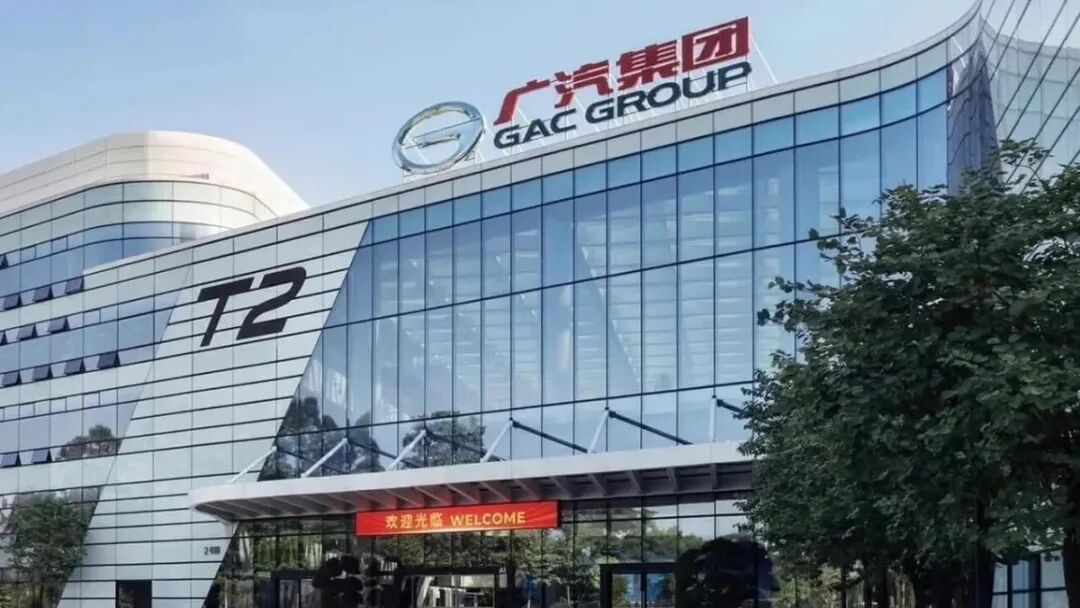
Don't interpret everything through the lens of the imminent emergence of China's most formidable joint venture automaker.
While discussions about merging Toyota's northern and southern operations have surfaced frequently in recent years, backed by substantial evidence, the new alliance between FAW Group and GAC Group represents more than just superficial significance; it embodies a deeper strategic move.
Narrow-minded individuals focus on trivial gains, but what truly transforms lives and the fundamental dynamics of industries is a grand vision.
In essence, this alliance is a win-win proposition for both northern and southern China.
A Clear Signal: A Plan and a Press Conference
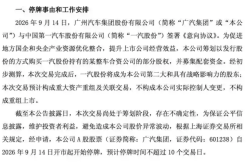
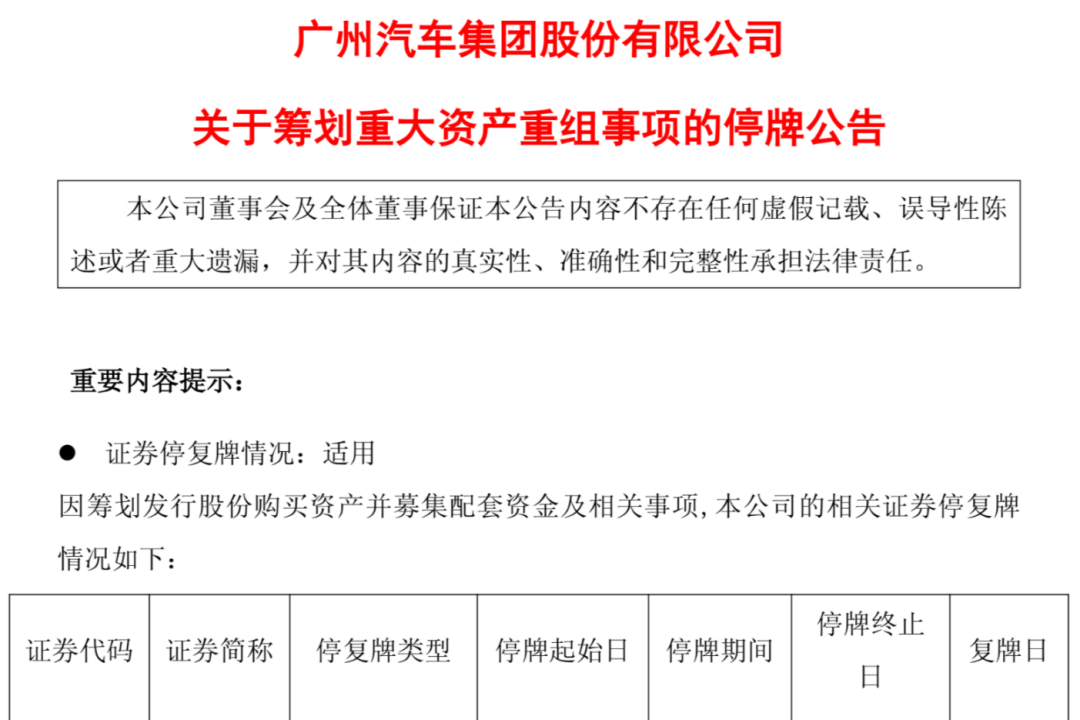
On September 14th, GAC Group's stock price surged. That evening, GAC Group announced it had signed a Letter of Intent with China FAW Group Co., Ltd., planning to acquire a portion of the equity in a joint venture vehicle company held by FAW Group through share issuance and raise supporting funds. This transaction is expected to constitute a major asset restructuring and related-party transaction, without altering the actual controller or leading to a restructuring listing.
The automotive industry generally views this as FAW Toyota and GAC Toyota potentially advancing according to previous merger plans, with the new round of equity structure overcoming many previous hurdles. However, this perspective misses the broader context.
On September 9th, 2026, nine ministries and commissions, including the Ministry of Industry and Information Technology, jointly issued the "15th Five-Year Plan for the Development of the Intelligent Connected New Energy Vehicle Industry." A key point is to "intensify mergers, reorganizations, and cross-regional integration of automotive enterprises in accordance with the law, and deepen the reform of group management for automotive production enterprises."
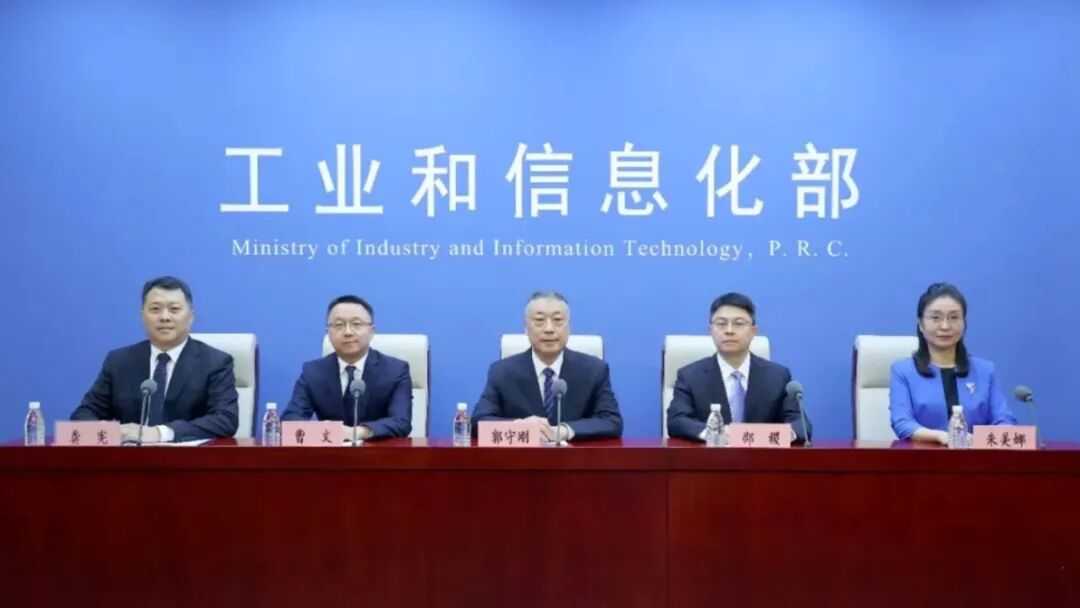
Two days later, on September 11th, the Ministry of Industry and Information Technology held a press conference, where relevant departments clearly stated their support for large enterprise groups in carrying out reforms, promoting mergers and reorganizations through market-oriented and legal means, and aiding key enterprises in effectively integrating resources such as R&D and production to avoid homogeneous competition in product design and technological development.
The equity cooperation between GAC Group and FAW Group undoubtedly represents a practical action and specific measure to implement these deployment requirements, playing a demonstrative and leading role in the integration and optimization of domestic intelligent connected new energy vehicle industry resources.
From the alliance's perspective, this does not entail previous equity cross-holdings or channel sharing. Instead, it signifies a deep collaborative allocation of state-owned assets.
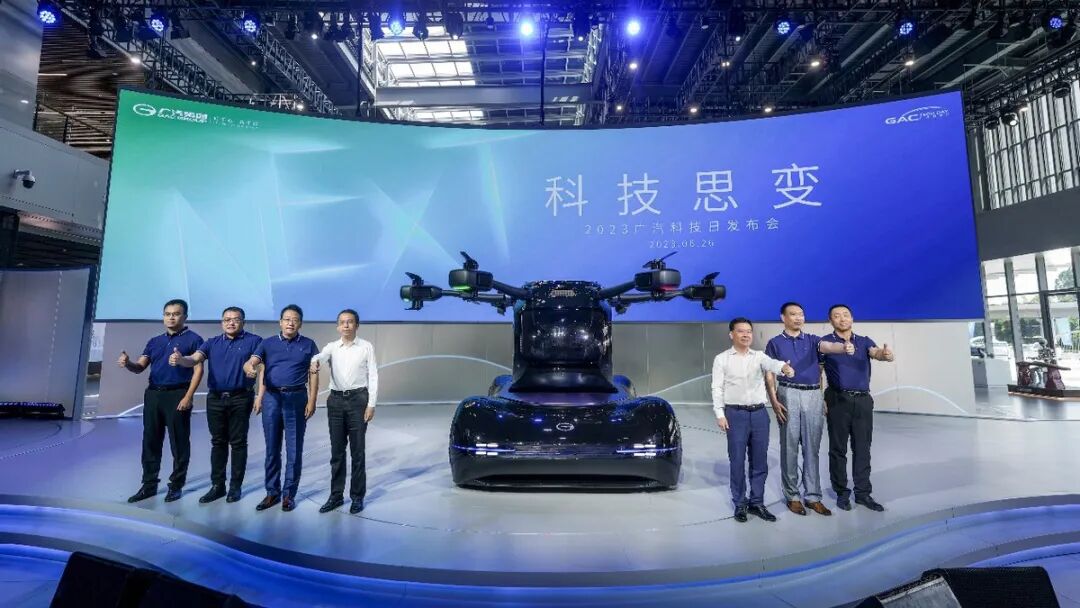
In short, it is a new model of lightweight equity binding and deep collaboration between central and local state-owned enterprises. This model moves away from fragmentation and integrates into a group model to accelerate the healthy development of China's automotive industry and its global breakthrough speed.
State-owned automakers have long faced issues such as scattered layouts, mismatched production capacities, fragmented R&D, and homogeneous competition. Each company independently invests in new energy, intelligent driving, and automotive-grade chip sectors, making it difficult to share technological achievements and resulting in low efficiency in tackling core technologies. The cross-level integration of FAW and GAC aligns with the high-quality development and "15th Five-Year Plan" upgrade direction of the automotive industry, providing a demonstration for resource integration among state-owned automakers. The two sides will form an industrial consortium with annual production and sales exceeding 5 million units, coordinating production capacities in the north and south, optimizing existing capacities, strictly controlling the addition of inefficient capacities, and alleviating structural contradictions of excess low-end supply and insufficient high-end supply. They will concentrate resources to tackle key areas such as solid-state batteries, intelligent assisted driving, in-vehicle operating systems, and automotive-grade chips, addressing industry shortcomings.
All of the above are undoubtedly explicit answers.
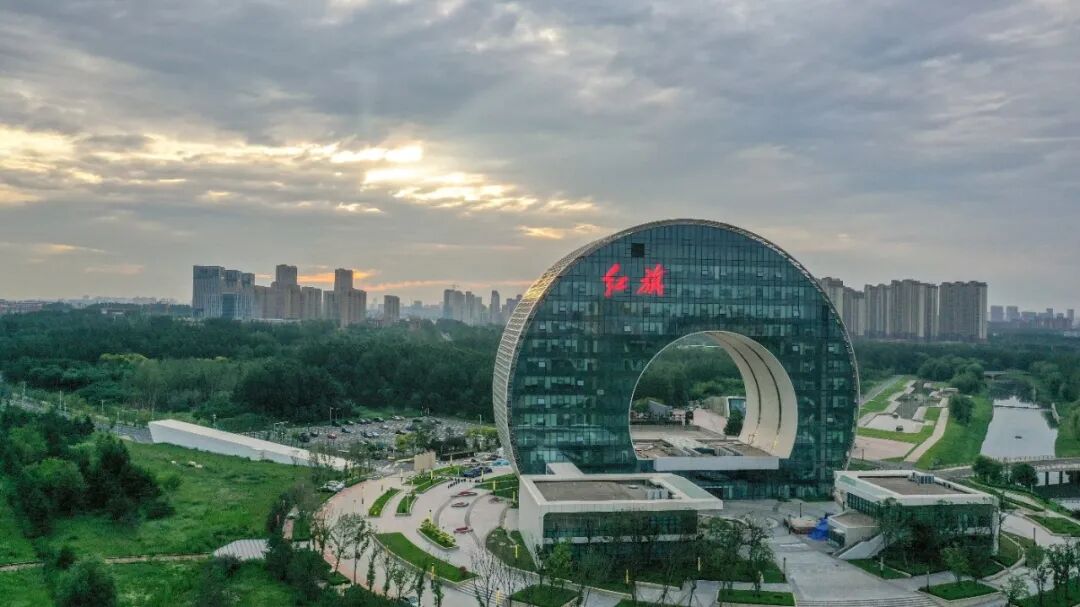
FAW has a strong presence in the northern market, with brands like Hongqi and Jiefang, as well as a high-quality joint venture system, excelling in vehicle chassis and reliability R&D. GAC, based in southern China, relies on independent brands such as Trumpchi, Aion, Hyper, and Qijing to establish a mature new energy system, with significant advantages in batteries, pure electric platforms, intelligent cockpits, and overseas market operations. After implementing strategic cooperation, the market side will rely on complementary north-south channels to improve the national layout and avoid homogeneous competition; the supply chain will concentrate procurement to enhance bargaining power and strengthen industrial chain resilience. Overseas, they will coordinate the export of passenger and commercial vehicles with a unified strategy, avoiding low-price vicious competition, accelerating brand internationalization, and improving enterprise profitability and anti-cycle capabilities.
How to Calculate the Win-Win Account for Both Regions?
The defining characteristic of the era is the increasing weakness of development models relying on joint ventures, fuel vehicles, traditional luxury brands, and so on.
Both the north and the south have their own trump cards for win-win cooperation. The characteristic of 1+1 being greater than 2 is already evident. Firstly, in terms of user awareness, both have deep roots in their respective regions of China, with sufficient recognition and user dependency in advantageous areas. Secondly, in terms of top-tier brands, Hongqi brings cognitive empowerment and resonance. Thirdly, the combined user credibility of both. Beyond these, there are deeper win-win characteristics.
Taking GAC Group as an analytical sample, its characteristics generally include overseas expansion, technology, and standards.
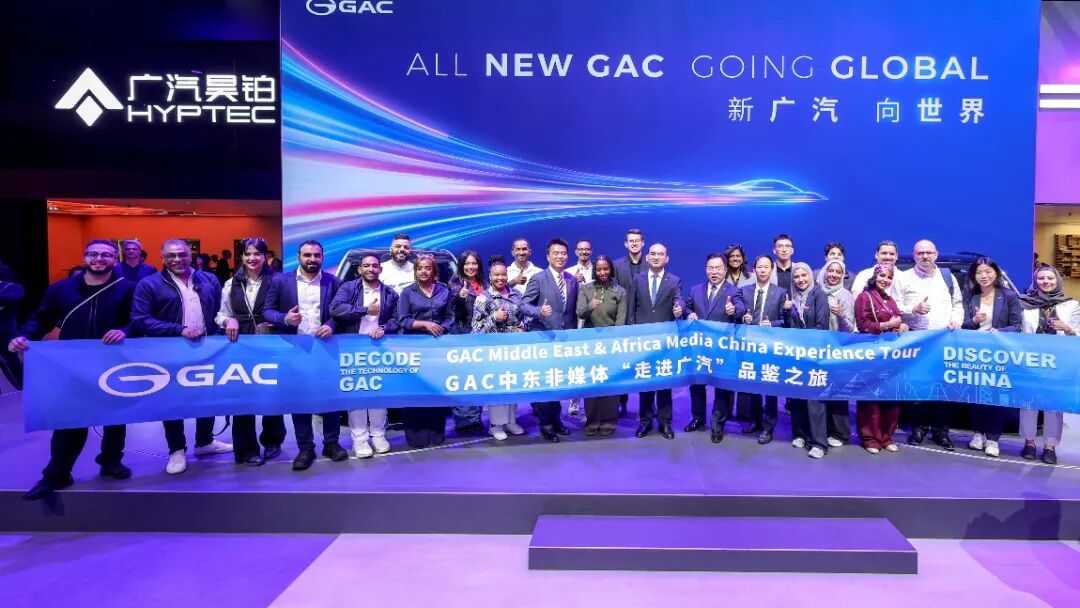
In terms of overseas expansion, from January to August, GAC Group's cumulative export volume reached 172,000 units, a year-on-year increase of 136%. In August, GAC's overseas business continued to maintain triple-digit growth, with nearly 27,000 independent brand exports, a year-on-year increase of 177%. Moreover, GAC has shifted from early product trade exports to deep local operations. As of the first half of this year, it has established seven overseas KD factories (covering Thailand, Malaysia, Nigeria, Austria, Indonesia, Cambodia, and Kazakhstan) and nine overseas parts warehouses, while the construction of its first overseas independent battery PACK factory has begun.
In fact, the "overseas version of GAC" has initially taken shape.
From a technological perspective, it can be divided into external and internal aspects. Externally, forward-looking cross-border layouts and investment and financing strategies are now entering a period of return. Since 2026, 20 invested companies, including Changxin Technology and Momenta, have successively gone public. Internally, GAC Group is one of the few domestic automotive companies with full-stack self-research capabilities in the fields of three electric systems (battery, motor, and electric control) and intelligent connected vehicles.
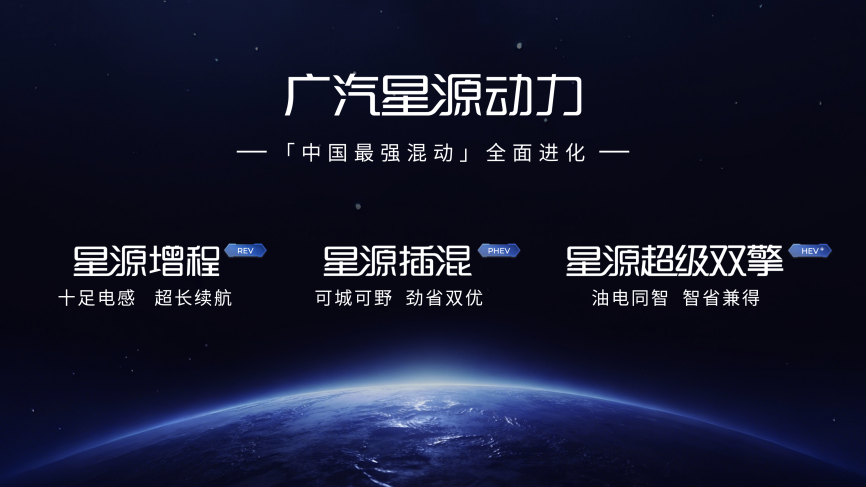
The latest achievements show that at the GAC Technology Day held in April 2026, GAC Group concentratedly released the latest achievements in four areas: Xingyuan Power, Xingjian Body, Xinghe Intelligent Cockpit, and Xingling Architecture 4.0, as well as in the chip ecosystem, fully covering core areas such as power systems, body safety, intelligent cockpits, and electronic electrical architectures. Among them, the latest Xingyuan Power technology was mass-produced and equipped in models such as the Trumpchi Xiangwang E8 PHEV and M8 PHEV L within two months of its release; the Xingjian Body technology completed mass production and installation in the first month after its release, as seen in models like the Hyper S600; the latest Xinghe Intelligent Cockpit ADiGO 7.0 was first mass-produced and launched in August through the Trumpchi Yue7.
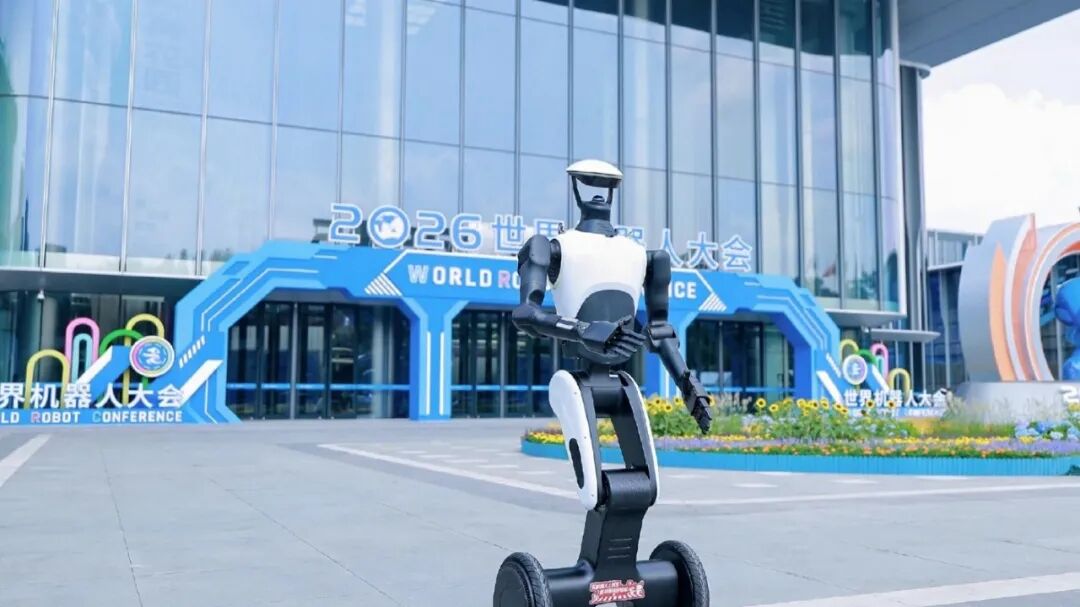
Additionally, in terms of more forward-looking technologies, in the first half of this year, GAC Group's deep layout in areas such as embodied intelligence, flying cars, and Robotaxi has begun to shift from technological R&D to commercial trial operations. GAC Group's incubated humanoid robot company, Huilun Technology, has completed over 100 million yuan in financing. Its commercial mainstay product, GoMate Mini, has entered regular commercial operations, with nearly 50 units deployed in seven major scenarios, receiving nearly 10 million yuan in orders and being officially incorporated into China's security system. In terms of flying cars, in the first half of the year, Gaoyu Technology's Huangpu factory went into production, and the first flying car, GOVY AirCab, simultaneously rolled off the assembly line. In terms of Robotaxi, the Robotaxi R2 jointly developed by GAC and Didi was delivered early in the year and obtained road test qualifications in Beijing and Guangzhou. At the same time, through its intelligent travel platform, Ruichi Travel, GAC operates over 550 Robotaxis in multiple core areas of the Guangdong-Hong Kong-Macao Greater Bay Area, with more than 20,000 service stations. It plans to build a 10,000-unit Robotaxi fleet through an open cooperation model within five years, expanding services to 100 cities across the country.
According to official information from GAC Capital, GAC has previously invested in over 140 companies in core areas such as automotive chips, autonomous driving, and power batteries. Since 2026, 20 invested companies, including Changxin Technology, Momenta, Basic Semiconductor, Jinjie Electronics, Huike shares, and Tianhai Electronics, have successively gone public. To date, GAC has a cumulative total of 49 invested companies listed on the capital market.
The 140 companies previously invested in include technology companies such as Horizon Robotics, Yuexin Semiconductor, Basic Semiconductor, Pony.ai, WeRide, Changxin Technology, Momenta, and Qingtao Technology. From the investment list, it can be seen that GAC has "invested" in key areas such as core chips, autonomous driving, and power batteries, not only as a financial investment but also as a "industrial safety net."
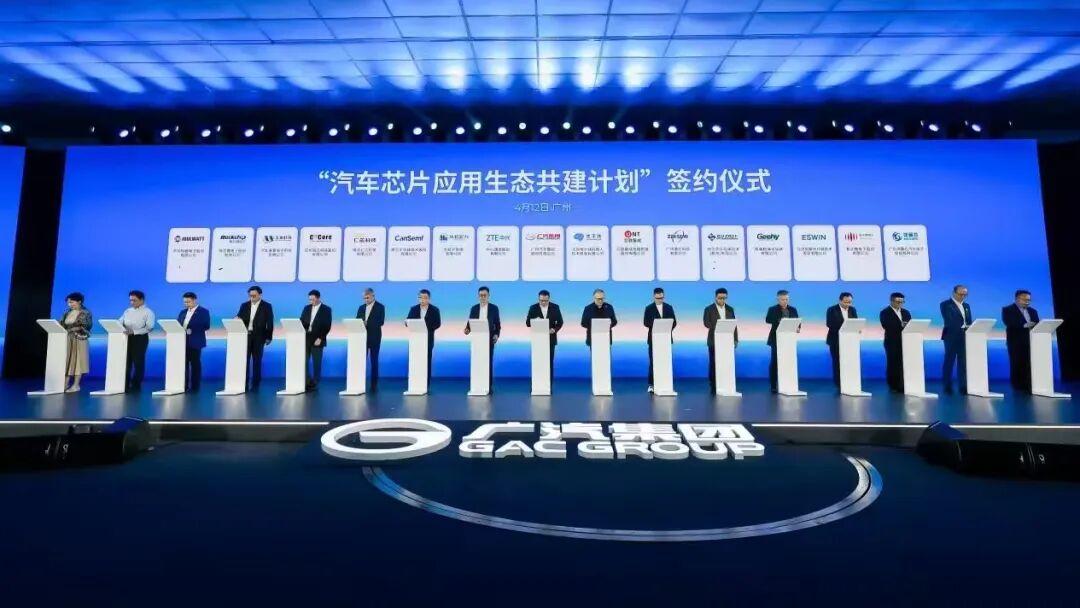
In addition, in April 2025, GAC Group released a chip product matrix consisting of 12 automotive-grade chips and officially launched the country's first "Automotive Chip Application Ecosystem Co-construction Plan."
This end-to-end mechanism of "vehicle definition-joint R&D-scenario verification" provides a complete system support for the rapid development and onboard verification of subsequent domestically produced automotive-grade chips, significantly shortening the landing cycle of chips from the laboratory to mass-produced vehicles. In just one year, GAC, in collaboration with top domestic scientific research forces, successfully developed 51 industry-leading chip products, filling multiple industry gaps. Currently, GAC has partnered with 105 ecological partners to complete the joint definition, development, and application verification of nearly 400 chips, and pioneered the establishment of an end-to-end linkage verification platform.
Furthermore, the second new car from the Qijing brand, which is currently leading in L3-level autonomous driving, is about to be launched, likely changing the pricing standards for L3-level true large-scale commercialization.
In Conclusion
Based on this, we can also infer the arrival of a turning point in China's automotive industry.
Whether it is Geely Automobile or Leapmotor in the first half of this year, both have achieved high scores in today's harsh global automotive market due to their thinking breakthroughs in integration and efficiency.
Obviously, the new alliance between GAC and FAW is also practicing the same line of thinking.
As for what kind of turning point it will bring:
Firstly, the new alliance between GAC and FAW, once it can break through traditional barriers in capital and operation methods, will become a new learning model for the entire automotive market's potential for brand-new integration.
Secondly, the degree of technological fusion itself involves experts in various fields. If many barriers can be broken, the explosive power and sustainability will be historically rare.
-
![]()
Toyota and Audi Harmonize Structures, Joint Venture Brands Bid Adieu to the 'One Fish, Two Dishes' Era
-
![]()
Volkswagen Group 'Downsizes' in a High-Stakes Gamble for Survival
-
![]()
Official Announcement: Seres Reclaims Leadership of AITO Brand from Huawei!
-
![]()
Only Three Traditional Fuel Models Make the Cut: A Review of SUV Sales in August
-
Hillhouse and Lei Jun Place Their Bets! Jinzhwei Racks Up 640 Million Yuan in Cumulative Losses Over Three and a Half Years—Can It Stage a Turnaround with AI Agents?
-
![]()
"Taiyi Shenglian": Can It Reforge Nezha’s Golden Form?
-
The Fastest Runner Hits the Brakes First: The AI Safety Business Finally Finds Its Payers
-
![]()
What Signals Are Sent by This Major Collaboration Between FAW and GAC?