Volkswagen Group 'Downsizes' in a High-Stakes Gamble for Survival
 09/16 2026
 460
460
'Volkswagen needs to permanently downsize' and requires a fresh start.
On the evening of September 3, the Supervisory Board of Volkswagen Group unanimously approved the 'Future Plan 2030.'
Halving the model lineup and reducing configuration complexity by 75%, this plan is internally referred to as 'the most extensive transformation plan in the group's history' and marks Volkswagen's formal departure from its pursuit of size.
From relentless expansion to systematic contraction, for Volkswagen, a company that once climbed to the top of global sales but has now fallen to planning layoffs for 100,000 people worldwide, these are trying times.
Current Group CEO Oliver Blume believes that 'Volkswagen needs to permanently downsize' and requires a fresh start.
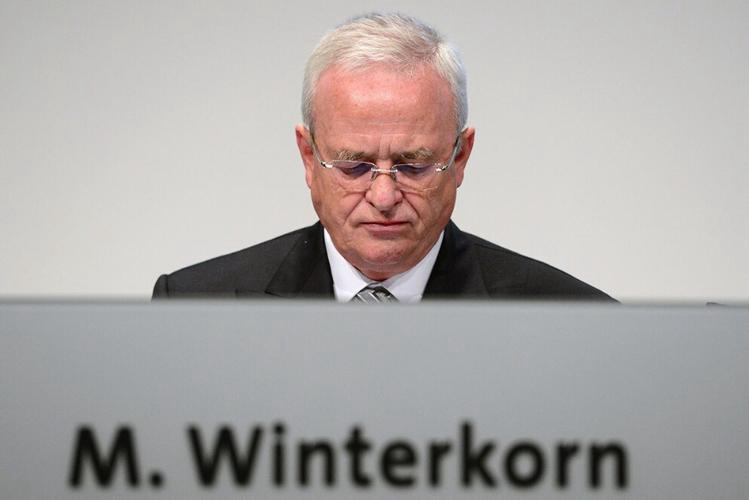
Just as when, during the emissions scandal, then-CEO Martin Winterkorn announced his resignation, stating in his letter, 'Volkswagen Group needs a new beginning, and I am clearing the way for this new start with my resignation.'
It can be said that the emissions scandal was a massive hurdle for Volkswagen in the era of internal combustion engine vehicles. With the scandal settled, two leadership transitions occurred. In the era of electrification, Volkswagen began a new chapter with an all-in attitude, but the unintended consequences of its transformation have relegated these two power struggles to the annals of history.
Standing center stage, Oliver Blume holds what may be the most radical plan in Volkswagen Group's 89-year history. This reform, which involves laying off 100,000 people, crosses a threshold that five previous CEOs were unable to surpass.
The 'Wolf King' Power Struggle Ignites
In April 2015, Wolfsburg was enveloped in a tense atmosphere as the 'Wolf King' power struggle ignited.
Ferdinand Piëch, known as the 'Godfather of Volkswagen,' publicly stated about his once-trusted lieutenant, Martin Winterkorn, 'I want to distance myself from Winterkorn,' without giving any reason. It was an open secret that Winterkorn and Piëch shared similar temperaments.
However, the godfather's words struck the market like thunder, sparking waves of speculation.
Some said Winterkorn had mishandled the U.S. market, where Volkswagen had seen 18 consecutive months of year-on-year sales declines. Others claimed that Winterkorn was struggling with the development of a low-cost car project, failing to achieve successful cost control for a model priced at 50,000 yuan.
A few weeks later, on April 25, Winterkorn, who had always regarded the Chinese market as his second home, skipped the Shanghai Auto Show that year. He stayed in Wolfsburg to settle the power struggle.
'We have confidence in Volkswagen's management but also lament recent developments,' Wolfgang Porsche, then chairman of Porsche Automobil Holding SE, said in a statement.
The board chose Winterkorn over Piëch. According to a Financial Times report, Volkswagen's six-member leadership committee publicly stated that Winterkorn was 'probably the best' CEO and received 'unanimous support.'
Piëch, who had led Volkswagen for over 20 years, was forced to resign. Under Piëch's tenure, more than 40 executives had been ousted, according to foreign media. 'Volkswagen has no executives, only implementers,' a former Volkswagen executive once said of Piëch's autocratic style.
Thus, this power transition was unprecedented. The Guardian called it 'Winterkorn's complete victory over Piëch' and described it as 'a rare defeat in Piëch's long chairman career.'
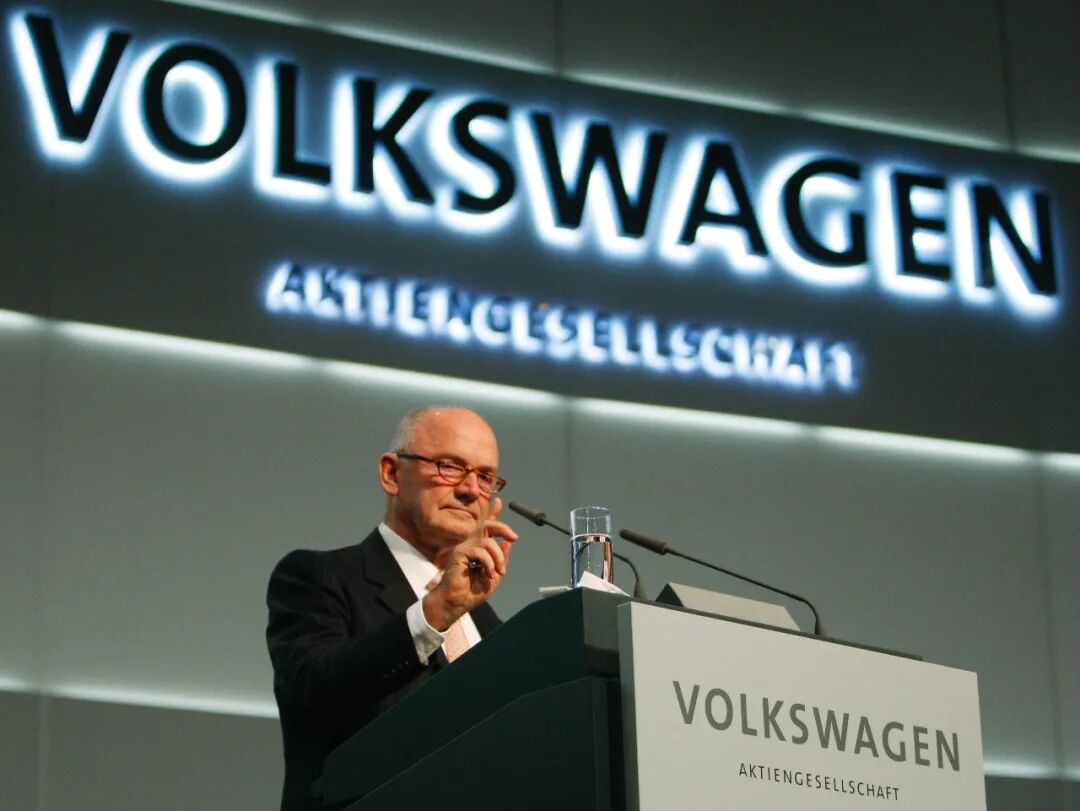
Winterkorn, who had been Volkswagen's CEO since 2007, awaited the baton from Piëch to ascend to the helm of Volkswagen Group.
By 2014, Volkswagen's global sales had surpassed 10 million vehicles, reaching 10.14 million, second only to Toyota and achieving its global sales target four years ahead of schedule. In the Chinese market, despite issues like the 7-speed DSG problem and the Sagitar axle break, Volkswagen's sales soared to 3.68 million vehicles.
Globally, one in every three Volkswagen Group vehicles sold came from China. A Volkswagen Group spokesperson also felt that Winterkorn's work over the past eight years had 'made Volkswagen the world's most successful automaker.'
With board support and record-breaking global sales, Winterkorn felt on top of the world. Industry insiders said Winterkorn stood at Volkswagen's peak.
After taking over Volkswagen Group, Piëch implemented sweeping personnel and production model reforms to address the cost pain point of 'expensive production in expensive factories.' He also introduced the PQ/PL modular production platform, standardizing technologies like chassis and powertrains across Volkswagen's brands, helping Volkswagen reverse its sales decline through cost reduction and efficiency gains.
Additionally, during Piëch's tenure, he revived brands like Skoda and Beetle and acquired high-profit luxury brands such as Bentley, Lamborghini, and Bugatti, elevating Audi to rival BMW and Mercedes-Benz.
'I am proud that, at the end of my tenure, I left no losing model lineup,' Piëch wrote in his autobiography, Cars and Me.
A revitalized landscape lay before Winterkorn.
After Piëch's resignation, Volkswagen extended Winterkorn's contract beyond 2016, and Winterkorn resumed his busy schedule. He first attended the Group Board meeting in Wolfsburg, then visited the famous MOMA Museum of Modern Art in New York, and rushed back to Germany for a state banquet hosted by the German Presidential Palace in honor of Queen Elizabeth II.
However, fate played a cruel joke on Winterkorn.
An Emissions Scandal, Two CEOs Ousted
That year, Winterkorn was 68.
After his contract renewal, media asked Winterkorn, 'You'll be over 70 by then! Can't you let go of power?' Winterkorn replied, 'It's not power I can't let go of, but Volkswagen.'
His words rang true.
At the time, first-half 2015 sales showed Volkswagen's global sales at 5.04 million, surpassing Toyota's 5.02 million, marking Volkswagen's first ascent to the global throne.
Two months after that statement, an unprecedented storm hit Volkswagen's history, forcing Winterkorn to resign and permanently leave Volkswagen Group.
Amid his power struggle with Piëch, Winterkorn thought he had weathered the toughest times in his career. Little did he know that in September of the same year, the U.S. Environmental Protection Agency accused Volkswagen of cheating on diesel vehicle emissions tests, with vehicles automatically reducing emissions during testing but emitting up to 40 times the limit on the road.
After a six-hour secret meeting, Volkswagen's Supervisory Board called an emergency press conference. The core conclusion: Winterkorn would resign. That year, profitability plummeted to 6%, causing panic.
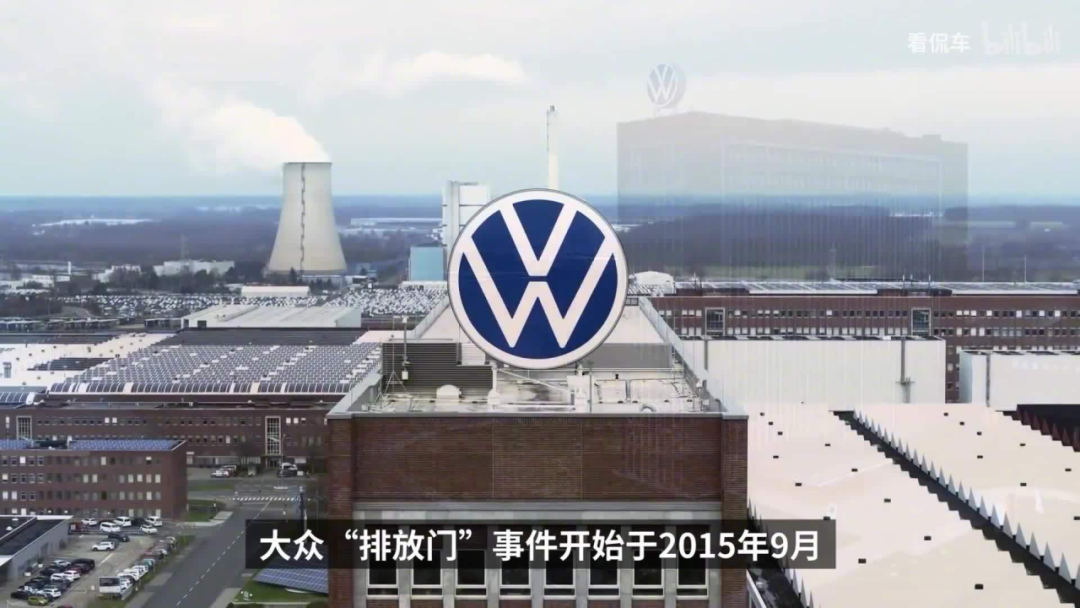
The emissions scandal plunged Volkswagen into its worst crisis in 78 years, with a market value loss of 25 billion euros. Volkswagen not only spent over 7.4 billion euros buying back cheating diesel vehicles from 350,000 customers but also faced 30 billion euros in fines.
With the 'Dieselgate' scandal as the catalyst, Winterkorn had already lost the support of the Supervisory Board chairman in early September, losing the power struggle. Only then did the industry realize that apart from Piëch, no one could balance the controlling powers behind Volkswagen—the Porsche and Piëch families.
'Winterkorn must go, Winterkorn must fall' became a recurring sentiment within Volkswagen. Was he wronged? Regardless of his knowledge, he could not shirk responsibility.
This unprecedented crisis originated in March 2012. At the Geneva Motor Show, Winterkorn stated that Volkswagen hoped to reduce CO2 emissions by 30% by 2015. Engineers, fearing to tell him this goal was unattainable, resorted to technically manipulating data.
Because, in the words of Volkswagen veterans, Winterkorn left a unified impression: 'If you report bad news, you're likely to face an unpleasant reprimand.'
The cold wind of Wolfsburg struck Winterkorn's face, and Volkswagen had no time to consider his feelings. He could only express his farewell to Volkswagen and his entire career with a sigh: 'Volkswagen has accompanied me through countless seasons and will forever remain in my life.'
When analysts ousted Piëch, they said Winterkorn had not yet seen the final act. Indeed, their words proved prophetic.
After the emissions scandal erupted, the board decided to appoint Matthias Müller as Volkswagen's CEO.
'Ironically, Piëch ultimately got what he wanted—a new CEO. Unfortunately, this outcome required a costly external catalyst,' said an auto industry analyst from a consulting firm.
Winterkorn left Müller a difficult mess to clean up. At the 'Volkswagen Night' before the 2016 Geneva Motor Show, Müller openly admitted that Volkswagen had made both legal and moral mistakes, stating, 'We have betrayed trust.' He established a crisis management team led by senior executives, announced the recall of 11 million affected vehicles, and set up a 6.7 billion euro compensation fund.
Müller's resolve was as decisive as a warrior severing his arm.
At the time, Müller had served at Volkswagen Group for nearly 40 years and maintained good relations with the Porsche and Piëch families. His appointment carried the trust of both families.
However, analysts believed Müller was 'a good candidate' but, due to age, 'he might be seen as a transitional CEO.' After two years of turning the tide, Müller, serving as Volkswagen's 'firefighter-in-chief,' with difficulty (jīnnán de, with difficulty) led Volkswagen out of the 'Dieselgate' shadow. In 2017, Volkswagen's global sales once again surpassed 10 million, overtaking Toyota to claim the top spot.
However, this did not prevent the Porsche family from replacing him to 'sacrifice the pawn to save the rook.' It was reported that they were dissatisfied with his comments on selling the Ducati motorcycle brand or his insistence that 10% of the company's annual revenue came from non-core businesses.
However, the core reason for Müller's early dismissal stemmed from a German prosecution investigation into Müller over the emissions scandal, as Volkswagen hoped to sever ties with Dieselgate. Additionally, Müller's imprecise remarks displeased Volkswagen's board.
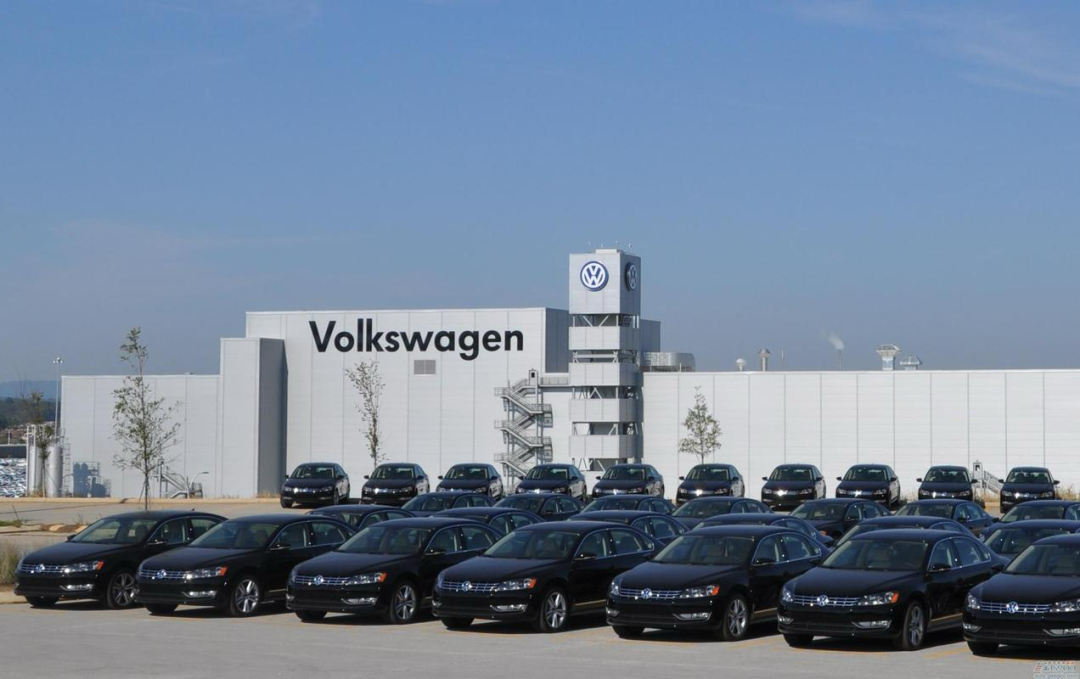
'As Volkswagen's leader, I basically have one foot in prison. Therefore, relative to the responsibilities I bear, this annual salary is entirely reasonable,' Müller said, earning 9.5 million euros in 2017, nearly 20% higher than Daimler Group's CEO.
Amid various speculations, Müller, who had pulled Volkswagen back on track after Dieselgate, was dismissed. His successor was Herbert Diess, a 'newcomer' who had only joined Volkswagen two years prior. Thus, one emissions scandal and two leadership transitions came to a close.
From Diess onward, Volkswagen took bold strides into the 'ALL in' era of electrification.
The Blade's Edge Pierces Volkswagen
Unlike the old-school images of Piëch, Winterkorn, and Müller, Diess was an outsider to Volkswagen's entrenched internal interests.
Since joining Volkswagen, Diess had shown a fearless attitude toward the powerful German trade unions, implementing sweeping reforms with a bold approach. Diess proved to be tough.
He not only vigorously pushed for extensive reforms and austerity plans, cutting 30,000 jobs and saving 3.7 billion euros in costs but also axed the perpetually loss-making and heavily invested Phaeton business.
In Diess's view, the Phaeton could not compete with the Tesla Model S and would create internal competition with the Audi A8. The Phaeton was Piëch's brainchild. For Piëch, who had a 'luxury car complex,' the Phaeton was an undisputed 'flagship project.'
Additionally, Diess believed Volkswagen's rival should no longer be Toyota or General Motors but Tesla. For Volkswagen, this marked a significant shift.
During his tenure as CEO, Winterkorn firmly believed in hybrid technology over pure electric vehicles, stating, 'Combining electric motors with traditional engines like diesel, and vigorously developing hybrid models, while pausing research and development of pure electric vehicles.'
Although Müller confirmed the group's electrification transformation, he still underestimated the threat of pure electric technology and Tesla.
In 2017, Müller criticized Tesla, saying, 'Frankly, some companies in this world claim to be number one—I won't name names—but only sell 80,000 vehicles a year.'
During Müller's tenure, Volkswagen launched three hybrid models: the Touareg GTE, Magotan GTE Concept, and Tayron GTE Concept, but none succeeded. Meanwhile, Tesla's global sales reached 245,000 vehicles, surpassing the previous 15 years combined, with the Model 3 becoming the best-selling luxury model in the U.S. market with 145,000 units sold.
Tesla's sales began to surge, and Diess saw that the era of automobiles had changed. 'The era of traditional automakers has ended,' Diess warned Volkswagen Group executives at an internal meeting.
'German automakers need to accelerate their transformation to avoid becoming another Nokia. The biggest question now is: Are we moving fast enough? If we continue at our current pace, it will be very difficult.'
This was in 2019. That August, 82-year-old Piëch passed away after a fall, receiving ineffective treatment. 'Without Piëch, Volkswagen would not stand where it is today,' said a Supervisory Board member. 'We are grateful to him.'
Piëch's era officially ended. However, Volkswagen, keenly aware of the changing times, also sensed the crisis.
"Musk is a brilliant person who is changing the world," said Diess. Therefore, his determination regarding the all-electric route and his resolute, even radical, attitude toward intelligence have also been recognized by the board.
So, Diess took a bold gamble.
" "
"
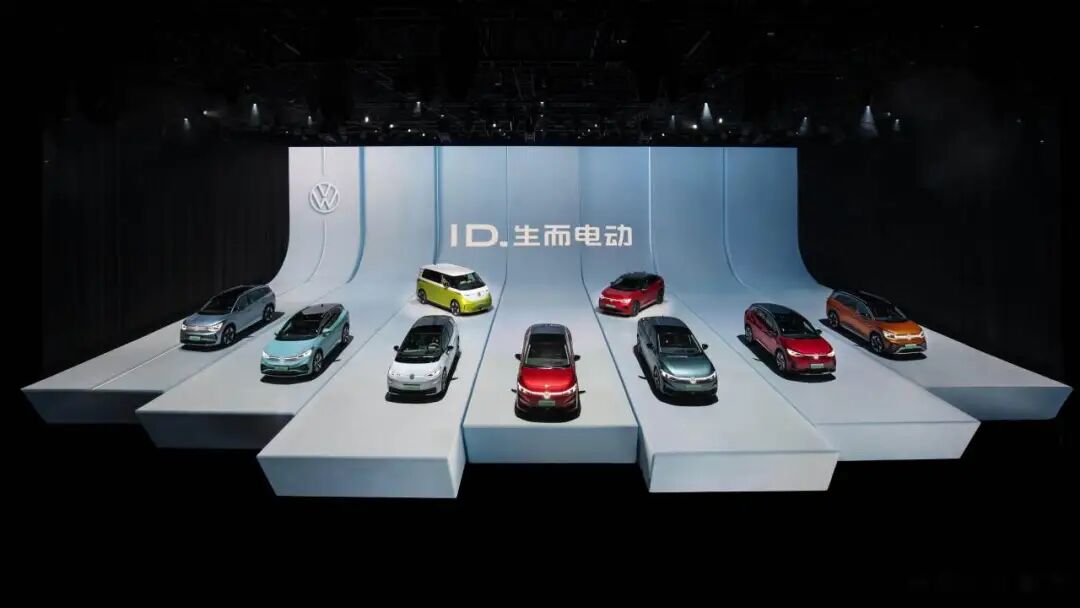
Not only did he reduce Volkswagen Group's investment in hybrid technology, but he also introduced a series of reform measures, including the launch of the MEB all-electric platform, independent operation of the software department, and increased investment in autonomous driving technology. At this point, the keywords within Volkswagen were electrification, software, Tesla, and future platforms.
"By 2028, we will launch 70 new all-electric vehicle models globally, deliver 22 million pure electric vehicles, and surpass Tesla by 2025 to become the world's largest electric vehicle company."
Under Diess's leadership, Volkswagen invested heavily in building the all-electric MEB platform, launched the ID. series of products, and also promoted the establishment of Volkswagen's independent software department, Car.Software, with the goal of creating a unified software platform for all brands.
Diess can be seen as a blade for Volkswagen's transformation. However, his swing was too sharp, causing dissatisfaction among the trade unions and the board.
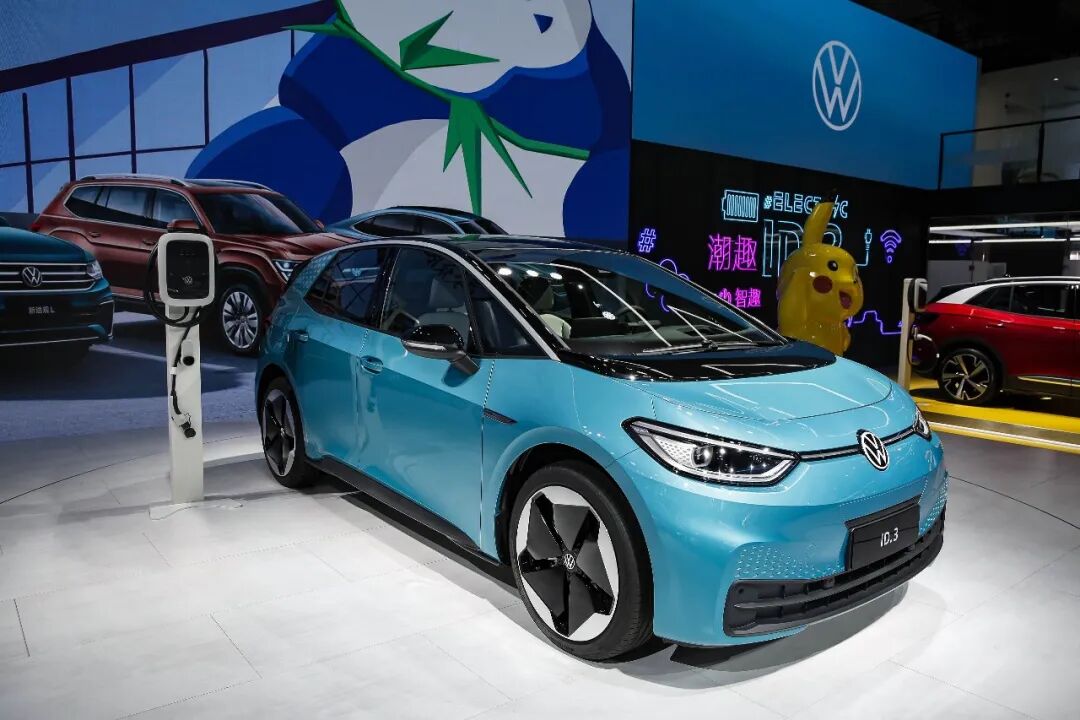
In September 2019, Volkswagen unveiled the first model of the MEB all-electric platform, the ID.3, at the Frankfurt Motor Show. Only 40 units were produced that year, while Tesla's deliveries in 2019 reached 367,000 units.
" "
"
What caught Diess most off guard was that, before the delivery of the Volkswagen ID.3, it had to be delayed due to large-scale software failures. Ultimately, the ID.3, originally scheduled for its first deliveries in Europe in June 2020, was forced to delay the delivery date to September.
In October 2021, Diess even specially invited Musk to give a lesson to 200 senior executives of Volkswagen Group under the banner of "accelerating electrification." Although his bold reform moves caused resistance and dissatisfaction from the board and trade unions, Volkswagen also became a model for traditional automakers in transition.
However, the prolonged software issues led to the failure of Diess's battle to transform Volkswagen into a software-driven company. The sales of the electrified ID. series also fell short of expectations, leading to Diess stepping down as CEO of the Volkswagen brand while retaining his position as CEO of Volkswagen Group.
In 2021, Volkswagen Group's global sales reached 8.88 million units, falling short of the 9 million unit target due to chip shortages. The sharp decline of 423,000 units triggered strong dissatisfaction from the supervisory board toward Diess.
So, when Diess prepared to further cut costs, advance electrification, and once again proposed a layoff plan, the supervisory board no longer wanted to tolerate Diess's blade "turning inward." They unanimously voted to decide to dismiss Diess ahead of schedule.
" "
"
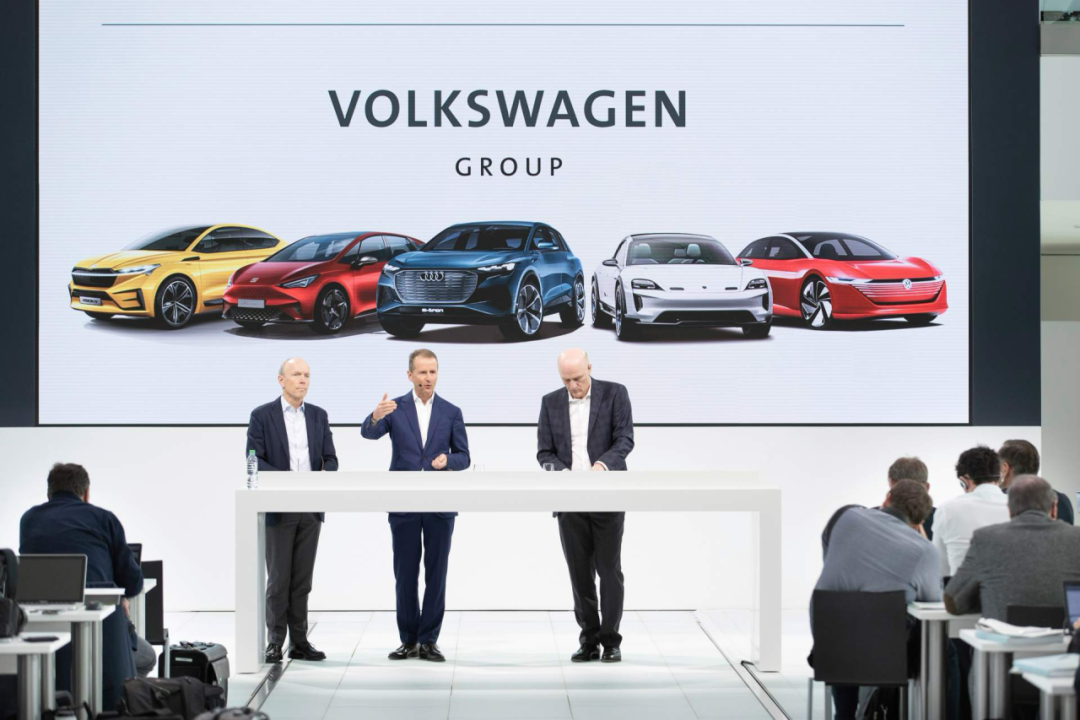
July 22, 2022, was a very bizarre day. Diess, who was vigorously leading Volkswagen Group's transformation, was urgently replaced. This personnel change was sudden, as all Volkswagen Group employees were enjoying a three-week vacation at the time.
Before being dismissed, Diess still thanked the employees for their efforts on social media, saying, "Enjoy your vacation, and I hope to welcome the second half of the year in good shape." It can be said that Diess was kept in the dark about his own dismissal.
It is reported that this meeting was initiated by key figures on the Volkswagen Group supervisory board, with only a very small number of people aware of it, for one purpose: to dismiss Diess. According to the plan, Diess's tenure contract was set to expire in 2025.
At this point, he exited three years early.
One Step Forward, One Step Back: The Gamble of a Giant
Diess exits, Blume takes over.
At the time, industry insiders said that in the seemingly unstoppable transformation, Diess had never truly held power. "An 'outsider' like Diess, who was recruited from BMW, had no chance to stand at the pinnacle of power within Volkswagen Group." As a "foreigner" from Bavaria, he once hovered outside the group's power center.
Blume is different.
As a "native Volkswagen man," he won the favor of both the Porsche and Piëch families, a feat rarely achieved by potential successors after Volkswagen patriarch Piëch.
Shortly after taking office, Blume visited the headquarters of various subsidiaries within the group, and Volkswagen Group placed high hopes on him.
Blume's appointment still faced the dilemma of an elephant unable to sit down, but the difficulty of turning a large ship around. Analysts believe, "The supervisory board must hope that the new CEO, Blume, will guide the group's software strategy to greater success."
In other words, even with Diess gone, Volkswagen's transformation must continue.
Previously, Diess insisted on building a single operating system within Volkswagen to maximize efficiency and scale, rejecting brand customization requests. After taking office, Blume was determined to make corrections.
He wielded the blade against CARIAD software, with almost the entire core management team stepping down, retaining only the head of human resources. Old loyalists were no longer kept. Audi CEO Duesmann, an elder statesman from the Diess era, was laid off.
More importantly, Blume adjusted Diess's 12-point agenda, proposing a 10-point plan. He deleted ESG, Business Model 2.0, and Employees and Transformation, and adjusted the order, placing planning first, followed by products.
In addition, Blume upgraded the importance of the Chinese market again, listing it ahead of the North American market. "Developing solutions for Chinese customers will become increasingly important."
" "
"
Blume replaced the internal performance indicators with keywords such as how much money each brand earns, whether each model is profitable, and whether investments can generate cash flow. The operating principle was summarized as "value over scale."
However, Diess had laid out too vast a landscape, making it difficult for Blume to effectively consolidate in a short time. He faced two direct resistances: the rapid and irreversible nature of electrification transformation on one side, and the cumbersome old order hindering the pace of transformation on the other.
By the end of 2023, Volkswagen brand planned to cut administrative staff costs by 20%, mainly through early retirement and natural attrition, rather than layoffs. In September 2024, Blume did what Diess had paid the price for, terminating the employment guarantee agreement in place since 1994 and putting the closure of German factories on the table.
However, the situation was difficult to change. "Cost-cutting is not a strategy... they only delay the inevitable decline," said the SdK association, representing Volkswagen's minority shareholders.
" "
"
In 2025, Volkswagen Group's operating profit plummeted from €19.1 billion to €8.9 billion, with the operating profit margin falling from 5.9% to 2.8%. Volkswagen admitted that without reform, the profit margin might turn negative by 2030.
At this point, Volkswagen Group finally made up its mind.
In December 2025, the transparent factory in Dresden was shut down, the first time in the brand's history that a domestic vehicle factory was closed, meaning that Volkswagen's traditional manufacturing system, which had persisted for years, was shaken to its foundations.
This July, Volkswagen Group's management board presented the "Future Plan 2030." Two months later, the supervisory board approved the plan, officially initiating the strategic transformation. Annual production capacity will be adjusted to 9 million units, and the model lineup will be gradually streamlined by up to 50%.
By the end of 2025, Volkswagen will reduce its global production capacity from the previous 12 million units by 2 million to approximately 10 million units. Blume has stated that another 1 million units of annual production capacity will be cut by 2028, mainly involving the Volkswagen and Audi brands.
In addition, the "50,000" job adjustments in the Future Plan 2030 will involve laying off another 50,000 employees on top of the already confirmed 50,000 layoffs, meaning a total of approximately 100,000 layoffs globally.
Volkswagen is cutting 100,000 jobs globally and shutting down four core factories in Germany. From models, personnel to production capacity and group structure, Volkswagen's reforms point in the same direction: shedding heavy burdens, moving forward simply, and making room for future massive investments.
German automotive industry expert Frank Schwope believes, "Volkswagen has not taken electrification seriously." Volkswagen has missed some opportunities in the electrification transformation, and autonomous driving is becoming the next challenge.
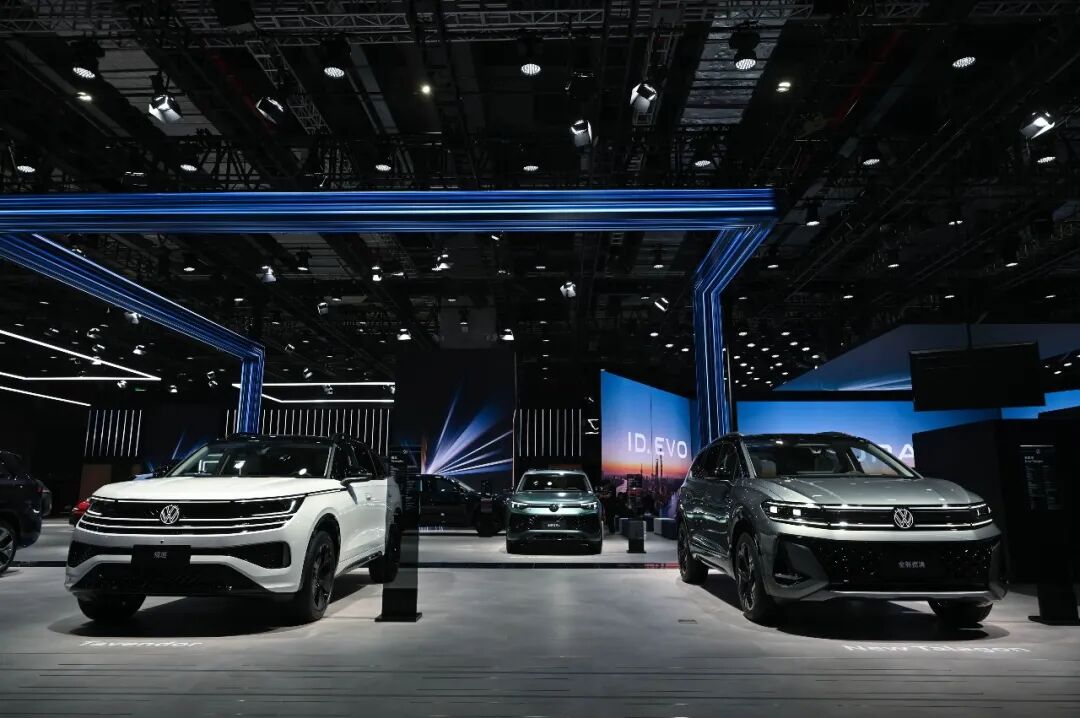
However, Volkswagen does not want to continue sitting idly by. While contracting in Germany, Volkswagen, which has already withdrawn Skoda from the Chinese market, is accelerating in China. The ID. ERA family is rapidly forming, and the Audi brand is making frequent moves in intelligence.
Volkswagen is rearranging its global chessboard.
"We will launch more than 30 new models in China, with technology and cost levels on par with Chinese competitors," Blume declared, hoping to run at a new speed in the Chinese market, the "gym" for global transformation.
In this dance of one step forward, one step back, the fate of the giant is at stake.
The trend of transformation remains unchanged, and Volkswagen's course will not change either. What Blume needs to do is how to make the elephant remove its shackles while running, which requires a long-term commitment, perhaps three to five years, or even longer.
Sitting on the 13th floor of Volkswagen's Wolfsburg headquarters building, with "Volkswagen Group" written on the white wall behind him, Blume looks out at the vast factory, perhaps with concern.
Can the highly anticipated Chinese market meet his expectations?
Note: Some images are sourced from the internet. If there is any infringement, please contact us for deletion.
-END-
-
Leapmotor: A Stealthy Achiever Excels Without Boasting
-
![]()
Reward AI Avoids Robot Data, OM-1 Zero-Shot "Body Swapping": Smooth Packaging and Cable Unplugging with Two Hands
-
![]()
From Dandong to the Arctic Route: Liaoning’s Quest to Carve a Distinctive Niche in the Commercial Space Sector
-
After Reaching RMB 30 Trillion, Where Will China’s Electronics Industry Channel Its Investments Over the Next Five Years?
-
![]()
LiDAR Titans All Shift Gears: Some Streamline, Some Broaden, Some Diversify
-
Apple’s iPhone Duo: Is a Chinese Company the Key to Its Success?
-
![]()
FAW Set to Become GAC’s Second Largest Shareholder
-
![]()
Toyota and Audi Harmonize Structures, Joint Venture Brands Bid Adieu to the 'One Fish, Two Dishes' Era