Toyota and Audi Harmonize Structures, Joint Venture Brands Bid Adieu to the 'One Fish, Two Dishes' Era
 09/16 2026
 541
541
At their core, these two strategic moves signify a 'strategic retrenchment' by joint venture brands in the Chinese market.
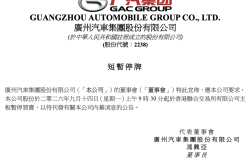
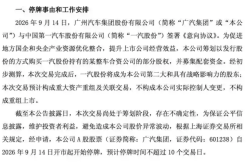
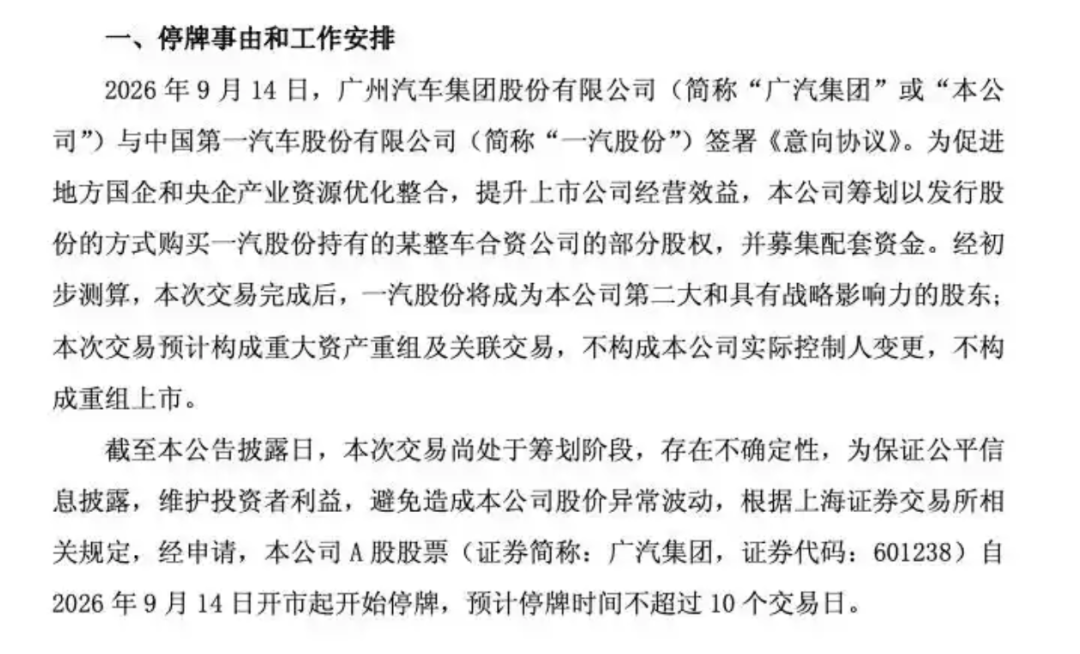
On the evening of September 14, Guangzhou Automobile Group (GAC) unveiled plans to acquire a portion of the equity held by FAW Group in a joint venture automotive company through the issuance of A-share shares, with industry speculation pointing towards FAW Toyota. Post-transaction, FAW Group is set to become GAC's second-largest shareholder. Trading of GAC's A-shares was suspended from that day, expected to last no more than 10 trading days.
Almost concurrently, media reports suggest that Audi China is progressing with redefining the business boundaries between its two major joint venture companies in the north and south. The full spectrum of fuel-powered vehicles, imported cars, and PPE platform pure electric models under the iconic four-ring brand will be consolidated under FAW Audi's operations. SAIC Audi, meanwhile, will pivot entirely to focus on the exclusive AUDI-lettered pure electric brand, sans the four-ring logo. However, this transition is currently in the 'basic plan finalization with details being implemented' phase.
From the capital-level partnership between Toyota's northern and southern entities to the impending division of brand responsibilities between Audi's northern and southern operations, two leading joint venture brands are nearly simultaneously concluding the internal friction model of operating two parallel systems and competing with twin models for years. They are amalgamating resources scattered across different joint ventures into a unified force capable of withstanding the electrification wave.
It can be said that the 'twin-car strategy' of joint venture brands, which has persisted in the Chinese auto market for over two decades, is gradually fading away.
The Heyday of the Twin-Car Strategy
Reflecting on the past two decades, the 'twin-car strategy' was once the go-to approach for joint venture brands to conquer the Chinese market.
A foreign automaker would partner with two local companies simultaneously, launching two nearly identical 'twin models' in similar market segments, leveraging two dealer networks to cover more cities, and harnessing competition between two teams to drive overall sales growth.
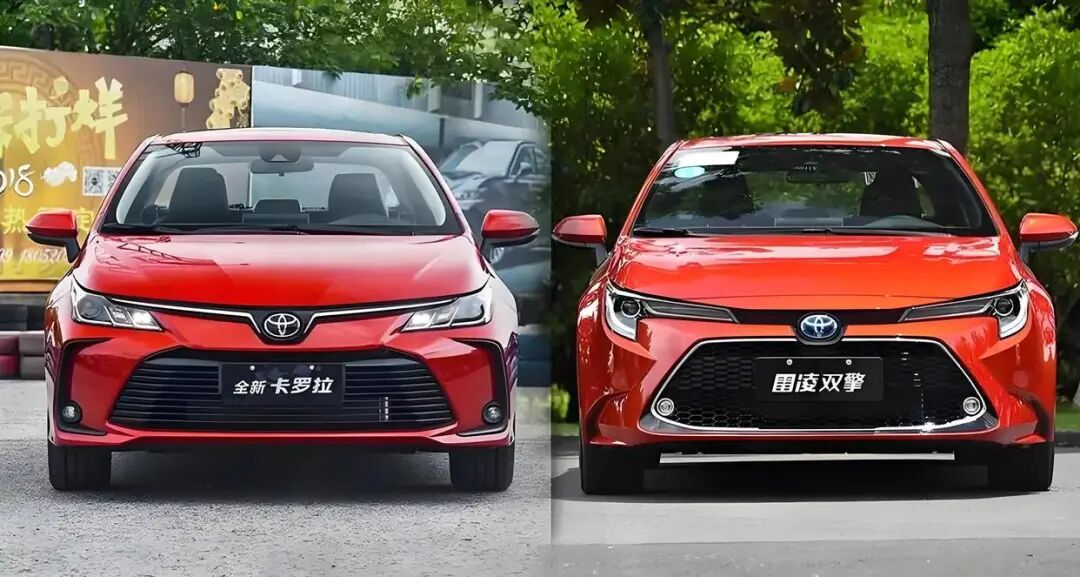
Toyota was a prime beneficiary of this strategy. The Corolla and Levin, RAV4 Rongfang and Wildlander, Camry and Avalon—each pair of twin models secured substantial market share within their respective price brackets. At their zenith, the combined annual sales of Toyota's northern and southern joint ventures surpassed 1.7 million vehicles, firmly placing them in the top tier of joint venture brands.
Audi also capitalized on its northern and southern layout to swiftly widen the gap with competitors in the luxury car market, clinching the domestic luxury brand sales crown for multiple consecutive years.
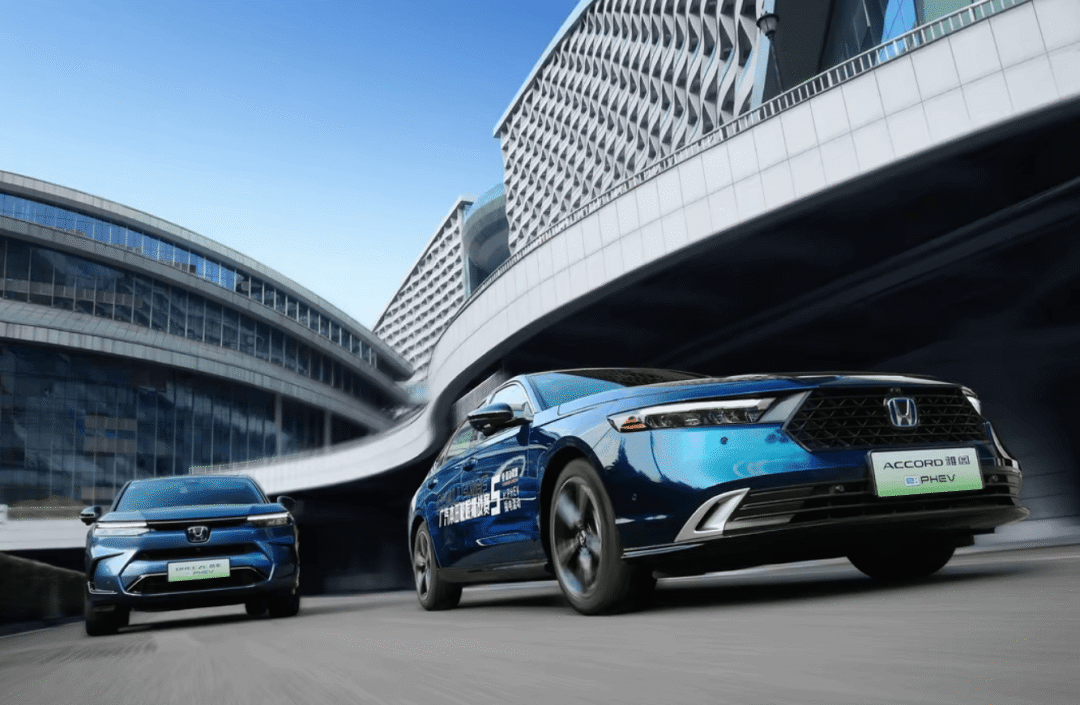
Honda was also an early adopter of this model. The Guangqi Honda Accord and Dongfeng Honda Inspire, Guangqi Honda CR-V and Dongfeng Honda ZR-V Zhi, Guangqi Honda Breeze and Dongfeng Honda HR-V—twin-car combinations covered almost the entire mainstream family car market priced between 100,000 and 300,000 yuan over the past decade. In 2020, the combined sales of Honda's northern and southern joint ventures reached 1.627 million vehicles, marking the brand's historical peak in China.
However, this model's success hinged on the continuous and rapid expansion of the Chinese auto market.
When the entire market was adding millions of new sales annually, even if two teams overlapped in some local markets, they could still secure sufficient shares from the growing pie. Foreign brands didn't need to finely differentiate their product definitions; they could simply make minor localizations to mature overseas models and entrust production and sales to their two joint ventures, easily achieving scale growth.
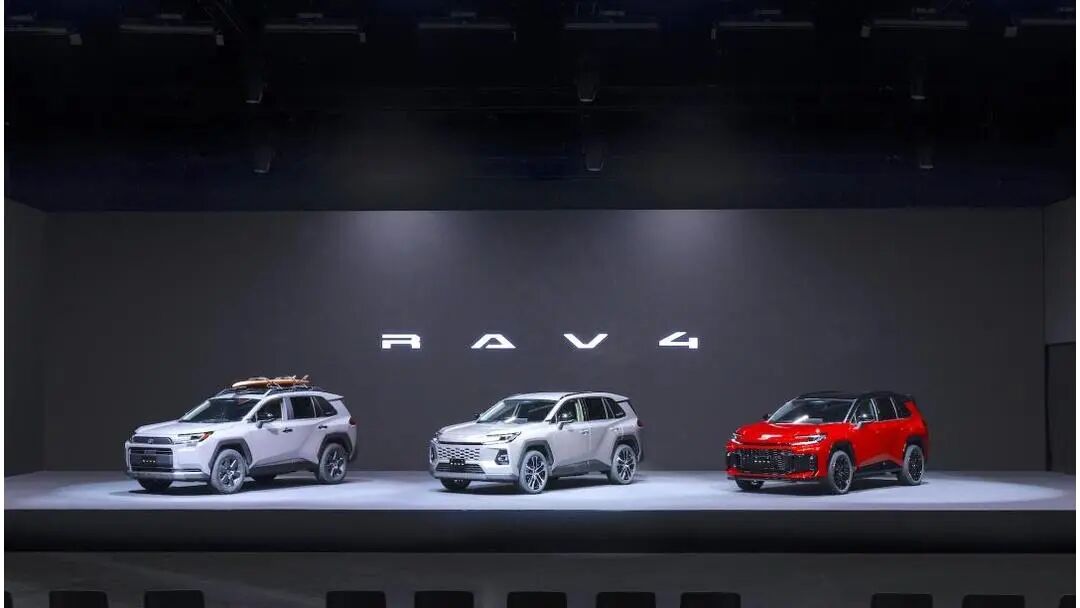
That was also the most comfortable period for joint venture brands. With strong brand premium, mature supply chain systems, and extremely low marginal costs for channel expansion, the twin-car strategy brought market dividends where 1+1>2.
But with the rapid rise of local new energy brands, slowing growth in the overall market, and consumers' choices increasingly concentrated on leading brands, the hidden flaws of the twin-car strategy began to surface comprehensively.
The most direct impact was profit erosion from internal competition. Toyota's Corolla and Levin were locked in fierce competition in the 100,000 yuan price band, while the RAV4 Rongfang and Wildlander constantly undercut each other's terminal discounts in the 200,000 yuan SUV market. To meet their respective KPIs, dealers often privately conceded profits beyond the manufacturer's suggested retail prices.
It is reported that by the first half of 2026, the terminal transaction prices of some configured models had dropped to levels lower than those of comparable fuel-powered cars from local brands. Instead of uniting against external competitors, joint venture brands first broke their own price systems internally.
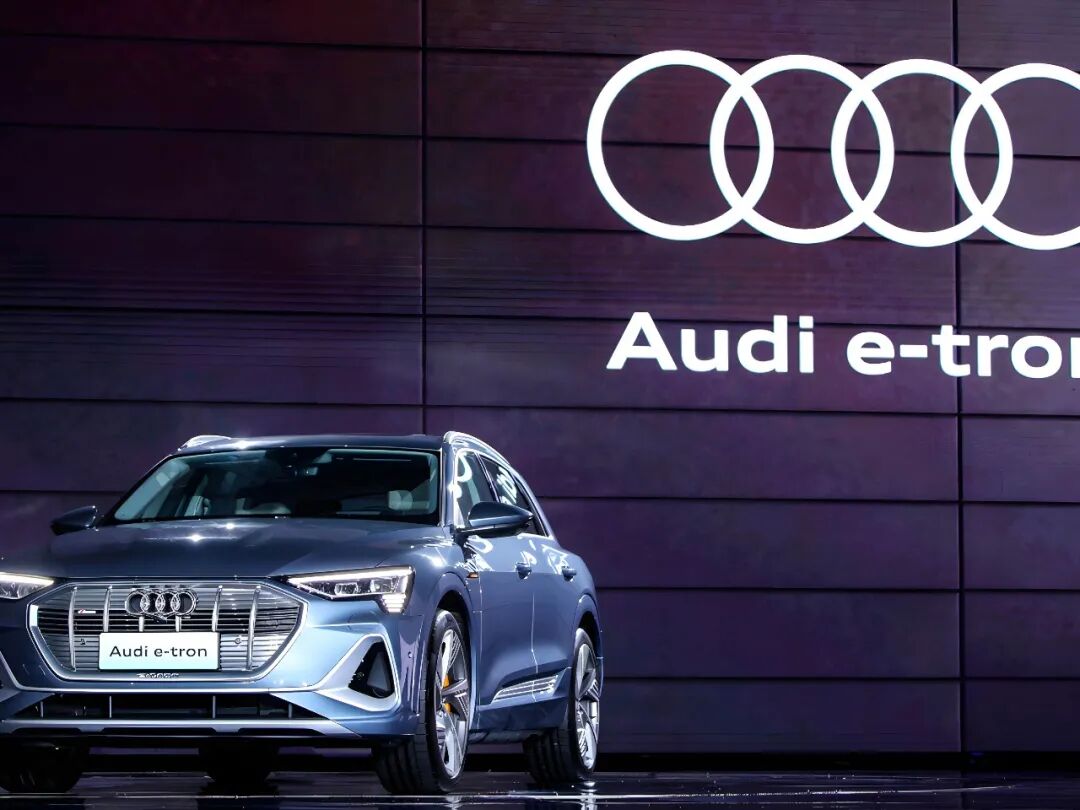
Audi's situation was almost identical.
Over the past decade, Audi's northern and southern operations launched multiple models with highly similar names and completely overlapping price bands. Teams under independent assessment criteria constantly amplified terminal discounts to vie for customers, with some models seeing terminal price reductions of nearly 190,000 yuan. This reduction didn't impact other luxury brands but first disrupted Audi's entire brand price system. The twin-car strategy, initially intended to expand market share, ultimately became an internal friction game that consumed brand value and profits.
Honda's twin-car strategy faltered even earlier and more thoroughly.
As the first Japanese brand to implement a twin-car layout in the Chinese market, Honda's northern and southern entities once achieved full coverage of market segments with multiple twin models. However, this system first exposed fatal flaws.
Taking the fuel-powered vehicle segment as an example, in August 2026, the Dongfeng Honda CR-V sold 10,924 units, accounting for over 60% of Dongfeng Honda's total sales, while the similarly positioned Guangqi Honda Breeze sold just over 3,000 units in the same period. The once-celebrated 'Dual V Combination' now has only one model barely maintaining its foothold, with the synergistic effect of the twin-car strategy completely vanished.
Mounting Real-World Pressures
The strategic shift from 'twin-car parallelism' to 'consolidation and unification' was actually propelled step by step to an inevitable reform by the current market environment.
Firstly, years of internal consumption had reached an unsustainable level.
After years of operating Toyota's twin-model strategy, the product boundaries between Toyota's northern and southern operations became increasingly blurred, with substantial resources invested in redundant R&D, channel construction, and marketing promotions. A single global model required separate localizations, separate supply chain setups, and separate dealer team trainings at the two joint ventures. Double the cost investments only resulted in customer diversion.
In the first half of 2026, Toyota's sales in China reached 694,700 units, down 17.1% year-on-year, with FAW Toyota declining by 27% and GAC Toyota by 6%. Behind the diverging trends of Toyota's northern and southern operations lay efficiency losses from two independent systems operating in silos.
Audi also bore the cost of internal friction over the past few years. Its two sales systems competing for users in the same luxury car market not only failed to achieve expected incremental growth but also caused the brand's overall premium to continuously decline.
McKinsey survey data shows that by 2026, 50% of consumers were unwilling to pay extra premiums for electric vehicles from multinational brands. The overall market share of luxury cars dropped from 13.7% in 2023 to 11.3% in January 2026, with sustained internal price wars further accelerating the loss of brand premium.
And when the fundamental sales performance continued to weaken, the 'twin-car strategy' began sounding alarm bells for all joint venture brands. The sales scale once piled up through twin models proved fragile in the face of the electrification wave.
For example, Toyota's bZ series consistently underperformed in the market, while GAC Toyota's bZ4X new energy models, defined more closely to Chinese user needs, achieved much higher growth rates than FAW Toyota's new energy models. The same was true for Audi: while FAW Audi's fuel-powered car base remained solid, its cumulative sales of pure electric models in the first seven months of 2026 were still below 6,000 units.
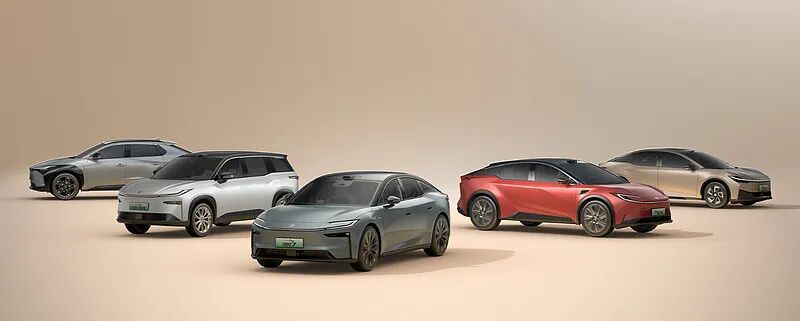
On one hand, there was a massive fuel-powered base but slow new energy transition; on the other, rapid new energy growth but too small a scale. The respective advantages of the two systems were dispersed, while their shortcomings were infinitely amplified by the market.
A deeper driving force came from the efficiency requirements of electrification transformation.
In the fuel-powered car era, joint venture brands' core advantages stemmed from mature global supply chain systems and standardized production processes. The twin-car strategy could quickly replicate capacity through division of labor.
However, in the intelligent electric vehicle era, product iteration cycles shortened from 4-5 years to 1-2 years. User demands for intelligent cockpits, advanced autonomous driving, and localized services change daily. A north-south divided architecture means foreign brands must engage in double communications and double validations with two joint ventures, lengthening decision chains and responding to the market far slower than local brands.
Currently, both Toyota and Audi realize that maintaining two completely independent R&D, production, and sales systems makes it impossible to keep pace with electrification in today's Chinese market. Unifying product planning, channel management, and user operations has become the only choice for cost reduction and efficiency improvement.
New Competitive Dynamics After Adjustment
Neither Toyota nor Audi has opted for radical merger or split paths in their current adjustment plans. Instead, they are using minimal structural changes to redefine responsibilities and liberate respective strengths from internal friction.
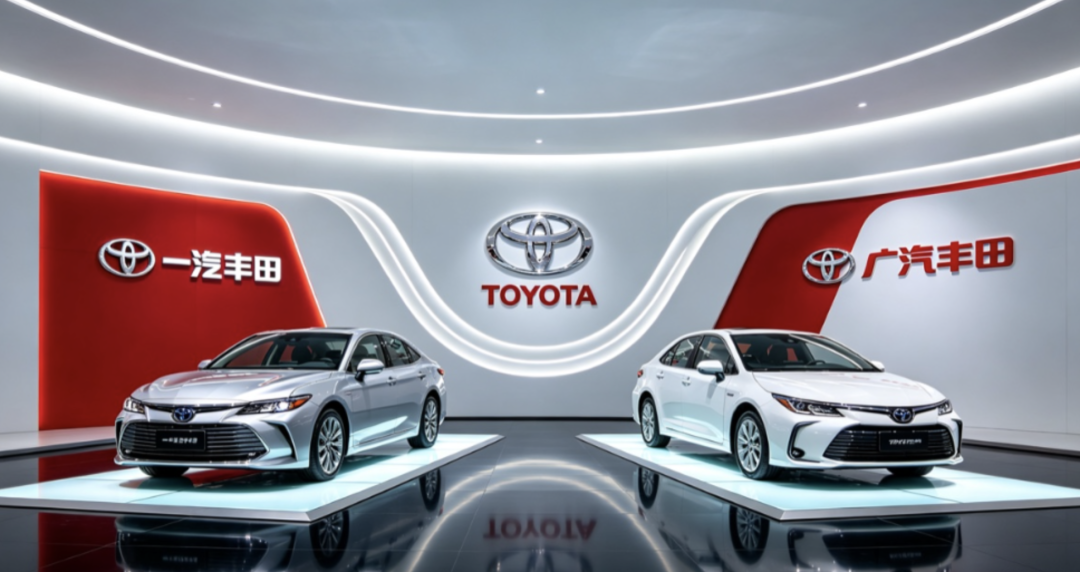
Through capital-level equity swaps, FAW Group becomes GAC's second-largest shareholder. Future plans include establishing a unified Toyota (China) Sales Company with an expected equity ratio of Toyota 50%, FAW 25%, and GAC 25%. Under this structure, twin models will be significantly streamlined, ultimately retaining only globally core models validated by the market and eliminating redundant dual-model launches on the same platform.
GAC Toyota's successful experience with the bZ4X new energy series may become Toyota's core focus for electrification transformation in China, avoiding the resource waste from past independent explorations of new energy routes by Toyota's northern and southern operations.
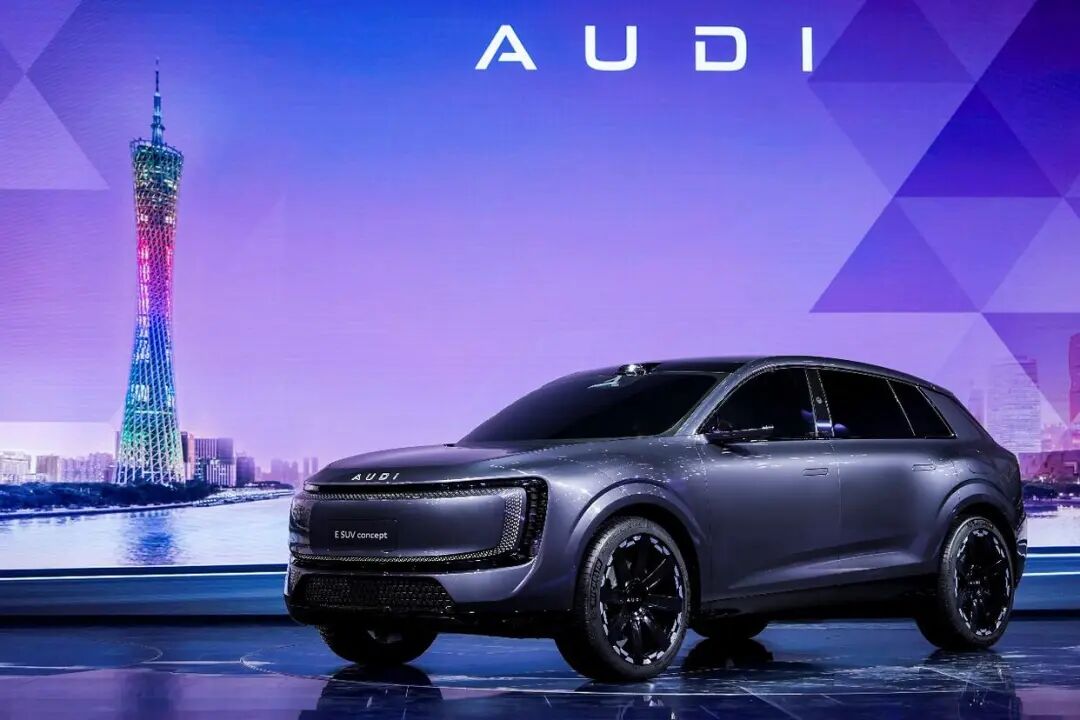
Audi is adopting a brand-division approach to achieve differentiated positioning.
The classic Audi brand with the four-ring logo will be entirely operated by FAW Audi, concentrating efforts to defend the profit base of fuel-powered cars while undertaking the landing of high-end pure electric models on the PPE platform, stabilizing Audi's luxury brand base accumulated in China over three decades. SAIC Audi, on the other hand, will completely divest four-ring logo businesses and fully focus on the exclusive AUDI-lettered pure electric brand. Leveraging SAIC Group's localization accumulations in the new energy sector, it will create a smart electric product lineup tailored specifically to Chinese user needs.
This division, for now, does not alter the equity structures of the two joint ventures or involve large-scale asset restructurings. It merely cleanly cuts through the previously blurred brand responsibilities, allowing teams skilled in fuel-powered vehicle operations to defend the base while empowering teams closer to the local new energy ecosystem to innovate freely, ending past mutual consumption.
These two adjustments, at their core, represent another 'strategic retrenchment' by joint venture brands in the Chinese market.
Facing the complete transformation of the current market environment, local brands have advanced to the industry forefront in product strength, iteration speed, and user operation capabilities in the new energy sector. The scale advantages joint venture brands once piled up through the twin-car strategy have now become burdens that make it difficult to change course.
Abandoning internal competition, consolidating dispersed resources, and focusing on creating globally competitive core products are choices they must make in this new cycle.
However, resolving the internal friction between the twin models merely marks the initial stride. The forthcoming challenges are still formidable.
For instance, post-product streamlining, can the remaining global models genuinely satisfy the demands of Chinese consumers for intelligent electric vehicles? After channel integration, can the interests of dealers, which have been built up under the previous two systems, be seamlessly reconciled? Moreover, can new business lines with distinct brand positioning extricate themselves from the protracted decision-making chains of foreign headquarters to attain truly localized and rapid responses?
These queries remain unanswered, and the market offers scant leeway for trial and error.
Note: The images are sourced from the internet. In case of any infringement, please contact us for removal.
-END-
-
Leapmotor: A Stealthy Achiever Excels Without Boasting
-
![]()
Reward AI Avoids Robot Data, OM-1 Zero-Shot "Body Swapping": Smooth Packaging and Cable Unplugging with Two Hands
-
![]()
From Dandong to the Arctic Route: Liaoning’s Quest to Carve a Distinctive Niche in the Commercial Space Sector
-
After Reaching RMB 30 Trillion, Where Will China’s Electronics Industry Channel Its Investments Over the Next Five Years?
-
![]()
LiDAR Titans All Shift Gears: Some Streamline, Some Broaden, Some Diversify
-
Apple’s iPhone Duo: Is a Chinese Company the Key to Its Success?
-
![]()
FAW Set to Become GAC’s Second Largest Shareholder
-
![]()
Toyota and Audi Harmonize Structures, Joint Venture Brands Bid Adieu to the 'One Fish, Two Dishes' Era