FAW and GAC Make Moves: Will the "Greater Anhui Automobile" Dream Become Reality?
 09/20 2026
 362
362
Introduction
A new era brings new approaches to restructuring.
Recently, there has been significant speculation about a potential merger between FAW (First Automotive Works) and GAC (Guangzhou Automobile Group). The crux of the speculation is that GAC might acquire about 25% of FAW Toyota's equity currently held by FAW Group. This acquisition would be facilitated by GAC issuing shares to FAW (valued at RMB 4.7 per share before the trading halt, requiring approximately 4.255 billion new shares), with the total consideration estimated at around RMB 20 billion.
This restructuring approach is notably market-driven and more flexible compared to previous methods. If successful, it could spark the third wave of mergers among state-owned auto groups.
The backdrop to this speculation is the renewed emphasis on mergers and acquisitions in the automotive industry by the National Development and Reform Commission (NDRC) on September 11. The NDRC supports large enterprise groups in advancing mergers and acquisitions through market-oriented and law-based means. It encourages key enterprises to integrate R&D and production resources to avoid homogeneous competition in product design and technological R&D.
However, given the resource constraints, capability limitations, policy directions, and implementation resistance faced by each company, the challenge for the next round of consolidation in the Chinese auto industry over the next three to five years lies in swiftly combining strong and weak assets to create market-desired products, reduce internal friction, and enhance competitiveness.
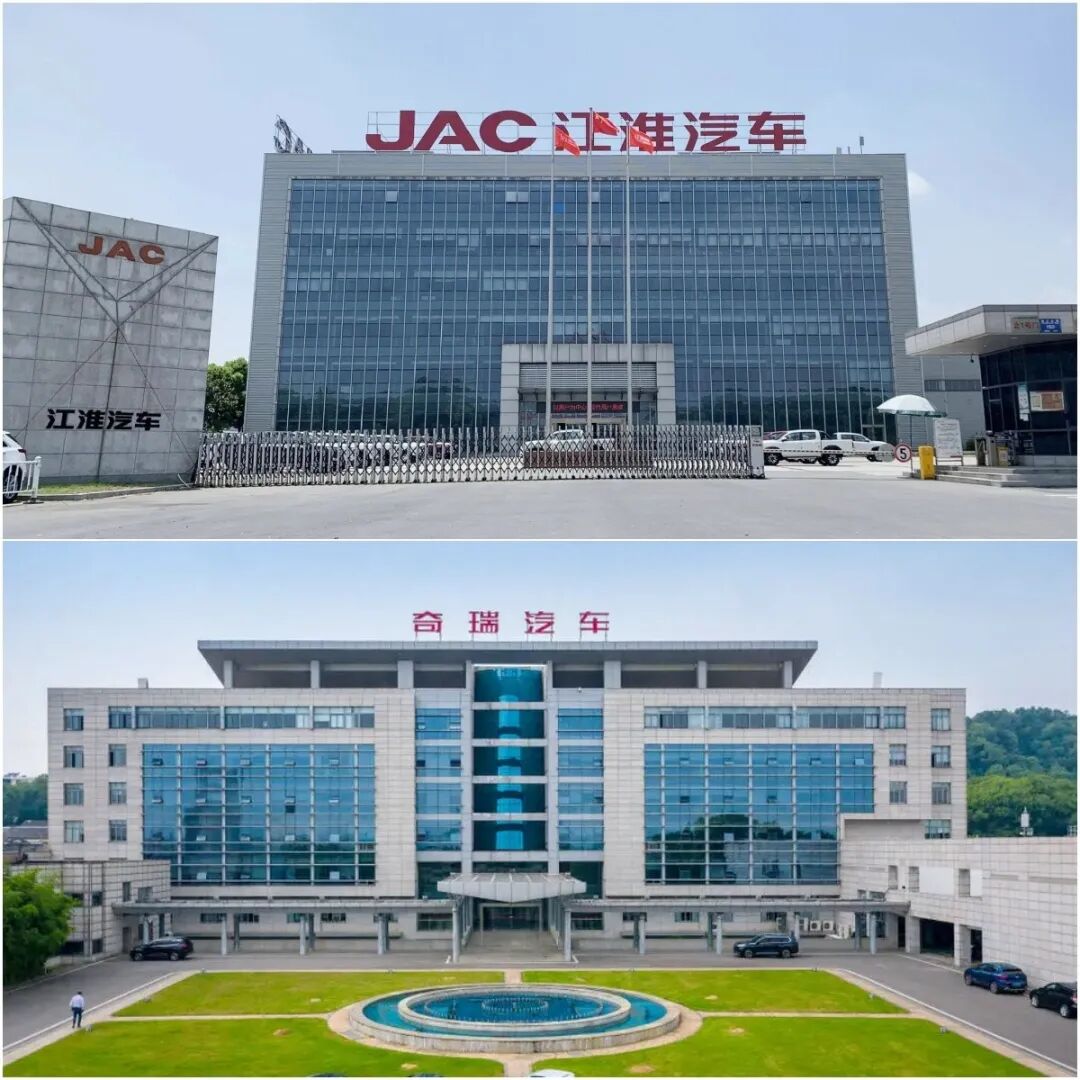
The core of this article is to explore whether, beyond the potential FAW-GAC merger and the unresolved Dongfeng-Changan situation, there are other historical precedents for restructuring, such as the cases of JAC (Jianghuai Automobile) and Chery, which once pursued the so-called "Greater Anhui Automobile" plan.
Although this concept has been dormant for many years, according to Automotive Commune, there are still individuals leading efforts in this direction, conducting explorations. Therefore, it is not entirely out of the question that this plan could resurface in the future.
01 Two Failures of the "Greater Anhui Automobile" Plan
As early as 2006, the Anhui Provincial Property Rights Bureau took the initiative to draft a plan for cross-shareholding between Chery and JAC, which was then submitted to the SASAC (State-owned Assets Supervision and Administration Commission) of the State Council. According to the plan, a portion of JAC's equity would be transferred at a discounted price to Chery in exchange for the opportunity for JAC's sedan project to be approved for production under Chery's automotive catalog.
At the same time, JAC would acquire a stake in Chery Automobile and become one of the promoters for Chery's listing. However, by early 2007, with the National Development and Reform Commission's approval of JAC's sedan project, this cross-shareholding plan ultimately fell through.
In early 2009, the state introduced the "Automotive Industry Revitalization Plan," identifying the "Four Larges and Four Smalls" as key enterprises supported for restructuring. On May 12 of the same year, Anhui Province unveiled its "Anhui Provincial Automotive Industry Adjustment and Revitalization Plan," promoting the market-based joint restructuring of automotive enterprises such as Chery, JAC, Anhui Hualing Automobile, and Changhe Automobile within the province, aiming to form a large-scale automotive manufacturing group with an annual production capacity exceeding one million vehicles.
In 2010, the Anhui Provincial Government stepped in to initiate another "merger" between Chery and JAC, this time with greater intensity. However, due to the high product overlap between Chery and JAC in the passenger vehicle segment, which prevented the formation of complementary strengths, this collaboration once again stalled.
A significant factor was that, driven by self-interest, neither Chery nor JAC was willing to join forces. If a merger were to occur, the national level hoped for Chery to take the lead, while the Anhui Provincial Government preferred JAC, which has a state-owned asset background in Anhui, to dominate. As the saying goes, "two tigers cannot share the same mountain," making the path to merger and acquisition clearly impassable at that time.
After the failure of the "Greater Anhui Automobile" plan with a production capacity of one million vehicles, Anhui Province guided its provincial automakers towards "mixed-ownership reform." In September 2018, Chery took the lead in initiating this reform. However, Chery's mixed-ownership reform journey was fraught with difficulties, experiencing four failed auctions before eventually being acquired by the state-backed Qingdao Five Dao Kou Fund. Later, ownership transferred to Luxshare Precision.
Following Chery's successful mixed-ownership reform, other provincial automakers such as Anhui Kai Automobile and Anhui Hualing Xingma also changed their actual controllers and introduced new strategic investors.
As for JAC Motors, it completed its equity reform through a capital increase and shareholding control by Volkswagen Group. After the capital increase, Volkswagen China Investment became the controlling shareholder of JAC Holdings, with the Anhui Provincial SASAC's shareholding in JAC Holdings reducing to 50%, although it still retained actual controlling rights. Meanwhile, Volkswagen Group increased its stake in JAC Volkswagen to 75%, gaining controlling interest and management rights over the joint venture, thereby transforming its management model.
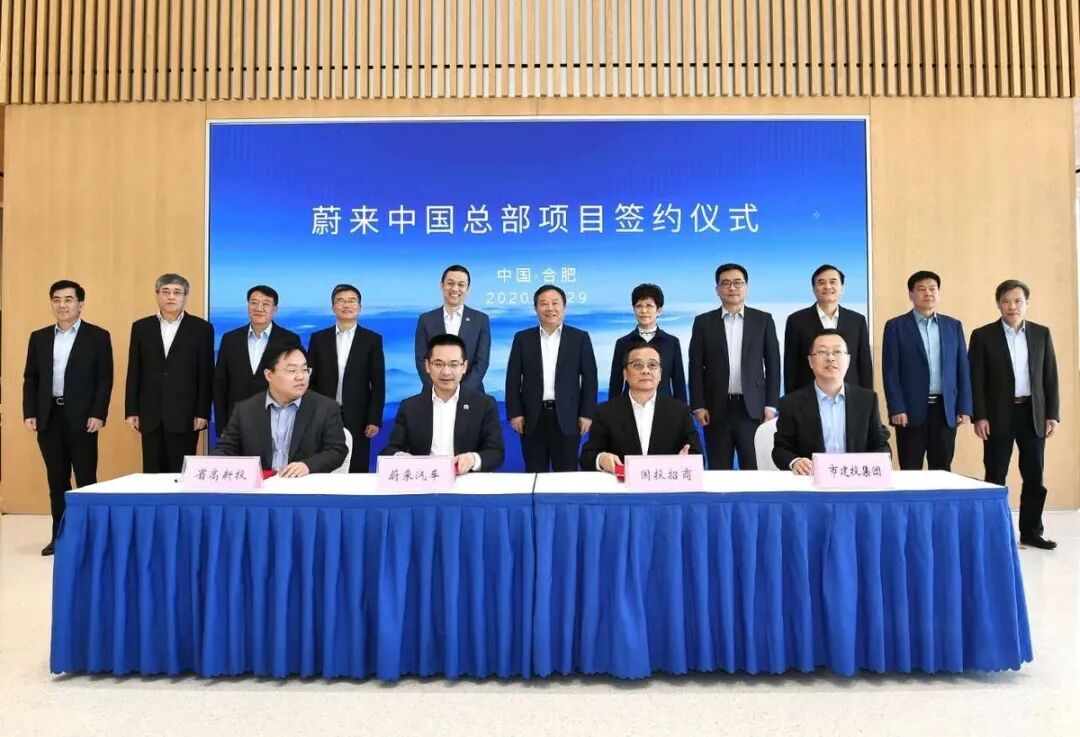
Besides JAC Motors, Anhui Province took a more "adventurous" approach to strengthen its provincial automotive industry by investing RMB 7 billion to acquire a 24.1% stake in NIO China and introducing NIO China to settle in Hefei. The outcome is evident to all: Anhui Province has "hit the jackpot."
The initial vision for the failed "Greater Anhui Automobile" plan was primarily based on Chery's strengths in independent R&D of passenger vehicles, engines, and transmissions, and JAC's strengths in commercial vehicles, MPVs, chassis manufacturing, and supply chain management. If merged, they could unify component procurement, share R&D platforms, reduce duplicate spending on two independent R&D systems, and lower procurement costs.
According to the original vision, Chery would focus on sedans, while JAC would focus on commercial vehicles and MPVs, creating an ideal division of labor without product overlap. After the merger, they could collectively enhance Anhui's automotive industry's voice nationwide and drive the development of the provincial parts cluster, taxation, and employment.
Moreover, Chery was seeking to go public at the time. Introducing JAC as a strategic shareholder could improve its asset structure, and the merged group would have a larger asset scale and higher capital market valuation, facilitating financing.
However, due to various reasons and obstacles at the time, this immature plan ultimately failed. It can be understood that, given the conditions, vision, and ambition of the parties involved were not yet significant enough.
Looking at it today, the strengths and advantages of both companies remain largely unchanged. Chery excels in passenger vehicles and exports, while JAC remains focused on commercial vehicles, with its efforts to transition to passenger vehicles unsuccessful. This forms the realistic basis for revisiting the "Greater Anhui Automobile" plan.
02 Policy Opportunities for the "Greater Anhui Automobile" Reemergence
As we enter September 2026, with FAW and GAC initiating a new merger and restructuring plan, the possibility of the "Greater Anhui Automobile" plan seems to have resurfaced. This is why we are discussing this topic in this collection of articles.
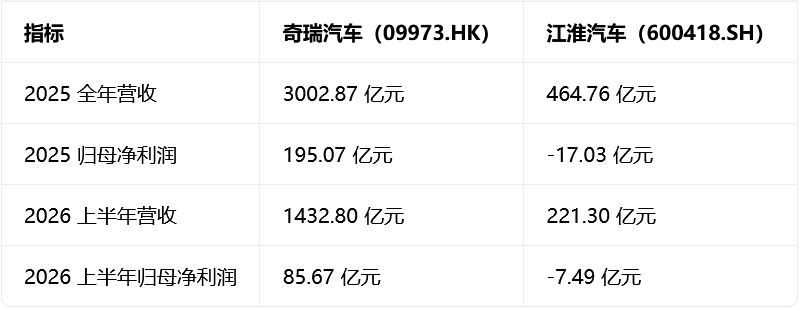
Today, Chery has become the largest passenger vehicle enterprise in Anhui Province. In terms of revenue, Chery Automobile (09973.HK) reported a total revenue of RMB 300.287 billion in 2025 (annual report), up 11.3% year-on-year, and RMB 143.28 billion in the first half of 2026 (semi-annual report), up 1.2% year-on-year. In terms of scale, Chery's revenue is approximately six times that of JAC Motors (600418.SH).
Meanwhile, after relinquishing controlling rights, JAC Motors has not achieved significant success in its passenger vehicle segment. JAC Motors primarily maintains a defensive position in the commercial vehicle sector, with revenue consistently ranging between RMB 20 billion and RMB 27 billion, indicating a clear growth ceiling and belonging to a mature, low-growth business rather than a high-growth sector. After peaking at RMB 27.16 billion in 2019, revenue has declined year by year, reaching RMB 20.469 billion in 2025, essentially returning to 2016 levels.
However, to be honest, both Chery and JAC lack strong motivation for merger and acquisition. Each has its own domain and market share, with little specific need for the other.
Based on our assumptions, if the "Greater Anhui Automobile" plan were to be initiated, there are roughly three paths that could be considered, based on industry practices:
The first is a deep equity merger (absorption merger/one company merging into another), but the probability of this is extremely low (likely below 5%).
The second is a "soft merger" through the consolidation of state-owned equity at the upper level (Greater Anhui Automobile 2.0, where a holding platform uniformly holds shares in both state-owned enterprises, while the legal entities of the vehicle manufacturers remain independent). This is a low-probability event (approximately 10%-20%).
The third is a business cross-alliance and supply chain collaboration, which is a higher-probability and feasible route (approximately 80%).
From the perspective of the first scenario, if an equity merger were to occur, the capital market's voice would naturally lean towards Chery, which is not a situation JAC would welcome and is at the core of the overall merger negotiations. After all, JAC's management would see a significant reduction in their voice, leading to strong resistance from JAC. Furthermore, this would involve the willingness of Volkswagen China, which holds a 50% stake.
Additionally, JAC is a listed company on the A-share market, and any major asset restructuring would require shareholder approval. Chery Automobile is listed in Hong Kong, and Luxshare Precision is a significant external shareholder. Whether they would agree to their equity being diluted and assets being packaged into a larger group is also a question.
Industry analysts believe that a merger would only be triggered under extreme circumstances: if the industry faced a significant crisis and both companies faced substantial risks of survival as independent entities, with strong provincial-level promotion. However, currently, neither company's fundamentals have reached this point.
The second scenario, a "soft merger" through an upper-level holding platform, would involve Anhui Province establishing a top-level provincial automotive holding group to consolidate the provincial government's equity in JAC Holdings and the Wuhu state-owned assets' equity in Chery into this new holding platform.
On this platform, the legal entities of Chery and JAC would remain unchanged, and cooperation agreements with partners such as Volkswagen, Huawei, and Luxshare would not be affected. Both brands, channels, management, and operations would remain independent; only top-level strategy, supply chain procurement, and overseas collaboration would be unified.
However, this model also faces core obstacles. After all, Chery is the most important economic pillar in Wuhu, and transferring state-owned equity to a provincial-level platform would impact Wuhu's GDP, taxation, and state-owned asset returns.
Furthermore, market-oriented shareholders like Luxshare Precision in Chery would not have their equity transferred to the provincial-level state-owned platform, limiting the degree of collaboration. With only capital-level unification and continued business and product competition, the effectiveness of cost reduction and efficiency improvement would be limited, resulting in weak motivation from the companies themselves.
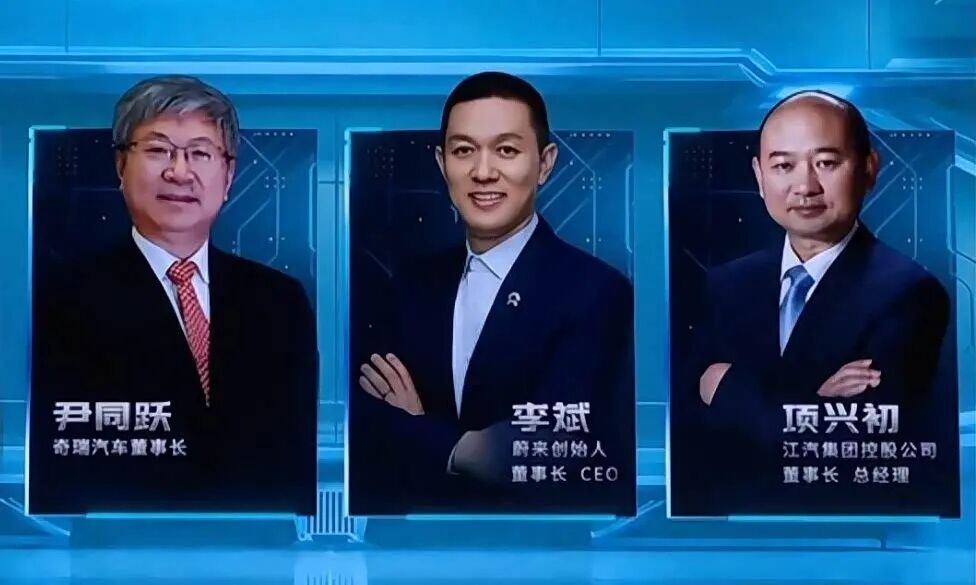
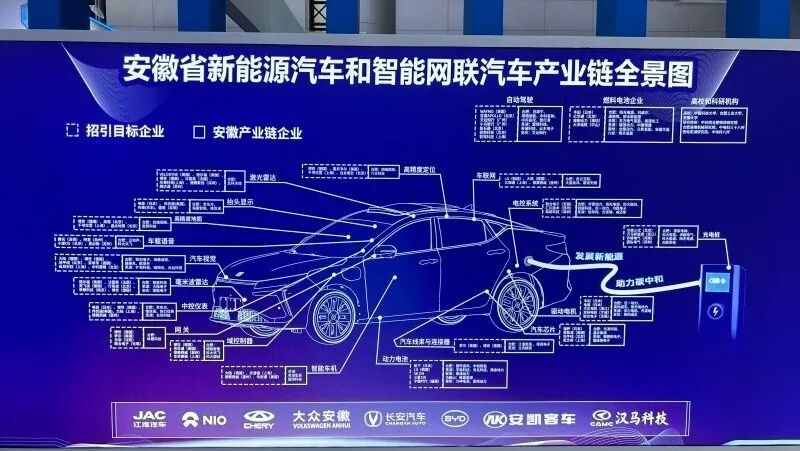
The third model, a "business collaboration alliance," is the current route being pursued, with Chery, JAC, and NIO jointly establishing the "Anhui Automotive Industry Development Collaborative Innovation Platform" as one of the exploration directions.
According to the "Framework Agreement on Jointly Establishing an Automotive Industry Development Collaborative Innovation Platform" signed by the three parties, they will promote joint R&D of complete vehicles and key components, share manufacturing resources, develop localized automotive-grade chips, and jointly build a collaborative innovation ecosystem.
The advantage of this model is that it does not involve any equity changes, preserving the complete independence of the companies, their brands, and management, and does not affect cooperation agreements with partners such as Volkswagen, Huawei, and Luxshare.
However, this model has limitations. Without top-level capital unification, significant strategic collaboration is difficult to achieve, and internal product competition still exists.
03 Can We Take It Further?
A business collaboration alliance may be insufficient for Anhui Province's aspirations for merger and acquisition, serving only as a preliminary step.
To create a true "Greater Anhui Automobile," deeper cooperation is needed. One suggestion is for Chery to lead passenger vehicle development, JAC to lead commercial vehicle development, and NIO to become the premium luxury brand segment of the "Greater Anhui Automobile."
The rationale behind this is that it allows for complementary strengths among the three companies. This imaginative combination enables the three companies to complement each other in manufacturing, supply chain, sales and service, and overseas capabilities, creating a more comprehensive and globally oriented team.
From the vantage point of corporate self-interest, it's clear that each company has carved out its unique niche: Chery specializes in passenger vehicles and global exports, JAC focuses on commercial vehicles and Huawei's high-end luxury market, while NIO forges its own path in the premium battery electric vehicle sector. The strategic value of each company's independent development is significant, negating any immediate "pressure to merge for survival."
In simpler terms, what advantages would a merger or acquisition offer to Chery, JAC, or NIO? Without tangible benefits, there's little motivation to pursue such actions. The FAW-GAC restructuring, for instance, was driven by genuine challenges or necessities.
However, the commencement of the FAW-GAC merger and restructuring underscores the national-level encouragement for automakers to explore mergers and acquisitions. This approach is becoming increasingly market-driven and adaptable. As the domestic automotive industry confronts escalating challenges and competition, the survival pressure on independent automakers mounts, subtly boosting the prospects of the "Greater Anhui Automobile" initiative.
NIO's strengths lie in its premium brand, vibrant user community, comprehensive service system, and extensive energy replenishment network. In contrast, Chery and JAC excel in manufacturing but lack extensive experience in user relationship management. Therefore, if NIO were to engage in integration, it might not involve equity participation or transfer but rather collaborations at the capital, brand, sales and service, battery swap, and infrastructure levels.
For the locally state-owned Chery Group, the distinction from NIO is pronounced. Chery boasts a complete vehicle manufacturing, supply chain, and overseas operations framework. The likelihood of Chery being integrated is minimal; instead, it is more positioned and capable of integrating others and exporting its expertise. Moreover, Chery's diverse brand portfolio, multiple technology platforms, and numerous R&D organizations indicate that while external mergers may not have occurred, internal integration is already underway.
For JAC, if it aims to develop a diverse lineup of passenger vehicles with limited resources while enhancing its export system and improving development efficiency through overseas channels, it might consider partnering with Chery. After all, the combined scale of passenger and commercial vehicles pales in comparison to Chery's.
Given the current landscape, the "Greater Anhui Automobile" plan remains a distant dream, requiring time to mature. For Chery, the strongest among the trio, to ascend to the ranks of global automakers like Volkswagen or Toyota, mergers and acquisitions are imperative. Yet, the opportune moment has not yet arrived. JAC may be enjoying a comfortable position now, but it should remain vigilant against future challenges and plan accordingly. As industry observers, we would welcome the realization of the "Greater Anhui Automobile" plan.
Editor in Charge: Li Sijia Editor: He Zengrong

THE END
-
![]()
From Netizens' Perspective, the XPENG G9L Still Seems Pricey
-
![]()
10 Questions I Care Most About Regarding Doubao Mobile Phone II
-
![]()
Quality Performance of China’s New Energy Vehicle Tri-Electric Systems in 2026: Experience-Centric Issues Take Center Stage, Range Remains Top Challenge
-
![]()
AIDrive’s Cooperation Model Undergoes Change: Is Xiaomi Pengcheng the Unexpected Winner?
-
![]()
FAW and GAC Make Moves: Will the "Greater Anhui Automobile" Dream Become Reality?
-
![]()
Why FAW Can Successfully Integrate with GAC While Dongfeng and Changan Fail
-
![]()
Beauty Board Secretary ‘Dilraba’ Joins O-Film Tech, Capturing Renewed Attention
-
![]()
Huawei Steps Back, Seres Faces the Music