Stellantis, Which Incurred a €223 Million Loss Last Year, Is Pinning Maserati's Future on China
 09/21 2026
 420
420
Currently, all details of the cooperation are still being finalized, and no formal agreements have been signed. The three parties involved are still negotiating finer points on core issues, such as the division of intellectual property rights, profit distribution, and brand authority.
Since September 2026, an industrial development originating from Europe has continued to shake up the global luxury car market.
According to multiple foreign media sources, including Italy's Milano Finanza, and domestic industry insiders, Maserati, a century-old ultra-luxury brand under the Stellantis Group, is deepening its strategic cooperation negotiations with Huawei and JAC Motors. The three parties plan to jointly develop new high-end electric vehicle models based on the Harmony Intelligent Mobility ecosystem. The project has now entered the preliminary industrial design phase.
Based on current progress, relevant cooperation details are expected to be officially announced at the Stellantis Group's Investor Day in Modena, Italy, this December. The first mass-produced model is projected to be officially launched by the end of 2027.
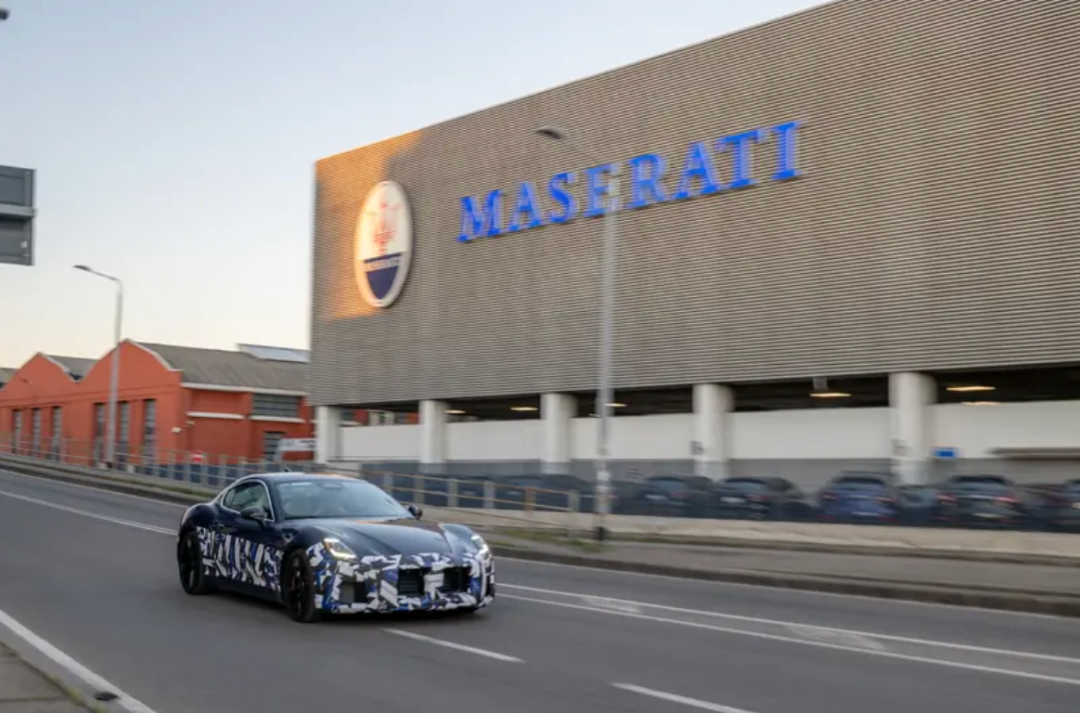
Unlike previous shallow technology adaptation collaborations between overseas luxury brands and Chinese companies, this tripartite collaboration represents an unprecedentedly deep integration across product definition, technical division of labor, production models, and brand strategies in the history of the global automotive industry.
This cross-border partnership, labeled as a "desperate self-rescue" within the industry, reflects not only Maserati's own survival crisis but also the strategic trade-offs of the Stellantis Group. Moreover, it places the capabilities of China's intelligent electric vehicle industry in the spotlight among global ultra-luxury brands.
From Sales Peak to Transformation Dilemma
Maserati, once globally renowned as the "Queen of Sports Cars," now stands at the most critical survival juncture since its founding. Looking back to 2017, Maserati achieved annual sales of 14,498 units in China, marking its historical peak since entering the market. Meanwhile, the global market simultaneously entered a golden period of development.
However, in just a few years, the brand's trajectory took a sharp downturn.
By 2025, Maserati's global annual shipments had fallen below 8,000 units, representing a drop of over 80% from its 2017 peak and marking the lowest record in more than a decade. The decline was even more pronounced in the Chinese market, with annual sales in 2025 reaching only 1,374 units, a reduction of over 90% from the peak. In the first quarter of 2026, total sales over three months amounted to just 181 units, clearly indicating a slump in the terminal market.
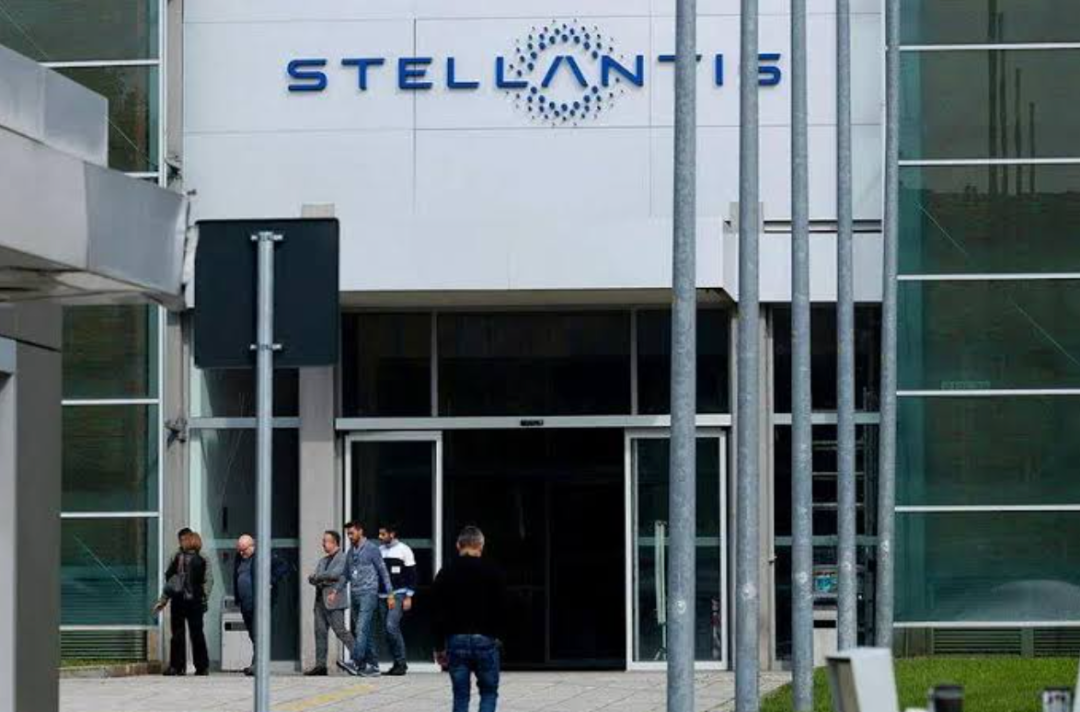
Simultaneously collapsing with sales was the brand's operational foundation. According to official financial reports released by the Stellantis Group, Maserati's net revenue in 2025 was €726 million, with an adjusted operating loss reaching €198 million, corresponding to an operating profit margin as low as -27.3%. This means that for every €100 of products sold, the brand incurred a loss of €27.3.
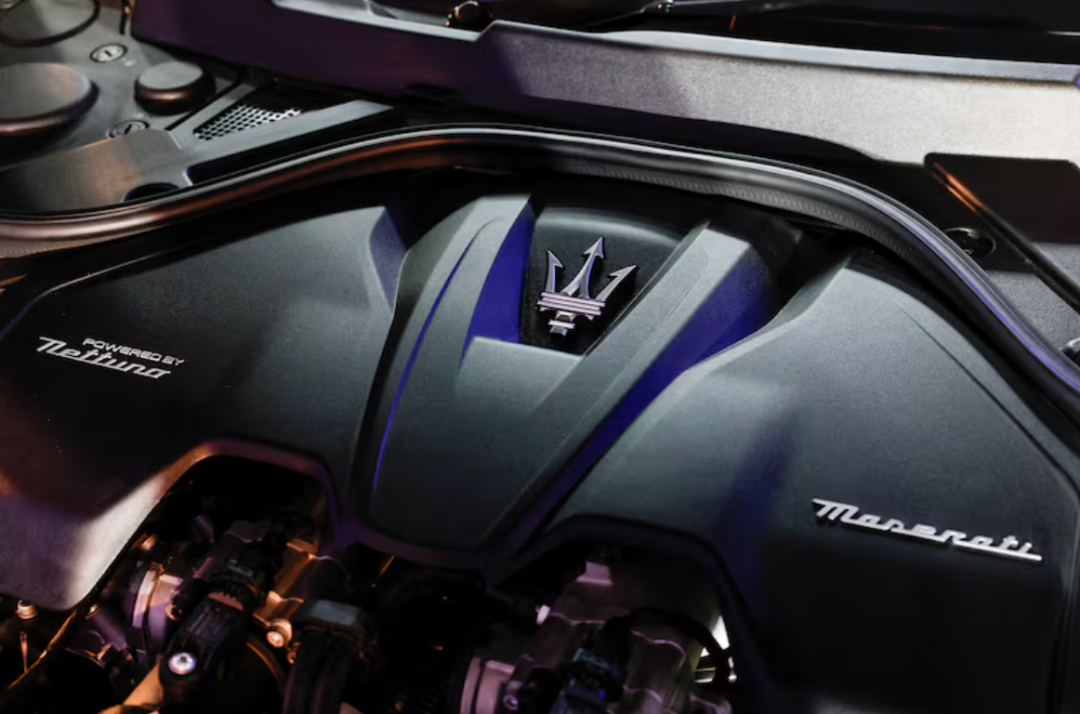
In response to the electrification trend, Maserati had previously attempted to launch pure electric transformation products, with models such as the Grecale Folgore and GranTurismo Folgore successively entering the market. However, these products were essentially transitional "retrofitted electric" models, merely completing basic electrification modifications while falling far short of market expectations in terms of intelligent experience. High-end consumers, already accustomed to the smooth and intelligent experiences offered by Chinese brands, showed extremely low acceptance of such products.
The collapse of terminal market prices best reflects the predicament of product competitiveness. The official guide price for the Grecale Folgore pure electric SUV was 898,800 yuan, but after regional terminal discounts, the selling price dropped directly to 358,800 yuan, representing a price reduction of over 500,000 yuan per unit. The collapse of the pricing system directly shook the foundation of Maserati's luxury brand status, which it had maintained for years.
Even more fatal was that the financial threshold for independently advancing intelligent transformation far exceeded Maserati's capacity.
To establish a complete next-generation intelligent electric vehicle R&D system, a minimum initial investment of tens of billions of yuan is the industry's entry standard, along with a technical iteration cycle of at least 3-5 years. For Maserati, currently selling fewer than 8,000 units annually and sustaining significant losses, this is an impossible task.
If Maserati persists on the path of independent R&D, by the time its new intelligent models are launched, they will likely be at least one generation behind mainstream market offerings, pushing the brand further toward the margins in a vicious cycle.
In response, Antonio Filosa, CEO of the Stellantis Group, explicitly stated in a public setting in June 2026 that Maserati needs industrial partners but that the Group would not sell the brand. This statement underscores that Maserati no longer has the time window to independently complete its intelligent electrification transformation, making the search for external core technology partners the only viable option for the brand's survival.
Self-Rescue Choices Beyond Priority
Maserati's predicament has never existed in isolation; it is a microcosm of the Stellantis Group's overall transformation pains.
In 2025, the Stellantis Group recorded a net loss of €22.3 billion for the full year. The enormous financial pressure compelled the Group to initiate a large-scale strategic contraction, suspending dividend payments in 2026 and redirecting limited resources toward businesses with more stable cash flow performance.
In the Group's "FaSTLAne 2030" five-year strategic plan released in May 2026, out of a total investment of €60 billion, 70% of the resources were allocated to four global core profitable brands, including Jeep and Ram. Maserati was not among the Group's top priorities.
For Stellantis, Maserati is the Group's only ultra-luxury brand, carrying the important function of elevating brand positioning. Abandoning it outright would entail excessively high sunk costs, while continuous financial support would add further burdens to the Group's already strained finances. Previously, the Group's strategic focus shifted toward profitable fuel vehicle businesses in North and South America, essentially aiming to recoup cash flow and create space for the transformation of its brands.
This awkward situation of "cannot sell, cannot afford to support" ultimately led Stellantis to choose a cooperation route of "trading brand equity for technology and channel resources for time."
Opting to collaborate with Huawei and JAC Motors represents a highly cost-effective deal for the Group. It eliminates the need for tens of billions of yuan in R&D investment or bearing uncertainties over a prolonged technical cycle, enabling Maserati to quickly address its shortcomings in intelligent features and deliver products that meet current high-end new energy market demands in the shortest possible time.
Simultaneously, this cooperation plan can also revitalize idle production capacity in Europe.
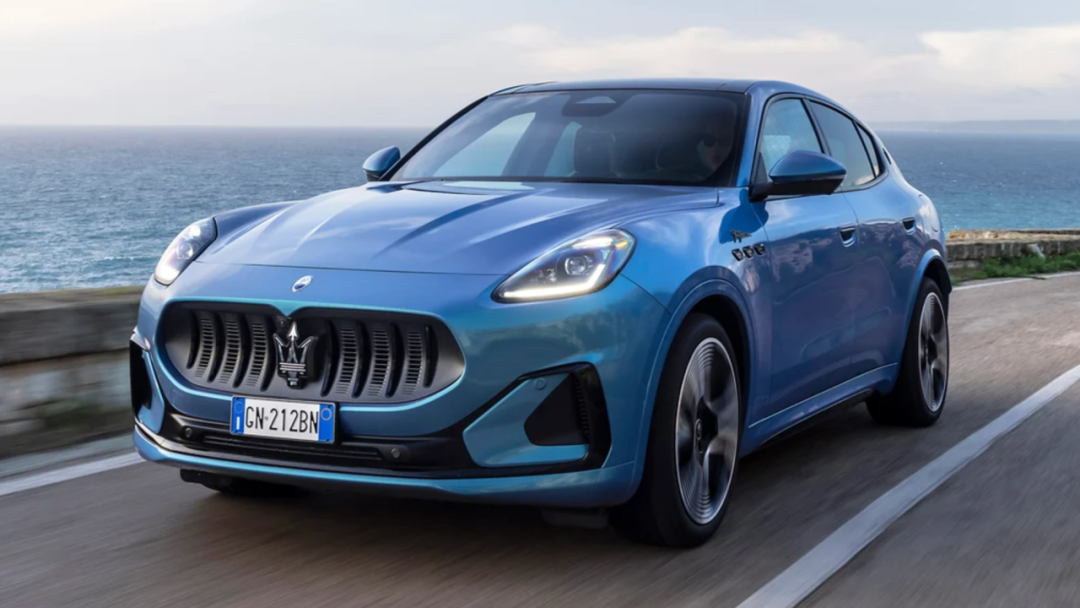
According to the tripartite plan disclosed by foreign media, future new vehicles for overseas markets will adopt a Semi-Knocked-Down (SKD) assembly model, where "white bodies are produced at the factory in Hefei, China, and interior finishing and vehicle calibration are completed at Italian factories." Maserati's Cassino and Modena factories in Italy will regain stable high-end assembly orders, avoiding additional asset losses caused by idle capacity and preserving relevant local employment. This will also significantly alleviate pressure from local governments and labor unions.
From the Group's overall interests, promoting deep integration between Maserati and Chinese technology and manufacturing companies essentially achieves "damage control + activation" of a high-quality luxury asset at minimal cost. Even if the cooperation ultimately enables Maserati to recover to an annual global sales volume of 20,000 units, it would still be a worthwhile deal for the current Stellantis Group.
This is also why, amid swirling market rumors, Stellantis has not stepped forward to deny them, responding only vaguely that "strategic plans will be officially announced at the December Investor Day," leaving ample buffer space for tripartite negotiations.
Dual Game Theory of Capacity Absorption and Brand Elevation
In this tripartite cooperation, JAC Motors is the most easily overlooked party, yet it serves as the critical support for the entire industrial chain's implementation.
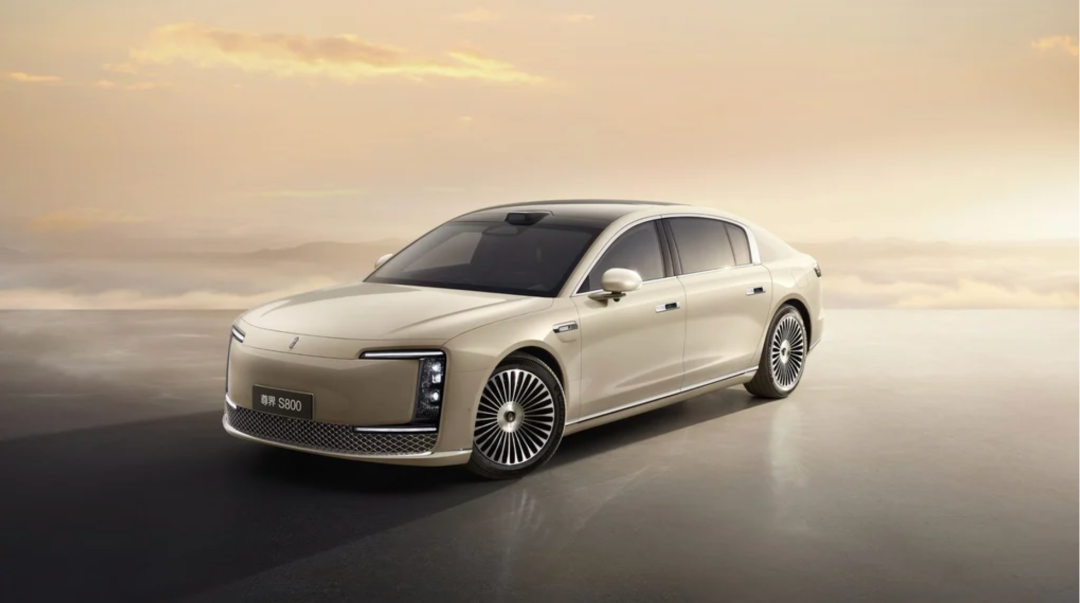
To meet the high-end manufacturing demands of the Zunjie brand, JAC Motors has already invested over 10 billion yuan to build the Zunjie Super Factory in Hefei, covering an area of 1,500 acres and assembling a dedicated technical team of over 5,000 people. The factory has a planned annual production capacity of 200,000 units. Currently, the flagship model of the Zunjie brand, the Zunjie S800, has topped the sales charts for luxury sedans priced above 700,000 yuan for ten consecutive months. As of September 2026, cumulative deliveries are set to surpass 20,000 units, with the product's market performance already validated by high-end user groups.
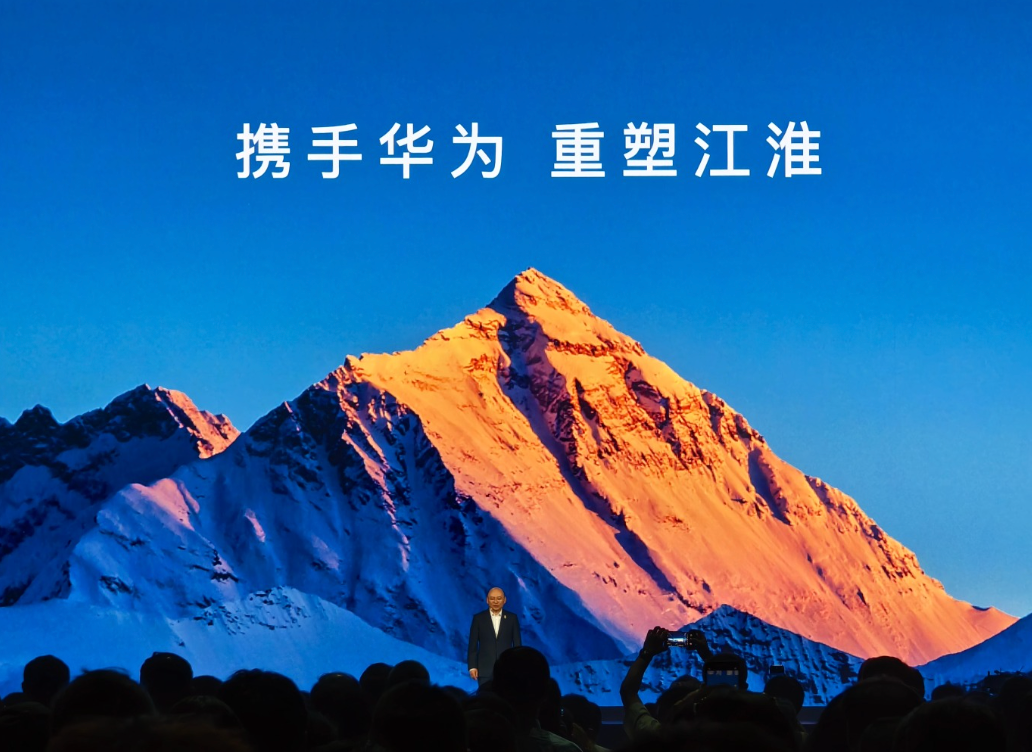
However, the practical dilemmas facing JAC Motors are equally clear.
As of mid-2026, the capacity utilization rate of the Zunjie Super Factory remained below 15%. To bring the amortization of the factory's tens of billions of yuan in fixed assets back to a reasonable range, annual deliveries must stably exceed 80,000 units to cross the breakeven point. Meanwhile, JAC Motors has sustained losses for seven consecutive quarters, with cash flow pressure continuously rising. If idle capacity cannot be quickly absorbed, the substantial initial investment will face significant profitability risks.
Joining the Maserati cooperation project represents a crucial step for JAC Motors to resolve its current predicament.
First, it can rapidly absorb the idle capacity of the Zunjie Super Factory, significantly amortize the initial manufacturing costs, and enable the entire high-end manufacturing system to operate healthily, avoiding the waste of previously invested resources. Simultaneously, with Maserati's century-old ultra-luxury brand endorsement, JAC Motors' high-end manufacturing capabilities will gain global market certification, completely shedding the long-standing stereotype that independent Chinese automakers "can only handle mid-to-low-end contract manufacturing," achieving an upward breakthrough in manufacturing capability branding.
Furthermore, leveraging Maserati's global overseas channels, JAC Motors' vehicle engineering and R&D capabilities can simultaneously expand into overseas markets such as Europe and the Middle East, breaking free from the previous business scope limited to the domestic market and opening up new growth spaces.
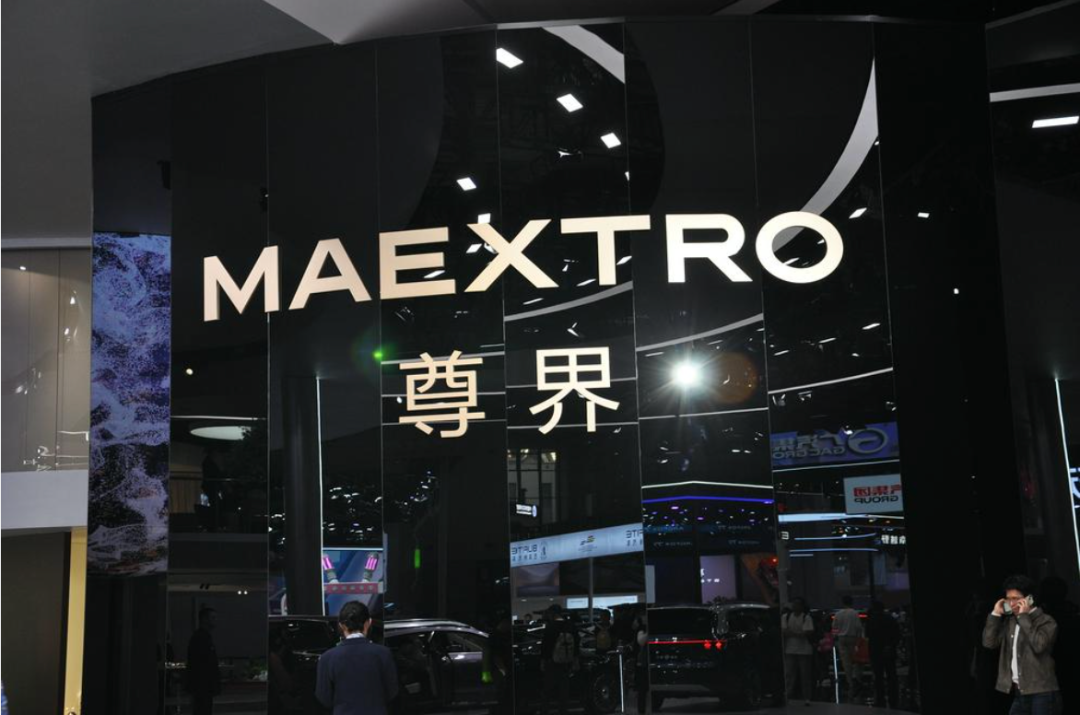
However, the flip side of the coin reveals challenges and concerns that cannot be ignored.
The first issue is the difficulty of balancing discourse power. Within the tripartite cooperation framework, Huawei controls product definition, technical standards, and domestic sales channels through the Harmony Intelligent Mobility ecosystem, while Maserati holds brand design and overseas channel authority. JAC Motors primarily assumes the manufacturing implementation role. How to safeguard its industrial discourse power between the two dominant partners and avoid ultimately becoming a mere "contract manufacturer" is a core issue JAC Motors must confront.
Additionally, the strategy of selling new vehicles under the Zunjie brand in the domestic market and the Maserati Trident logo overseas—a "dual branding for the same vehicle" approach—could easily cause domestic consumers to experience cognitive confusion regarding the Zunjie brand's positioning. How to clearly delineate the audience boundaries and value systems of the two brands while sharing technical capabilities, avoiding dilution of the original high-end user base's brand perception for Zunjie, is a branding challenge that must be resolved during project implementation.
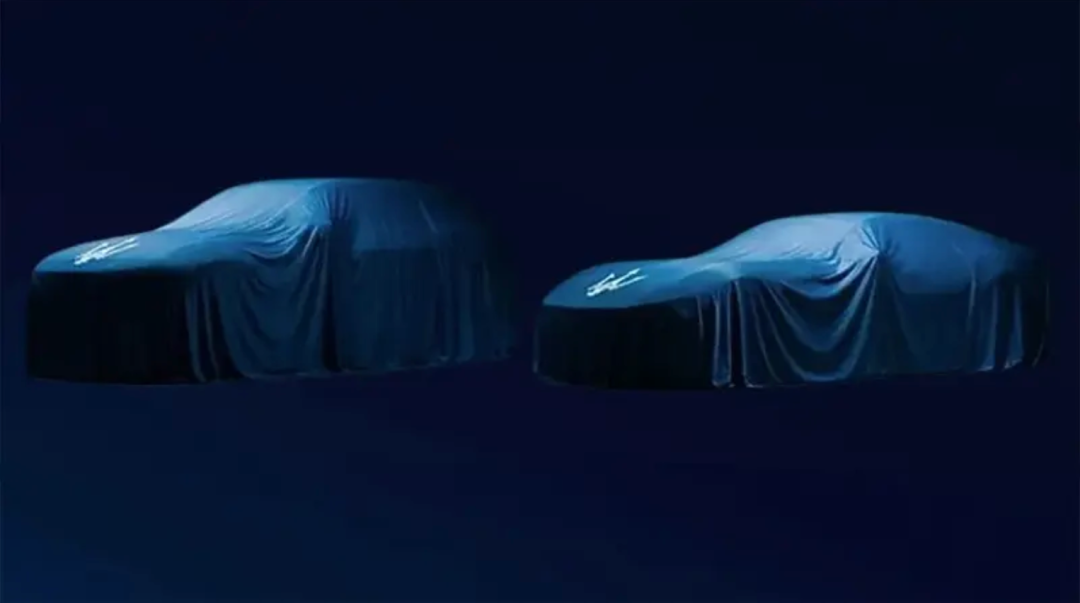
According to the disclosed product plans, the three parties have finalized development schemes for two new electric vehicle models: a mid-to-large pure electric SUV to serve as a market replacement for the existing Grecale Folgore, and a large pure electric GT sports car to succeed the GranTurismo Folgore, further reinforcing Maserati's sporty brand identity.
The current internal preference is to prioritize the launch of the pure electric GT as the first mass-produced model, using the product that best represents Maserati's sporty DNA to kickstart the brand's intelligent electrification transformation.
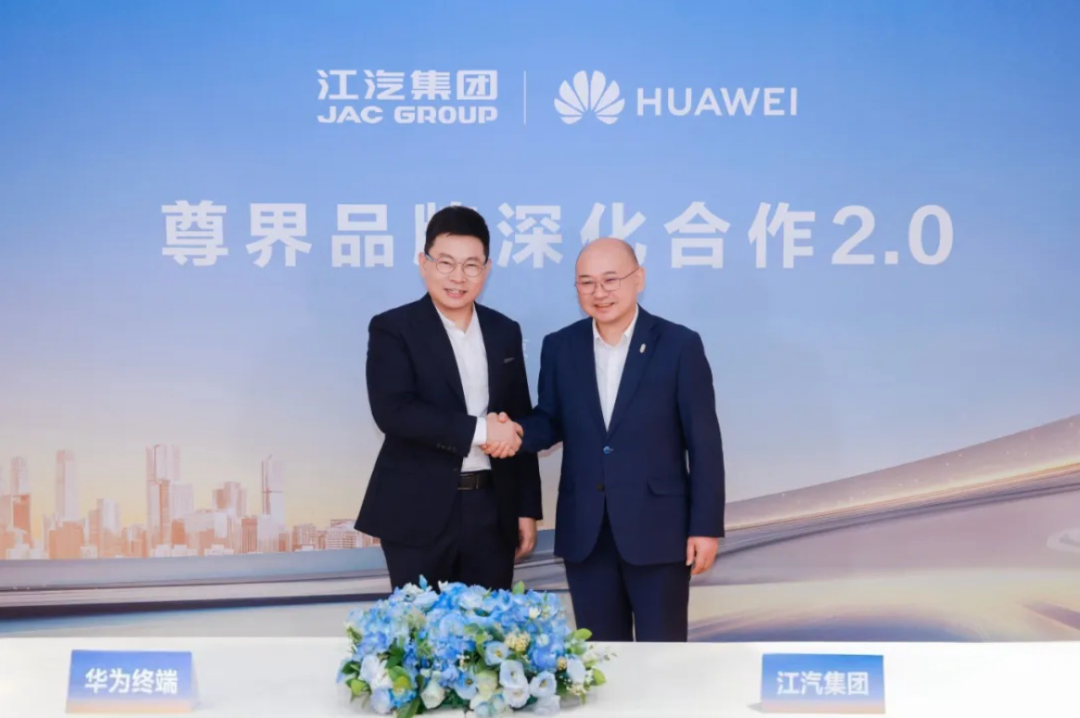
Huawei will provide complete Harmony Intelligent Mobility full-stack technical solutions for the two new models, including the Harmony Smart Cockpit, Qiankun ADS advanced intelligent driving system, and 800V high-voltage DriveONE electric powertrain system, thoroughly addressing all of Maserati's shortcomings in the intelligent domain.
The genuine importance of this collaboration extends far beyond the self-preservation efforts of a single brand. In the past, the intelligent advancements of luxury brands on a global scale leaned almost entirely on traditional overseas Tier 1 suppliers. This resulted in sluggish technical iteration rates and subpar localization adaptations, consistently lagging behind the dynamic pace of China's intelligent vehicle market.
From Audi's collaborative development of an intelligent digital platform with SAIC Motor, to Mercedes-Benz and BMW embracing cutting-edge intelligent driving systems supplied by Chinese firms, and now to Maserati's in-depth, full-stack partnership with Huawei and JAC Motors, the trajectory is clear. China's intelligent electric vehicle technology and manufacturing prowess are no longer mere "secondary choices" for the global luxury car market; they have emerged as pivotal support options for top-tier luxury brands seeking transformation.
Certainly, at this juncture, all cooperation specifics are still under discussion, and no formal agreements have been inked. The three parties involved still need to iron out finer details regarding core issues such as intellectual property rights allocation, profit distribution, and brand authority. Whether this cross-border experiment, which combines "Italian luxury design, Chinese intelligent technology, and a high-end manufacturing system," ultimately enables the century-old Trident brand to experience a renaissance or falls prey to cultural and conceptual conflicts remains uncertain until the first model officially rolls off the production line at the end of 2027.
Note: Some images are sourced from the internet. Should there be any infringement, please reach out to us for removal.
-END-
-
![]()
BYD Plans to Construct 20,000 Stations, Sunwoda Aims for 10,000 Stations: The Boom of Flash Charging in China
-
![]()
Chinese Computing Power Expands Its Global Reach in ASEAN
-
![]()
Gross Margin Dips Below 10%, Li Auto Temporarily Sets Aside Its 'Competitive Edge'
-
YC's Latest Insight: Harness Matters More Than the Model
-
A 1000 Yuan Price Gap: Three Key Differences Between iPhone18 Pro and Max
-
![]()
From Didi Shrimp to Doubao Auto: Why Automakers Are Keen on Integrating AI into Their Vehicles
-
![]()
From Didi Shrimp to Doubao Car: Why Are Automakers Obsessed with Integrating AI into Vehicles?
-
![]()
Stellantis, Which Incurred a €223 Million Loss Last Year, Is Pinning Maserati's Future on China