Qijing GX7’s Success Will Shape GAC’s Year-End Narrative
 09/28 2026
 366
366
Lead-in
Introduction
As Qijing’s second model, the GX7 carries the weighty mission of rejuvenating the brand, leaving no margin for error.
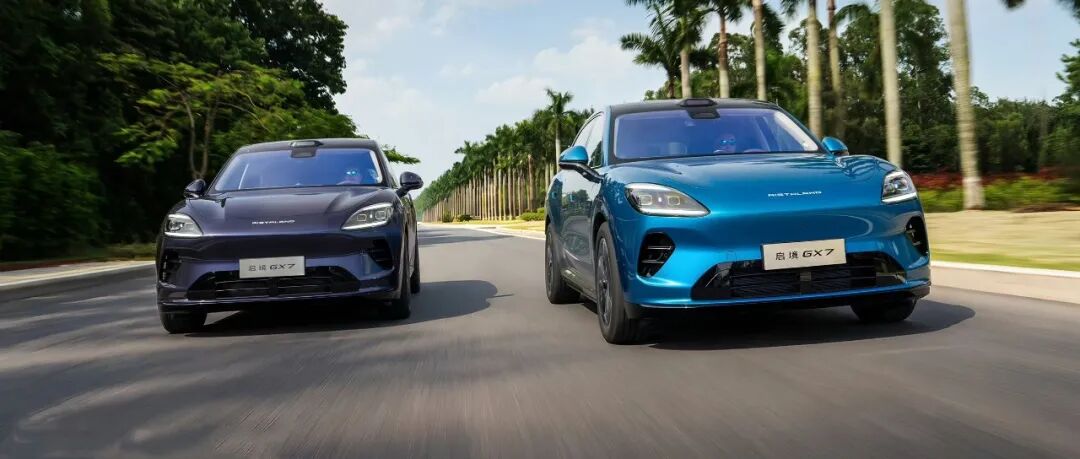
On June 26, 2026, Qijing officially launched the GT7. Less than three months later, the brand unveiled its second model, the GX7.
In today’s automotive landscape, launching two new models within a year is far from groundbreaking. With intensifying competition ushering in a deluge of new models, we’ve grown accustomed to this pace. Some brands even release new models monthly. As internal competition becomes the norm, Qijing’s best strategy for tackling tough markets lies in refining its product lineup to achieve efficient combat effectiveness.
During its initial phase, Qijing chose the shooting brake segment to sidestep the fiercely competitive mainstream market and cater to niche consumer demands. Regardless of the outcome, this move provided Qijing with a valuable opportunity to learn through trial and error.
Over the past few months, GT7’s sales have been, at best, mediocre. In Qijing’s new strategic planning, following the GT7, the brand must urgently and decisively enter the mainstream market to establish itself and leave a lasting impression on consumers.
When the GX7 debuted at the Chengdu Auto Show, it was clear that breaking through the fiercely competitive new energy SUV market would be no easy feat. The GX7 needed to leverage product strengths far surpassing those of the GT7 to capture more users in the highly competitive RMB 300,000-level SUV market.
During the pre-sale phase, setting the price below RMB 250,000 demonstrated Qijing’s determination to break through market barriers.
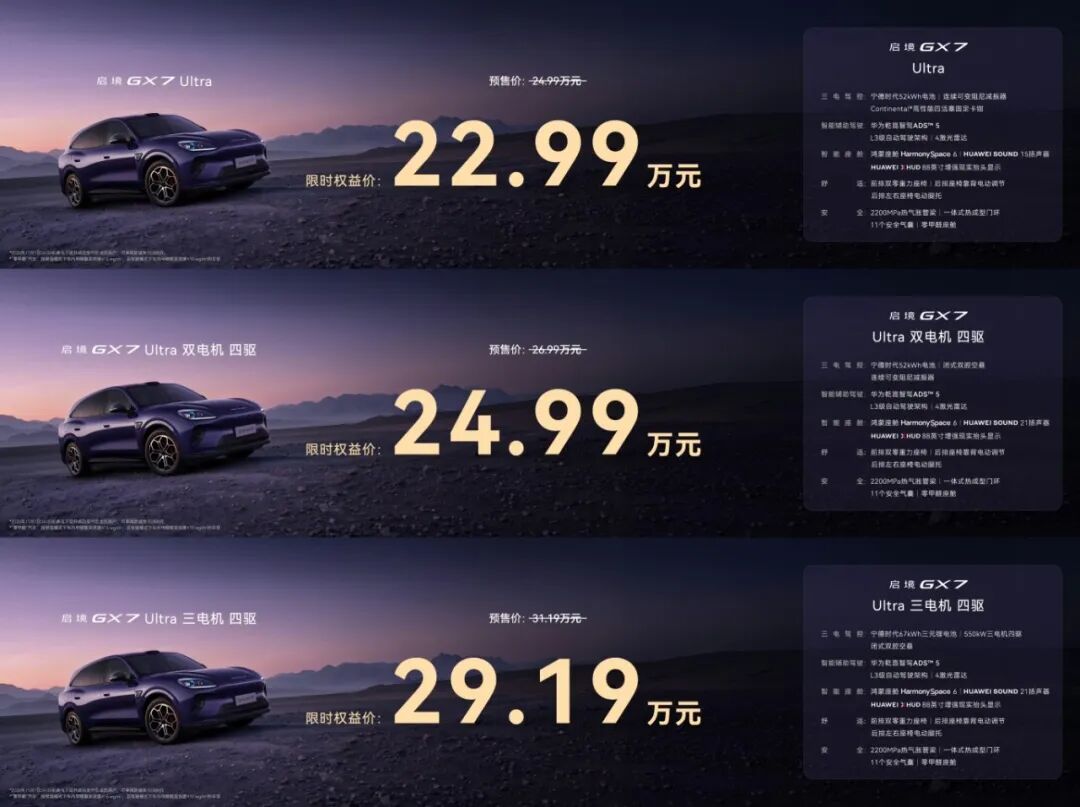
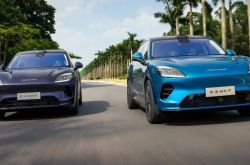
At its official launch, when CEO Liu Jiaming announced the GX7’s guide price range of RMB 239,900 to RMB 301,900, along with an additional limited-time discount of RMB 10,000, it was evident that Qijing was fully committed to transitioning from niche segments to the mainstream market. This time, if the GX7 fails to achieve monthly sales of around 5,000 units, what will be the value of all past efforts?
The Chinese market is unforgiving—success is judged solely by results, disregarding the hardships endured along the way. This year is crucial for Qijing’s survival and growth. Over the next three months, aside from amplifying the brand’s voice through overtime efforts, refining products to perfection, and accelerating channel penetration into core markets, everything else is secondary.
01 “Breaking Out” Is the Mission of the GX7
On June 30, 2025, GAC Group Chairman Feng Xingya traveled to Shenzhen to discuss the future development direction of their collaborative car-building project with Huawei founder Ren Zhengfei.
At that time, no one knew precisely how Qijing Automotive, established through this collaboration, would differentiate itself from the Five Realms while positioning itself at the forefront of new energy development.
Initially, from Huawei’s Jin Yuzhi to GAC’s leadership, everyone emphasized the strengths of this powerful alliance. At the brand’s launch, the concept of AI, still unclear to many, was set as the cornerstone of the brand’s development.
As it turned out, with the entire industry entering the AI era, even downstream players began developing various AI software. Qijing’s approach was not unfounded, and its technical platform built towards Level 3 autonomous driving did give it a head start over competitors.
Against this backdrop, the first model, the GT7, was boldly launched.
This year, the harshness of the industry environment is palpable. The GT7’s mission was straightforward: to impress the industry and win over consumers without hesitation using Huawei’s full suite of AITO technologies, marking the brand’s first significant move.
Unfortunately, when Qijing needed to answer questions like “Who is the GT7 for?” and “What absolute advantages does this unconventional vehicle have over similar products?”, consumers were too focused on cost-effectiveness. Compared to emotional value, saving money and effort was their primary goal.
Therefore, examining public information sources, aside from occasional announcements by GAC Group about Qijing’s delivery volumes, it’s difficult to find specific sales data for the GT7 across most channels.
While it’s hard to say whether the GT7 failed to meet the expectations of GAC and Huawei AITO for Qijing, the market reality is clear.
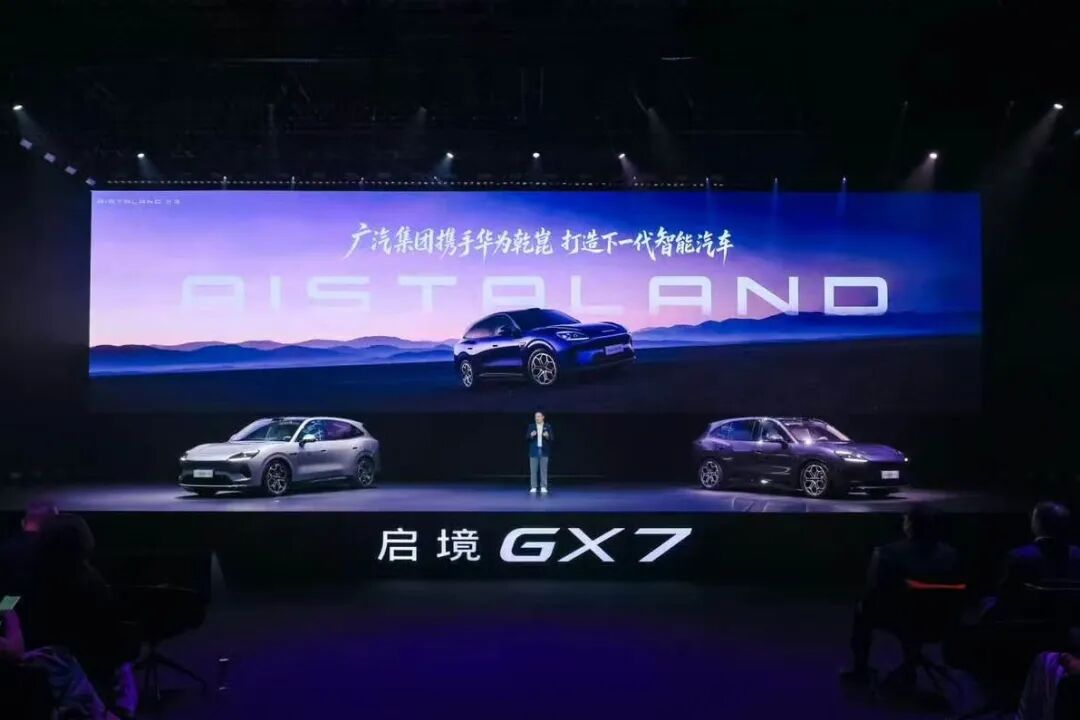
With massive consumer attention focused on various mid-to-large SUV segments, launching as a shooting brake with strong model premiumization risked alienating the masses. With the GX7, Qijing intentionally strengthened the vehicle’s family-oriented attributes, intending to give more mainstream users a chance to identify with the brand.
But regardless of how many marketing highlights Qijing packs into the GX7, as 2026 draws to a close, Qijing still needs to answer those questions.
First: Unlike the GT7, as a family SUV, what unique characteristics does the GX7 possess that other 532 models cannot replace?
Second: How significant is the gap created by Huawei AITO’s so-called full suite of intelligent solutions compared to competitors?
Third: In an era when everyone is tightening their belts, how can Qijing completely eliminate consumer doubts about the uncertainties surrounding a new brand’s development?
In response to these questions, Qijing has provided some answers in several press conferences.
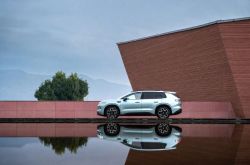
Firstly, “bed car” and “spacious five-seater SUV” have been the product positioning Qijing has repeatedly emphasized since the GX7’s debut. Indeed, while competitors focus on the comfort of zero-gravity seats, Qijing’s idea of letting owners sleep soundly in the car anytime, anywhere is intriguing. The introduction of contiguous headrests in the second-row seats for one-touch bed transformation can be considered an industry first.
Secondly, to stand out amid widespread industry collaboration with Huawei, highlighting Huawei's strength through Level 3 autonomous driving capabilities became key to the GX7's future-oriented vision.
Finally, as automakers find it increasingly difficult to move consumers with scenario-based narratives, since users prioritize cost-effectiveness, Qijing pushed the GX7’s pricing lower and lower, completely abandoning the high posture typically associated with Huawei-affiliated brands.
As these actions repeatedly address external questions, perhaps Qijing can truly boost its confidence with the GX7’s launch.
02 The GX7 Has No Room for Error
On August 24 of this year, GAC Chairman Feng Xingya and his delegation once again traveled to Shenzhen to visit Huawei founder Ren Zhengfei, with a clear purpose: to align on planning for Qijing’s next stage of development.
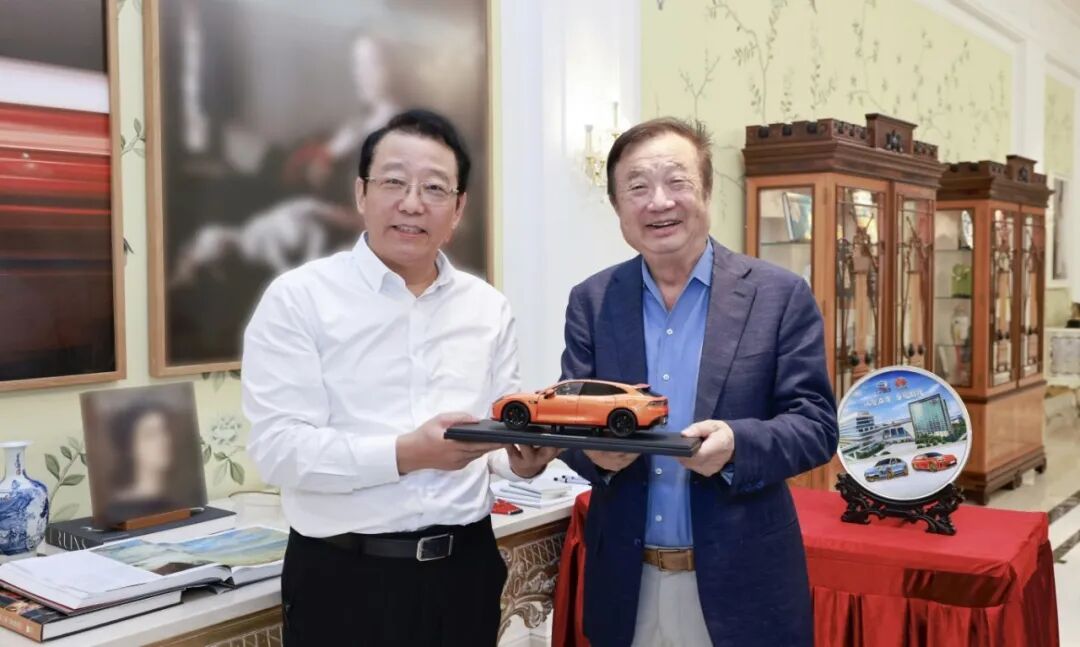
Over the past two years, due to Huawei's entry into the automotive industry, strong consumer demand for Huawei's ecosystem has been evident in sales figures. The successive launches of the Five Realms and the exceptional human-machine experiences they offer have made collaborating with Huawei a make-or-break conventional practice for automakers from the outset.
Given this, in the collaboration between GAC and Huawei, Qijing is not just a new automotive brand but also a crucial pawn for GAC to reverse its fortunes.
Starting with the GX7, GAC and Huawei AITO are determined to provide Qijing with the most abundant resources in terms of investment. Simply put, this means providing funds, technology, and even vehicle platforms whenever needed.
However, will the market truly develop as hoped? This year, the SUV market has been both diversifying into new segments and concentrating sales at the top. Even popular models, if not compelling enough, have a freshness period of only about three months.
In the mid-to-large family SUV segment, Li Auto has lost its former glory, and the Aito M series has seen stratified sales, with most other successful models priced below RMB 200,000.
This trend stems from economic downturns. Having seen through the essence of the new energy vehicle market, Chinese consumers, with tightened budgets, will only pay for products that offer substantial value. This is the main reason behind Leapmotor's rise and Wuling's successful sales of the Huajing S, which embodies low pricing with high configuration.
While the industry may hope for more diverse development, such tactics are not what the entire industry seeks. Beyond pricing, brand image, cultural shaping, and even a sense of identity should attract certain consumer segments. Huawei-affiliated products commanding higher prices naturally owe much to Huawei's own prestigious brand.
The issue is, no matter how large the market, it will eventually reach saturation. Before the Qijing GX7’s entry, it was already unclear how much room remained in the SUV market at this price point.
After nearly a year of debate between the 8-series and 9-series, even the attention generated by Xiaomi's Pengcheng N90 launch lagged far behind that of the Xiaomi SU7 and YU7 in their heyday. These realities before us are all exerting survival pressure on Qijing.
In this era, the age of winning fans with stories has long passed. Even companies like NIO, which can eloquently articulate their brand propositions, ultimately must position flagship models like the ES8 and ES9 within the industry's mainstream price bands.
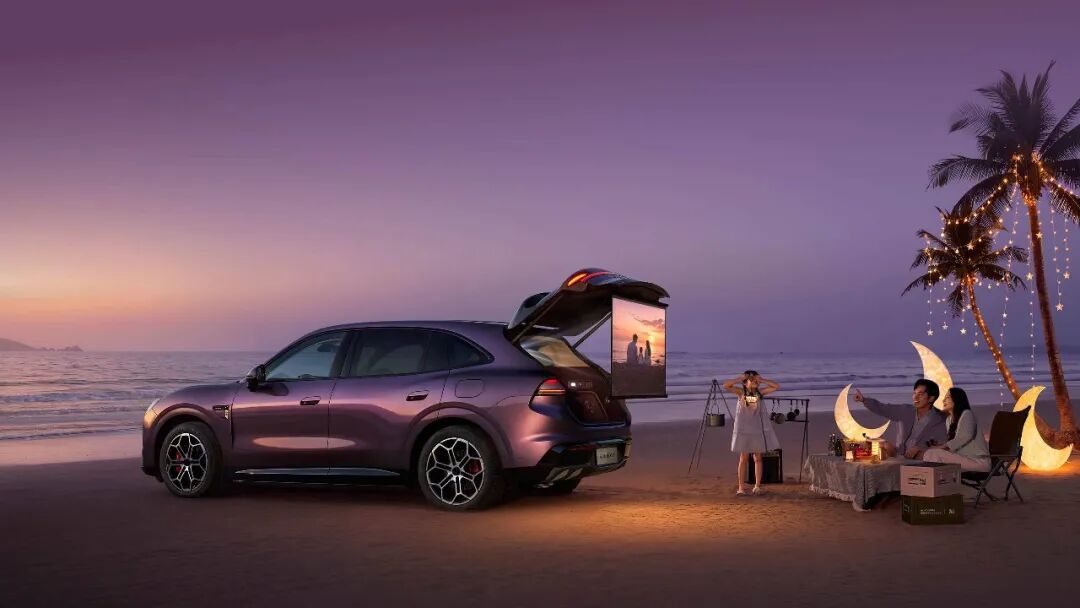
Compared to its rivals, the GX7 does have its advantages, leveraging Huawei's technological prowess to compete on par with Huawei-affiliated products in terms of product strength. However, with Seres outlining new plans for the Aito brand's development, perhaps recognizing that brand operation investments may not yield proportional returns, selling large volumes may not guarantee prosperity.
At this point, Qijing's decision to price the GX7 so competitively reflects its desire to establish a foothold in the market quickly. However, in Qijing's long-term development, sacrificing profits for market share is not a sustainable strategy. Neither GAC nor Huawei AITO can continue pricing strategies with the next model.
If so, even successful short-term performances won't allow Qijing to relax.
This year marks its first full year since establishment. Everyone hopes to see a brand that achieves instant success within GAC’s ecosystem. Logically and emotionally, beyond delivering decent products, Qijing must also consider how to truly resonate with consumers at the brand level or excel in terminal services to an unprecedented degree.
Editor-in-Chief: Cao Jiadong Editor: Wang Yue

THE END
-
![]()
Luo Yonghao Publicly Takes Aim at Dongfang Zhenxuan
-
![]()
Finally, Someone Has Found the Achilles' Heel of European Automobiles
-
![]()
Joint Venture New Energy Counterattack
-
![]()
Qijing GX7’s Success Will Shape GAC’s Year-End Narrative
-
![]()
Executives Secretly Turn to AI Before Making Big Decisions
-
![]()
Priced from 1.988 Million Yuan! Bentley, the Century-Old Ultra-Luxury Brand, Places Its Bets on 'Price Reductions' to Secure a Spot in the Electric Vehicle Era
-
![]()
August’s Luxury Car Sales Report: Porsche and Land Rover Battle It Out, BYD Breaks into the Top 20!
-
![]()
How Much Hardware Business Can Be Fueled by the Explosive Popularity of AI Applications?