Finally, Someone Has Found the Achilles' Heel of European Automobiles
 09/28 2026
 357
357
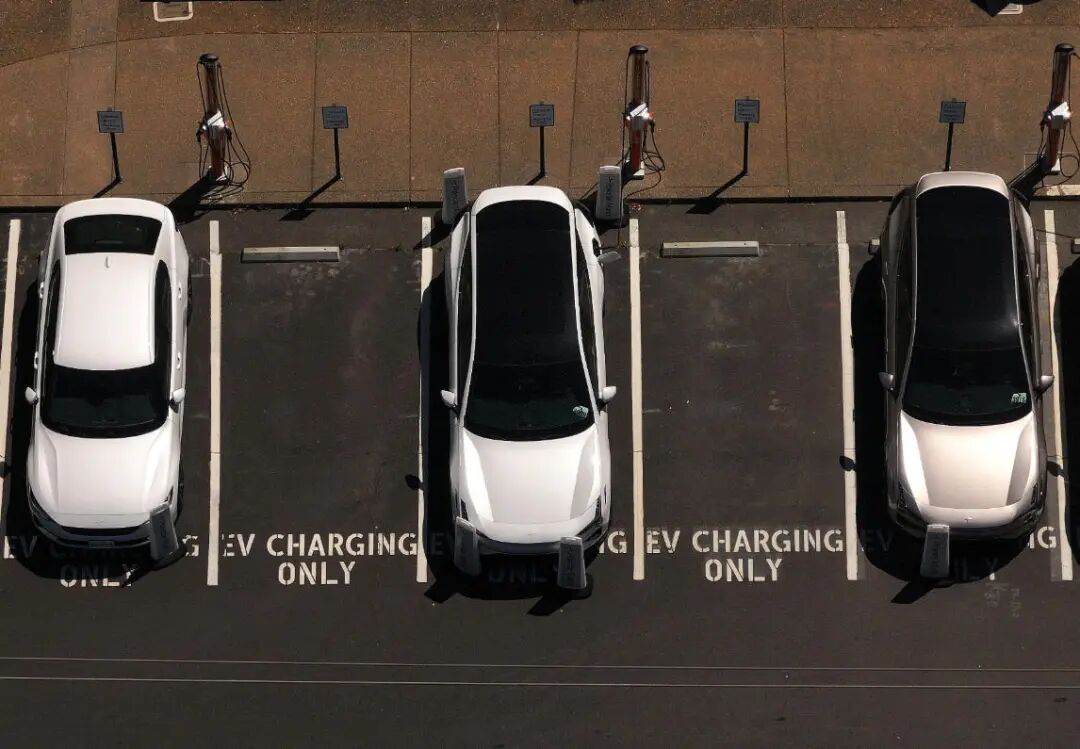
Lead
Introduction
China's electric vehicles are not Europe's real problem.
It is widely known that Chinese new energy vehicles have made a breakthrough in Europe. However, what remains less known to many is that the game theory (game/tug-of-war) between the EU and China over electric vehicle tariffs is still ongoing.
Recently, research reports from several European think tanks and industry analysts have reached a conclusion: EU policymakers may have made a costly misjudgment. They used a vivid metaphor, likening it to a game of "whack-a-mole," where addressing one issue only causes another to emerge.
The European Commission attempted to prevent a large influx of Chinese Battery Electric Vehicles (BEVs) into Europe by imposing punitive tariffs of up to 45%. However, this has failed to address the root problem and has instead obscured the true Achilles' heel of Europe's automotive industry: its weak and uncompetitive domestic battery supply chain.
Analysts generally believe that finished electric vehicles assembled in China are not Europe's real trouble. Europe has centuries of experience in vehicle manufacturing, which cannot be overturned overnight. However, what truly determines the industrial foundation for the coming decades is the production ecosystem for battery cells—a nascent industry in Europe that is truly at risk of failure.
If Europe does not shift its focus of protection and investment from finished vehicles to the battery ecosystem, the entire green industrial transformation could fail comprehensively.
01 A Policy That Treats Symptoms, Not Root Causes
Since the EU officially imposed anti-subsidy tariffs on Chinese pure electric vehicles in October 2024, the European domestic market has not seen the expected scenario where local brands fully reclaim market share. Instead, the chain reactions in the market and policy landscape are turning into an absurd situation.
The EU's carefully designed tariff barriers primarily target Battery Electric Vehicles (BEVs). However, China's highly flexible supply chain quickly made strategic adjustments. EU trade statistics show that when the tariffs were first imposed in October 2024, China exported only 3,800 plug-in hybrid electric vehicles (PHEVs) and hybrid models to Europe. By July 2026, this number had surged to an astonishing 50,000, marking a more than 13-fold increase in less than two years.
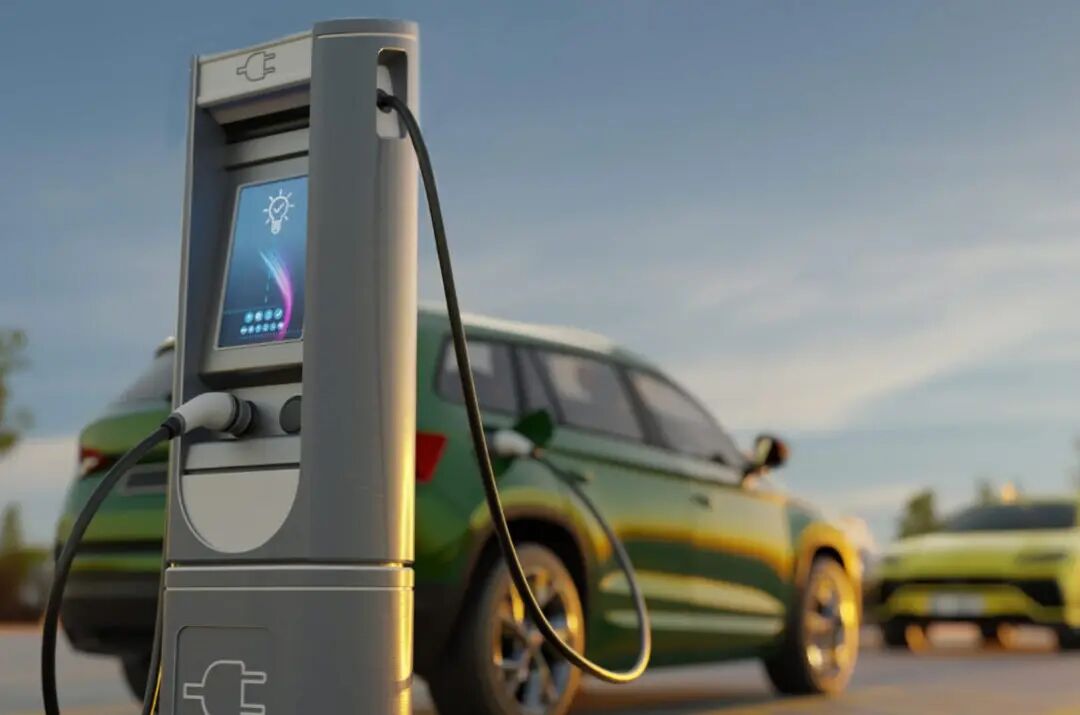
Since hybrid vehicles are only subject to a baseline conventional tariff of 10%, Chinese automakers have exploited this gap. Leveraging hybrid technologies such as BYD's DM-i, which boasts a thermal efficiency of 46.5%, a range exceeding 2,100 kilometers, and is primarily electric-powered, Chinese automakers have found smooth sailing in the European market. This has forced the EU to urgently pressure China in September 2026 to voluntarily restrict hybrid vehicle exports, threatening further tariff penalties otherwise.
However, the Ministry of Commerce responded that such "voluntary export restrictions" seriously violate World Trade Organization rules. The Ministry of Foreign Affairs also emphasized that Sino-European economic and trade relations are not a zero-sum competition and that necessary measures would be taken to safeguard the rights and interests of enterprises.
Ironically, tariffs have, in the short term, become an excuse for traditional European automotive giants to resist aggressive transformation. According to the latest tracking report from the European Association of Automotive Suppliers (CLEPA) in September 2026, the European automotive supply chain has cumulatively shed 104,000 jobs due to transformation shocks between 2024 and 2025, while only 7,000 new jobs were created during the same period.
This shock reached its peak in September 2026 when Volkswagen, Germany's largest automotive giant, approved the largest restructuring plan in its history, announcing up to 100,000 job cuts worldwide and considering closing four factories in Germany. Meanwhile, BMW also announced 8,000 layoffs. This sparked protests by over 175,000 automotive industry workers across Germany, organized by the IG Metall union, against the government's failed industrial policy.
Instead of using the buffer period provided by tariffs to increase R&D investment, these historical giants have devoted significant energy and funds to lobbying the EU to relax or even delay its established carbon emissions and fuel car ban targets.
The direct consequence of high tariffs has been persistently high prices for locally produced new energy vehicles in Europe. Due to the lack of cost-effective local alternatives, European consumers' enthusiasm for electric vehicles is gradually waning, with BEV market share regressing in several regions between 2025 and 2026. This gradual, frog-in-boiling-water protectionist policy is fundamentally undermining the foundations of the EU's own Green Deal.
02 The Real Achilles' Heel
Multiple industry reports sharply point out that the biggest issue currently facing the European automotive industry is a strategic lack of direction. They have set up defenses at the vehicle assembly line while completely exposing the critical battery cell manufacturing technology and supply chain—the true determinants of victory—to the clear advantages of their Chinese counterparts.
Data from the International Energy Agency shows that due to a lack of economies of scale and immature production processes, the cost gap between Europe and China in battery cell manufacturing exceeds 40%.
Europe once placed great hopes on its local champion, the Swedish battery giant Northvolt, to counter China's battery advantages. However, Northvolt's sudden collapse became the most tragic example of this weakness.
After exhausting over $10 billion in financing from giants such as Volkswagen (21% stake) and Goldman Sachs (19% stake), Northvolt suffered from severe production delays and quality issues. By the end of 2023, its actual capacity reached only 0.5% of its planned capacity, and it suffered a heavy blow when BMW canceled a core order worth €2 billion in 2024.
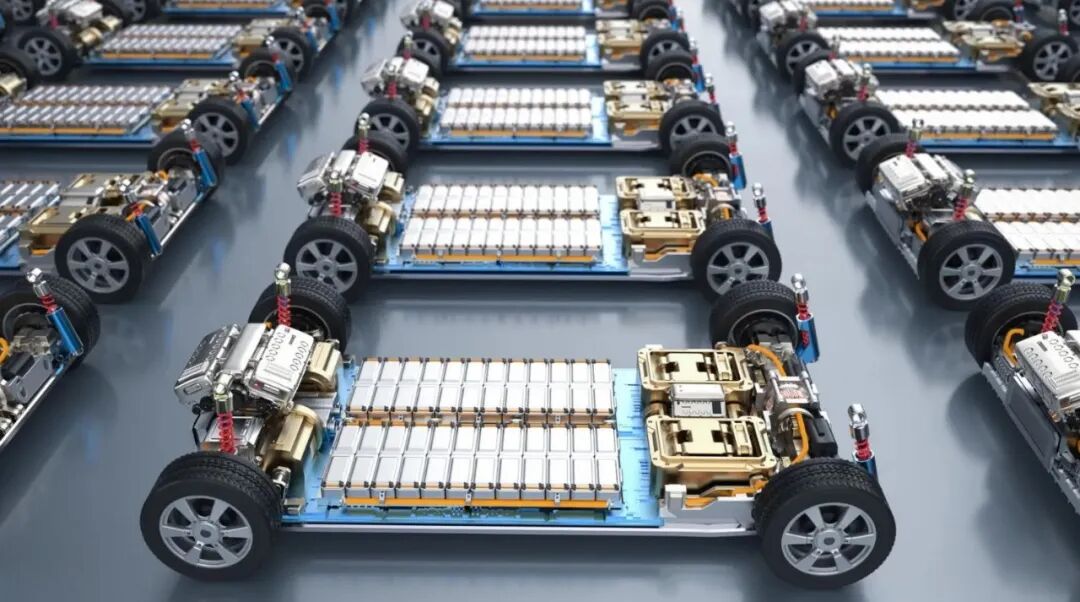
Subsequently, the company filed for Chapter 11 bankruptcy protection in the United States in November 2024 and officially declared bankruptcy at its Swedish headquarters in March 2025, leaving over $8 billion in debt unpaid. It wasn't until early 2026 that its remaining assets were acquired and taken over by the U.S. startup Lyten, which attempted to restructure.
The collapse of this European battery unicorn demonstrates that Europe's attempt to build a fully localized battery supply chain from scratch has utterly failed.
Europe does not lack advanced battery theories in its laboratories, but it has a significant gap in translating laboratory achievements into industrial-scale mass production processes. Currently, the few battery production lines struggling to get off the ground in Europe rely almost entirely on Chinese engineering and technical talent for equipment debugging, process optimization, and yield control. Without on-site support from Chinese experts, Europe's local gigafactories cannot even operate their basic cell assembly lines.
It is reported that Cells Co, a battery venture jointly established by Stellantis NV, Mercedes-Benz Group, and TotalEnergies, has scaled down to about a quarter of its original planned size after its investors turned to cooperate with CATL. Volkswagen Group's PowerCo SE has also shelved plans for four planned gigafactories, instead partnering with CATL and another Chinese company, Gotion High-Tech.
In reality, batteries are not just for automobiles; they are the core power source for future smart grid energy storage, green power supply for hyperscale data centers, and heavy-duty commercial vehicles, as well as aerospace.
Faced with this urgent crisis, analysts from Brussels-based think tanks such as Bruegel have called on Brussels to swiftly shift its industrial policy from blindly excluding foreign products to precisely targeting and leveraging external forces. Europe must take new measures to save itself.
Indeed, some positive phenomena have emerged in certain European regions. At the International Transportation expo (Expo) held in Hannover, Germany, in September, Sinotruk announced a localized engineering and manufacturing cooperation with Europe's own Magna Steyr. BYD also made it clear that its mega-factory under construction in Hungary would not only produce passenger vehicles but also extend to the pure electric heavy-duty truck industry chain.
In its strategic recommendations, the Bruegel think tank emphasized that Europe should welcome global leading electric vehicle and battery companies to invest and build factories in Europe. However, it must closely tie public financial subsidies and market access to local R&D investment, the proportion of local procurement in critical supply chains, and the joint cultivation of local senior engineering talent. Through this deep-seated Interest binding (interest alignment), external technological advantages can be transformed into nourishment for Europe's local industrial ecosystem.
Editor-in-Chief: Cao Jiadong Editor: Wang Yue

THE END
-
![]()
Luo Yonghao Publicly Takes Aim at Dongfang Zhenxuan
-
![]()
Finally, Someone Has Found the Achilles' Heel of European Automobiles
-
![]()
Joint Venture New Energy Counterattack
-
![]()
Qijing GX7’s Success Will Shape GAC’s Year-End Narrative
-
![]()
Executives Secretly Turn to AI Before Making Big Decisions
-
![]()
Priced from 1.988 Million Yuan! Bentley, the Century-Old Ultra-Luxury Brand, Places Its Bets on 'Price Reductions' to Secure a Spot in the Electric Vehicle Era
-
![]()
August’s Luxury Car Sales Report: Porsche and Land Rover Battle It Out, BYD Breaks into the Top 20!
-
![]()
How Much Hardware Business Can Be Fueled by the Explosive Popularity of AI Applications?