September Auto Sales: Traditional Powerhouses BYD, Chery, Geely Maintain Lead; Leapmotor Holds onto New Energy Crown
 10/08 2026
 515
515
While many people took advantage of the National Day holiday to unwind from their busy work schedules, major automakers remained steadfast in their commitment to releasing September sales data on time. A quick review shows that both traditional automakers and new energy vehicle (NEV) players have already unveiled their September sales figures as of October 1st. So, what are the key takeaways from the October automaker sales rankings? Let's delve deeper.
As the headline suggests, BYD, Chery, and Geely, three leading domestic automakers, have once again secured the top three spots in domestic automaker sales for September. However, it's worth noting that if SAIC Group were to include its joint venture brands—SAIC Volkswagen, SAIC General Motors, and SAIC-GM-Wuling—it could potentially join the top three in terms of sales volume. Yet, this inclusion holds limited significance in the broader context. The reasons behind this assertion will be apparent to those familiar with the industry, so I won't elaborate further here. Therefore, in this ranking, SAIC's sales figures will not be discussed in detail.
Among the new energy vehicle contenders, Leapmotor continues to dominate with an absolute advantage, successfully defending its title as the sales champion of new automotive forces. Similar to BYD, Chery, and Geely, Leapmotor's sales figures significantly outpace those of other new energy vehicle manufacturers. Let's examine the specific data next.
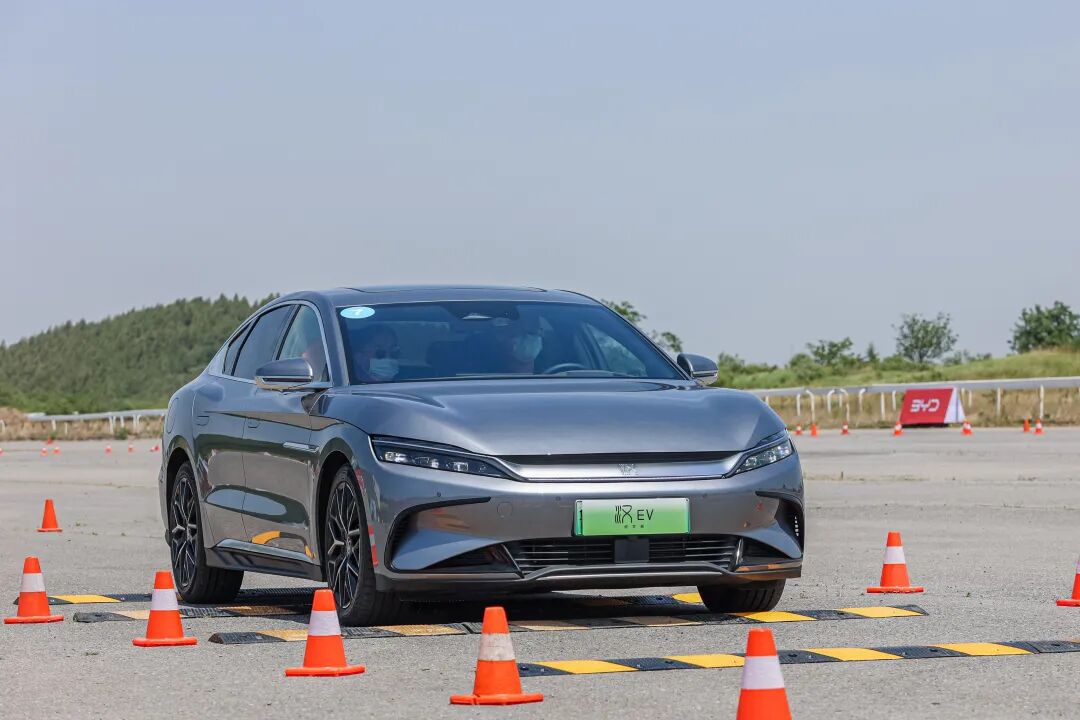
In first place, BYD sold 464,000 units in September, marking a 17% year-on-year increase and a 5.3% month-on-month rise. This achievement is truly remarkable. For other automakers, achieving double-digit growth in both year-on-year and month-on-month terms may not be particularly challenging nowadays. However, BYD stands out because it operates at an already impressive scale. Every additional 10,000 units sold at the 400,000-unit level represents significant progress.
In terms of brands, the Dynasty and Ocean series remain BYD's primary sales drivers, with cumulative sales nearing 400,000 units, representing an 11% year-on-year increase and a 5.21% month-on-month rise. Fangchengbao is also making sustained efforts, selling 43,000 units in September, marking a 79% year-on-year increase and a 4% month-on-month rise. Denza also performed well, selling 18,000 units in September, representing a 47% year-on-year increase and a 14% month-on-month rise. Yangwang sold 389 units. Don't be misled by the modest figures; most people can't afford it.
Chery Automobile, ranked second, sold 292,300 units in September, also achieving double-digit growth in both year-on-year and month-on-month terms, with a 14.37% year-on-year increase and a 4.35% month-on-month rise. Among these, exports reached 208,000 units, setting a new record for the highest monthly exports by a Chinese automotive brand and accounting for 71.2% of Chery's total sales. This explains why Chery Automobile doesn't always rank in the top three on some automaker sales rankings; its main battleground is the overseas market.
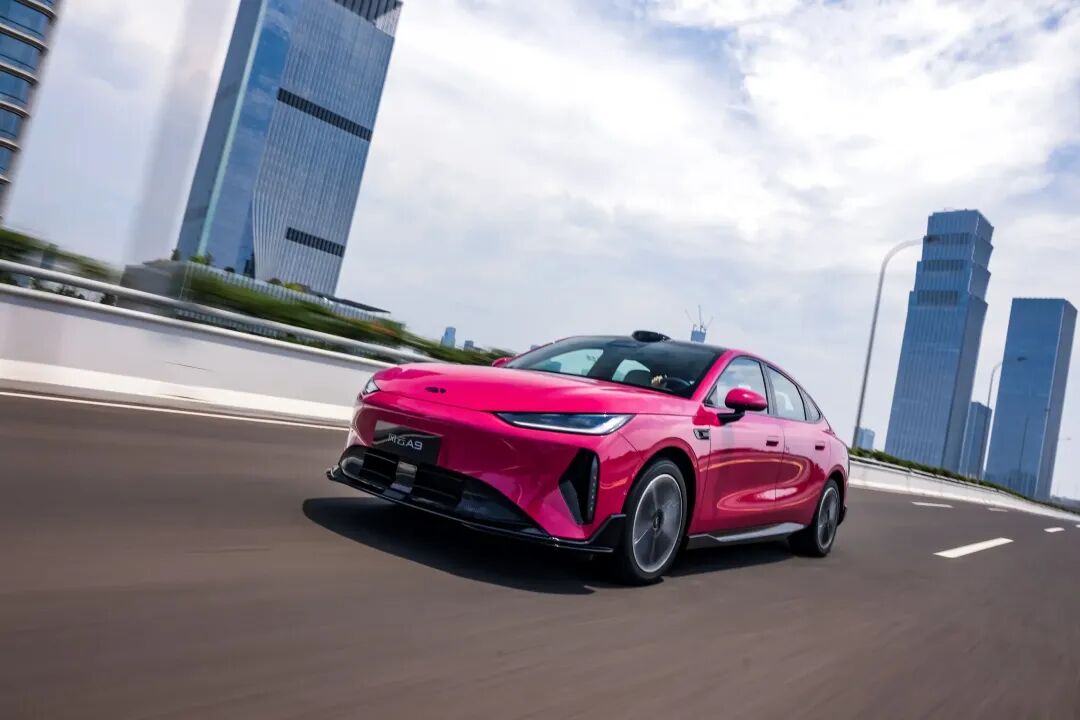
Of course, this doesn't imply that Chery neglects the domestic market. The fundamental reason is that the domestic market is highly competitive, leading to low profits for automakers. Therefore, instead of struggling in the domestic market, it's more profitable to sell cars abroad and earn foreign currency. That's Chery's strategy.
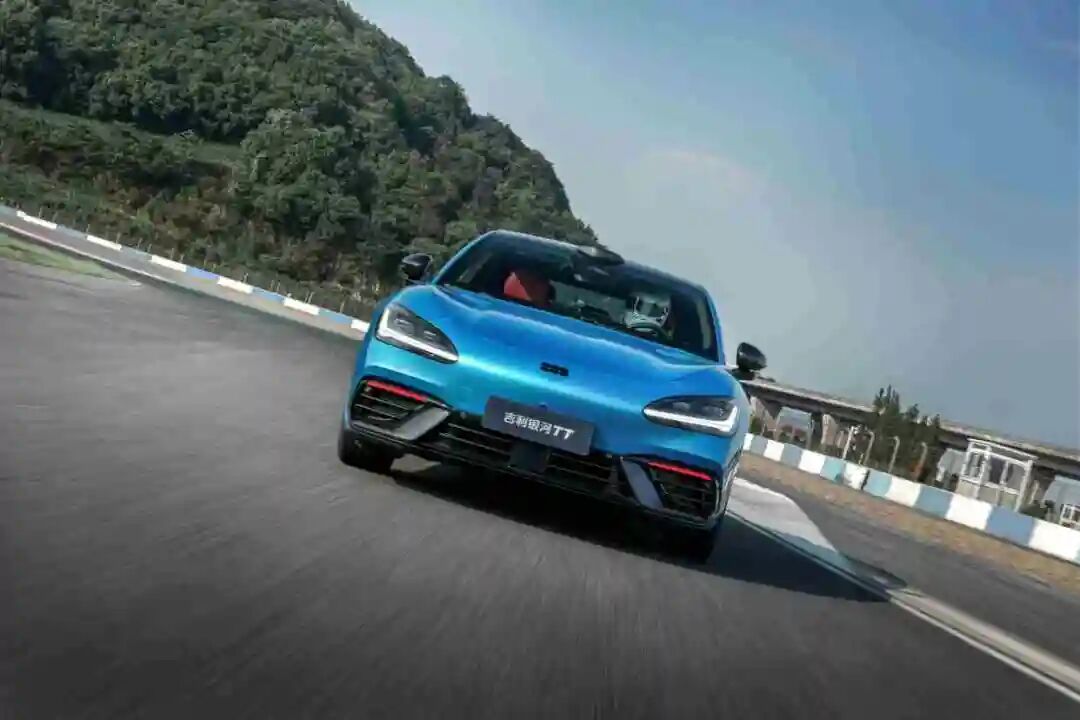
Geely Automobile, ranked third, sold 292,200 units in September, representing a 7% year-on-year increase and an 8.1% month-on-month rise. From the sales figures, it's evident that Chery and Geely had very similar total sales in September, with a negligible gap. In fact, not just in September, but since entering 2020, Geely and Chery have been vying for the second and third spots on the automaker sales rankings, engaged in a fierce and closely matched battle.
Objectively speaking, among domestic independent automakers, Geely is currently the most balanced in terms of development, excelling in both the fuel vehicle and new energy vehicle sectors. The Geely brand, primarily focused on fuel vehicles, sold 236,000 units in September, while the Geely Galaxy new energy brand sold over 130,000 units. Both brands also achieved double-digit growth in both year-on-year and month-on-month terms.
Great Wall Motors, ranked fourth, sold 115,000 units in September, representing a 14% year-on-year decrease and a 1.37% month-on-month increase. Among its major brands, both Pickup and Ora achieved double-digit growth in both year-on-year and month-on-month terms, with Pickup sales reaching 15,000 units and Ora sales reaching 11,000 units. The main sales brand, Haval, sold 67,000 units in September, representing an 18.76% year-on-year decrease and a 2.5% month-on-month increase. Tank sold 15,000 units in September, representing a 29% year-on-year decrease and a 14.4% month-on-month decrease.
Wey, on the other hand, sold 6,976 units in September, not only being the only brand under Great Wall Motors to fail to reach 10,000 units in sales but also experiencing the highest year-on-year decrease of 36.73% and a 5.31% month-on-month decrease.
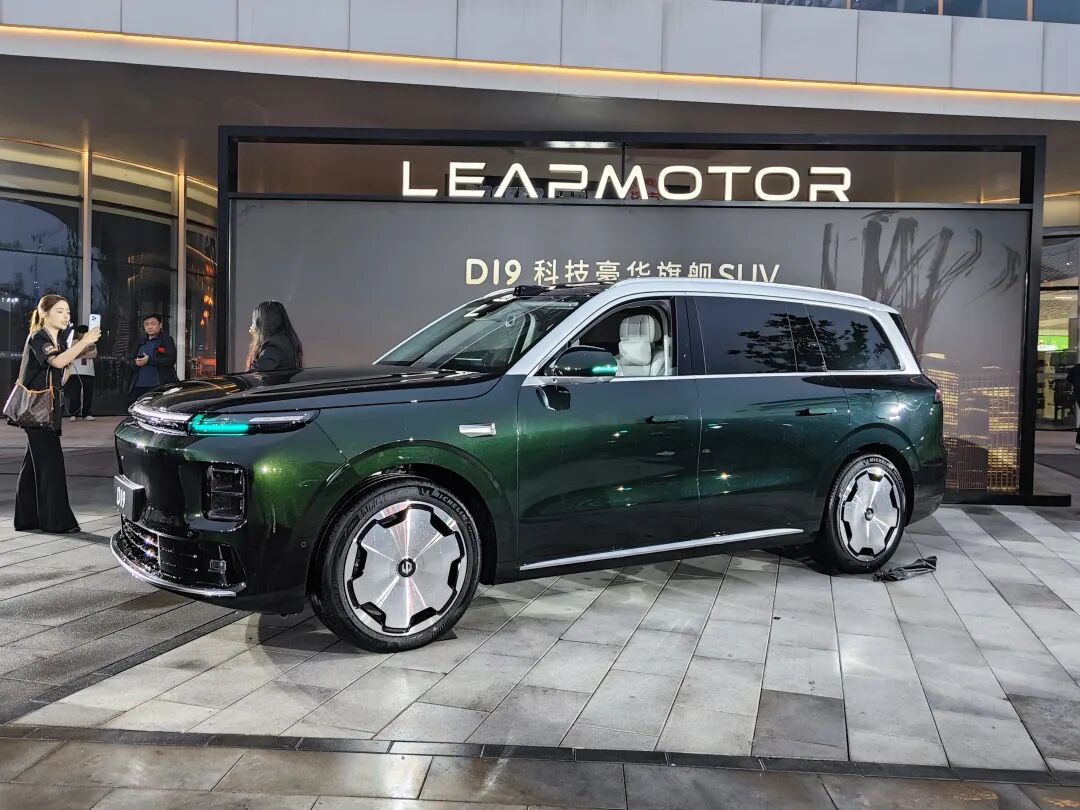
After discussing traditional automakers, let's briefly examine the sales situation of new energy vehicle manufacturers. Unsurprisingly, Leapmotor sold over 100,000 units again in September, with 106,000 units sold, representing a 58% year-on-year increase and a 2.45% month-on-month increase. Following Leapmotor, Fangchengbao and Xpeng ranked second and third among new energy vehicle manufacturers, with sales of 43,000 units and 41,000 units, respectively. It must be said that Fangchengbao has indeed shown strong momentum in recent months. If the Fangcheng S can make a bit more effort, Fangchengbao should easily achieve monthly sales of over 50,000 units.
Xiaomi Automobile, ranked fourth, did not announce specific sales figures as usual but sold over 40,000 units. The significant month-on-month increase in Xiaomi Automobile's September sales was mainly due to the launch of two Xiaomi Pengcheng models, with first-month deliveries reportedly exceeding 10,000 units.
HiPhi, NIO, Zeekr, Li Auto, Seres, and Denza ranked fifth to tenth on the sales rankings. Specific sales figures are shown in the chart below for those interested in exploring further.
Copyright Notice: This article is original content from Che Kuaiping. Reproduction requires authorization. Unauthorized reproduction is strictly prohibited, and any form of plagiarism or misappropriation of images and text is not allowed; otherwise, legal action will be pursued. Some images in the article are sourced from the internet, and the copyright belongs to the original authors. If your work has been used, please contact us for royalties or deletion.
-
![]()
Diversifying Production Capacity Amid Pressure and Hedging Against Price Wars: Chinese Automakers Seize Overseas Growth Opportunities
-
From Selling Server Racks to Selling Tokens: Where Has AIDC's Valuation Anchor Shifted?
-
![]()
Porsche’s 2035 Vision: Amid Layoffs and Model Streamlining, a Steadfast Commitment to Fuel-Powered Vehicle R&D
-
![]()
Global Market: Fuel Vehicle Sales Share Dips Below 50%. Is BYD Poised to Overtake Toyota Soon?
-
![]()
During Long Holidays, EV Charging Stations at Highway Service Areas Are in High Demand. Should Range-Extended and Plug-In Hybrid Vehicles Give Way?
-
![]()
September Auto Sales: Traditional Powerhouses BYD, Chery, Geely Maintain Lead; Leapmotor Holds onto New Energy Crown
-
![]()
Should Chinese Automakers Establish Factories in the U.S.: A Boon or a Bane?
-
![]()
Navigating the Complexities: A Closer Look at Global Market Access Rules for Chinese Automakers