September Sales: A Tale of Two Halves - Harmony Intelligent Travel Sees 30% Drop, NIO Defies Market Trends
 10/09 2026
 367
367
In September 2026, the overall new energy vehicle (NEV) market demonstrated an upward trajectory; however, significant divergences emerged among leading players in the sector.
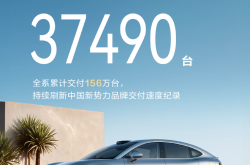
Harmony Intelligent Travel delivered 37,490 units in September, marking a 29.2% year-on-year decline from 52,916 units in September 2025, and a 10.95% month-on-month decrease from 42,101 units in August.
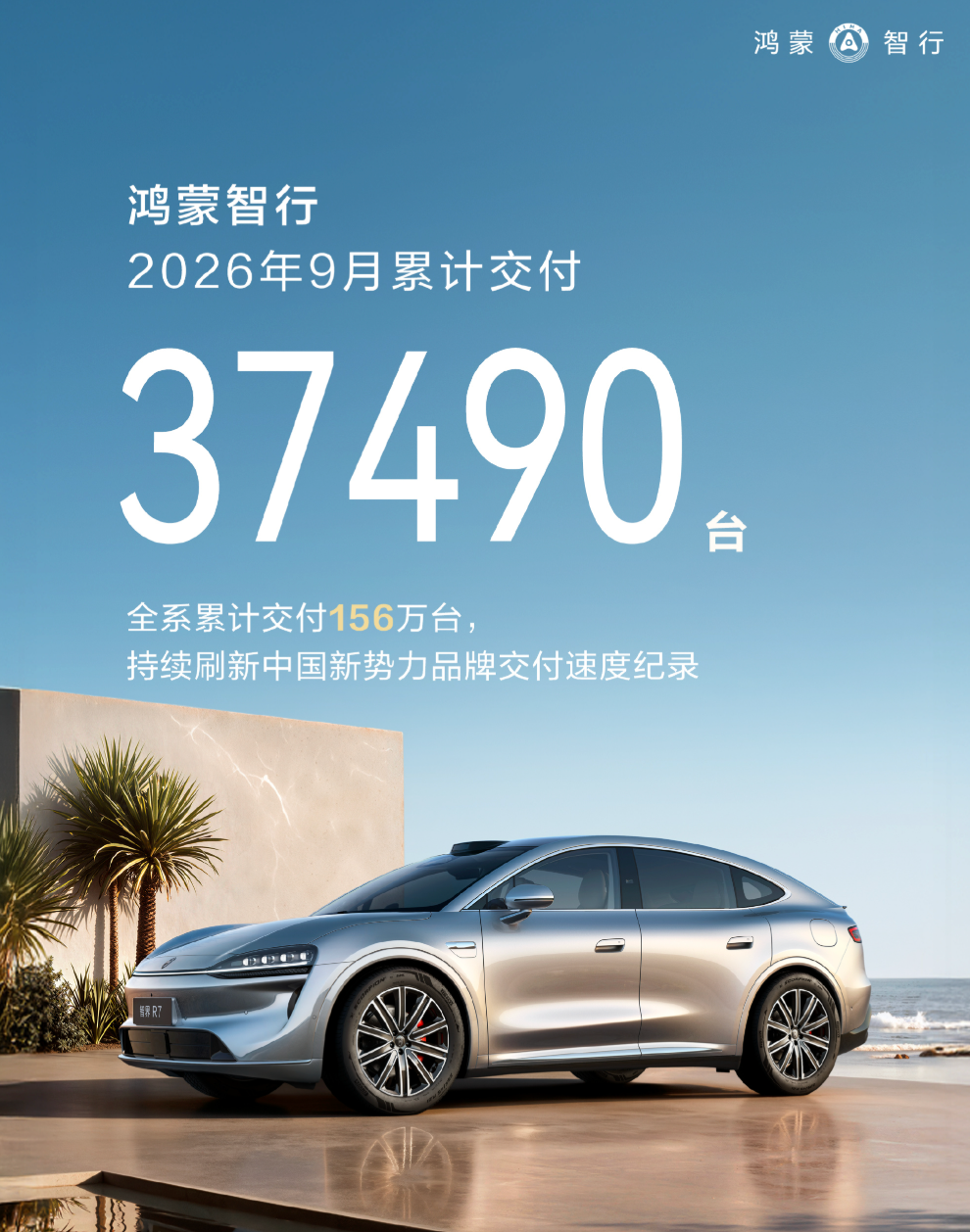
September 2026 delivery data. Image source: Weibo

September 2025 delivery data. Image source: Weibo
NIO, on the other hand, delivered 37,408 units in September, nearly matching Harmony Intelligent Travel in volume, and achieving a 7.7% year-on-year increase. Cumulative deliveries for the first three quarters reached 300,301 units, up 49.2% year-on-year. The breakdown includes 21,318 units for the NIO brand, 8,763 for Lido, and 7,327 for Firefly.
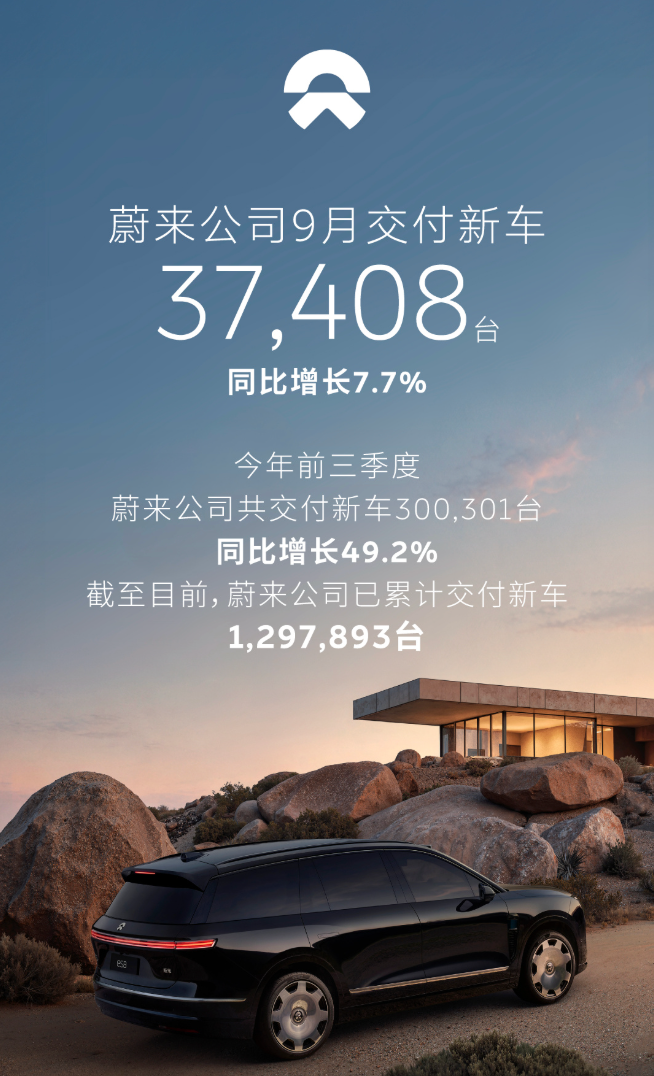
Image source: Weibo
Both companies target the mid-to-high-end market and pursue multi-brand strategies. The divergence in their sales data reflects not the superiority of one model over another, but rather the actual manifestation of differing operational rhythms and system models during the September period. This article objectively analyzes the differences in their trajectories, along with their respective strengths and weaknesses, based on actual market conditions.
01 Peak Season Product Scheduling: One Focuses on Pre-launch Hype, the Other on Immediate Sales
Sales performance during the peak September season primarily hinges on immediate delivery capabilities. The starkly different product rhythms of the two companies directly contributed to the gap in their monthly sales data.
Harmony Intelligent Travel launched an intensive series of new products in September, with the Seres R7 and Seres RX hitting the market in late September, the Xiangjie V8 opening for pre-orders, and the Aito M8 launching pre-sales. None of these major new models were available for delivery in September, thus failing to contribute to sales.
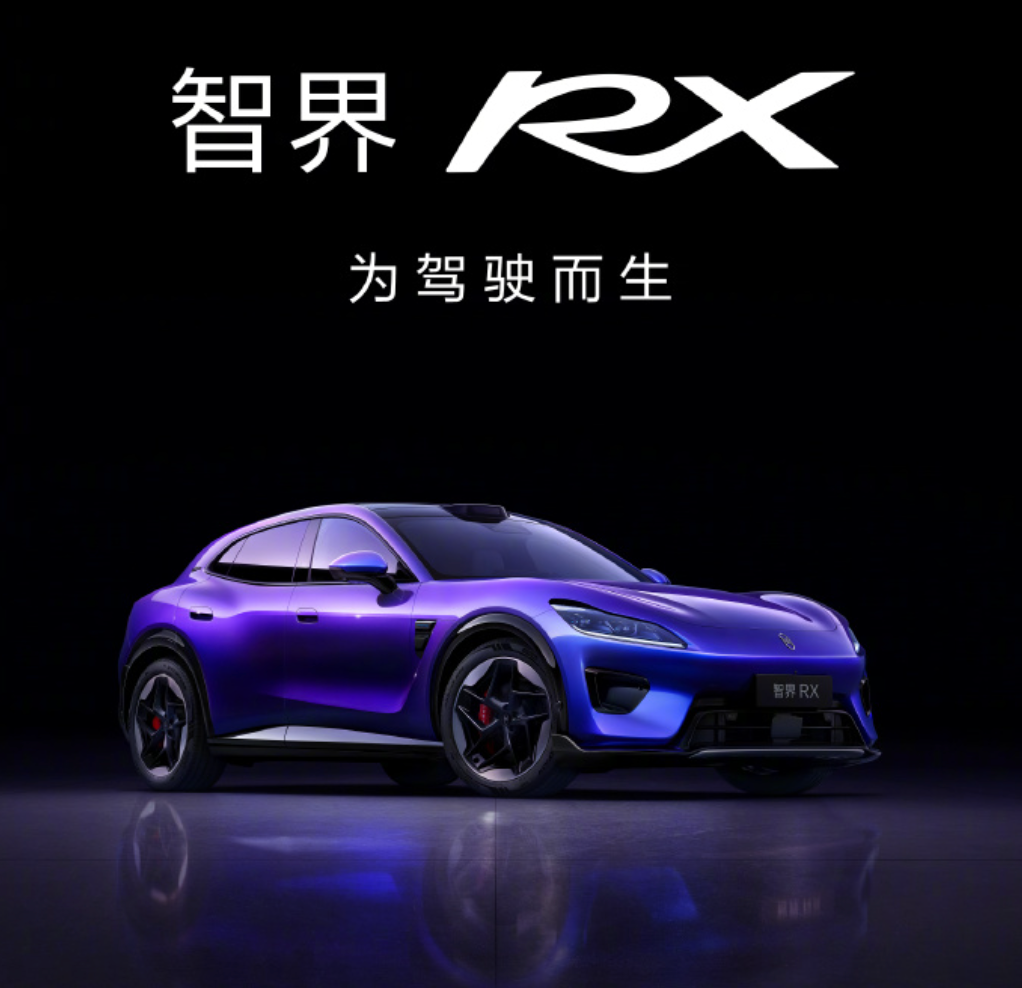
Image source: Weibo
Meanwhile, key models were in a transitional phase. The Aito M7 faced a production slowdown during its model transition, with the new version not yet in mass production. Terminal users generally adopted a wait-and-see approach, significantly impacting sales of the older model. The M9, after a year on the market, lacked a facelift to stimulate demand, naturally entering a sales lull.
This resulted in a situation where "no one is buying the old models, and no one can get the new models," with peak season traffic converting only into hype rather than actual sales.
NIO, in contrast, completed the iteration of its key models ahead of time. The all-new ES8 was launched and delivered in July, with production ramping up in August and achieving stable volume in September. Monthly sales of the ES6 remained above 5,000 units, while Lido and Firefly experienced no disruptions from product transitions, maintaining stable delivery performance.
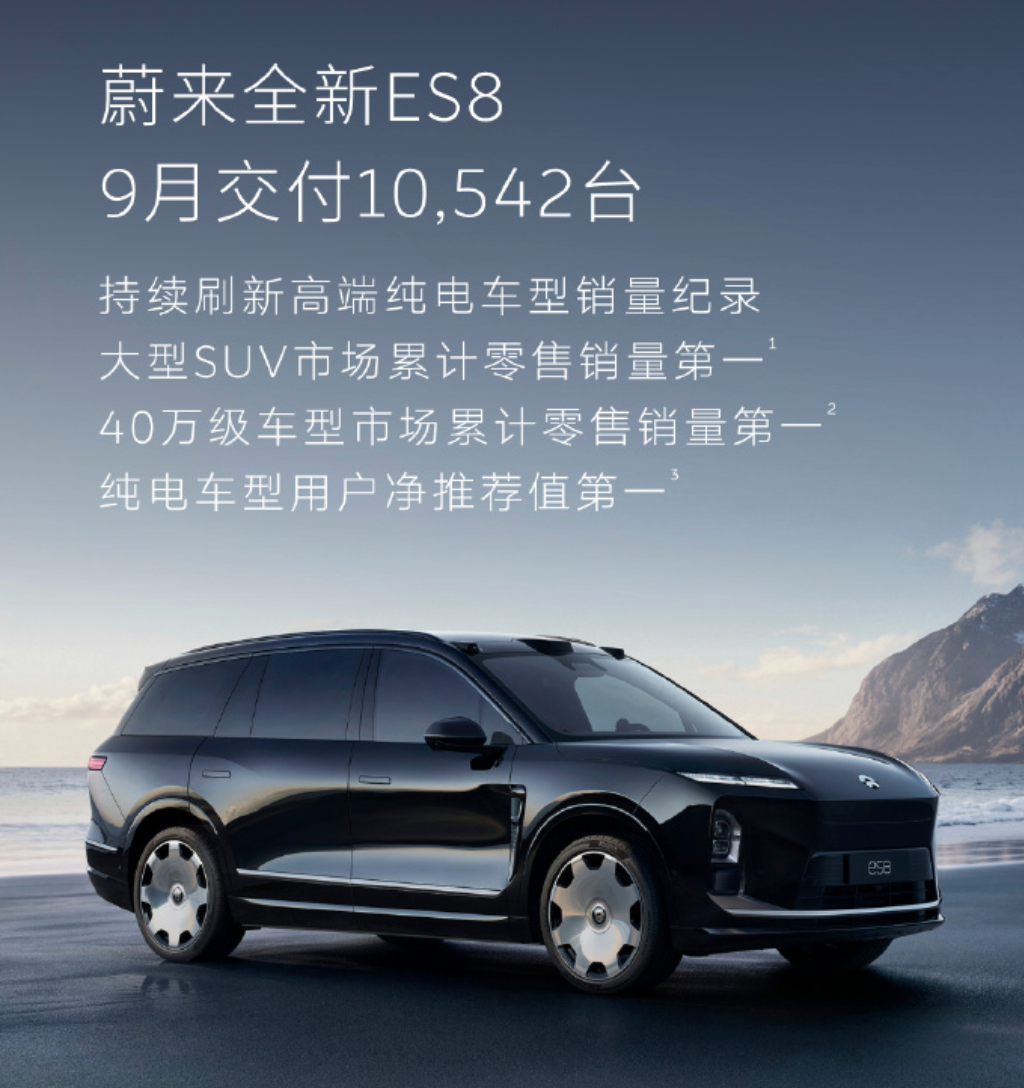
Image source: Weibo
In September, NIO did not launch any new models for pre-launch hype, instead directing all dealership resources toward available models to maximize order capture during the peak season. However, this model also has shortcomings, as in-stock models face pressure from competitors' price cuts and feature upgrades, necessitating continuous iteration to maintain product competitiveness.
02 Multi-Brand Expansion: Similar Matrix Layouts, But Significant Channel Conflict Differences
Both companies are expanding their product matrices to cover all price segments, but their channel layouts and brand tiering logics differ, leading to distinct market outcomes and operational pressures.
NIO adopts a dual-isolation model for brands and channels. The main brand, Lido, and Firefly have independent showrooms, with clear price segment separation: premium pure electric above 300,000 yuan, family use between 150,000-300,000 yuan, and commuter models around 100,000 yuan. This avoids internal price competition from the outset.
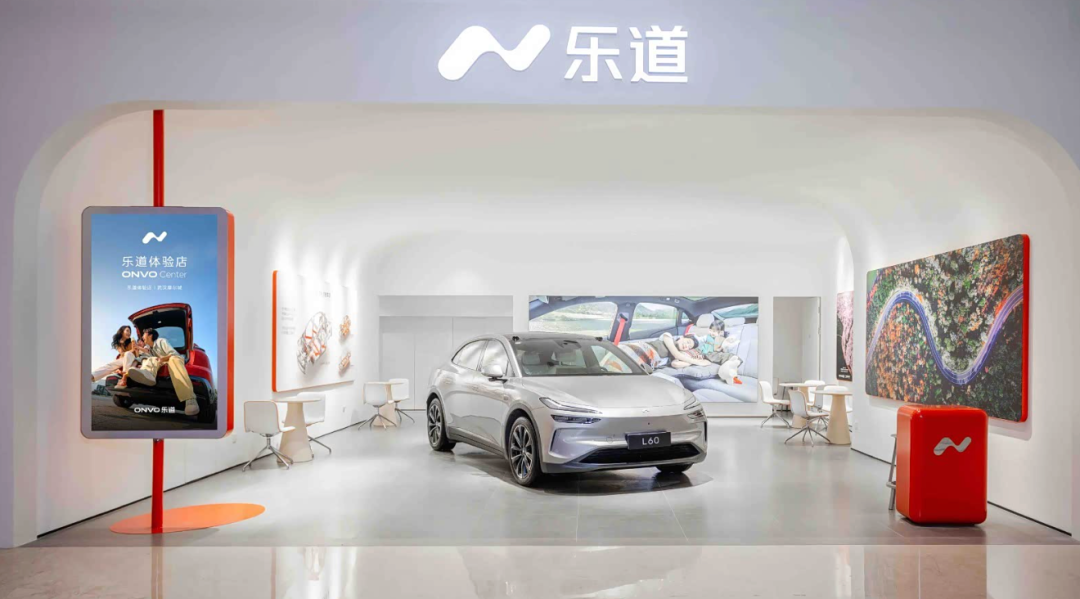
Image source: Weibo
In September, all three brands achieved positive growth, with most customers being new external users. However, operating three independent channels incurs higher costs, and Lido operates in a fiercely competitive segment, with its long-term profitability stability still requiring market validation.
Harmony Intelligent Travel rapidly established a five-brand product matrix, filling gaps in sedans, MPVs, and off-road vehicles. However, all brands share Huawei's retail stores.
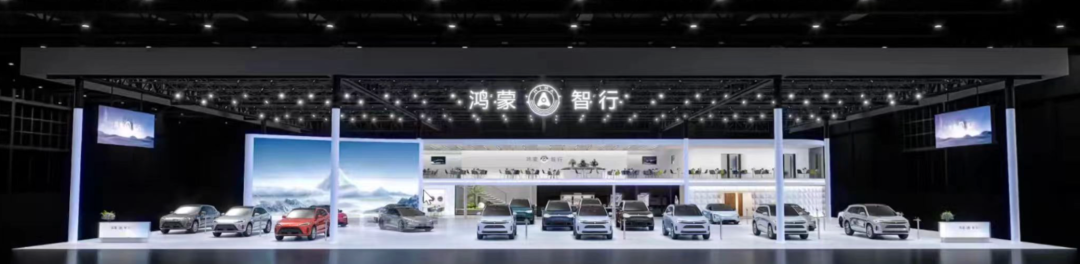
Image source: Weibo
The Seres R7 extended-range version and Aito M7 overlap significantly in price, with core intelligent driving and cockpit experiences derived from the same source. Many potential customers hesitated between the two models, with most orders circulating within the system rather than effectively attracting new users.
Simultaneously, distributing over ten models across dealership display spaces, sales efforts, and marketing resources made it difficult to replicate the blockbuster momentum of previous models like the M7 and M9, representing typical internal growing pains during rapid expansion.
03 Business Division Adjustments: Aito Model Changes Undermine Short-Term User Confidence
On September 15, Harmony Intelligent Travel announced a cooperation adjustment, affecting only Aito: Seres took over product definition, marketing, and channel retail, while Huawei retained technical empowerment. Other brands like Seres and Xiangjie remain fully guided by Huawei. Nevertheless, this adjustment directly impacted terminal consumer sentiment.
Most consumers chose Aito based on trust in Huawei's full-chain operational endorsement. After the model adjustment, users expressed concerns about subsequent after-sales standards, OTA update rhythms, and warranty policies, leading many potential customers to pause orders and adopt a wait-and-see approach.
Although both parties quickly renewed a five-year cooperation agreement to dispel rumors of a split, restoring user confidence will take time, with short-term order recovery remaining sluggish.
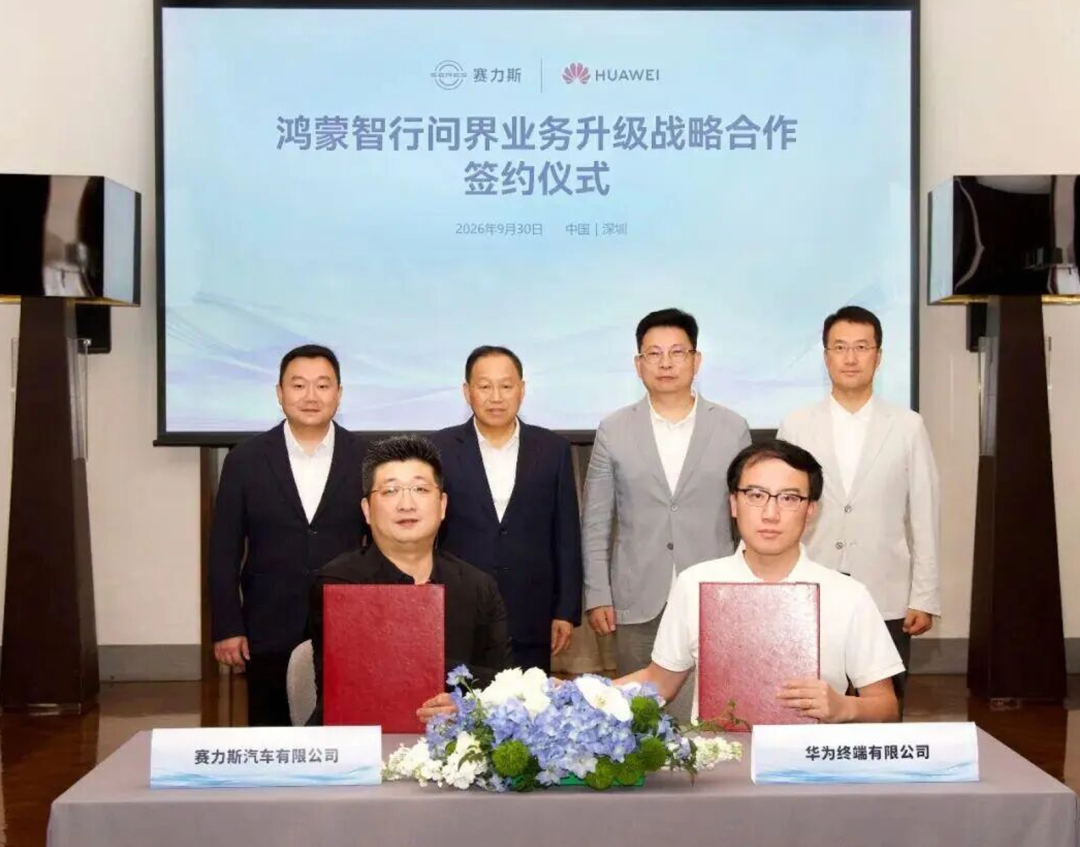
Image source: Dachang Finance and Economics Society
Currently, Harmony Intelligent Travel's sales heavily rely on Aito, which contributed 77% of sales in September 2025 and remains the core foundation. New brands have yet to achieve stable volumes at the 10,000-unit level, unable to fill the gap left by the main brand, directly causing overall sales to decline.
In contrast, NIO's operational system has long been unified and stable, with clear user expectations and no concentrated wait-and-see sentiment. However, uncertainties remain in the market expansion of its sub-brands.
04 Countering Price Wars: Different Barrier Types, Clear Pressure Points
The price war in the 200,000-500,000 yuan new energy vehicle segment continues to intensify, with XPeng, Li Auto, and Xiaomi continuously upgrading features and adjusting prices. The two companies rely on different barriers to compete, each with advantages and shortcomings.
NIO's core barrier lies in its battery swap network and comprehensive service system. In September, it reached a battery swap cooperation agreement with Geely and gained access to Yiyi Internet stations, further expanding its energy replenishment footprint.
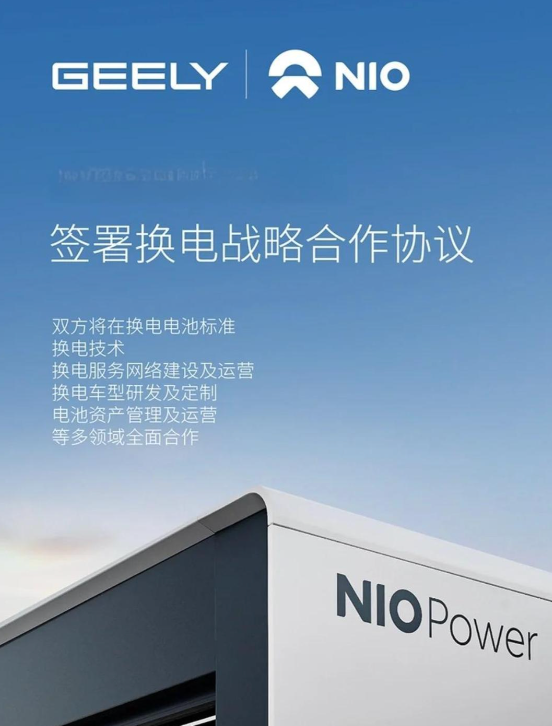
Image source: Weibo
The combined advantages of battery swapping, exclusive services, and high residual value weaken pure configuration and price competition. However, the capital-intensive battery swap model continuously consumes funds, with balancing input-output and withstanding competition from premium market rivals remaining long-term challenges.
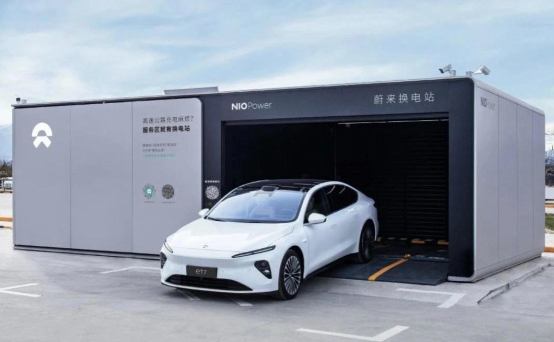
Image source: Weibo
Harmony Intelligent Travel's traditional core strengths lie in its Harmony cockpit and Qiankun intelligent driving. However, as Huawei fully opens its technical empowerment to external partners, models from Deepal, Avatr, and Arcfox now feature the same solutions at lower prices, completely diluting Huawei's exclusive technological edge.
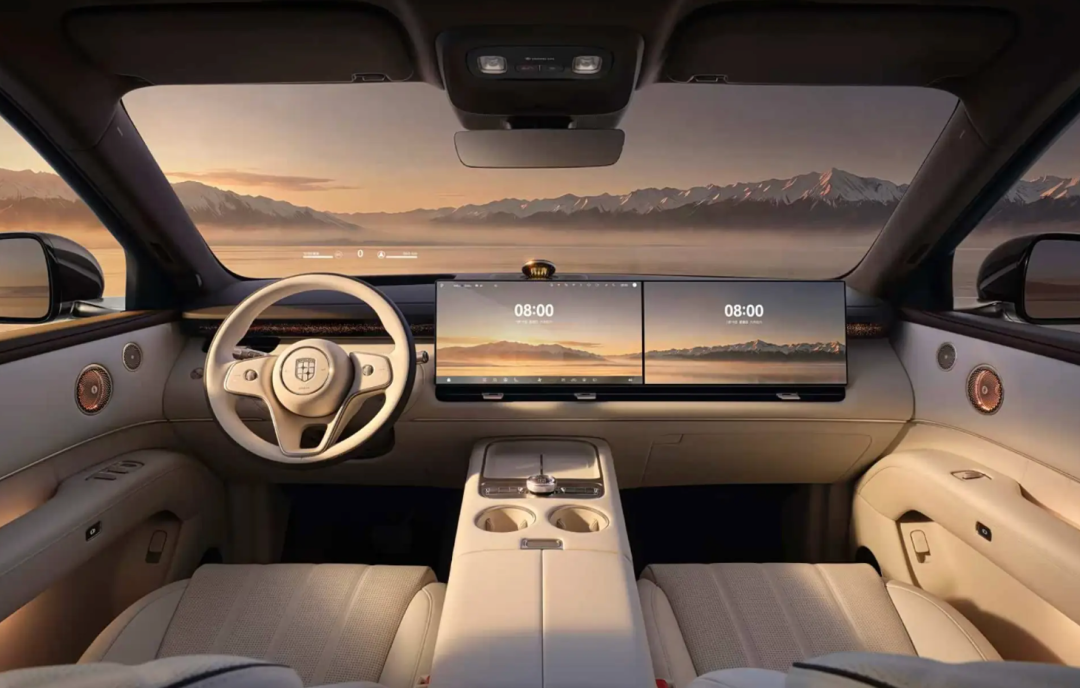
Image source: Weibo
The brand currently lacks self-built energy replenishment or service ecosystem barriers, with its main models concentrated in the highly competitive extended-range segment, forcing it to directly confront brutal price and feature competition, resulting in relatively weak risk resistance.
Epilogue
Monthly sales represent only a short-term market snapshot and cannot define long-term development trajectories. As the Seres R7 and RX begin deliveries, Harmony Intelligent Travel's sales are expected to recover, with the competitive advantages of its five-brand matrix not yet fully unleashed. The September decline reflects a short-term result of misaligned product rhythms, internal brand competition, cooperation model adjustments, and the erosion of technological advantages.
Image source: Weibo
NIO's steady growth stems from stable product iteration, channel systems, and user expectations, but it still faces pressures from capital-intensive operations, multi-brand profitability, and intense market competition.
These two brands represent two mainstream development paths in the new energy industry, each with strengths and weaknesses. The long-term competition will ultimately hinge on sustained capabilities in product delivery, cost control, and system operations.
Disclaimer: This article is solely a commentary by Zhicaijing and does not constitute any investment advice. All enterprise data and regulatory events mentioned herein are derived from publicly available information and are for reference only, with official announcements prevailing. Image sources are from the internet; if copyright issues exist, please contact for removal.
-
![]()
Starting from 199,800? Geely's new car officially announced: Available for sale on October 10th
-
![]()
222,500 Yuan? Tesla Unveils New Model: Unexpected Launch on October 1st
-
![]()
September Sales: A Tale of Two Halves - Harmony Intelligent Travel Sees 30% Drop, NIO Defies Market Trends
-
![]()
Blockbuster! Wang Chuanfu Appointed as BYD's Chairman, Sets Four-Year Goal to 'Reach for the Sky'
-
![]()
Blockbuster! Alibaba and ByteDance Launch Urgent Mystery Projects as Battle Looms
-
![]()
Why Does Apple Opt for Aluminum in Its Phone Cases? Beyond Lightness and Heat Dissipation
-
![]()
Securing a More Expensive Sum, Manus Returns to Beijing
-
![]()
Why Hasn’t eSIM Gained Traction in China Despite Years of Promotion?