222,500 Yuan? Tesla Unveils New Model: Unexpected Launch on October 1st
 10/09 2026
 401
401
On October 1st, China's National Day, Tesla China quietly launched the new Model 3 on its official website, foregoing any pre-launch hype or press conference. All four variants remain, with price tags ranging from 235,500 to 339,500 RMB, and the pricing structure remains entirely unchanged.
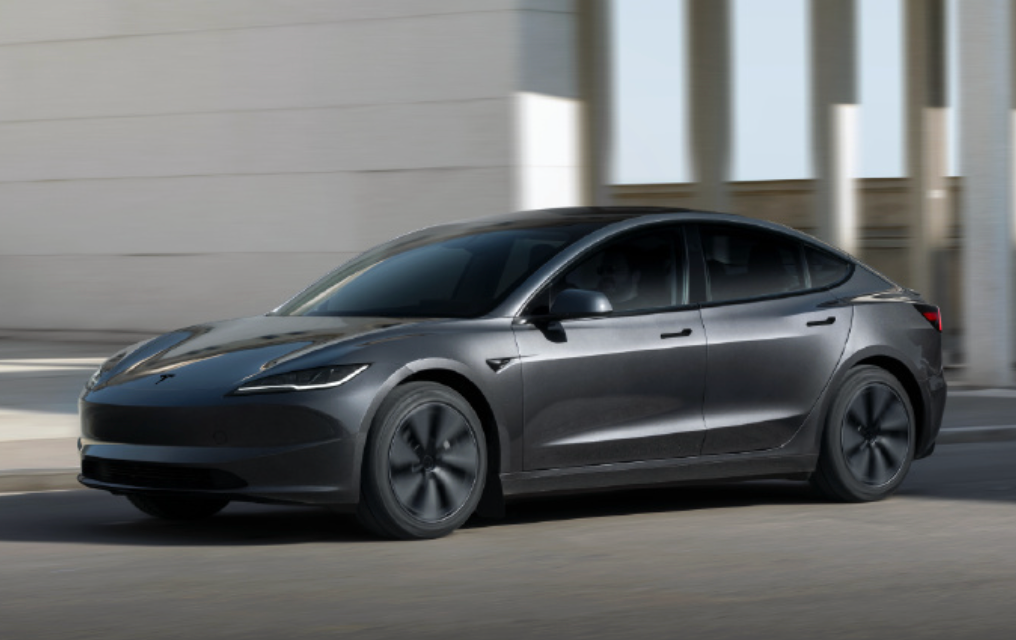
In an era where automakers often bombard consumers with conceptual hype and extensive promotional materials for new launches, Tesla's low-key debut stands out. Beyond marketing, this model refresh avoids sweeping changes, focusing instead on tangible hardware and functional enhancements. Let's delve directly into the configurations, real-world driving experience, and the distinctions between the four variants.
01 Cabin and Practical Configurations: Addressing Key Flaws of the Previous Model
The old Model 3 faced two primary criticisms: a lackluster cabin design and a dearth of essential, high-frequency features for home-use electric vehicles. This refresh directly targets these issues, steering clear of empty parameter games.
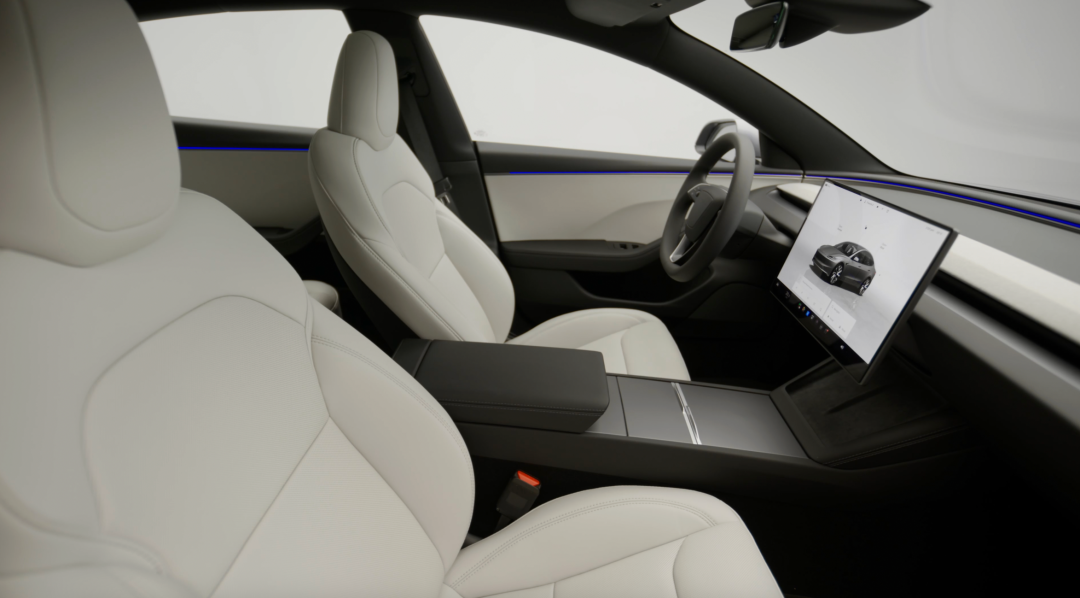
The central touchscreen has been upgraded from 15.4 inches to a 16-inch high-definition display, boasting improved refresh rates and resolutions. Daily navigation zooming, multi-window switching, and in-car entertainment now offer significantly smoother scrolling and responsiveness, addressing past issues of occasional lag and stuttering at low speeds. The rear seat retains an 8-inch touchscreen for independent air conditioning and multimedia control.
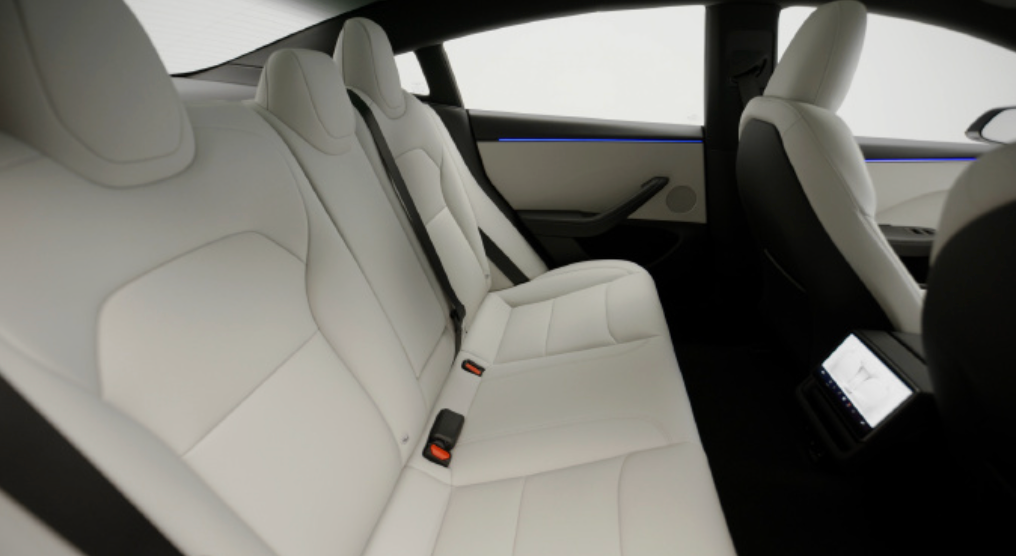
The interior has dropped the old white option, introducing a new light gray premium interior upgrade, paired with a black fabric roof. Compared to the all-black interior, the light gray version reduces cabin claustrophobia and offers better stain resistance than the old white interior. Seat heating and ventilation remain unchanged.
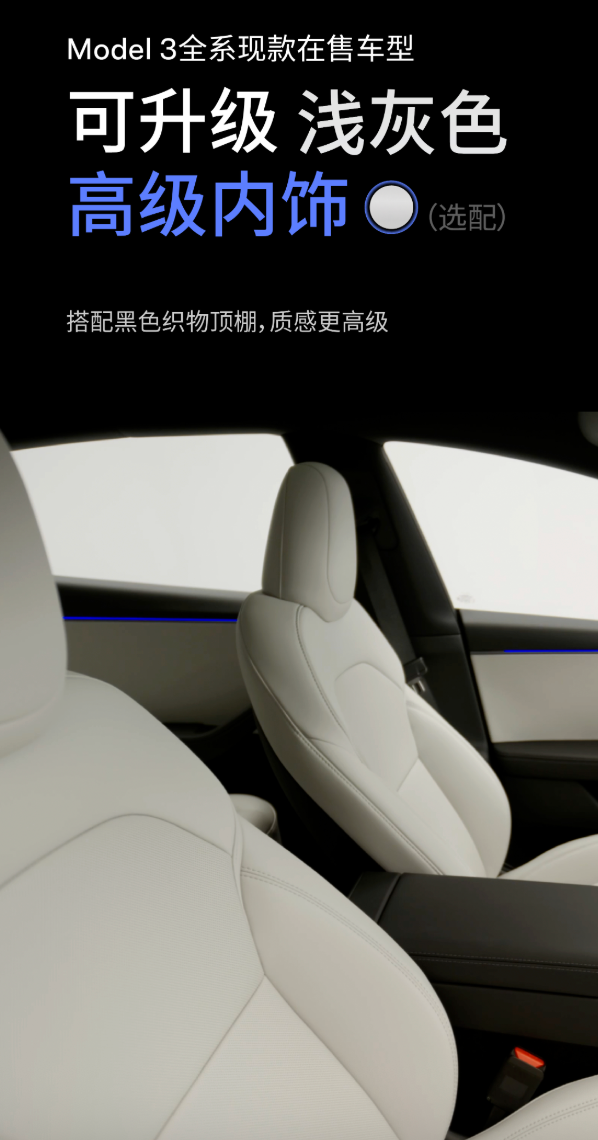
Objectively, it's still not a luxury vehicle, but it sheds the previously mocked 'unfinished' feel. Workmanship and assembly maintain Tesla's consistent standards, though details like gaps and plastic textures remain its weak points.
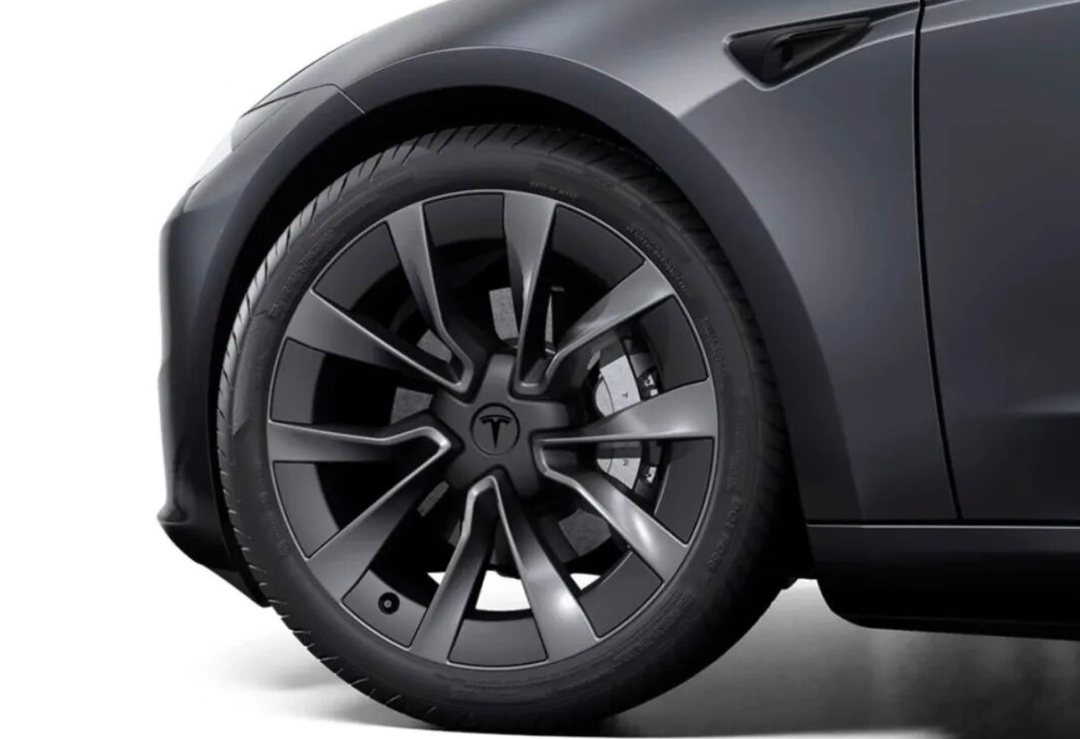
Exterior changes focus on the wheels, with the optional 19-inch wheels upgraded to dark-colored Nova wheels, abandoning the old silver glossy finish. The overall style is more restrained and sporty, less prone to showing scratches. Body dimensions remain unchanged at 4720/1933/1442mm (length/width/height), with a 2875mm wheelbase. Storage space combines a 682L front trunk + rear trunk, maintaining the same loading capacity as the old model.
A standard 2.2kW AC external power discharge V2L is the most practically valuable hardware upgrade in this refresh.
With an output power of 2200 watts, it can support simultaneous operation of a rice cooker, electric kettle, and small electric hot pot, making camping and outdoor picnics more flexible. It can also provide emergency charging for other low-voltage devices or even other electric vehicles.
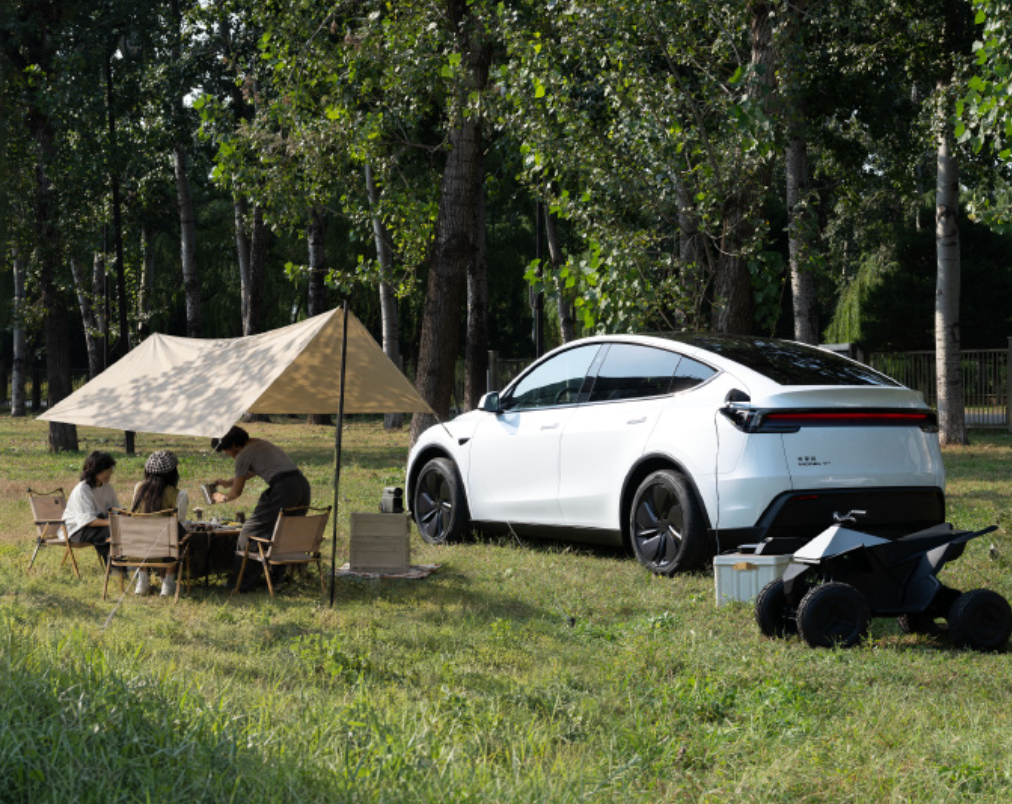
Note that this function requires an additional purchase of an adapter to use, representing an accessory cost rather than plug-and-play convenience. For users who don't camp, this configuration may go unnoticed, but it fills a gap commonly found in domestic models at the same price point, eliminating a major drawback.
Heat pump air conditioning, Sentry Mode, dashcam, and basic Autopilot are retained across all variants. High-level autonomous driving remains optional, with City Navigate Assist requiring an extra fee.
02 Chassis and Powertrain: No Major Hardware Overhaul, Tuning Logic Continues
Many expected significant chassis hardware changes, but the new Model 3's suspension structure remains unchanged, still featuring a front double-wishbone + rear five-link setup with aluminum bearing seats and mostly steel links. It doesn't adopt air suspension or full CDC damping, with only the Performance variant featuring variable damping shock absorbers.
The standard variant relies on fine-tuned spring and bushing parameters to optimize vibration filtering. The old Model 3 was known for precise steering, good body following, and excellent cornering roll control, at the cost of a harsh ride over low-speed potholes and speed bumps.
The new model shows slight improvements in filtering fine vibrations, but the chassis character remains unchanged, still favoring a sporty setup. On consecutive rough roads, vibrations transmit to the cabin more directly, leaving a comfort gap compared to domestic sedans focused on home use.
The motor and electronic control hardware remain unchanged, with the 400V platform intact and a peak supercharging power of 250kW. Fast-charging speed is mainstream, but it lags behind 800V platform models in peak high-voltage charging power and duration.
In summary: The chassis foundation remains unchanged, retaining handling advantages, with minor comfort improvements but no qualitative leap.
03 Configuration Differences Among Four Variants: A Clear Guide to Choosing
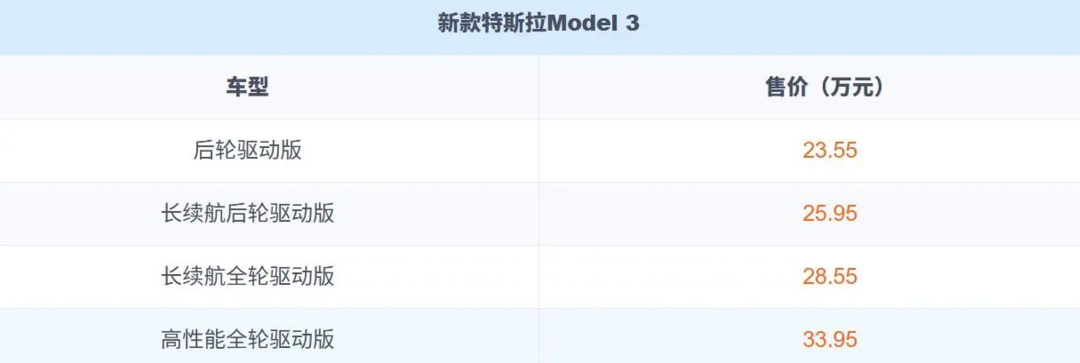
Rear-Wheel Drive Variant | 235,500 RMB
Single-motor rear-wheel drive with LFP battery, 0-100km/h in 6.1 seconds, CLTC range of 634km (18-inch wheels), standard 18-inch wheels, heat pump AC, basic Autopilot, and 9-speaker audio. Suitable for urban commuting, budget-conscious users not pursuing AWD or long range. Adequate for home use, with average audio performance and mid-level highway range.
Long-Range Rear-Wheel Drive Variant | 259,500 RMB
Upgraded to a 78.4kWh ternary lithium battery, 0-100km/h in 5.2 seconds, CLTC range of 830km (18-inch wheels). The 24,000 RMB price difference mainly buys a larger battery and longer range, with increased motor power. Suitable for frequent highway and long-distance travelers who don't need AWD, offering the best range-to-price ratio among the four variants.
Long-Range All-Wheel Drive Variant | 285,500 RMB
Dual-motor AWD, 0-100km/h in 3.8 seconds, CLTC range of 753km. Compared to the Long-Range RWD, it costs 26,000 RMB more, adding a front motor, upgrading to a 17-speaker audio system, and featuring an auto-dimming rearview mirror. It offers stronger stability on wet/snowy roads and more reserves for highway overtaking, but at the cost of increased weight and reduced range compared to the RWD Long-Range. Suitable for northern users or those frequently driving mountain roads; less cost-effective for pure urban commuting in the south.
Performance All-Wheel Drive Variant | 339,500 RMB
Dual-motor high-performance unit, 0-100km/h in 3.1 seconds, exclusive CDC variable damping shocks, high-performance spring bushings, red performance calipers, exclusive rear spoiler, and Track Mode. Aimed at performance enthusiasts, it offers the lowest cost-effectiveness for daily home use, with significant range compromises. Most of its performance capabilities remain untapped during daily commutes, making it a niche choice for driving enthusiasts.
All four variants enjoy the refresh's upgrades: 16-inch central touchscreen, 2.2kW external power discharge, new interior options, and updated wheel choices. No low-end variant lacks new features.
04 Market Perspective: More for the Same Price Doesn't Mean a No-Brainer
Adding features without raising prices is a fact, but in the 230,000-340,000 RMB mid-size pure electric sedan segment, its pros and cons remain sharply defined.
Strengths lie in mature electronic control efficiency, vehicle calibration, Supercharger network, and dynamic driving qualities. Weaknesses are equally objective: cabin luxury, interior materials, and rear-seat static comfort lag behind domestic rivals at the same price point. High-level autonomous driving requires extra payment, and it lacks an 800V high-voltage platform.
With this refresh, Tesla addresses past functional gaps repeatedly criticized by users, avoiding blind piles of luxury interiors or LiDAR hardware. The product logic is clear: prioritize filling practical needs over stacking paper specs.
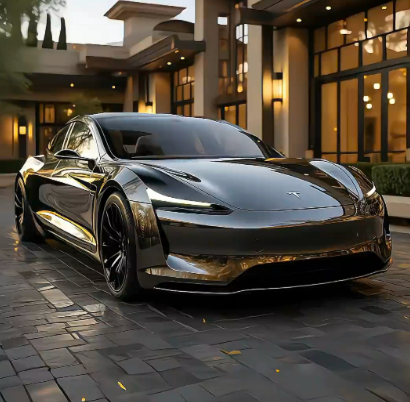
However, 'more for the same price' doesn't suit everyone.
If you value driving texture, charging infrastructure, and vehicle stability, the new model offers higher completeness than the old one, representing the most well-rounded configuration in the current Model 3 lifecycle.
If you prioritize interior luxury, rear-seat comfort, and native high-level autonomous driving, other competitors at the same price point still offer stronger options.
Epilogue
The Model 3's National Day launch is most noteworthy not for its product strength but for its iteration philosophy.
Amid industry cutthroat competition, most new cars allocate large budgets to launch marketing and superficial config piles; Tesla does the opposite, with zero hype, focusing updates entirely on user-feedback pain points.
It remains a vehicle with both striking strengths and weaknesses, not achieving all-around perfection but at least plugging its most glaring past shortcomings.
Disclaimer: This article is solely for financial and economic commentary and does not constitute any investment advice. All corporate data and regulatory events mentioned are from public information, provided for reference only, and subject to official releases. Images sourced from the internet; please contact us for copyright removal if needed.
-
![]()
Starting from 199,800? Geely's new car officially announced: Available for sale on October 10th
-
![]()
222,500 Yuan? Tesla Unveils New Model: Unexpected Launch on October 1st
-
![]()
September Sales: A Tale of Two Halves - Harmony Intelligent Travel Sees 30% Drop, NIO Defies Market Trends
-
![]()
Blockbuster! Wang Chuanfu Appointed as BYD's Chairman, Sets Four-Year Goal to 'Reach for the Sky'
-
![]()
Blockbuster! Alibaba and ByteDance Launch Urgent Mystery Projects as Battle Looms
-
![]()
Why Does Apple Opt for Aluminum in Its Phone Cases? Beyond Lightness and Heat Dissipation
-
![]()
Securing a More Expensive Sum, Manus Returns to Beijing
-
![]()
Why Hasn’t eSIM Gained Traction in China Despite Years of Promotion?