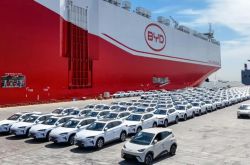
Global Market Share of Pure Gasoline Vehicles Dips Below 50%: Is the Gasoline Car Era Nearing Its End?
 10/13 2026
 377
377
In recent years, the global surge in new energy vehicles (NEVs) has sparked widespread discussions about the decline of gasoline-powered cars. While the transition away from gasoline vehicles has been slower outside China and the United States, the recent news that their global market share has fallen below 50% prompts the question: Is the gasoline car era truly on its way out?
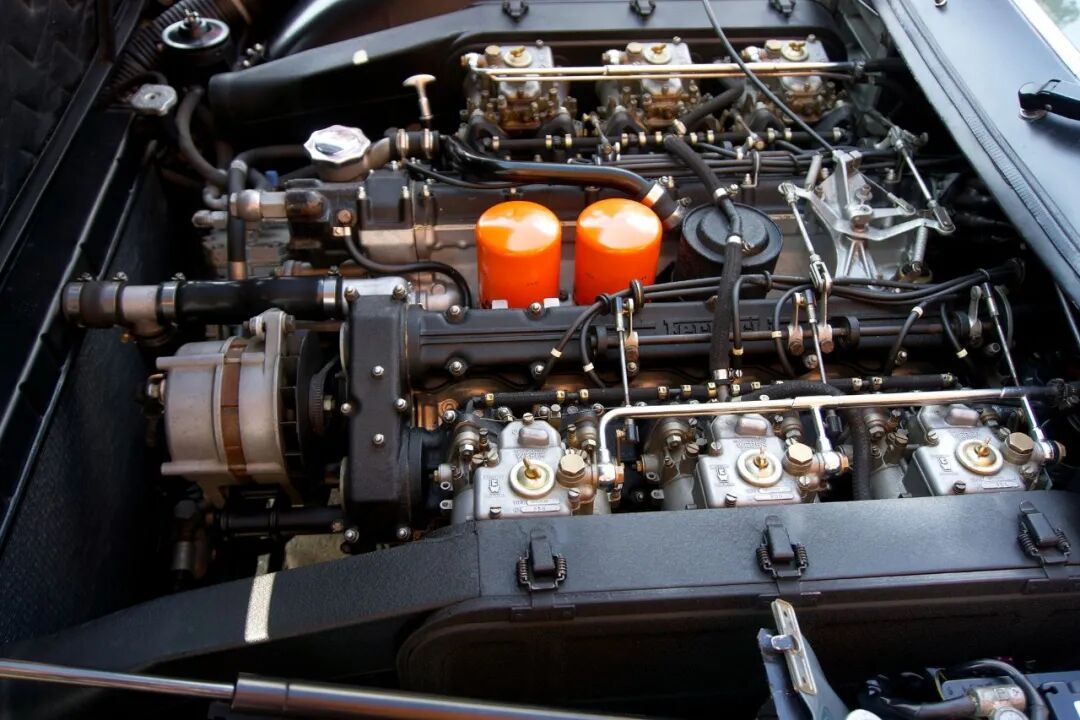
I. Global Market Share of Pure Gasoline Vehicles Slips Below 50%
According to reports from Kuaikeji and Nikkei China, data from Mobility Global (formerly S&P Global Mobility) indicates that the market share of pure gasoline vehicles (excluding electrified models like hybrids) in global new vehicle sales dropped by 3 percentage points to 49% from January to June 2026. This marks the first time the share has fallen below 50%, a significant decline from 73% in 2021.
In terms of sales volume, global pure gasoline vehicle sales reached 20.25 million units in the first half of the year, down 10% year-on-year. This decline is closely linked to soaring international oil prices, which spiked following attacks on Iran by the United States and Israel. Rising gasoline prices, combined with supply concerns, significantly dampened global demand for gasoline vehicles, leading to widespread sales declines across regions.
Notably, gasoline vehicle sales in the Chinese market plummeted by 26%, more than double the global average decline, while the European market also saw a 13% drop.
The primary beneficiary of the shrinking demand for gasoline vehicles has been electric vehicles. Global sales of pure electric vehicles reached 6.87 million units in the first half of the year, up 12% year-on-year, with their share of total new vehicle sales rising by 3 percentage points to 17%.
By market, China accounted for half of the global pure electric vehicle market with 3.44 million units sold, though this represented a 3% year-on-year decline due to tightened tax incentives starting in January. The North American market saw a 15% drop in sales after the Trump administration canceled support policies.
Data from the International Energy Agency reveals that Chinese brands now account for 60% of global sales of pure electric and plug-in hybrid vehicles. In markets outside China, the United States, and Europe, 55% of pure electric and plug-in hybrid models sold are imported from China.

II. Is the Gasoline Car Era Truly Coming to an End?
Recently, a highly symbolic milestone occurred in the global automotive market: the market share of new pure gasoline-powered vehicles fell below 50%. Many media outlets swiftly concluded that the gasoline car era is over, but is this really the case? How should we interpret this development?
First, it is crucial to distinguish between pure gasoline vehicles and gasoline-powered vehicles as a whole. Previously, people often conflated all oil-burning vehicles under the term "gasoline cars," leading to misjudgments about market trends. Hybrid, extended-range, and plug-in hybrid models, while still using engines for driving or power generation, have undergone electrification and operate under entirely different power and energy consumption logics compared to traditional pure gasoline vehicles. The recent loss of market share pertains specifically to traditional pure gasoline vehicles that rely solely on internal combustion engines without any electrification assistance. From an industrial substitution perspective, the replacement of a mature industry by new technologies does not happen overnight. Instead, new technologies gradually divide market demand and erode the market base of existing products.
For the past century, pure gasoline vehicles have dominated the global new vehicle market due to mature internal combustion engine technology, well-established supporting infrastructure, and economies of scale across the entire supply chain. This complete commercial ecosystem firmly locked in consumer choices. Today, however, various electrified vehicle types are diverting customer groups that once belonged solely to pure gasoline vehicles. Some consumers are switching directly to pure electric vehicles, while others who are unwilling to completely abandon the convenience of gasoline are opting for hybrid or extended-range models as compromise solutions. The market pie has not disappeared; rather, demand that once belonged entirely to pure gasoline vehicles is now being divided among multiple electrified powertrain options. Thus, the recent drop below 50% is not a sudden market anomaly but a natural evolution of market structure driven by the ongoing wave of new energy substitution.
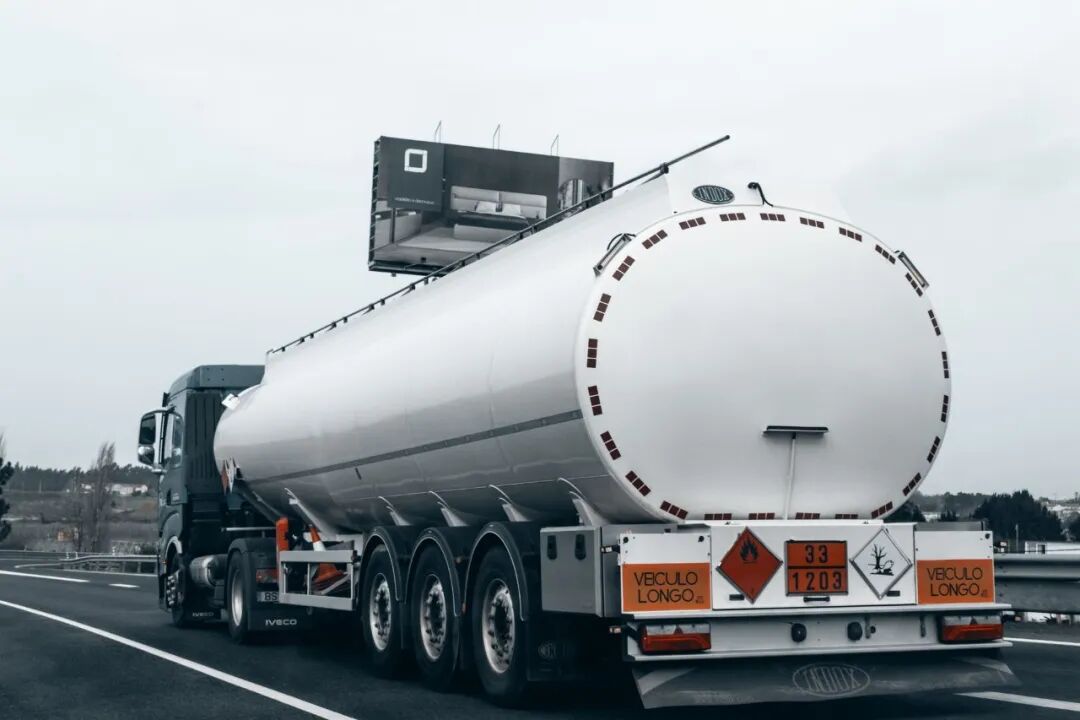
Second, the decline in market share for pure gasoline vehicles is being influenced by multiple forces. Traditionally, pure gasoline vehicles held significant advantages in terms of convenient refueling, stable range, and mature technology. However, in the current global energy landscape, these advantages are being reevaluated.
The long-term complexity of the Middle East situation has increased uncertainty in the global energy supply chain, making oil price fluctuations the norm. For ordinary consumers, rising oil prices directly increase vehicle operating costs. For the automotive industry, unstable energy prices also affect consumer expectations. While gasoline vehicles can cope with high oil prices, frequent price fluctuations drive consumers to seek stability in new energy options.
More importantly, the progress of new energy vehicles in recent years goes beyond simply replacing oil with electricity. Ultra-fast charging technology has significantly improved refueling speed, smart cockpits have transformed human-vehicle interaction, advanced driver-assistance systems and intelligent chassis have enhanced the driving experience, and the vehicle's electronic and electrical architecture is rapidly evolving. While traditional gasoline vehicles once built their advantages through mechanical excellence, new energy vehicles now establish their edge through software, computing power, energy management, and ecosystem services.
This is not to say that pure gasoline vehicles lack intelligence. Many gasoline vehicles are enhancing their smart features, but their underlying architecture limits their expansion in areas such as electric drive, energy recovery, software-defined functionality, and over-the-air (OTA) updates. New energy vehicles are inherently closer to being "mobile smart terminals," while pure gasoline vehicles resemble "traditional mechanical products." As industrial competition shifts from hardware to software and from powertrains to ecosystems, the advantages of pure gasoline vehicles are naturally being diluted.

Third, while gasoline vehicles are being substituted, they will not disappear immediately. Industrial substitution rarely involves a clean sweep; instead, old technologies often retreat to niche markets where new technologies struggle to penetrate, leading to long-term coexistence. Fountain pens have not been completely replaced by ballpoint pens, nor have film cameras vanished with the advent of digital cameras. Similarly, gasoline vehicles will follow this path. In our view, several major market segments will continue to favor gasoline vehicles:
1. High-end premium gasoline vehicles: These models are not sold merely as transportation tools but as experiences defined by the unique mechanical feel, engine sound, and traditional craftsmanship of internal combustion engines. Consumers in this segment are less sensitive to daily energy costs, as the internal combustion engine itself is a core selling point. For example, buying a Porsche is not just about the brand but also about the luxury and powerful driving experience it offers, which inherently drives demand for pure gasoline vehicles.
2. Heavy-duty and extreme operating conditions: Scenarios such as long-distance freight transport, high-altitude and cold environments, and remote field operations face short-term challenges in overcoming the limitations of batteries, including performance degradation in cold temperatures, reduced range under heavy loads, and insufficient charging infrastructure. The high energy density and rapid refueling capabilities of internal combustion engines remain irreplaceable in these applications.
3. Developing countries in Asia, Africa, and Latin America: Electrification requires large-scale grid upgrades and charging infrastructure deployment, demanding significant investment. In many underdeveloped regions with unstable power grids, the construction of extensive charging networks is both time-consuming and costly, making short-term implementation difficult. In these markets, the established gasoline station network, combined with the lower purchase thresholds and simpler maintenance of pure gasoline vehicles, will sustain their mainstream status. This implies that the global automotive market will exhibit clear differentiation in the future. Passenger vehicles in developed urban areas will accelerate electrification, while special operating conditions, high-end enthusiast markets, and overseas markets with weak infrastructure will continue to provide a survival niche for gasoline vehicles.
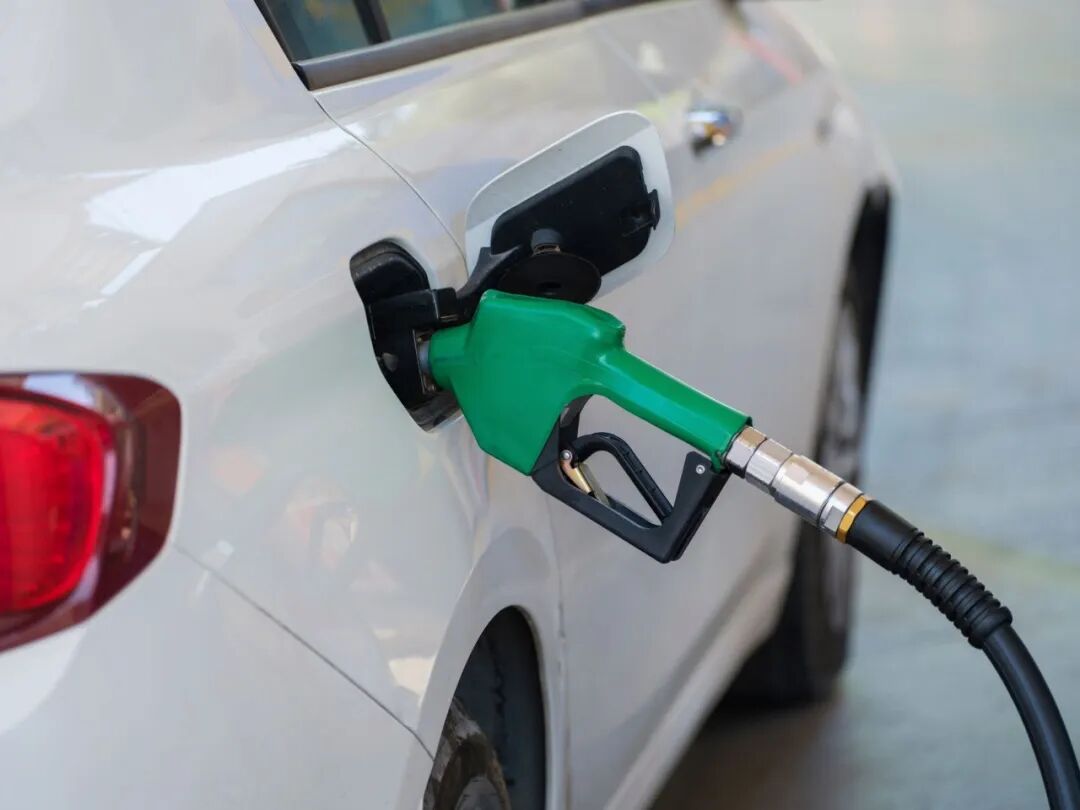
Fourth, what does crossing the 50% market share threshold truly signify? The real concern is not the decline in pure gasoline vehicle share itself but the industrial feedback mechanisms it triggers. The automotive industry is not just about competing products but entire ecosystems. Once new energy vehicles become the majority choice, the ecosystems built around gasoline vehicles—including 4S dealerships, gas stations, maintenance services, parts supply, used vehicle appraisal, insurance, and financing—will all be affected.
4S dealerships, which traditionally relied on new vehicle sales and after-sales maintenance for profitability, will face disruption as new energy vehicles require less frequent maintenance and emphasize software services. Gas stations will also undergo transformation, potentially evolving into comprehensive energy service stations that integrate charging, battery swapping, convenience stores, and leisure facilities. The used vehicle market will need to be restructured, with new challenges arising in residual value assessment for gasoline vehicles, battery health evaluation for new energy vehicles, and the transfer of software subscription rights.
More profound changes will occur in the allocation of industrial profits. Components such as engines, transmissions, and fuel injection systems, which once held significant importance, are being overshadowed by the rising prominence of batteries, electric motors, electronic control systems, chips, operating systems, intelligent sensors, and thermal management systems. The automotive industry's competitive focus is shifting from traditional mechanical manufacturing to energy technology, electronics, software algorithms, and ecosystem operations.
Thus, the 50% threshold is not merely a statistical figure. It signifies that new energy vehicles have transitioned from being a minority to a majority, meaning that industrial resources will further tilt toward new energy. Once this trend solidifies, gasoline vehicles, even if they retain a market presence, will struggle to regain industrial dominance.
END
Daily Quote: Every adult submits to life by day and to the soul by night, carrying burdens for mere sustenance while silently enduring. What convinces a person is never reason but hitting a wall; what awakens a person is never preaching but hardship. Adults can only screen, not educate. Teaching through people fails; teaching through events succeeds in one try. Growing up is like eating—you learn through experience. The way adults relieve stress is no longer eating and drinking but solitude, silence, avoiding socializing, and taking walks when tired to appreciate scenery, listen to music, take photos, and clear the mind.
-
![]()
From January to September, Chinese EV Brands Shine in Europe: One in Five Cars Sold, Some Brands See 20-Fold Increase | Mirror Pro
-
Transsion Holdings' Hong Kong IPO: What Makes the Business in Africa's Mobile Phone Market So Challenging?
-
![]()
Global Market Share of Pure Gasoline Vehicles Dips Below 50%: Is the Gasoline Car Era Nearing Its End?
-
![]()
The Whole Story of the 2026 'Rushed Vehicle' Controversy: From a Live Stream Joke to a Public Naming by People's Daily
-
![]()
V4 Flash Scores Impressively, But DeepSeek Hasn't Revealed All Its Cards Yet
-
![]()
MiniMax is set to tell a new story
-
![]()
Feishu’s Strategic Shift: Is Doubling Down on Entry Points for China’s AI-Powered Office Tools the Right Call?
-
Toyota’s North and South China Operations Merge, GAC Toyota Appoints New Chinese Executive