BYD's Da Han Redefines Flagship Standards with 1,000+ km Range and Standard Rear-Wheel Steering
 10/14 2026
 345
345
On October 13, BYD officially launched the Da Han EV, its flagship sedan under the Dynasty series. Priced from 235,900 yuan and capped at 275,900 yuan, it undercuts its initial pre-sale price of 249,900 yuan.
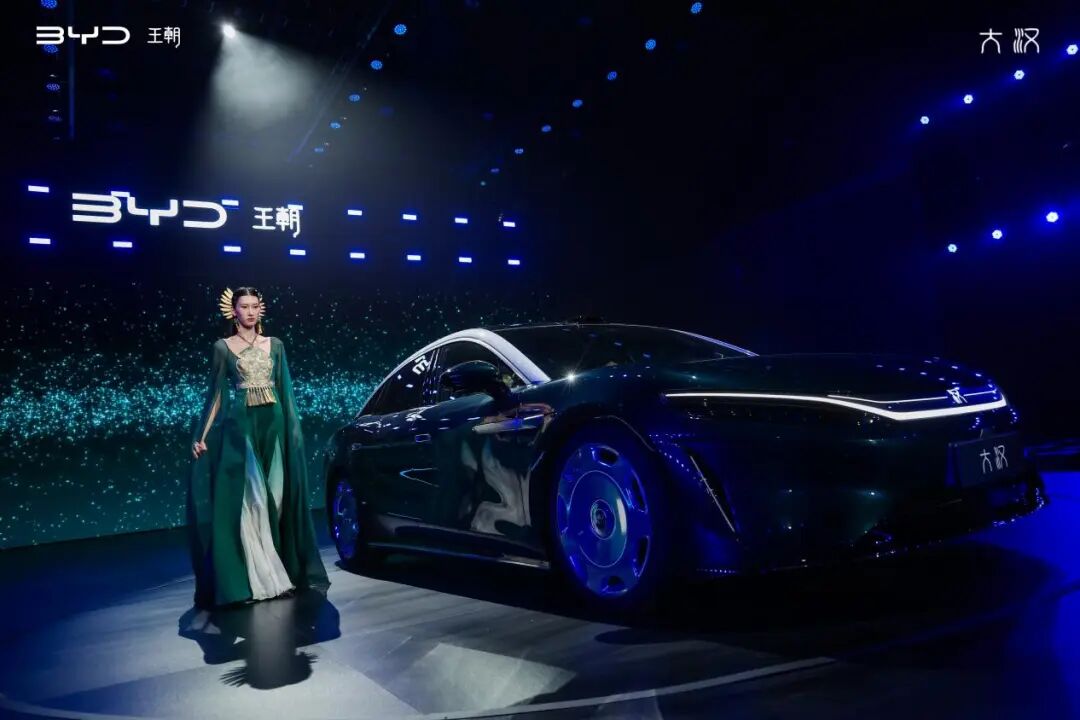
Let's delve into the core specifications: the vehicle spans over 5.2 meters in length with a wheelbase exceeding 3.1 meters. It offers a maximum CLTC pure electric range of 1,008 kilometers, officially recognized as the 'world's longest-range D-segment pure electric sedan.' Priced in the low 200,000s for a D-segment vehicle, this pricing strategy echoes BYD's previous approach with the Han.

During the launch event, BYD consistently highlighted the 'true 9-series,' using vehicle size as a definitive classification criterion. Traditionally, classifications were brand-driven; now, some are attempting to redefine them through technical parameters.
Flagship Threshold Lowered to the 230,000 Yuan Range
The significance of the Da Han's launch transcends mere sales figures. With the Dynasty brand recently surpassing 10 million sales, it necessitates a vehicle to signal a redefinition of flagship standards. Priced between 235,900 and 275,900 yuan, a reduction of 14,000 to 24,000 yuan from the pre-sale price, its impact on the market is immediately evident.
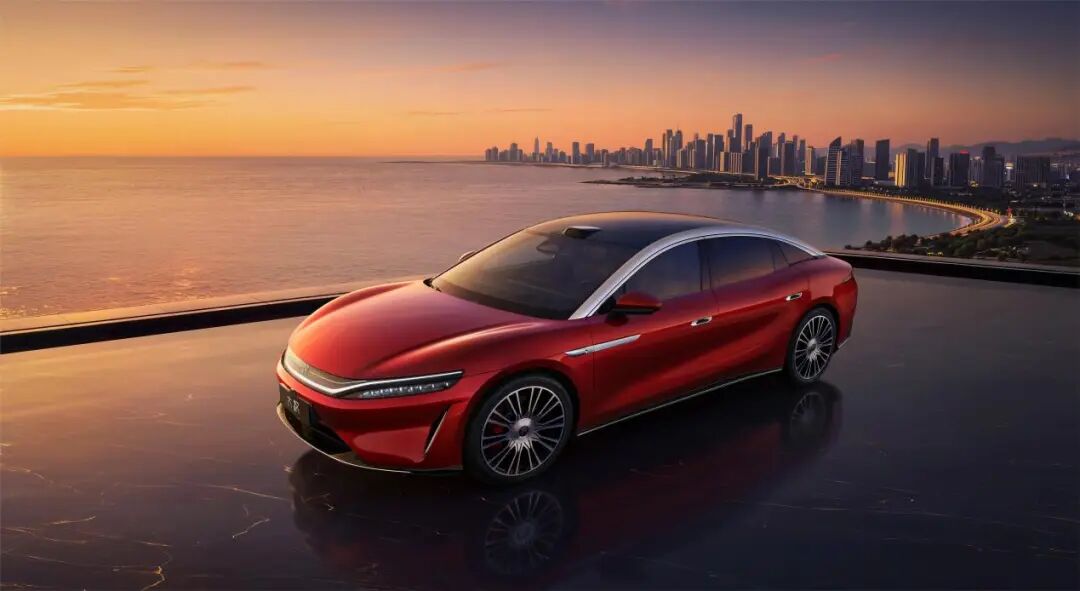
Comparatively, the NIO ET7 is priced between 428,000 and 458,000 yuan, the Xiangjie S9 pure electric starts at 319,800 yuan, the Audi A6L e-tron at 309,800 yuan, and the BMW i5 at 368,000 yuan. The top-spec Da Han at 275,900 yuan undercuts the entry prices of these competitors.
Internally, the Han L is priced between 219,800 and 279,800 yuan, with the Da Han positioned just above it, forming a dual-flagship sedan lineup for the Dynasty series. Externally, this pricing strategy aggressively lowers the bar for 'flagship' models, making a 5.2-meter D-segment vehicle available for under 300,000 yuan—a concept that would have seemed far-fetched just three years ago.
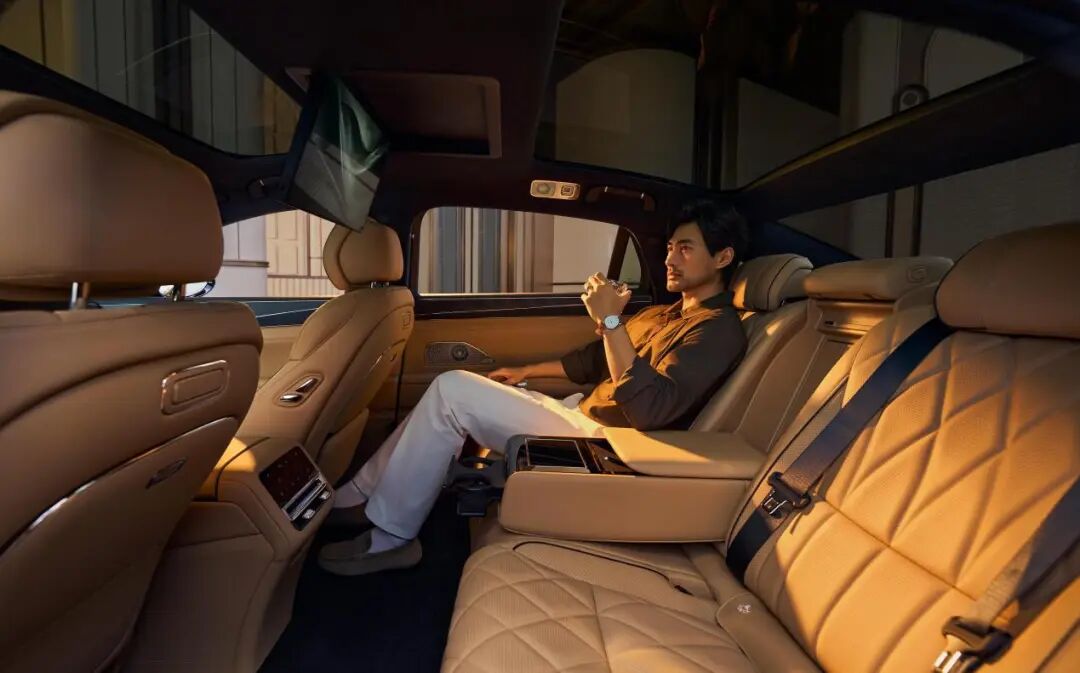
More notably, the technological advancements are remarkable. Rear-wheel steering, dual-chamber air suspension, and flash charging—features typically found in models priced above 500,000 to 600,000 yuan—are now standard in a vehicle priced just over 200,000 yuan, marking a significant leap in technology democratization.
Of course, a low price alone does not guarantee success. Pricing is merely the initial step, and consumer acceptance ultimately hinges on the product's capabilities.
Extensive Range, Advanced Chassis, and Flash Charging—All Included
In terms of product capabilities, the Da Han boasts two key strengths: range and chassis. The 1,008-kilometer CLTC range is an official claim. For context: the NIO ET7 with a 100-kWh battery offers 675 kilometers, the Xiangjie S9 pure electric Max version offers 816 kilometers, the Audi A6L e-tron long-range version offers 815 kilometers, and the BMW i5 eDrive35L offers only 602 kilometers. While the NIO ET7 can exceed 1,000 kilometers in real-world tests with a 150-kWh battery option, this involves a larger battery and specific testing conditions, differing from the CLTC claim. The Da Han standardizes a thousand-kilometer range, taking a straightforward approach.
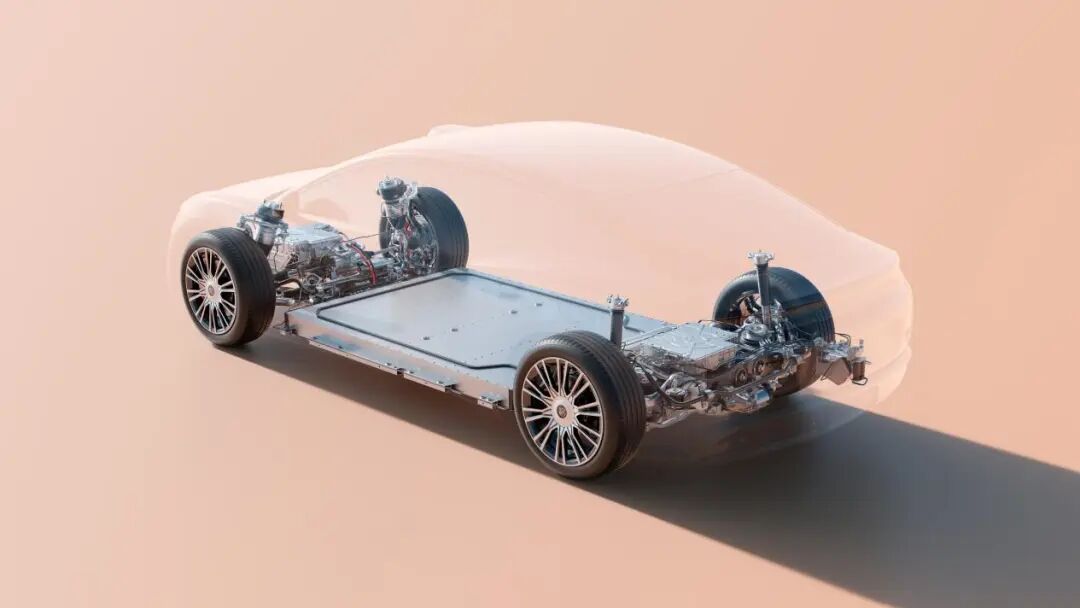
The chassis demonstrates even greater commitment. The Da Han comes standard with rear-wheel active steering, reducing the turning radius to 4.95 meters; the Yunqian-A dual-chamber air suspension supports 100mm of lift; and the Tian Shen Zhi Yan B and LiDAR are also standard across all variants. This configuration would have been considered a 500,000-yuan-class setup two years ago, but the Da Han includes it as standard. Performance parameters are equally impressive, with the four-wheel-drive version achieving 0-100 km/h acceleration in 3.3 seconds, 100 km/h braking in 32.83 meters, a drag coefficient of 0.197, and 100 km energy consumption of 11.5 kWh—the data shows no significant flaws.
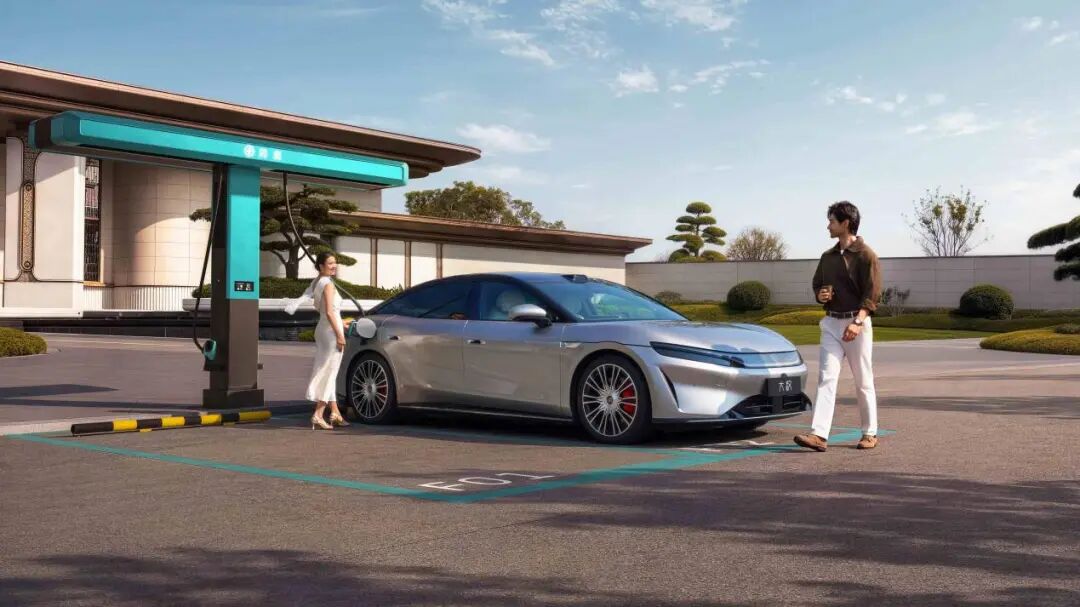
The promotion of flash charging is equally prominent, claiming 5 minutes to charge from 10% to 70% and 9 minutes to charge from 10% to 97%. However, this speed depends on the availability of flash charging stations. BYD has committed to building 20,000 flash charging stations by the end of this year. Until the charging network is fully established, these claims will remain theoretical for most owners.
In other words, the usability of flash charging depends equally on the vehicle and the charging infrastructure. This variable is unavoidable at this stage.
The Challenge of Internal Competition on the Path to Success
After discussing the product's strengths, the risks are also worth highlighting. The hurdles the Da Han faces may not come from external competitors but from within its own lineup. Strictly speaking, its true challenge lies in consumer perception: for just over 200,000 yuan, should one opt for a 5.2-meter flagship pure electric sedan or a fully-loaded joint-venture SUV? There is no definitive answer, only trade-offs.
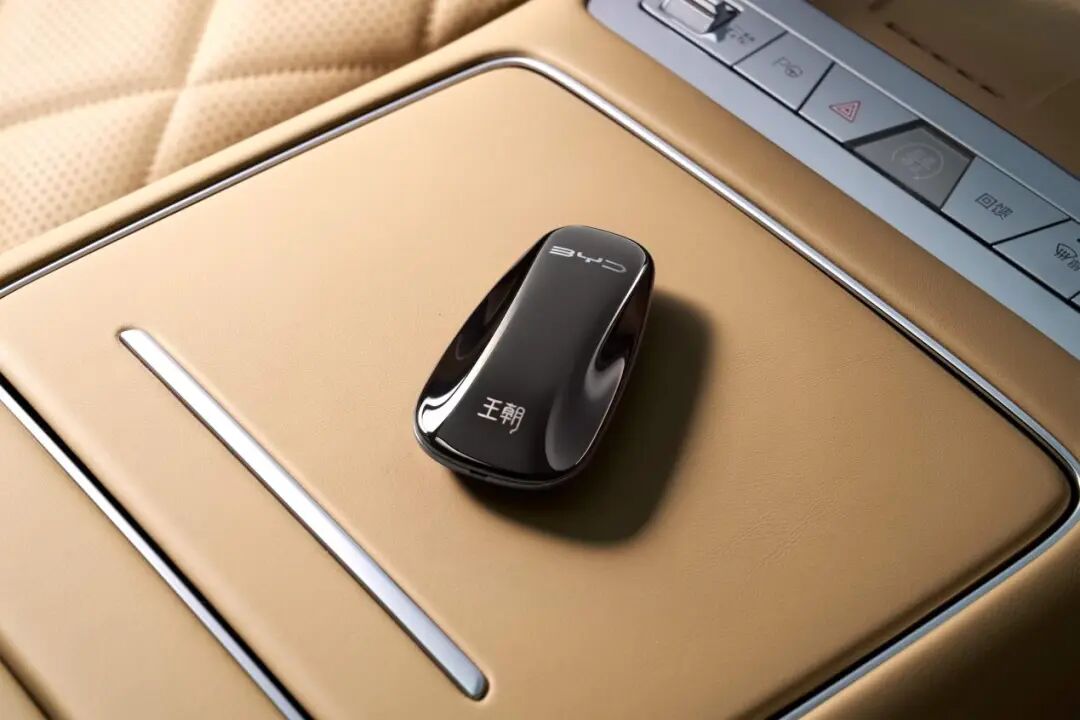
The first hurdle is brand inertia. The Dynasty brand's main price range has historically been around 200,000 yuan, and BYD has yet to firmly establish itself in the pure electric sedan market above 250,000 yuan. In the 300,000-yuan-plus market, NIO offers battery swapping and service, Xiangjie has Huawei's intelligent driving support, and the BBA brands have decades of brand heritage. The Da Han faces significant challenges in breaking through with technical specifications alone.
The second hurdle is internal product line competition. The price ranges of the Han L and Da Han overlap significantly, with both models vying for the same customer base. This type of internal competition is not uncommon in BYD's product lineup, and at this stage, mutual cannibalization between the two models seems almost inevitable.
The third hurdle is managing expectations. With 196 standard features across all variants, a thousand-kilometer range, and rear-wheel steering, the costs are substantial. Which configurations might be quietly scaled back in the future? The official hasn't specified, but the market will certainly monitor this closely. Ultimately, while the Da Han's product capabilities appear strong on paper, the title of 'flagship' is earned through reputation and sales, not just technical specifications.
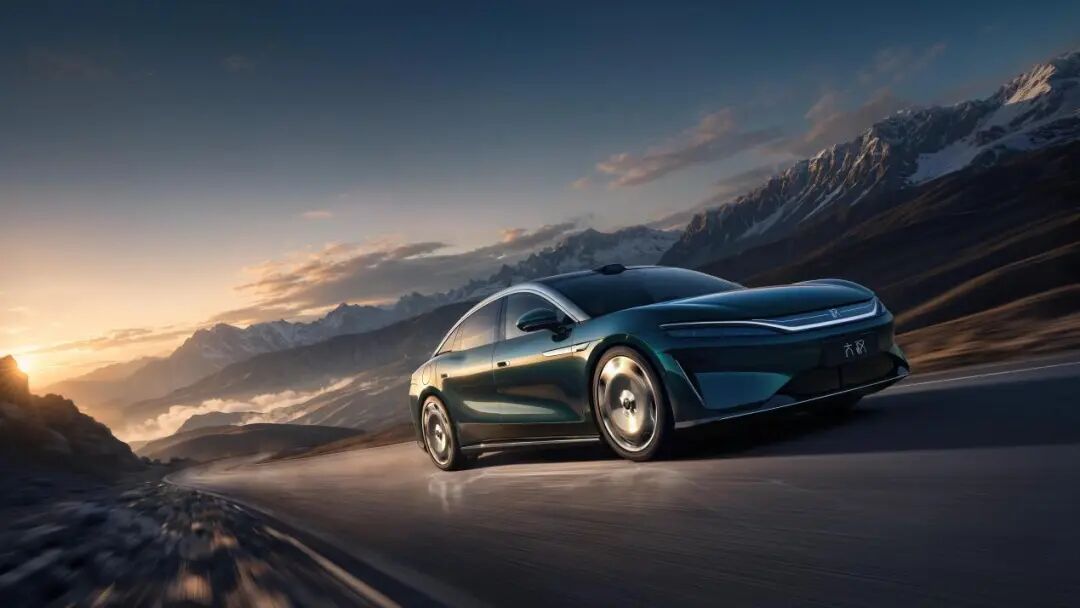
Another often-overlooked aspect: at this price point and above, many luxury brand owners from the fuel era are considering switching to electric vehicles. The Da Han is not just competing for existing electric vehicle owners but also for those hesitant about making the transition.
Returning to the initial question. The Da Han EV combines D-segment dimensions, a thousand-kilometer range, rear-wheel steering, and dual-chamber air suspension into a price point below 300,000 yuan all at once. This move signals a redefinition of flagship standards in the 2026 new energy vehicle market. Its success will be determined by sales. But for the next six months, competitors in the same price range are likely to face significant challenges.
-
![]()
From Connected Vehicles to All-Domain Collaboration: 6G Ushers in the Next Era of Automotive Connectivity
-
Aian N60 Under Sales Pressure, S600 Fails to Revive Hyper: Zhang Xiong’s Dual-Brand Strategy Falters in Early Stages
-
![]()
BYD's Da Han Redefines Flagship Standards with 1,000+ km Range and Standard Rear-Wheel Steering
-
"Buy One, Get One Free" Marketing Gambit Flops, Unveiling AUDI Brand's Sales Struggles
-
![]()
iPhone Duo Sparks Excitement! Will Under-Display Cameras Make a Triumphant Return? RedMagic Holds Firm for Six Years
-
Xiaopeng's Global Expansion Faces Turbulence: Navigating Pre- and Post-Sales Hurdles in International Markets
-
![]()
Invest in Unitree's 'Physical Framework' First, Then Hu Han's 'Intellectual Core': Why Liang Wenfeng Can't Afford to Delay?
-
![]()
3999 Yuan! STEPX Unveils Its Pioneering AI Agent Smartphone, Bundled with a One-Year Token Subscription