iPhone Duo Sparks Excitement! Will Under-Display Cameras Make a Triumphant Return? RedMagic Holds Firm for Six Years
 10/14 2026
 567
567
The under-display camera has finally made its mark with Apple's entry.
Once hailed as the ultimate solution for achieving seamless full-screen displays, under-display cameras have recently witnessed fresh advancements.
Following the official unveiling of Apple's inaugural foldable phone, the iPhone Duo, under-display cameras—which had remained under the radar for years—were suddenly thrust back into the limelight. Almost simultaneously, RedMagic announced the impending launch of its ninth-generation under-display camera technology, gearing up to maintain a true full-screen design in its latest flagship offerings.

(Image source: Apple official)
It's worth noting that under-display cameras achieved mass production six years ago, with many manufacturers considering them the pinnacle of full-screen display technology. However, over time, most phone makers who were enthusiastic about exploring true full-screen displays have reverted to traditional punch-hole designs. Meanwhile, gaming phone brands like RedMagic have persevered until today.
Now, with Apple also venturing into under-display camera technology, this once-overlooked innovation by the mainstream market seems to be heralding a new era. But Xiaolei is more intrigued: What insurmountable challenges have led so many manufacturers to abandon under-display cameras? Will they make a comeback and become mainstream in the future?
Why Haven't Under-Display Cameras Gained Widespread Adoption?
In 2020, ZTE introduced the world's first mass-produced under-display camera phone, the Axon 20 5G. Subsequently, Xiaomi, OPPO, and other manufacturers showcased their related technologies. Many believed at the time that as screen technology matured, notches, waterdrop, and punch-hole designs on phone fronts would soon become relics of the past. However, six years on, the landscape has changed dramatically. Under-display cameras have not only failed to break into the mainstream but only a handful of brands like RedMagic continue to champion them.
The crux of the issue lies in the fact that under-display cameras have yet to fully meet users' daily needs.
Traditional punch-hole screens feature an opening for the camera, allowing light to directly reach the sensor. In contrast, under-display cameras require light to penetrate through the OLED screen's pixels, electrodes, and other structures. Despite the screen's thinness, the amount of light that can genuinely pass through these layers to reach the camera is limited. When light intake is insufficient, the camera must compensate by increasing sensitivity or extending exposure time, resulting in photos prone to noise and poor quality. This disparity between under-display and traditional front cameras is particularly evident in low-light environments, such as indoors or at night.
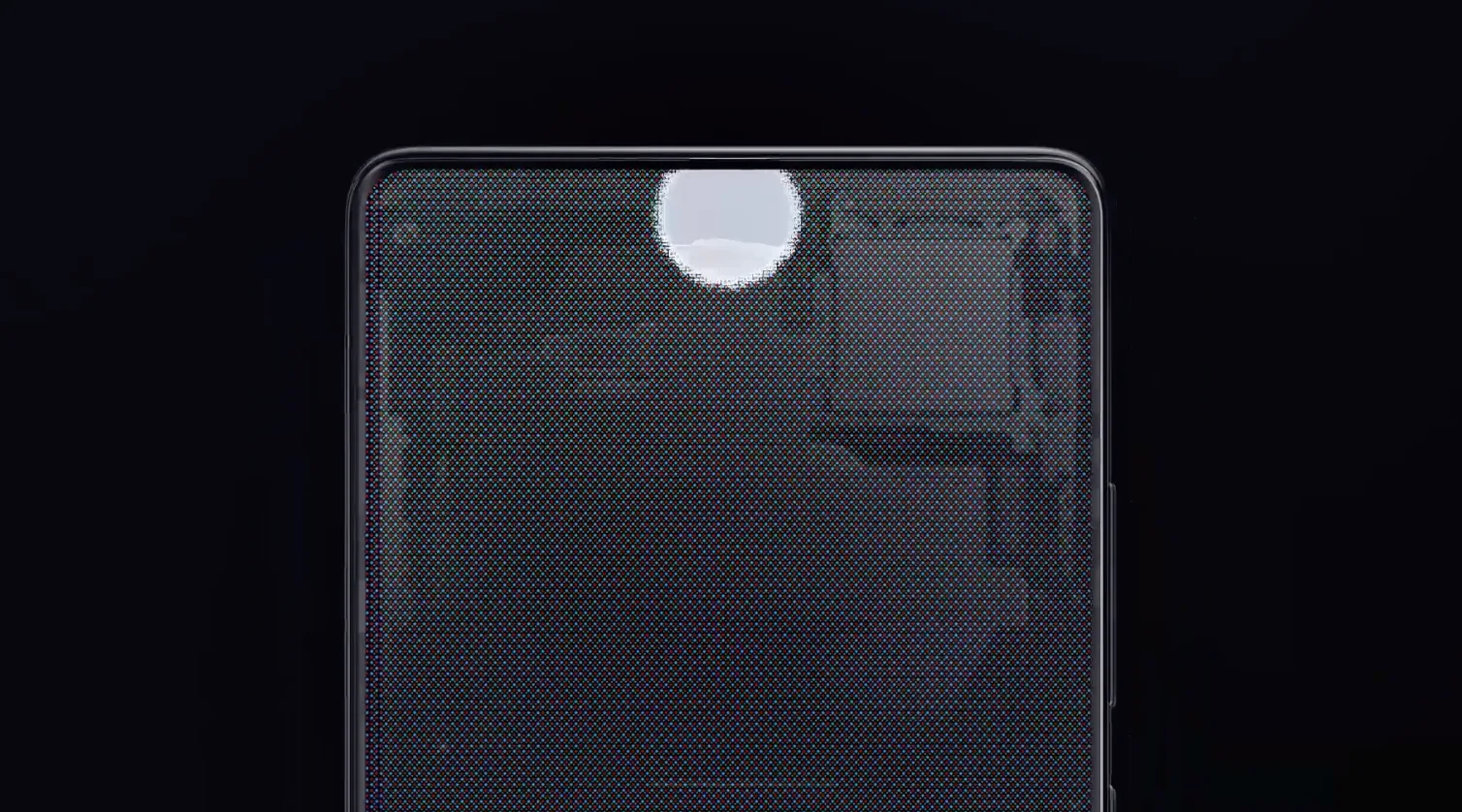
(Image source: Xiaomi official)
Moreover, the regularly arranged pixels and circuitry within the screen can interfere with light transmission. For instance, when using the front camera to photograph streetlights at night, regular phones might exhibit slight glare, but under-display camera models could produce noticeable halos, affecting overall image clarity.
To mitigate these issues, manufacturers have resorted to adjusting the screen structure above the camera, such as reducing obstructions or altering pixel arrangements, to allow more light to reach the sensor. However, these modifications introduce new problems: once the pixel structure above the camera changes, the display effect in that area may differ from the surrounding area. Early under-display camera phones exhibited noticeable graininess, color shifts, or even a visible circular region.
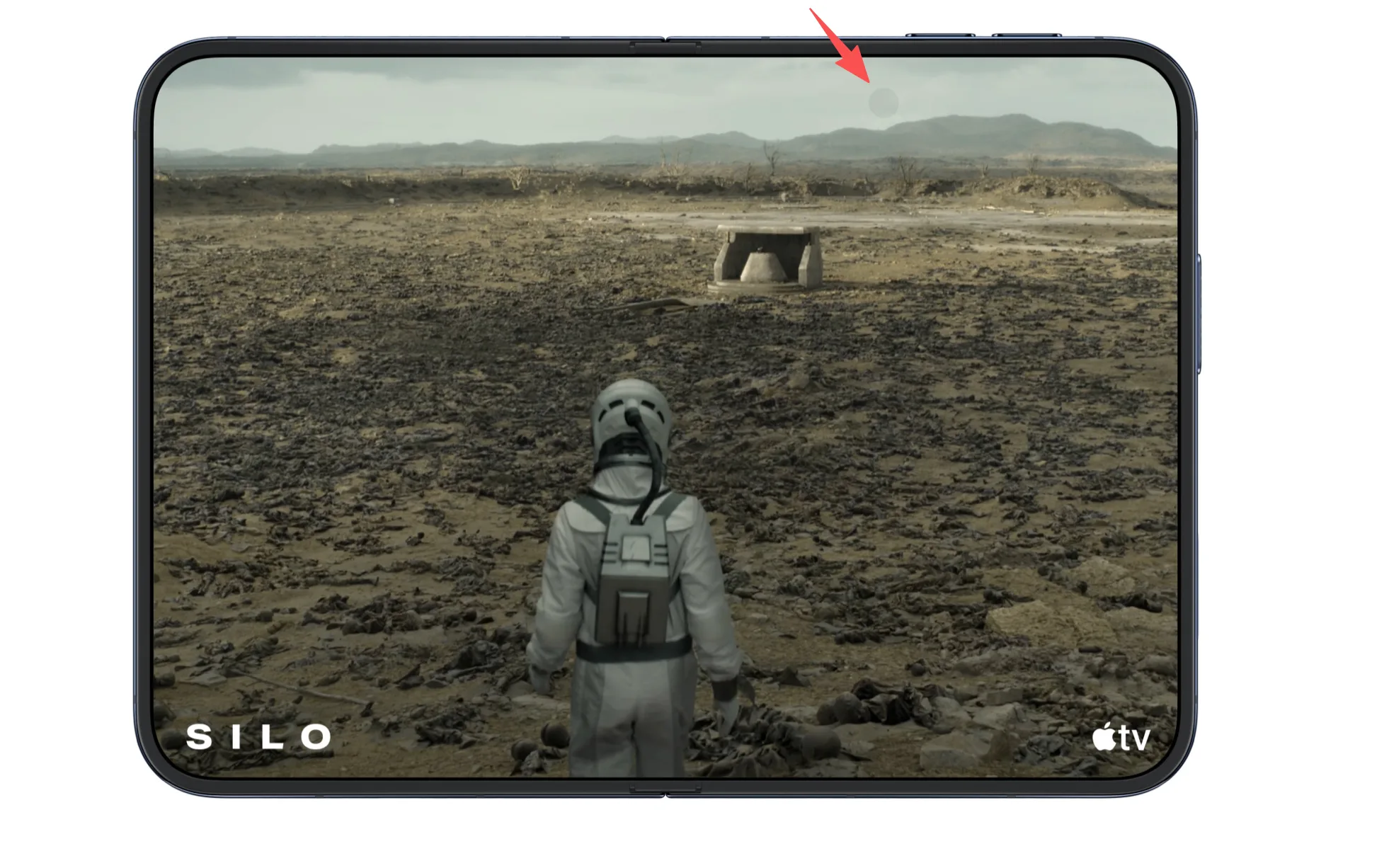
(Image source: Apple official)
This presents somewhat of a paradox. Users desire under-display cameras to create a more seamless front appearance for their phones, but hiding the camera can inadvertently make the entire screen look stranger. Even today, this issue hasn't been fully resolved; even the newly released iPhone Duo still clearly shows the camera area under specific viewing angles and display backgrounds.
Ultimately, manufacturers must constantly strike a balance between light transmittance and display quality. To enable the camera to capture clearer images, light transmittance must be increased; to make the screen appear finer and more uniform, sufficient pixel density and a complete display structure are necessary. However, achieving both objectives simultaneously is no easy feat.
Of course, under-display cameras haven't remained stagnant. Over the past few years, RedMagic has been optimizing screen pixel arrangements, display consistency, and front imaging algorithms. Today, under normal use, the under-display camera area is hardly noticeable, and the overall screen appearance has significantly improved compared to early products. As reviewed by Lei Technology: "In both indoor and outdoor daylight environments, regardless of the angle, I couldn't tell where the front camera was. Only in completely dark environments could I barely detect its presence."
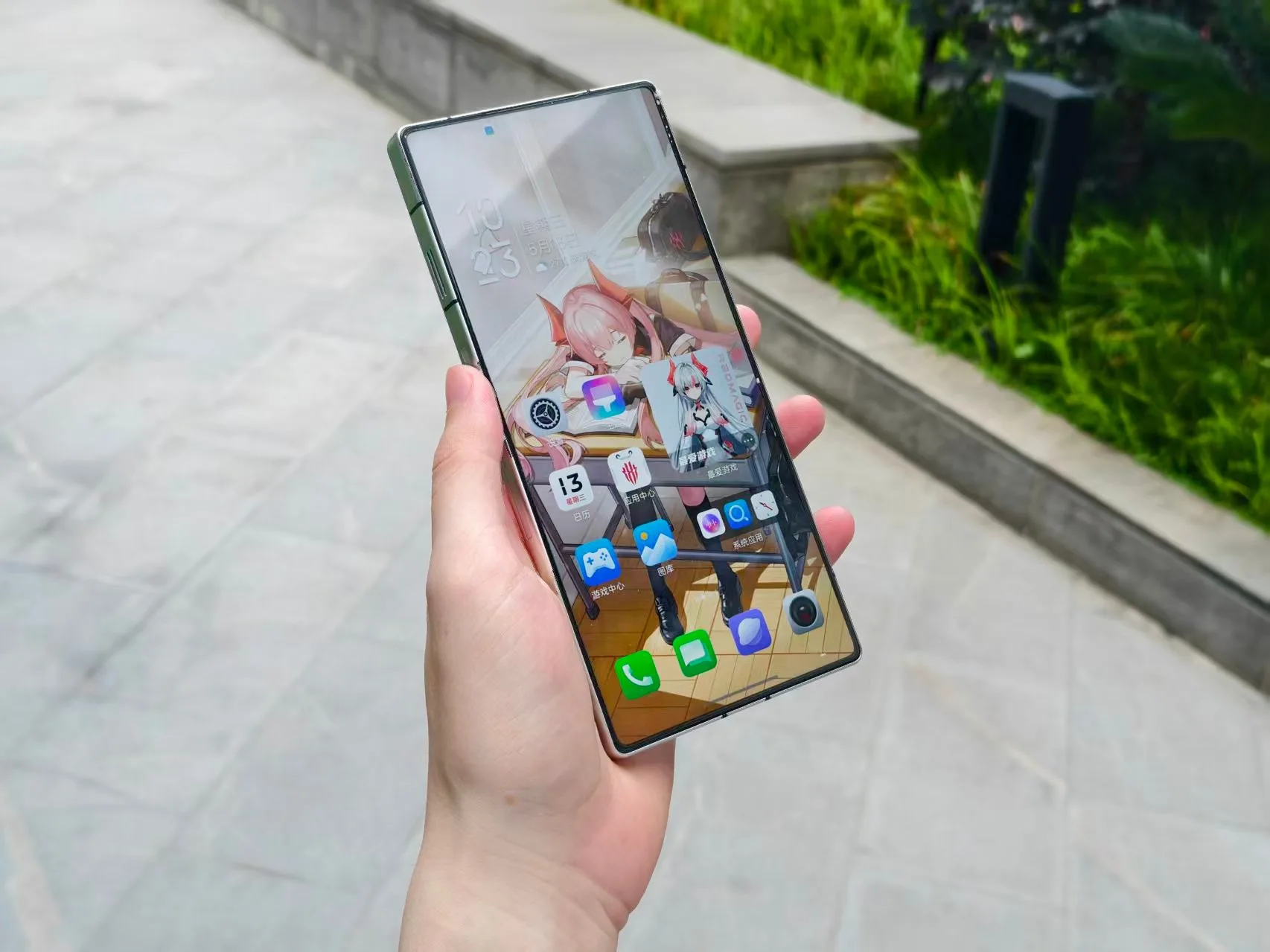
(Image source: Lei Technology)
However, improved display quality doesn't mean photography issues are easily resolved. The image quality captured by under-display cameras is still susceptible to the screen structure, and manufacturers can only rely on algorithms for noise reduction, sharpening, color restoration, and diffraction correction to bring photos up to a usable standard.
But algorithms have their limitations, especially in complex scenes like backlighting or night photography, where details lost in the original image are hard to fully restore. Moreover, users now have higher expectations for phone selfies, including not just basic photography but also video calls, portrait photography, HDR, and high-definition video recording. For under-display cameras to match traditional solutions in these scenarios, more time and development are clearly needed.
Furthermore, under-display cameras face another unavoidable issue: cost. To balance light transmittance and display quality, under-display cameras typically require redesigning the screen structure, camera module, and image algorithms, increasing research and manufacturing costs. In contrast, punch-hole screens are now highly mature, with smaller and smaller openings and sufficient front photography performance. Users are also less "obsessed" with full-screen displays than before, rarely rejecting a phone just because of a small screen opening.
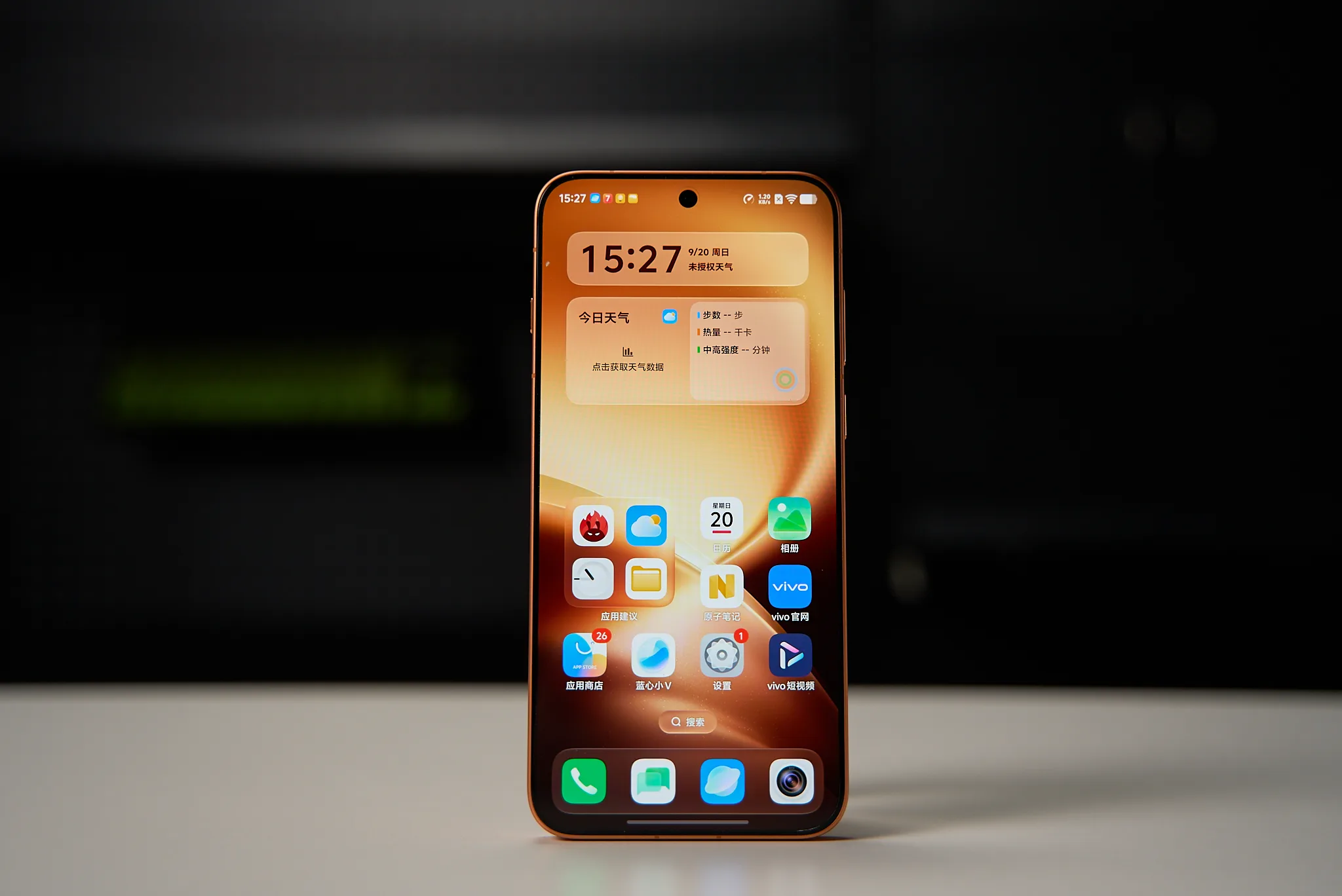
(Image source: Lei Technology)
Ultimately, the biggest challenge for under-display cameras now is that manufacturers invest heavily, but users may not perceive significant improvements. Since traditional punch-hole screens are already adequate, manufacturers have little incentive to continue investing in under-display cameras.
RedMagic for Gaming, Apple Aims to Enhance Foldable Screen Visual Experience
If under-display cameras have so many drawbacks, why are Apple and RedMagic still willing to invest?
Let's start with RedMagic. As one of the few brands still committed to gaming phones, RedMagic has always prioritized screen integrity. For regular users, a small screen opening may not significantly impact daily use, but for players who frequently game in landscape mode, camera openings can somewhat detract from the visual experience.

(Image source: RedMagic official)
Especially in games requiring frequent observation of screen edge information, a completely unobstructed screen can indeed provide a more immersive visual experience. Although most games now adapt to punch-hole screens, if given a choice, most players would prefer a screen without openings.
Moreover, RedMagic is a distinctive brand always willing to make bold attempts for gaming experiences. Active cooling fans, touch shoulder buttons, and gaming-exclusive systems—designs uncommon on regular flagship phones—are key to attracting core players. The same applies to under-display cameras: gaming players typically have lower demands for front cameras, and many are willing to accept slightly inferior selfie quality in exchange for a more complete gaming screen. RedMagic's ability to iterate under-display camera technology to the ninth generation is largely because its target audience truly values full-screen designs.
Apple's choice of under-display cameras, on the other hand, involves a condition RedMagic lacks: foldable screens.
Apple didn't rush to apply under-display cameras to regular iPhones but chose to use them in the iPhone Duo's inner screen. Xiaolei believes this approach is correct, as the biggest selling point of foldable phones is the large screen when unfolded, offering a wider field of view than regular phones for watching videos, gaming, or document processing.

(Image source: Apple official)
If such a large screen still has a noticeable camera opening, it somewhat detracts from the visual experience, especially for a company like Apple that highly values product appearance and design consistency. Under-display cameras hold definite appeal in this regard.
Foldable screens also offer an advantage over regular bar phones: they can avoid the most obvious shortcomings of under-display cameras through inner and outer screen and camera combinations. The iPhone Duo retains a traditional front camera on the outer screen and uses a hidden camera on the inner screen. Users can directly use the outer screen camera for regular selfies and switch to the inner screen camera when unfolded for video calls.
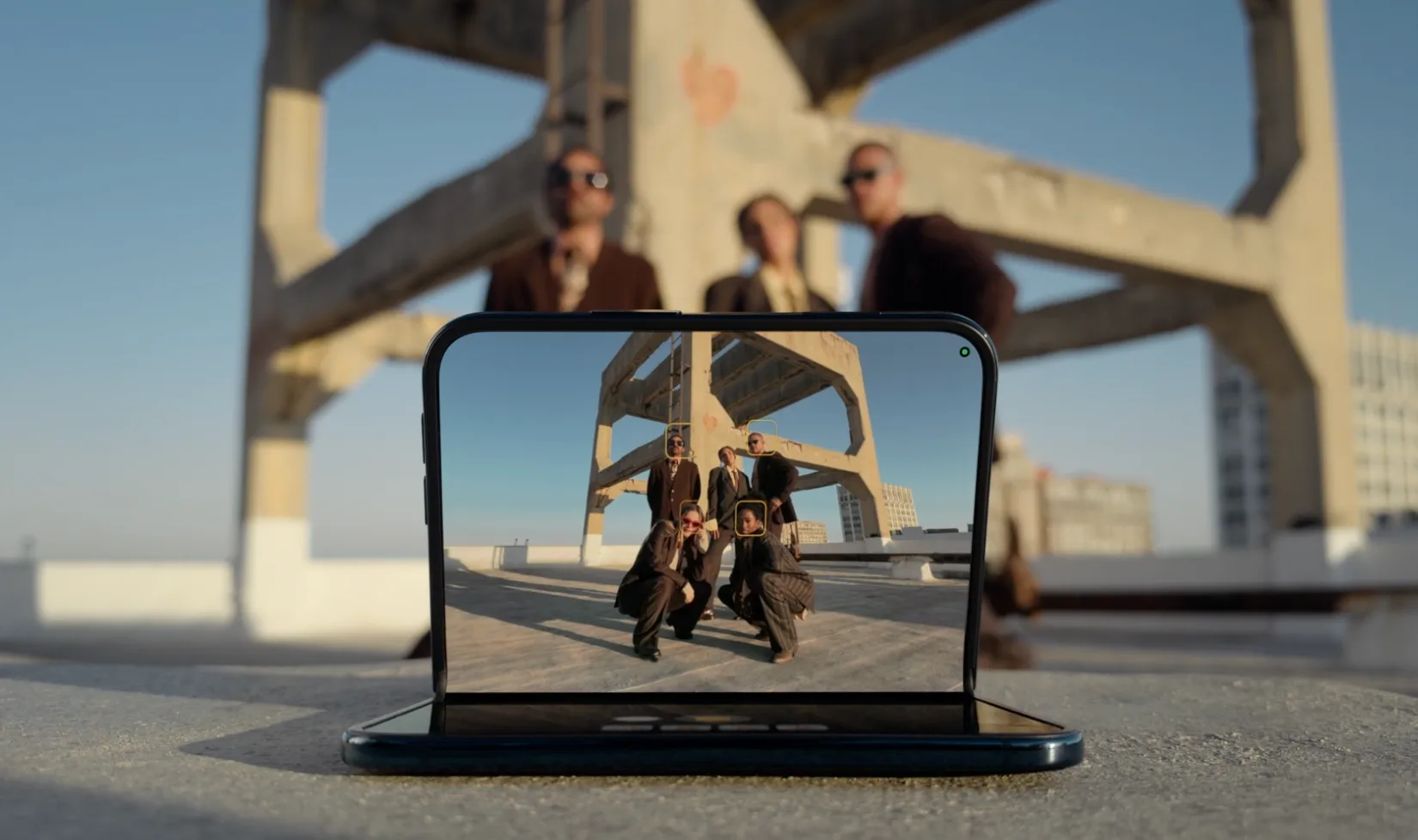
(Image source: Apple official)
Additionally, foldable screens can utilize the rear camera with the outer screen for selfies, potentially offering even better image quality than regular front cameras. This approach allows for a more complete inner screen without significantly compromising the selfie experience, making it a much more reasonable trade-off.
Interestingly, to implement under-display cameras, Apple "went against tradition" by abandoning Face ID in favor of side fingerprint unlocking. Face ID requires additional depth-sensing components, and hiding the entire module beneath the screen is far more challenging than simply concealing a front camera. In contrast, side Touch ID is simpler and more straightforward, working whether the phone is folded or unfolded without worrying about screen form changes affecting the unlocking experience.
Of course, losing Face ID is somewhat regrettable, especially for iPhone users accustomed to facial recognition unlocking, who may need some time to adjust to fingerprint unlocking again. However, if it means a more complete foldable screen, at least for this product, it's an understandable trade-off.
Thus, although both Apple and RedMagic have chosen under-display cameras, they prioritize different aspects. RedMagic hopes to enhance gaming experiences with a complete screen while reinforcing its product identity; Apple aims to further leverage the large-screen advantages of foldable phones. For them, the advantages of under-display cameras are significant enough that current shortcomings are more acceptable.
Can Under-Display Cameras Become Mainstream?
Looking back at the past few years of phone industry development, from pop-up cameras and slider designs to today's under-display cameras, manufacturers have tried numerous methods to achieve true full-screen displays. However, most of these eye-catching designs have failed to become mainstream, while the seemingly unexciting punch-hole screen persists.
The phone market has also undergone significant changes in recent years. In the past, manufacturers could attract consumers with increased screen-to-body ratios and form factor changes, but now users are less sensitive to appearance innovations. Compared to a small screen opening, users may care more about phone photography quality, battery life, and price. While under-display cameras can make phones look more aesthetically pleasing, this alone is unlikely to be the main reason for most people to upgrade.
However, Xiaolei believes Apple's entry holds some significance. In the past, under-display cameras were mostly found in niche products like gaming phones. Now, with the foldable phone market gradually maturing, this technology may find more applications. If the iPhone Duo performs well in the market, more manufacturers might reconsider the value of under-display cameras.
Of course, Apple's adoption of under-display cameras doesn't mean other manufacturers must follow suit. At least in Xiaolei's view, under-display cameras will likely coexist with punch-hole screens for a long time, with the former serving users who pursue complete screens and the latter meeting the daily needs of most consumers. As for when true full-screen displays will become widespread, we may have to wait a while longer.
Source: Lei Technology
All images in this article come from: 123RF Royalty-Free Image Library Source: Lei Technology
-
![]()
From Connected Vehicles to All-Domain Collaboration: 6G Ushers in the Next Era of Automotive Connectivity
-
Aian N60 Under Sales Pressure, S600 Fails to Revive Hyper: Zhang Xiong’s Dual-Brand Strategy Falters in Early Stages
-
![]()
BYD's Da Han Redefines Flagship Standards with 1,000+ km Range and Standard Rear-Wheel Steering
-
"Buy One, Get One Free" Marketing Gambit Flops, Unveiling AUDI Brand's Sales Struggles
-
![]()
iPhone Duo Sparks Excitement! Will Under-Display Cameras Make a Triumphant Return? RedMagic Holds Firm for Six Years
-
Xiaopeng's Global Expansion Faces Turbulence: Navigating Pre- and Post-Sales Hurdles in International Markets
-
![]()
Invest in Unitree's 'Physical Framework' First, Then Hu Han's 'Intellectual Core': Why Liang Wenfeng Can't Afford to Delay?
-
![]()
3999 Yuan! STEPX Unveils Its Pioneering AI Agent Smartphone, Bundled with a One-Year Token Subscription