How to De-escalate China-EU Trade Tensions and Enhance Sharing of Hybrid Technology Benefits?
 10/19 2026
 334
Lead | Introduction
After the EU imposed substantial tariffs on Chinese pure electric vehicles (EVs), hybrid models have also found themselves entangled in trade disputes. Recently, China and the EU have reached a certain consensus regarding the export of hybrid vehicles. For European automakers struggling to compete, this provides a temporary respite; for Chinese automakers, it offers an opportunity to better strategize for the European market.
This article is produced by Heyan Yueche Studio
Written by Zhang Dachuan
Edited by He Zi
Full text: 2,935 characters
Reading time: 4 minutes
On October 16, a spokesperson for the Ministry of Commerce responded to related inquiries, stating that China and the EU, adhering to the principles of compliance with World Trade Organization (WTO) rules, fact-based decision-making, and non-discrimination, have reached a reciprocal and mutually beneficial agreement on hybrid vehicles. This not only robustly safeguards the practical interests of Chinese enterprises but also addresses EU concerns, thereby avoiding an escalation of China-EU trade frictions. Claims that 'EU pressure was effective' are entirely baseless.
The spokesperson emphasized that the purpose of China-EU economic and trade consultations is to resolve differences through dialogue and negotiation, taking into account each other's concerns. Both sides must demonstrate sincerity in addressing issues. The EU should not hope to gain advantages through pressure, nor should it underestimate China's determination and ability to safeguard its own interests. We urge the EU to work with China to promote the healthy and stable development of China-EU economic and trade relations.
Earlier, from October 8 to 9, Minister of Commerce Wang Wentao and European Commission Trade and Economic Security Commissioner Maroš Šefčovič held the second regular meeting of the China-EU Trade and Investment Consultation Mechanism in Beijing. The agreement reached on hybrid vehicle trade between the two sides drew significant attention.
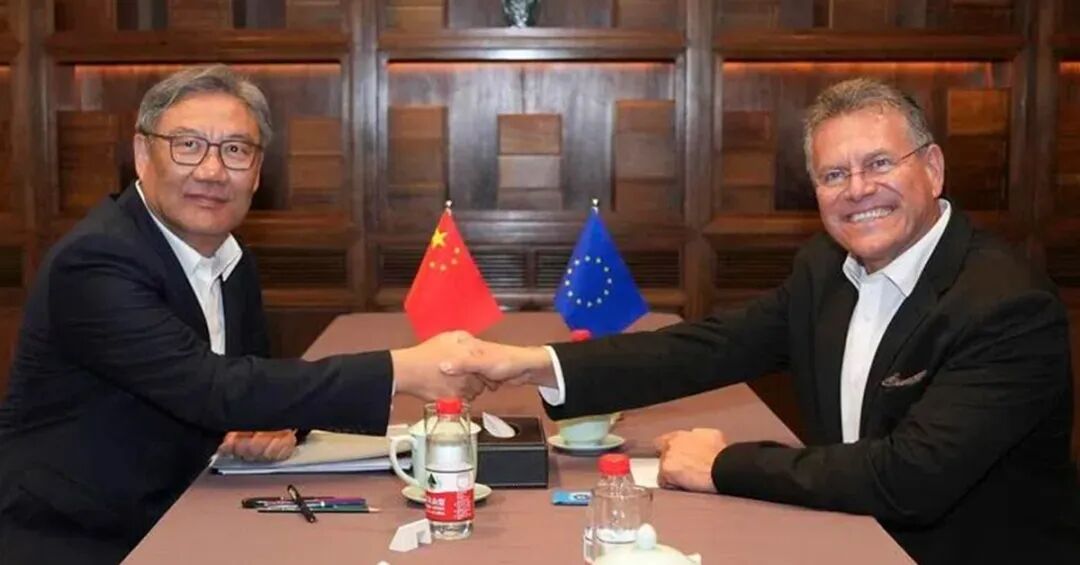
△ China and the EU have reached an agreement on hybrid vehicle exports
How will China's hybrid vehicle exports to Europe change?
EU Trade Commissioner Šefčovič stated after the consultations that over the next four years, Chinese hybrid exports to Europe will decrease by more than half compared to a scenario without an agreement, involving millions of vehicles.

△ According to EU calculations, compared to no agreement, the number of Chinese hybrid vehicles entering the EU will decrease by millions in the future
According to a Bloomberg report on October 11, the EU plans to set an annual import quota of 350,000 units for hybrid vehicles from non-European countries, with the measures taking effect on December 1. The initial quota for the first year will be 350,000 units, increasing by 6% annually thereafter, with the entire package lasting four years. During the agreement period, both sides commit to adhering to WTO rules. On October 12, China's Ministry of Commerce stated in response to media inquiries that based on 302,000 hybrid vehicle exports from China to Europe in 2025, both sides have arranged for further expansion of export space, aiming to ensure stable growth in Chinese companies' exports to Europe while addressing the reasonable concerns of both industries based on reality.
On October 16, China's Ministry of Commerce further clarified that claims of 'EU pressure succeeding' are untrue and that the agreement is reciprocal and mutually beneficial. Specific implementation details are still under negotiation at the working level, and no official figures have been announced.
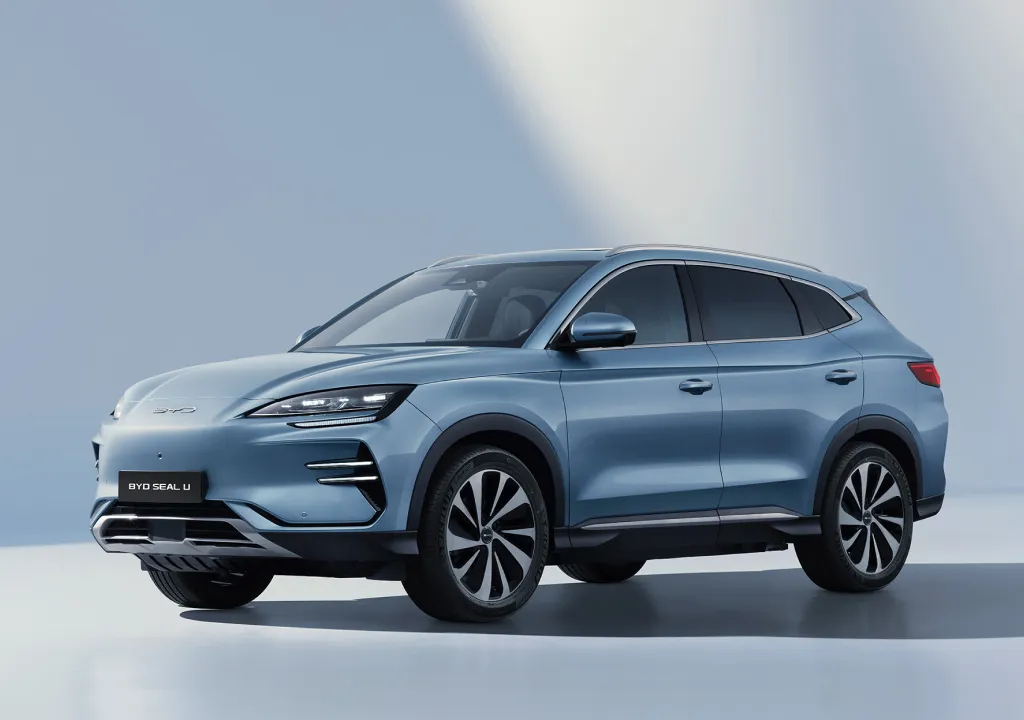
△ Chinese hybrid models are rapidly capturing the European market
After the EU imposed anti-subsidy tariffs on Chinese-made pure electric vehicles in 2024, hybrid vehicles have gradually become an important export model for Chinese automakers expanding into the European market. EU data shows that in the year ending September this year, EU imports of plug-in hybrid vehicles increased by 86%, while import prices fell by about 20%, with more than half of the relevant imported vehicles coming from China. Chinese customs data indicates that China's hybrid vehicle exports to the EU have also surged, rising from about 3,800 units in October 2024 to approximately 50,400 units in July 2026.
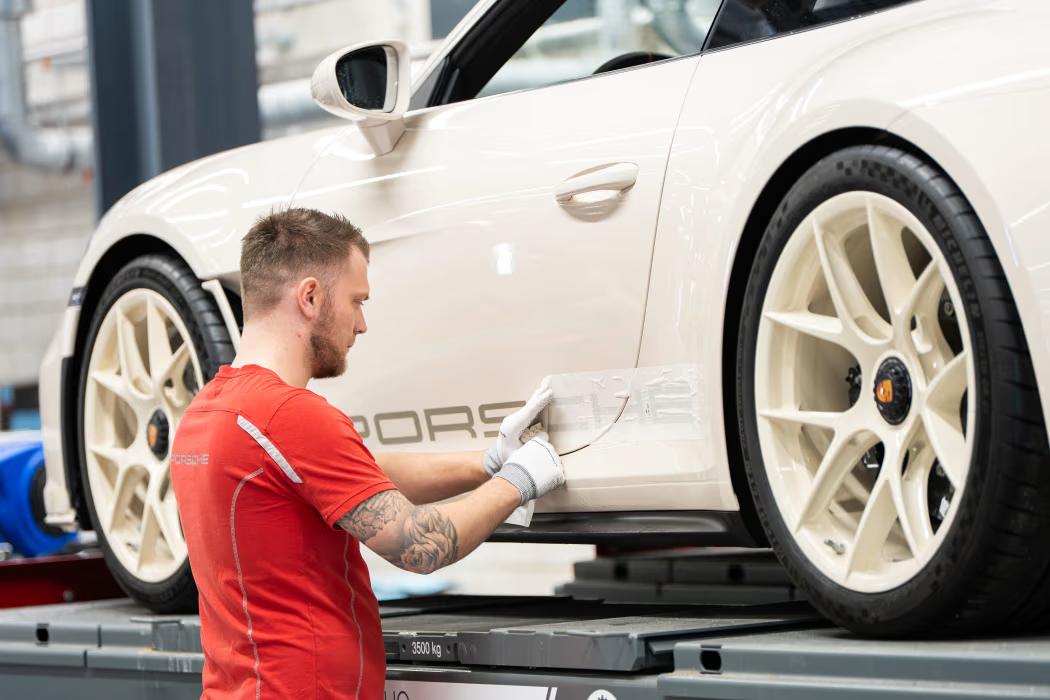
△ European automakers like Porsche are facing impact from Chinese automakers in their home market
As Chinese vehicle exports to Europe continue to grow, concerns over China-EU trade imbalances have also risen. In 2025, China's exports to the EU reached approximately $560 billion, while imports from the EU stood at around $268.3 billion, reflecting a significant asymmetry in bilateral trade. For the EU, the automotive industry is not only a vital manufacturing pillar but also a crucial foundation for employment, technological innovation, and future economic growth. Against this backdrop, finding a balance between maintaining European automotive competitiveness and preserving open trade with China has become a key consideration for the EU in adjusting its automotive trade policies.
Localization of Chinese automakers overseas becomes a trend
For Chinese automakers, the agreement means that future hybrid vehicle exports to Europe will face quantitative constraints to a certain extent. However, at the same time, Chinese automakers have secured a relatively predictable trade environment, helping them more rationally plan production capacity, allocate resources, and formulate medium- to long-term market strategies. Compared to Chinese pure electric vehicles, which face additional anti-subsidy tariffs imposed by the EU, hybrid models have secured relatively favorable trade conditions.
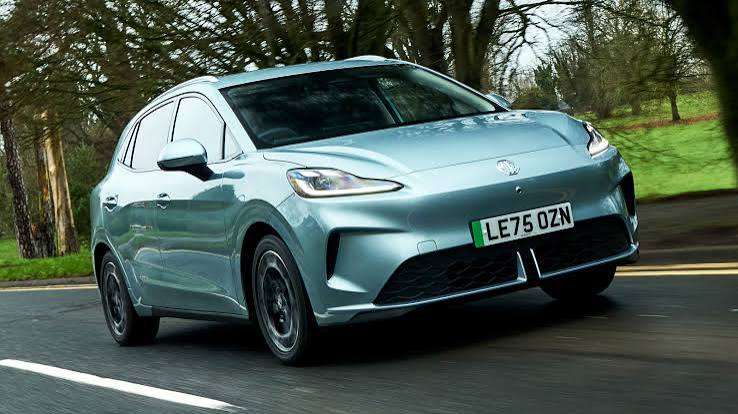
△ Compared to pure electric models, Chinese hybrid vehicles have received 'better treatment' for exports to Europe
Nevertheless, as a globally significant automotive market, the EU remains a crucial strategic arena for Chinese automakers' globalization. For companies like BYD and Geely, establishing a solid business foundation in the European market is essential to truly becoming globally competitive automotive groups. This means Chinese automakers need to further increase investment in the European market and use localized production as a pivot to gradually complete a comprehensive system encompassing upstream R&D, supply chain construction, and downstream dealer networks, sales channels, and after-sales services. This requires not only substantial financial investment but also long-term organizational development, talent accumulation, and local operational capabilities. For Chinese automakers, this is akin to a 'second entrepreneurial journey,' with challenges that are self-evident but also a necessary lesson for entering the global market.

△ For Chinese automakers, increasing their presence and investment in Europe is akin to a 'second' entrepreneurial endeavor
While the global automotive industry has widely recognized the technological prowess and cost competitiveness of China's new energy vehicles (NEVs), technological leadership and product cost-effectiveness do not guarantee smooth commercial success in overseas markets. Delivering products stably to consumers while complying with local laws, regulations, and trade rules—and ultimately converting this into sustainable profitability—tests a company's true global operational capabilities. For Chinese automakers, the journey from 'selling cars overseas' to 'rooting and operating locally' remains a long one.
The experience in the EU market also holds broader implications. As Chinese automakers' globalization progresses, other overseas markets may similarly face challenges such as trade policy adjustments, localization production requirements, supply chain compliance, and after-sales service system construction. Therefore, Chinese automakers need to use the European market as a testing ground to gradually develop a replicable and scalable global operational methodology while addressing trade barriers, advancing localized investments, and building regional operational systems. This can then be applied to other overseas markets. Rather than merely pursuing growth in export scale, establishing a localized operational system capable of adapting to different market rules and achieving long-term sustainable profitability may be the true test of Chinese automakers' global development.
European automakers are not without concerns
For European countries, restricting Chinese vehicle imports helps alleviate trade imbalances and addresses market concerns over the loss of the local automotive industry and jobs to some extent. However, for European automakers, the agreement does not mean competition pressures have dissipated.
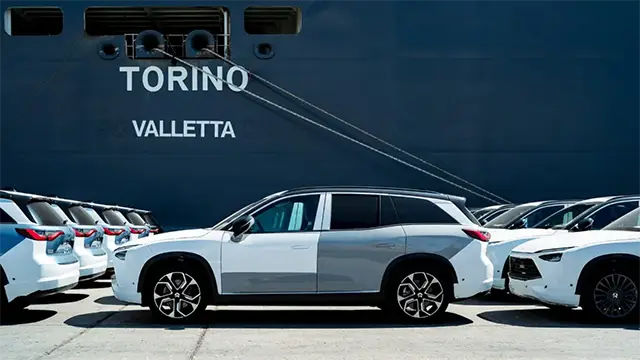
△ Traditional European automakers urgently need to further enhance their competitiveness
Currently, Chinese automakers are significantly accelerating their localized production layouts in Europe, with models expanding from BYD's investment in a new factory in Hungary to more flexible approaches such as utilizing existing idle capacity in Europe and collaborating with local manufacturers for contract manufacturing. This model shortens factory construction timelines, reduces initial investment costs, and accelerates the launch of new models in the European market. For example, Geely is exploring the use of Ford's factory in Valencia, Spain, and subsequently Volvo's production facilities in Belgium; Chery seeks to leverage Nissan's factory in Sunderland, UK, for contract manufacturing; XPENG Motors collaborates with Magna in Austria to co-produce models alongside the Mercedes-Benz G-Class; and Leapmotor relies on Stellantis' factory in Zaragoza, Spain, for production.
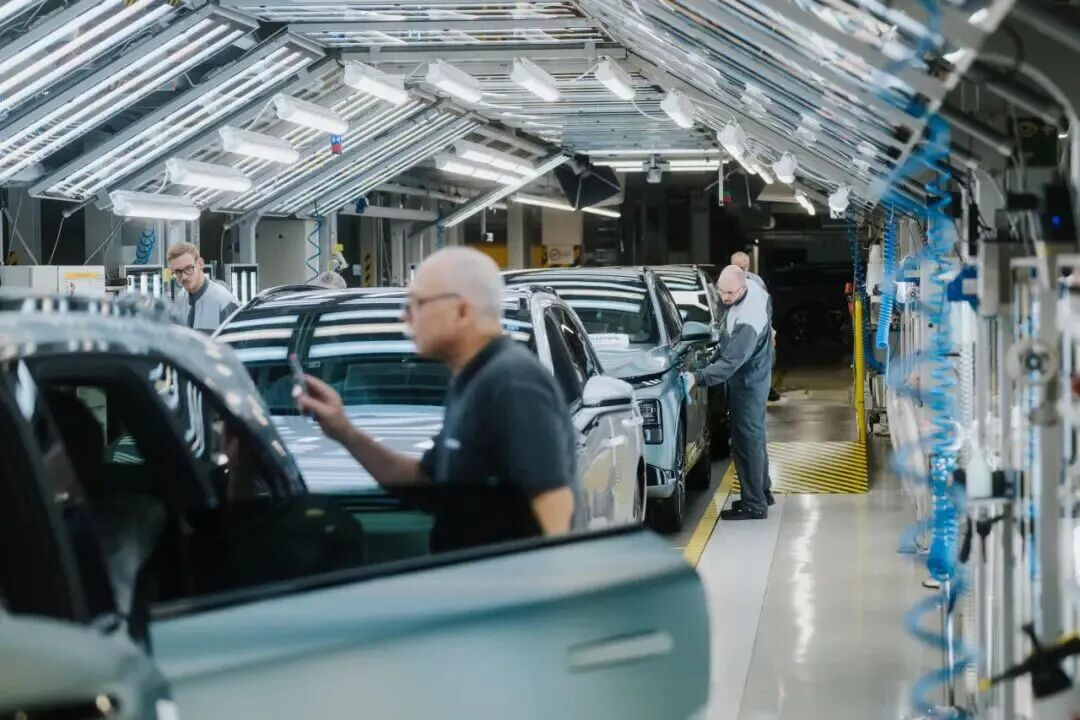
△ Chinese automakers are accelerating their pace of local production in Europe
For European automakers, the agreement offers more of an opportunity to adjust their competitive pace rather than fundamentally eliminating competition from Chinese firms. As Chinese automakers gradually mitigate the impact of trade barriers through localized production, the pathways for Chinese NEVs to enter the European market will become more diversified, and market competition will deepen further. European automakers must fully utilize this limited window to accelerate the development of more competitive new models. This not only means comprehensively benchmarking Chinese competitors in terms of product performance, intelligent configurations, and user experience but also requires improving efficiency across the entire chain from R&D and procurement to production manufacturing, establishing a more competitive supply chain cost system. Ultimately, while trade protection measures may buy time, whether European automakers can retain market share still depends on their product competitiveness, cost control capabilities, and transformation speed.
Commentary
The China-EU agreement on hybrid vehicle trade introduces new variables into the competitive landscape of both automotive industries. It provides Chinese automakers with relatively clear trade expectations but also constrains export growth space to a certain extent. For European automakers, trade protections offer adjustment time but do little to fundamentally alter the competitive advantages of Chinese NEVs. As Chinese automakers accelerate their localized layouts in Europe, competition between China and Europe's automotive industries is extending from product exports to local production and global operational capabilities.
-
![]()
Does China’s Intelligent Driving Sector Possess a Competitive Moat? Who Will Survive the Intense Competition?
-
![]()
Don't Push Mathematicians Too Hard, AI
-
![]()
AI Phones: The Challenge of Breaking Through Ecosystem Barriers
-
![]()
The Differences Between Kimi and DeepSeek Are Becoming More Pronounced
-
![]()
As the Era of Lavish AI Spending Fades, Is the AI Race Taking a New Turn?
-
![]()
The Entire Internet Ridicules Tesla’s Flying Car—Don’t Be Short-Sighted
-
![]()
How to De-escalate China-EU Trade Tensions and Enhance Sharing of Hybrid Technology Benefits?
-
![]()
Cook Lauds China’s Unique Manufacturing Prowess: Apple’s Reliance Now Unavoidable