Is the Audi A8 to Be Manufactured by Huawei? Traditional Automakers Face Hurdles in Transitioning to New Energy, Self-Sufficiency More Vital Than External Support
 10/26 2026
 463
Audi Requires Huawei, But Self-Reliance Is Even More Crucial.
With a Chinese president at the helm and collaborative R&D for new models with Huawei, is Audi truly in dire straits?
Recently, Audi officially announced that Zhang Jun will take over as President of China on November 1, marking the first instance of a Chinese president leading Audi China.
Simultaneously, Germany's Manager Magazin disclosed that Audi, grappling with sluggish sales of both conventional and electric vehicles in China, plans to co-develop the next-generation A8 with Huawei, with the initial models slated for release in 2028. Crucially, this A8, tailored exclusively for the Chinese market, will be built on a comprehensive platform supplied by Huawei.
In the automotive sector, it's not unusual for overseas brands to seek assistance from Chinese automakers. For instance, certain models from Volkswagen's ZEEKR brand are outfitted with the CEA platform co-developed with XPENG, some smart models are constructed on Geely's SEA platform, and select Mazda models utilize Changan's EPA1 platform.
By appointing a new president and entrusting its flagship sedan to a Chinese technology platform, Audi's sense of urgency is evident.
Domestic Cars Are on the Rise, and the Heyday of BBA Has Faded
The electrification trend originated in Europe, and as a traditional European luxury brand, Audi embarked on R&D for new energy vehicle platforms early on. In 2018, the first-generation Audi e-tron was based on the oil-to-electric MLB Evo platform. Subsequently, Audi's new energy models have been equipped with PPE, MEB, and the ADP intelligent digital platform co-developed with SAIC.
However, Audi's new energy vehicles built on these platforms have failed to resonate with Chinese consumers. Wilson Terminal data indicates that Audi's sales in the Chinese market in the third quarter of this year reached 94,600 units, a year-on-year decline of approximately 24.5%. Consequently, Audi's global sales for the same period stood at 314,900 units, down 19.7% year-on-year.
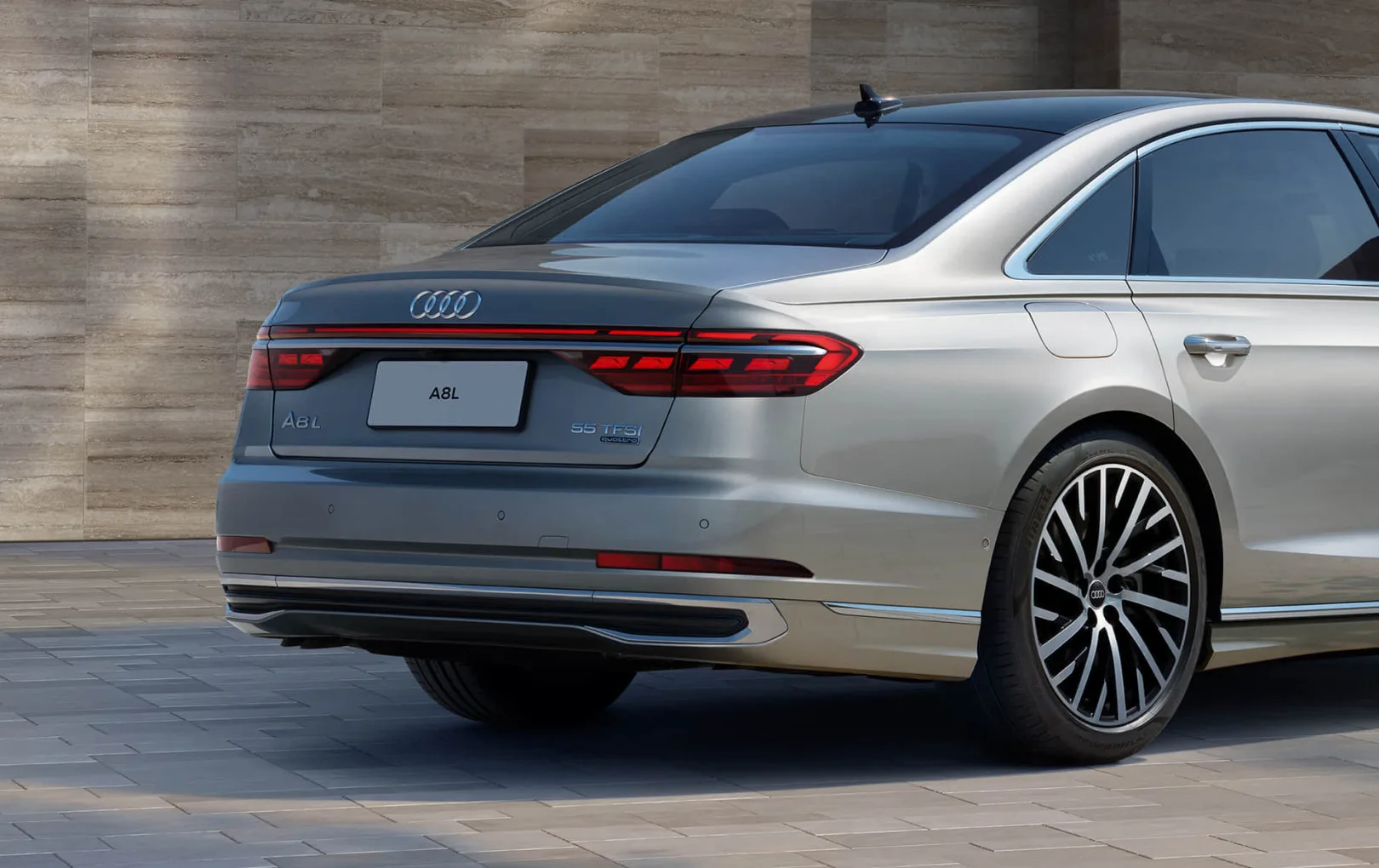
(Image Source: FAW-Audi)
BMW and Mercedes-Benz, which together with Audi form the "BBA" trio, also faced challenges, with third-quarter sales in the Chinese market of 114,000 and 87,000 units, respectively, down 24.8% and 31% year-on-year.
For Audi, the primary challenge lies in the lack of recognition for its new energy technology among Chinese consumers. While Audi's fuel-powered technology remains at the forefront of the industry, the penetration rate of new energy vehicles in the Chinese market is steadily rising, and fuel vehicles are on the decline. Data from the China Passenger Car Association reveals that the penetration rate of new energy passenger vehicles reached 67% in September. Relying solely on fuel vehicles, Audi cannot sustain its sales.
To bolster sales, Audi has taken numerous actions this year, including launching a series of new models and fully separating FAW-Audi and SAIC Audi. FAW-Audi will uphold the high-quality concept and German style of the "Four Rings" brand, while SAIC Audi will concentrate on new energy vehicles for the Chinese market.
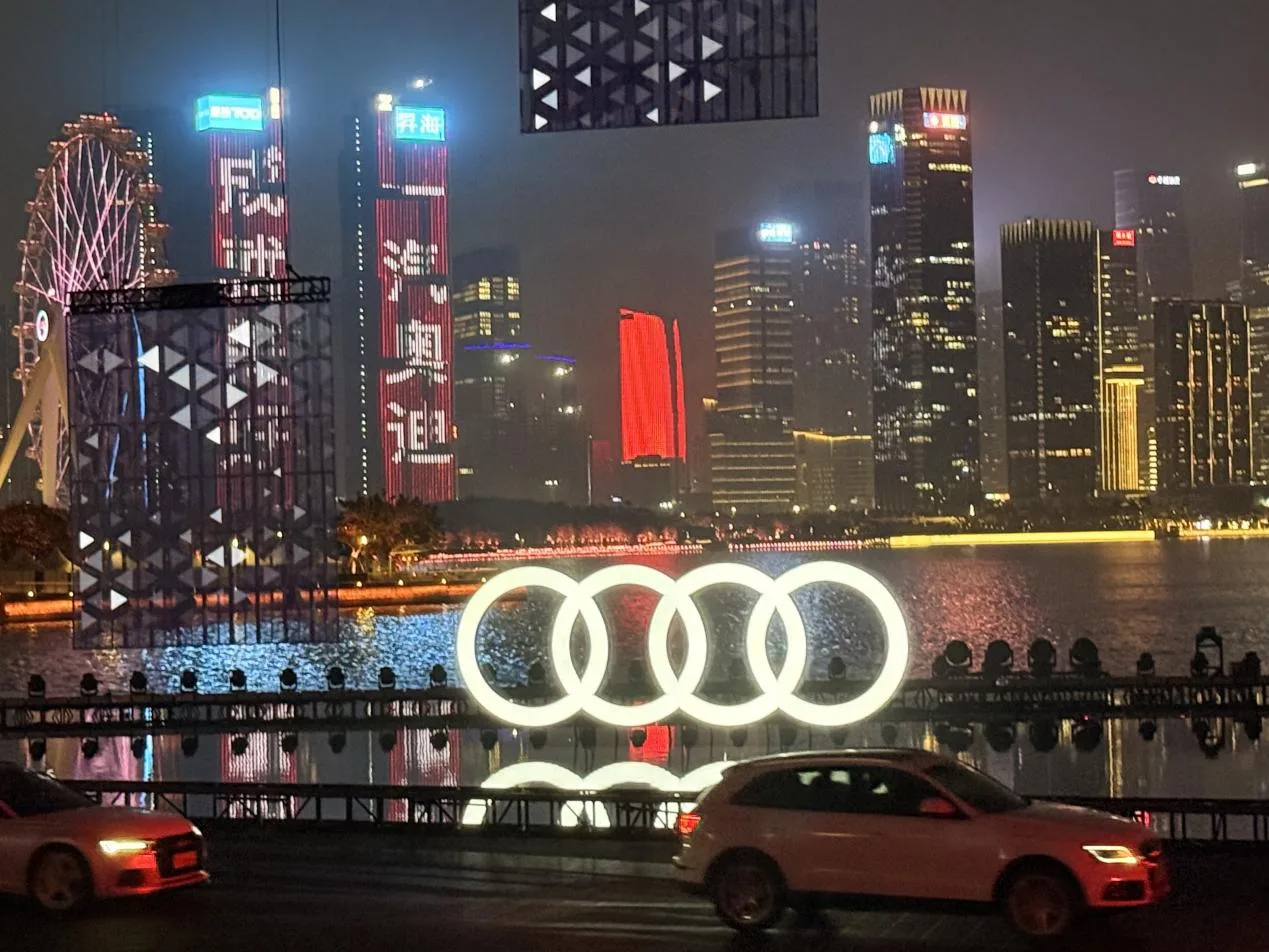
(Image Source: Dianchetong)
Facing competition from brands like Seres, NIO, Li Auto, and XPENG, Audi cannot reverse the situation with these measures alone. Sales data indicates that in September this year, none of the models from the three BBA brands sold over 10,000 units in the domestic market. For luxury cars, monthly sales exceeding 10,000 units are the benchmark for a successful model. With the BMW 3 Series selling less than 10,000 units per month, BBA no longer boasts a successful model in the Chinese market.
Audi's recent moves aim to salvage the brand's sales in the Chinese market.
Zhang Jun, previously Vice President of Chery International and CEO of the Chery brand overseeing European operations, has held senior management positions at Audi since joining the company. He possesses a deep understanding of both the Chinese market and Audi.
Audi's collaboration with Huawei is driven by Huawei's technological prowess and influence.
Currently, Huawei's Harmony Intelligent Mobility and AITO MDC have partnered with brands like Seres, Chery, GAC, and SAIC. Huawei's three-electric and intelligent technologies are seen as a shortcut for automakers to enhance product competitiveness.
As a giant in the internet and communications sectors, Huawei wields significant influence in China and is the only smartphone manufacturer whose flagship phone sales can rival Apple's. The five closest partner brands also benefit from Huawei's marketing, sales, and service channels.
The question remains: Can cooperation with Huawei truly help Audi turn the tide?
One A8 Is Insufficient to Propel Audi into the New Energy Arena
Many may not be aware that as early as 2018, Huawei officially announced a partnership with Audi to develop intelligent connected vehicles. However, due to various factors, the cooperation eventually fizzled out. Subsequently, Audi continued to deepen cooperation with Huawei, with the Audi A5L/Q5L equipped with Huawei's ADAS.
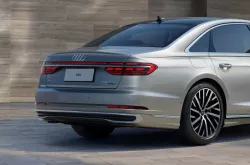
The distinction is that the Audi A8 will be equipped with Huawei's new energy vehicle platform, with cooperation potentially approaching or even matching that of brands like Avatr and Luxeed. However, in the view of Dianchetong (ID: dianchetong233), one A8 cannot meet Audi's needs to turn the situation around.
The Audi A8 is positioned as a high-end model, making it inherently more challenging to achieve volume sales. Data from Yiche.com, based on insurance registrations, indicates that the cumulative domestic sales of the Audi A8 in 2025 were only 6,187 units. Even with Huawei's support, if A8 sales doubled, the average monthly sales would barely reach four figures.
Manager Magazin revealed that among the products planned by Audi and Huawei, there is also a higher-positioned SUV. However, if the A8 struggles to achieve volume sales, the same can be expected for this SUV.
Moreover, the new models planned through Audi's cooperation with Huawei will not be launched until 2028, which is too late. While domestic consumers are not satisfied with hastily developed vehicles, the new energy vehicle market is fiercely competitive, with domestic automakers all vying for higher positions. Brands like NIO, Li Auto, Seres, Tengshi, Voyah, Hongqi, and Mengshi are competing for the high-end market.
Each day the A8's release is delayed, Audi's chance of a comeback diminishes. Dianchetong is not urging Audi to create a hastily developed vehicle, but in today's world where new car launches are more frequent than new smartphone releases, Audi needs to swiftly introduce models developed in cooperation with Huawei, rather than spending excessive time perfecting a single product.
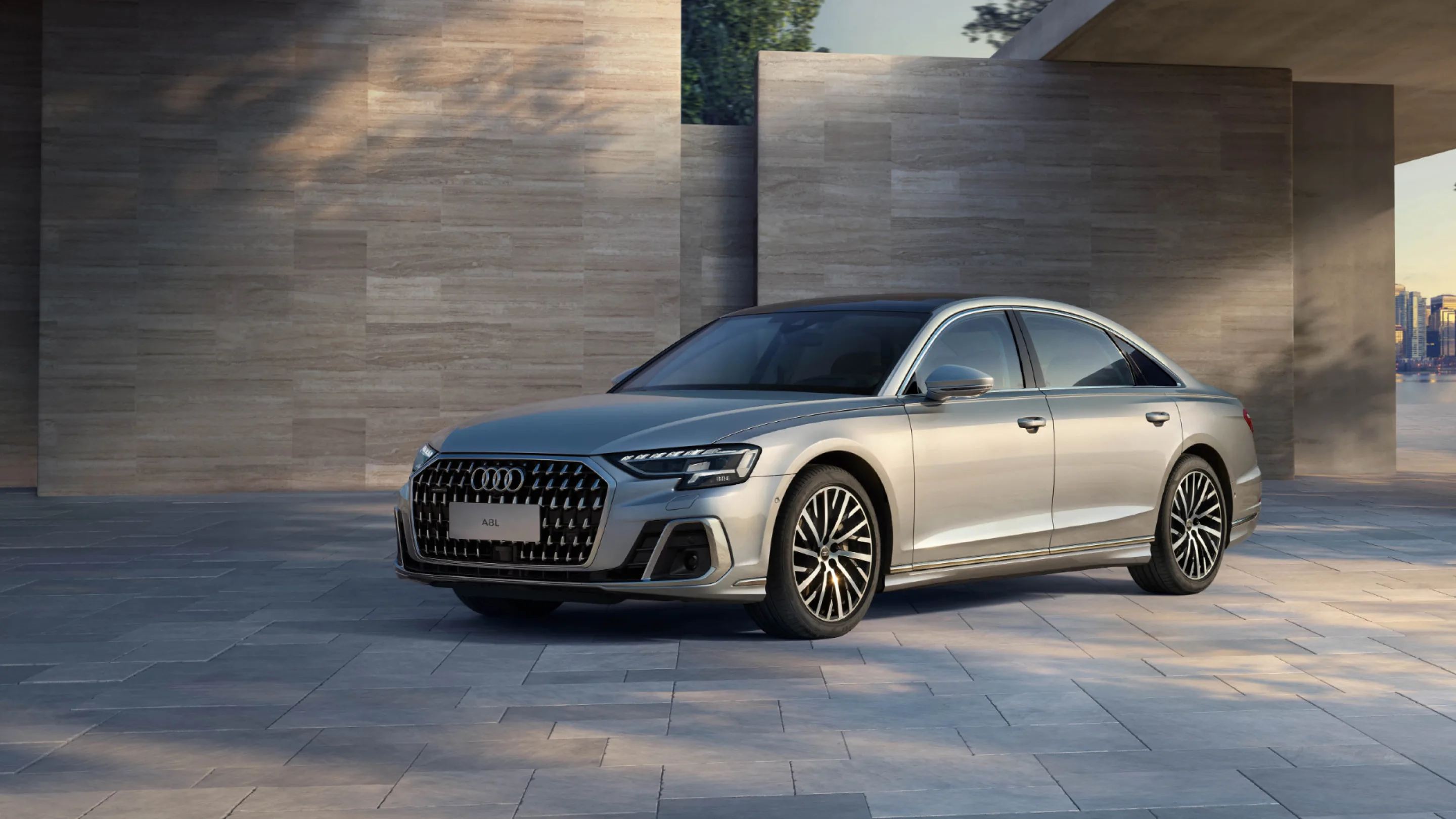
(Image Source: FAW-Audi)
Furthermore, Audi's hope for a comeback does not lie in the A8 or even higher-end SUVs, but in models like the A3 to A6 and Q2 to Q6, which are positioned and priced lower and have a better chance of achieving volume sales.
If these models can incorporate Huawei's new energy vehicle platform, ADAS, and Harmony cockpit, combined with Audi's brand value and quality, as well as Huawei's influence, Audi's volume models could potentially sell over 10,000 units per month and become successful models. Moreover, Huawei's technological costs are more justifiable when spread across volume models, and only volume models can genuinely boost sales.
Audi's cooperation with Huawei has evolved from early ADAS solutions to whole-vehicle platform-level collaboration, which is also Audi's key bargaining chip in seeking a breakthrough in the domestic new energy sector. However, the current product planning of both parties reveals a clear strategic mismatch.
Placing the focus of a comeback on flagship models like the A8 and higher-end SUVs is unlikely to significantly impact the market. The high-end market has limited capacity, and with the prolonged new model launch cycle, the window of opportunity for Audi is continuously shrinking.
The value of this cooperation lies in leveraging Huawei's complete intelligent system to transform Audi's main volume product lines. Only by integrating platform, ADAS, and cockpit capabilities into mainstream-priced models can technological investment costs be diluted, turning Audi's brand heritage and Huawei's intelligent capabilities into scalable sales.
Huawei Is a Valuable Ally, But Not a Cure-All for Traditional Automakers
Undeniably, cooperation with Huawei can substantially enhance Audi's product competitiveness. However, Huawei is not a miracle solution, and among the brands and models that have cooperated with Huawei, many have seen only average sales. When purchasing a vehicle, consumers consider not just one or two technologies or the brand alone, but the overall product strength.
BBA's struggles in the face of high-end models from domestic brands are essentially due to insufficient product strength. Features like refrigerators, large screens, and comfortable seats, which were once optional even for million-dollar luxury cars, are now rapidly becoming standard in domestic models. Even affordable family cars like the Qin Max are equipped with refrigerators.
For Audi, Mercedes-Benz, and BMW alike, the most crucial aspect is to humbly adjust their products according to actual user needs, adding features and reducing prices. The first models revealed in Audi's significant cooperation with Huawei are the A8 and an unknown SUV, indicating that Audi has not yet lowered its posture and is still starting with higher-positioned models. In the future, it may extend Huawei's technology to lower-positioned models like the A3 and Q3.
Audi's appointment of a local leader and partnership with Huawei to build flagship models represent emergency strategic shifts under pressure from domestic high-end brands. However, high-end flagships can only serve as technological showcases and are unlikely to drive significant sales volume. Moreover, the prolonged R&D cycle will continue to erode Audi's remaining market initiative.
Huawei's intelligent capabilities can only serve as a bonus and cannot conceal Audi's disconnect with domestic user needs in product definition and pricing strategies. Audi's real test lies in whether it can abandon its reliance on traditional luxury paths, swiftly extend cooperative technologies to mainstream volume models, and create products that consumers truly need and can afford.
Imagine two vehicles priced at around 250,000 yuan with identical configurations, features, and prices in front of you—one from Audi and the other from a domestic brand. Which one would you choose?
Source: Leikeji
Images in this article are from the 123RF royalty-free image library. Source: Leikeji
-
![]()
Another 2,500 Jobs Axed! Luxury Car Giant Volvo Slashes 5,000 Positions in a Year, Anticipates Challenging Two Years Ahead in China
-
![]()
Market Value Plummets by Over 100 Billion Yuan from Peak: What Ails Insta360?
-
![]()
Is the Audi A8 to Be Manufactured by Huawei? Traditional Automakers Face Hurdles in Transitioning to New Energy, Self-Sufficiency More Vital Than External Support
-
![]()
Kimi K3.1 Pro Model Unveiled: Featuring 3 Trillion-Level Parameters and Supporting a 1 Million-Token Context
-
In Q3 2026, Global Mobile Phone Sales Plummet by 70 Million Units, Valued at 300 Billion Yuan: Who's to Blame?
-
![]()
iPhone Duo Hits the Shelves! Shorter Lines, Steady Prices: A Luxury Gadget for Affluent Apple Aficionados?
-
AI’s Secret Struggle in the Double 11 Shopping Carts
-
![]()
How Well Are Apps Adapting to the iPhone Duo? Our Tests on 10 Car Apps Reveal Surprising Results