Another 2,500 Jobs Axed! Luxury Car Giant Volvo Slashes 5,000 Positions in a Year, Anticipates Challenging Two Years Ahead in China
 10/26 2026
 406
Following a significant round of layoffs last year, Volvo has announced plans for further job cuts.
On October 23, Bloomberg reported that during the release of its third-quarter financial report for 2026, Volvo Cars unveiled a global structural reduction of approximately 2,500 positions, representing about 6% of its total global workforce. The majority of these layoffs are concentrated at Volvo's headquarters, with roughly 2,000 affected employees based in Sweden. Volvo aims to achieve additional annual savings of SEK 5 billion (approximately RMB 3.36 billion at the current exchange rate). The company stated that the full financial impact of these measures will materialize by the end of 2027, at which point overall indirect expenses will be nearly 25% lower than in fiscal year 2024.

This marks Volvo's second major round of layoffs in less than two years. In May 2025, the company announced the elimination of approximately 3,000 positions worldwide, including around 1,000 consultant roles (mainly in Sweden), about 1,200 regular employee positions in Sweden, and the remainder distributed across other global markets. The layoffs primarily targeted white-collar and office positions, accounting for roughly 15% of the office staff. The two rounds of layoffs involve a total of approximately 5,500 positions.
Volvo's revenue in the third quarter of 2026 was SEK 66.9 billion (approximately RMB 45.2 billion), down from SEK 86.4 billion in the same period the previous year. The adjusted operating loss was SEK 3.7 billion (approximately RMB 2.49 billion), compared to a profit of SEK 5.8 billion in the same period last year, marking a shift from profit to loss. The gross margin fell to 14.7% from 20.4% year-on-year. EBIT (before joint venture and associate company earnings shares and items affecting comparability) was negative SEK 3.7 billion in the third quarter (compared to SEK 5.8 billion in the third quarter of 2025).
Volvo explained that the market conditions in China and the United States have become significantly more challenging, negatively impacting free cash flow. Company officials stated that in China, Volvo Cars and other traditional premium brands are facing intense competition from emerging Chinese alternative brands and severe price pressure. As a result, Volvo Cars' revenue in China declined by nearly 50% year-on-year. In the United States, Volvo Cars continues to be adversely affected by tariffs and the elimination of consumer incentives for electrified vehicles, putting pressure on profit margins.
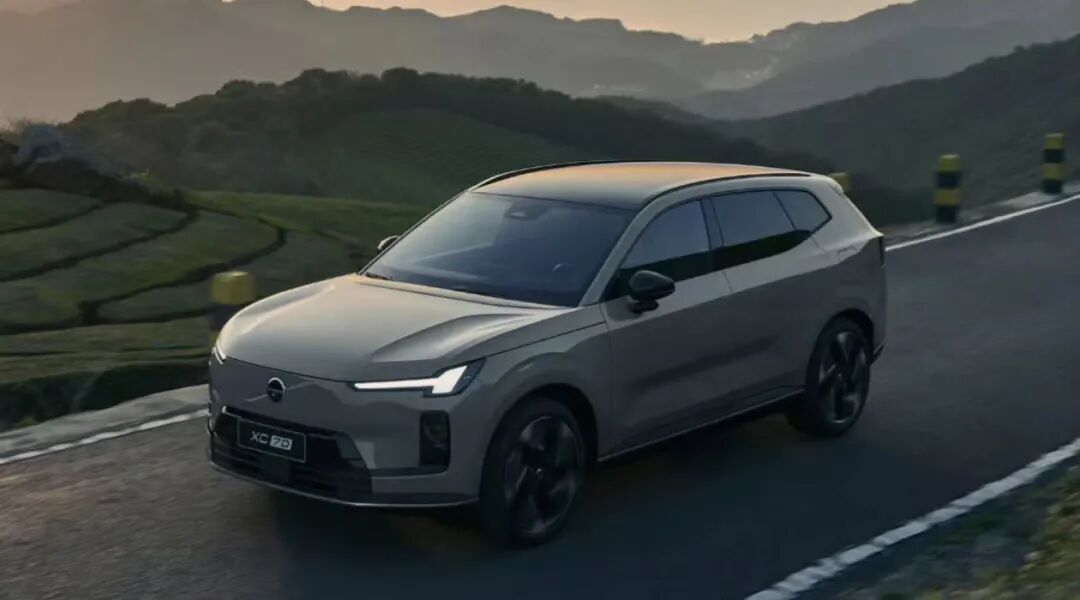
Volvo also cited some one-time factors that contributed to the third-quarter loss: a negative revaluation of SEK 1.1 billion in CAFE credits due to changes in U.S. regulations; unfavorable raw material price trends; and a negative impact of SEK 900 million from recognizing Polestar's second-quarter 2026 loss. Excluding these factors, its operating performance would have been significantly better.
Regarding future operations, in addition to cost-cutting measures such as layoffs, Volvo has planned its most extensive product offensive ever for the U.S. and Chinese markets. The plan includes launching 13 new models from now through the end of 2030, tailoring new vehicle lineups for the European, U.S., and Chinese markets, and advancing more localized production. (Six models will be targeted at the Chinese market, while the other seven will be for the European and U.S. markets.) In 2027, Volvo Cars will unveil three of these new models: one for Europe and two exclusive to China.
Volvo believes that its previous approach of developing global models is no longer suitable and instead aims to enhance profitability with the right regional products. The primary focus is on three major markets: Europe, the United States, and China. In Europe, Volvo has performed well. The EX60 has been a tremendous success, with over 50,000 orders in Europe, making it one of Volvo Cars' most profitable models. In 2027, Volvo Cars will launch its next global pure electric model, targeting a large, lower-priced segment in Europe, which is expected to improve profit margins.
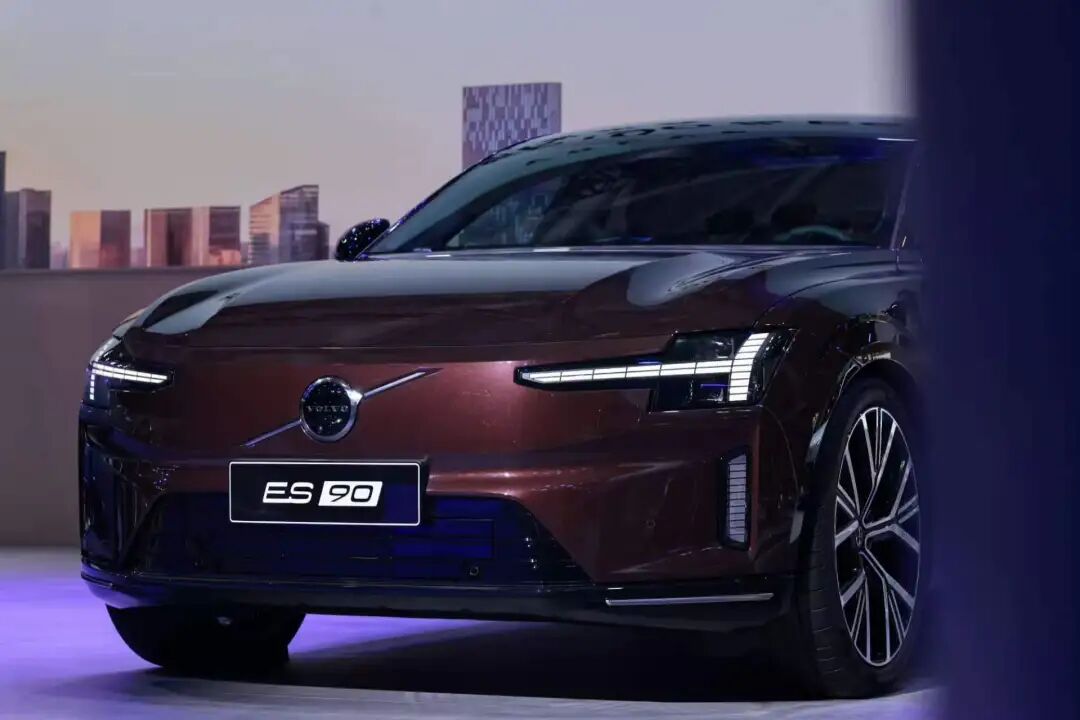
In the U.S. market, Volvo Cars has divided the entire market into four regions to enable faster decision-making and boost sales. From a product perspective, the initial offerings will be long-range plug-in hybrid versions of the XC90 and XC60. Subsequently, in the first quarter of 2027, the XC60 will be locally produced in the United States. By the end of the decade, Volvo will locally produce a second all-new model, offering multiple powertrain options.
In China, Volvo acknowledges that the next two years will remain challenging, so the company is implementing further cost-efficiency measures to navigate through the difficult period. For instance, the company will merge its two Shanghai offices and relocate its sales office to the local headquarters in Jiading. Volvo stated that by mid-2027, it will unveil and commence production of the first two of six China-customized models through closer cooperation with Geely. These models will be developed using Chinese technology stacks and the latest ADAS technology, making them highly competitive in the Chinese market.
Volvo executives pointed out that selling global models or European-developed vehicles in China is no longer a viable strategy. Undoubtedly, foreign brands in China are entering a new phase of transformation.
-
![]()
Another 2,500 Jobs Axed! Luxury Car Giant Volvo Slashes 5,000 Positions in a Year, Anticipates Challenging Two Years Ahead in China
-
![]()
Market Value Plummets by Over 100 Billion Yuan from Peak: What Ails Insta360?
-
![]()
Is the Audi A8 to Be Manufactured by Huawei? Traditional Automakers Face Hurdles in Transitioning to New Energy, Self-Sufficiency More Vital Than External Support
-
![]()
Kimi K3.1 Pro Model Unveiled: Featuring 3 Trillion-Level Parameters and Supporting a 1 Million-Token Context
-
In Q3 2026, Global Mobile Phone Sales Plummet by 70 Million Units, Valued at 300 Billion Yuan: Who's to Blame?
-
![]()
iPhone Duo Hits the Shelves! Shorter Lines, Steady Prices: A Luxury Gadget for Affluent Apple Aficionados?
-
AI’s Secret Struggle in the Double 11 Shopping Carts
-
![]()
How Well Are Apps Adapting to the iPhone Duo? Our Tests on 10 Car Apps Reveal Surprising Results