Why Doesn’t Mercedes-Benz Embrace the Trend of Range-Extended Models, a Favorite Among Domestic Automakers?
 10/26 2026
 535
At present, a growing number of automakers are venturing into the development of range-extended vehicles, with Mercedes-Benz being a notable exception. On October 21, a senior executive from Mercedes-Benz provided a relatively cautious assessment of range-extended technology. Christoph Starzynski, Vice President of Product Strategy and Planning at Mercedes-Benz, stated in an interview with international media that the brand does not foresee a promising future for range-extended vehicles and will not be introducing such models in the near future. From his perspective, Mercedes-Benz's existing plug-in hybrid electric vehicle (PHEV) offerings already adequately meet the travel needs of the vast majority of users. These models boast an electric-only range exceeding 100 kilometers, which is sufficient for daily commuting, and are equipped with an internal combustion engine for long-distance travel. This means that their core user base has no pressing demand for range-extended vehicles. In fact, Mercedes-Benz's skepticism is not without merit. In the current domestic market environment, the overall trend of the range-extended vehicle segment has indeed transitioned from the rapid growth phase of previous years. 
Previously, the explosive growth of range-extended vehicles was largely attributed to their significant alleviation of range anxiety for owners. In earlier years, battery electric vehicles (BEVs) typically had limited ranges and slow charging speeds, while the domestic charging infrastructure was underdeveloped. The "dual-fuel" capability of range-extended vehicles—utilizing electricity for daily commuting and gasoline for long-distance travel—addressed this pain point, swiftly gaining market favor upon their launch. Since 2024, traditional automakers, new energy startups, and joint ventures have all entered the range-extended vehicle segment, expanding the number of brands offering such models from six to over 20. 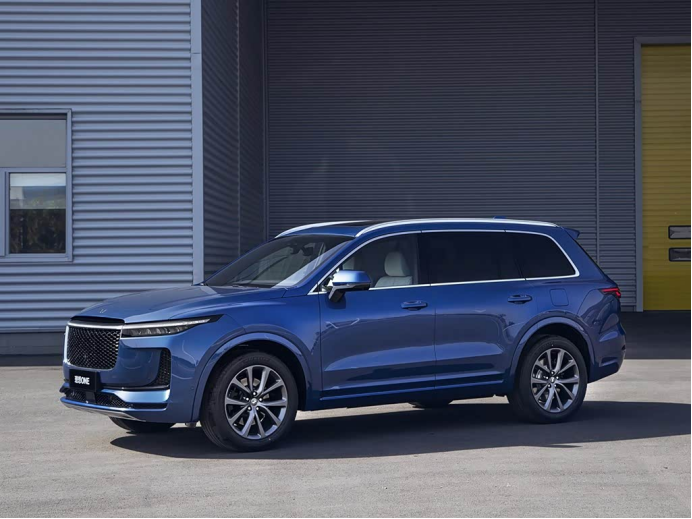
Data indicates that in 2020, annual sales of range-extended vehicles were just over 30,000 units. Starting in 2021, sales began to surge, reaching 104,800 units for the year, marking a year-on-year increase of 218%. In 2022, cumulative sales soared to 250,000 units, up 130% year-on-year. In 2023, cumulative sales hit 642,000 units, an 181% increase. By 2024, cumulative sales reached 1.167 million units, a 78.7% year-on-year rise.
By 2025, sales of range-extended vehicles are projected to reach 1.235 million units. In just five years, the segment has evolved from a nearly overlooked niche to a mainstream category with annual sales in the millions. However, the core advantages of range-extended vehicles are being rapidly eroded. With the continuous expansion of China's charging network and general improvements in BEV range—many mainstream BEVs now exceed 600 kilometers in CLTC range—range anxiety for daily commuting and short trips has significantly diminished. Meanwhile, PHEV technology is also advancing rapidly, with long-range PHEV models now serving as viable alternatives to range-extended vehicles. 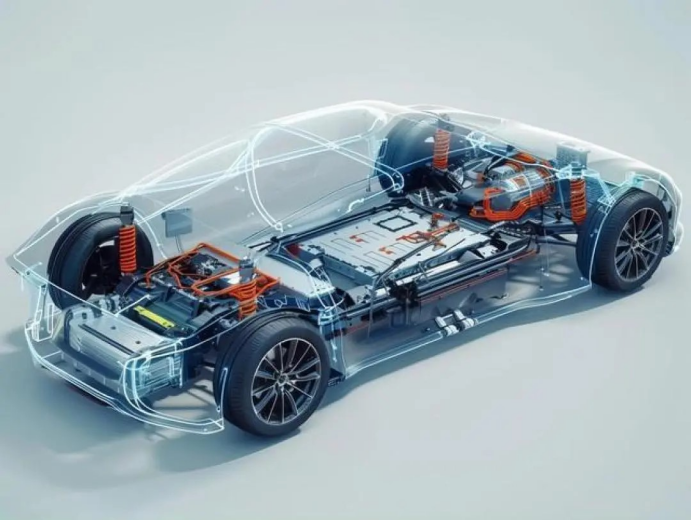
These changes are ultimately reflected in sales figures. Data shows that in July 2025, sales of range-extended vehicles declined by 11.4% year-on-year, while BEV sales increased by 24.5% over the same period. Cui Dongshu, Secretary-General of the China Passenger Car Association (CPCA), noted that in November 2025, retail sales of range-extended vehicles fell by 4.3% year-on-year. Among new energy startups, the ratio of BEVs to range-extended vehicles shifted from 57:43 in November 2024 to 73:27, indicating a clear consumer preference for BEVs.
Entering 2026, the sales decline of range-extended vehicles has become more pronounced. CPCA data shows that in September 2026, wholesale sales of BEVs reached 1.126 million units, up 18.3% year-on-year; sales of narrowly defined PHEVs reached 423,000 units, down 0.1% year-on-year. In contrast, sales of range-extended vehicles were just 117,000 units, a 4% year-on-year decline, accounting for only 7% of new energy vehicle (NEV) wholesale sales. This means that out of every 100 NEVs sold, only seven were range-extended models.
Once commanding a market share of 10.7%, range-extended vehicles have now experienced a significant downturn. Looking at terminal retail data for the first nine months of 2026, cumulative retail sales of BEVs were approximately 5.236 million units, down 4.8% year-on-year, while range-extended vehicles sold approximately 491,000 units, an 18.8% decline. In comparison, range-extended vehicles have the smallest market volume, with sales just one-tenth those of BEVs, highlighting the greater pressure they face. 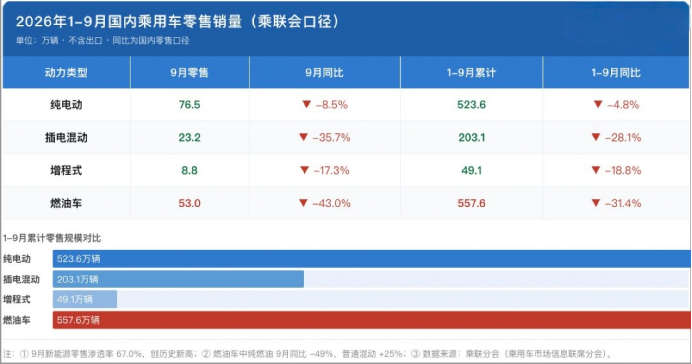
Despite the undeniable decline in market enthusiasm, range-extended vehicles still maintain a presence in the market, at least for now. On one hand, for users without convenient access to charging and those in cold regions such as Northeast and Northwest China, range-extended and PHEV models remain in demand. In low-temperature environments, BEV range significantly decreases, while range-extended vehicles, which rely on generators for power, are less affected by cold weather and can refuel for energy replenishment, making them more suitable for long-distance travel.
Automakers continue to invest in this segment and have achieved notable success. In September 2026, the Li Auto L6 sold 10,666 units, remaining a key player in the range-extended market. The Xiaomi Pengcheng, launched in September, generated significant buzz, with over 70,000 orders locked within 30 days and first-month deliveries exceeding 10,000 units. As a new entrant, Xiaomi's performance demonstrates that range-extended vehicles still hold appeal in specific markets. 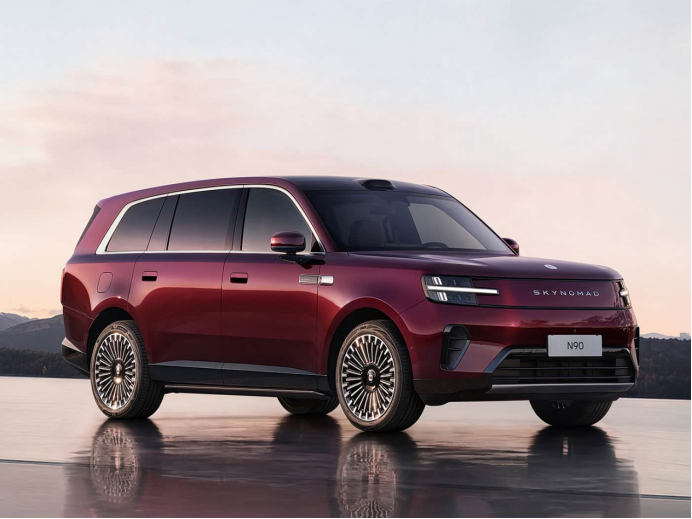
On the other hand, range-extended vehicles still possess significant growth potential in overseas markets. CPCA data shows that exports of range-extended vehicles have maintained rapid growth this year, with export volumes increasing by 345.8% year-on-year in March and 369.1% in May. From January to May, cumulative exports of range-extended vehicles reached 61,000 units, up 266.9% year-on-year. In many overseas regions with weak charging infrastructure, local users face similar energy replenishment challenges, making the "dual-fuel" capability of range-extended vehicles well-suited to these markets.
Overall, in the current NEV market, BEVs remain the absolute mainstream, but range-extended vehicles serve as an important complement, persistently meeting niche needs for home use, long-distance travel, and travel in remote areas. Today's range-extended vehicles are no longer the trending category that once swept the market by "eliminating range anxiety." Instead, they have steadily carved out their own niche amid the BEV wave, becoming a vital part of China's diversified new energy industry.
(Images sourced from the internet; removal upon infringement notice)
-
![]()
Massive Exchange Losses! Lens Technology’s Profits Plummet in First Three Quarters—Will the iPhone Duo Mark a New Turning Point?
-
![]()
2026 World Intelligent Connected Vehicles Conference: Transitioning from Spec Benchmarking to Safety Benchmarking, the Industry Steps into a New Era of Regulatory Oversight
-
![]()
Hundreds of Billions Fully Invested in AI, Yet No Returns in Sight
-
![]()
ByteDance's Automotive Ambitions Come to the Fore
-
![]()
$12.9 Billion: Nvidia Buys an 'Insurance Policy'
-
![]()
iPhone Duo: Is It a Thorn in Ternus's Side?
-
![]()
Why Does the Great Wall Gain More Recognition Abroad Than at Home?
-
![]()
Mercedes-Benz Refuses to Be a Bystander and Revolutionizes Itself