Is Audi Poaching Talent from Chery? Zhang Jun Set to Lead Audi China
 10/26 2026
 478
On October 22, Audi made a groundbreaking move in its nearly 40-year history in China: Zhang Jun is slated to take over as President of Audi China on November 1. This marks the first instance in the company's history where a Chinese executive has been entrusted with the top leadership role at Audi China. Faced with declining sales, halved profits, and sluggish electrification efforts, Audi has finally decided to play its last "localization" trump card.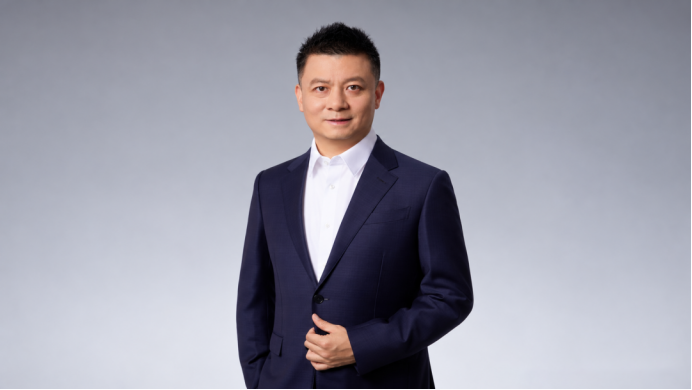
However, leadership changes are merely a means to an end, not the end goal itself. Whether Zhang Jun's appointment signifies a genuine strategic pivot for Audi in China or is just a symbolic, delayed attempt at damage control hinges on how much decision-making power the headquarters is willing to delegate. Zhang Jun's background appears almost perfectly suited for this role. He brings over two decades of international management experience, having worked with Japanese, American, European, and Chinese automotive brands.
At Nissan, he managed operations in the Japanese and North American markets; at Stellantis, he led Alfa Romeo and DS's China operations, gaining deep insights into the culture and strategies of luxury brands; and at Chery, as International Vice President and CEO of the Chery brand, he was at the forefront of Chery's European expansion, a key battleground in the global rise of Chinese brands.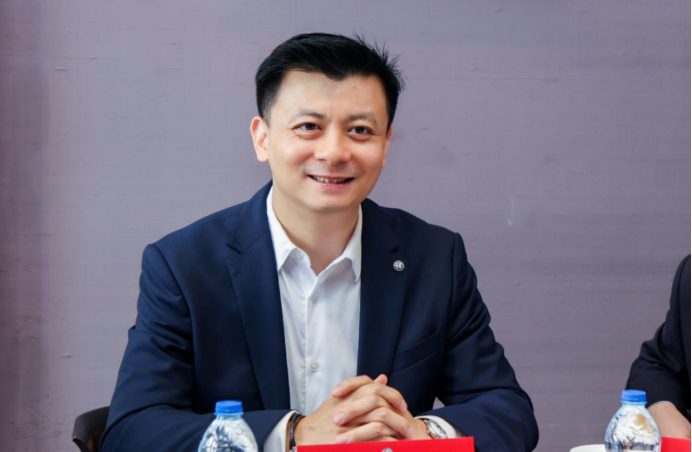
More significantly, Zhang Jun has prior experience with Audi. From 2018 to 2020, he held senior management positions within Audi's China operations, playing a key role in establishing the SAIC-Audi sales organization and being deeply involved in strategic projects with FAW-Audi. This means he is intimately familiar with Audi's complex dual-joint-venture structure in China and has a better understanding of the intricate interests and rivalries between FAW and SAIC than most German executives.
Gernot Döllner, CEO of Audi AG, aptly described Zhang as possessing both "international premium market experience and in-depth knowledge of the Chinese automotive market and its manufacturers." However, the context in which Audi has chosen to "make a bold move" by appointing a Chinese president is far more significant than Zhang's credentials alone. In the third quarter of 2026, Audi's sales in China stood at around 94,600 units, a 24.5% year-on-year decline. More concerning signs emerged in September, when retail sales of key models like the Audi A6L and Q5L all fell below 10,000 units, a rare occurrence in recent years. The profit collapse was even more severe: in the first half of 2026, profits from Audi's China operations plummeted from €279 million in the same period the previous year to just €73 million, a 74% drop.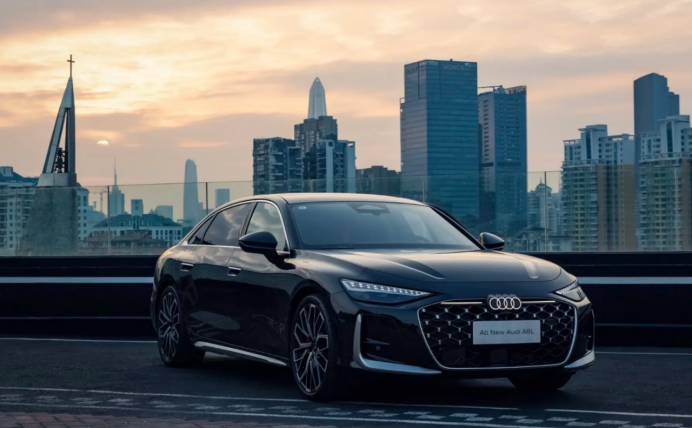
Meanwhile, Chinese competitors are no longer satisfied with merely "catching up." In the third quarter of 2026, NIO sold 111,600 vehicles in China, surpassing BMW, Mercedes-Benz, and Audi in a single quarter for the first time. Although NIO's figures include sales from the Lidao brand, this crossover is widely seen as a symbolic moment marking a power shift in the luxury car market. Despite offering terminal discounts of 23% to 28%, BBA's sales declined by 20% to 27%, with the starting price of the Audi A6L retreating from above 400,000 yuan to the 300,000-400,000 yuan range.
When the delicate balance between brand prestige and discount-driven sales is thoroughly disrupted, the foundation of Audi's survival in the Chinese market begins to crumble. It is against this backdrop that Zhang Jun's appointment shifted from a "consideration" to a "necessity." Audi's streamlined Management Board responded by adjusting its leadership, with Rolf Michels, former Managing Director of Audi Sport GmbH, appointed as Chief Operating Officer of Audi China, forming a dual-leadership structure with Zhang. This pairing of a "local president with a senior headquarters executive" clearly aims to accelerate decision-making by leveraging Zhang's market insights and local connections while ensuring strategic execution remains on track with Michels's headquarters experience.
Zhang Jun faces a clear yet formidable set of challenges. In the short term, he must halt the decline in core fuel vehicle sales, coordinate channel and product differentiation between FAW-Audi and SAIC-Audi to prevent internal friction from further weakening the already fragile dealer network. In the medium term, he must drive genuine volume growth for the AUDI brand through Audi's cooperation with SAIC, ensure the PPE platform models address deficiencies in intelligent cockpits and driving experiences, and reverse the user perception that "Audi's electric vehicles don't sell well."
In the long term, he needs to become a champion for the Chinese market at Audi AG's headquarters in Ingolstadt, securing greater upfront influence for the Chinese team in product definition, pricing strategies, and technological collaborations. However, an unavoidable reality remains: Zhang is an agent, not a decision-maker. The pace of PPE platform updates, the direction of global model planning, and the allocation of R&D budgets ultimately rest in the hands of Audi AG's Board of Directors. If the headquarters is unwilling to invest additional resources specifically for the Chinese market or cede autonomy in software-defined vehicles, what a local president can achieve within the established framework is ultimately limited to marketing optimizations and execution speedups.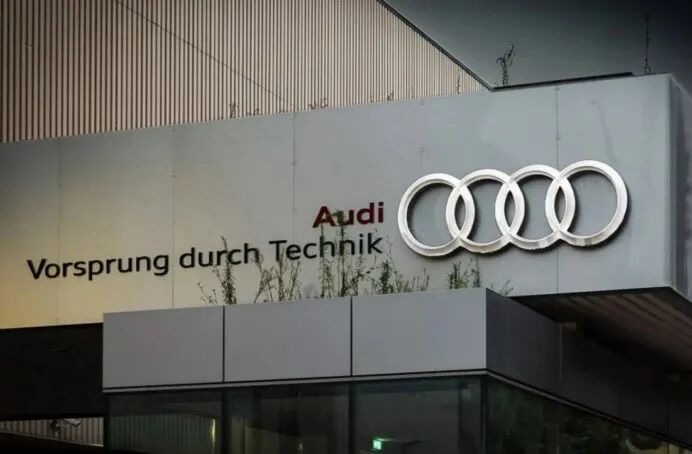
What Audi truly lacks in China is not a president with a Chinese face but a mechanism that empowers the Chinese team to make decisions at Chinese speed. Zhang Jun's arrival at least breaks the organizational inertia of "the China region head must be German" at a symbolic level, which is a positive step. However, whether symbols can translate into substance depends on how much Audi Global is willing to compromise and adapt for the Chinese market.
The window of opportunity for Audi is narrowing. The luxury car market's elimination round has entered its critical phase, with local new forces iterating on intelligence at a monthly pace, while traditional luxury brands often take years to pivot. Zhang Jun's appointment is a welcome boost, but its effectiveness depends on more than just him. Audi has given him a mandate, but the real test is for Ingolstadt.
(Image sourced from the internet. Removal upon infringement.)
-
![]()
Massive Exchange Losses! Lens Technology’s Profits Plummet in First Three Quarters—Will the iPhone Duo Mark a New Turning Point?
-
![]()
2026 World Intelligent Connected Vehicles Conference: Transitioning from Spec Benchmarking to Safety Benchmarking, the Industry Steps into a New Era of Regulatory Oversight
-
![]()
Hundreds of Billions Fully Invested in AI, Yet No Returns in Sight
-
![]()
ByteDance's Automotive Ambitions Come to the Fore
-
![]()
$12.9 Billion: Nvidia Buys an 'Insurance Policy'
-
![]()
iPhone Duo: Is It a Thorn in Ternus's Side?
-
![]()
Why Does the Great Wall Gain More Recognition Abroad Than at Home?
-
![]()
Mercedes-Benz Refuses to Be a Bystander and Revolutionizes Itself