Can Jetta M6, Priced for 'Friendship', Secure Market Favor?
 10/26 2026
 358
On October 22nd, Jetta unveiled its inaugural pure electric vehicle, the Jetta M6, with an official price range spanning from 79,800 to 99,800 yuan. The initial price is set 1,000 yuan lower than the pre-sale price, dipping below the 80,000 yuan threshold, thus upholding the brand's hallmark of exceptional value for money. This pricing strategy, coupled with the manufacturing prowess of the FAW-Volkswagen system, has propelled the M6 into the spotlight, attracting significant market attention both before and after its launch. 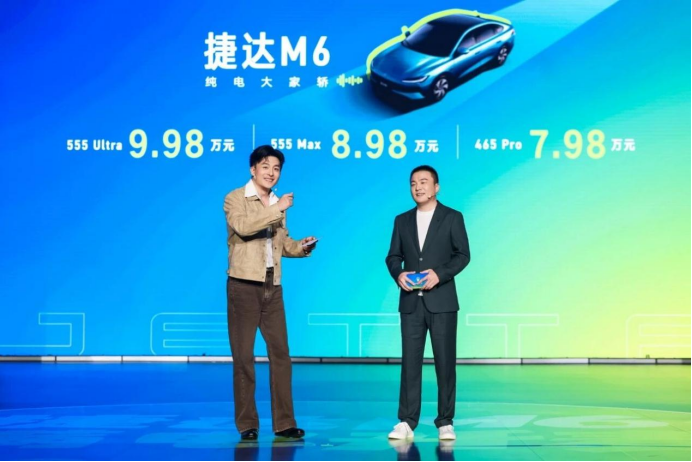
Delving deeper into its space and configuration, the Jetta M6's competitive stance is finely tuned, showcasing both strengths and weaknesses. In terms of dimensions, when pitted against mid-size pure electric sedans in its class, the M6's competitiveness is not immediately apparent. It measures 4806mm in length, 1868mm in width, and 1500mm in height, with a wheelbase of 2820mm. In contrast, the ARCFOX Alpha S3 flaunts a length of 4916mm and a wheelbase of 2876mm, while the Geely Galaxy A7 EM stretches to 4918mm in length with a wheelbase of 2845mm, both surpassing the M6 in size. 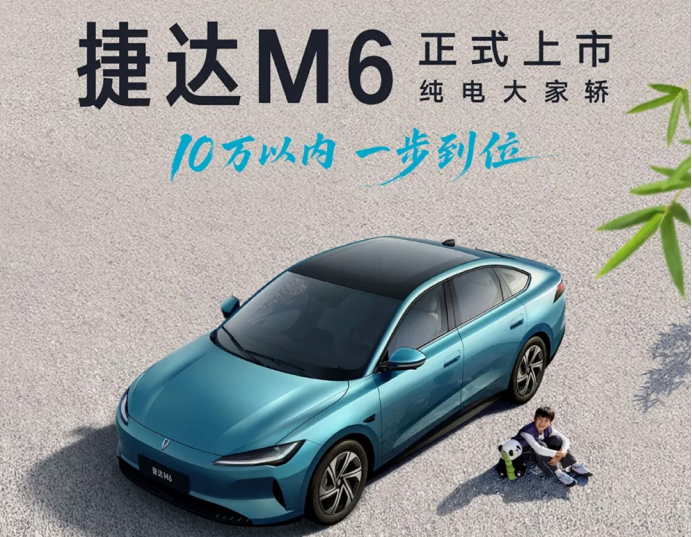
When it comes to features, the Jetta M6 stands out by offering a heat pump air conditioner as standard across all trims, a rarity in this price bracket. Most vehicles in the same range still rely on PTC heating solutions, which lead to significantly higher energy loss in cold winter conditions. In terms of basic assisted driving, all three variants of the new car come equipped with parking assistance, ACC, and AEB. The entry-level model, priced at 79,800 yuan, even includes active safety features, demonstrating a genuine commitment to customer safety. However, it's noteworthy that urban NOA is exclusive to the top-tier trim priced at 99,800 yuan, whereas the BYD Seagull Intelligent Driving Edition offers it for 90,900 yuan, and the Leapmotor A10 505 LiDAR Edition brings urban NOA within reach at around 80,000 yuan. In terms of incentives and policies, the Jetta M6 introduces a 'Five Lifetime, One Guarantee' scheme, encompassing a lifetime warranty for the three-electric system, coverage for automatic parking losses, free vehicle check-ups, warranty for original factory parts, and compensation for self-ignition caused by three-electric quality issues. 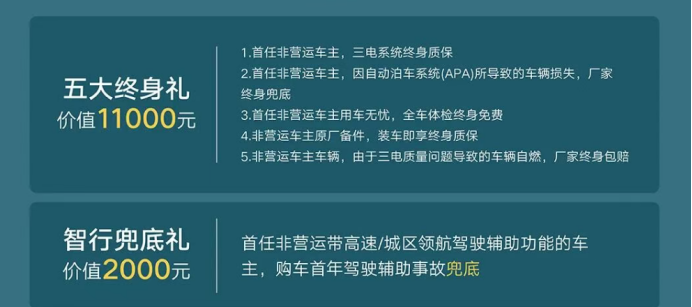
The price, space, basic safety configuration, and lifetime benefits constitute the core allure of the Jetta M6. Nevertheless, in the fiercely competitive 100,000-yuan-level pure electric family sedan market, whether this new entrant can swiftly carve out a niche for the Jetta brand warrants careful consideration. Firstly, for pure electric vehicles, the quality of the power battery is paramount for long-term vehicle stability. The Jetta M6 comes equipped with CALB power batteries across all trims. Although CALB is a renowned domestic battery manufacturer, it was previously embroiled in a high-profile battery quality controversy. Despite the manufacturer's subsequent response and remediation plan, the incident has cast a shadow over the market. Many potential buyers are concerned that the battery in the Jetta M6 may encounter similar issues after prolonged high-mileage use, a major deterrent for many. 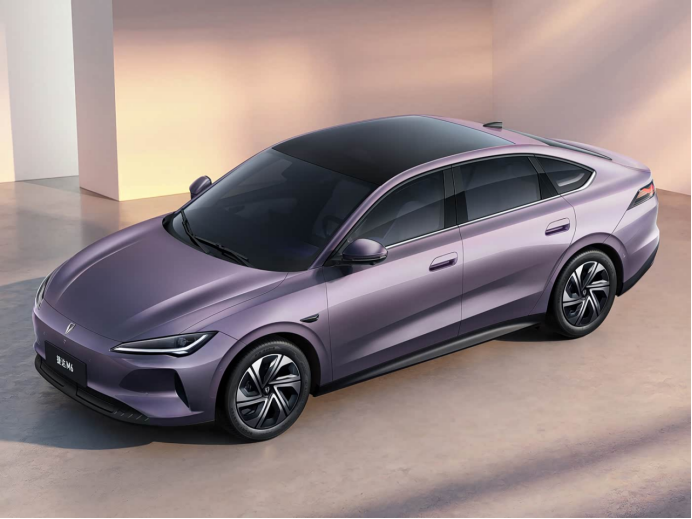
Secondly, there is skepticism among users regarding the authenticity of the vehicle's range. The Jetta M6 offers two battery variants: 42.9kWh and 51.9kWh, with official energy consumption per 100 kilometers listed as 10.5kWh and 10.7kWh, respectively, translating to CLTC ranges of 465km and 555km. A comparative analysis with peer models reveals discrepancies. The entry-level BYD Qin PLUS EV boasts a 48kWh battery capacity but only lists a CLTC range of 420km. The Seal 06 EV's 530km version has a 52.868kWh battery capacity and the same energy consumption per 100 kilometers of 10.7kWh, yet its CLTC range is only 530km despite the larger battery. In real-world usage, the range is influenced by multiple factors such as temperature, air conditioning usage, high-speed driving, and driving habits, potentially leading to a reduction in range. 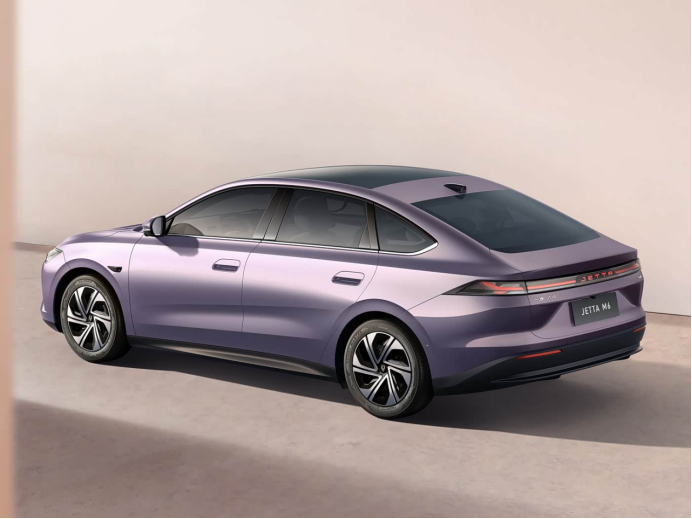
If the actual range of the Jetta M6 deviates significantly from the advertised value, the usable driving range will be substantially reduced, necessitating the reservation of 10%-20% of the battery to locate charging stations. This has prompted some potential buyers to question the veracity of its range claims. Beyond the product itself, the Jetta M6 faces another hurdle: limited brand awareness and weak brand recognition.
Historically, Jetta cars earned the moniker 'national god car' for their reliability, durability, and exceptional cost-effectiveness, alongside the Santana and Fukang as the 'Old Three' of the 1990s automotive landscape. However, after Jetta shed the Volkswagen logo, its brand recognition suffered a significant blow. According to public data, Jetta cars achieved total sales of over 320,000 units in China in 2018, marking a year-on-year increase of 1% and becoming the annual sales champion of the Volkswagen brand. In 2019, Jetta officially transitioned from a single model to a brand, fully operated by FAW-Volkswagen, focusing on the Chinese market, sharing Volkswagen's core technologies, and targeting the young, cost-effective entry-level market. 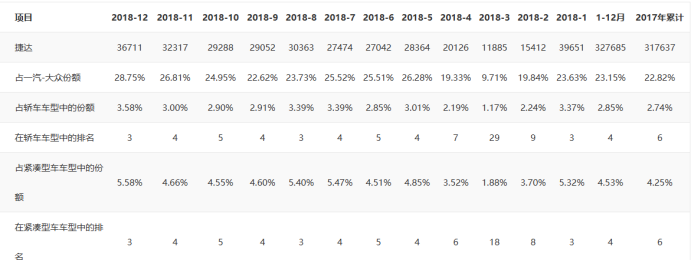
Since becoming an independent brand, however, Jetta's car sales have never reached the heights of 2018. Data indicates that from 2020 to 2025, Jetta's car sales were 155,000, 169,000, 146,900, 162,000, 120,000, and 118,000 units, respectively. This year, Jetta's brand monthly sales have peaked at just over 9,000 units, with September sales dropping to 7,000 units.
Among its lineup, the Jetta VS5, the family's sales leader, sold only 3,361 units in September this year, while most other models sold merely a thousand or even a few hundred units per month, indicating lackluster market enthusiasm. To emphasize its pure electric lineup positioning, the Jetta M6 adopts a new energy-exclusive vehicle logo, further diminishing brand recognition. Passersby may not immediately recognize it as a Jetta at first glance. Weak brand awareness is not something that can be swiftly rectified by a single vehicle in the new energy market, which heavily relies on accumulated recognition. 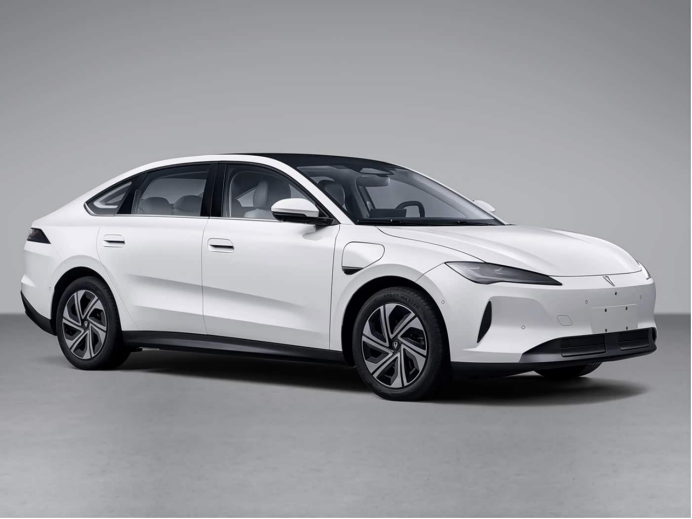
Overall, the Jetta M6 leverages its starting price of 79,800 yuan, considerable interior space, comprehensive basic safety configuration, and generous lifetime after-sales benefits to carve out a differentiated competitive edge in the sub-100,000-yuan mid-size pure electric sedan market. However, challenges such as urban NOA being restricted to the top-tier trim, doubts about battery brand reliability, the need to verify the authenticity of its range, and insufficient brand recognition are all testing consumers' willingness to embrace it. The 100,000-yuan-level pure electric family sedan market is replete with cost-effective options; what is truly scarce are models that can instill confidence in family users for long-term use. The Jetta M6 represents the brand's maiden voyage into the pure electric segment and a significant attempt. Whether it can truly win over family users and propel the brand's new energy sales hinges on real-world range verification, the long-term performance of the battery, and the accumulation of subsequent market reputation.
(Images sourced from the internet, removed if infringing)
-
![]()
Massive Exchange Losses! Lens Technology’s Profits Plummet in First Three Quarters—Will the iPhone Duo Mark a New Turning Point?
-
![]()
2026 World Intelligent Connected Vehicles Conference: Transitioning from Spec Benchmarking to Safety Benchmarking, the Industry Steps into a New Era of Regulatory Oversight
-
![]()
Hundreds of Billions Fully Invested in AI, Yet No Returns in Sight
-
![]()
ByteDance's Automotive Ambitions Come to the Fore
-
![]()
$12.9 Billion: Nvidia Buys an 'Insurance Policy'
-
![]()
iPhone Duo: Is It a Thorn in Ternus's Side?
-
![]()
Why Does the Great Wall Gain More Recognition Abroad Than at Home?
-
![]()
Mercedes-Benz Refuses to Be a Bystander and Revolutionizes Itself