A Rare Sight! Will the Domestic Audi A8 Utilize Huawei's Platform?
 10/26 2026
 468
Recently, Manager Magazin in Germany reported that Audi is in discussions with Huawei to collaboratively develop a new generation of the Chinese-market Audi A8. Unlike previous collaborations, the new vehicle's R&D will fully integrate Huawei's technological platform. In the future, both parties also intend to launch several models based on Huawei's architecture, including a high-end SUV. According to multiple informed sources, Gernot Döllner, Audi's global CEO, aims to revitalize the Changchun factory through this partnership with Huawei.
The new generation of the Chinese-market Audi A8 is slated for production at the Audi-FAW PPE factory in Changchun, rather than being imported from Germany. The first batch of models is anticipated to roll off the production line by the end of 2028. In fact, Audi and Huawei have a history of collaboration. Previously, their cooperation primarily focused on intelligent driving technologies, with models such as the Audi A5L and Q5L already equipped with Huawei's ADS (Advanced Driving System). This time, Audi will fully adopt Huawei's technological platform, elevating their cooperation to a new level. 
Audi is not the only overseas luxury brand seeking deep cooperation with Huawei. In September this year, Maserati was also reported to be collaborating with Huawei and JAC Motors to develop high-end electric vehicles. Subsequently, JAC Motors confirmed that the three parties indeed had cooperation intentions, though specific plans were still pending finalization. From Maserati to Audi, these well-established luxury car brands, once celebrated for their technological and brand superiority, are now seeking deep cooperation with Huawei. The reasons behind this shift are not difficult to comprehend.
In recent years, Chinese automobiles have made rapid strides in new energy and intelligence, particularly gaining advantages in intelligent driving and cockpits. Data from the China Passenger Car Association reveals that the penetration rate of new energy passenger vehicles in China reached 67% in September. Intelligence is also rapidly gaining ground, with the penetration rate of L2-level assisted driving reaching 70.5% and NOA (Navigate on Autopilot) reaching 34.2% this year. As new energy vehicles become more prevalent and intelligent configurations more commonplace, Chinese automakers and local tech companies have emerged as prominent players in terms of technological advantages. 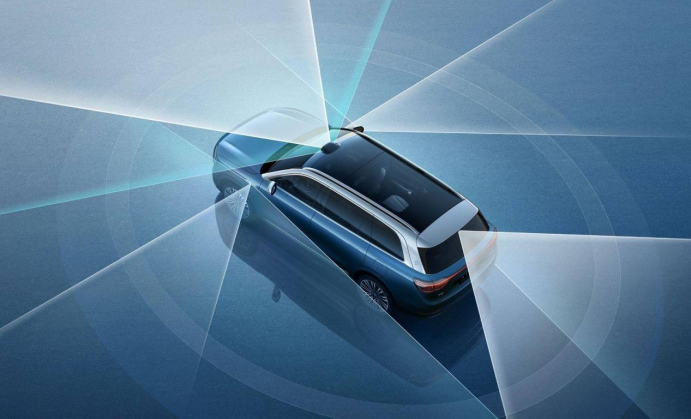
Huawei exemplifies this trend. With its accumulated expertise in intelligent driving, cockpits, and platform technologies, Huawei has become an indispensable option for many automakers. For traditional luxury brands eager to keep pace with electrification and intelligence trends, leveraging mature Chinese technologies is undoubtedly a quicker route. More importantly, the market performance of AITO and MAEXTRO has showcased Huawei's capability in participating in the creation of high-end luxury vehicles.
From January to September, AITO sold a cumulative total of 425,000 vehicles, with an average transaction price of 386,000 yuan per vehicle, entering the core price range of traditional luxury brands. MAEXTRO sold a cumulative total of 10,882 vehicles in the same period, also securing a foothold in the ultra-luxury market. Nowadays, traditional luxury automakers can no longer rely solely on brand and performance; intelligence must also keep pace. In the past, Chinese automakers learned from overseas brands, but now overseas luxury brands are seeking Chinese technical support in return. The market trend has clearly shifted. 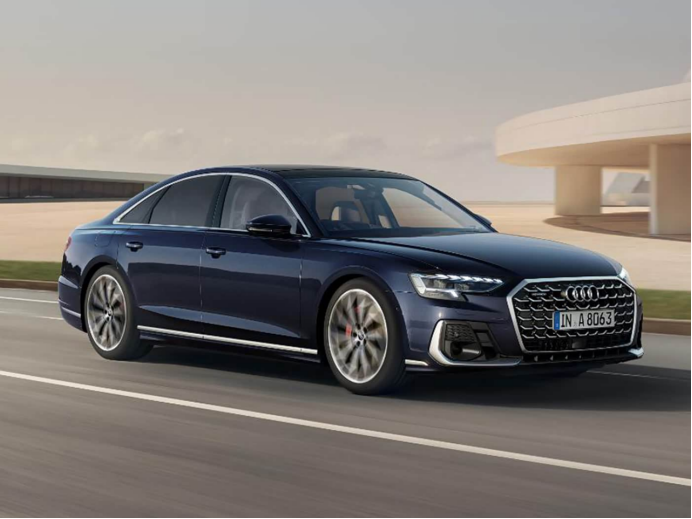
For Audi, deepening cooperation with Huawei also stems from more practical considerations. In the first half of this year, Audi delivered 233,000 vehicles in China, a year-on-year decline of 19.3%. In the third quarter, deliveries were approximately 94,600 vehicles, down 24.5% year-on-year. The fuel vehicle market is under continuous pressure, and pure electric models have failed to bolster sales. From January to September, cumulative sales of the Q4 e-tron were only about 2,529 vehicles, and the A6L e-tron sold only 883 vehicles.
With stagnant growth in fuel vehicles and electric models failing to step up, Audi's situation in China is not promising. Against this backdrop, Audi's decision to deepen cooperation with Huawei is clearly not just to address its intelligence shortcomings. Nowadays, domestic consumers are increasingly fond of experiences like intelligent driving and smart cockpits, which happen to be the strengths of Chinese automakers and areas where Audi needs to catch up. 
Compared to starting from scratch, leveraging Huawei's mature technology platform can not only accelerate new vehicle development but also make products more attuned to Chinese consumers' preferences. The plan to produce the new generation of the Audi A8 in Changchun also underscores Audi's attempt to further align with the Chinese market. From adopting Chinese technology to manufacturing in China, Audi hopes to expedite product updates and buy time to reverse its sales decline.
It is worth noting that the new generation of the Audi A8 plans to adopt different development routes for the Chinese and overseas versions. According to reports, the overseas version plans to use the Porsche MSB platform, while the Chinese version will use Huawei's architecture, indicating that Audi is preparing to develop models specifically tailored for the Chinese market. As for why the flagship Audi A8 was chosen as the first model for this trial, it may be to minimize risk. After all, compared to mainstay models like the A6L and Q5L, the A8 has a relatively small sales volume. If the cooperation does not meet expectations, it will not significantly impact Audi's overall sales. 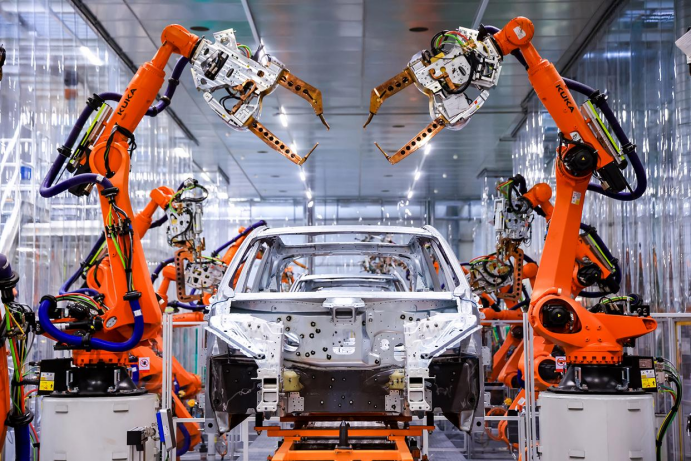
That said, implementing this cooperation will not be without challenges. According to foreign media reports, the Changchun factory requires renovations, and combined with new vehicle R&D, additional investments may exceed 1 billion euros. Furthermore, there are internal divisions within Audi, so whether the two sides can smoothly advance the cooperation remains uncertain.
Overall, the fact that overseas established luxury automakers like Maserati and Audi are seeking deep cooperation with Huawei reflects the rising strength of China's automotive industry in intelligence and electrification, as well as a shift in traditional luxury brands' attitudes toward China's automotive industry. However, for Audi, even if it successfully partners with Huawei, it is only the first step. Whether Huawei's technological advantages can be translated into the competitiveness of new vehicles and help Audi overcome its sales slump ultimately depends on consumer acceptance.
(Image sourced from the internet. Removal upon infringement.)
-
![]()
Massive Exchange Losses! Lens Technology’s Profits Plummet in First Three Quarters—Will the iPhone Duo Mark a New Turning Point?
-
![]()
2026 World Intelligent Connected Vehicles Conference: Transitioning from Spec Benchmarking to Safety Benchmarking, the Industry Steps into a New Era of Regulatory Oversight
-
![]()
Hundreds of Billions Fully Invested in AI, Yet No Returns in Sight
-
![]()
ByteDance's Automotive Ambitions Come to the Fore
-
![]()
$12.9 Billion: Nvidia Buys an 'Insurance Policy'
-
![]()
iPhone Duo: Is It a Thorn in Ternus's Side?
-
![]()
Why Does the Great Wall Gain More Recognition Abroad Than at Home?
-
![]()
Mercedes-Benz Refuses to Be a Bystander and Revolutionizes Itself