Audi’s Strategic Split: SAIC-Audi’s Two-Year Plan Leads to Gasoline Vehicle Sales Until 2027 End | Mirror Pro
 10/27 2026
 436
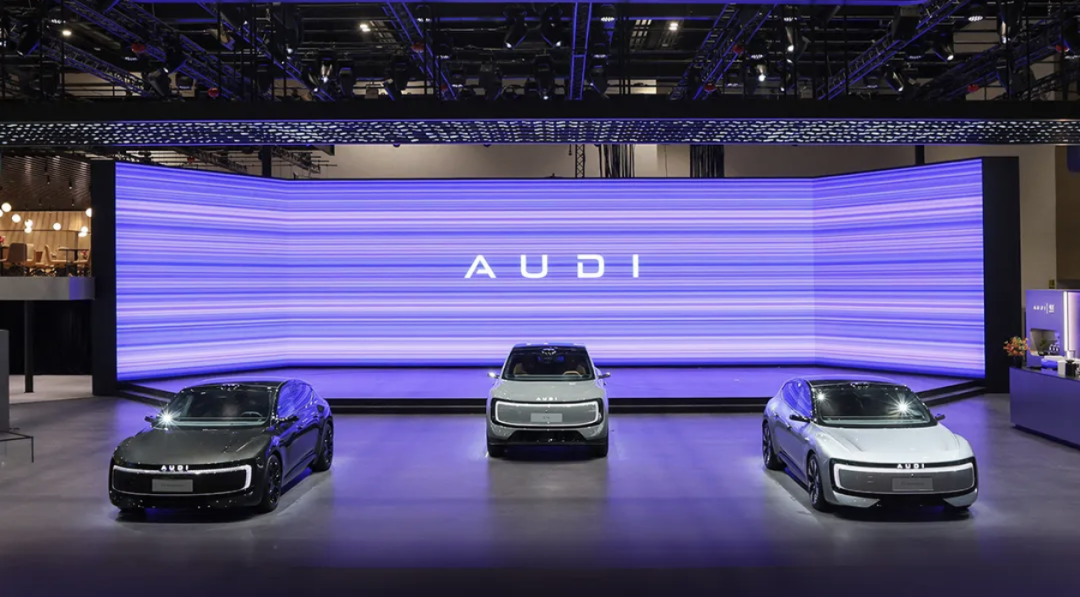
Audi’s ‘split’ has reached its final stage.
On October 26, Audi China, SAIC-Audi, and FAW-Audi issued a joint statement. According to the statement, SAIC-Audi will transfer its four-ring models and related assets to FAW-Audi, focusing instead on developing AUDI-branded electric vehicles (EVs). Meanwhile, FAW-Audi will fully manage the four-ring brand. This adjustment aligns with the ‘split plan’ previously reported exclusively by Mirror Pro (Audi’s Potential Third Strategic Adjustment in China: Gasoline Vehicles Return to FAW-Audi, SAIC-Audi Focuses on AUDI | Mirror Pro). The difference is that the ‘split’ was initially planned to be announced in late June but was delayed for several months due to disagreements during negotiations between the two entities and the need for cautious handling of the approval process involving central enterprises at FAW-Audi.
The joint announcement from the three parties leaves many details undisclosed, particularly regarding specific strategies for post-integration channels, branding, and strategic planning. According to the announcement, a transition period has been set for the transfer of SAIC-Audi’s four-ring gasoline vehicles. As planned, SAIC-Audi dealers can continue selling four-ring gasoline vehicles until the end of 2027, helping maintain channel stability and avoid inventory transfers.
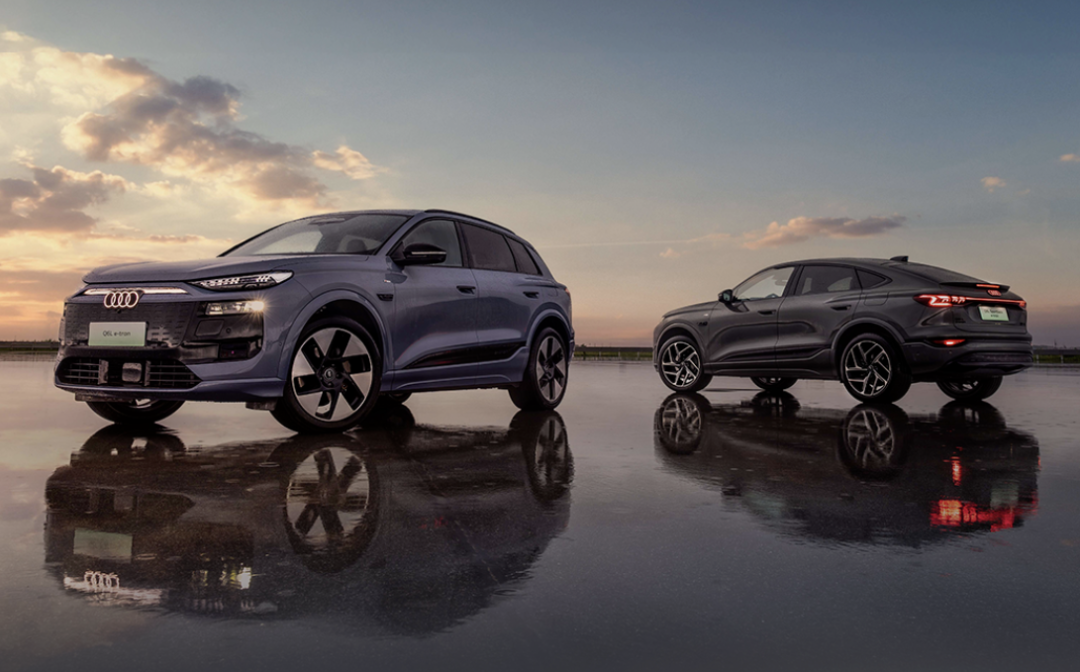
Currently, SAIC-Audi offers three four-ring gasoline models: the A7L, Q6, and A5L sportback. Among them, the A5L sportback will be integrated into FAW-Audi’s sales channels, complementing its lineup. This resolves previous brand fragmentation caused by the ‘dual sales’ of the same model. Previously, Audi Germany’s brief implementation of a new naming convention led to highly fragmented product positioning for the A5 in China. After this merger, the issue is resolved, aiding Audi’s market resurgence.
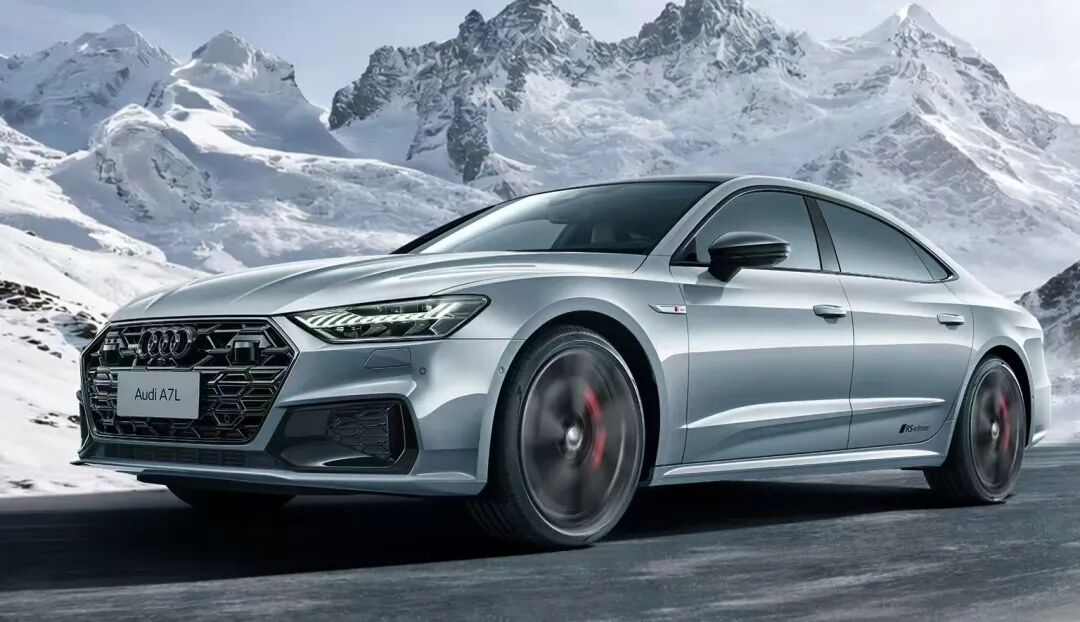
The fate of the other two models has not yet been officially disclosed. However, given their relatively low sales volumes, the A7L and Q6 may be discontinued. Beyond product issues, the long-standing brand fragmentation is also resolved, allowing the four-ring brand to develop under a unified image. Meanwhile, SAIC-Audi, abandoning its dual-brand strategy, can focus on advancing the AUDI brand, avoiding resource dispersion, and fully enhancing product competitiveness to achieve breakthroughs in niche markets. For Audi Germany, this is also the most strategic choice.
This move resolves long-standing internal conflicts between the two entities, ensuring market stability and brand integrity for Audi’s four-ring brand. Particularly in a declining market, a dual-brand strategy has become ‘unfeasible.’ Through this strategic adjustment, Audi establishes a new framework in China, fundamentally restructuring and strengthening its business model. Audi can now participate in the dynamic EV market while maintaining a strong position in the gasoline vehicle segment.
With this realignment, Audi’s landscape in China enters a new phase of opportunity.
01 After SAIC-Audi Goes All-In: Channel Transformation Underway
While the strategic adjustment between the two entities may seem unexpected externally, the seeds of ‘separation’ were sown long ago. Mirror Pro exclusively learned that after the signing of the AUDI joint venture agreement between Chinese and German shareholders, SAIC-Audi had already considered going all-in on electrification. This determination was further solidified as electrification penetration rates continued to rise in the market. In September, EVs accounted for 67% of total vehicle sales, reaching a new monthly high. Since its launch 100 days ago, the Audi E7X has surpassed 10,000 units in sales, setting a new record for luxury pure EVs and maintaining strong market momentum, with continued strong performance in September. In the JLRC New Energy Value-for-Money Index, the Audi E7X consistently ranks among the top three 300,000-yuan-class SUVs, becoming the preferred choice for luxury buyers. However, even more significant changes have occurred at the brand level and in consumer perception.
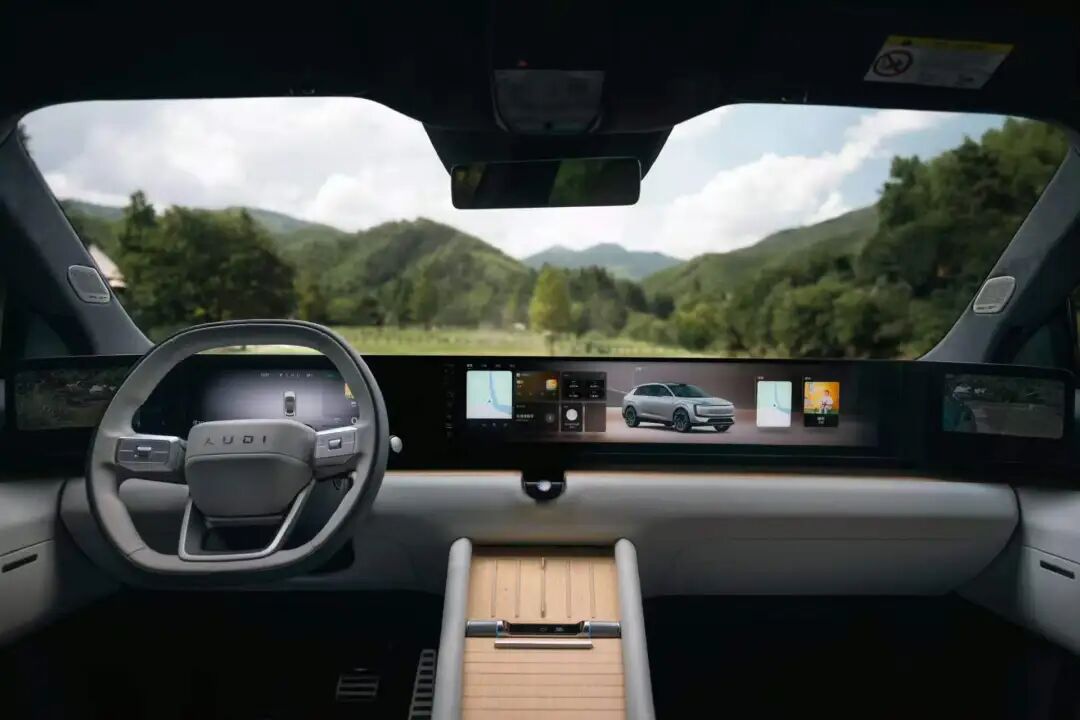
In its two years of existence, AUDI has established a new image in the market as an ‘innovative and intelligent’ electrified Audi, with consumer acceptance exceeding expectations. Consequently, the initial ‘Logo’ controversy has largely subsided. Additionally, the launch of the E5 has transformed Audi’s competitive landscape in the EV market. For instance, when the E7X was launched, consumers compared it to the Xiaomi YU7. In the months following its launch, Xie Shiqi noted that in addition to the Xiaomi YU7, popular models such as the Pengcheng, Li Auto i6, NIO ES8, and Seres M6/M7/M8 are frequently compared to the Audi E7X.
From SAIC-Audi’s perspective, this demonstrates that ‘Audi is continuously evolving, and AUDI represents another form of Audi’s evolution,’ with this brand impression taking root among consumers.
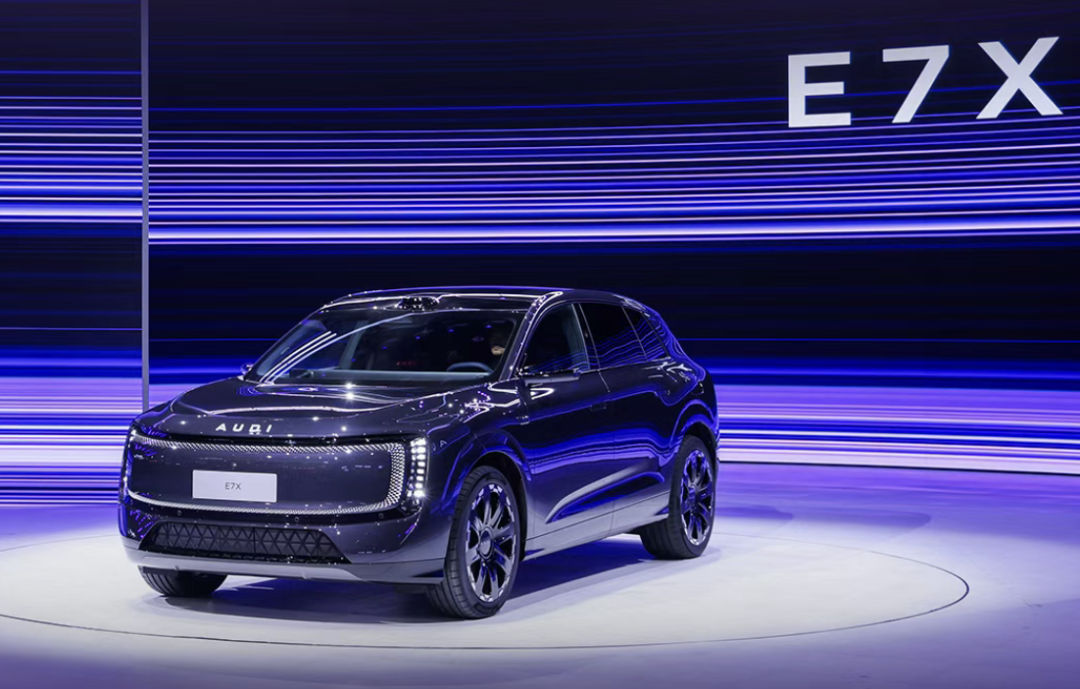
‘During the E5’s launch, there was some buzz, but now that the E7X is out, dealers say no one cares much about the four-ring logo anymore. Some customers even say they prefer the four-letter logo for this car—if it had the four-ring logo, they would question its intelligence and electrification capabilities,’ Xie Shiqi, Deputy General Manager of SAIC-Audi’s Marketing Division, stated in an exclusive interview with Mirror Pro at the 2024 Chengdu Auto Show on August 21.
Another critical aspect is the channel strategy. On the same day as the announcement, SAIC-Audi sent an internal letter to dealers, addressing the subsequent arrangements for four-ring stores. In addition to continuing to sell remaining four-ring gasoline vehicles, future after-sales services for these products will remain at the respective SAIC-Audi stores—even after they transition to AUDI stores. Furthermore, SAIC will provide corresponding support to dealers, though specific subsidy policies and other details remain unclear.
02 Audi’s New Framework in China: Ending a Decade of Internal Conflict
China is Audi’s largest market and its core profit driver. As such, Audi has been contemplating how to maintain competitiveness in the Chinese market.
In 2017, Audi followed Volkswagen’s example and proposed a dual-joint-venture strategy in China. At the time, FAW-Audi held core resources, including key domestically produced and imported models and channels. In Audi’s initial vision, differentiated development was pursued: SAIC-Audi would target the higher-end and more personalized market segments, elevating Audi’s brand stature in China. Several restrictions were placed on SAIC-Audi:
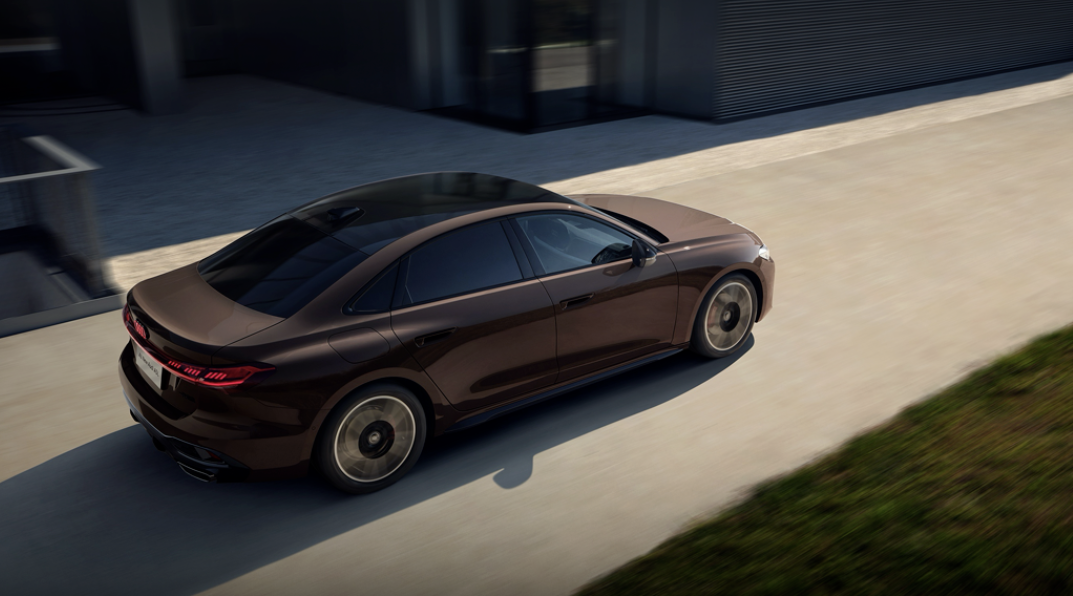
For example, its products needed to ‘complement’ those of FAW-Audi. As a result, the A7L was chosen as its first domestically produced model, followed by the Q6 SUV developed specifically for the Chinese market. Secondly, pricing needed to align with BMW and Mercedes-Benz. Finally, due to strong opposition from FAW-Audi’s existing dealers, SAIC-Audi’s core dealers were selected from FAW-Audi investors. Under these three basic requirements, the three parties also agreed to launch the SAIC-Audi project only after FAW-Audi achieved annual sales of 1 million units. However, this initial setup was not fully adhered to. SAIC-Audi was established in 2018 and quickly began domestic production. However, due to its initial niche product lineup, it struggled to effectively penetrate the market.
In 2024, Audi Germany again changed its strategy, assigning the successor to the core FAW-Audi model, the A4—the A5—to both joint ventures, completely breaking the initial framework. An Audi executive at the German headquarters told Mirror Pro that subsequent plans include producing models like the A6 at SAIC-Audi as well. Meanwhile, with the establishment of the AUDI brand, SAIC-Audi abandoned its original plans to introduce the e-tron EV starting in 2024.
During this phase, rumors even surfaced about a potential merger between the two entities—in fact, Audi was planning to integrate their sales companies under unified management led by Audi China, with the headquarters set in Hangzhou.
However, this plan changed again due to leadership shifts at Audi Germany and adjustments to its product strategy. The catalyst for this change was the creation of the AUDI new energy brand by SAIC and Audi within SAIC-Audi, which provided the joint venture with a new direction. In April 2026, during Audi Germany’s financial results media briefing, the Audi Global CEO responded to inquiries about a potential merger between the two entities.
He stated: ‘Audi’s two partners in China have established clear divisions of labor. Our current priority with SAIC Motor is advancing the development of the letter-logo Audi (AUDI brand). Our collaboration with FAW Group focuses on product planning for the four-ring brand, launching pure EVs based on the PPE platform and expanding the gasoline vehicle lineup through the PPC platform.’ These responses essentially clarify the latest positioning of the two entities in China.
Thus, Audi has established a new dual-joint-venture, dual-brand framework in China. Interestingly, recently, GAC Group ended the dual-joint-venture setup for Toyota in China by acquiring a portion of FAW-Toyota’s equity, suggesting that such dual-joint-venture structures may disappear from the Chinese auto market in the future, marking an unprecedented adjustment in China’s automotive landscape.
03
New Roles and Challenges for Both Entities
Following this adjustment, the roles of SAIC-Audi and FAW-Audi will be redefined.
SAIC-Audi’s letter-logo AUDI brand will target younger, tech-savvy, pure-EV, and digital-centric consumers, with the core goal of capturing the new energy vehicle market and becoming Audi’s ‘vanguard’ in electric and intelligent mobility. The entire AUDI brand team operates in a lean and agile manner, with independent operations, a lightweight organizational structure, and efficient collaboration with Audi Germany to jointly develop new products. Through this deep collaboration, R&D cycles have been shortened by 30%, enabling ‘magic against magic’ in the Chinese market.
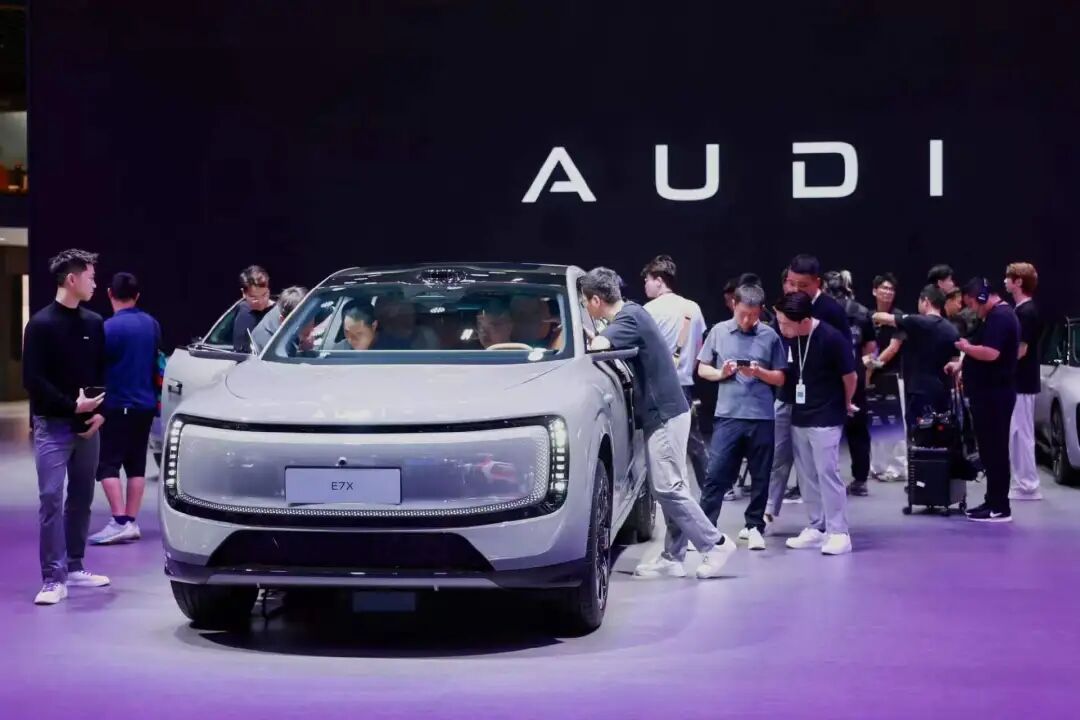
This addresses the competitiveness issues faced by multinational automakers in China due to slow decision-making and R&D processes. Moreover, Volkswagen Germany has even grander ambitions for the AUDI brand. AUDI is not merely a regional experiment in Audi’s strategic portfolio. It represents a structural breakthrough experiment driven by fourfold pressures: Audi’s position in the Chinese market, electrification transformation, global competition, and joint-venture dynamics.
A symbolic gesture is that at Audi’s headquarters in Ingolstadt, the AUDI E5, launched by SAIC-Audi, is displayed alongside the Audi F1 race car and the Concept C as one of Audi’s three iconic models. The significance of the Audi F1 race car and Concept C needs no explanation, and the AUDI E5’s inclusion underscores its importance.
From a developmental perspective, both parties are undoubtedly doubling down on AUDI. In March, discussions for the second wave of new AUDI models entered an advanced stage, with plans to rapidly expand the product matrix. The two sides are now planning the next round of collaborative models, potentially including hybrid variants. On April 17, Audi officially announced the establishment of the Audi Innovation Technology Center in Shanghai, Audi’s first full-value-chain localized R&D entity in China. The center is accelerating its setup, with registration completed on September 3 and a formal opening scheduled for the fourth quarter.
As Audi’s first full-value-chain R&D entity outside Europe, the center prioritizes software-defined vehicles (SDV) and AI-defined vehicles (AIDV), focusing on intelligent electrification technology R&D and vehicle development to create AI-powered smart cockpits and next-generation advanced driver-assistance systems for Chinese premium vehicle users. In the future, the AUDI brand will continue expanding its product matrix based on the next-generation Advanced Digitized Platform, launching multiple new models deeply tailored to local market demands. Beyond pure EVs, SAIC-Audi executives have explicitly stated that plug-in hybrid and extended-range electric vehicle technologies are also under consideration.
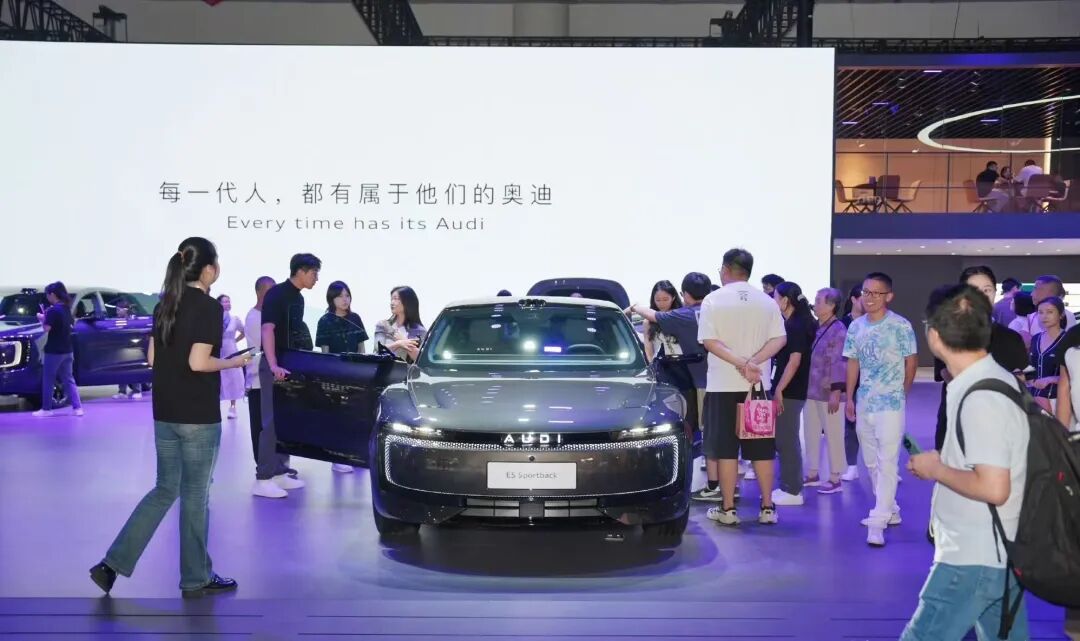
For Audi, AUDI is not merely an accelerator but a ‘lane change’ for high-speed competition.
As for FAW-Audi, its positioning has become clearer: it will regain full control of all ‘four-ring brand’ products, fostering a more unified brand image and resolving channel disputes. FAW-Audi will serve as the sole domestic entity for the four-ring Audi brand, delivering the most authentic German engineering experience across both gasoline and new energy segments. After resolving internal conflicts, FAW-Audi can achieve greater systemic synergy in product development, technology, branding, and channels, enabling stronger collaboration with Audi Germany, particularly in future development planning, by eliminating obstacles.
In the realm of fuel-powered vehicles, FAW-Audi is actively engaged in technological transformations, with a primary focus on enhancing energy efficiency and intelligence. Leveraging the PPC luxury fuel-powered intelligent platform, FAW-Audi has integrated Audi's comprehensive intelligent hybrid system. At present, this hybrid system is equipped with a 1.7 kWh battery. However, the forthcoming generation is set to boost its capacity, thereby improving adaptability and further reducing fuel consumption. From the current vantage point of the industry, there is a consensus that a battery capacity ranging from 5 to 7 kWh is optimal. Such a capacity would enable the vehicle to achieve a pure electric driving range of 30 km and supply all the necessary electricity for the vehicle's intelligent functionalities.
Senior executives at FAW-Audi have affirmed that the comprehensive intelligent hybrid technology will be progressively rolled out from existing mid-to-high-end models to include models like the A3 and Q3. In the context of electric vehicles, Audi is intensifying its collaboration with Huawei, with the partnership extending beyond technical cooperation to encompass joint market promotion efforts. Specifically, during the sales training for PPC models, Huawei's sales and service teams collaborate closely with Audi's team. Nevertheless, given that both Mercedes-Benz and BMW are incorporating Chinese technology into their product development, one might wonder: Is there a potential for FAW-Audi to follow suit?
Regardless of the outcome, Audi China has now overcome a significant hurdle in its development trajectory, establishing a new framework (which can be aptly described as a 'pattern' or 'landscape') characterized by 'stabilizing FAW and energizing SAIC.' With dual partnerships, dual operational tracks, and dual strategic approaches, Audi China is no longer bound by the limitations of a singular joint venture structure. This innovative model is poised to set a precedent for the evolution of joint ventures in the industry.
-
![]()
Leapmotor’s Staff Increases by 9,732 in Just Over a Year. Can Zhu Jiangming’s ‘Mini BYD’ Outpace Geely and BYD?
-
![]()
Why Are AI Glasses So Popular, Yet Goertek's Q3 Sales Drop by 2.4 Billion Yuan with Inventory Reaching 22.4 Billion Yuan?
-
![]()
POLYVISION's IPO Review: Persistent Decline in Gross Profit Margin and Weakening Industry Outlook
-
![]()
Audi’s Strategic Split: SAIC-Audi’s Two-Year Plan Leads to Gasoline Vehicle Sales Until 2027 End | Mirror Pro
-
![]()
Racing to Become the "Pioneer Large-Scale Model Stock on the U.S. Stock Exchange": Anthropic Reports Over $80 Billion in Losses Within Half a Year
-
![]()
Wang Teng, Ex-Xiaomi Exec, Proves Prescient Half a Year Ago: Domestic Smartphone and Tablet Product Lines Face Discontinuation Wave
-
![]()
Post-2000s Female Employee Causes Stir at XPENG Launch Event
-
Anthropic Still Needs to Keep 'Sprinting'