From Building Stations to Building an Ecosystem: Competition in the Automotive Charging and Battery Swap Industry Has Changed
 11/10 2026
 418
A heavy truck battery swap takes only a few minutes. But for a heavy truck battery swap station to operate, it first needs to find enough heavy trucks.
On October 20, CATL unveiled its Tianxing II "electric-electric range extension" heavy truck battery swap solution, with the first batch signing up 1.3 million vehicles. Behind these numbers, whether stations can actually be built and whether vehicles can keep pace still hinges on subsequent implementation.
In October, Yinwang, CATL, and Shidai Dianfu connected Qiankun Smart Driving with the Chocolate Battery Swap network. Under the disclosed cooperation, vehicles can autonomously locate stations, align in the bay, and complete automatic battery swaps. Earlier, on September 28, NIO and Geely announced that they would fold battery swap networks, standards, and vehicle model development into a single cooperation.
Over the past few years, competition in the automotive charging and battery swap industry revolved around the speed and scale of station construction. Now the focus has shifted: as a network begins to serve more brands, what exactly is charging and battery swap competing on?
A Network No Longer Serves Only One Brand
In the past, which vehicles a battery swap station served was basically determined by the vehicle brand. In 2026, this division of labor began to change.
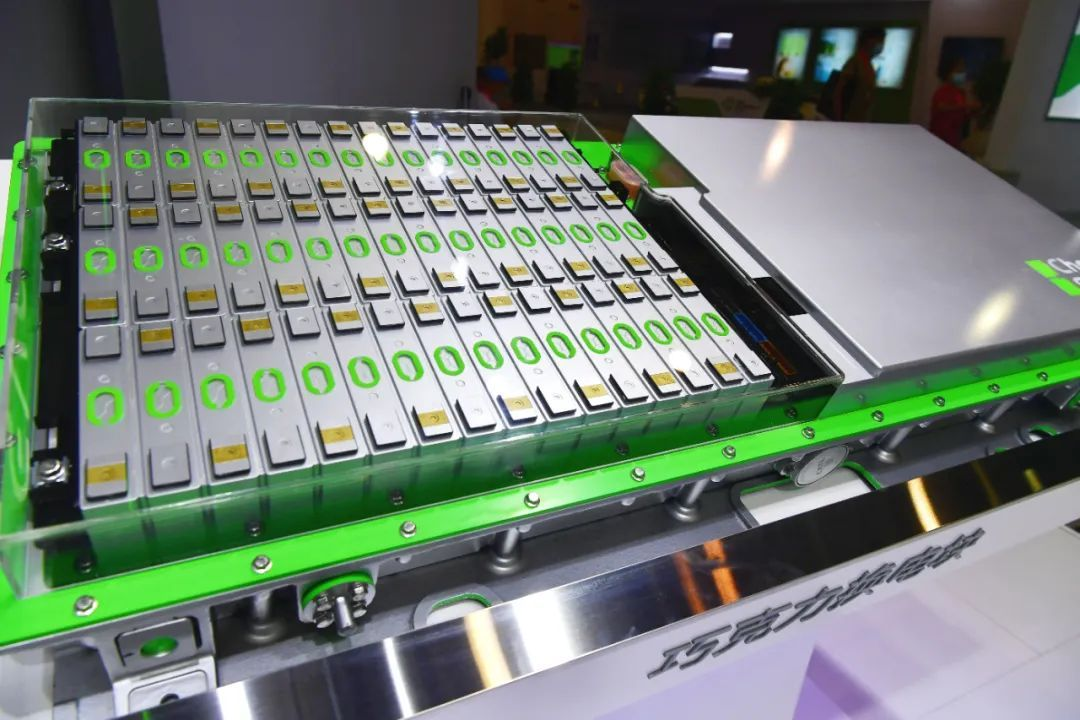
On October 19, Yinwang, CATL, and Shidai Dianfu signed a strategic cooperation agreement. Yinwang joined the Chocolate Battery Swap ecosystem, and Qiankun Smart Driving and the Chocolate Battery Swap network were connected from the vehicle side and station side to the cloud, serving models equipped with the Qiankun Smart Driving solution. Under the disclosed cooperation, vehicles can autonomously determine charging needs, autonomously locate stations, align in the bay, complete a 99-second fully automatic battery swap, and then drive away. As of the end of September, Chocolate Battery Swap had built more than 2,500 battery swap stations in 200 cities across the country.
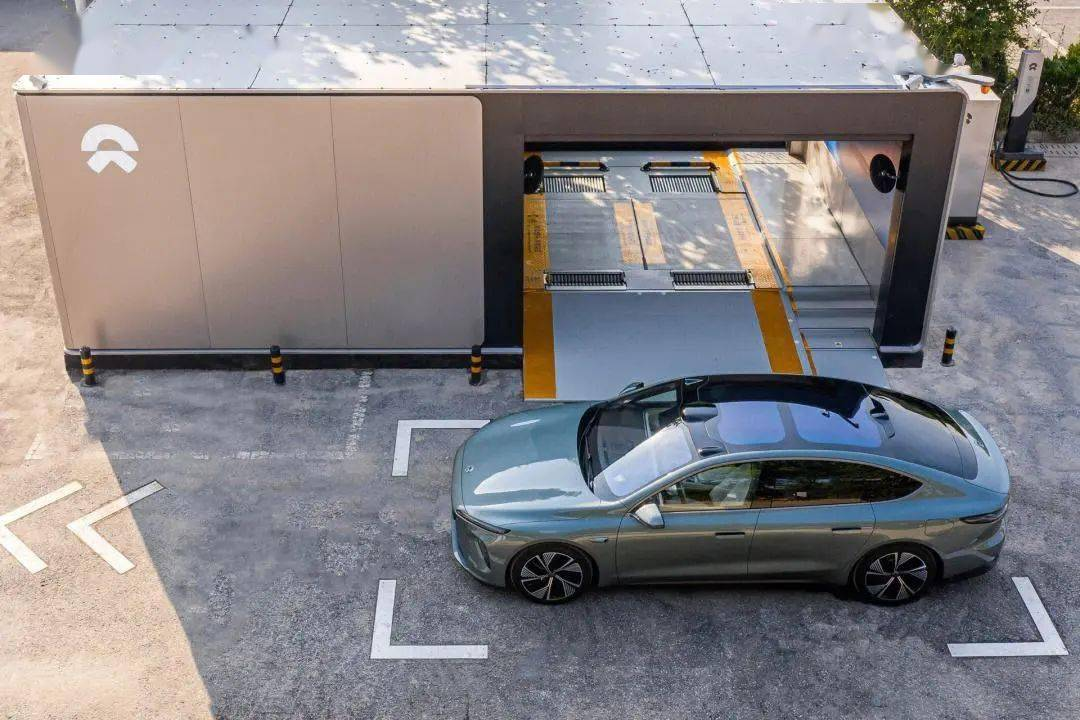
On September 28, NIO and Geely Holding announced a comprehensive strategic cooperation on charging and battery swap. Geely will subscribe to newly issued equity in NIO Power with 100% equity of Yiyi Interconnection plus 640 million yuan in cash; after the transaction is completed, Geely will hold 30%, NIO China will hold 63.6%, and the post-investment valuation will be approximately 16 billion yuan. Yiyi Interconnection's battery swap business for operating vehicles will be integrated into NIO Power, and both parties will jointly build C-end battery swap technology and standards, with Geely developing battery swap models for individual users. According to the wording at the time of announcement, the transaction still requires regulatory approval.
Earlier in April, Seres announced that it had joined the Yianqi ultra-fast charging network, a joint venture between BMW and Mercedes-Benz; after the transaction was completed at the end of September, BMW, Seres, and Mercedes-Benz each held 33.3%. Yianqi's network is open to all electric vehicle users, and users of the three brands enjoy rights such as reserved charging and priority power allocation.
What these cooperations share is in fact a single goal: to make one network serve more brands and models.
Automakers certainly value the charging experience because it has become part of product competitiveness. Range and charging performance matter, but whether users can conveniently find stations and smoothly complete charging also affects the actual ownership experience. Connecting intelligent driving, vehicle control systems, and the charging network can ease the burden on users in finding stations, entering stations, and operating equipment.
Battery swap operators first need to answer one question: can the network be used by more models? Battery swap station construction requires large investment, and the service targets have long been limited to a small number of brands and models, making network expansion easily constrained by user scale. Bringing in more partners creates an opportunity to expand service demand and improve the utilization efficiency of existing facilities.
The opening of charging networks follows a similar logic. Users of different brands sharing stations can improve equipment utilization and reduce duplicate construction.
However, network openness does not mean collaboration has been completed. Battery swap interfaces, vehicle adaptation, service standards, data interoperability, and how investment costs and operating returns are distributed still require further coordination among cooperating parties.
Whether these cooperations can continue depends on whether the network can connect more models, cover more users, and form stable cross-brand services.
After Stations Are Built, Where Is the Operational Difficulty?
Building the piles is only the beginning. What determines whether a station can operate sustainably is how many times it can be used in a day.
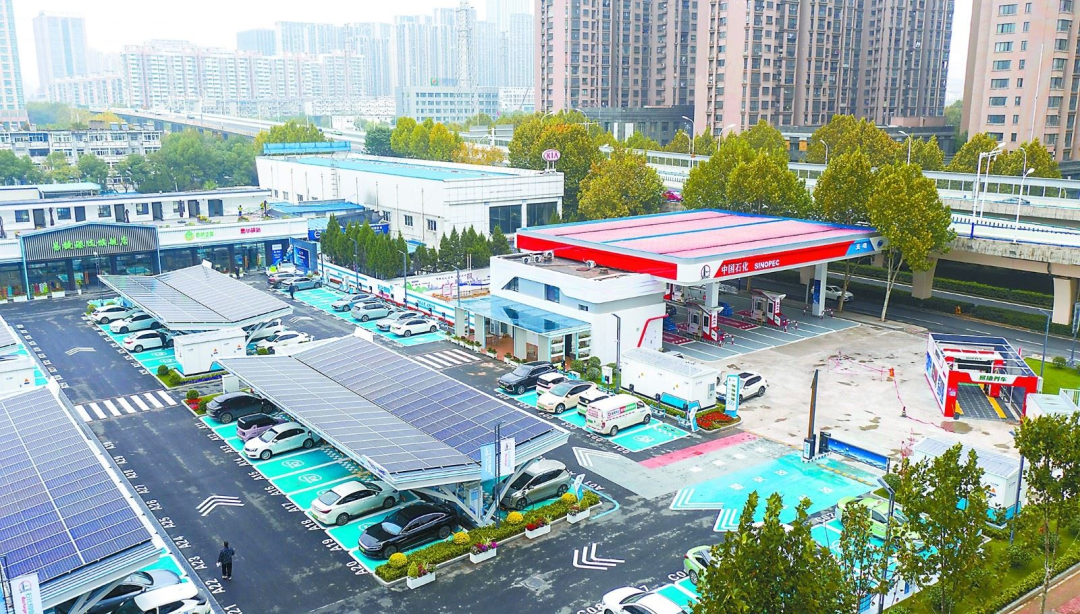
Sinopec's Dazhong comprehensive energy station in Hefei is an earlier case. This station was put into operation in November 2023 and is Sinopec's first super charging and battery swap comprehensive energy station, with 142 charging parking spaces. In addition to charging, the station also offers services such as convenience stores, coffee, and driver homes. For traditional energy companies with gas station networks and site resources, the addition of charging facilities allows existing stations to gradually transition to comprehensive energy services.
Inner Mongolia Power promotes refined management of charging facilities through the "Mengdian e-Charging" platform: one station, one policy, daily monitoring, weekly reporting, and monthly summarization, continuously tracking station operations. Data disclosed by the platform shows that in the first half of 2026, the average monthly online rate reached 99.74%, with about 850,000 registered users; during the same period, the average utilization rate of self-operated charging facilities was 8.63%. A high online rate indicates that equipment is available; a utilization rate of only 8.63% indicates that equipment is still idle most of the time.
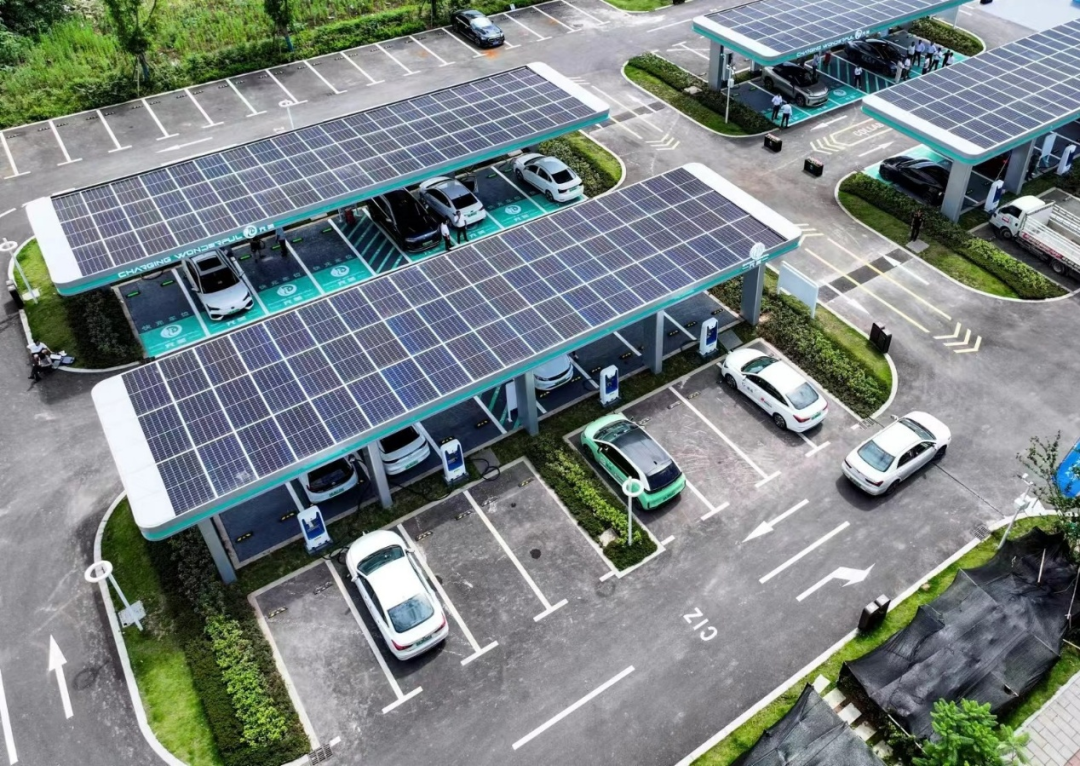
Highway scenarios are also exploring new operating methods. The photovoltaic-storage-charging integrated ultra-fast charging station in the Tonglu service area of the G25 Changshen Expressway was fully put into operation in February 2026, with 216 charging parking spaces in the north and south areas, 78 liquid-cooled ultra-fast charging piles, and supporting facilities of about 3,096 kW of photovoltaics and 430 kWh of energy storage. With photovoltaics, energy storage, and charging facilities placed together, operators can try to use site resources and energy systems together to improve the energy supply for highway charging services.
The operational logic of stations has therefore become more complex. In the past, station operations mainly revolved around charging services, and revenue was closely related to charging volume, service fees, and equipment utilization. With the addition of facilities such as photovoltaics and energy storage, operators also need to consider electricity procurement costs, peak-valley electricity prices, energy storage charging and discharging strategies, and the consumption of distributed energy. Stations are gradually becoming comprehensive operating units that need to coordinate vehicle demand and energy management, rather than single vehicle charging terminals.
But more functions do not necessarily bring more revenue. Photovoltaic and energy storage equipment require investment, and actual returns are affected by multiple factors such as local electricity pricing mechanisms, station load characteristics, equipment costs, and operational capabilities. What operators need to answer is whether these devices can form a reasonable operating combination and improve overall operating efficiency.
In addition to online rate and charging volume, indicators for measuring station operations also include service capability, equipment utilization, energy costs, and operating returns. Comparisons between stations are shifting from "who builds more" to "who operates better."
Heavy Trucks and the Power Grid Expand the Boundaries of Charging
Charging for passenger vehicles addresses daily travel. Heavy truck battery swap and vehicle-grid interaction bring charging and battery swap into two other scenarios: transportation routes and the power system.
On October 20, CATL released the Tianxing II "electric-electric range extension" heavy truck battery swap solution. The solution adopts an A+B dual-battery architecture: the main drive battery pack can be replaced at a battery swap station, while the range-extender battery pack remains on the vehicle. According to the plan, 900 battery swap stations will be built by the end of 2026 and expanded to 2,000 by 2027. On the day of the release, CATL, together with 14 commercial vehicle companies and dealers including FAW Jiefang, XCMG Automobile, Dongfeng Commercial Vehicle, Futian Daimler, Sinotruk, and Sany, launched the Qiji battery swap ecosystem co-construction.
On October 29, Dongfeng Motor and CATL signed a group-level strategic cooperation agreement covering 10C ultra-fast charging, battery swap for passenger and commercial vehicles, and overseas after-sales services. According to disclosures by both parties, 10C and above ultra-fast charging products will debut in brands such as Voyah, M-Hero, and Yijing, brands such as Yipai, Yijing, and M-Hero will introduce the battery swap system, and brands such as Dongfeng Commercial Vehicle and Chenglong will launch battery swap models.
The attention given to heavy truck battery swap is also related to the operating characteristics of commercial vehicles. Heavy trucks usually have relatively fixed routes, long operating hours, and concentrated charging needs. In scenarios such as ports, mines, logistics parks, and trunk line transportation, if vehicle routes and operating organization can form a certain scale, battery swap networks have the opportunity to obtain relatively stable usage demand.
But the business model of heavy truck battery swap also requires scale support. Vehicle attendance rate, transportation route density, battery swap station layout, battery asset management, and battery costs all affect project economics. The number of contracted vehicles and planned station scale can reflect companies' willingness to deploy, but they are not enough to prove that the network has achieved stable profitability. Therefore, what needs to be verified next is still whether vehicles, stations, and transportation scenarios can form sustained matching.
Unlike heavy truck battery swap, which expands transportation scenarios, vehicle-grid interaction further expands the energy attributes of charging facilities.
According to public reports, in October, Chery Green Energy and State Grid Anhui cooperated on large-scale V2G operating stations. In Shenzhen, after the second phase of the Guangming Hongqiao Park ultra-fast charging demonstration station was put into operation in June 2026, the number of V2G charging piles reached 37, with a maximum single charging and discharging power of 4.21 MW, capable of charging and discharging 61 vehicles at the same time. Hubei Communications Investment Group aggregated 20 expressways, 116 charging stations, 5.77 MW of photovoltaics, and 1.2 MW of energy storage to form 13.79 MW of adjustable capacity, which can be continuously adjusted for more than 1 hour.
In these projects, the roles of vehicles and charging facilities are changing: from pure electricity consumers to flexible resources that can participate in grid regulation. Through V2G technology, vehicles can, under appropriate conditions and while meeting their own travel needs, feed power back to the grid; through virtual power plant platforms, dispersed charging facilities and other energy resources also have the opportunity to be aggregated to participate in load regulation and power system operations.
As a result, the value of such applications has gone beyond adding functions to charging facilities. As the number of new energy vehicles and the scale of charging networks grow, considerable power loads are formed behind vehicles, batteries, and charging facilities. If they can be effectively aggregated and dispatched through digital platforms, there is an opportunity to provide new regulation resources for the power system.
However, from technical connection to forming stable returns, there are still many practical issues to solve. Whether users are willing to participate in discharging, how frequent charging and discharging will affect battery life, how aggregation platforms can achieve reliable dispatch, and how related returns are distributed among vehicle owners, operators, and power market participants will all affect the maturity of the business model.
The business logic of the two is not the same: the former relies on the scale matching between vehicle operating scenarios and charging networks, while the latter requires a more effective connection between transportation energy resources and the power system. The service targets of the charging and battery swap industry have also expanded from vehicles to transportation and energy systems.
Overseas Expansion of Automotive Charging and Battery Swap: From Equipment Export to Local Operations
The way competition works in the domestic market is changing, and overseas business cannot simply copy the old methods.
In recent years, China's new energy vehicles have accelerated their entry into overseas markets, creating new demand for charging facilities and related services. For charging equipment companies, product export is merely the starting point for entering overseas markets—charging and battery swap networks are deeply rooted in local conditions. Countries differ in grid conditions, vehicle structure, electricity pricing policies, certification standards, and user habits, so equipment sales alone cannot automatically translate into sustained market competitiveness.
In January 2026, Zhida Technology and Chery Green Energy established a joint venture, Anhui Ruizhi New Energy, with Chery Green Energy holding 60% and Zhida holding 40%. The joint venture's business covers charging piles, automatic charging robots, energy storage technology services, and import and export. Zhida is advancing localized deployment in markets such as Thailand and Brazil. In the first half of 2026, the company's overseas revenue reached 101 million yuan, up 73.2% year on year and accounting for 29.7% of total revenue; charging pile sales in Thailand surged 304.3% year on year, while Brazil posted a 48.5% increase.
The way Chinese companies expand overseas is also shifting from single product export to a combined output of equipment, technology, channels, and services. Charging equipment must adapt to local standards; station construction requires coordinating land, power, and partners; and subsequent operations involve equipment maintenance, user services, and energy management. Only by building a relatively complete local service system can companies hope to move from one-time equipment sales to long-term business operations.
Overseas markets also cannot simply replicate domestic experience. Markets vary significantly in new energy vehicle penetration, charging facility construction progress, and basic power conditions. Some markets need more basic charging equipment, while others focus more on high-power charging, commercial fleet charging, or integrated photovoltaic-storage-charging solutions. Companies need to determine their products and business models according to local needs and avoid directly transplanting domestic solutions.
For Chinese charging and battery swap companies, overseas markets represent both new growth space and higher demands on comprehensive capabilities. Product performance and cost advantages remain important, but channel building, local cooperation, compliant operations, and long-term service capabilities are becoming key factors determining whether companies can achieve sustainable development.
Building an Ecosystem: Collaboration Is Key
Cross-brand cooperation, station operations, heavy truck battery swap and vehicle-grid interaction, and overseas deployment correspond to the four levels of brand, operations, scenarios, and markets. As these changes overlap, competition in the charging and battery swap industry has not become simpler—it has become more complex.
In operational terms, building an ecosystem means organizing vehicles, stations, platforms, energy, and partners into the same network so that one network serves more models, more scenarios, and more markets. This is harder than building piles. Building piles is a contest of speed and capital; building an ecosystem is a contest of operations and collaboration.
Scale is still important, but whether scale can be transformed into service capability and operational efficiency depends on whether vehicles, stations, platforms, and partners can effectively coordinate. The energy business has opened up new value space, but whether stable returns can be generated still depends on whether technology, market mechanisms, and business models can mature together.
For companies, the next stage requires not only building networks but also organizing resources, operating scenarios, and connecting energy systems. Charging and battery swap facilities are bridging the automotive industry and the energy system, and collaboration efficiency will shape the competitive landscape of the next stage.

Image: From the Internet
Article: Automotive Vertical and Horizontal
Layout: Automotive Vertical and Horizontal
-
![]()
October New Energy Sales Review: Exports Nearly 1.5 Times Higher in a Single Month, But Plug-in Hybrids Are Losing Steam
-
![]()
China Auto Q3 Export Tracker: Exports Up 72%, Racing Ahead of Tax Rebate Cuts and Hybrid Quotas
-
![]()
Porsche in China: An Outsider in a Marginal Market?
-
![]()
The Four Major EV-Exclusive "Black Technologies" That Gas Cars Can Only Dream Of
-
![]()
Why Can't Autonomous Driving Get Around Traditional Automakers? Insights from the Waymo-Toyota Collaboration
-
![]()
BMW's Profits Are Heading Toward Zero in Fiscal Year 2026
-
![]()
SAIC Invests RMB 300 Million in New Intelligent Driving Joint Venture as Core Executive Yang Xiaodong Announces Resignation, Drawing Market Attention
-
![]()
Xeon Fusion's 8 Billion Yuan IPO Bid Set for This Week's Regulatory Review in ChiNext Sprint