BMW's Profits Are Heading Toward Zero in Fiscal Year 2026
 11/10 2026
 550
Recently, the BMW Group released its profit margin guidance for fiscal year 2026, slashing its automotive segment EBIT margin to between -0.5% and 0.5%—almost touching the break-even line. According to this forecast, BMW's automotive segment will have very limited room for profit this year and could even post a small loss if conditions turn unfavorable. This marks the second time this year that BMW has lowered its automotive segment margin forecast.
At the beginning of the year, BMW had expected its automotive segment margin to reach 4%–6%. By June, that forecast had been cut to 1%–3%, and it has now been further slashed to near zero. In addition to the margin, BMW also lowered its full-year vehicle delivery forecast, revising its previous "slight decline" projection to a "moderate decline" and now expecting full-year deliveries to fall 5%–9.9% year-on-year.
However, this does not mean the BMW Group as a whole is losing money. According to its third-quarter financial report, the BMW Group posted revenue of €30.452 billion, down 5.8% year-on-year, and net profit of €1.461 billion, down 12.7% year-on-year. In the first three quarters of this year, the BMW Group recorded cumulative revenue of €92.718 billion, down 7.3% year-on-year, and net profit of €4.319 billion, down 21.8% year-on-year.
In other words, the BMW Group is still making money, but both revenue and net profit are declining, and profitability has clearly weakened. Behind this performance pressure lies the continued decline in BMW's global sales. In the third quarter of this year, BMW delivered 551,100 vehicles worldwide, down 6.3% year-on-year; in the first three quarters, it delivered a cumulative 1,707,800 vehicles, down 4.9% year-on-year.
Among them, performance in the Chinese market was particularly weak, with 114,400 vehicles delivered in the third quarter, down 24.8% year-on-year, and cumulative deliveries of 376,400 vehicles in the first three quarters, down 21.8% year-on-year—making China the main drag on BMW's global sales decline.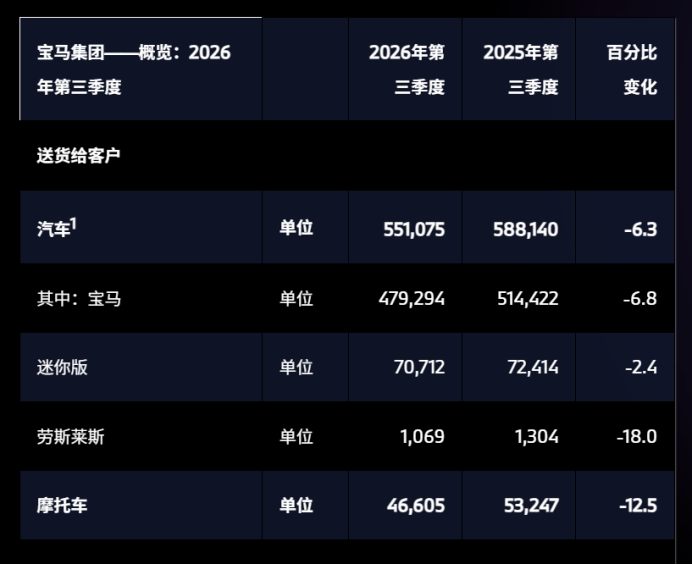
BMW attributes the decline in the Chinese market to weak consumer demand and intensified market competition. As new energy vehicles accelerate in popularity, domestic brands such as NIO, Li Auto, AITO, and Zeekr continue to push into the mid-to-high-end market, continuously eroding the brand premium and competitive advantages of traditional luxury brands and further increasing BMW's competitive pressure in China. Against this backdrop, BMW has also begun adjusting everything from internal management to product layout.
In May this year, after BMW's new CEO Milan Nedeljković took office, he began pushing for a company restructuring. It is reported that BMW plans to cut about 8,000 positions globally while streamlining management at its Munich headquarters, cutting about 100 management positions, to reduce operating costs and improve management efficiency.
While slimming down internally, BMW is also accelerating the renewal of its product lineup. At present, new models built on BMW's Neue Klasse platform are gradually entering the Chinese market. In mid-October, BMW's sixth-generation high-voltage power battery officially began mass production at its Shenyang powertrain plant, meaning the new-generation battery technology has begun localized production in China.
According to the plan, the first pure electric model equipped with the Neue Klasse platform, the BMW iX3, will begin deliveries in November, while the Neue Klasse BMW i3 developed specifically for the Chinese market will be delivered in the first quarter of next year. By 2027, BMW also plans to launch nearly 20 models equipped with Neue Klasse technology in the Chinese market, further expanding the Neue Klasse model lineup.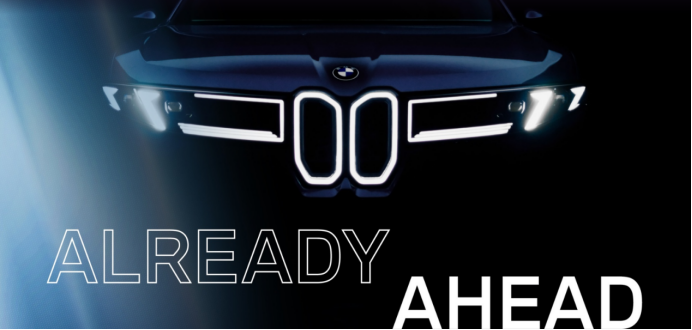
As Neue Klasse models gradually arrive, BMW is also accelerating the phase-out of some older products. BMW plans to cut production of some models equipped with fifth-generation battery technology to free up production space for new models. Although BMW has not announced specific models, domestically produced BMW i3, i5, and iX1 have previously been discontinued or had production suspended due to product cycles and production line adjustments, which also reflects that BMW is accelerating the replacement of old and new models.
However, launching new cars is only the first step; whether they can win consumer recognition is the key. Facing the rapid progress of Chinese brands in smart cockpits, driver assistance, and localized experiences, whether BMW's Neue Klasse models can offer sufficiently competitive products still needs to be tested by the market.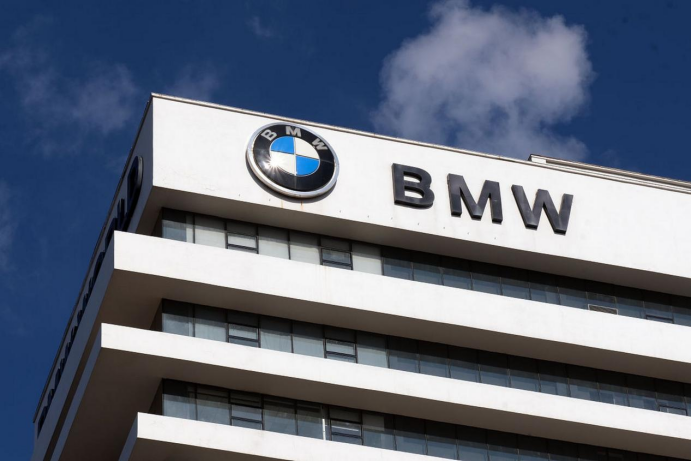
Ultimately, BMW's margin cut this time reflects not only its own operating pressure but also the common challenge facing the entire traditional luxury car camp in the Chinese market. Previously, Mercedes-Benz also lowered its profit forecast due to continued weakness in the Chinese market, and Volkswagen even pushed its full-year operating margin forecast to no more than 1%. German auto giants lowering performance targets one after another is enough to show the impact brought by changes in the Chinese market.
As Chinese brands accelerate their breakthroughs into the mid-to-high-end market, the situation in which BMW and other German automakers relied on brand, technology, and premium advantages to occupy the market is no longer sustainable. With competitors pressing forward step by step, how to stabilize market share and preserve profitability has become a real issue that BMW and other German automakers must face.
(Images are from the internet; infringement will be deleted)
-
![]()
October New Energy Sales Review: Exports Nearly 1.5 Times Higher in a Single Month, But Plug-in Hybrids Are Losing Steam
-
![]()
China Auto Q3 Export Tracker: Exports Up 72%, Racing Ahead of Tax Rebate Cuts and Hybrid Quotas
-
![]()
Porsche in China: An Outsider in a Marginal Market?
-
![]()
The Four Major EV-Exclusive "Black Technologies" That Gas Cars Can Only Dream Of
-
![]()
Why Can't Autonomous Driving Get Around Traditional Automakers? Insights from the Waymo-Toyota Collaboration
-
![]()
BMW's Profits Are Heading Toward Zero in Fiscal Year 2026
-
![]()
SAIC Invests RMB 300 Million in New Intelligent Driving Joint Venture as Core Executive Yang Xiaodong Announces Resignation, Drawing Market Attention
-
![]()
Xeon Fusion's 8 Billion Yuan IPO Bid Set for This Week's Regulatory Review in ChiNext Sprint