Who Benefits from the Partnership Between Zunjie, Which Seeks Scale, and Maserati, Which Seeks Prestige?
 11/11 2026
 344
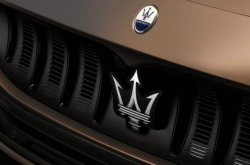
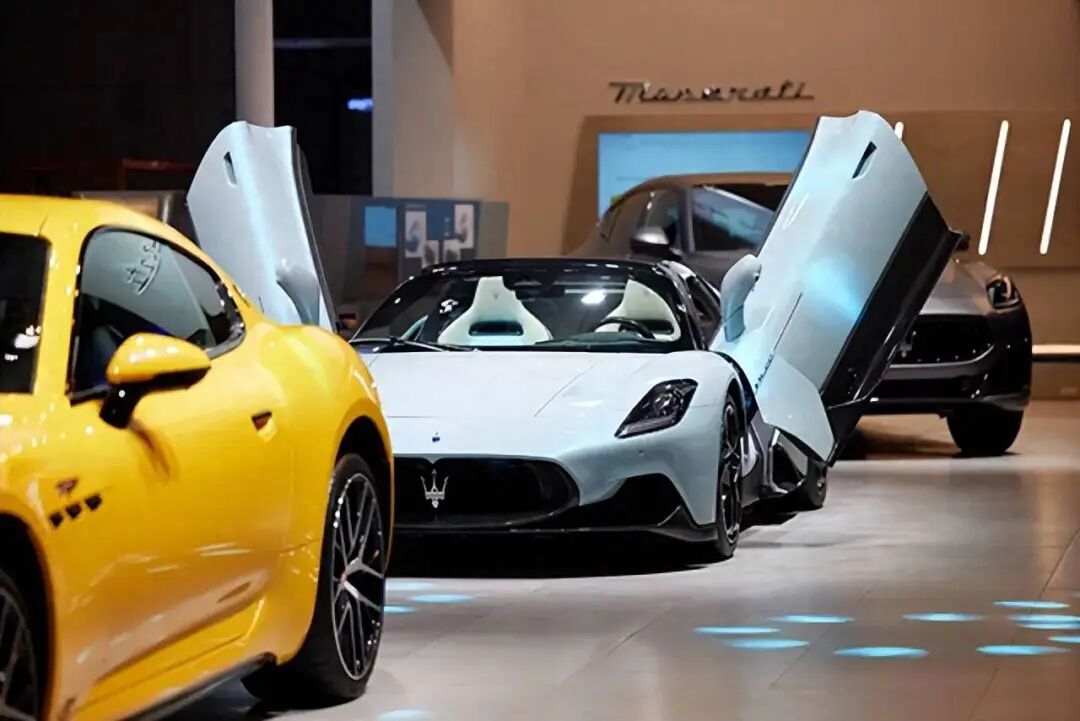
The collaboration between Maserati and Zunjie is moving from rumor to substantive operational discussion.
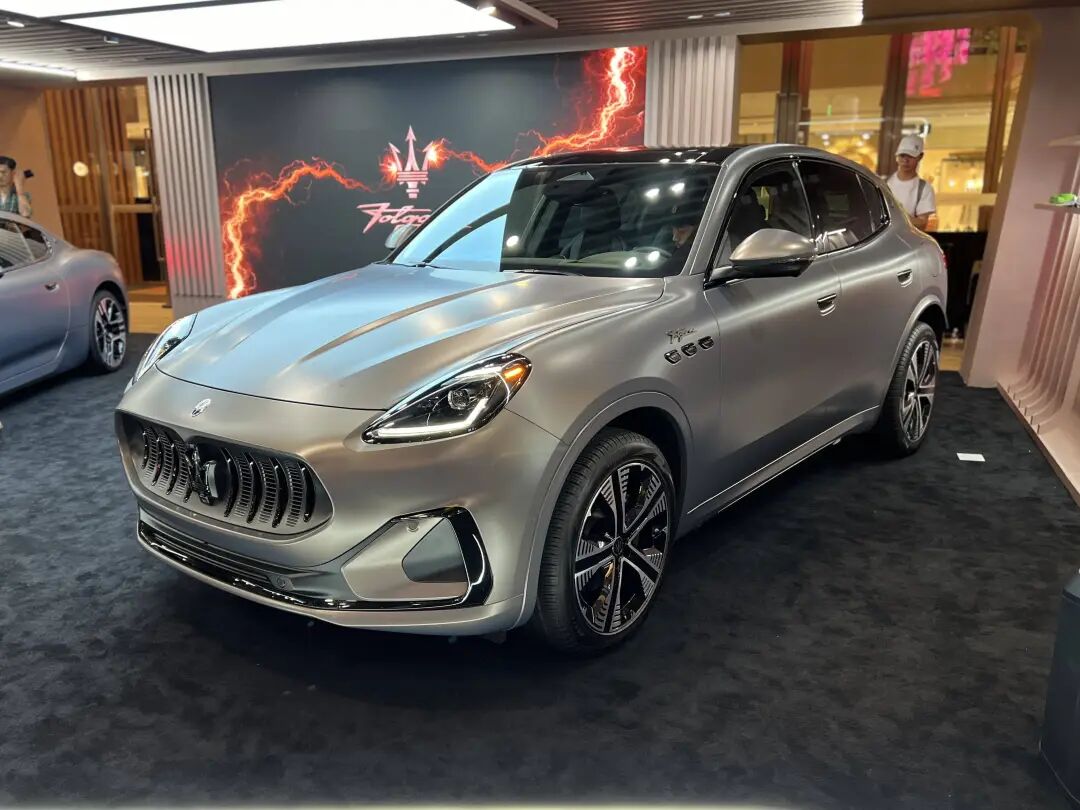
According to relevant media reports, the collaboration project is named "Maserati Design," with Huawei, JAC, and Stellantis as participants. The new car's exterior has been confirmed, and further mass-production developments are planned for the fourth quarter of 2027.
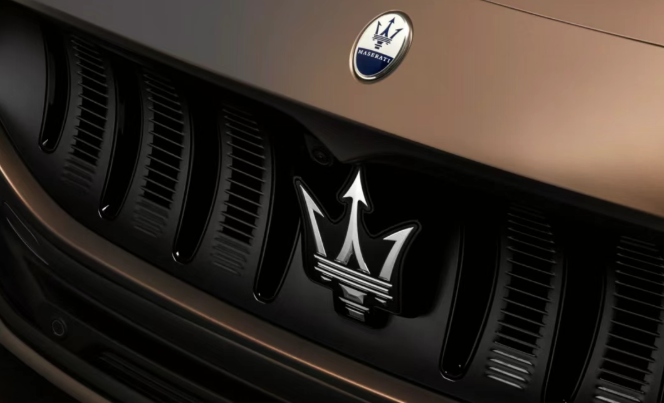
In terms of division of labor, Huawei provides HarmonyOS smart cockpit, Qiankun ADS advanced intelligent driving, and electric drive technology; JAC undertakes complete vehicle engineering and manufacturing; and Maserati is responsible for styling design and overseas channels. Sales are divided into two paths: domestically, Zunjie is the sales entity, while overseas the Maserati badge is still worn.
As of now, none of the three parties has given official confirmation on this matter. JAC Motors previously acknowledged in a September 30 announcement that the three parties "do indeed have communication and cooperation intentions," but also emphasized that the content and form of the cooperation have not been determined and that no binding formal agreement has been signed. Stellantis responded by saying it "does not comment on market rumors or speculation" and left Maserati's future strategy to be announced uniformly at the December investor day in Modena, Italy.

Maserati Holds On to Its Last "Private Plot"
Maserati's financial curve has fallen to the point where it can hardly independently support its electrification transformation.
In 2025, global sales were only 7,900 units, with a net loss of 840 million euros and an operating margin of -27.3%. The Stellantis Group posted a net loss of 22.3 billion euros in the same period, which directly led to the 1.6 billion euros originally earmarked for Maserati's electrification being cut outright, and the MC20 pure electric version plan was canceled at the same time. The best-selling Levante and Ghibli have been discontinued, and their successors will not go on sale until 2027 to 2028.
For a brand selling fewer than 8,000 vehicles a year, building from scratch a competitive 800V high-voltage platform, advanced intelligent driving, and smart cockpit is no longer an option in terms of either time or funding.
On the day before news of the cooperation leaked, regarding rumors that BYD would acquire Maserati, BYD Executive Vice President Li Ke said: "Perhaps we were more interested a few years ago. But now we have already forged our own path, and the direction is right." She also made clear that the focus of BYD's negotiations with Stellantis was the acquisition of idle Italian factories and did not involve brand acquisitions.
BYD's statement reflects from another angle Maserati's real situation: the brand value remains, but it is no longer enough to make a leading Chinese automaker pay an acquisition premium.
For Stellantis, selling the Maserati brand would not recover sufficient consideration financially, while completely giving it up would mean losing the residual global premium capability of a century-old luxury brand. Between "selling" and "not selling," "not selling the brand but transferring part of the technology and engineering control rights" became the "greatest common denominator" Stellantis could find.
On the other side, the capacity pressure at the Zunjie Super Factory is equally real. This dedicated factory, with total investment of about 10 billion yuan and planned annual capacity of 200,000 vehicles, had delivered a cumulative total of about 19,000 vehicles by the first half of 2026, with capacity utilization below 10%. The S800 reached a monthly peak of 4,223 units in December 2025, but after entering 2026 its monthly sales once fell back to 367 units.
If a factory built for million-yuan-class flagship products relies on only one product line, it is almost commercially impossible to fill its capacity. Bringing in the two pure electric models from the Maserati project is, first of all, a matter of capacity accounting.
Not the "Sixth Realm" of HIMA
As a member of the HIMA system, Zunjie's standard model is: Huawei leads product definition, design, brand marketing, channel retail, and service systems, while JAC undertakes complete vehicle production and manufacturing. Under this model, the brand belongs to "HIMA," Huawei is the de facto operator, and the automaker's role is close to that of a deep manufacturing partner.
The distribution of control in the Maserati project is different. Huawei is more of an "enabler," but brand ownership and design say are not in Huawei's hands. The domestic version falls under the Zunjie brand, while the overseas version wears the Maserati trident badge, adopting a "same car, dual badges" strategy.
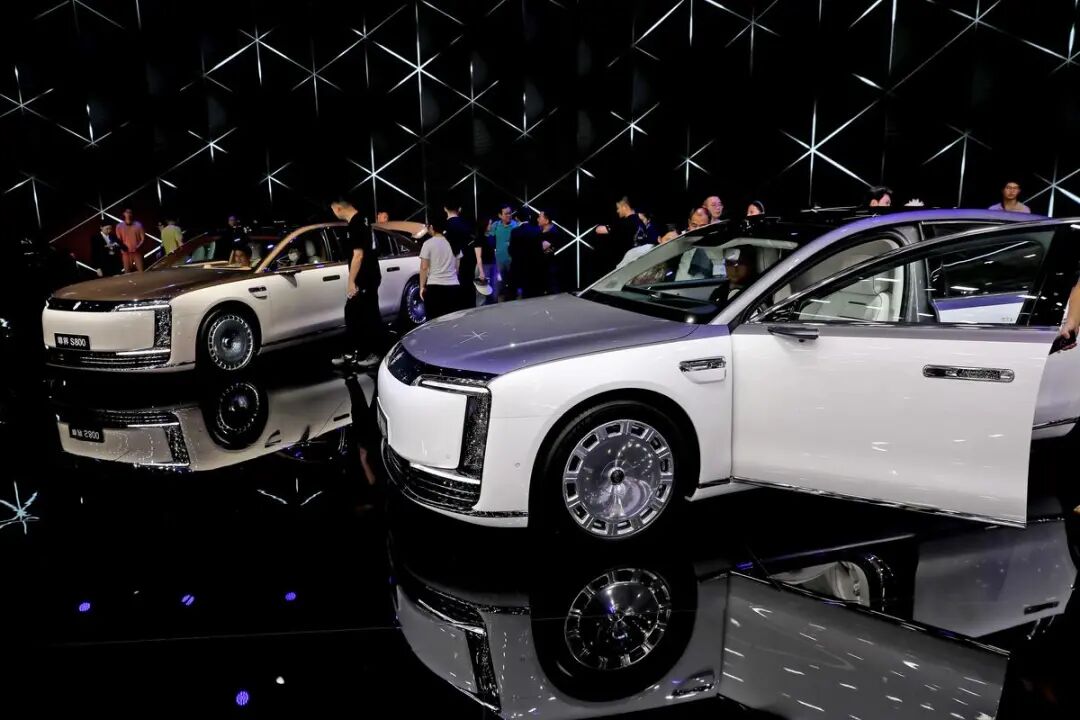
In this structure, Huawei's role shifts from "brand operator" under the HIMA model to technology supplier, JAC upgrades from "manufacturing executor" to complete vehicle engineering developer, and Maserati becomes the design endorser and overseas channel party.
Analysts describe this arrangement as a reverse export model in which "the Chinese side provides technology and manufacturing, while the foreign side provides design and channels." This is quite similar to the reverse exports of some domestic joint-venture automakers. For Stellantis, its logic is consistent with the "Chinese technology + Stellantis overseas channels" model previously validated through Leapmotor International, except that it has moved up into the ultra-luxury price band. This layered transfer of control determines that it is fundamentally different from a simple replication of the HIMA "Sixth Realm" model.
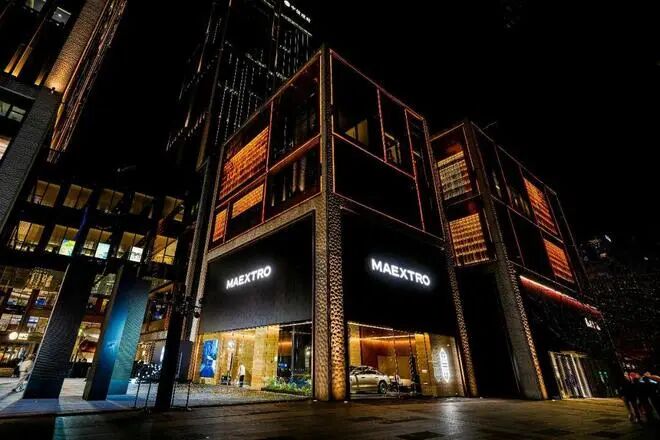
But this also raises a new question: will Maserati models built under the new model be sold within the HIMA network? A person close to the matter said: "The cooperation is only in the planning stage now, and there is no specific information yet."
Almost simultaneously with the Maserati project, there is news that Zunjie may launch an SUV sub-brand priced in the 400,000 to 500,000 yuan range. The informed person specifically emphasized that this sub-brand and the Maserati cooperation "belong to two separate projects."
Zunjie is positioned in the million-yuan-class ultra-luxury market. If the Zunjie brand itself were extended down to the 400,000 to 500,000 yuan range, the brand premium of its million-yuan-class positioning would immediately face the risk of dilution. However, the capacity utilization rate of the Zunjie Super Factory has long hovered at a low level, and a million-yuan-class product line alone cannot support a dedicated factory with annual capacity of 200,000 vehicles.
The economic function of the sub-brand concept lies precisely here: using a new name distinct from the "Zunjie" parent brand to take on the most fiercely competitive and largest-capacity price band in China's high-end new energy vehicle market, and, without affecting the parent brand's ultra-luxury positioning, provide the factory with a genuine volume outlet.
Conclusion:
The necessity of cooperation among the three parties is actually very straightforward. What Maserati needs is time: it hopes a competitive pure electric product can quickly enter the market, while the time window for developing its own electric platform has already closed.
What Huawei needs is overseas channel expansion: HIMA has already proven its ability to bring high-end products to market in China, but to enter the overseas luxury car market, building channels from scratch with Zunjie alone would entail extremely high time and capital costs. Maserati's overseas network provides Huawei's intelligent electric solutions with a ready-made springboard.
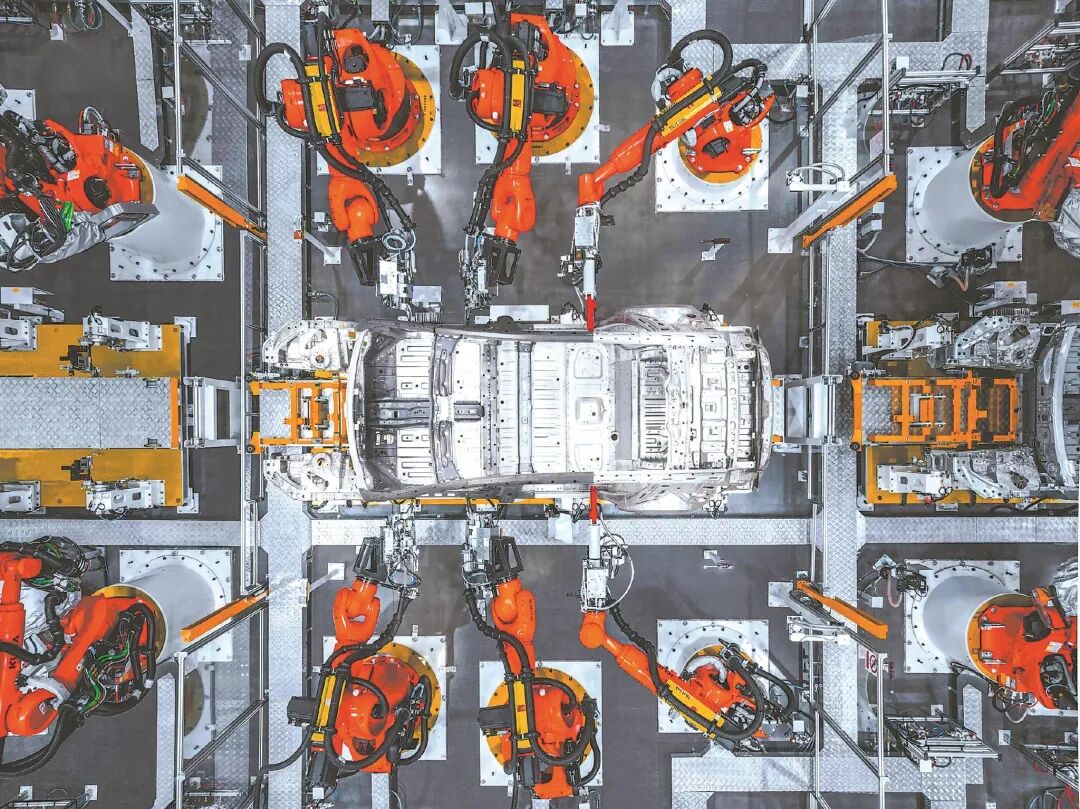
What JAC needs is a capacity outlet and engineering credibility. The complete vehicle manufacturing and engineering development orders from the Maserati project directly inject incremental volume into the Zunjie Super Factory and also bring Zunjie stronger influence in the luxury car market.
The December investor day in Modena will be a key milestone, when Maserati's full strategy will be officially announced. Whether this project is the core pillar of its electrification strategy or a transitional regional arrangement will then receive a clearer positioning.
-
![]()
I Just Wanted to Turn Off My Brain and Binge Some Short Dramas—Never Expected to Be Ambushed by Historical Knowledge
-
![]()
After a Decade-Long March Toward Premiumization, Has BYD Lost Interest in Maserati?
-
![]()
AI Short Dramas Go Global: Traffic Is Proven, but Monetization Remains the Real Test
-
![]()
In Depth | The German Big Three's "China Cash Machine" Has Completely Stalled
-
![]()
Who Benefits from the Partnership Between Zunjie, Which Seeks Scale, and Maserati, Which Seeks Prestige?
-
![]()
Changan Personnel Adjustment: Wu Xuxi Promoted to Vice President of Kaicheng, Liu Bin to Head Changan Mazda Marketing
-
![]()
Why Can Nissan, Shrinking in Scale, Grow Again? | Cover Story: Japanese Automakers at the Crossroads of Transformation (IV)
-
Has the U.S. Stock Market AI Bubble Burst?