October New Energy Vehicle Segment Sales Revealed: All Four Xiaomi Models Make the Cut, While Tesla Is "Left Out in the Cold"
 11/12 2026
 441
In a downward cycle, who can buck the trend?
Xiaomi Auto's October sales are indeed eye-catching.
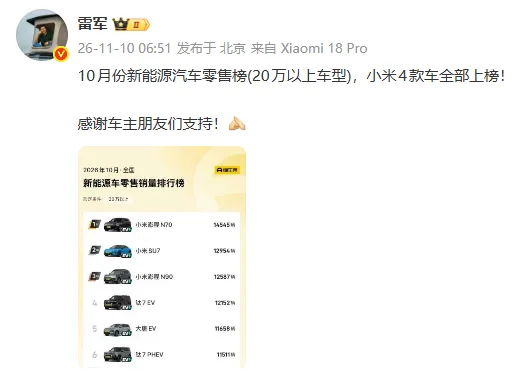
After Xiaomi officially announced on November 1 that October deliveries exceeded 50,000 units, Lei Jun posted on Weibo again on the morning of November 10, saying, "In the October new energy vehicle retail rankings (models priced above 200,000 yuan), all four Xiaomi cars made the list!"
(Image source: Weibo screenshot)
According to the platform data cited by Lei Jun, the October retail sales of Xiaomi Auto's various models and their rankings among new energy models priced above 200,000 yuan were as follows:
Xiaomi Pengcheng N70: 14,545 units, ranking first;
Xiaomi SU7: 12,954 units, ranking second;
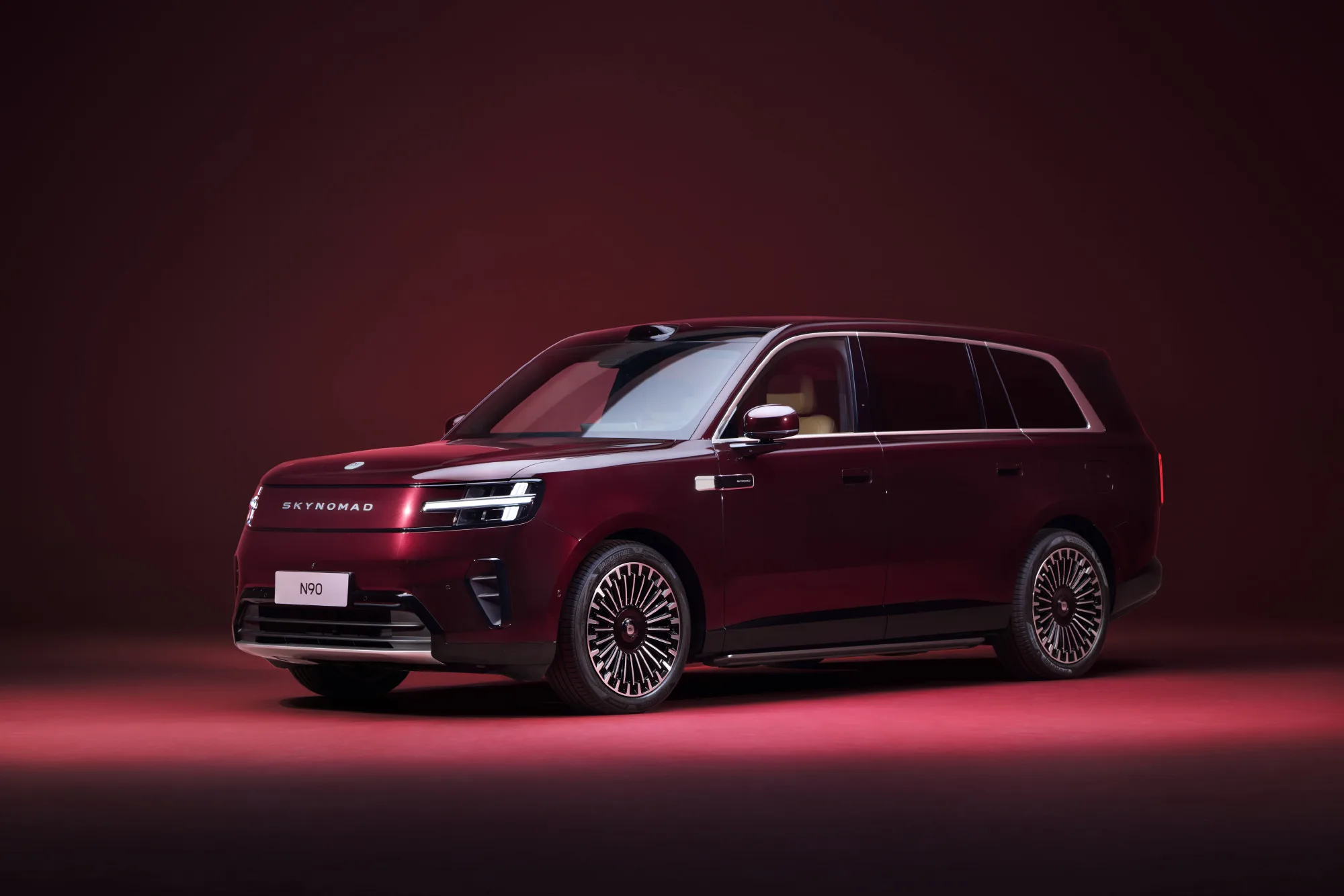
Xiaomi Pengcheng N90: 12,587 units, ranking third;
Xiaomi YU7: 10,037 units, ranking eighth.
It is worth noting, however, that on this list, the sales of the pure electric and plug-in hybrid versions of the Fangchengbao Tai 7 are calculated separately. If the sales of the two versions were combined, the Tai 7 would jump to first place, and the rankings of the Xiaomi Pengcheng N70, Xiaomi SU7, and Xiaomi Pengcheng N90 would each drop by one spot.
Another key point: the Tesla Model Y, which normally stays near the top of the new energy vehicle sales rankings for models above 200,000 yuan—and even the overall auto sales rankings—disappeared from the October list. And compared with a few months ago, SU7's sales have nearly halved.
What industry trends does such a shift reflect? And does it mean the competitive landscape of new energy vehicles is quietly changing?
Xiaomi Gains Momentum, Tesla Loses Ground, A0-Class Cars Dominate the Top of the Sales Rankings
If we look only at the new energy rankings for models above 200,000 yuan, Xiaomi Auto's October performance is indeed remarkable. But if we remove all qualifiers and look directly at the overall rankings, we find that Xiaomi Auto is no longer in the top 10.
In October, Xiaomi's highest-ranked model on the overall sales list was the Xiaomi Pengcheng N70, in 15th place, while the SU7—which once almost always ranked in the overall top 10—fell to 21st place.
In other words, although Xiaomi Auto's total sales increased, per-model sales are no longer as outstanding as they once were.
In fact, starting in May this year, Xiaomi SU7's sales began to show an overall downward trend. In April, the model still had monthly sales of 26,826 units, but by October it had fallen directly to less than half of that, at 12,954 units. YU7's performance has fluctuated repeatedly, moving within the range of 8,000 to 15,000 units over the past six months.
It is worth noting, however, that the earlier statement that Xiaomi's per-model sales are no longer as outstanding is a comparison with Xiaomi itself in the past; measured horizontally against other automakers, however, Xiaomi's achievement of having all four models on sale exceed 10,000 units in monthly sales is quite impressive.
(Image source: Xiaomi)
At this point, I believe many readers will be curious: if even Xiaomi cannot squeeze into the top 10 in October per-model sales, then who exactly is so strong?
Those who frequently follow the auto industry can probably easily guess the answer: A0- and A00-class small cars.
Compared with September, the top-selling Geely Xingyuan set a new high in October sales, reaching 50,190 units, breaking the 50,000-unit mark and even surpassing Xiaomi Auto's total sales for the same month. The Yuan UP and Leapmotor A10, ranking second and third, had sales of 28,514 units and 27,247 units, respectively.
As for A00-class small cars, previously affected by the reduction of subsidies and the continuously improving competitiveness of A0-class models, they had been hard to find on the sales list. But in the October sales rankings, the Wuling Hongguang MINIEV and Bestune Pony ranked 4th and 6th with sales of 24,518 units and 17,887 units, respectively.
As for the reasons for the sales increase of these two models, the Bestune Pony launched a new model and added a four-door version, which drove sales up; while the Wuling Hongguang MINIEV launched a new round of discounts, with the trade-in price of the 2025 model as low as 34,800 yuan, which also brought growth in orders.
So where did Tesla go?
According to Tesla's pattern, at the beginning of each quarter it mainly arranges production for export orders, so domestic sales decline somewhat. But Tesla's domestic sales in October declined compared with April and July. The most obvious was the Model Y, with only 7,807 units, a clear decline compared with more than 20,000 units in April and July. In September, however, Model Y domestic sales were 50,359 units, the highest for the model during the year.
Dianchetong (ID: dianchetong) speculates that Tesla may have pushed a wave of China sales in September and then focused almost all of October on exports. Data released by the China Passenger Car Association also shows that Tesla's October export sales were 59,012 units, indicating that orders for Tesla's Shanghai factory worldwide are also relatively stable.
The "Golden September and Silver October" Effect Weakens: Where Is the Auto Industry Heading?
Looking back at the per-model sales for the entire month of October and the industry's overall sales, one can actually feel the chill across the industry.
According to data released by the China Passenger Car Association, total passenger vehicle sales in October were 1.643 million units, down 27.1% from the same period last year. Among them, sales of fuel vehicles (including ordinary hybrids) fell 45% year-on-year, while sales of pure fuel vehicles were directly halved, falling 51% year-on-year. New energy vehicles also saw a 13.7% decline.
On a month-on-month basis, however, total sales in September and October were still slightly higher than in the previous few months. The promoting effect of "Golden September and Silver October" on sales remains, but it is no longer as obvious as in previous years.
In Dianchetong's view, the gradual fading of "Golden September and Silver October" also conforms to the current development pattern of the auto industry.
Nowadays, under the influence of factors such as the continuously rising market share of new energy vehicles, the growing role of online marketing in the auto industry, the increasing transparency of final auto prices, and existing car owners' greater concern about whether vehicles will be discounted later, the methods used in the fuel vehicle era to boost sales through limited-time discounts and reducing markups on popular models are becoming less and less common.
Therefore, at this stage, the month-on-month increase in auto sales in September and October relies more on the increase in car buyers brought by the Mid-Autumn Festival and National Day holidays, as well as the boost to sales from intensive new model launches by various auto brands in these two months. This year's October passenger vehicle sales being higher than September also confirms this view.
The fading of "Golden September and Silver October," however, is not necessarily a bad thing for the auto industry.
For automakers and dealership channels, there is no need to fight on price and push sales during this period, and even less need to concentrate consumer demand from the preceding and following months into these two months. This can reduce idle resources to a certain extent and allow the entire industry to develop more healthily.
For consumers, automakers not concentrating promotions in this period means consumers do not need to face various discount tricks when buying cars, nor do they need to expend effort guarding against pitfalls, thereby freeing up consumers' time and energy.
Therefore, what automakers truly need to face is not the disappearance of the two sales peaks in September and October, but the decline in full-year sales.
At this stage, Dianchetong can also perceive that the entire industry is quietly changing. For example, many automakers have begun to reduce the frequency of model updates and cut back on new model launches, large independent brand groups and new forces brands have begun actively planning overseas expansion, and many joint venture brands have also accelerated the process of localization and new energy transformation...
As weakness on the demand side transmits to the supply side, a new round of change and reshuffling in the auto industry is also quietly taking place. But this time, what automakers are competing for is no longer who looks more impressive during the upswing, but who can "hang on" and avoid being eliminated in this turmoil.
Looking Ahead to November: Who Will Be the Winner?
Compared with October, there are considerable variables in November's segment sales.
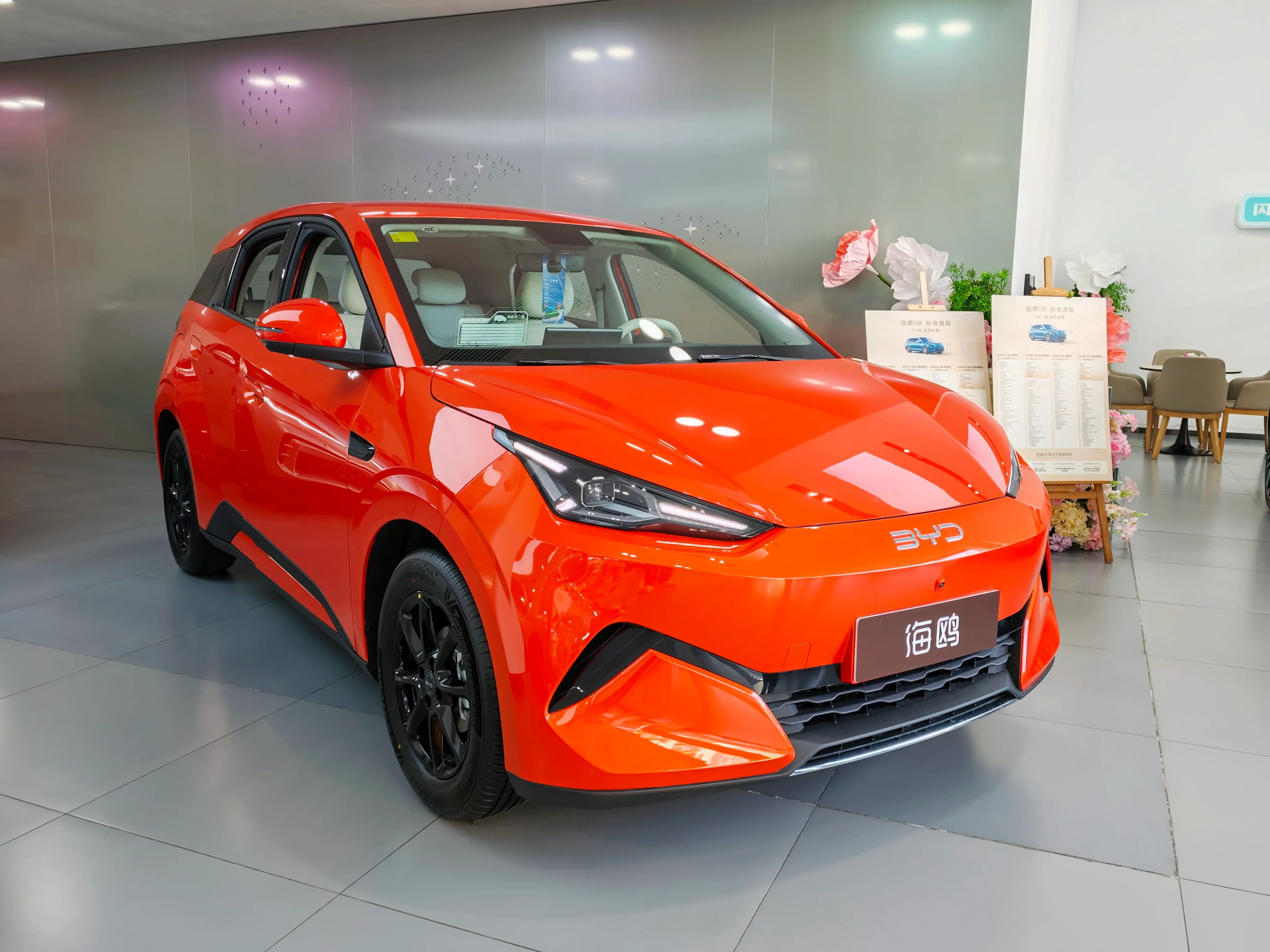
First, at the A0 and A00-class small car level: will the sales boost brought by the Wuling Hongguang MINIEV's price-cutting promotion and the Bestune Pony's new launch continue into November? In addition, BYD's second-generation Seagull was launched in October, and November is its first full delivery month. How will its sales perform? Can it challenge the Xingyuan?
(Image source: produced by Dianchetong)
As for other models, does the Xiaomi Pengcheng have enough staying power? Will SU7's sales decline further? After Tesla finishes overseas deliveries at the beginning of the quarter, will Model Y's sales hit a new high again?
We look forward to the data disclosed in mid-December, and then we will see what new highlights emerge.
Source: Leikeji
Images in this article are from: 123RF licensed image library Source: Leikeji
-
![]()
Final Word: Latest CAAM Data Reveals Four Distinct Features of China's Auto Market in the First 10 Months
-
![]()
Ancient Surveillance Footage Goes Viral: "Real Video" of Wu Song Fighting a Tiger Leaks Online, AI Memes Leave Netizens Dumbfounded
-
![]()
Anthropic IPO Massively Oversubscribed, Valuation Eyeing $1.5 Trillion
-
The Auto Market Enters an Era of Pure Survival
-
![]()
What ChatGPT's Teen Mode May Take Away from Teenagers: The One Thing They Need Most
-
![]()
October New Energy Vehicle Segment Sales Revealed: All Four Xiaomi Models Make the Cut, While Tesla Is "Left Out in the Cold"
-
How Does Tencent Hunyuan Hy4 Perform When Working at Tongfu Inn?
-
The First Wave of Smart Glasses Cheaters Have All Flunked Their Exams