Liu Bin Takes the Helm at Changan Mazda Sales as the Hard Road of Transformation Begins
 11/17 2026
 481
Recently, a personnel appointment notice from Changan Mazda Automobile Sales Branch thrust a "veteran" with more than 25 years in the Changan system into the spotlight. Former Executive Deputy General Manager Wu Xuxi stepped down due to work adjustments, and Liu Bin assumed this key post effective the same day. At a time when Changan Mazda's new energy transformation has begun to bear fruit but its foundation remains unsteady, the signal sent by this reshuffle is unmistakable: the focus of transformation is shifting from "building the framework" to "refining the details"—from product introduction to deeper cultivation of channel efficiency and operational quality.
To grasp the situation Liu Bin faces, one must first understand what Wu Xuxi left behind. Since taking office in 2020, Wu Xuxi has presided over what was arguably the most critical transformation window for Changan Mazda. The official press release's summary of his contributions is aptly precise: advancing the final stages of integrating the two Mazda joint ventures, leading the launch of two global new energy models—the EZ-6 and EZ-60—launching the "Yue Ma Xing Kong" user platform, cementing the "Fan Festival" as a marketing IP, and promoting upgrades to dealers' new energy service capabilities.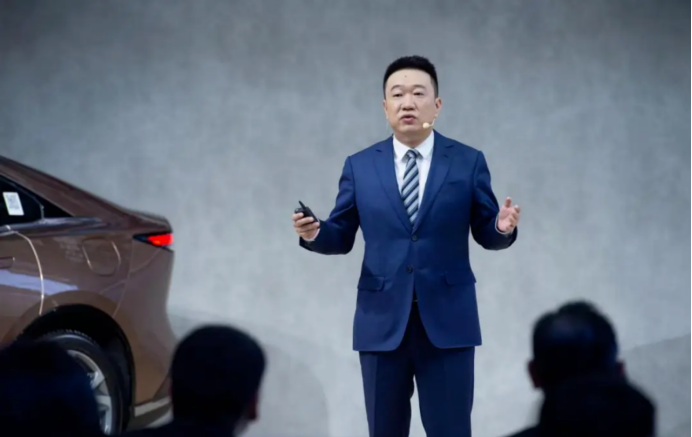
The value of this work lies in "starting from zero." For a second-tier Japanese joint venture brand with limited scale, building a new energy product matrix and a basic framework for user operations—with resources far inferior to those of leading joint venture competitors—is no small feat in itself. More importantly, the role of the Nanjing plant is evolving: the overseas version of the EZ-6 has entered the European market, the Nanjing base has become Mazda's global new energy vehicle export hub, and a "R&D in China, supply globally" chain has begun to take shape. Yet between "building the framework" and "making the business run," there is a chasm that demands intensive cultivation. Wu Xuxi solved the question of "whether it exists"; Liu Bin must now solve the question of "whether it is any good."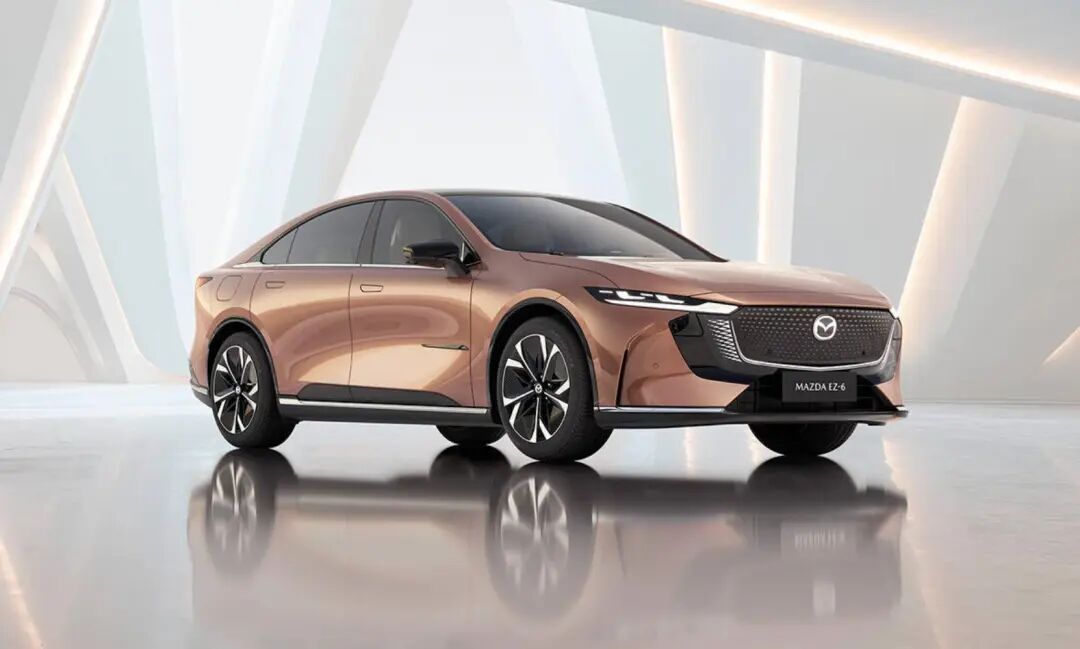
Liu Bin's résumé happens to align precisely with this chasm. Official disclosures show that his career has been spent almost entirely within Changan Automobile's sales and marketing system: Director of the Distribution Center at Changan Automobile Sales Co., Ltd., Director of the Guangzhou Service Support Center at Changan Oshan, and Deputy General Manager and Customer Officer at the Changan Kaicene Marketing Center. The keywords of this résumé are "distribution," "channels," and "customers"—not macro strategy or brand narrative. This is precisely the capability Changan Mazda needs most right now. During Wu Xuxi's tenure, initiatives such as the agency system and unified terminal pricing were promoted; the direction was right, but frontline execution was uneven. A dealership manager once told the media candidly that most customers coming to the store were people who already liked Mazda, and few young people walked in. Product-level attempts to "break out of the circle" and weak customer acquisition at the channel level have created a certain disconnect.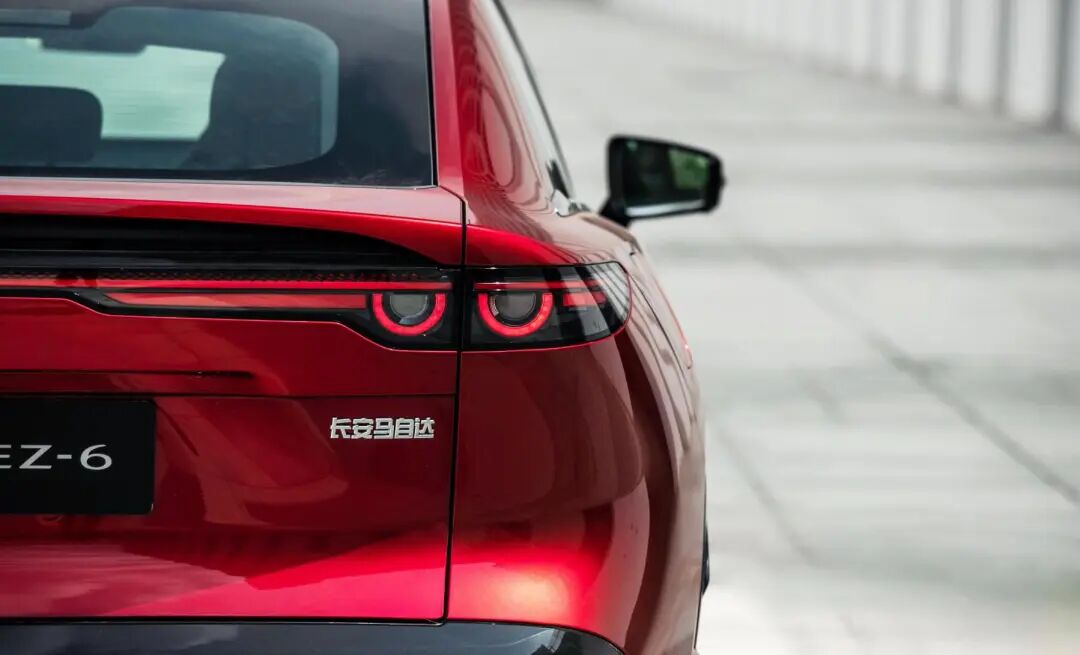
By contrast, during his tenure at Changan Kaicene, Liu Bin gained deep experience in channel management in commercial vehicles and entry-level markets, and he is well versed in cost control, network expansion into lower-tier markets, and frontline execution. In 2026, when joint venture brand channels are generally under pressure, this "down-to-earth" experience may prove more practical than any grand electrification vision. The official description of Liu Bin's responsibilities confirms this judgment: "consolidating operational quality" has been placed in a prominent position. The balance of assessment is shifting from pure sales figures to quality indicators such as channel health, per-store efficiency, and user retention. Of course, Liu Bin is not taking over an easy burden. Changan Mazda's sales trajectory in recent years is best described as "a slight warmth amid lingering cold."
2024 was the trough year, with Changan Mazda's cumulative sales that year at about 75,600 vehicles, down 14.69% year on year. In 2025, it rebounded, with full-year retail sales of about 87,000 vehicles, up 15% year on year, and the new energy share reaching 38%. But this growth was built on the excessive decline in 2024, and many observers described it as "picking the tallest among dwarfs." Entering 2026, the momentum has continued somewhat. First-quarter sales rose 27.2% year on year, and the new energy share exceeded 47%. September retail sales reached 11,675 vehicles, of which the EZ-60 sold 5,109 and the EZ-6 sold 2,706, with the two models supporting the new energy overall performance.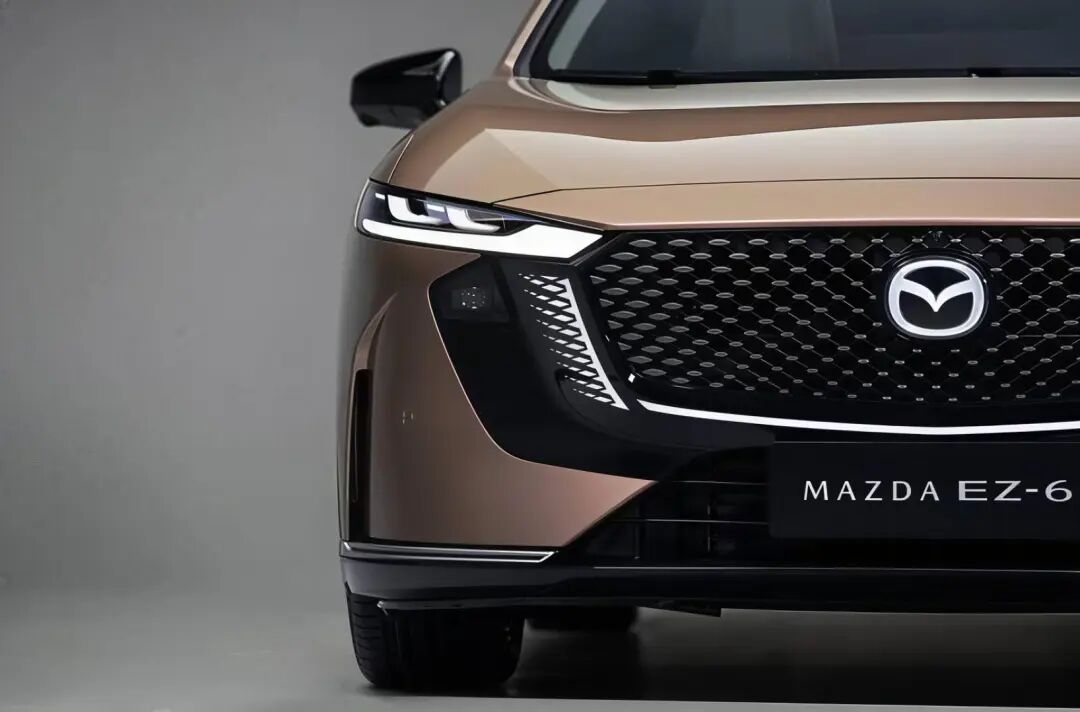
The sales growth is notable, but the hidden risks are also obvious. Changan Mazda's target for 2026 is 135,000 vehicles (84,500 in the domestic market). Based on the pace of about 80,000 vehicles from January to September, the pressure to push volume in the fourth quarter is considerable. More critically, the extent to which growth depends on new product effects and terminal discounts rather than a substantive recovery in brand value is a question that Liu Bin and dealer partners must answer together. Clearly, what lies ahead for Liu Bin is a tough battle "from 1 to N"—not about who runs faster, but about who can truly consolidate the results of transformation in every single store, every customer, and every delivery. (Images are from the internet and will be deleted if infringing.)
-
![]()
New Energy Vehicle Sales Surge as Volkswagen's China Offensive Begins
-
![]()
Liu Bin Takes the Helm at Changan Mazda Sales as the Hard Road of Transformation Begins
-
![]()
Baidu’s Computing Power Dividend: Money In, Money Out—When Will the Kunlun Chip Ride to the Rescue?
-
![]()
Heavyweight Warning! CAAM to Publish Payment Terms Review of 17 Automakers — This Time It Means Business
-
![]()
DeepSeek's Quota Limits: A Prelude to Consumer-Side Paid Plans?
-
![]()
XPeng Poised for Record November Sales Exceeding 60,000 Units, Entering High-Growth Phase: He Xiaopeng Vows to Widen Lead Over Rivals in 2027 | Mingjing Pro
-
First Domestically Built BMW iX3 Rolls Off the Line in Shenyang, Presales from 269,900 Yuan—Can It Turn Things Around?
-
![]()
DeepSeek Breaking: App and Web Usage Limited Amid Computing Power Shortage