The World Wants Its Own Shenzhen
 11/20 2026
 486
Authors: Zhou Hanchi, Yang Zi, Li Xiaotian
Editor: Li Xiaotian
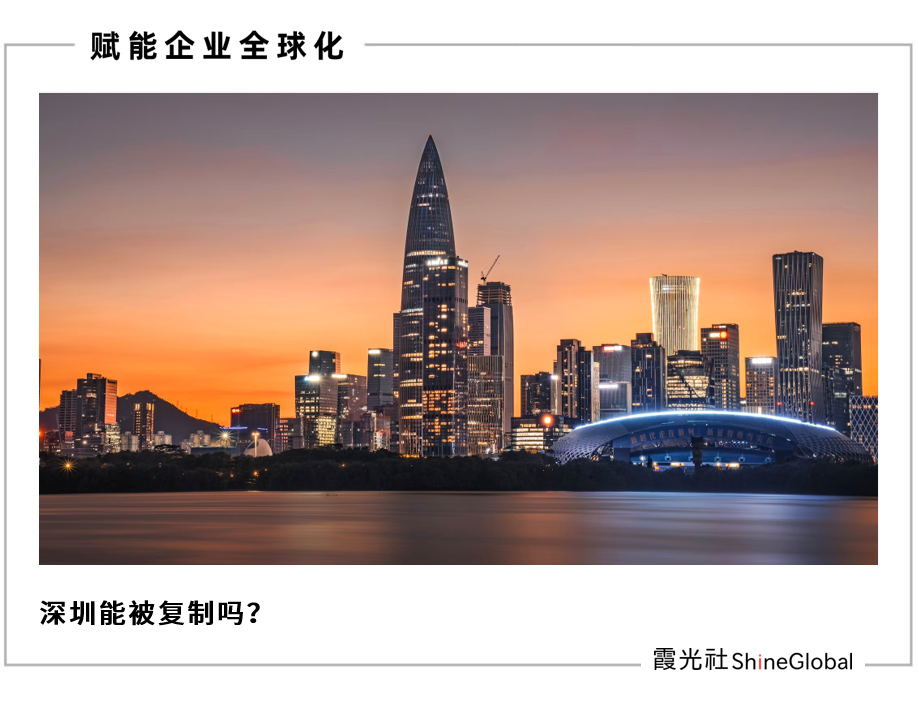
At a time when the world seems to be disenchanting everything, Shenzhen remains enchanting.
Recently, the city set off a wave across overseas social platforms. The spark came from Spanish political scholar Santiago Amesili, who, after touring Shenzhen, wrote an impassioned post. Confronted with drone food delivery weaving through the streets, effortless face-scan-and-go payments, robots deftly preparing meals in shops, and flying cars undergoing trial operation, he let out an exclamation that struck a chord: "I hope my country can also have a Shenzhen."
The remark—brimming with expectation and envy—was shared frantically by foreign netizens, pushing #ShenzhenTravel onto the trending list.
At first, the wave of popularity stayed within the lenses of influencers and bloggers. An Egyptian travel blogger marveled that Shenzhen is "a perfect stitch between future technology and daily life"; a Polish travel blogger said in a video that "living here feels like living in 2050." Soon the elite circles joined in. An American Silicon Valley investor posted: Shenzhen's subway and rail systems connect seamlessly, the streets are clean, the air is fresh, the parks are picturesque, electronic payments are extraordinarily convenient, and local residents are friendly and warm. He summed up Shenzhen with one word—"stunning": "Overall, this is a remarkable city, and the way everything is built and organized is admirable."
What is more interesting is that this recognition does not stop at the convenience of daily life and the advancement of infrastructure.
The clock pointed to November 18–19, 2026, when the 33rd APEC Economic Leaders' Meeting was held here. This was China's third time as host, and after twelve years, the heavy responsibility fell to Shenzhen.
On the eve of APEC-related events, Mexico's Secretary of Environment and Natural Resources Bárcena visited Dasha River, Talent Park, and Honghu Water Quality Purification Plant. Beside these waters—once polluted, now crystal clear—she stated solemnly that Shenzhen is a model for restoring rivers and repairing ecosystems: "We have three very long rivers, and using these Chinese experiences, we can solve problems for millions of people." This was the affirmation of a guest, and even more, a country's desire for development and governance wisdom.
Across the globe, especially in the vast Global South, countries are striving to find better development paths. They long for a magnificent transformation from barren shores to skyscrapers, from contract manufacturing to intelligent manufacturing, from followers to leaders—they long to build "their own version of Shenzhen."
The admiration of grassroots influencers, the admiration of international elites, and national ministers seeking "prescriptions" to solve governance challenges—Shenzhen's charm crosses classes and borders. As the world's gaze converges here, Shenzhen is at once a tech showcase of "drone-delivered milk tea" and a vivid sample of urban governance, green ecology, and the possibilities of a better human life.
In this space, "I hope my country can also have a Shenzhen" has become a collective call of great contemporary significance.

Why Shenzhen?
American urbanist and author of The Rise of the Creative Class Richard Florida wrote when evaluating Shenzhen: "In today's global economy, the most important story is none other than the rise of China; the most urgent question is none other than how a manufacturing power can reach the frontier of innovation... What drives this transformation is mainly not top-down administrative orders, but enterprises' R&D investment, grassroots manufacturers, highly dense supply chains, and a flexible local government that knows how to 'serve' rather than 'command' enterprises... Silicon Valley is not the only model of innovation; for Global South countries, Shenzhen's model may have more reference value."
Shenzhen's experience is less a set of policies that can be copied wholesale than a logic of evolution: first embed itself into the global division of labor with openness and cost advantages, then rely on market-oriented enterprises, dense supply chains, and an institutional environment of constant trial and error to climb up the value chain step by step. This also provides today's latecomer economies with a paradigm and path to enter the world economic order.
To understand where this "reference value" comes from, one must first return to the starting point of this path.
Fifty years ago, its predecessor Bao'an County was a starting point with no imagination of a "global city," with a GDP of only 179 million yuan, less than 1% of Hong Kong's at the time. But once the door of opening was pushed open, it has never closed again in fifty years. By the first 10 months of 2026, Shenzhen's imports and exports reached 5.25 trillion yuan, up 40.9% year on year, becoming the first mainland city to break the 5 trillion mark.
Data from the Shenzhen Statistics Bureau show that this land of less than 2,000 square kilometers supported an economic volume of 3,025.085 billion yuan in the first three quarters of 2026. At the same time, total social R&D investment reached 245.31 billion yuan, with an intensity of 6.67%, ranking first among all cities in the country. When many megacities are moving toward "deindustrialization," Shenzhen's added value of above-scale industries in the first three quarters of 2026 still maintained a growth rate of 9.5%, and total goods imports and exports grew 38.8% year on year.
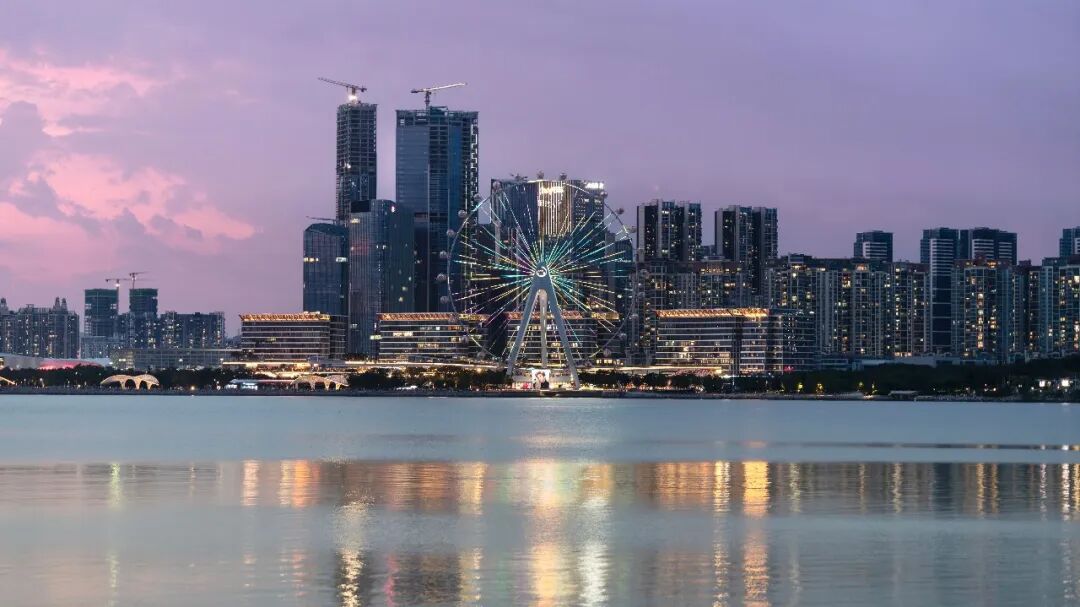
The image shows Shenzhen Bao'an Coastal Culture Park
Innovation, diversity, inclusiveness, and openness are not posture-like descriptions in Shenzhen; they are backed by verifiable data. To see how they operate in specific spaces, Huaqiangbei during the APEC meeting is a sharp cross-section.
Walking into this block, what first catches the eye is the many foreign faces: foreign merchants move among one-meter counters, several stalls display "departure tax refund" signs, and "buy and refund on the spot" has already become a daily counter operation rather than a policy clause.
The core block of Huaqiangbei covers only 1.45 square kilometers but gathers more than 110,000 commercial entities and 35 specialized markets, covering over a million types of electronic components. About three million parcels are sent from here to the world every day, with annual transaction volume reaching 480 billion yuan, incubating hundreds of listed companies.
A Mexican buyer tried on AI smart glasses at a stall and said a quote in accented English. In less than two seconds, the real-time translated Chinese popped up on the lens display area. The stall owner tapped on a calculator while pulling out a higher-computing-power sample from under the counter, telling him that if the plan was confirmed that day, he could see the mold-opening sample at a factory in Dongguan the next afternoon.
Conversations like this happen every minute. A hardware entrepreneur from Southeast Asia was still revising a sketch of a recording card in the morning, and by six in the evening a functional sample still warm from production was placed on the counter. The rhythm of "draw the blueprint in the morning, produce the sample in the afternoon, ship globally the next day" makes hardware R&D measured in months seem like a product of another era.
The bustle of Huaqiangbei stems from the fact that within a one-kilometer radius it compresses a city's core capabilities: richness of products, extreme speed of response, and the meshing between global buyers and the supply chain. This is the same logic as what Shenzhen itself is doing.
Today, among the products sent overseas from Shenzhen, the most eye-catching have become robots, AI glasses, 3D printers, and intelligent terminals. In the early stage of the rise of large AI models, new global investment flowed to cloud data centers and computing power chips. By 2026, large models are accelerating their descent to terminal devices, which the industry calls "physical AI." The R&D to mass production of such new hardware can almost all be completed in Shenzhen and its surroundings; the high-end chips and key components needed mostly come from other APEC economies, and the products are mainly sold across the Asia-Pacific. Shenzhen's "90% phenomenon" is the footnote here: more than 90% of innovative enterprises are local enterprises, and more than 90% of R&D institutions, R&D personnel, and R&D funds are concentrated in enterprises.
From export processing to independent R&D, from "world factory" to city of innovation, Shenzhen's annual international patent applications are nearly 20,000, total social R&D investment increased from 151.08 billion yuan in 2020 to 245.31 billion yuan in 2024, with enterprise R&D investment accounting for more than 93% of it. This means the steering wheel of innovation is held between production lines, not suspended somewhere far from manufacturing.
The thickness of the supply chain is the foundation of innovation. Take AI glasses as an example: whether they are comfortable to wear and can be worn all day depends on the frame, lenses, and fitting process. Since the first glasses factory settled in Longgang District in 1983, nearly a thousand glasses-making enterprises have gathered there, with countless AI and AR companies in surrounding cities. This phenomenon of "mature industries serving as stepping stones for new industries" did not grow naturally; it had a long and deep bedding period.
In the early stage of "three-plus-one compensation trade," most investors in Shenzhen were Hong Kong and Taiwan enterprises, after which European, American, and Japanese capital gradually entered. In 1983 Sanyo Electric established a wholly owned company in Shekou; afterward, Northern Telecom's digital program-controlled switch production line and Epson's dot matrix printer production line were put into operation one after another, and in 1988 Foxconn built a factory in Shenzhen. By 1990, Shenzhen's electronics industry had grown from a single county-run enterprise into a modern electronics industry system composed of more than 600 enterprises with relatively complete product categories.
What foreign capital brought was not only orders, but also technical standards, management methods, industrial workers trained by assembly lines, and a capability universally usable by the global manufacturing system.
After this capability accumulated to a certain extent, even commentators at Nikkei were surprised: Shenzhen has formed a large number of "solution companies." Even if entrepreneurs do not have their own factories, design departments, or R&D teams, as long as they have an idea, such companies can quickly complete resource integration and information matching and push products to market in a short time.
The one-meter counters of Huaqiangbei, the fashion town of Dalang in Longhua, the Henggang glasses base in Longgang, the Time Valley in Guangming, the Shuibei jewelry cluster in Luohu, and the Nanyou clothing wholesale market in Nanshan—these seemingly scattered nodes together form an industrial network. What this network catches is a scarce urban capability—Shenzhen not only accepts new technologies but is also willing to provide a "super testing ground" that allows them to trial and iterate.
In Nanshan Science and Technology Park, below the office buildings at lunch break, cargo drones land along established routes, and coffee and light meals drop steadily into smart pickup cabinets. The low-altitude economy has already flown from a concept in policy documents to every corner of the city. There are 310 low-altitude logistics routes and 1,200 takeoff and landing points, and the annual flight volume of cargo drones has exceeded one million sorties.
The reason the commercial loop can close first here is not that the technology was perfect from the beginning, but that Shenzhen took the lead in opening real, high-frequency, and complex urban delivery scenarios to low-altitude operations. Flight control algorithms were repeatedly polished in building airflows and massive orders, and only then did marginal costs have the chance to be pressed low enough to cross the commercialization threshold.
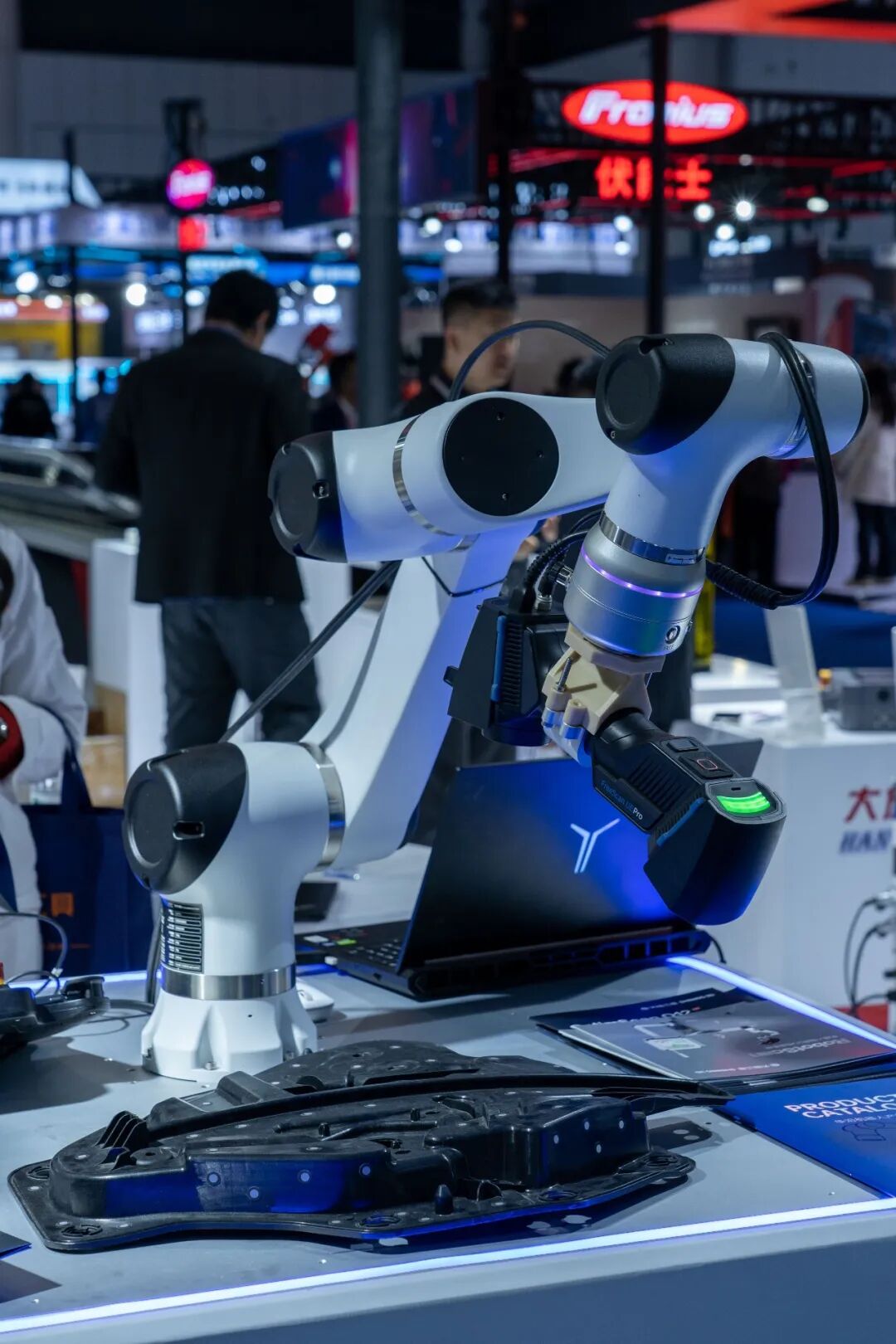
The image shows Guangdong Huayan Elfin collaborative robotic arm
The same logic also occurs in digital payments, robot scheduling, and countless technical details. When new technologies complete "street training" in Shenzhen's high-density scenarios, they gain the confidence to be exported overseas. The explosive overseas expansion of the robotics industry is the most typical example.
In the first three quarters of 2026, Shenzhen's exports of robots to other APEC economies reached 4.86 billion yuan, up 7.5 times year on year. In European and American markets with high labor costs and urgent desire for manufacturing reshoring, industrial collaborative robots and humanoid robots represented by Dobot and UBTECH are entering automobile assembly lines in batches to complete operations at highly repetitive and high-risk stations. In Southeast Asia, Japan, and South Korea, where commerce and services are booming, commercial service robots represented by Pudu Robotics have long become "standard employees" in star-rated hotels and chain restaurants in Bangkok, Singapore, and Tokyo—they can not only autonomously take elevators to deliver food and move flexibly among narrow tables and chairs, but even greet and attract customers in multiple languages.
Behind the growth rate is the packaged overseas expansion of "scenario experience"—first prove it in Shenzhen, then deliver the verified operating logic and cost structure to farther markets. At this point, what Shenzhen produces is not just products in containers, but a comprehensive capability that can be learned, dismantled, and taken global, created by compressing innovation, manufacturing, and life scenarios.

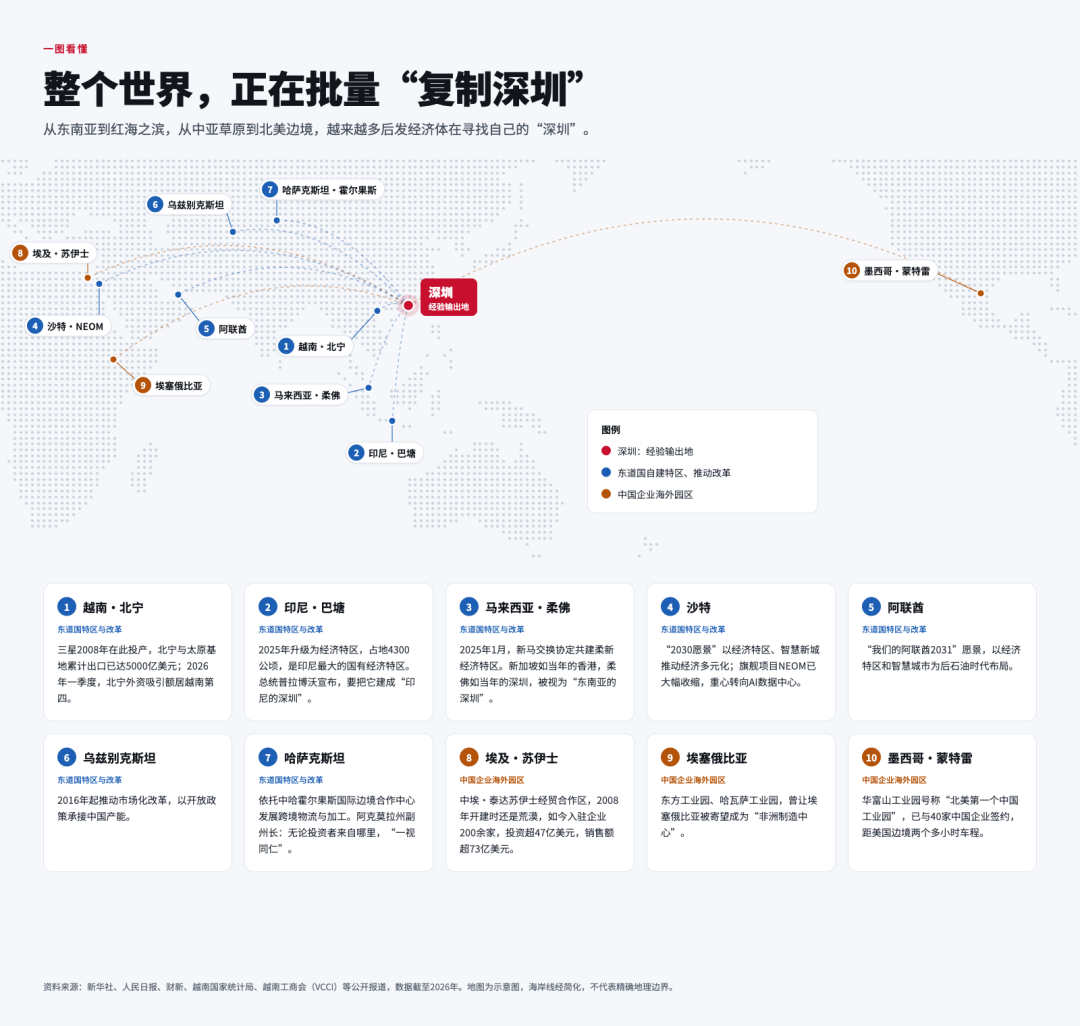
Who is "copying"? A global map
Undoubtedly, building "their own version of Shenzhen" is becoming a shared goal across many Global South countries.
Vietnam is among the most closely watched. With a young, abundant, and hardworking labor force, it has seized the opportunity presented by Chinese supply chains spilling over amid China-US rivalry, rapidly growing into a key link in the restructuring of global supply chains. "Vietnam today looks a lot like Shenzhen at the start of the 21st century" is a sentiment widely shared among Chinese entrepreneurs who have put down roots in Vietnam.
Bac Ninh Province in the north is where this "Shenzhen feel" is most concentrated. Located in the Red River Delta, close to the capital Hanoi and not far from Noi Bai International Airport, with highways and inland waterway shipping extending in all directions and low logistics costs, it has attracted foreign enterprises such as Samsung, Canon, and Haier to build factories here. Samsung set the earliest benchmark: its factory in Yen Phong, Bac Ninh, went into operation in 2008; by the end of June 2026, the cumulative export value of Samsung's production bases in Bac Ninh and Thai Nguyen provinces had reached 500 billion US dollars.
In 2025 Vietnam carried out provincial mergers, combining Bac Ninh and Bac Giang into the new Bac Ninh Province, and the momentum of investment attraction did not weaken. In the first quarter of 2026, Bac Ninh approved 138 new projects and 89 capital-increase projects, with total investment of about 5.2 billion US dollars, ranking fourth nationwide in foreign investment attraction. Local governance is another calling card: in the 2025 Provincial Competitiveness Index (PCI), released for the first time after the merger, Bac Ninh entered the first tier of "good governance" and ranked first nationwide in both "proactive governance" and "administrative compliance costs."
Special zones, investment attraction, infrastructure, regional coordination, and flexible policies—this familiar "story of spring" is sung just as pleasantly in Vietnam.
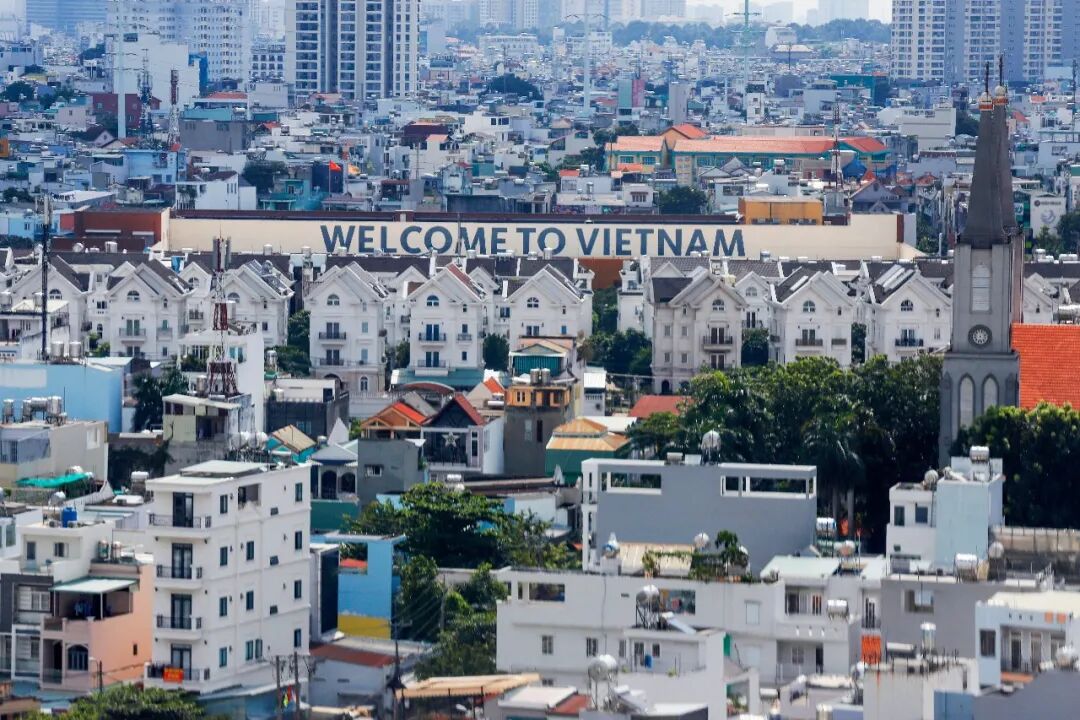
The picture shows Ho Chi Minh City, Vietnam
Economic growth figures are equally impressive: Vietnam's economy grew 8.02% in 2025, the second-highest in nearly 15 years; in the first ten months of 2026, total imports and exports reached approximately 1.01 trillion USD, up 32.3% year-on-year, surpassing one trillion USD for the first time. Vietnam's target for 2026 is GDP growth of at least 10%.
But Vietnam's ambitions go beyond being the "world's factory." The government is working to activate the domestic private economy and support core industries, and its intent to climb up the industrial value chain is becoming increasingly evident.
In May 2025, Vietnam issued Resolution No. 68 aimed at developing the private economy, positioning the private economy for the first time as "the most important driver of the national economy." Previously, private enterprises had long ranked behind state-owned enterprises and foreign investment. The resolution proposed doubling the number of private enterprises to 2 million by 2030 and cultivating at least 20 large enterprises capable of participating in global value chains. Most of Vietnam's large corporate groups today grew up after the 1986 "Doi Moi" reforms, and their success partly benefited from close ties with the government, while the new round of reform hopes private enterprises will play a more important role in the economy.
This ambition has its background. For many years, Vietnam's rapid growth was mainly driven by foreign investment, and it has also been one of the biggest beneficiaries of companies moving production out of China to avoid US tariffs. The cost is a high dependence on foreign investment and the US market: in the first ten months of 2025, Vietnam's exports to the US were 126.2 billion USD, up 27.6% year-on-year, accounting for 32.3% of total exports; in the first eight months of 2026, foreign-invested enterprises contributed about 80% of Vietnam's exports, while domestic enterprises accounted for only about 20%.
In this regard, Tyler Nguyen, chief market strategist at Ho Chi Minh City Securities Corporation (HSC), believes: "This resolution aims to create a fairer competitive environment for domestic private enterprises, enabling them to compete more effectively with foreign and state-owned enterprises. This is very similar to the path taken by Asia's 'Four Little Dragons.'"
Not only Vietnam—Indonesia, Southeast Asia's largest economy, has already written "benchmarking Shenzhen" into official statements.
In March 2025, the Batang Industrial Park in Central Java, Indonesia, was upgraded to a special economic zone, with President Prabowo personally attending the inauguration and announcing plans to build it into "Indonesia's Shenzhen." This 4,300-hectare park is Indonesia's largest state-owned special economic zone and part of the China-Indonesia "Two Countries, Twin Parks" cooperation: corporate income tax can be exempted for up to 20 years, land use rights for up to 80 years, and it takes just over two years from signing to factory production. The nearby Kendal Special Economic Zone Phase I quickly reached full occupancy, with most tenants being textile, furniture, and small home appliance companies from Fujian and Guangdong. Prabowo's ambition goes further: he plans to build at least 38 special economic zones nationwide, ensuring every province has one.
If Batang is learning from "early Shenzhen," then the Johor-Singapore Special Economic Zone jointly built by Malaysia and Singapore is replicating the "Shenzhen-Hong Kong combination."
In January 2025, the two countries formally exchanged agreements: Singapore, like Hong Kong in those years, provides capital, finance, and headquarters services; Johor, across the sea, like Shenzhen in those years, provides land, labor, and utilities. The special economic zone covers 3,505 square kilometers, almost equivalent to Shenzhen and Hong Kong combined. In 2024, the Johor State Executive Councillor led a delegation specifically to Shenzhen to study and learn from its experience. Now the zone has moved from planning to implementation: 76.98 billion ringgit in investment was approved in 2025, and another 74.12 billion ringgit in potential investment was identified from January to May 2026; by the end of 2025, the Johor-Singapore Special Economic Zone accounted for 85% of investment inflows into Johor state. Tech giants such as Nvidia, Google, and Microsoft have been building data centers in Johor, which is becoming a new computing hub in Southeast Asia.
And from the shores of the Red Sea to the Central Asian steppes, the list of "next Shenzhens" is growing longer.
In the Middle East, Saudi Arabia's "Vision 2030" and the UAE's "We the UAE 2031" are laying out plans for the post-oil era through economic diversification strategies such as building special economic zones and smart new cities. In Central Asia, Uzbekistan has been promoting market-oriented reforms since 2016, and Kazakhstan is developing cross-border logistics and processing through the China-Kazakhstan Khorgos International Border Cooperation Center, likewise using open policies to take on Chinese production capacity.
In Africa and Latin America, the "Shenzhen model" is more often implemented through Chinese companies "building parks and bringing industries." The China-Egypt TEDA Suez Economic and Trade Cooperation Zone, known as "Africa's Shenzhen," was still a desert when construction began in 2008; today it hosts more than 200 enterprises, has attracted over 4.7 billion USD in investment and over 7.3 billion USD in sales, and Jushi Group has built Africa's largest fiberglass production base here. Ethiopia's Eastern Industrial Park and Hawassa Industrial Park once led this East African country to be expected to become an "African manufacturing center"; across the ocean in Mexico, the Hofusan Industrial Park near Monterrey bills itself as "North America's first Chinese industrial park," has signed 40 Chinese enterprises to move in, and has brought "Shenzhen speed" to a place just over two hours' drive from the US border.
"Your leader Deng Xiaoping had a good saying: black cat, white cat, a cat that catches mice is a good cat." In an interview with the media, Ernar Zharkeshov, Deputy Governor of Kazakhstan's Akmola Region, deliberately said this sentence in somewhat rusty Chinese. He explained: "We are very pragmatic—whether investors come from Russia, China, or Europe, we are ready to cooperate with them on an equal footing."
More than forty years ago, it was precisely this pragmatic spirit that enabled Shenzhen to dare to pioneer and experiment, starting from the slogan "Time is money, efficiency is life" and carrying through to today. Now, the philosophy of this "cat" has crossed mountains and seas, becoming a development creed for more and more latecomer countries: not bound by ideology or disputes over paths, but embracing with an open attitude all capital and technology that can bring growth.

Cool-headed reflection: Why is Shenzhen so hard to fully replicate?
But Shenzhen is not something that can be created just because one wants to.
First is the unique location adjacent to Hong Kong. In the early days of reform and opening up, Shekou did not even have decent roads or power grids. The first to truly dare to put real money in were Hong Kong industrialists across the sea. Back then, the Hong Kong-funded shipyard and container factory introduced by China Merchants Group were among the first to land; Hong Kong freighters set out from Victoria Harbour in the morning and could dock at Shekou in the afternoon, bringing with them international orders, industrial blueprints, machinery and equipment, and even financial bookkeeping and contract legal rules that came directly "across the river" from Hong Kong.
From the 1980s to the 1990s, a classic "front shop, back factory" model in economic history took shape between Guangdong and Hong Kong: on one side was the vast land and labor hinterland of the Pearl River Delta; on the other was Asia's most mature free port and international financial and trade center at the time. During the more than two-decade golden division of labor of "front shop, back factory," Hong Kong office buildings took orders from Europe and America, Shenzhen across the river started production lines overnight for processing, and the next morning goods were transported back to Hong Kong via the Man Kam To and Huanggang ports for shipment overseas. On the other side, across the sea, Shenzhen was already connected to the world.
Second is the industrial cluster accumulated over more than forty years of fierce competition.
The New York Times once reported that a few weeks before the first-generation iPhone launched in 2007, Steve Jobs suddenly decided to replace the plastic screen with a scratch-resistant glass screen. When the new screens arrived at the Shenzhen factory, it was already midnight; the foreman immediately woke 8,000 workers in the dormitory, gave each a biscuit and a cup of tea, and within half an hour all were on the job, producing more than 10,000 new iPhones within 96 hours.
The players in this story were not only workers who could be assembled at any time, but also all the suppliers within a 50-kilometer radius who could be found for special glass cutting, precision molds, adhesive coatings, and packaging boxes.
This kind of industrial cluster was not pieced together from government investment attraction lists. Today's world-famous Huaqiangbei was still called "Shangbu Industrial Zone" in the early 1980s, when the Ministry of Electronics Industry and the Ministry of Ordnance Industry relocated more than a hundred military electronics enterprises from the inland Third Front to the area. These state-owned enterprises brought the earliest batch of transistor and circuit board production lines and precision instruments. Later, as the market opened up, large numbers of technicians "jumped into business" and set up stalls nearby selling surplus components, and only after hundreds of thousands of small and micro enterprises engaged in brutal close-quarters competition did today's globally unique electronics street gradually grow.
On top of that is the "engineer dividend" and immigrant city culture sustained over three decades.
Around 1988, the tide of "peacocks flying southeast" arose, and hundreds of meters of queues formed every day at the entrance of the Shenzhen Talent Exchange Center, as countless young people from inland universities and research institutes smashed their "iron rice bowls" and headed south to try their luck. Shenzhen had no historical burden of local prestigious universities, but through high salaries, equity incentives, and market mechanisms, it absorbed the most adventurous science and engineering brains from all over China.
It was precisely this space that created later business legends: in the mid-1990s, Ren Zhengfei rented a crude factory building in the remote "Baicaoyuan" of Shenzhen Science and Technology Park and brought the then infant Huawei R&D team here; relying on thousands of young engineers' "cushion culture" of working day and night, they tore open a gap in program-controlled switches amid encirclement by multinational giants; in 2006, Frank Wang, a graduate student at HKUST, brought a few classmates to tinker with flight control systems in a rented room of less than 20 square meters in Chegongmiao and founded DJI—because in Shenzhen, screws and motors could be bought downstairs, and an engineer who could write embedded code could be found next door.
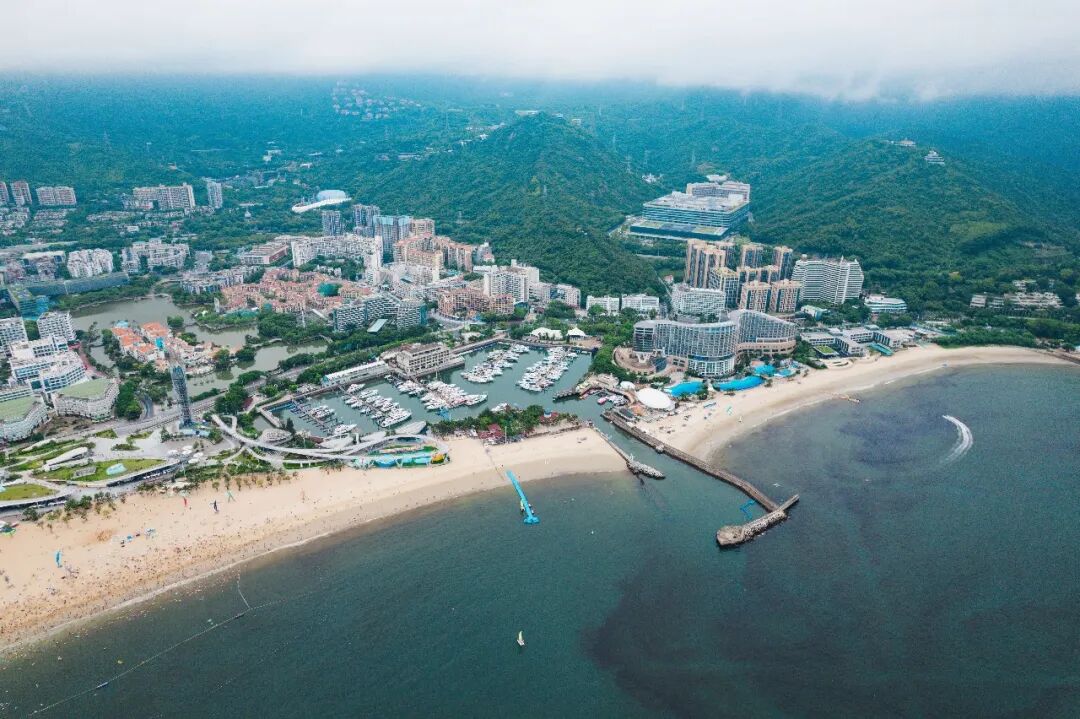
The picture shows Shenzhen Dameisha Seaside Park
Today, Shenzhen has more than 2 million professional and technical talents, and this dense "engineer density" is the core asset that is hardest for any overseas park to create in a short period.
More importantly, Shenzhen has virtually no exclusionary "native resident barriers." No matter where you come from, as long as you have an idea, you can find partners in a café in the Science and Technology Park. The inclusiveness of "come to Shenzhen and you're a Shenzhener" and the contract spirit of "time is money" established in the Shekou era have given this city an extraordinarily high tolerance for trial and error. This entrepreneurial spirit, accumulated through generations of migrants voting with their feet, is absolutely not something that can be replicated by copying a few investment policies.
In addition, there are flexible policy guidelines that run "support" and "competition" in parallel.
British author Joe Studwell, who has long studied Asian economies, specifically compared why Japan, South Korea, China, and Southeast Asian countries headed toward different fates in How Asia Works. In his view, the key is not whether the government manages enterprises, but how it manages them.
East Asian economies likewise used high tariffs, subsidies, and low-interest loans to protect domestic enterprises in the early stages of industrialization, but support came with conditions: enterprises had to trade export performance for it. Studwell calls this "export discipline." The international market is the strictest examiner; if products cannot be sold, subsidies and loans are withdrawn, and enterprises either are eliminated or merged.
The problem in Southeast Asian countries was exactly the opposite. Their governments did intervene—Malaysia supported a national car, and Indonesia and the Philippines also had large numbers of protected conglomerates—but this protection did not come with export assessments, and resources often flowed to enterprises with close ties to power. The protected only needed to defend the domestic market and did not have to face international competition, ultimately making it difficult for them to grow into true industrial giants.
Shenzhen's experience is, to some extent, precisely a sample of "support" and "competition" running in parallel:
Loosening institutional constraints to spawn private enterprises. In 1987, Shenzhen issued a policy encouraging scientific and technological personnel to establish private technology enterprises, opening the door for private technology companies; Huawei was founded in that very year. What the government did was not pick winners, but lower the threshold for starting businesses so that more enterprises had a chance to enter the field.
Using patient capital to fill gaps rather than taking over everything. In 1999, Shenzhen established Shenzhen Capital Group to invest in early-stage technology enterprises in a market-oriented way; later it also set up an angel investment guidance fund to leverage social capital—the government put in money but did not make decisions for enterprises.
Using application scenarios to cultivate industries. Shenzhen took the lead in promoting pure electric buses and taxis citywide, providing large-scale early markets for local enterprises such as BYD. But what truly determined BYD's success was its later competitiveness in the global market.
Letting the market complete the survival of the fittest. More than a decade ago, Huaqiangbei gathered tens of thousands of mobile phone manufacturers, the vast majority of which disappeared in fierce competition; the survivor Transsion sold phones in Africa and became a leading local brand. Shenzhen companies such as DJI and Huawei put their focus on overseas markets very early and honed real skills in international competition. Today, more than 90% of Shenzhen's R&D investment comes from enterprises, precisely the result of this mechanism.
The "export discipline" Studwell spoke of manifests in Shenzhen in a more market-oriented form: the government builds the stage, loosens constraints, and fills gaps, and ultimately the global market decides who can stay.
But when we look at some new special zones overseas, when enterprises truly try to pursue Shenzhen speed, they always remain on the planning drawings. Infrastructure is already a problem:
For example, modern precision manufacturing requires millisecond-stable power supply 24/7, yet industrial parks in many emerging markets frequently cut power during peak periods, forcing factories to equip expensive diesel generators; due to the lack of local upstream supporting facilities, 90% of core components still have to be shipped from Shenzhen by sea, and once port congestion or customs delays occur, the entire production line falls into an inventory nightmare of shutdowns waiting for materials; even more troublesome is the talent problem—although there is young labor locally, there is an extreme shortage of skilled workers trained in industrial discipline and grassroots engineers who can troubleshoot circuit faults on site, and even land and tax policies may waver with political changes.
But the interesting business twist is precisely this: because overseas markets cannot grow these infrastructures on their own in a short time, they have instead developed a stronger dependence on Chinese enterprises.
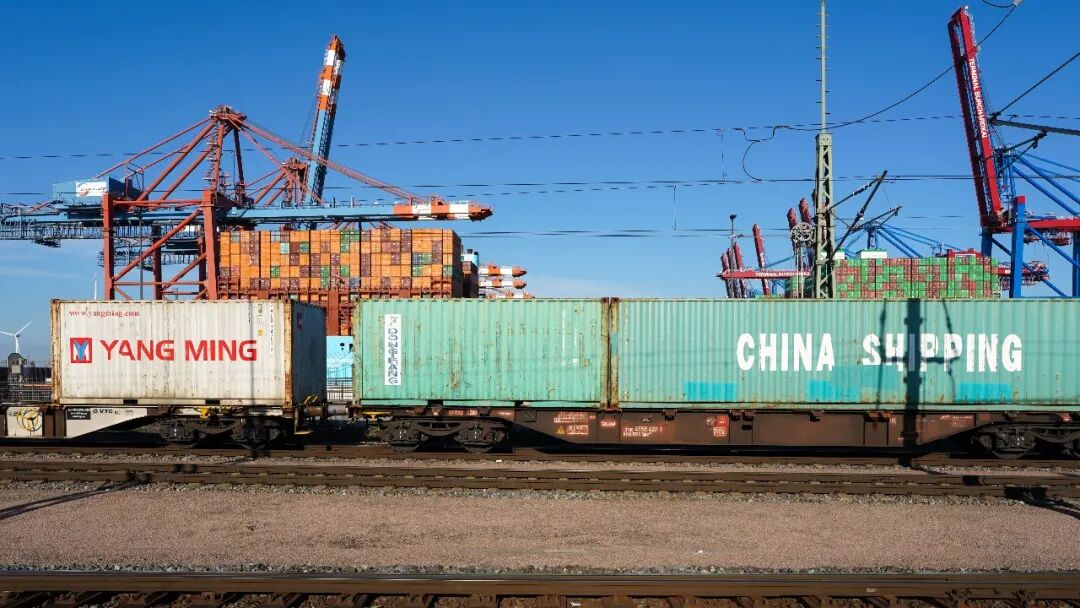
The picture shows the overseas logistics of Chinese manufacturing
If countries around the world are trying to replicate Shenzhen, then Chinese enterprises going global today may have become the construction crews for industrial upgrading in emerging markets.
When local parks lack stable power, China's new energy and power grid giants simply move in "integrated solar-storage-charging microgrids" and help industrial parks build independent energy systems; when port loading and unloading are slow and customs clearance is blocked, Chinese port operators directly copy the automated quay cranes and digital customs clearance systems of Shenzhen Mawan Smart Port to Sri Lanka, Brazil, and Nigeria; when there is a local shortage of skilled workers and process engineers, Shenzhen's smart manufacturing enterprises simply package the "automated production lines + industrial software" honed in the Pearl River Delta into "turnkey projects," even remotely operating production lines via the cloud, and then through overseas ICT academies and skilled worker training centers, help local areas train their first generation of industrial workers hand by hand.
Shenzhen's speed may not be replicable, but Chinese companies overseas need to break down and import a "certain functional slice" of Shenzhen. As a result, we see more and more Chinese companies no longer satisfied with merely selling goods in containers overseas, but beginning to systematically sell equipment, solutions, and experience, and build ecosystems.
In other words, what is replicated overseas is often only a partial slice of Shenzhen, and it is difficult to learn the full picture overnight; yet the real business opportunities for Chinese companies lie precisely in filling the enormous gap between this "idealized Shenzhen" and "local realities."
In fact, the reason the world is eagerly "wanting a Shenzhen" is ultimately that the vast Global South countries desire tangible economic growth and want to seize a visible, tangible industrial future amid the turbulent changes of globalization.
And behind every borrowing, breaking down, and replication of Shenzhen's experience, what is paved is the valuable opportunities for Chinese companies to go global.
-
![]()
Claude Goes Wild: The Overseas Mac mini Rental Craze Explained
-
![]()
Alibaba Forced to "Hold Back"
-
iCAR V25 Launches with Red Packet Pricing from 119,800 Yuan — Is This Extended-Range Box Car Really a Good Deal?
-
![]()
Boxy SUVs: Only 3 Models Top 10,000 Units in October, 52% Sell Fewer Than 1,000; Deepal G318 and Hongqi G919 Under 200 Units | Mingjing Pro
-
![]()
Google Opens Genie 4 to Eligible Users, Upgrading Real-Time World Generation
-
![]()
Volkswagen Group October China Retail: 145,000 Units — How Do Volkswagen, Audi, and Jetta Break Down?
-
![]()
Musk Wants to Build a Model Y Without a Steering Wheel: Robotaxi Expands from a Solo Car to a Family-Size Vehicle
-
![]()
Weipai Reports 7,886 Retail Units in October; Gaoshan PHEV Alone Accounts for 77.4%