Robots, It’s Time to Step Off the Dance Floor
 01/16 2026
 582
582
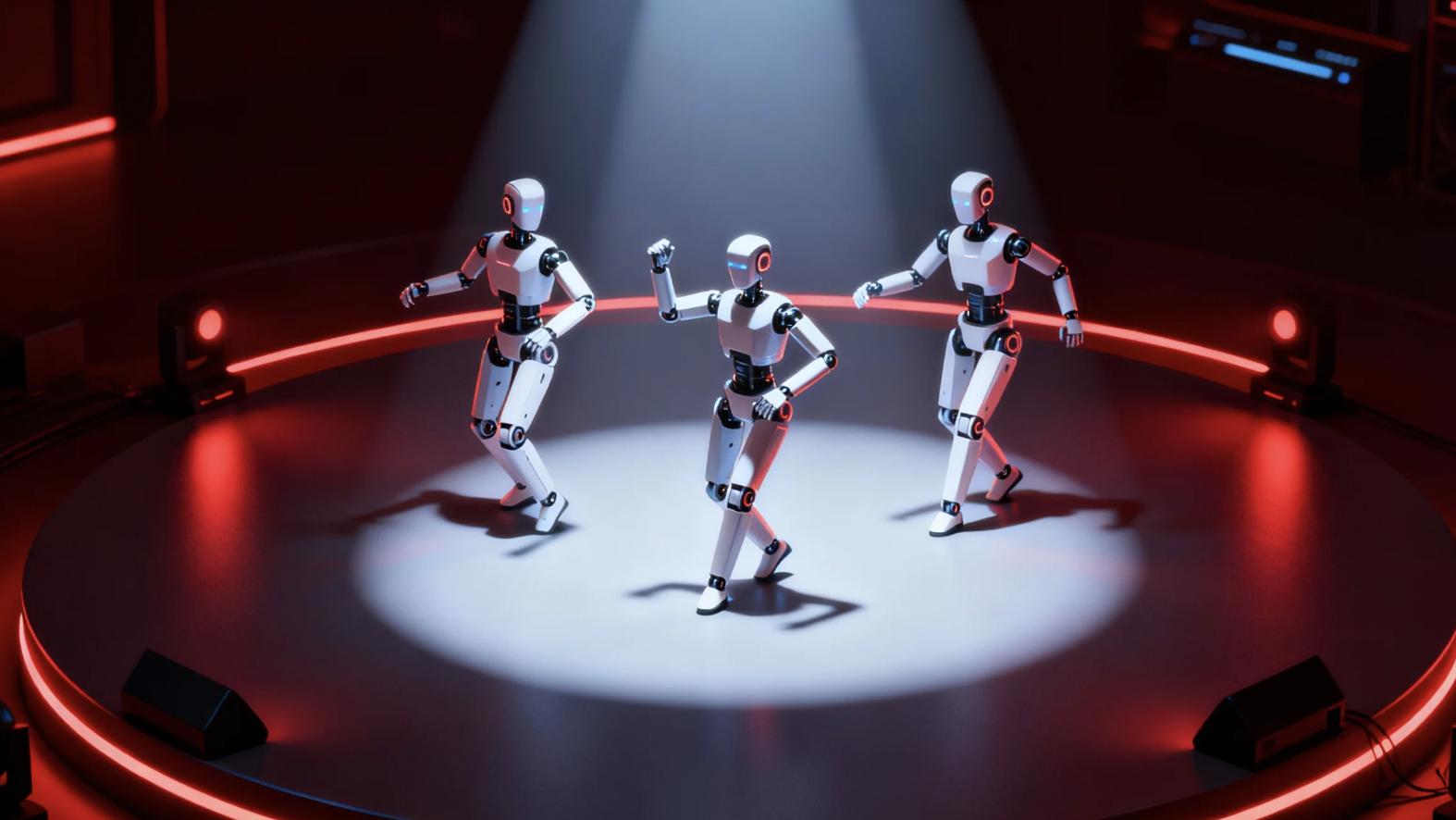
In 2025, a tidal wave of capital surged into embodied AI, sparking a widespread surge in robot orders across the industry. Leading companies secured deals exceeding 1 billion yuan.
As the seamless integration of an intelligent AI brain and a sophisticated mechanical body, humanoid robots heralded the dawn of their commercialization era.
From donning floral jackets and performing the “Cyber Yangko” dance at the Spring Festival Gala early in the year to being rented out for shopping mall events, weddings, and corporate annual meetings later on, these robots took on minor roles and commercial performances. This craze persisted into 2026.
Regardless of their form, the ultimate role of robots is to act as “productivity enhancers.”
At the 2026 Consumer Electronics Show (CES), we witnessed AI truly take on a physical form. Robots continued to “showcase” their skills, but they were no longer just dancers; instead, they made a calm transition toward “practicality.”
From household companionship to industrial exploration, robots are shedding their “ornamental” labels and integrating into our production and daily lives, truly capable of assisting humans.
From “Showcasing” to “Utility”
The concept of embodied AI dates back to Alan Turing’s 1950 paper, “Computing Machinery and Intelligence.” In this paper, Turing envisioned two paths for AI development: one is abstract intelligence, exemplified by activities like playing chess, and the other is embodied AI—an intelligent agent with senses, capable of learning, and interacting with the world.
Though introduced early, the true explosion of interest in embodied AI only began over 70 years later, in 2023. At the ITF World Semiconductor Conference that year, NVIDIA CEO Jensen Huang stated that the next wave of AI would be embodied AI.
Elon Musk has also repeatedly emphasized the market demand for humanoid robots. In his speeches, he highlighted three major challenges for humanoid robots: first, the mechanical design of the forearms and hands; second, scalable manufacturing capabilities; and third, real-world artificial intelligence. All three are indispensable.
In recent years, driven by the dual forces of technology and capital, humanoid robot technology has largely surpassed the demo validation phase and begun transitioning from laboratories to real-world scenarios. Dancing around was the most intuitive impression the general public had of these new entities over the past year.
Why Do Robots Love Dancing So Much?
The essence of robots dancing is still about “showcasing” their skills. The dexterity of their joints, as well as the stability of their mechanics and algorithms, are easily demonstrated through movement.
From a commercial perspective, this is also the easiest way for robots to break into the mainstream. Moreover, if a robot’s entertainment performance fails, everyone can just laugh it off.
In 2026, things will change. It may become a year of advancement in the “executive capabilities” of humanoid robots, and we can glimpse some future scenarios from the CES.
The most typical example is Boston Dynamics' Atlas humanoid robot. This former “robot celebrity” that amazed the world with its backflips and parkour skills has now arrived with a new, all-electric, mass-produced version of Atlas.
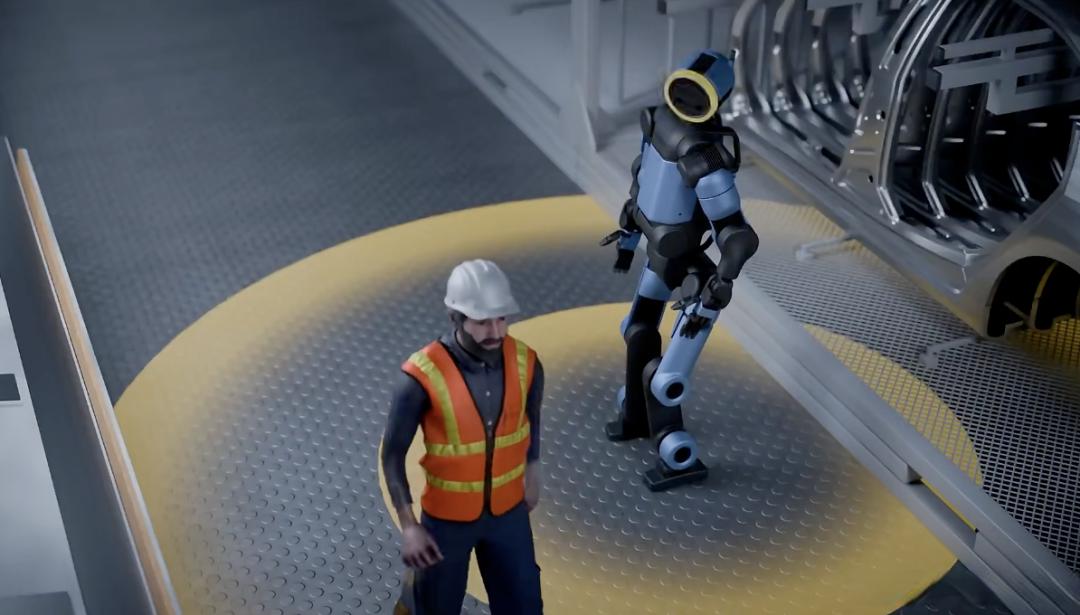
The new Atlas is fully electric, replacing hydraulic drives. Standing at 1.88 meters tall and weighing 45 kilograms, it can lift approximately 50 kilograms of heavy objects.
What’s even more interesting is that its waist, head, and legs can rotate directly, allowing for seamless switching between front and back in 0.5 seconds. Although it may look a bit eerie at first glance, as a worker, its efficiency is impressive.
Atlas can autonomously replace its battery for longer endurance or continuous operation. In terms of simulation, it collaborates with NVIDIA, and in algorithms, it deeply cooperates with Google DeepMind, equipped with the Gemini Robotics dedicated model. This addresses the three major obstacles of humanoid robots in the past: limited endurance, insufficient reliability, and low intelligence.
Atlas is no longer just for show; it has announced that it will soon start working at Hyundai’s automotive factory, solving practical assembly problems in the assembly shop. A pilot program is expected by the end of 2026, with an annual production target of 30,000 units by 2028.
The Atlas humanoid robot is truly stepping onto the production line, “capable of working,” setting an example for global manufacturing.
In addition, robots like LG’s CLOiD are attempting to help humans solve household chores such as laundry, dishwashing, and serving food. Agility Robotics’ Digit and Figure 02 focus on vertical fields such as warehousing and logistics, all placing greater emphasis on practicality.
The Chinese Contingent Marches Forward
What is even more proud for Chinese people is that at the 2026 CES, the Chinese robot contingent occupied half of the exhibition space, fully demonstrating the technological strength and commercialization progress of “Made in China.”
Zhiyuan’s Qiyuan Q1 is the only full-sized force-controlled humanoid robot on the show floor that can fit into a bag, drawing significant attention.
The core joints of the Qiyuan Q1 are only the size of an egg, weighing less than 5 kilograms in total, with a maximum load of 1 kilogram and a battery life of 2 hours.
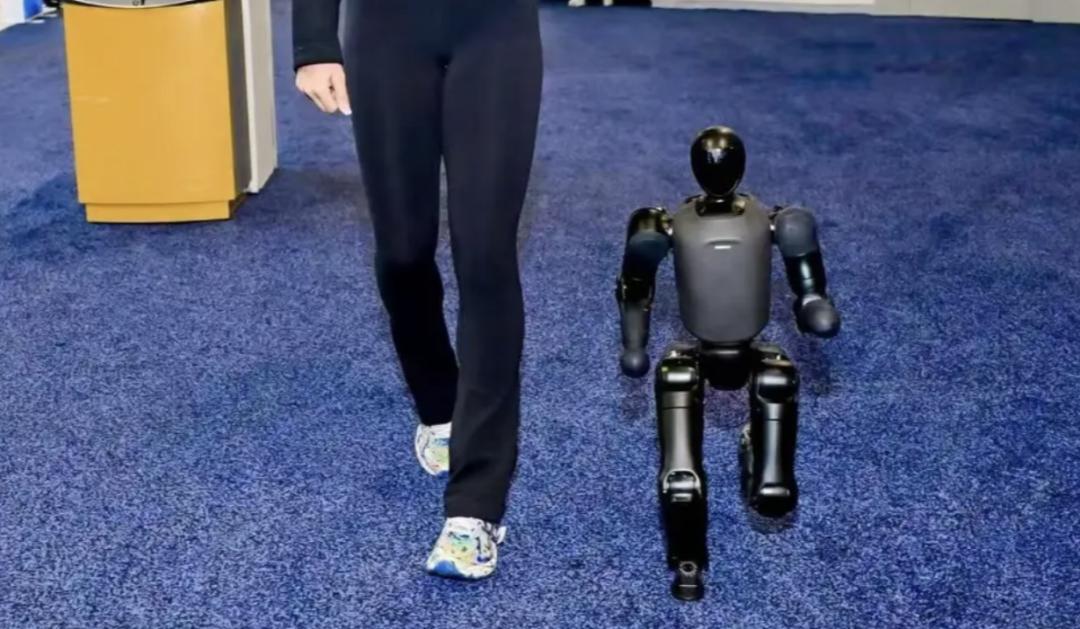
Its mass production price is set at $9,999, directly opening up a new market for personal robots and making the dream of “everyone having their own exclusive robot” a possibility.
Forbes, an international media outlet, evaluated the Qiyuan Q1 as “successfully transforming laboratory-grade robot technology into a product accessible to ordinary people.”
Zhiyuan was founded by the genius youngster Zhihui Jun. The company, established just two years ago, had already shipped over 5,000 robots by 2025, generating revenue exceeding 1 billion yuan. Its industrial-grade Farzong A1 robot has achieved industrial-scale deployment, entering fields such as 3C manufacturing and automotive assembly.
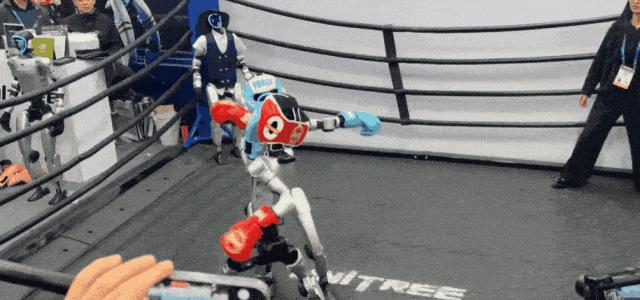
On the other side, Unitree’s two G1 humanoid robots staged a thrilling boxing match at the CES, drawing crowds. Unitree’s Unitree H1 humanoid robot, with its 360-degree panoramic perception and 15-kilogram load capacity, can already meet the demands of industrial inspections.
Currently, Unitree Technology has completed its listing counseling. On December 31, 2025, the world’s first offline brand experience store opened at Beijing Shuangjing JD MALL, attempting to bring Unitree robots from the stage into everyday life.

Next to Unitree, Zhongqing Robotics’ T800 appears robust and is the “cost-effective king” of industrial-grade general-purpose robots, focusing on industrial applications and scalable delivery.
At the scene, a PM01 robot was performing the “Eighth Set of Broadcast Gymnastics” in unison, attracting the attention of foreigners. The PM01 is suitable for research and educational scenarios and has achieved scalable deployment in fields such as public transportation guidance and commercial patrols.
Beijing Humanoid Robotics showcased several robots, including the “Embodied Tiangong 2.0,” demonstrating their ability to autonomously sort parts, allowing visitors to immersively experience the “fast, accurate, and ruthless” characteristics of embodied AI operations.
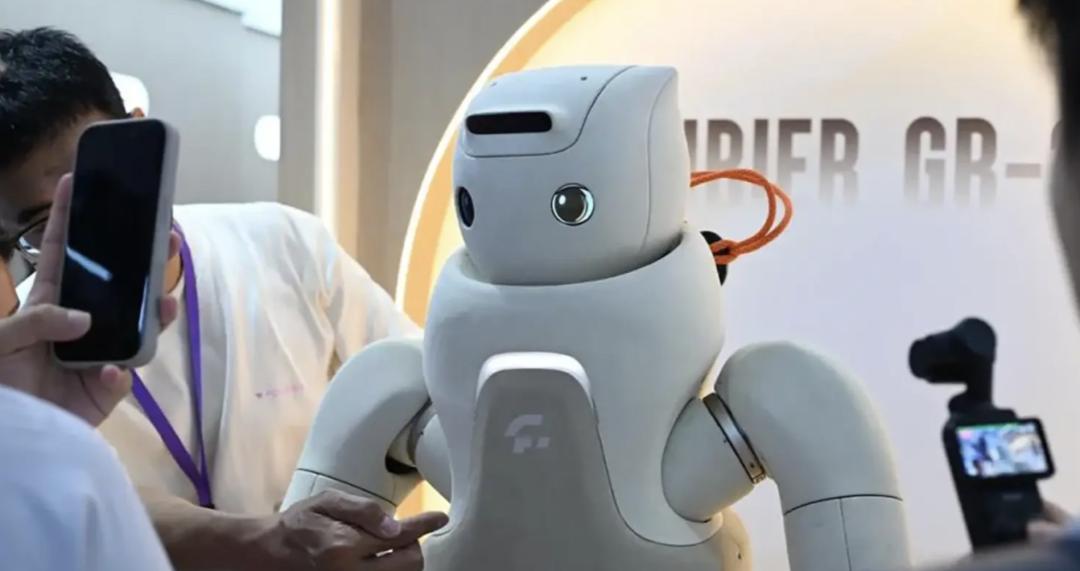
Fourier Intelligence, focusing on rehabilitation and elderly care, brought the new generation full-sized humanoid robot “GR-3 Cat Head,” the world’s first full-sized humanoid robot designed for interactive companionship with “touchable” characteristics.
The Neo Medical Edition, launched by 1X Technologies’ Chinese team, is specifically designed for rehabilitation care, assisting the elderly with getting out of bed, dressing, washing, and more. It is also a newcomer in this niche field.
From the CES, we can see that the embodied AI industry is accelerating its scenario-based deployment, penetrating into vertical fields such as industry, households, healthcare, and warehousing.
According to ITjuzi data, in the past year, there have been over 600 financing events in the domestic robotics sector, with a total financing amount exceeding 57 billion yuan.
Another related study shows that by 2026, the global robot market will exceed $50 billion, with humanoid robots accounting for 15%. The industry generally believes that humanoid robots will also face their annual “big test” this year.
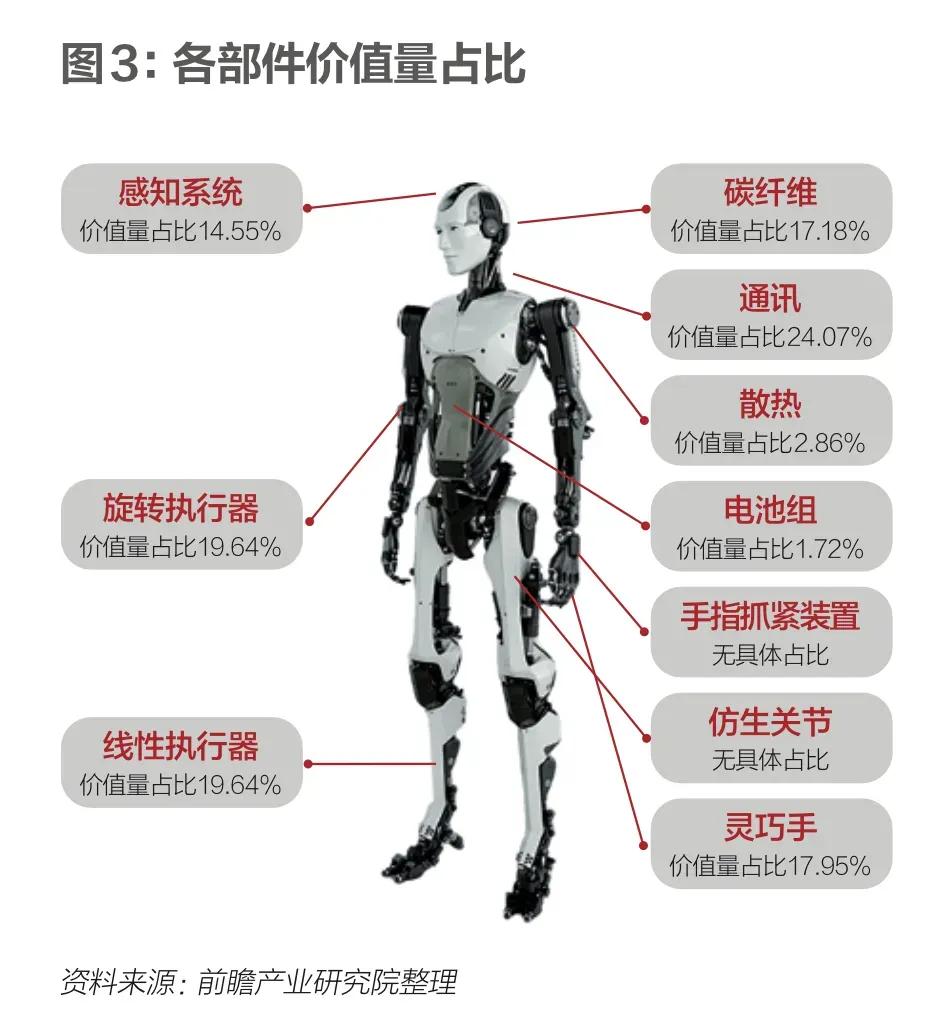
However, on the flip side of the Chinese contingent’s collective breakthrough, except for a few leading companies, most humanoid robots are still stumbling technical demonstrators: their products are not mature enough, and they are losing money while rushing to IPOs and accelerating financing.
Wang Xingxing, the founder of Unitree, recently stated that the direction of the humanoid robot industry is clear, but large-scale robot models have not yet broken through a critical threshold and are currently in the accumulation phase before the ChatGPT explosion.
Regarding the future, he believes that the next 1-3 years will be a critical window for model breakthroughs. Once the critical point of “80% task success rate in unfamiliar scenarios” is reached, humanoid robots will experience a true commercialization explosion.
Whether driven by production needs in times of labor shortages or household service demands after aging, the market requires contenders that can “truly get the job done.”
After the exhibition ends, humanoid robot companies may all need to ponder: how to overcome the three major mountains of data, modeling, and systems engineering, moving beyond concepts and into the real world.
Only by truly learning to assist humans and even accomplish tasks beyond human capability can the industry usher in its ChatGPT moment.
Leave the dance floor, robots.
-
![]()
Registered Capital Slashed to 372 Million Yuan! Yutong Optical Finalizes Industrial and Commercial Change Registration
-
![]()
Zhuque-3 Successfully Lands, and 'Time Traveler' Secures Another ¥100 Million in Funding: China's Commercial Space Industry Experiences a 'Dynamic August'
-
![]()
Autohome Faces a Shrinking Window of Opportunity
-
![]()
Even a Titan Like Musk Has Faced Setbacks in Fulfilling Promises
-
![]()
AI Office: The End of the Racing Era, Context Becomes the Key to Success
-
![]()
Domestic Vehicle Chassis Revolution ②: The Steering Wheel Remains, But Mechanical Connections in the Steering System Are Decreasing
-
![]()
Exploring MiniMax Design: Can Video Editing Be as Simple as Speaking?
-
![]()
Why Can SenseTime Achieve Profitability While CloudWalk Still Faces Challenges, Despite Both Adopting Large Models?