From Huawei’s 49 Yuan Offering to Kimi’s 199 Yuan Plan: What’s a Fair Price for an “AI Agent” Subscription?
 04/02 2026
 554
554
Xiaomi and OPPO are also under the microscope.
Xiao Yi AI Agent has kicked off its public beta phase, which will run from March 31 to April 7.
For smartphone makers, the creation of an “AI Agent” has emerged as a notable trend. Xiaomi has its Miclaw, OPPO has Xiao Bu AI Agent, Honor is set to launch its “Honor AI Agent Universe,” and even vivo’s Chief Scientist at Robot Lab, Shao Hao, disclosed that vivo is also in the process of developing its own “AI Agent.”
However, when compared to Xiaomi’s Miclaw, which is still undergoing beta testing, and OPPO’s Xiao Bu AI Agent, which is refining its safety features, the other offerings are even further behind in development. Huawei’s “HarmonyOS-powered AI Agent,” Xiao Yi AI Agent, is the first to roll out a public beta. Interestingly, Xiao Yi AI Agent’s pricing, set at 49 yuan per month, has sparked considerable debate, with many voicing complaints on platforms such as Weibo, Xiaohongshu, and Coolapk:
It’s too expensive.
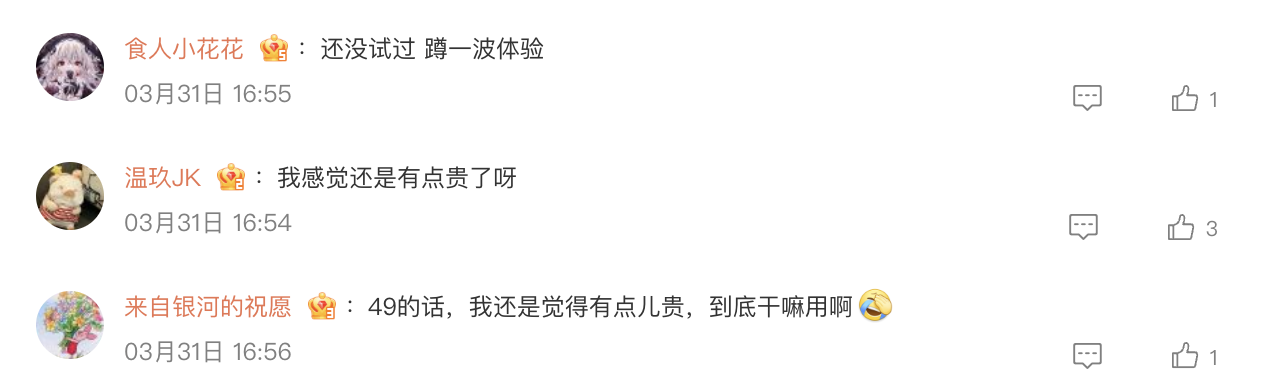
Image source: Weibo
But to be candid, a 49 yuan monthly fee, in the current AI product market, isn’t exactly steep, nor is it particularly cheap.
For comparison, Kimi AI Agent is integrated into Allegretto and higher-tier membership systems, with a price tag of 199 yuan per month. Zhipu’s AutoClaw has yet to introduce a subscription model but starts at 29 yuan, offering various “booster packs” with different unit allocations.
ByteDance’s Volcano Engine ArkClaw, even in its lightweight form, is only available within the 200 yuan per month Coding Plan Pro subscription. Tencent’s WorkBuddy appears to be free, but its monthly limit of 500 points feels more like a “trial pass,” with the professional version priced at 58 yuan per person per month being the truly viable option.
Of course, there are also choices like Tencent QClaw and DingTalk’s “Wukong,” which offer generous free tiers. The former provides a daily free quota of 40 million tokens, while the latter offers 5 million tokens for free, catering to regular users with a “more is better” philosophy.
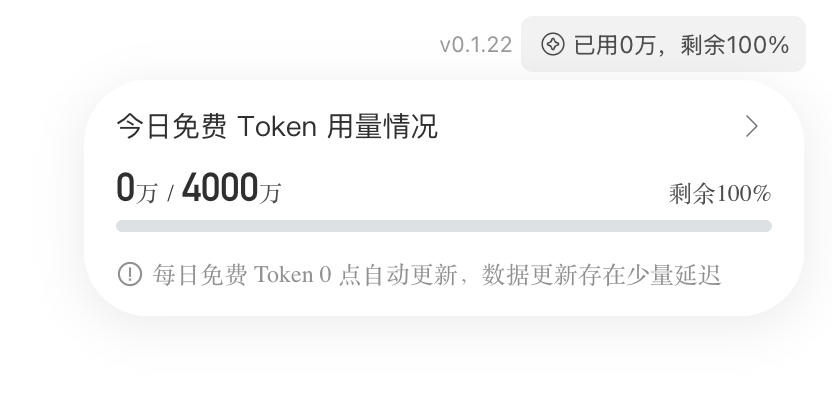
QClaw’s current daily free quota. Image source: Tencent
When comparing horizontally, Xiao Yi AI Agent’s 49 yuan pricing doesn’t seem excessive. Yet, it still ignites controversy. Why doesn’t Kimi at 199 yuan provoke the same level of backlash? Why is WorkBuddy at 58 yuan more commonly viewed as an “office expense,” while Xiao Yi at 49 yuan is repeatedly debated for its “value”?
Are smartphone manufacturers’ “AI Agents” destined to be priced “lower”? Or is the issue not about price from the outset?
A 49 yuan monthly fee isn’t the crux of the problem.
Scanning through comments on platforms like Weibo, Xiaohongshu, and Coolapk, one counterintuitive observation stands out: many claim it’s “expensive,” but few clearly articulate why Xiao Yi AI Agent’s 49 yuan per month is costly.
“49 is still a bit pricey,” “It’s too expensive, so I won’t use it,” “A bit steep, what’s it even for?” These judgments come swiftly, but the reasons are vague, more like instinctive hesitations. The key issue is that most users lack a reference point:
How much should this service actually cost?
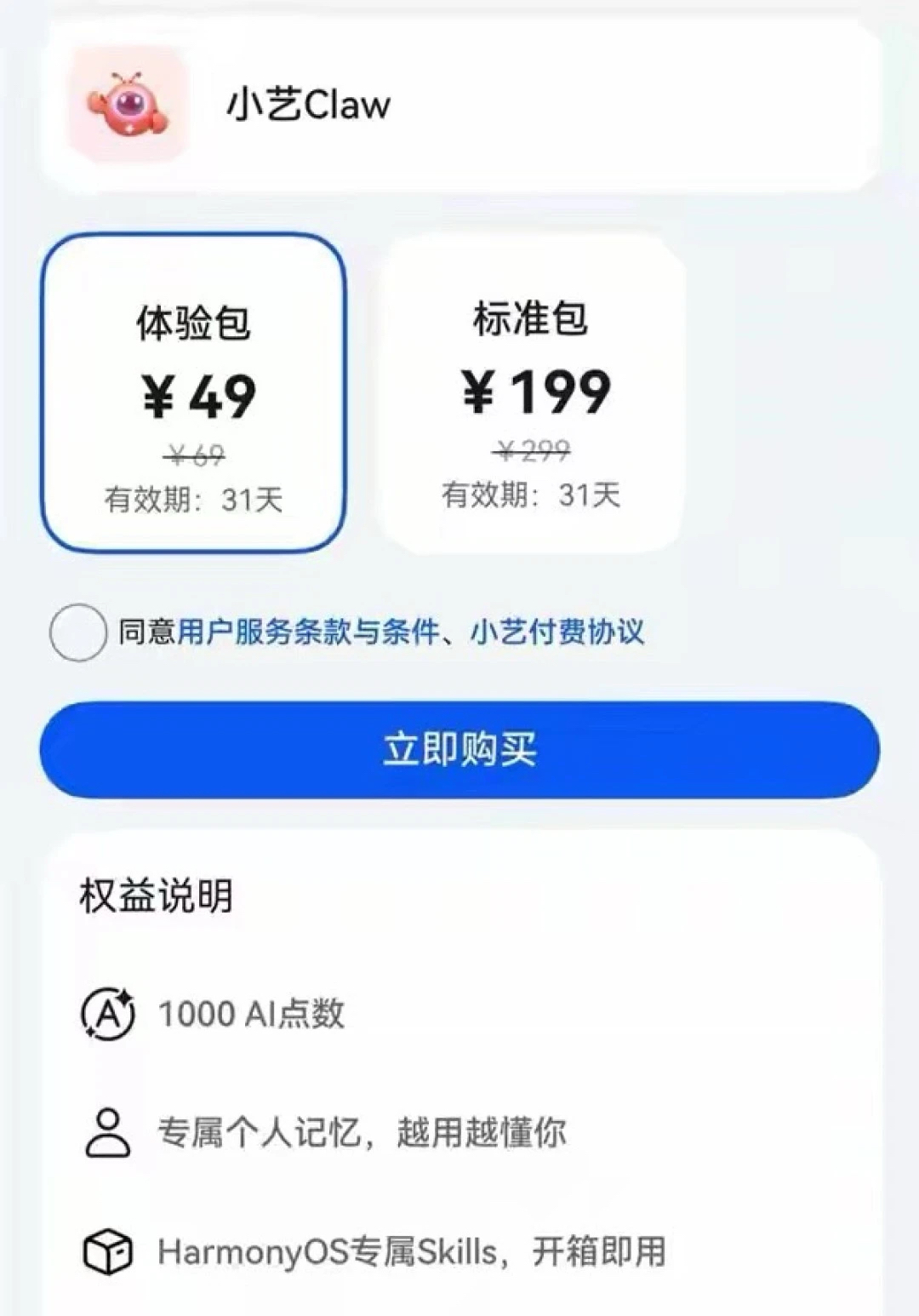
Image source: Huawei
Without a pricing “anchor,” any price seems questionable. Many still rely on reference points from general-purpose AIs like Doubao and DeepSeek, concluding that Xiao Yi AI Agent is overpriced. In reality, we observe not just pricing judgments in the comments but also a recurring query:
“What can it actually do?”
This is even more critical than “expensive.” General-purpose AIs based on large models at least have a clear concept and usage path—you can ask questions, generate content, and search for information. Even if the results are inconsistent, users know “what it can do.”
But “AI Agents” are different. Their core value and narrative revolve around “doing things for you,” which sounds like a step forward but isn’t easily grasped. What tasks? What’s the success rate? When will it fail? What are its limits? Many in the smartphone community seem unclear, and these questions lack clear answers at present.
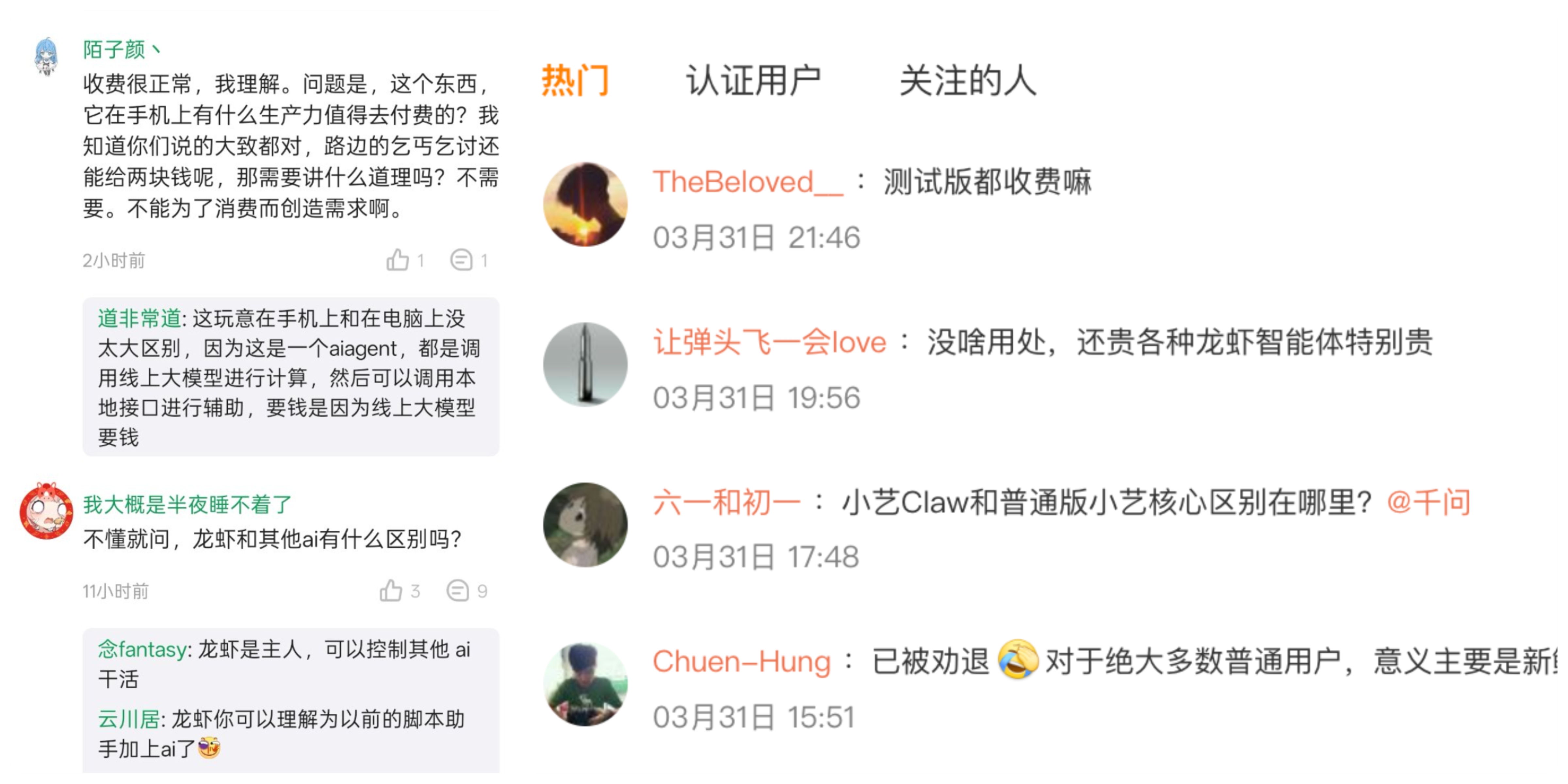
Image source: Coolapk, Weibo
If the above are common issues for all “AI Agents,” smartphone manufacturers’ “AI Agents” face an additional challenge: What exactly are they? From comments, many users’ initial reaction is to perceive Xiao Yi AI Agent as part of the “Xiao Yi Assistant.”
This is also a long-standing ingrained perception.
Since AI capabilities like assistants, photo gallery AI, and AI automation were integrated into smartphone systems, we’ve grown accustomed to them being part of the phone’s native system capabilities, overlooking the computational costs behind them and using them freely for AI photo editing, AI food ordering, etc. Even on the Nubia M153, where the Doubao phone assistant can autonomously operate the phone for shopping comparisons and travel planning, it’s currently free.
But in reality, tokens and computational costs for agents like “AI Agents” are significant, and even with intense competition among domestic large models and phone manufacturers, it’s unlikely they’ll continue offering free usage as in the “conversational era.”
However, altering this mindset isn’t straightforward, and Xiao Yi AI Agent, as the first publicly tested and first-to-charge “AI Agent” among domestic phone manufacturers, is bound to spark controversy. The issue isn’t the 49 yuan but the somewhat awkward product positioning. When users still perceive it through the lens of a “system feature,” charging separately seems unreasonable.
Delving deeper, a key point lies in the “timing” of Xiao Yi AI Agent’s charge.
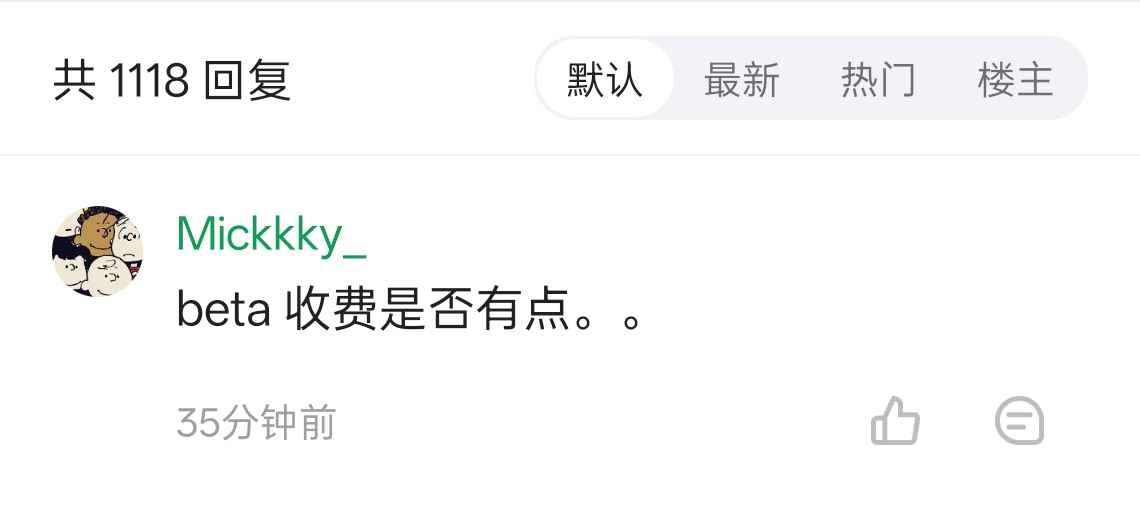
Image source: Coolapk
Comments like “charging during beta” and “selling before it’s stable” touch on product pacing issues. Users more familiar with “AI Agents” aren’t opposed to paying but assume the product is already stable, useful, and even “indispensable” in certain scenarios.
Yet, Xiao Yi AI Agent is charging during testing—is that reasonable? There’s no definitive answer, but in this state, Xiao Yi AI Agent’s fees can easily be seen as paying for an incomplete capability.
Considering all these voices, the 49 yuan pricing isn’t the core conflict.
From conversation to action: “AI Agents” transform AI’s value proposition.
Beyond Xiao Yi AI Agent’s pricing, a more noteworthy shift is that domestic manufacturers are no longer shying away from charging mass users and are collectively adopting subscription models.
Xiao Yi AI Agent, Kimi AI Agent, WorkBuddy, ArkClaw, and even Zhipu’s AutoClaw hint at a “monthly membership” plan. DingTalk’s “Wukong” offers 39 yuan per month and 99 yuan per month subscription tiers. Tencent QClaw and Xiaomi’s Miclaw, still in beta, are expected to launch their own subscriptions and reduce free usage quotas.
This is peculiar. In the previous phase, whether ChatGPT, Claude, or Gemini, subscription fees swiftly became a default business model upon reaching the masses. Layered capabilities, tiered pricing, and paying for stronger models and higher quotas were logical from the outset.
But in China, from Doubao, DeepSeek, Qianwen, Kimi, Zhipu GLM, to OPPO’s Xiao Bu, Huawei’s Xiao Yi, and Xiaomi’s Xiao Ai, even after large model upgrades, these were still entirely free for regular users.
Image source: Doubao
Manufacturers traded computational power for growth and capabilities for user scale, absorbing high costs to encourage adoption.
The logic was straightforward. At that stage, AI was confined to “conversation,” with users engaging sporadically, occasionally, and exploratorily—asking a question, writing a paragraph, then moving on. Stable usage habits were hard to cultivate. Plus, China’s internet inertia leaned toward free models, prioritizing scale before monetization.
Under this demand structure, subscriptions were untenable. Even Kimi, MiniMax, and Zhipu followed the giants’ lead.
But “AI Agents” disrupt this balance. On the manufacturer side, “AI Agents” aren’t just about conversation but involve long-chain, multi-round thinking, tool invocation, execution, etc., consuming far more tokens. More importantly, as Xiaomi’s large model lead Luo Fuli said, “AI Agents” ensure a baseline while raising the ceiling, comprehensively improving AI experiences by lowering usage thresholds and expanding scenarios.
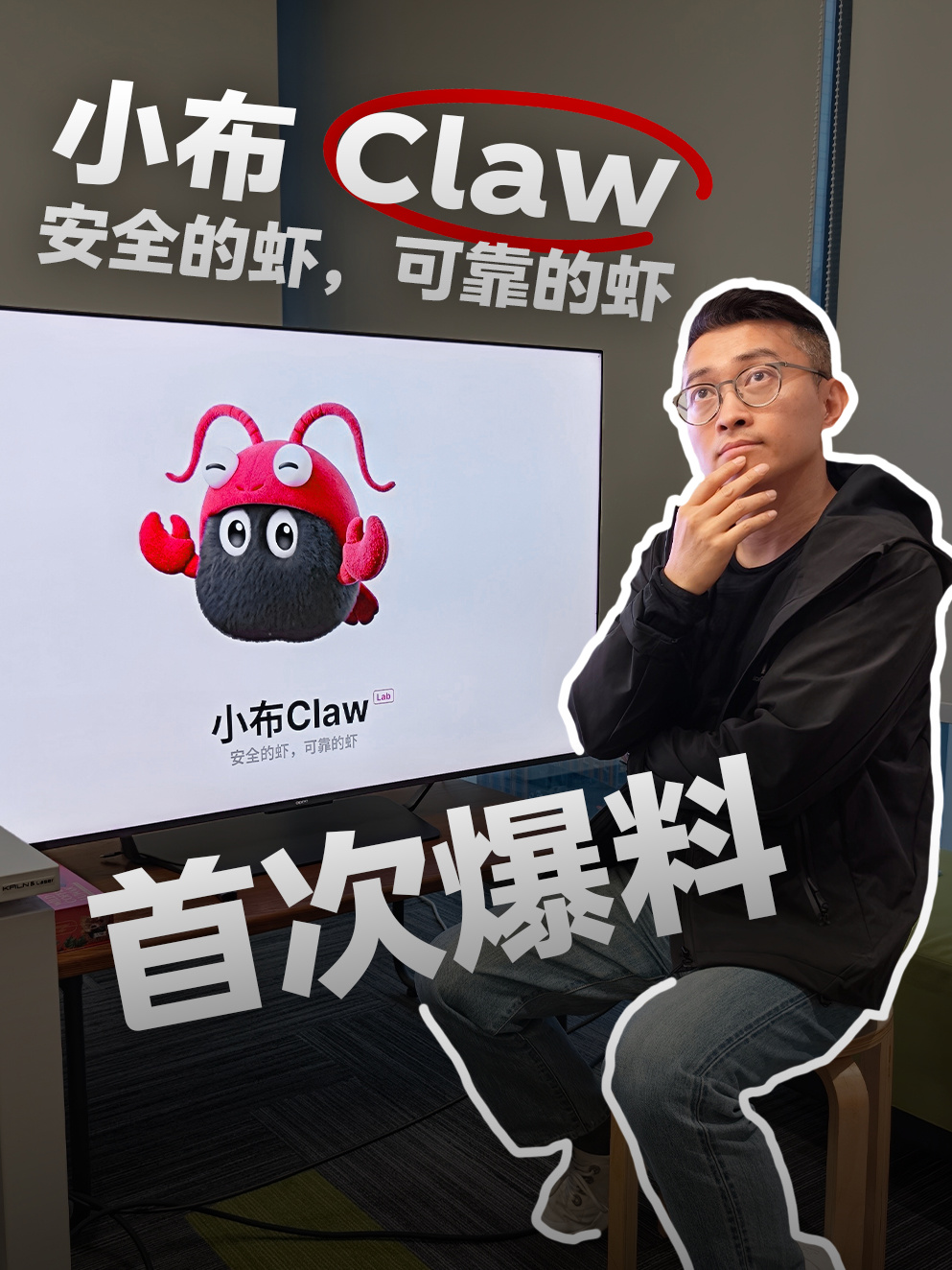
OPPO will join soon. Image source: OPPO
In short, “AI Agents” make AI more usable and valuable, leading to a surge in usage and driving up token demand.
Conversely, AI’s operational costs can no longer be easily offset as before. Continuing free models is unsustainable—only giants like Tencent and Alibaba can afford generous initial quotas. Thus, subscriptions become a natural revenue choice.
On the other hand, “AI Agents” aim to transform AI from an “occasional tool” into a “sustained capability that acts for you,” a prerequisite for subscriptions:
Only if the experience is frequent and stable enough will users pay continuously.
The question is, has this prerequisite truly been met? Currently, few users are willing to pay continuously for “AI Agents,” as most don’t have enough tasks to automate. Many scenarios remain infrequent, temporary, or manually replaceable. Many still see “AI Agents” as “useful but not essential.”
Here lies a clear mismatch. The supply side prices based on “sustained use” due to cost pressures, but the demand side still thinks in terms of “per-use” because habits haven’t formed.
Without an answer to this, “AI Agents’” subscription revenue models will struggle to gain traction.
Huawei, Kimi, OpenClaw, AI, subscription model.
Source: Leikeji
Images in this article are from 123RF’s licensed library. Source: Leikeji
-
![]()
The Allure of 'Acquisition Spree': Li Shufu's Left Turn, Xu Jiayin's Right
-
![]()
Strategic Transformation Yields Results: Phoenix Optics Reports 10.9% YoY Rise in Core Net Profit for H1 2026
-
![]()
Three Key Growth Trajectories Synergize! Crystal-Optech Reports 3.478 Billion Yuan in Revenue for H1 2026
-
![]()
Semi-Annual Report Sparks XPENG Motors Buzz
-
![]()
1.6 Billion Big Order Secured! SeeYA Technology's Revenue Soars by 287.87% in the First Half of the Year
-
![]()
Baidu's Profits Plunge by 68%: Unraveling the Mystery Behind the Numbers
-
![]()
Baidu’s Profits Tumble by 68%! Where Has All the Money Gone?
-
![]()
Hynix’s Taobao Store Shuts Down Abruptly: What Should Customers Do About Warranty Services for Memory Modules?