Breaking News! ChatGPT Unveils AI Financial Management, Sparking Outrage Among U.S. Netizens
 05/18 2026
 459
459
Privacy concerns pose the most significant obstacle to the widespread adoption of AI-driven financial management tools.
ChatGPT has now been granted access to users' bank statements.
On May 15, OpenAI introduced an AI financial management feature for Pro users in the United States. These users can securely link their financial accounts through Plaid, enabling them to monitor real-time fund flows and pose AI-driven queries based on their actual financial situations. Plaid, a professional financial connectivity service provider, boasts interfaces with over 12,000 financial institutions, including major platforms like Schwab, Fidelity, Chase, Robinhood, and American Express.
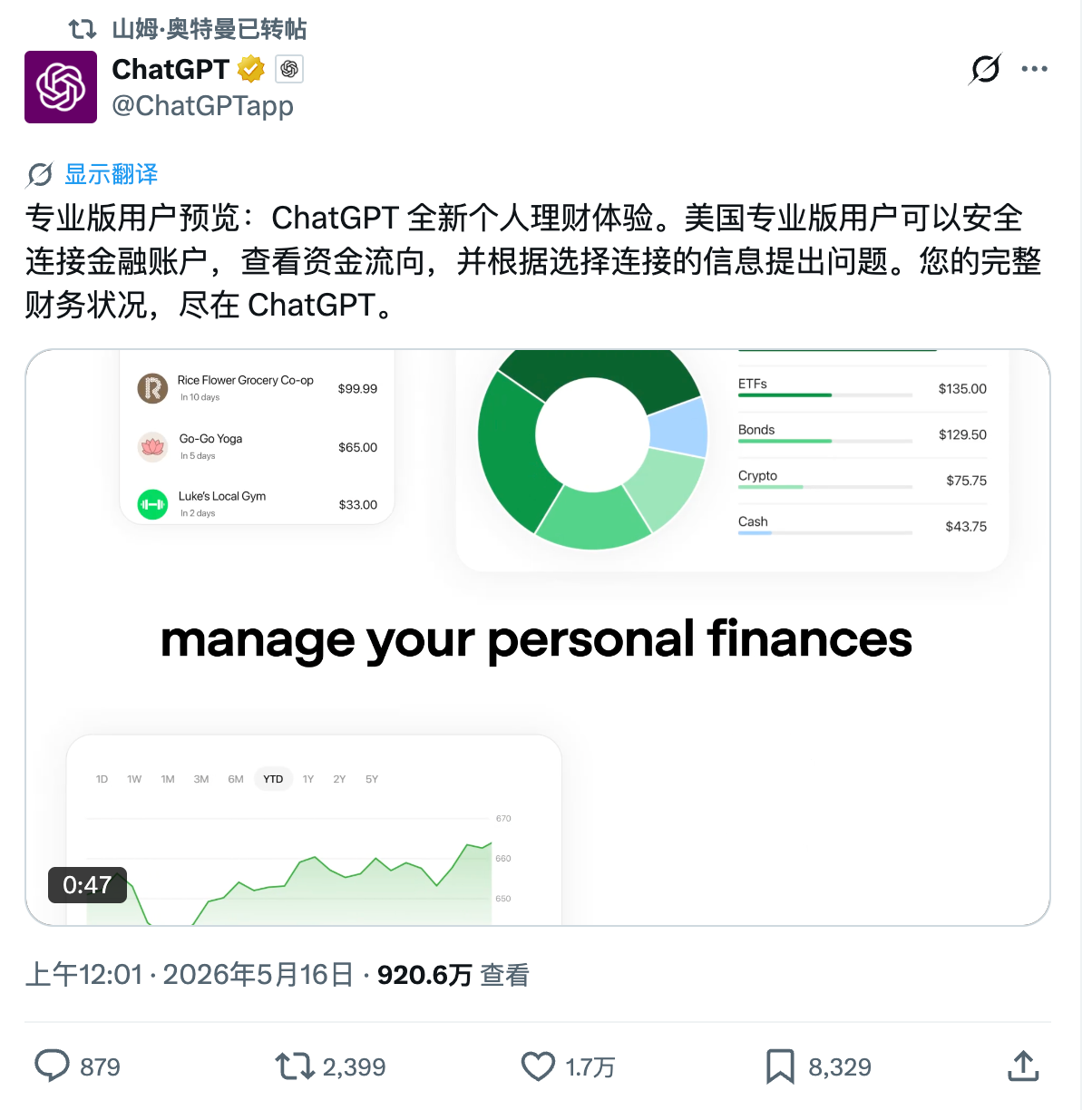
(Image Source: X)
Once connected, ChatGPT automatically generates a dashboard showcasing users' account balances, detailed expense breakdowns, investment performance, pending bills, and subscription services.
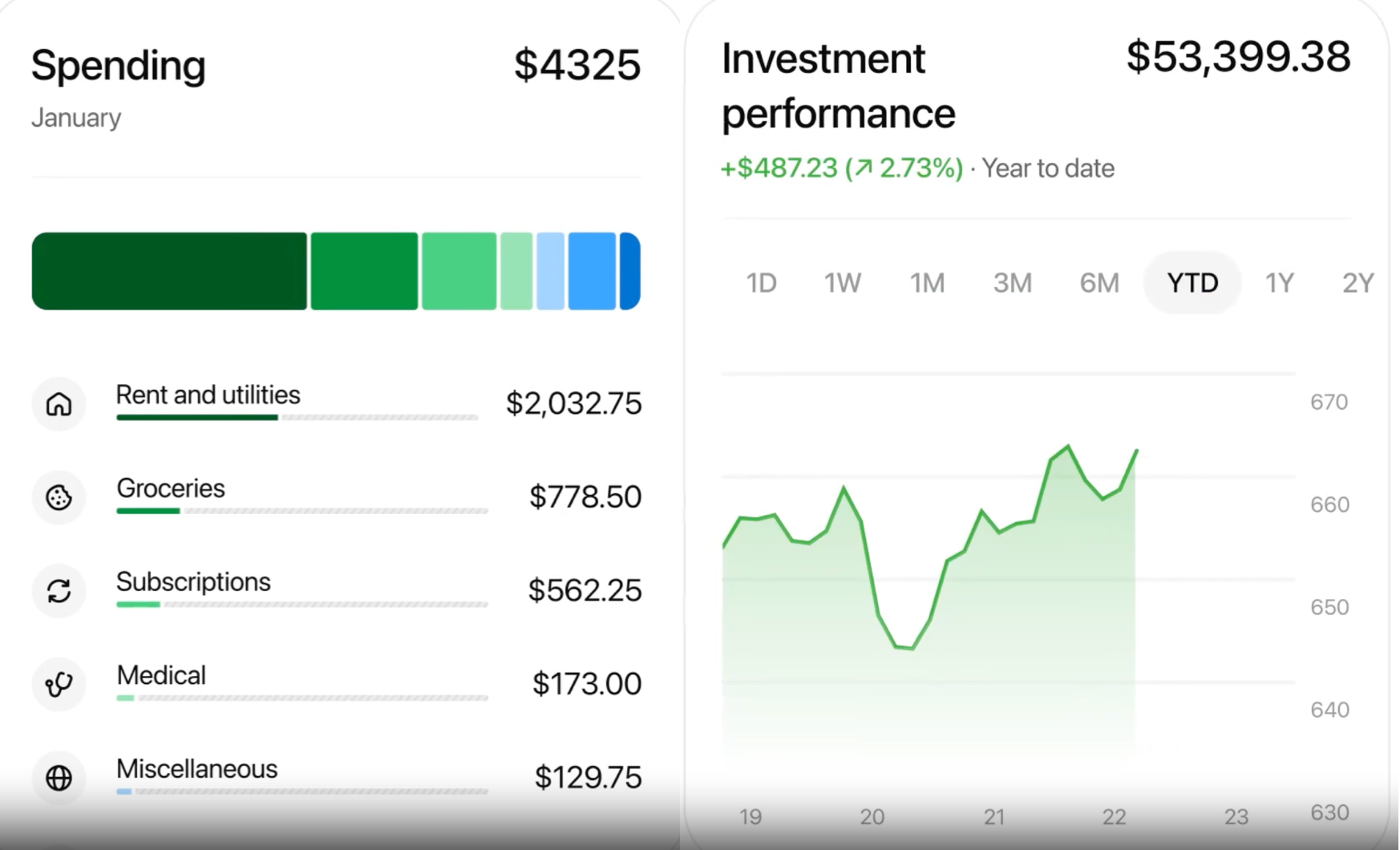
(Image Source: ChatGPT)
Users can also pose questions based on these real financial data, such as, "Am I paying for unnecessary subscriptions?" ChatGPT will then offer tailored suggestions.
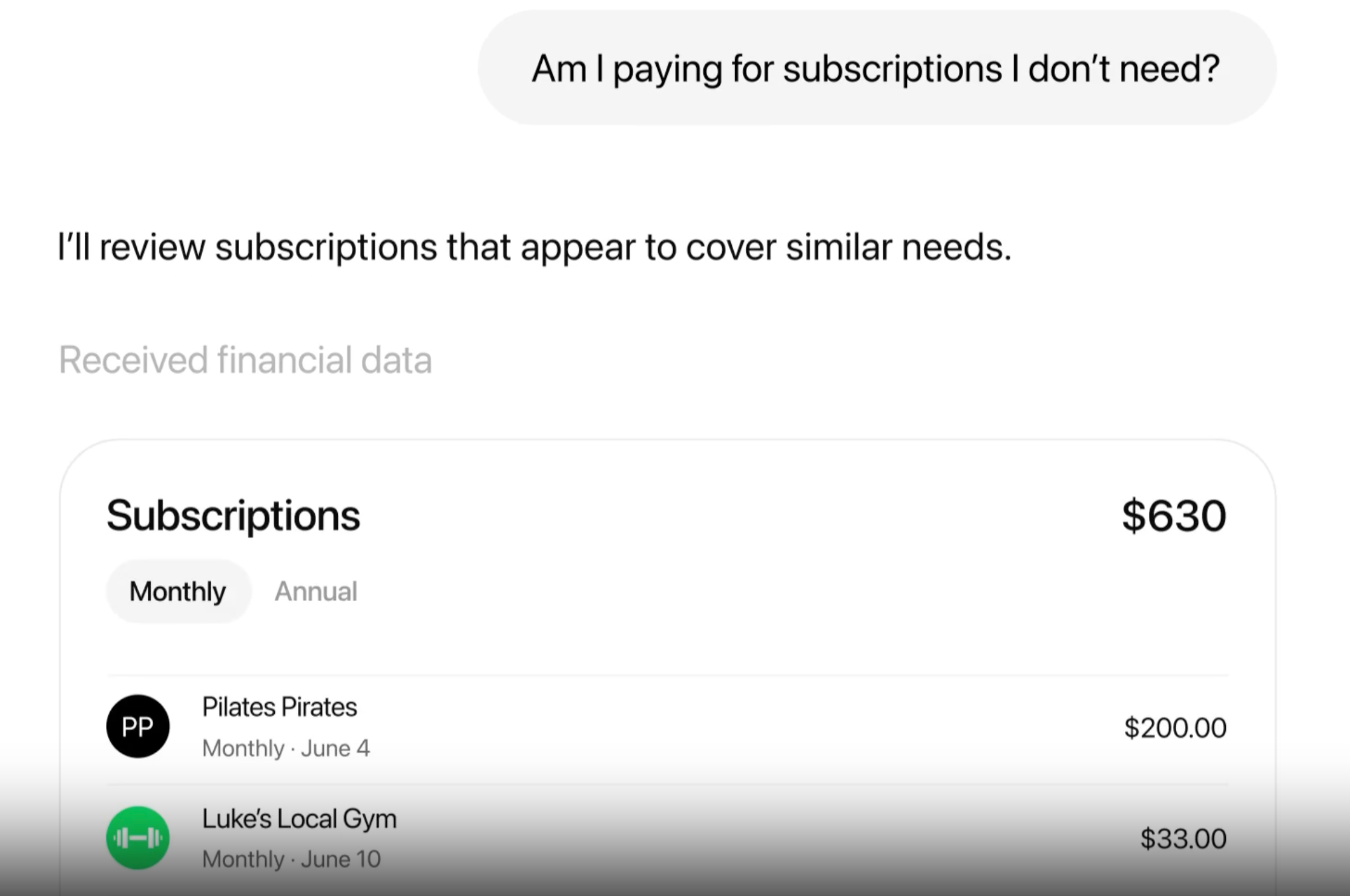
(Image Source: ChatGPT)
Logically speaking, ChatGPT's foray into this area was anticipated. In April of this year, OpenAI acquired the team from personal finance startup Hiro in a typical acqui-hire, bringing on board founder Ethan Bloch and ten team members. Hiro's previous offering was an AI-powered "Personal CFO" that managed over $6.8 billion in assets for its users.
OpenAI is not alone in betting on this trajectory. During the same week, ByteDance's Doubao App was rumored to be launching a "Scan to Pay" feature, aiming to create a closed-loop AI dialogue-shopping-payment ecosystem.
As AI becomes increasingly integrated into financial management, financial giants are also actively embracing this technology. Alipay launched its AI financial assistant "Zhixiaobao" as early as 2024, providing professional tools such as earnings analysis and fund manager evaluations to serve its over 1 billion monthly active users. In the same year, Ant Group's AI financial manager "Maxiaocai" underwent an upgrade and was fully rolled out within the Alipay APP. Built on Ant's self-developed Lingying large model and the Finix large model specifically trained for the financial sector, it offers users financial services including market interpretation, portfolio analysis, and investment education. Leikeji has previously reviewed both Zhixiaobao and Maxiaocai.
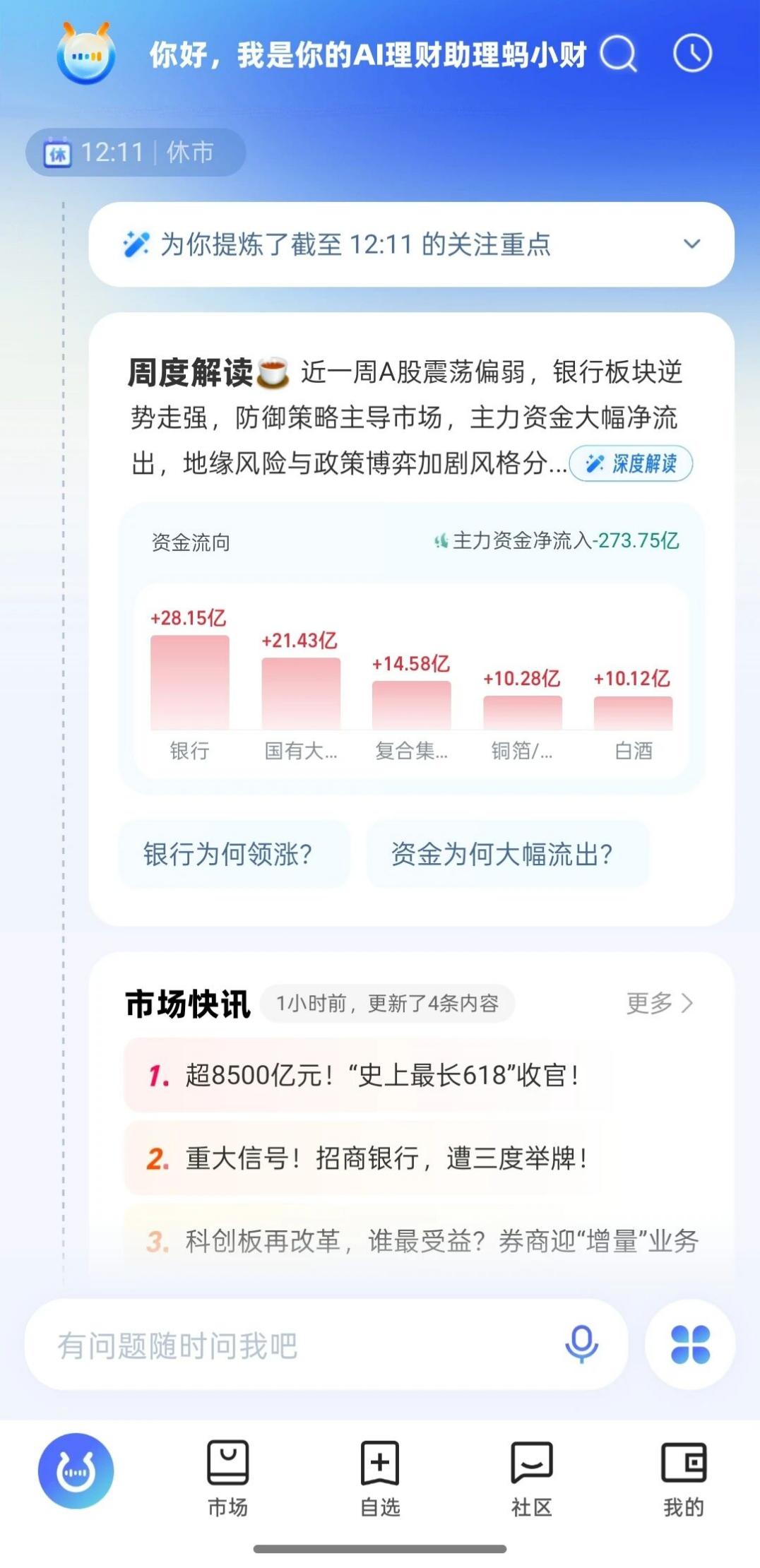
(Image Source: Leikeji)
Users are placing growing trust in AI, including for financial management purposes. Many domestic users are already experimenting with AI for stock analysis and recommendations. Often, the investment research reports generated by AI are nearly on par with those produced by top-tier sell-side analysts. The trend is clear—a recent McKinsey report predicts that the market size of AI in personal financial management will surpass $20 billion by 2027.
There is no dispute over ChatGPT's direction in AI financial management. However, to the surprise of many, ChatGPT's X comment section erupted, with U.S. netizens overwhelmingly expressing their rejection. "You shouldn't entrust your financial privacy information to AI," "Letting AI access bank information is insane," and "The word 'privacy' will disappear from the dictionary." Some also expressed concerns that AI might secretly use their accounts to subscribe to random services.
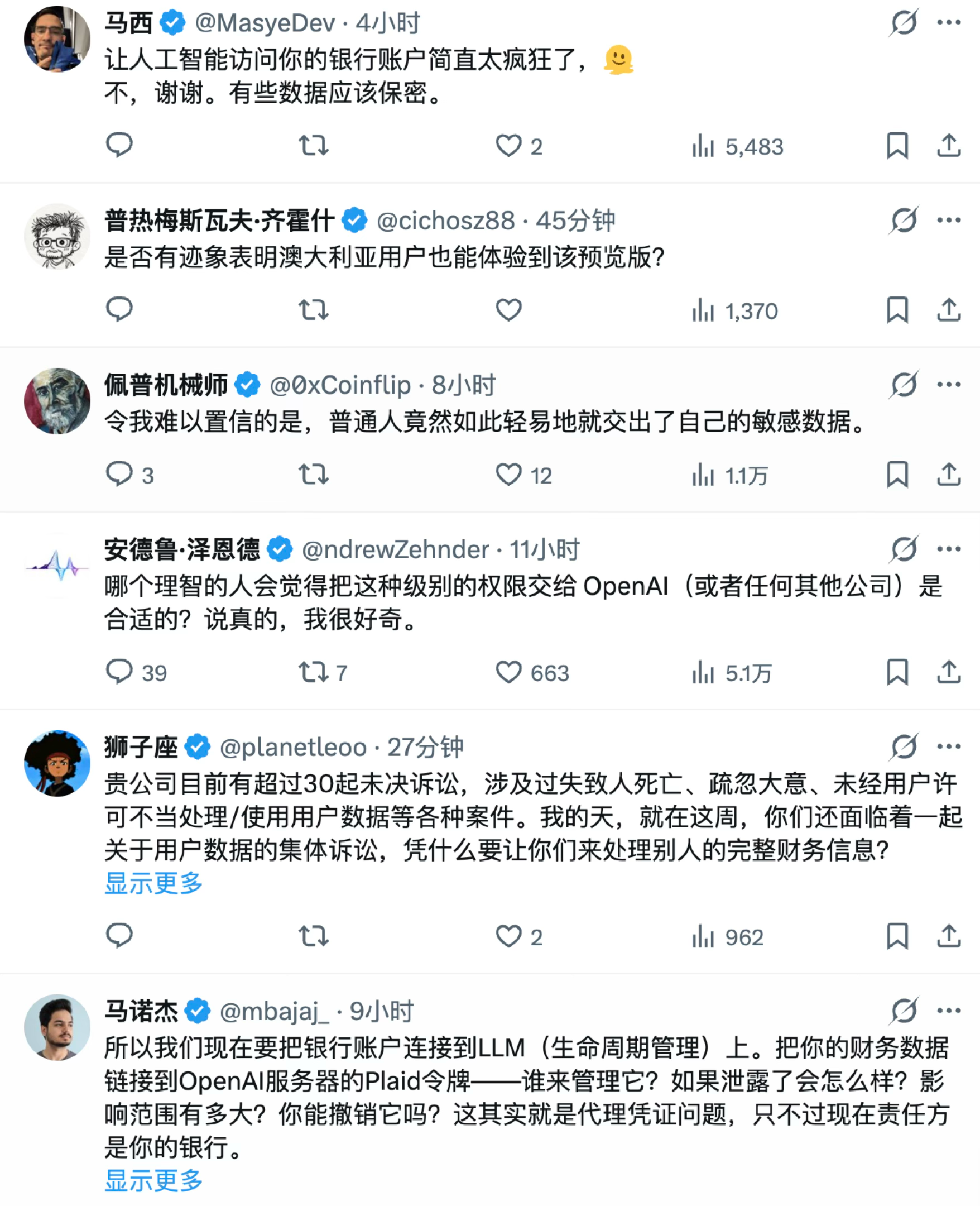
Digital Trends' comment headline bluntly stated: "I won't"—I won't connect. Money.com directly stated in its report: "Anytime you share personal non-public information with a non-financial service provider that isn't as strictly regulated as financial institutions, the risk is there."
Clearly, the biggest obstacle to AI financial management is not technological but rather trust-related.
According to Ty Geri, OpenAI's product lead, ChatGPT's current access to financial accounts is limited to "read-only," with fund transfers or other operational commands still requiring user action. Users can disconnect their accounts at any time, and synchronized data will be deleted within 30 days. Private chat mode will not utilize any financial data. However, what users truly worry about is not whether they can delete the data but whose hands it passes through before deletion.
Thus, a more reasonable approach for AI financial management might not be to force general-purpose AI into the financial realm but rather to integrate AI into financial super-apps. These apps already possess user financial data, have accumulated financial-grade security technologies, and are subject to stringent regulation. Financial apps do not require users to hand over any additional privacy data—they simply overlay AI as a new capability within their existing security framework.
Ant Group's "Maxiaocai" serves as a prime example—embedded within the Alipay App, users' payment, Huabei (a credit service), wealth management, insurance, and other data are already secured on the platform. Adding AI capabilities (provided the AI is self-developed rather than third-party) does not alter data permission boundaries. For users, this merely adds an AI assistant capable of intelligent financial analysis to an already secure payment tool, vastly different from handing data over to ChatGPT—a chatty, writing-capable AI—via Plaid. This product, already widely used, has never sparked any "privacy" discussions.
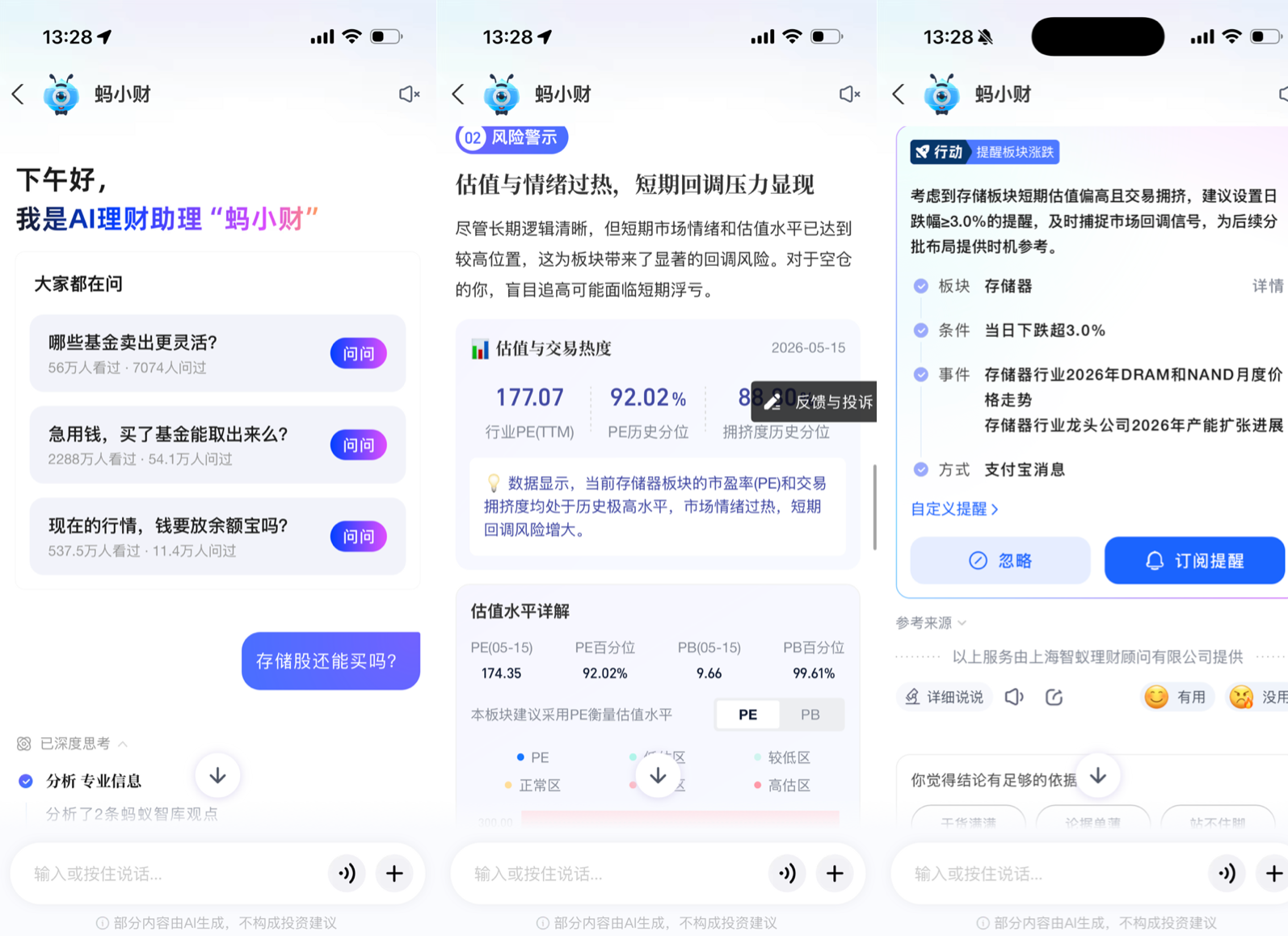
(Image Source: Maxiaocai within Alipay, graphic by Leikeji)
An ironic detail lies in the "fine print" at the end of ChatGPT's promotional video: "ChatGPT is not a substitute for professional financial advice." As OpenAI's X tweet states, "Your complete financial picture, at your fingertips with ChatGPT," ChatGPT aims to help you "see" your financial status, not "improve" it. By late 2025, OpenAI had updated ChatGPT's usage policy, explicitly prohibiting its use for medical image interpretation, disease diagnosis, or providing legal or financial advice, after receiving multiple subpoenas due to users suffering losses from AI-generated advice.
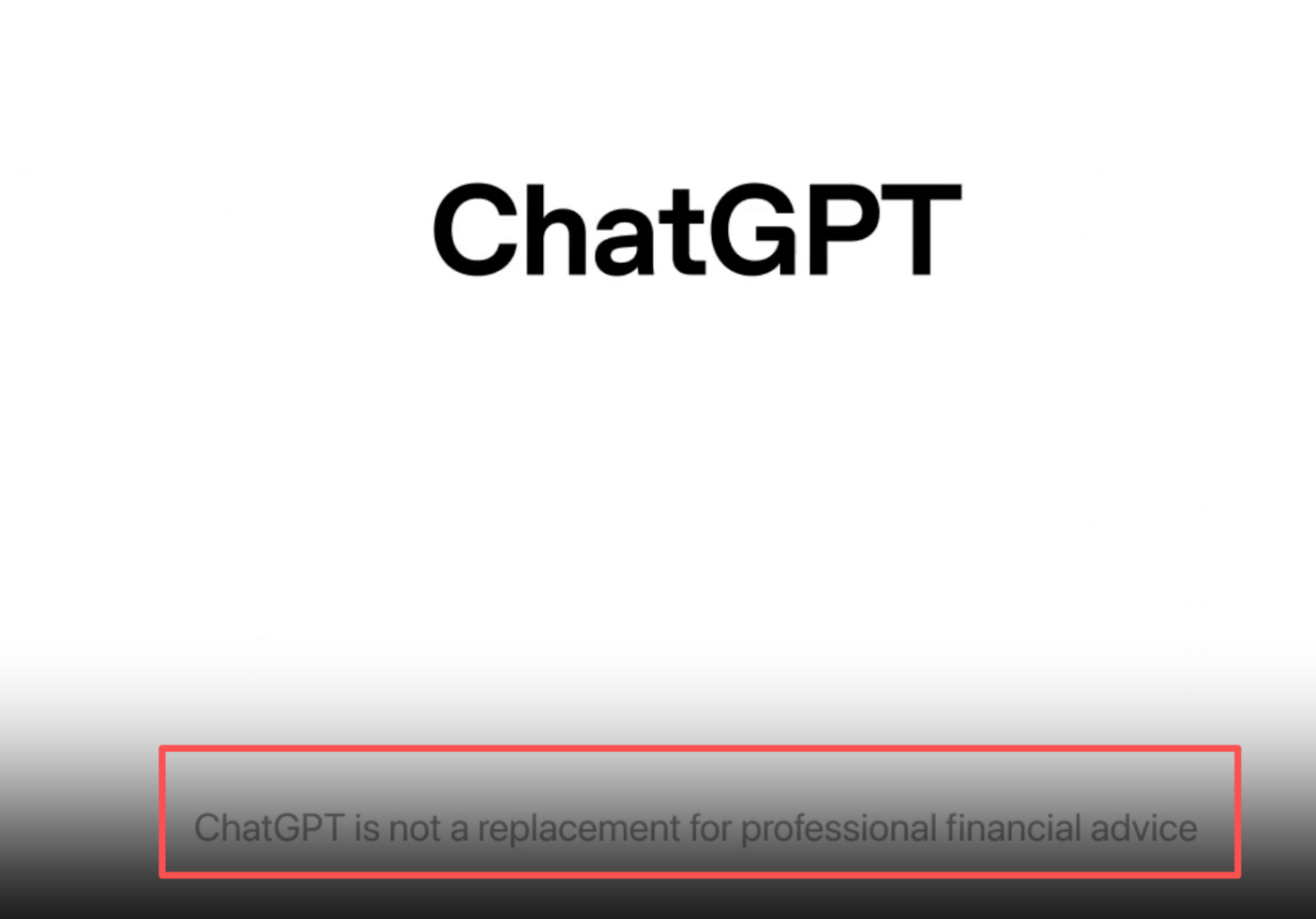
(Image Source: ChatGPT)
Launching an AI financial management feature while adding a "for reference only" disclaimer in the fine print—this dichotomy is intriguing.
Source: Leikeji
Images in this article are from 123RF's licensed image library.
-
![]()
Ford and Geely Forge New Joint Venture in Spain, Sidestepping Changan and JMC
-
![]()
199 RMB! Godox's First Camera Review: Subpar Photography, Transparent Viewfinder Frame is the Highlight
-
![]()
AI Smartphones: A Modern-Day 'Emperor's New Clothes'?
-
![]()
Yonyou Network: A Company Selling 'Transformation' but Struggling in Its Own Transition
-
![]()
Focus | CCCC’s Takeover of Greentown Comes to Fruition: Why Did the 11-Year ‘Control Without Authority’ Era End?
-
![]()
Final Verdict: The 2026 China Auto Forum Shines with Unique Characteristics at a Pivotal Moment
-
![]()
Tencent Maintains Matrix Approach, Alibaba Merges Entry Points: Tech Titans Initiate AI Agent Consolidation
-
![]()
Geely Secures Portion of Ford’s Spanish Production Capacity