Breaking News! Major Leadership Shake-up at OpenAI: ChatGPT and CodeX Set to Merge, Heralding the Super AI Agent Era?
 05/18 2026
 611
611
Bracing for a significant impact.
According to an exclusive report by Wired on May 15, amidst the latest round of organizational restructuring, OpenAI President Greg Brockman has officially stepped in to oversee the company's product strategy, taking over from Fidji Simo, who remains on medical leave. Thibault Sottiaux, previously at the helm of Codex, has been elevated to lead the core product and platform team, consolidating the management of ChatGPT, Codex, and the developer API.
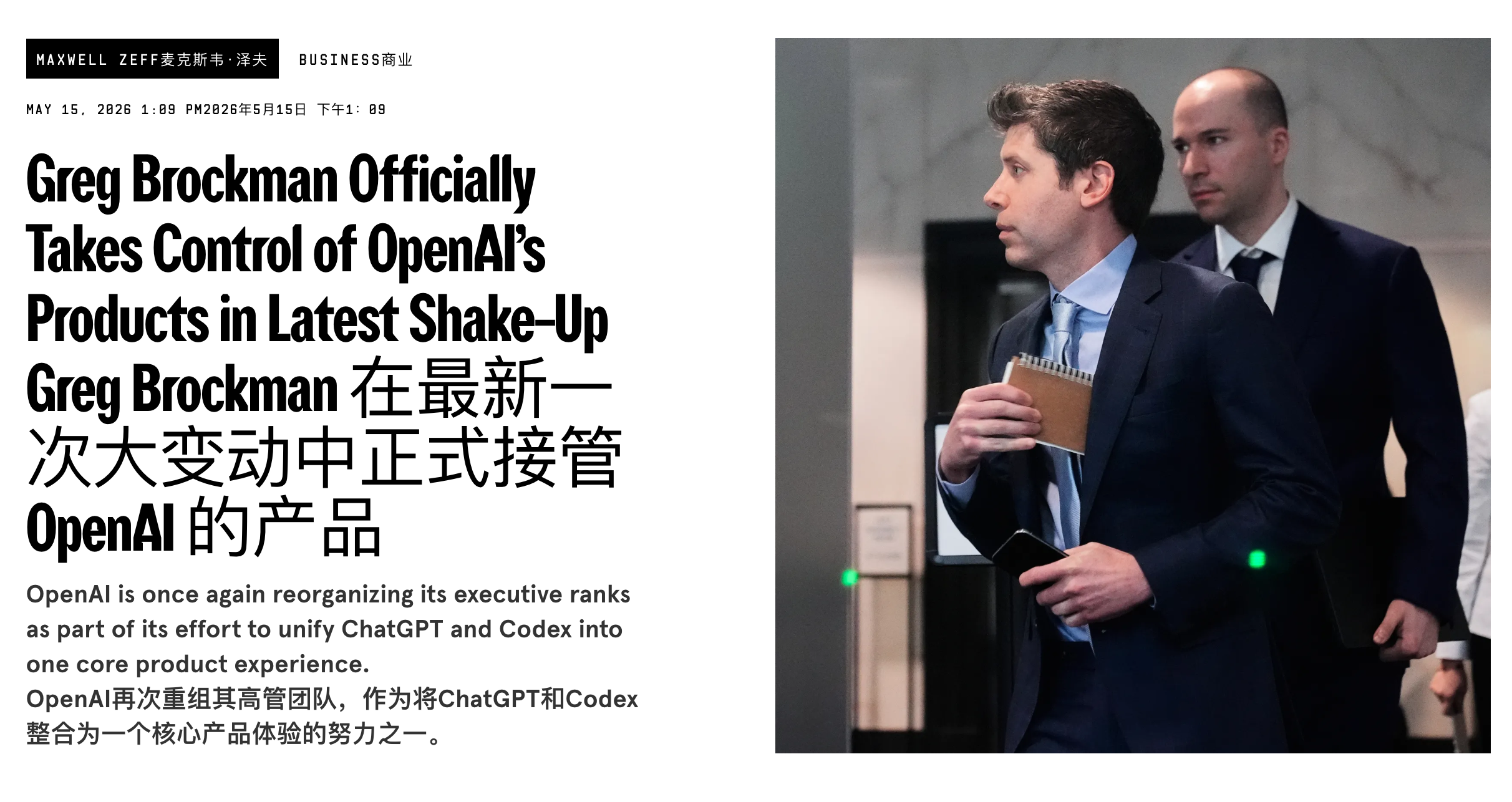
Greg Brockman, the powerhouse behind Altman. Image source: Wired
Crucially, Sottiaux is also a key figure in OpenAI's pursuit of a "super app," and Brockman has made it clear in an internal memo:
OpenAI has resolved to merge ChatGPT and Codex into a seamless experience, with a heightened focus on the future of AI Agents.
While ChatGPT addresses the "querying AI" challenge, Codex tackles the "getting AI to act" dilemma. The former caters to the general public, whereas the latter is tailored for developers and other professional users.
Now, OpenAI aims to merge the two, not only to streamline the three product teams and pool resources but also, most likely, to encourage the over 900 million weekly active ChatGPT users to transition from merely "querying AI" to "getting AI to act," delegating more tangible tasks to AI.
After all, in this era of AI competition, it's no longer just about model prowess. Whoever becomes the go-to portal for users' daily tasks stands a better chance of becoming the AI era's super app.
In terms of practical performance, Codex is up to the task. This also suggests that the super desktop app, integrating Codex, ChatGPT, and the Atlas browser, is likely on the horizon.
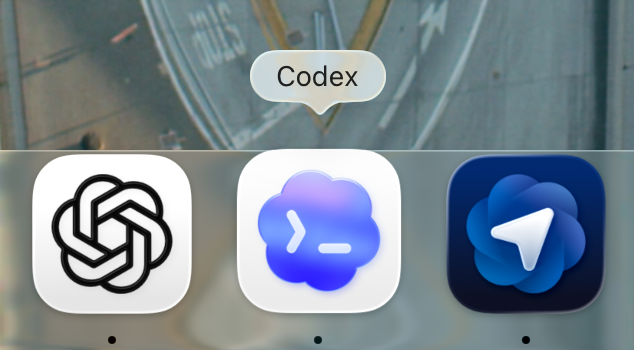
Image source: Lei Technology
The Emergence of a Super App: The ChatGPT and Codex Merger
The merger of ChatGPT and Codex is not entirely unexpected.
Sottiaux had previously hinted at the existence of OpenAI's super app. Just days ago, the mobile version of Codex introduced a direct entry point within the ChatGPT app on phones. Specifically, you can now access Codex directly through ChatGPT on your phone, connect to the desktop environment, monitor Codex task progress on your desktop via your phone, push long tasks forward, or initiate new requests for the desktop Codex to complete.
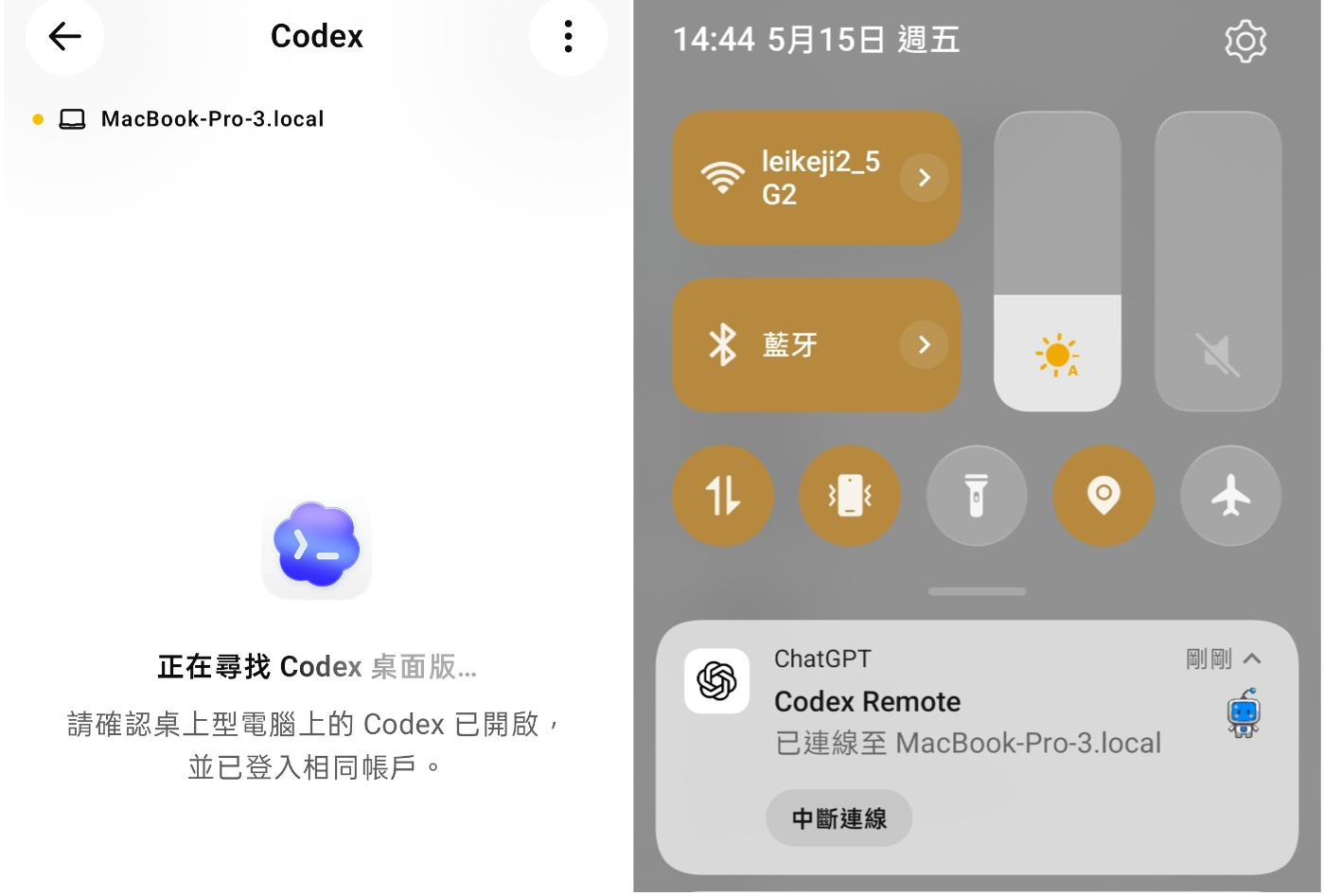
Connecting Codex on Android to Codex on macOS. Image source: Lei Technology
The decision not to launch a separate app stems not only from ChatGPT's massive user base but also from the fact that the mobile version of Codex is not designed to be a heavyweight product. It serves more as an extension of the desktop Codex on phones rather than a migration or duplication.
The same rationale applies to the desktop version. Although Codex has achieved significant success, its user base and reach remain primarily confined to developers, enthusiasts, and other professional users. However, since OpenAI is already committed to the future of AI Agents, simplifying the user experience and lowering the barriers and costs for more users to access and utilize Codex's capabilities is crucial for gaining an early foothold in user mindshare.
This also represents the first prototype of OpenAI's super app. Ultimately, users may only see a ChatGPT entry point, but behind it lies a cross-device, cross-task, cross-tool execution system.
Nevertheless, integrating ChatGPT and Codex is not the entirety of OpenAI's super app vision. They also plan to further integrate the Atlas browser:
- ChatGPT provides the most intuitive interface between humans and AI, with users already accustomed to posing problems, ideas, and tasks to it;
- Codex offers a framework for executing long tasks, particularly capabilities like planning, task breakdown, file modification, and command execution;
- The Atlas browser addresses the challenge of AI navigating the web world. The web remains one of the most critical operation interfaces for modern work, encompassing data retrieval, SaaS backends, office systems, shopping websites, and enterprise management platforms—a vast array of tasks occur within the browser.
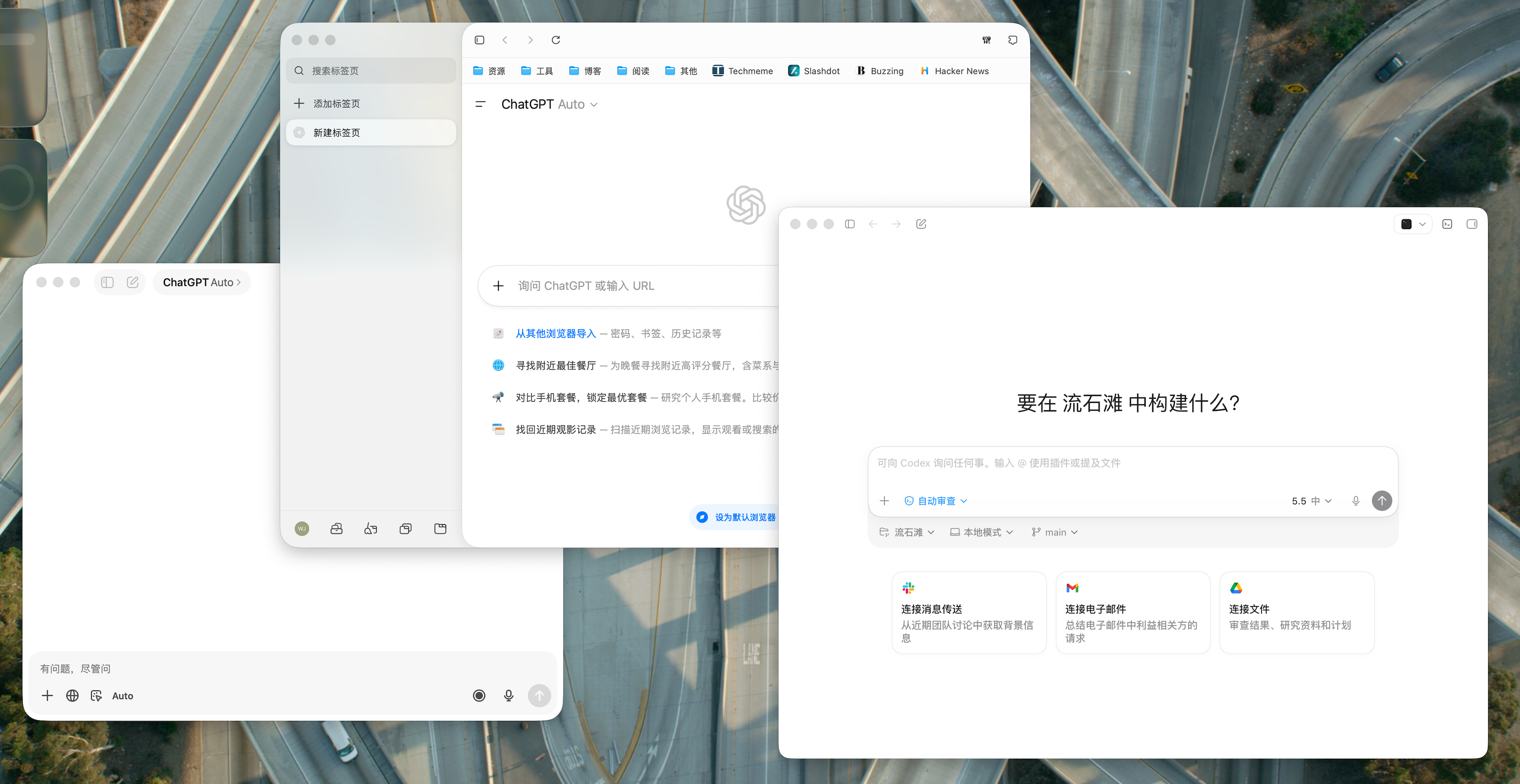
Image source: Lei Technology
OpenAI's super app is unlikely to merely combine three icons into one window. A more plausible assumption is that it will make ChatGPT the primary entry point, expand Codex into a general-purpose execution engine, and utilize Atlas as a bridge between the web and local work environments.
When a user inputs a sentence, the system may first comprehend the intent in ChatGPT, then break it down into steps with Codex. If web data is involved, it turns to Atlas; if code, data, or documents are involved, it mobilizes the local environment or cloud sandbox; if enterprise systems are involved, it completes the task through APIs and connectors.
This also elucidates why OpenAI would prioritize strengthening Codex. Although Codex initially appeared to be a developer-centric product, what it has truly solidified are the product capabilities most scarce in the Agent era: long-running operations, multi-step planning, context retention, permission confirmation, version rollback, and result acceptance.
Writing code is just one scenario. Analyzing data, organizing files, generating reports, checking web pages, migrating content, and processing tables all essentially require the same autonomous agent capability.
From this perspective, Codex is likely the core engine of this super app.
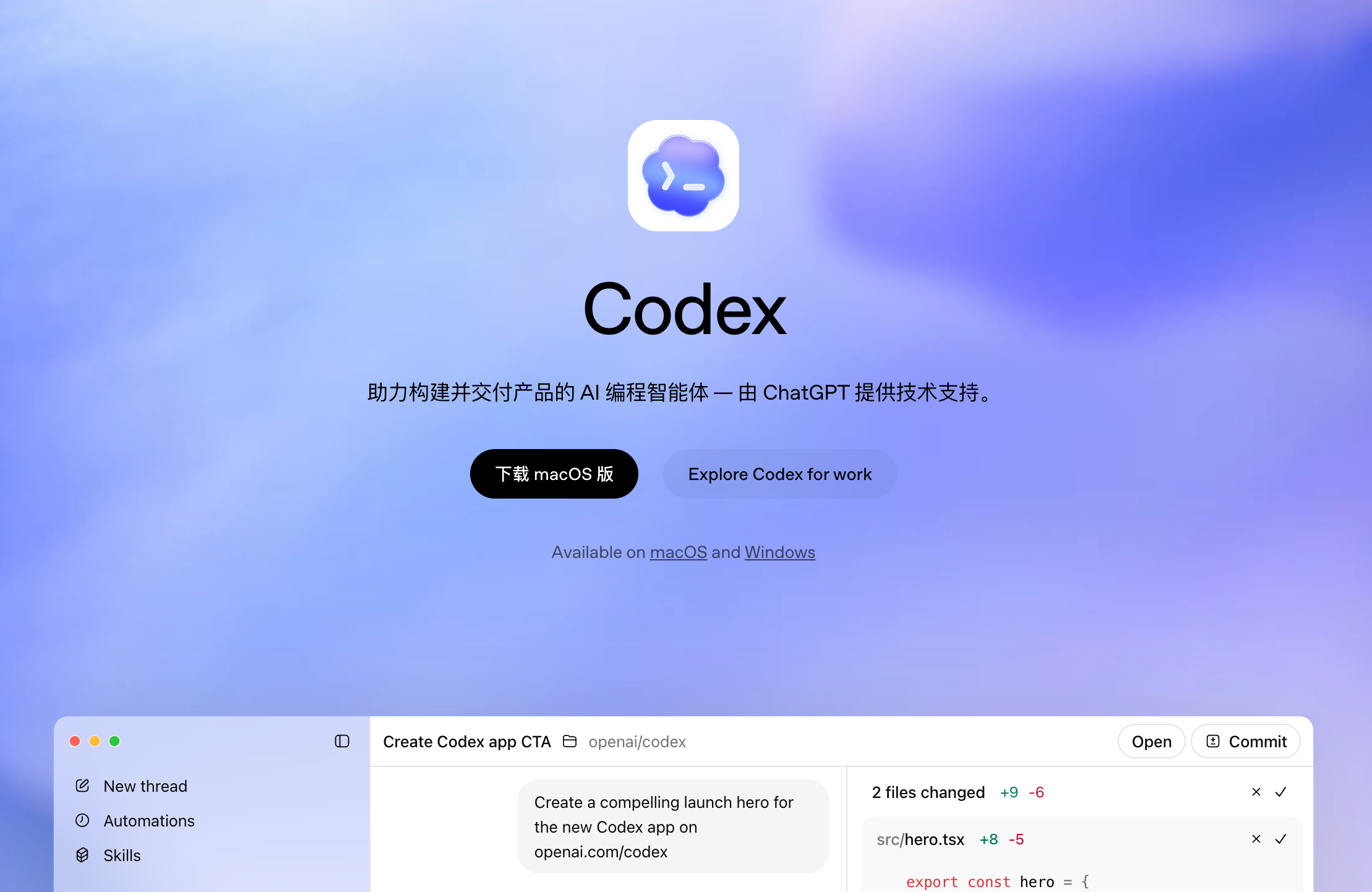
Image source: OpenAI
More importantly, OpenAI's super app may not aggregate users through traditional means like payments, social networking, and content, as conventional super apps do. Instead, it may encompass most of users' work and knowledge scenarios. Users open it daily to write code, browse the web, and complete a series of work tasks. The better the actual experience, the less willing users will be to leave this system.
Of course, this path is fraught with challenges. The most daunting task for OpenAI in creating a super app is not cramming functions into it but refining the experience to the point where users are willing to rely on it long-term. This will remain unchanged in the AI Agent era.
But regardless, OpenAI must pursue this course. Apart from the "official reason" of simplifying the user experience, the dual-front battle against Anthropic and Google in both enterprise and consumer markets is probably a key external factor. So, this is both a proactive, concentrated effort and a product contraction driven by competition.
The AI Era Will Not Be Dominated by a Single Super App
OpenAI is pursuing a super app because it still lacks a true one. Looking back, the challenges faced by domestic giants are different. They already possess super apps, transaction systems, payment infrastructures, content platforms, office collaboration tools, and mobile ecosystems. Their AI product strategies cannot and will not follow OpenAI's path.
Alibaba serves as a prime example. The QianWen app is not just a consumer-facing entry point for the QianWen large model; it is, to some extent, Alibaba's product strategy for an AI super app. Alibaba integrates capabilities from Taobao, Alipay, Gaode, Fliggy, and Taobao Deals into QianWen, enabling it to transition from "answering questions" to "completing tasks." Users don't just ask it where to go, what to buy, or how to get there; they can also directly instruct it to plan, compare, place orders, pay, reschedule, and handle after-sales.
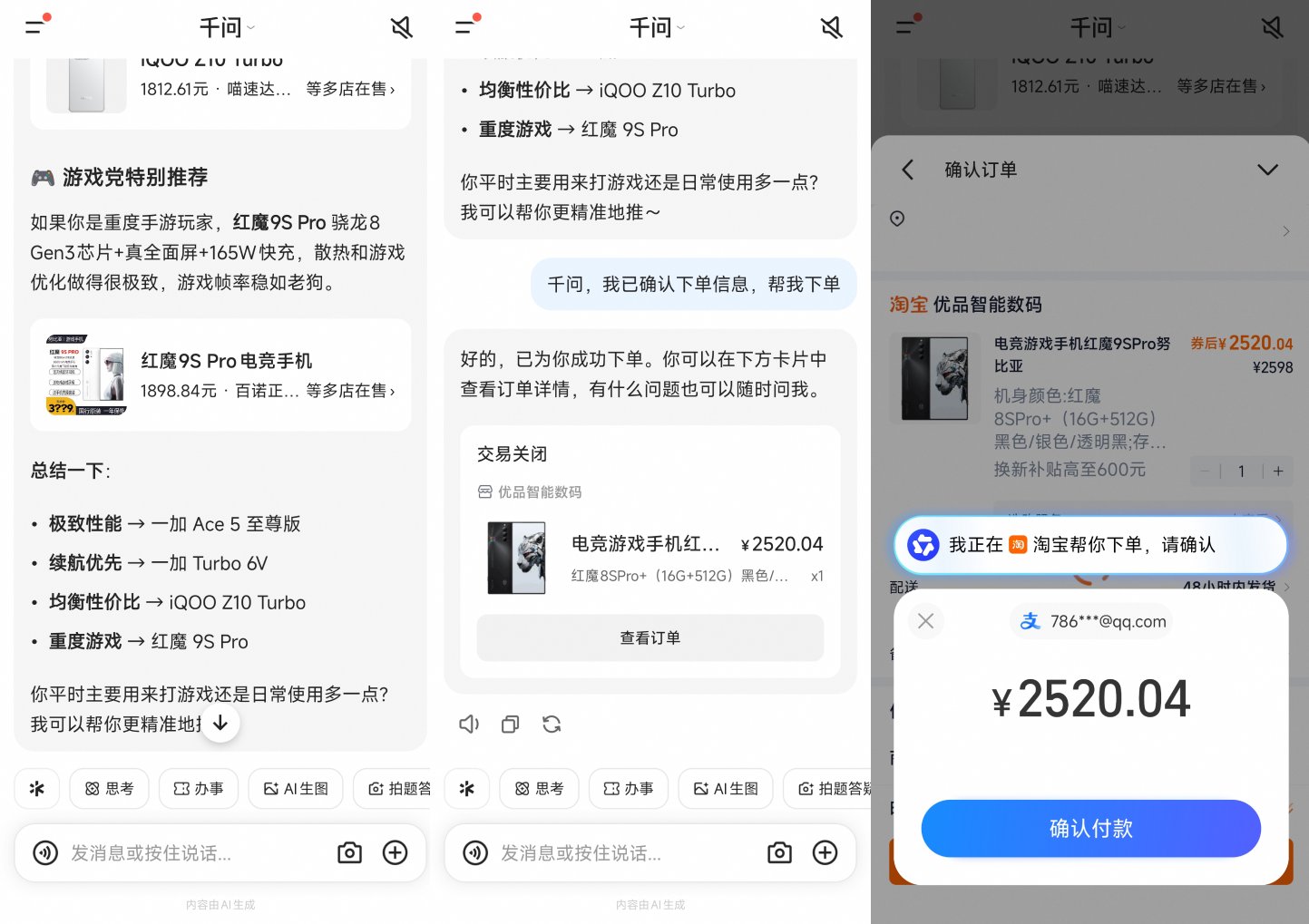
Image source: Lei Technology
Even starting from integrating services like flight bookings from major airlines, QianWen's potential is not limited to Alibaba's ecosystem. While Alibaba's ecosystem is certainly its strongest backend, QianWen aims to be the first entry point in the AI era, connecting models, tools, services, products, content, and external tasks to become the default starting point for users facing real-world tasks.
Tencent takes a different approach. In addition to continuing to promote Yuanbao, Tencent has also launched Agent products like QClaw and WorkBuddy based on the OpenClaw product form, allowing AI Agents to appear as WeChat contacts or plugins. Users can issue commands to it within WeChat to remotely control their computers for tasks like file transfers and sending emails.
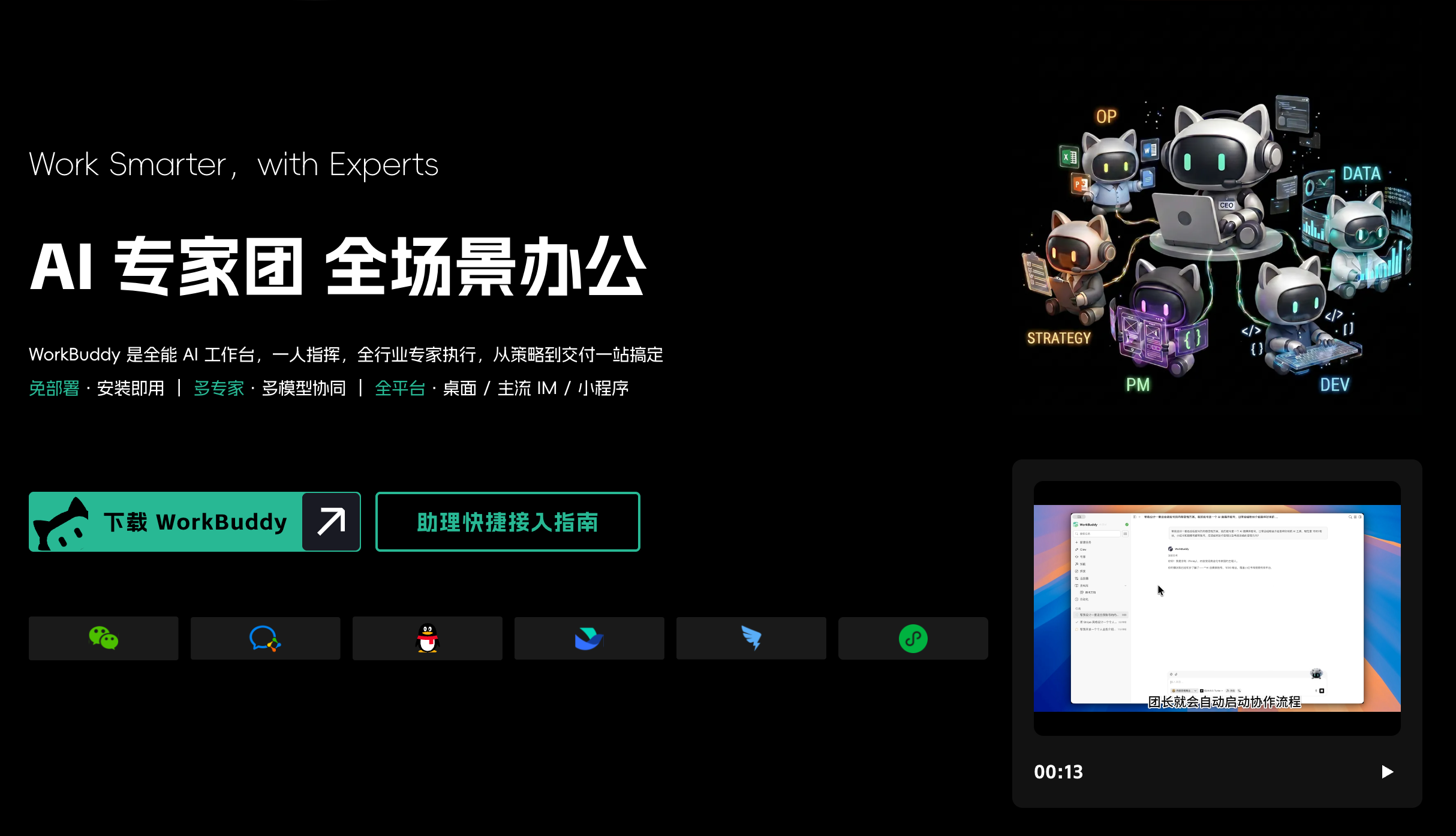
Image source: Tencent
WeChat itself is China's strongest digital life entry point, and Tencent doesn't even need to direct everyone to a new AI app. A more realistic approach is to let AI Agents appear in the messaging system that users are already accustomed to. You can find an AI just like you would find a colleague, friend, or file transfer assistant and have it handle tasks on your computer.
And WeChat hasn't officially made its move yet. During the recent earnings call, Tencent basically hinted at the existence of a WeChat Agent, but we probably won't see its launch in the short term.
ByteDance seems to be taking yet another path.
As the domestic AI application with the largest user base, Doubao has made dialogue, search, voice, multimodal, and companionship experiences light and high-frequency enough. Many ordinary users start using AI to ask questions, write copy, generate images, have voice chats, tutor their children, and summarize web pages—needs closer to daily scenarios. At the same time, Doubao is also continuously improving shopping and payment functions, clearly aligning its product roadmap with Alibaba's QianWen.
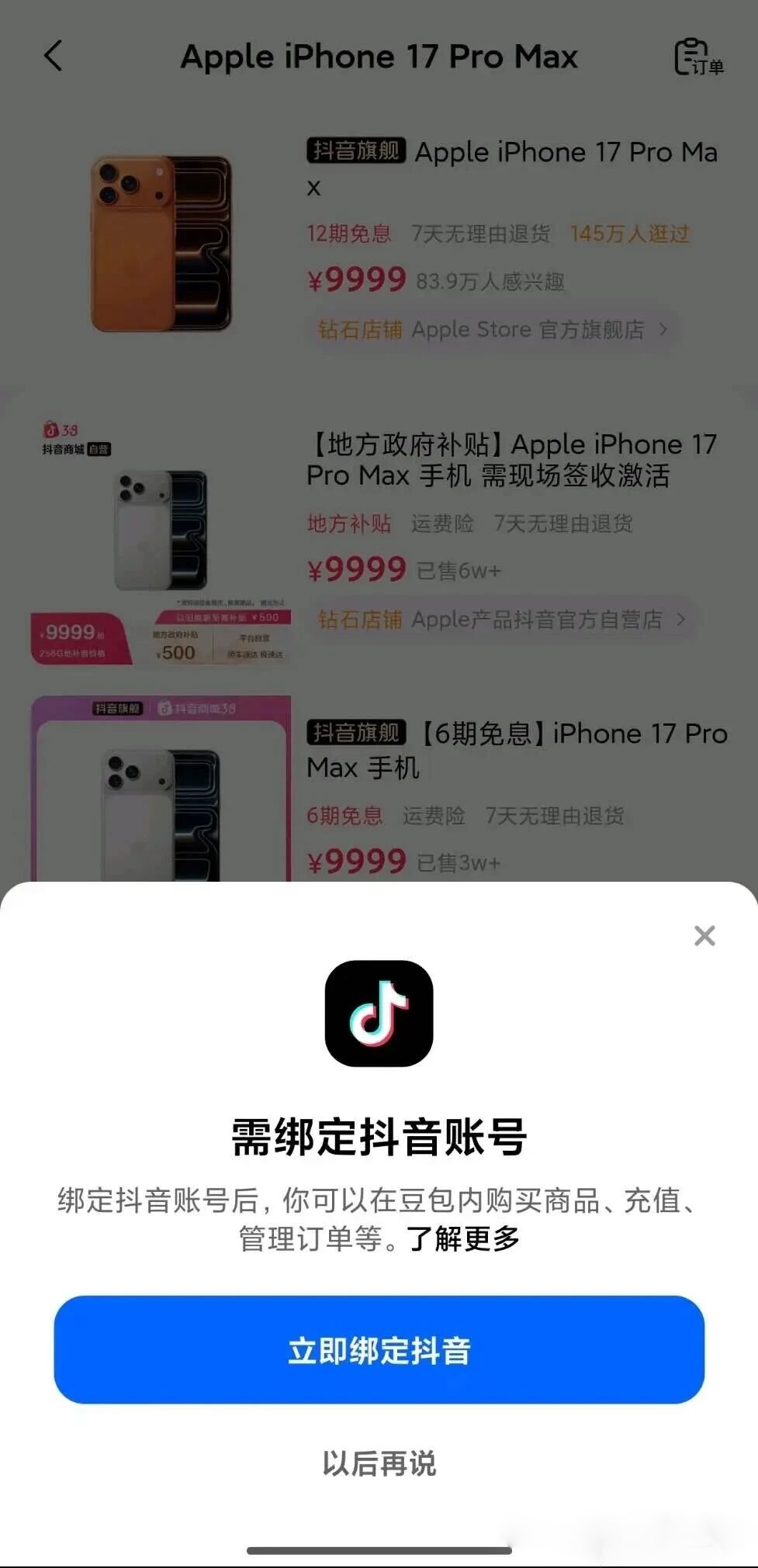
Image source: Lei Technology
On the other hand, in addition to Doubao occupying the AI mindshare of the domestic masses, ByteDance may also have the most complete professional AI product lineup among domestic giants. Jimeng and Jianying handle AI content production, Coze is responsible for Agent construction, Trae focuses on AI Coding, and Volcano Engine handles enterprise models and Agent commercialization.
In Conclusion
Three years ago, ChatGPT initially defined what many envisioned as the super app of the AI era. However, the changes over the past three years have been immense, especially with the emergence of Claude Code and OpenClaw in the past year, which have shown us the future of AI Agents.
But how future products and human-computer interaction forms will evolve remains an open question. Against this backdrop, OpenAI's response is to consolidate ChatGPT, Codex, and Atlas into a unified super app. Alibaba's response is to make QianWen an AI entry point connecting models, services, and transactions. Tencent's response is to bring Agents into a super app like WeChat. ByteDance's response is to use Doubao to capture the masses' mindshare and then cover creative, developer, and enterprise scenarios with a more complete AI product matrix.
The paths are diverse, but the endpoints are strikingly similar.
OpenAI, ChatGPT, Codex, QianWen, Doubao
Source: Lei Technology
All images in this article come from: 123RF Royalty-Free Image Library Source: Lei Technology
-
![]()
Ford and Geely Forge New Joint Venture in Spain, Sidestepping Changan and JMC
-
![]()
199 RMB! Godox's First Camera Review: Subpar Photography, Transparent Viewfinder Frame is the Highlight
-
![]()
AI Smartphones: A Modern-Day 'Emperor's New Clothes'?
-
![]()
Yonyou Network: A Company Selling 'Transformation' but Struggling in Its Own Transition
-
![]()
Focus | CCCC’s Takeover of Greentown Comes to Fruition: Why Did the 11-Year ‘Control Without Authority’ Era End?
-
![]()
Final Verdict: The 2026 China Auto Forum Shines with Unique Characteristics at a Pivotal Moment
-
![]()
Tencent Maintains Matrix Approach, Alibaba Merges Entry Points: Tech Titans Initiate AI Agent Consolidation
-
![]()
Geely Secures Portion of Ford’s Spanish Production Capacity