Home Assistant Made an AI Blunder, but Smart Home is About to Change Forever
 06/23 2026
 435
435
AI Agents are Making Whole-House Devices Truly 'Come Alive'.
On June 21, an AI marketing account named Rituraj made headlines by "announcing" an AI compatibility layer for Home Assistant (HA), the world's largest open-source smart home platform, bringing the concept of smart home agentization back into the public eye. As a loyal user of the HA platform, Leikeji was thrilled upon seeing this news.
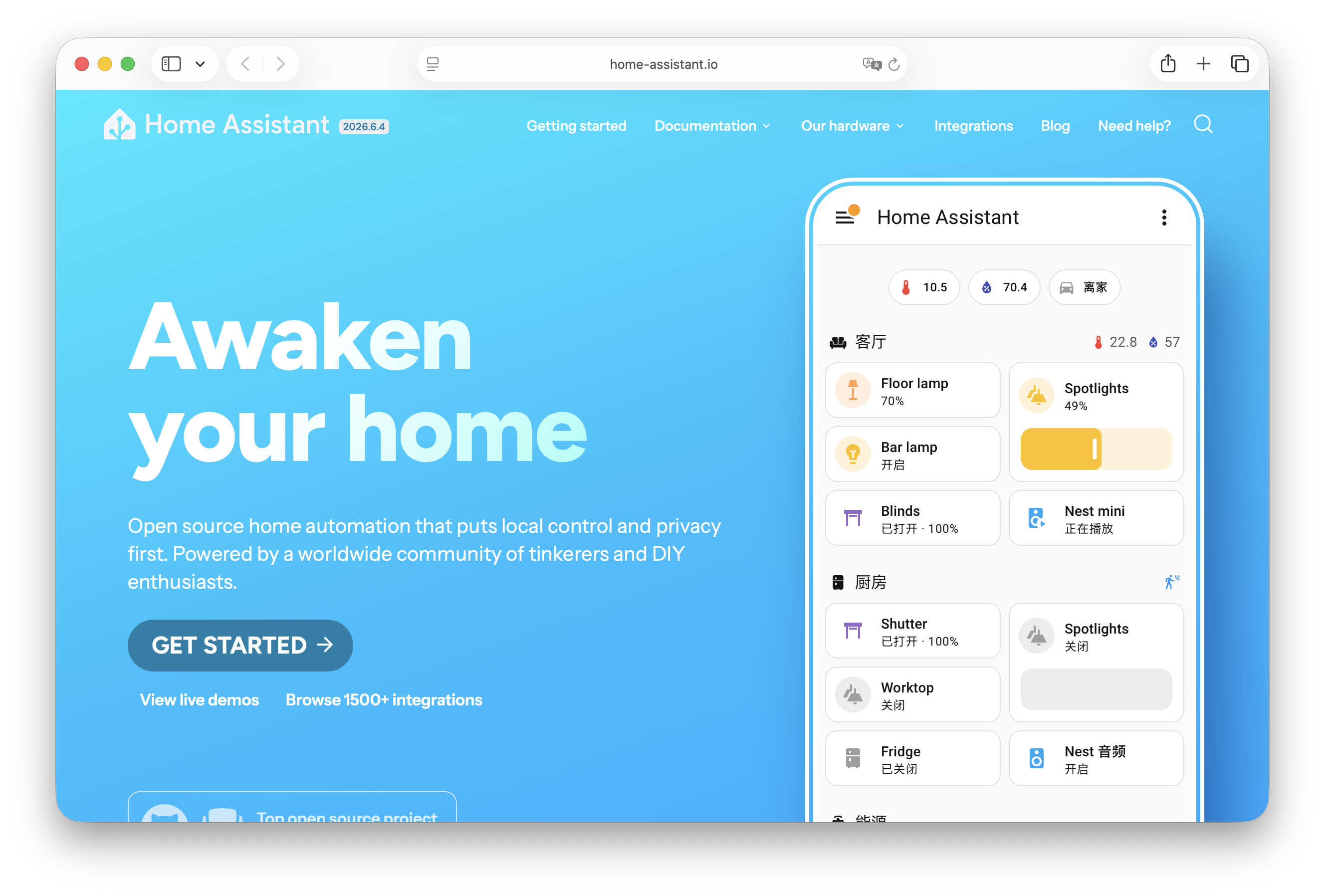
Image Source: Leikeji
Unfortunately, content from such AI marketing accounts cannot be fully trusted: After reviewing all of HA's recent update logs, Leikeji found no information related to the AI Layer. Of course, as an open-source smart home platform, the HA ecosystem has a large number of developers creating third-party plugins, many of which provide HA with AI Agent capabilities. However, HA is still some way off from officially offering an AI compatibility layer.
That said, the domestic smart home industry has already reached a high level of maturity at this stage. So why are we still waiting for a true HA Agent? To answer that, we must start with the shortcomings of smart homes.
What Are the Shortcomings of Managed Smart Home Platforms?
If you've used smart home products for an extended period, you've likely encountered "device disconnections" a few times: Despite being at home with an active Wi-Fi connection, your phone app fails to control the air conditioner, and the voice assistant doesn't respond.
The reason for such "blackouts" is not complex: To this day, the "smart services" of many smart home devices do not run locally but on the brand's servers. When you tap to turn on the air conditioner via your phone, the command is not sent directly to the unit above you; instead, it first goes to the brand's cloud server and then loops back to your home.
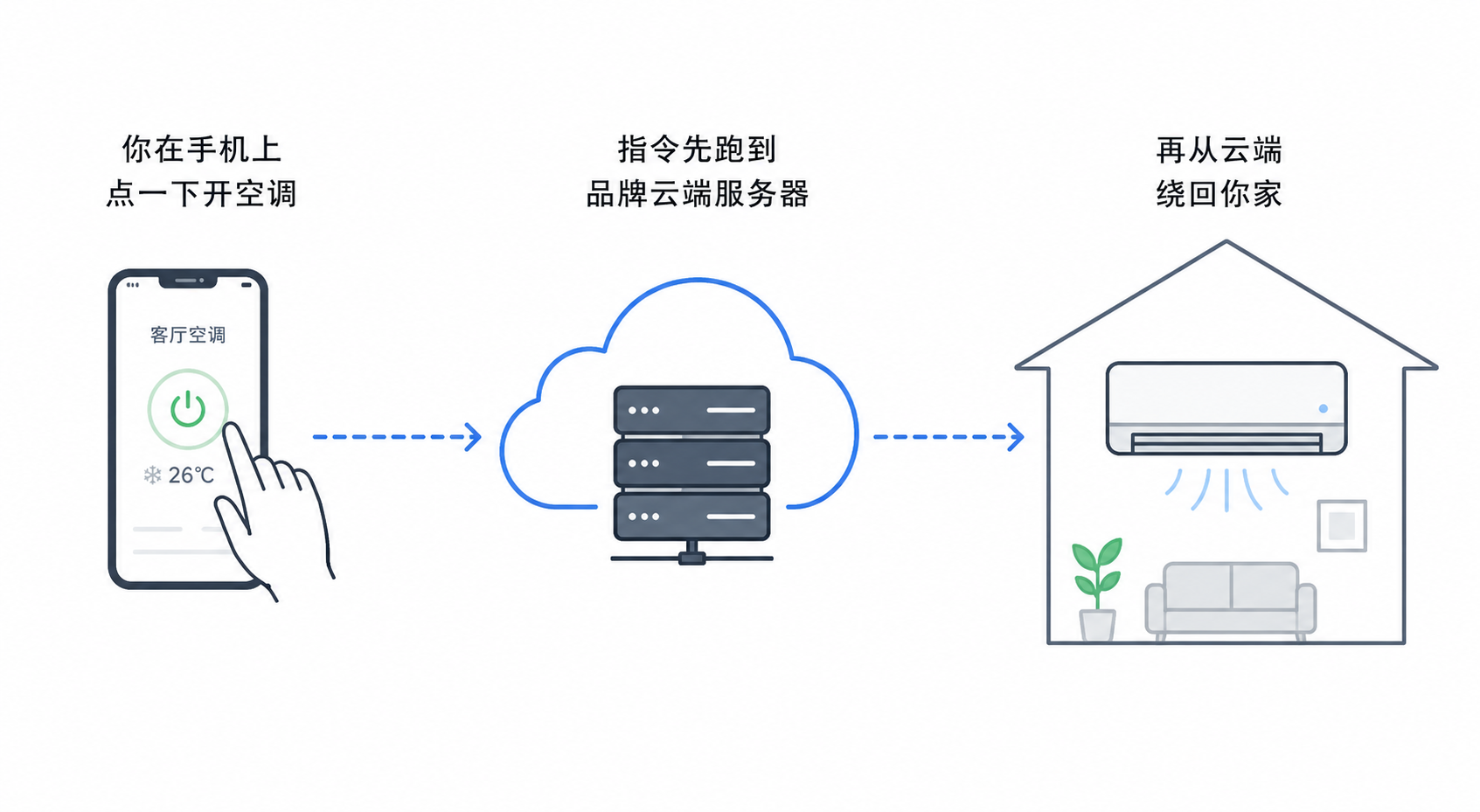
Image Source: Leikeji
When the network is stable, this process goes unnoticed. Scanning codes, binding devices, and connecting to the internet allows immediate use—a low-barrier managed solution that has indeed driven the popularity of smart homes in China. However, no brand can guarantee flawless operation of its cloud servers. Even Xiaomi's smart home service, a major player, has experienced cloud server failures, leaving users unable to control their air conditioners via the app on hot summer nights.
Additionally, the "ecosystem exclusivity" of smart homes poses a significant issue. If you use a Xiaomi gateway, you're likely to prioritize Xiaomi-compatible lights, sensors, and curtain motors when making future purchases. Similarly, if you use HomeKit, you'll instinctively look for devices that support the "Home" app.
While this approach is convenient, no single ecosystem excels in every product category. For example, when it comes to robot vacuums, brands like Dreame and Narwal come to mind; for air conditioners, Midea is a top choice. Users should ideally select products based on performance, but instead, they often choose an ecosystem first and then pick products within it.
The smart home industry is aware of this issue and has proposed the Matter open protocol. However, Matter primarily facilitates basic operations like switching, brightness, and temperature control, with many advanced features still requiring the brand's proprietary app.
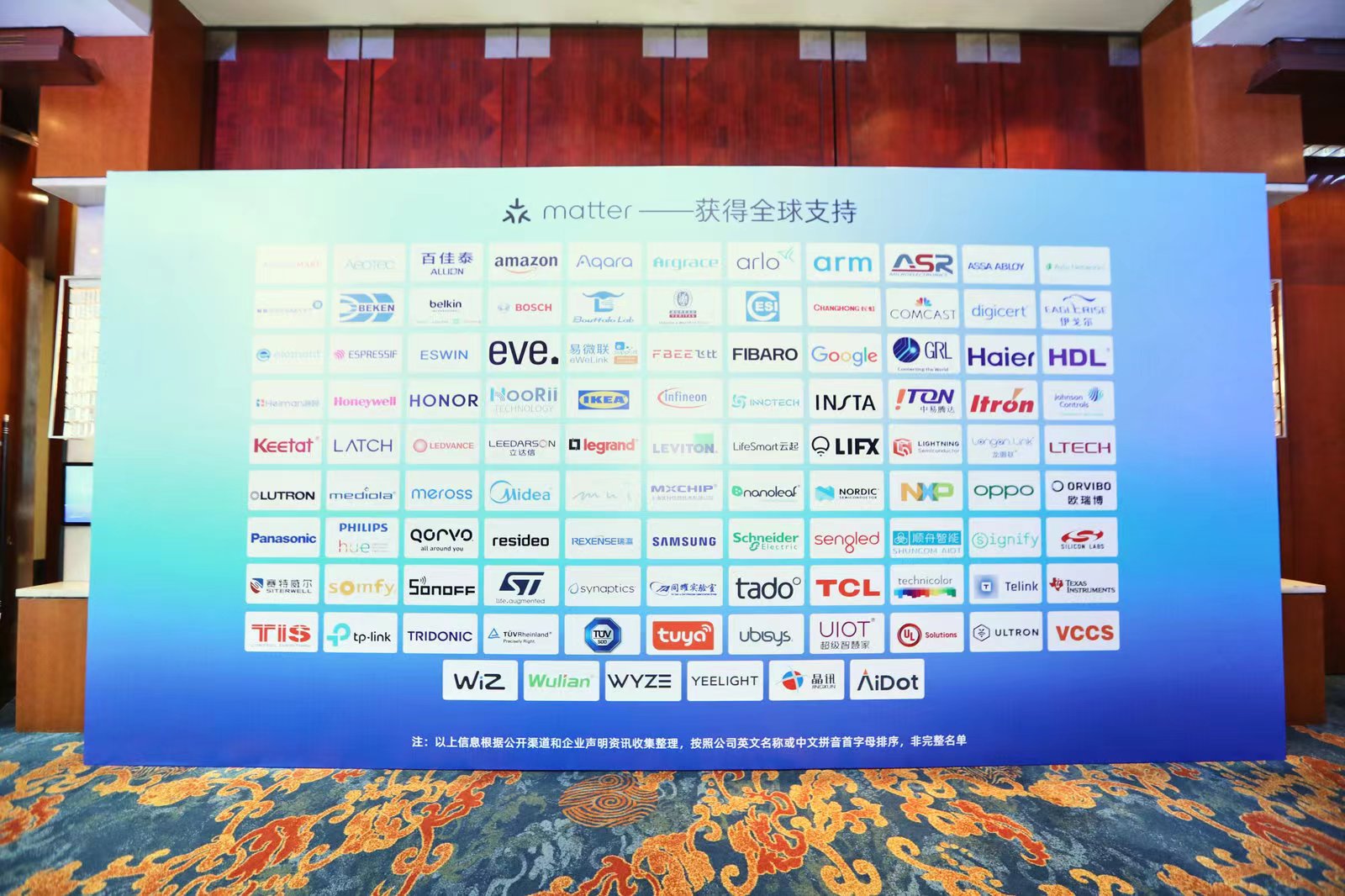
Image Source: CSA
Moreover, commercial closed-source smart home platforms carry inherent privacy risks. Smart locks know when you return home, human presence sensors track your location within the house, air conditioners learn your preferred sleeping temperature, and robot vacuums even map your home's layout. While these data points may seem insignificant, they could prove crucial in the future:
For instance, insurance companies could adjust policy premiums based on health data collected by smart home devices, while travel platforms might use house mapping data from robot vacuums to infer economic status and adjust flight and hotel prices accordingly.
As an open-source smart home platform, HA's competitiveness lies in these areas: Local automation continues to function during internet outages; devices from different brands can be integrated into a single local system; and data that doesn't need to be uploaded to the cloud remains within the user's home.
But how can a smart home platform deployed locally and controlled solely by the user achieve the intelligence level of "Xiao Ai"? The answer lies in smart home agentization.
Is Agentization the Ultimate Goal of Smart Homes?
Agentization, in this context, does not mean adding chat windows to refrigerators, washing machines, or robot vacuums.
For smart homes, agentization means enabling AIoT devices to do more than act as switches within an app. Instead, they can share their status, capabilities, and linkage mechanisms (Note: " linkage 机制" is retained as is for now, as it refers to interoperability mechanisms) with the HA platform. For example, in a third-party app using the Matter protocol, an air conditioner typically offers only three options: "on/off," "temperature setting," and "operating mode"—functional but limited.
However, an agentized air conditioner can inform the system of its current mode, temperature changes, energy consumption, and even interact with other AIoT hardware in the platform. For instance, it could automatically adjust its airflow direction based on character tracking (people tracking) from a security camera. A robot vacuum doesn't just "clean"—it should also know where to clean and why it got stuck.
In fact, domestic smart home brands have been moving in this direction in recent years, albeit with different entry points.
Major appliance brands like Midea and Haier control the core household devices: air conditioners, refrigerators, washing machines, water heaters, and kitchen appliances. While these devices lack the constant presence of smart speakers or lights, they are equally important. Decisions like whether the air conditioner should dehumidify while you sleep, when the washing machine should run to avoid disruption, or whether the water heater should preheat cannot be resolved with a simple "turn on" command. In early June, Midea announced that its whole-house smart system would be the first to integrate with WeChat AI, sparking the first wave of AI agentization among domestic appliance giants.
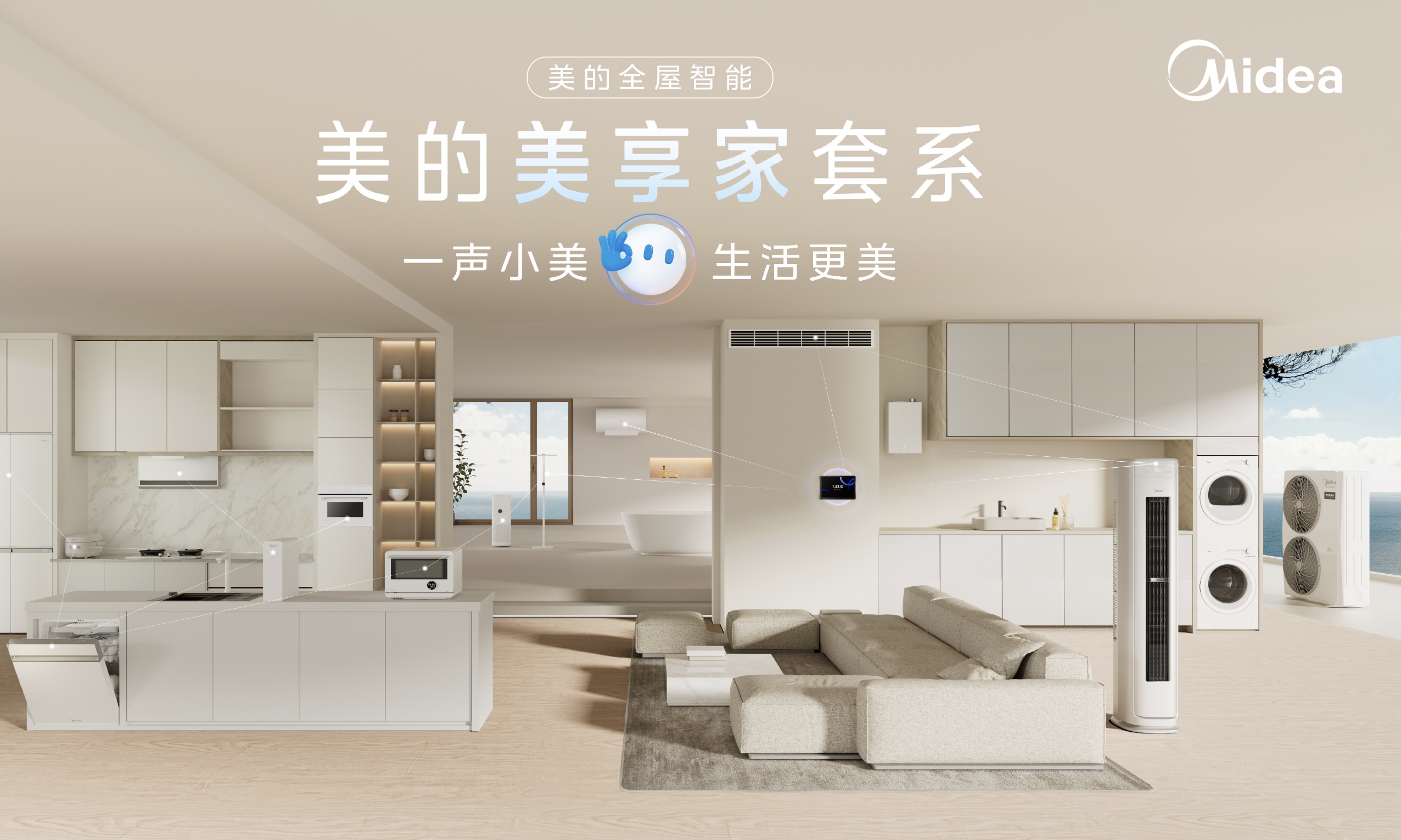
Image Source: Midea
Aqara emphasizes "spatial intelligence," which goes beyond selling sensors. By deploying sensors for doors, windows, human presence, water leaks, switches, curtains, and locks, Aqara enables AI to accurately identify current home "scenes." After all, AI accuracy depends not on model size but on whether it knows if the living room is occupied, windows are closed, the kitchen is leaking, or an elderly person has woken up at night. Without these spatial contexts, even the smartest AI can only guess.

Image Source: Aqara
Huawei's whole-house smart solution takes this a step further by designing networks, lighting, shading, security, central control screens, and various sensors into spaces during the renovation and handover phases. This way, the system knows from the start which devices control living room temperature, which circuits manage foyer lighting, and which sensors monitor the hallway.
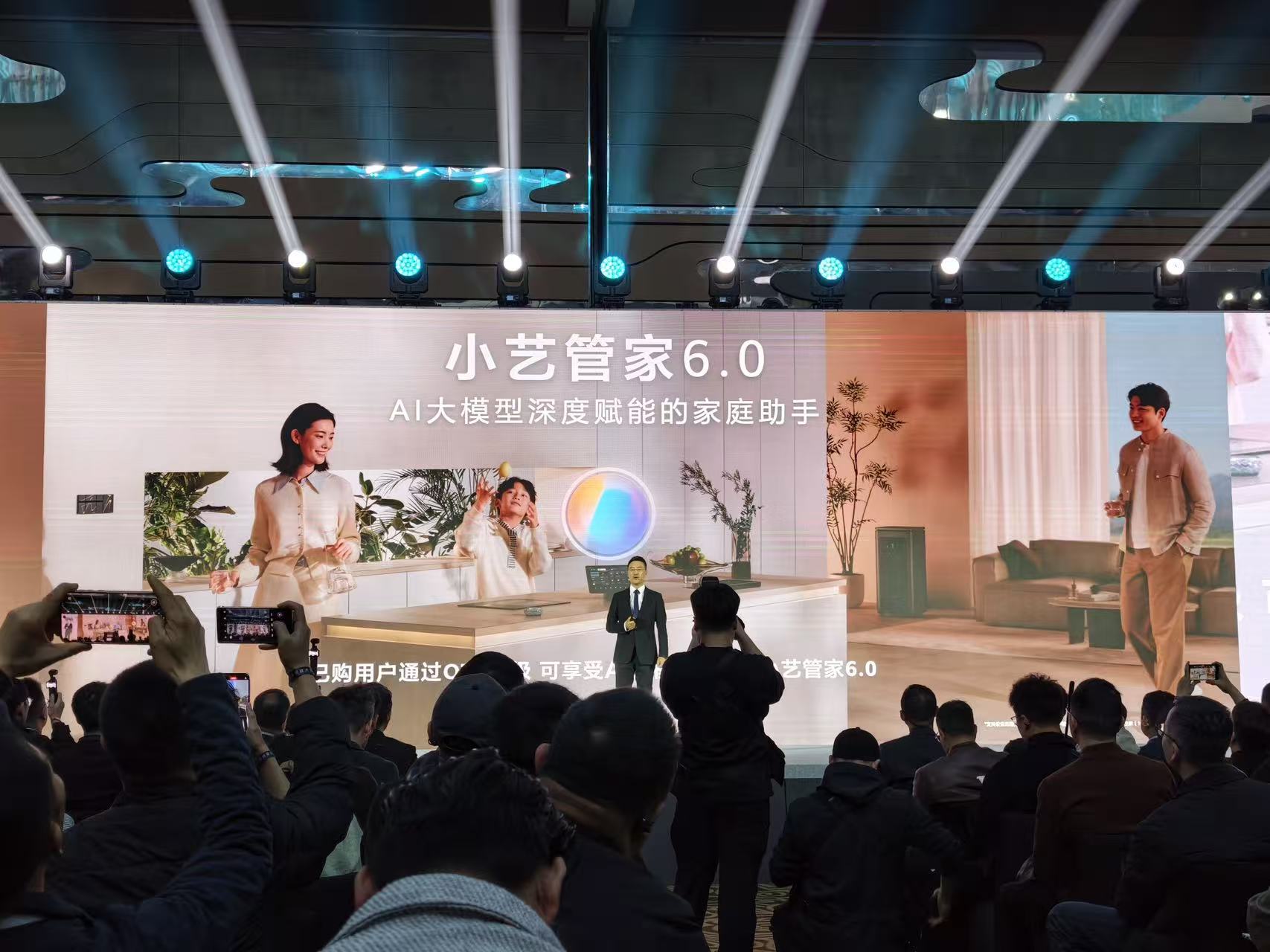
Image Source: Leikeji
For local AI, these spatial relationships are crucial: Determining whether someone has returned home, whether the bedroom should enter sleep mode, or whether curtains should be drawn during west-facing sun exposure all rely on this spatial map.
Compared to these hardware brands, Tuya focuses more on the underlying AIoT infrastructure. While Midea, Haier, and Huawei have their own systems and R&D resources, many traditional IoT manufacturers in China produce lights, sockets, sensors, and small appliances that can connect to apps but lack the capability to build an AI Agent system from scratch.
As a smart home platform, Tuya provides a quick AI Agent integration solution for the domestic AIoT industry, "empowering" traditional IoT brands.
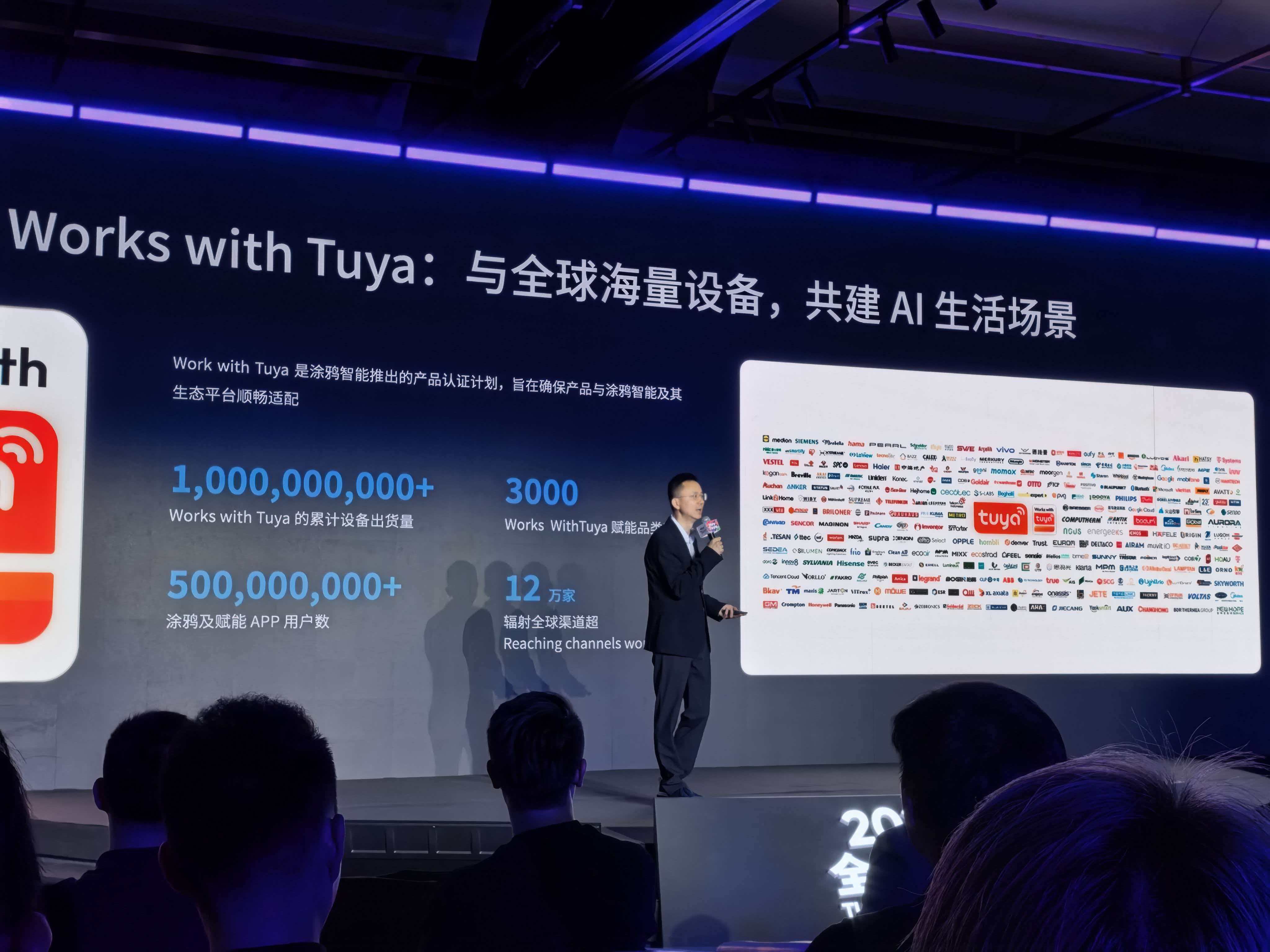
Image Source: Leikeji
Major appliance brands bring real-life scenarios, spatial intelligence brands enhance home awareness, central solution providers productize the experience, and platform vendors integrate devices into the system. In Leikeji's view, this is the prerequisite for smart homes to evolve from passive services to proactive responses. Otherwise, adding more devices only means more buttons in an app.
Smart Homes in the AI Era: Easier to Obtain, Less Obtrusive
From a user perspective, based on a decade of experience with smart homes, Leikeji believes that smart homes in the AI era should avoid positioning themselves as another "all-knowing assistant." The best smart homes should have minimal presence.
Indeed, Leikeji argues that while the "locally deployed HA + HA Agent + Agentized AIoT platform" approach is directionally correct, it is not the right way to promote smart homes.
Deploying an HA Agent is straightforward for "pro users," but most smart home users may not even know what HA is. To create an "approachable" smart home platform for the entire family, the efforts of major appliance companies like Midea and Haier, along with smart platforms like Aqara, Huawei, and Tuya, remain indispensable.
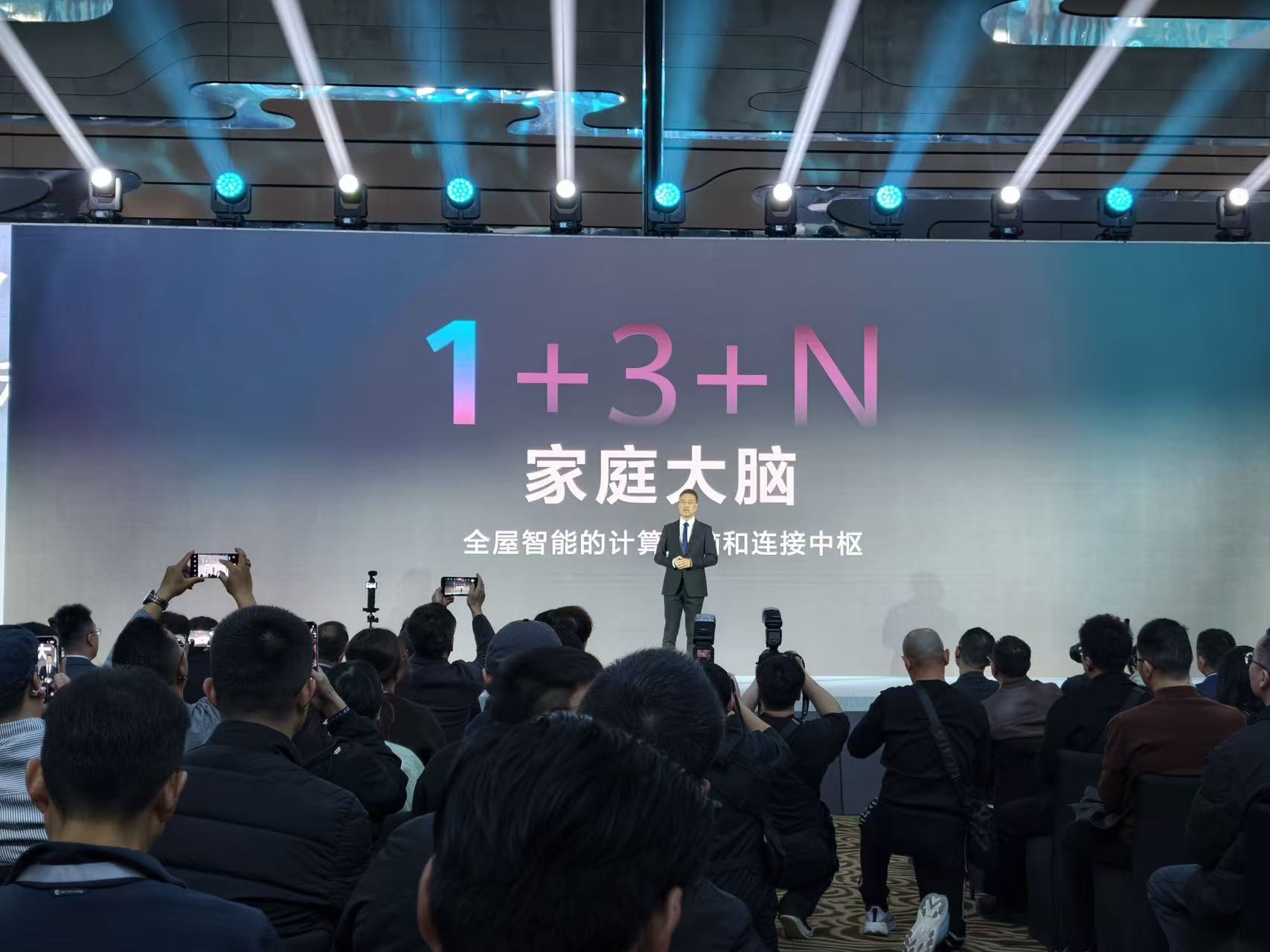
Image Source: Leikeji
After all, as a symbol of "technology for all," smart homes should never be the exclusive domain of "tech enthusiasts." Only when ordinary households can use agentized smart homes without any hassle will AI Agents truly break free from the enthusiast circle.
Smart Home, Whole-House Intelligence, Agent, AI Hardware, Smart Appliances
Source: Leikeji
Images in this article are from the 123RF licensed library. Source: Leikeji
-
![]()
Over 50% of Revenue Hinges on Yutong Optics! This Optical Equipment Manufacturer is Charging Towards an IPO
-
![]()
YOCO Optics Finalizes Industrial and Commercial Registration Update Post 160 Million Yuan Investment in Jiangfeng Biology, Securing 20% Stake to Emerge as Second-Largest Shareholder!
-
![]()
Google Market Value Plummets by $1.5 Trillion Overnight Following the Loss of Two Key Figures
-
![]()
Put an End to the EV 'Weight Gain Race'! Can Your Car Still Be Driven Under the New National Standards?
-
![]()
In 2026, 'AI Upstarts' Collectively Bet on World Models
-
![]()
【OFweek Weike Cup】Phoenix Optics Officially Participates in the 2026 Optical Industry Annual Innovation Product Award
-
![]()
Ford Ditches Mach-E: Will Its Billion-Dollar Electrification Drive Have to Start All Over Again?
-
![]()
【OFweek Weike Cup】Shuangli Hepu Officially Participates in the 2026 High-Growth Enterprise Award in the Optical Industry