Ford Ditches Mach-E: Will Its Billion-Dollar Electrification Drive Have to Start All Over Again?
 06/23 2026
 344
344
During a Q&A session focused on the new Universal Electric Vehicle (UEV) platform, Ford made it clear that this brand-new architecture, developed from the ground up with a key emphasis on maximizing vehicle efficiency, won't be used for the next-generation Mustang Mach-E. This indicates that the model, which was once celebrated as a flagship for Ford's electrification and positioned to compete with the Tesla Model Y, is gradually being phased out of Ford's primary electrification lineup.
Iconic Brand Fails to Boost Electrification Goals
When Jim Farley took the helm as CEO in 2020, the Mustang Mach-E was at the heart of his strategy. By tapping into the half-century legacy of the Mustang performance brand to take on Tesla's Model Y, the model was initially seen as a roadmap for traditional automakers to compete against new energy vehicle (NEV) startups. Now, Farley is set to completely overhaul that approach. Over the past four years, Ford's standalone Model e electric vehicle division has racked up losses exceeding $12.8 billion, with a single-year deficit of $4.8 billion in 2025 alone. This led to a $19.5 billion write-down of electric vehicle assets. Moreover, Ford has disbanded its independent electric vehicle division, merging R&D and production teams back into its internal combustion engine (ICE) business framework. This billion-dollar electrification bet ends with management hitting the reset button.
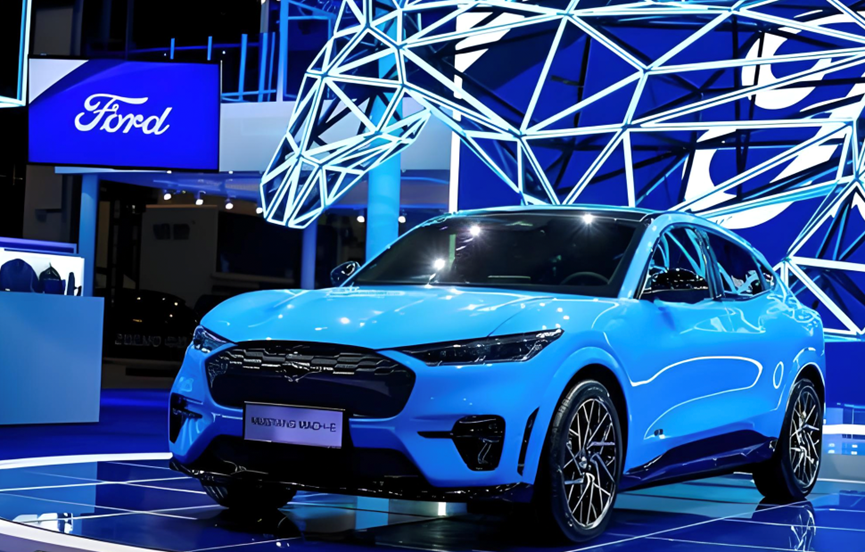
When Ford picked the Mach-E as its entry into the market, the logic was straightforward: use the nostalgic value of an iconic brand to quickly gain market share, bypassing the need to build electric vehicle brand recognition from scratch. Yet, taking shortcuts often turns out to be the most challenging route.
Farley's statement that Ford would "never build a Mustang that isn't a Mustang" was originally made to address market controversy surrounding the all-electric two-door Mustang sports car. The main goal was to preserve Mustang's half-century heritage as a performance-focused sports car. However, this couldn't hide the Mach-E's speculative nature: Ford used the performance prestige of its iconic sports car brand to raise the price ceiling for its electric SUV, sidestepping the market education costs of building an electric brand from the ground up. Nostalgia-driven support could only draw in early adopters. When the vehicle's battery efficiency and smart features fell short of competitors in the same price bracket, North American sales dropped annually, while sales in the Chinese market nosedived to just 35 units per year. Consumers might pay a premium for nostalgia once, but they won't keep paying for a mispositioned product. Relying too heavily on the brand ultimately diluted Mustang's clear performance identity, leading to failure on both counts.
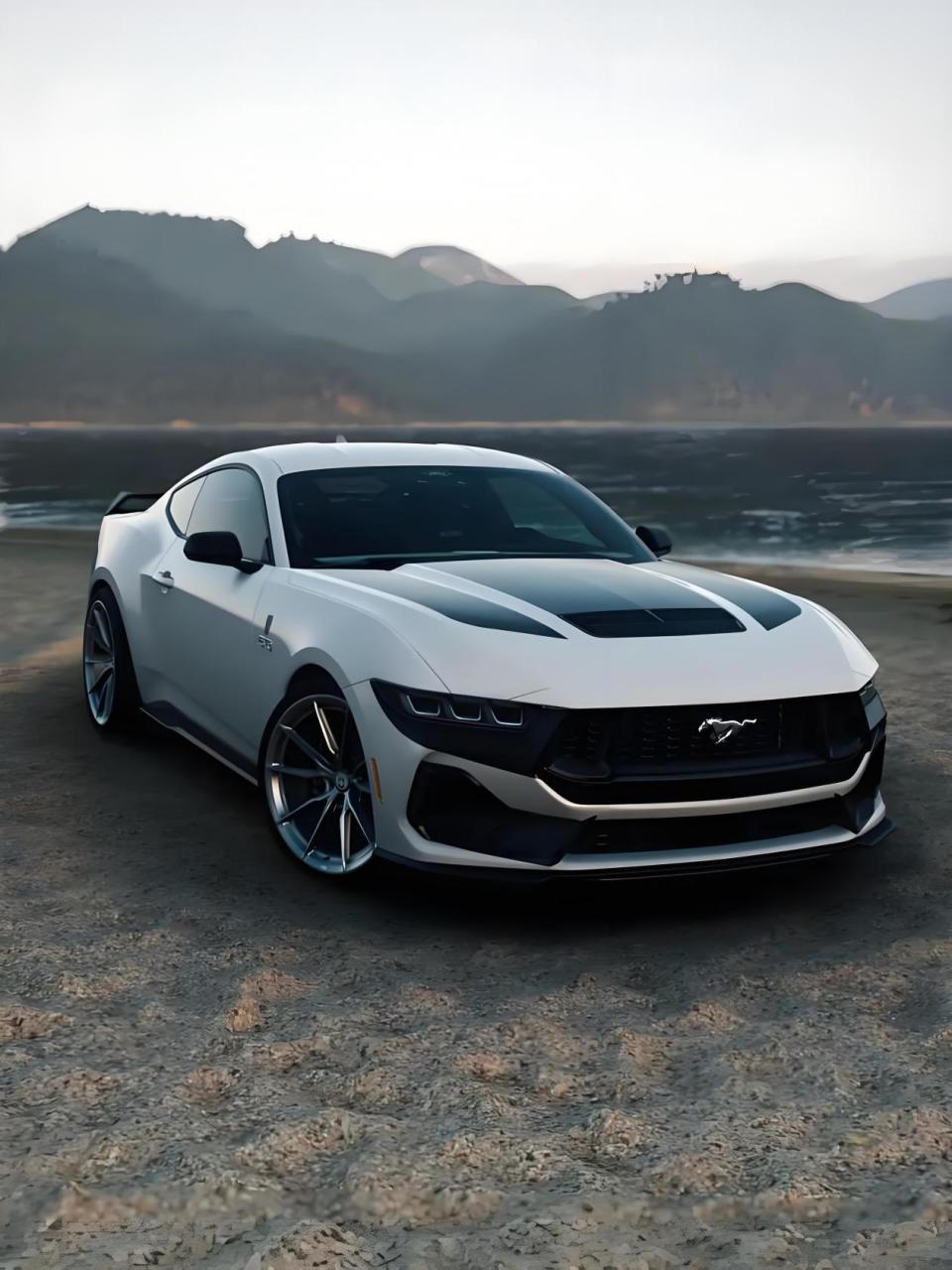
The final result: the iconic brand failed to support electrification efforts and instead diluted Mustang's original performance value, leaving Ford with nothing to show for it.
Production of the current-generation Mach-E will continue until 2027, with sales channels and after-sales support staying active in the meantime. The exit is far from chaotic. However, without technological upgrades or a clear succession plan, the model has effectively been removed from Ford's electrification strategy.
A Radical Shift with the New Platform
Ford's new UEV electric platform sticks to a 400V architecture—a notable departure from the industry's trend toward 800V high-voltage systems. This decision isn't due to technical constraints but rather a strategic choice to abandon the race for the premium segment. The UEV platform, built from scratch, focuses on cost optimization for affordable, high-volume models.
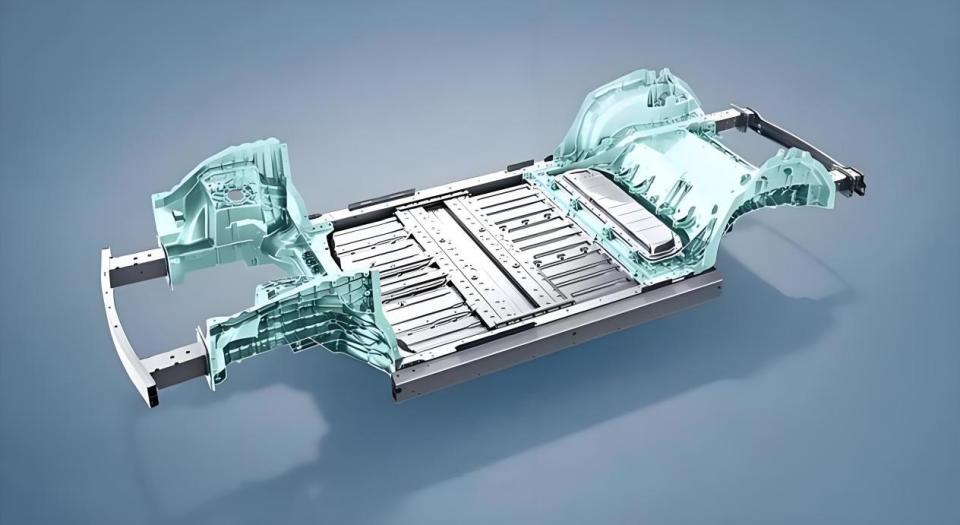
Key technical choices—such as using 20% fewer components through integrated die-casting, reducing assembly hours by 15%, and committing to lithium iron phosphate (LFP) batteries—are centered around controlling per-unit costs. The aim is to price the first electric pickup below $30,000, with subsequent SUVs targeting mainstream segments like the Ford Escape. For affordable vehicles designed for daily commuting and practical use, a 400V architecture adequately meets operational needs while significantly cutting supply chain and manufacturing costs—a sensible decision.
This reflects Ford's strategic pivot in electrification: voluntarily stepping out of the fiercely competitive mid-size premium electric SUV segment, avoiding direct clashes with Tesla and Chinese NEV competitors, and redirecting resources toward electric pickups—a market where Ford already has a loyal customer base.
The repeated focus on "maximizing vehicle efficiency" highlights a cost-first survival strategy. By skipping the 800V competition and steering clear of SUV price battles, Ford is directing its limited R&D and production capacity toward electric pickups, where it has inherent strengths. The shift from "competing with Tesla as a premium electric brand" to "producing affordable electric utility vehicles" puts survival above all else.
Certainly, Ford isn't giving up on premium ambitions without a fight—it simply can't afford to keep losing money. As mentioned earlier, the Model e division racked up $12.8 billion in losses over four years, along with $19.5 billion in electric vehicle asset impairments. These numbers show Ford's inability to keep up with technological advancements or control per-unit costs in the mainstream passenger EV market. Continuing to compete would only worsen the deficits.
This retreat may not be elegant, but it's practical. The brand stories and conceptual hype of the first phase of electrification have lost their impact; the second phase depends on supply chain control and cost management. Ford is retreating to its comfort zone, using its pickup truck strengths to stabilize its electrification foundation. The dream of brand elevation in the electric era was willingly let go when Ford abandoned Mach-E succession plans and committed to the UEV path.
Public Commentary
The Mach-E's departure highlights the failure of shortcut thinking in traditional automakers' electrification strategies. Relying on nostalgic brands to bypass market education ultimately falls short due to product shortcomings. Ford's full commitment to the new platform is a pragmatic damage control move after billions in losses—and a strategic retreat from mainstream electric vehicle competition.
While Ford's retreat to the pickup truck comfort zone protects its core business, it also means voluntarily giving up opportunities for brand elevation in the electric era. There are no shortcuts to transformation. As a century-old automaker chooses contraction to survive, it loses ground in the next-generation automotive industry.
-
![]()
Over 50% of Revenue Hinges on Yutong Optics! This Optical Equipment Manufacturer is Charging Towards an IPO
-
![]()
YOCO Optics Finalizes Industrial and Commercial Registration Update Post 160 Million Yuan Investment in Jiangfeng Biology, Securing 20% Stake to Emerge as Second-Largest Shareholder!
-
![]()
Google Market Value Plummets by $1.5 Trillion Overnight Following the Loss of Two Key Figures
-
![]()
Put an End to the EV 'Weight Gain Race'! Can Your Car Still Be Driven Under the New National Standards?
-
![]()
In 2026, 'AI Upstarts' Collectively Bet on World Models
-
![]()
【OFweek Weike Cup】Phoenix Optics Officially Participates in the 2026 Optical Industry Annual Innovation Product Award
-
![]()
Ford Ditches Mach-E: Will Its Billion-Dollar Electrification Drive Have to Start All Over Again?
-
![]()
【OFweek Weike Cup】Shuangli Hepu Officially Participates in the 2026 High-Growth Enterprise Award in the Optical Industry