Wang Xing Apologizes as Meituan Adjusts Two Key Departments
 07/01 2026
 439
439
 Image Source: Sohu Tech
At Meituan's latest Annual General Meeting of Shareholders, Wang Xing offered a rare candid apology: “The stock price has been unsatisfactory over the past few years, and I bear significant responsibility.” Wang admitted to strategic missteps, acknowledging that Meituan missed two major opportunities for growth. Immediately after the apology, Wang initiated structural adjustments in two core departments at Meituan, as these moves represent the critical chess pieces determining Meituan's growth ceiling over the next 3-5 years.
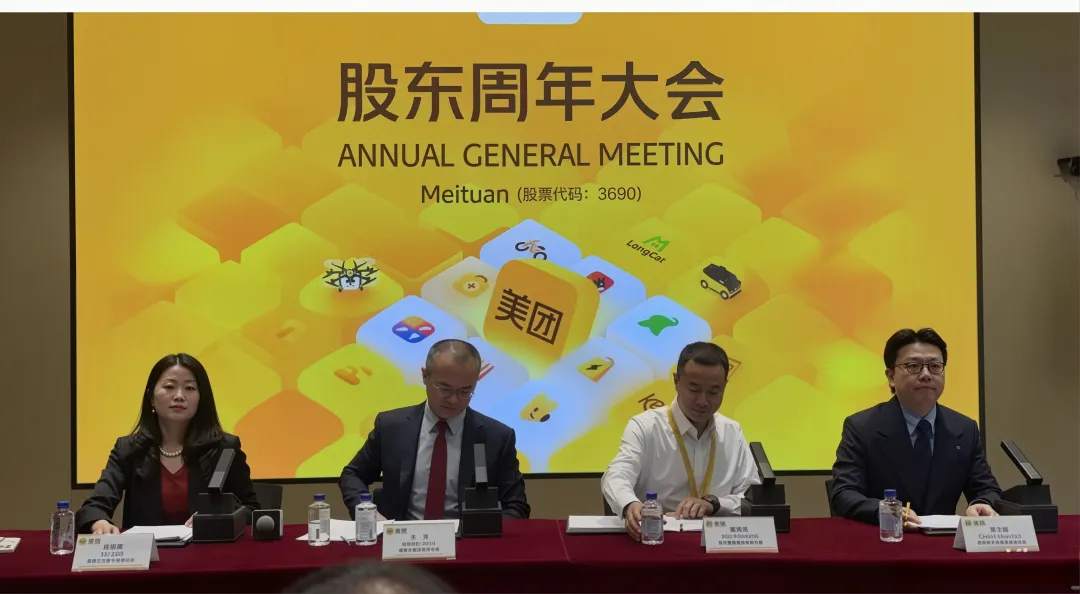 Image Source: Meituan AGM
On one hand, the new AI Transformation Department elevates AI to a top-tier strategic priority within the company. On the other, the Autonomous Delivery Business Unit remains independent, reporting directly to Wang Xing and focusing on hardware deployment. Combining software and hardware, digital and physical operations, Meituan’s AI strategy officially transitions from “trial-and-error” to “full-scale offensive.”
While ByteDance, Alibaba, and Tencent compete fiercely in the saturated market of online large models and AI conversational traffic, Meituan shifts tracks entirely, going all-in on physical AI. This is not a mere personnel adjustment but a complete overhaul of survival logic for the local life giant in the AI era.
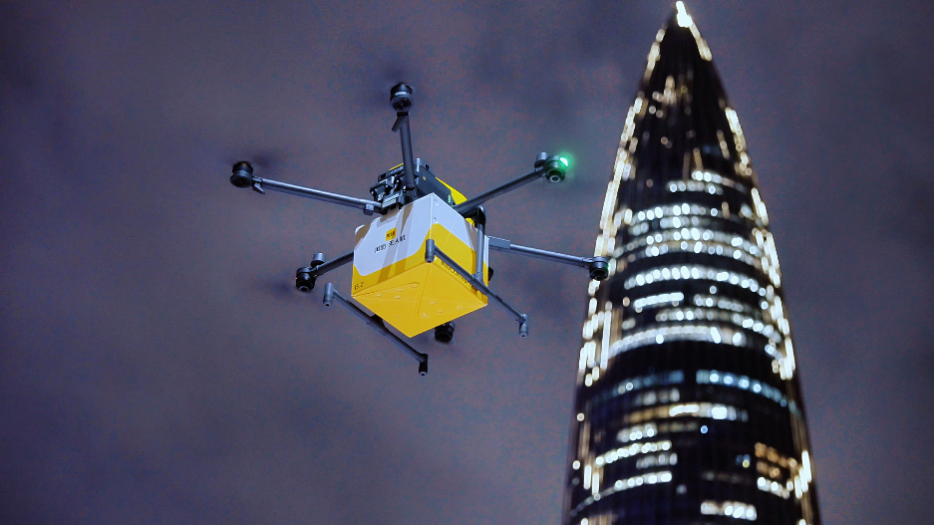
Image Source: Shenzhen News
1. Organizational Upgrade: AI Becomes Meituan’s Core Foundation
This restructuring of the Core Local Commerce (CLC) division is not a superficial addition of departments but a top-down strategic realignment, with each move precisely calculated.
The newly unveiled AI Transformation Department is a first-tier strategic unit under the CLC framework, with significantly elevated authority. It deeply integrates with core businesses such as food delivery, flash sales, and in-store services. Led by Mu Yao, former General Manager of Dianping, the department reports directly to Wang Puzhong, CEO of Local Commerce, and holds cross-functional authority to oversee AI transformation across all businesses.
Previously, Meituan’s AI functions were scattered across various lines, serving merely as “technical support tools” without a unified strategy or cohesive implementation. Now, with an independent structure and high-level reporting, AI has transformed from backend support to a top-tier core strategy driving company-wide iteration, with implementation efficiency significantly enhanced.
What stands out even more is its counter-industry approach:
While competitors focus on building labs, publishing cutting-edge papers, and developing flashy features, Meituan’s “Transformation Department” makes its stance clear: no flash, just results. Instead of being led by tech luminaries, it is operated by business executives with a singular goal: using AI to transform existing operations, restructure processes, reduce costs, and improve efficiency.
This is Meituan’s “AI at Work” strategy: AI is not for show—it’s for getting things done. Currently, over 95% of coding work across Meituan’s internal core business lines is completed using its proprietary tool, CatPaw. Externally, intelligent store managers and digital employees have been deployed to over 700,000 catering outlets and 300,000 retail stores, enabling full-link AI empowerment for merchant operations.
If the AI Transformation Department drives digital-world innovation, the Autonomous Delivery Business Unit represents Meituan’s hardcore physical AI deployment.
As early as 2020, before large models dominated headlines, Meituan positioned itself in the physical AI hardware space, building a smart transportation and AI collaboration system. It later spun off an independent Autonomous Delivery Business Unit, reporting directly to Wang Xing, with top strategic priority.
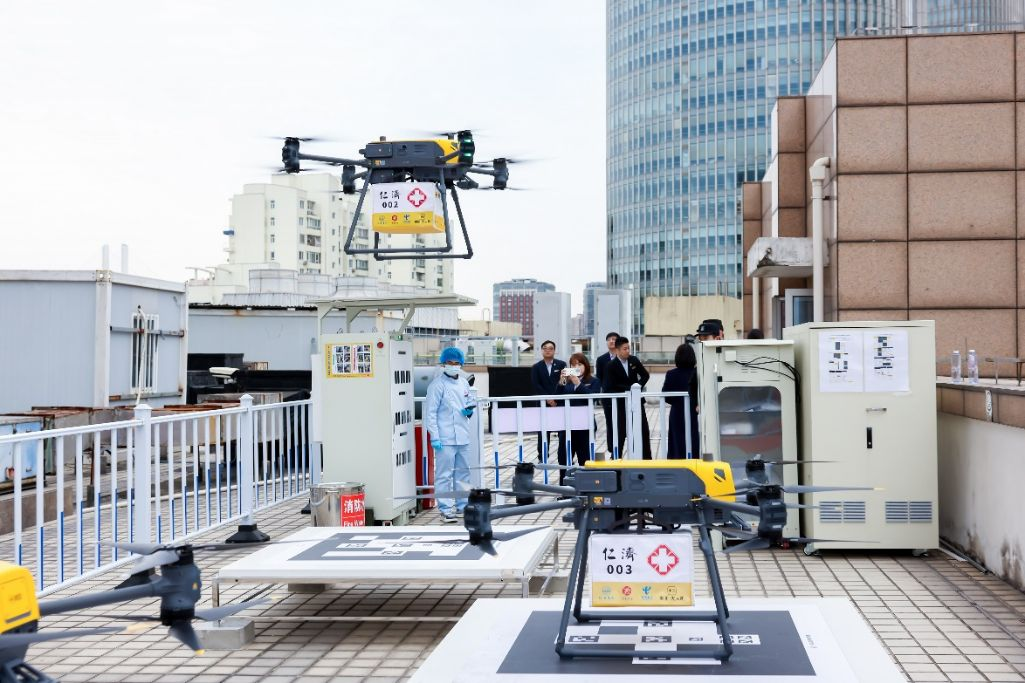 Caption: Meituan drones, in collaboration with Shanghai Jiao Tong University School of Medicine Affiliated Renji Hospital, completed Shanghai’s first drone delivery of medical samples. Image Source: Meituan Official Website
After years of deep cultivation, this track has achieved scaling (large-scale) deployment: Drones now operate regularly in Beijing, Shanghai, Shenzhen, and Dubai, handling both daily deliveries and emergency medical orders. Autonomous vehicles focus on full-domain operations in Shenzhen, with over 5 million deliveries completed, autonomous driving mileage exceeding 15 million kilometers, over 99% autonomous operation, and a solid foundation for commercialization.
From technical trial-and-error and cost reduction to full-scale commercialization, the evolution of autonomous delivery reflects Meituan’s core ethos in physical AI: no empty talk, only results.
2. Three-Year Strategic Evolution: From Bystander to AI Offensive Player
This organizational overhaul is not impulsive but the culmination of Wang Xing’s three-year AI strategy. Changes in financial reporting statements clearly reveal Meituan’s evolutionary path.
In 2023, Meituan remained an industry bystander. It predicted AI would transform the sector but deployed it sporadically, only to optimize basic operations without systemic investment.
By 2025, Meituan officially entered the fray. Wang Xing stated clearly in earnings calls: Meituan’s AI push is offensive, not defensive. That same year, Meituan acquired Guangnian Zhiwai to fill gaps in large model infrastructure, initiating a comprehensive AI layout (strategic deployment).
In 2026, Meituan broke free from industry conventions. Leveraging the AI Agent trend, it introduced a To A (Serving AI Agents) logic, creating new growth pathways for local life services.
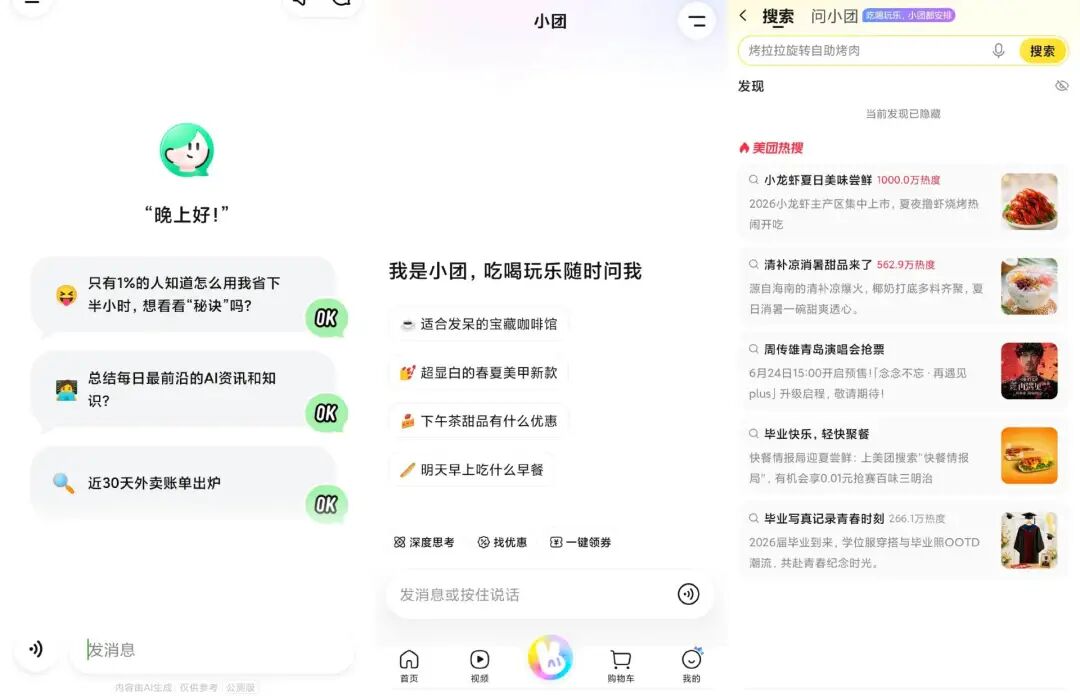
Caption: Meituan’s standalone apps, “Xiaomei” (left) and “Wen Xiaotuan” (right)
Traditional platforms serve only C-end users and B-end merchants. Meituan, however, sees the next opportunity: serving AI agents themselves, making To A a new growth engine.
This represents a true paradigm shift: The mobile internet era competed on app traffic and user clicks; in the AI era, agents place orders and fulfill them automatically, eliminating manual intervention.
Future platform moats will no longer rely on daily active users or merchant counts but on offline fulfillment networks that no AI agent can bypass.
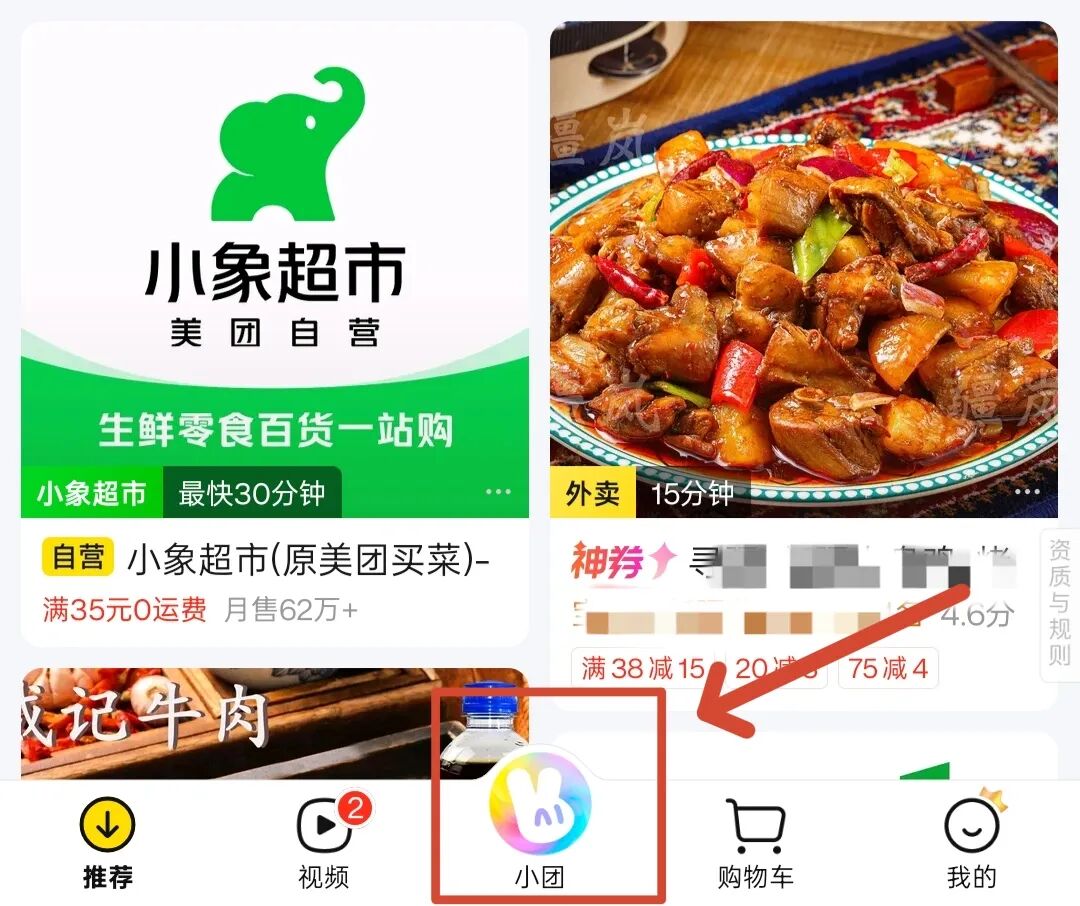
Image Source: Meituan App
Thus, Meituan abandons the cutthroat race for super AI portals, opting instead to become an open, industry-wide infrastructure for local life services.
Currently, Meituan’s AI Agent, “Xiaomei,” integrates with Tencent Yuanbao, allowing users to submit requests via WeChat agents and fulfill orders without switching to the Meituan app. Meanwhile, Meituan opens its food delivery and errand-running capabilities to third-party AI assistants through standardized interfaces, eschewing a closed ecosystem to become the “utilities” of the AI-era local life sector.
Wang Xing’s metaphor cuts to the chase: No matter how smart an AI is, it cannot precisely book a table with an available seat or a restaurant matching specific tastes. The issue isn’t computational power but the lack of real-time, dynamic data from the physical world. Covering over 2,800 cities and counties nationwide, Meituan holds millions of real-time merchant datasets and processes tens of millions of daily fulfillment orders. This exclusive offline “live data” is an impenetrable moat that purely online AI firms can never replicate.
3. Understanding Meituan’s “Physical AI”: Avoiding Cutthroat Competition, Cultivating Exclusive Tracks
The AI sector has polarized: ByteDance, Alibaba, and Tencent compete fiercely in digital AI, vying over models, conversations, and content traffic. Meituan, however, charts its own course in physical AI, bringing AI beyond chatboxes to serve real-world, offline life.
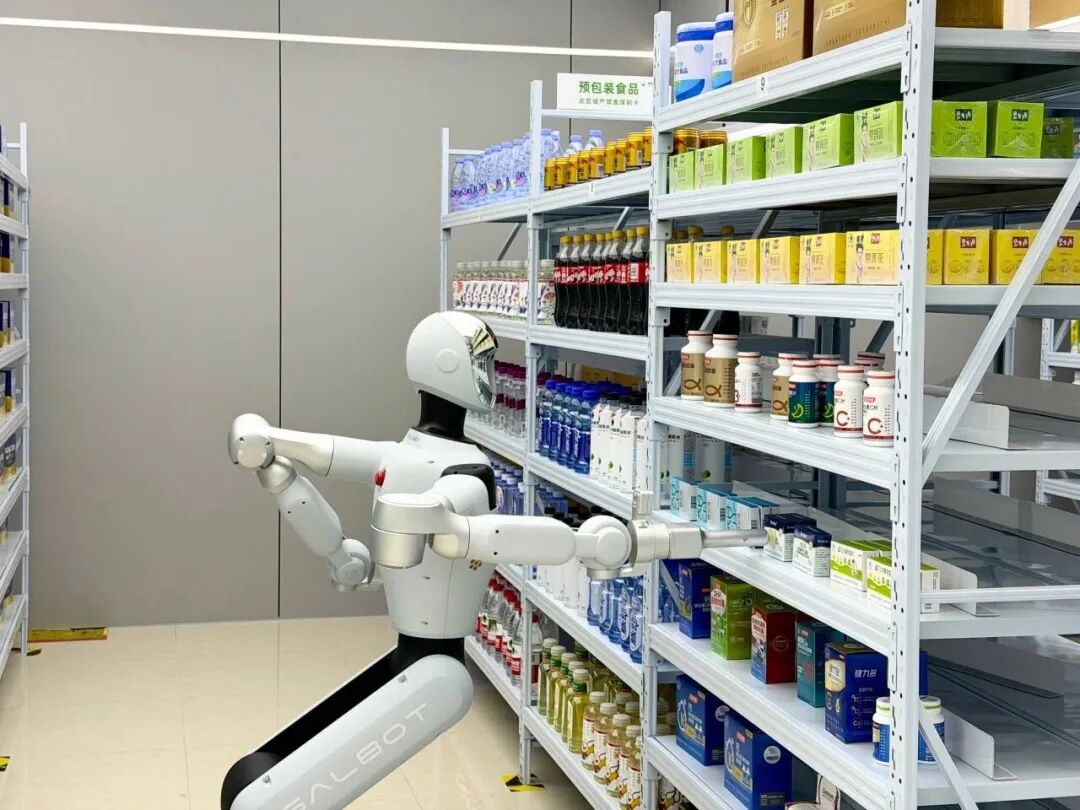
Caption: Galaxy General Robotics
This differentiated strategy is fortified by a three-layer closed loop (closed loop) of offline live data, proprietary large models, and hardware fulfillment—each layer a rare barrier.
1. Foundational Barrier: The Internet’s Only Source of Offline Dynamic “Live Data”
Training materials for general-purpose large models consist solely of static online texts and short videos, incapable of understanding complex offline scenarios like real-time traffic, store inventory, weather changes, or merchant operating status.
Meituan’s transaction data, accumulated over years, originates from real fulfillment scenarios: courier trajectories, instant user demands, merchant operating dynamics, and scenario feedback. This represents top-tier, scarce material for training embodied intelligence and physical AI.
While the industry faces a severe shortage of high-quality embodied intelligence data, Meituan’s continuously updated offline scenario data fills this gap, forming an irreplicable foundational advantage.
2. Mid-Level Core: LongCat, a Proprietary Large Model Tied to Physical Scenarios
Leveraging the GN06 team formed through Guangnian Zhiwai, Meituan developed its proprietary LongCat multimodal large model. After multiple iterations, the trillion-parameter LongCat-2.0 has been adapted for domestic computing power, ensuring a robust technical foundation.
Unlike general-purpose models focused on casual chat and entertainment, LongCat was designed from inception for local life services, stripping away ineffective features and focusing on real-world scenarios like food ordering, accommodations, fresh groceries, and in-store services, with strong implementation attributes.
Based on this model, Meituan built a complete AI product matrix: C-end “Wen Xiaotuan” anchors core app navigation, serving hundreds of millions of users; AI secretary “Xiaomei” bridges cross-platform ecosystems; B-end intelligent tools empower merchant operations. Meanwhile, the AI-native browser Tabbit supports multiple mainstream models and expands overseas, rapidly completing AI tool ecosystem deployment.
3. Top-Level Implementation: Software-Hardware Synergy for Physical Fulfillment Terminals
Large models serve as AI’s “brain,” while autonomous hardware acts as the “limbs” for service delivery. Meituan advances on both fronts: self-developed drones and autonomous vehicles establish a ground-air autonomous delivery system, while heavy investments in hard tech supply chains fill gaps in physical AI deployment carriers.
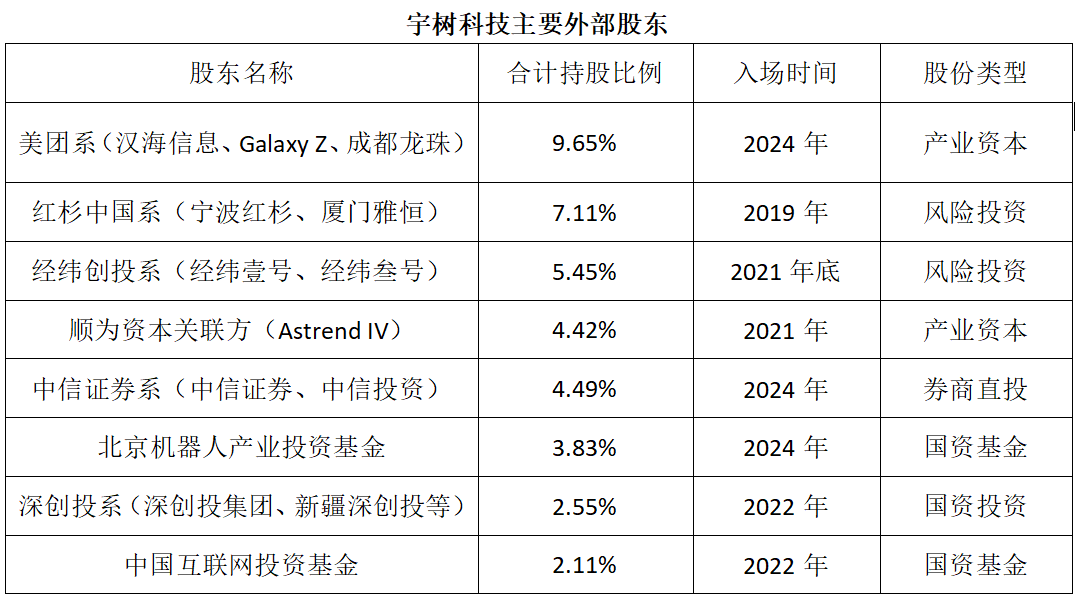
Caption: In the embodied intelligence sector alone, Meituan has invested in at least 16 companies, all early-stage entrants, with 10 becoming unicorns—including Galaxy General, Xinghaitu, Sharpa, and others, each valued at over 10 billion yuan.
Meituan has strategically invested in over a dozen robotics firms covering delivery, sorting, and warehousing, while proactively layout (deploying) in core sectors like computing chips, LiDAR, and autonomous driving.
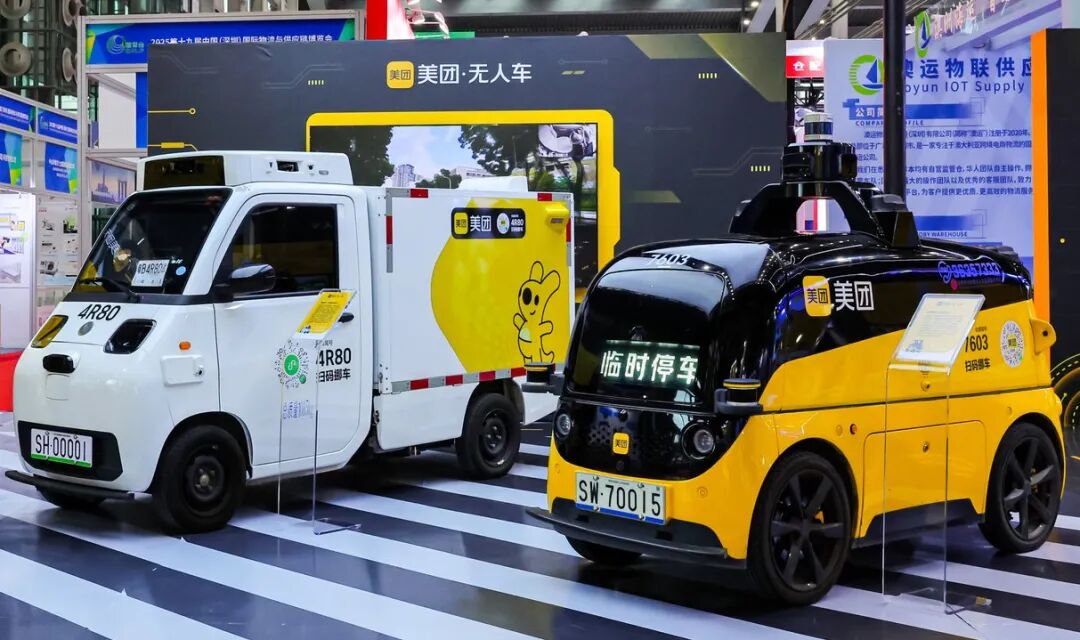
Image Source: Meituan Autonomous Vehicle Official Account
Unlike pure financial investments, Meituan focuses on industrial synergy: using real offline scenarios to help portfolio companies iterate technologies, while leveraging their hardware ecosystems to enhance its own AI deployment capabilities, forming a closed-loop soft-hard industrial landscape.
4. Looking Beyond Short-Term Gains: Understanding Meituan’s Long-Term Value Reconstruction
In Q1 2026, Meituan reported RMB 91.039 billion in revenue, with losses narrowing significantly—impressive on paper. However, profit recovery driven by reduced subsidies represents only temporary gains, insufficient to sustain long-term valuation.
What truly determines Meituan’s future potential is its sustained commitment to physical AI and the new combat effectiveness brought by this organizational upgrade.
Over the past three years, Meituan has continuously ramped up tech R&D, investing RMB 7 billion in Q1 2026 (up 22% YoY) and maintaining annual AI investments in the tens of billions, steadfastly pursuing a “retail + tech” transformation.
This heavy, sustained investment allows Meituan to avoid the cutthroat competition in online AI and seize the industry’s next frontier: AI implementation in the physical world, where technology delivers tangible commercial value.
Purely online AI firms generally struggle with “burning cash without monetization,” while Meituan’s physical AI naturally integrates with instant retail transaction scenarios, boasting a mature commercial closed loop (closed loop). By avoiding parameter arms races and traffic wars, Meituan focuses on building digital-physical connectivity infrastructure, securing a unique ecological niche.
The mobile internet era competed on traffic; the AI era competes on scenarios, data, fulfillment, and implementation capabilities—all four core barriers that Meituan has fully established.
Conclusion
The upgrade of these two departments marks Meituan’s most critical strategic inflection point in recent years. The AI Transformation Department reconstructs digital business processes, while the Autonomous Delivery Business Unit solidifies the physical implementation foundation. Together, they complete a closed organizational loop for physical AI.
The era of subsidy-driven local life competition is over. The industry’s second half belongs to AI’s physical implementation.
Short-term profit fluctuations are mere paper noise. Meituan’s soft-hard integration, offline grounding, and ecological closed loop (closed loop) in physical AI represent a decade-long moat to weather cycles. As the AI Agent wave sweeps the industry, Meituan—having completed its layout (strategic deployment), organizational restructuring, and scenario implementation—stands firmly at the starting line of this new industrial transformation.
Interactive Topic
Do you believe physical AI will become an irreplaceable moat for local life platforms? By opening its fulfillment capabilities to third-party AI, is Meituan building an ecosystem for the long term or simply ceding traffic entry points? Share your thoughts in the comments.
Disclaimer: This article is for financial commentary only and does not constitute investment advice. All corporate data and regulatory events mentioned derive from publicly available information and are for reference only, subject to official announcements. Images sourced from the internet; copyright holders may contact us for removal.
-
![]()
Avita Reapplies for Listing: Reports 25.6 Billion Yuan in Revenue and 3.49 Billion Yuan in Net Loss for the Previous Year, with 182 Million Yuan in Dividends from Yinwang | MIRROR Pro
-
![]()
Apple’s Prices Skyrocket Up to 3,500 Yuan! Who Empowered Cook to Hike Prices?
-
![]()
ByteDance Executives Go Viral!
-
![]()
ByteDance Executives Dominate Headlines!
-
![]()
Perspective | An Ke Cashes Out from the Computing Power Support Sector Under His Flagship, Jin Jing New Energy Faces Four Real Challenges in Its HK$2.5 Billion Acquisition
-
![]()
Selling Cars No Longer Profitable: Guanghui Transforms into a 'Landlord'
-
![]()
Anchoring Physical AI, Momenta Passes Public Verification
-
![]()
The Era of Self-Reflection: Internet Titans Face Internal Critique