Short Dramas with Face-Swapping and Talent Show Debuts: AI Begins to 'Mass-Produce Stars'
 08/17 2026
 341
341
Author | Xia Xia
Disclaimer | The featured image is sourced from the internet. This original article by Jingzhe Research Institute may not be reproduced without prior consent and application.
In early August, celebrity Qi Wei officially announced her digital avatar 'Han Qingxia' and simultaneously launched her first AI-generated comic drama 'Doomsday Midsummer,' once again bringing the clash between AI and content production into the public spotlight. A year ago, the debate centered on whether AI would replace human actors.
Beyond AI works authorized by real people, the growth of AI-native characters has surpassed industry expectations. Fang Taozi, the protagonist of 'The Laid-Off Girl,' gained nearly 500,000 fans within two months of her debut. Duan Yan, a top male lead in AI short dramas, secured an official collaboration with Tmall for the Qixi Festival. AI talent shows like '12-Star Training Race' and 'Starlight 108' have leveraged virtual personas to drive fan engagement and trending topics.
As virtual characters acquire independent commercial value, the logic of star-making and professional boundaries in the entertainment industry are quietly being reshaped by this technological wave.
AI's 'invasion' of the content industry is undeniable.
According to DataEye, in the first half of 2026, over 221,900 new AI-generated short dramas were released across the internet, with the user base for AI dramas and comic dramas expected to surpass 600 million—double the previous market estimate of 280 million. The number of practitioners and individual creators in this sector has also exceeded 500,000.
No industry player remains untouched by this technological wave. However, rather than adopting a blanket stance of caution or resistance, artists are now engaging in rational deliberation based on their professional positions.
Take Qi Wei as an example. Publicly available information reveals that Qi Wei participated throughout the process—from character calibration and scriptwriting to original voice acting—as both lead actress and producer. She retained control over her likeness rights through a limited, non-exclusive licensing model. From a commercial perspective, Qi Wei transformed her digital avatar into a reusable digital asset applicable across AI comic dramas, interactive content, brand collaborations, and other diverse fields, securing an early foothold amid industry technological shifts. In other words, AI has not altered the core value of such celebrities but instead expanded new avenues for their commercial realization.
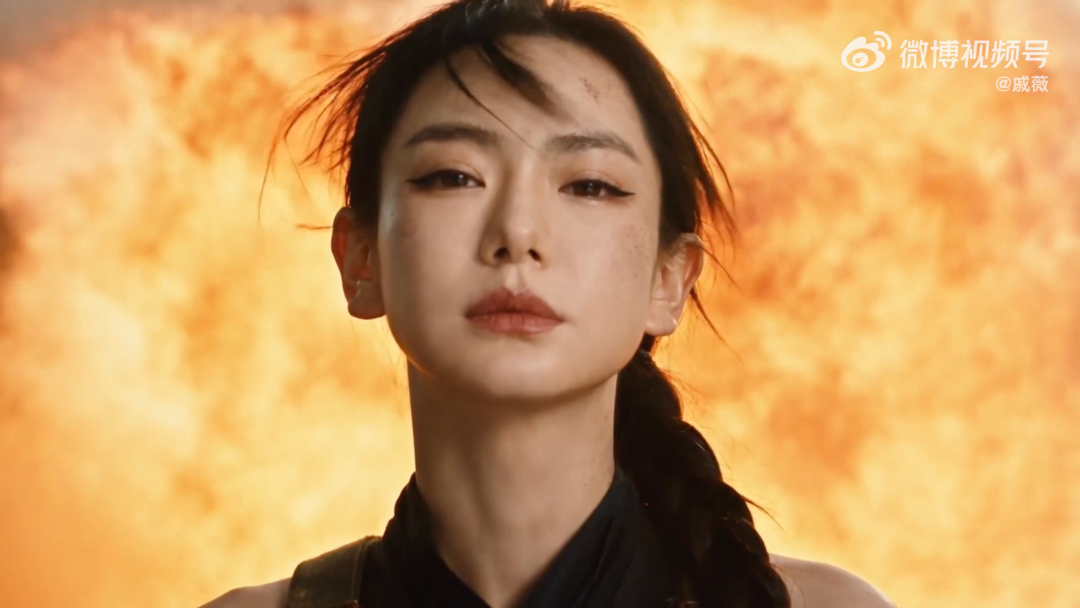
*Image Source: Screenshot from Qi Wei's Weibo video
In an interview with *The Beijing News*, Qi Wei stated, 'After proactive authorization, the logic of protecting our rights has fundamentally changed. Previously, post-hoc rights protection was fraught with difficulties. Now, with clear contractual agreements, my digital image has become an asset protected by law, with explicit commercial terms. If anyone uses it without authorization, the nature of the infringement changes—they’re misappropriating a digitally licensed asset with defined boundaries. Our legal standing becomes proactive and far more advantageous. My goal isn’t passive defense but a proactive, dignified embrace [of AI].'
However, this seemingly robust (robust) commercialization path has faced public scrutiny during actual content rollouts.
Jingzhe Research Institute observed that initial industry discussions focused on technical feasibility, such as whether AI could produce narratively coherent visuals and plots or effectively reduce production costs. However, after the trailer for 'Doomsday Midsummer' premiered on August 7, public opinion quickly diverged. The opening shot—a low-angle upward pan from beneath the AI avatar's skirt, pausing at the hem—sparked controversy. Debates like 'Han Qingxia doesn’t need to show her abs in a skirt' and 'Dress appropriately in dangerous environments' gained traction.
In response to the trailer's backlash, Qi Wei's team announced plans to refine the AI's generative prompts and adjust camera angles. Thanks to a clear framework of compliant authorization, the controversy remained confined to content creation, with overall public sentiment remaining manageable.
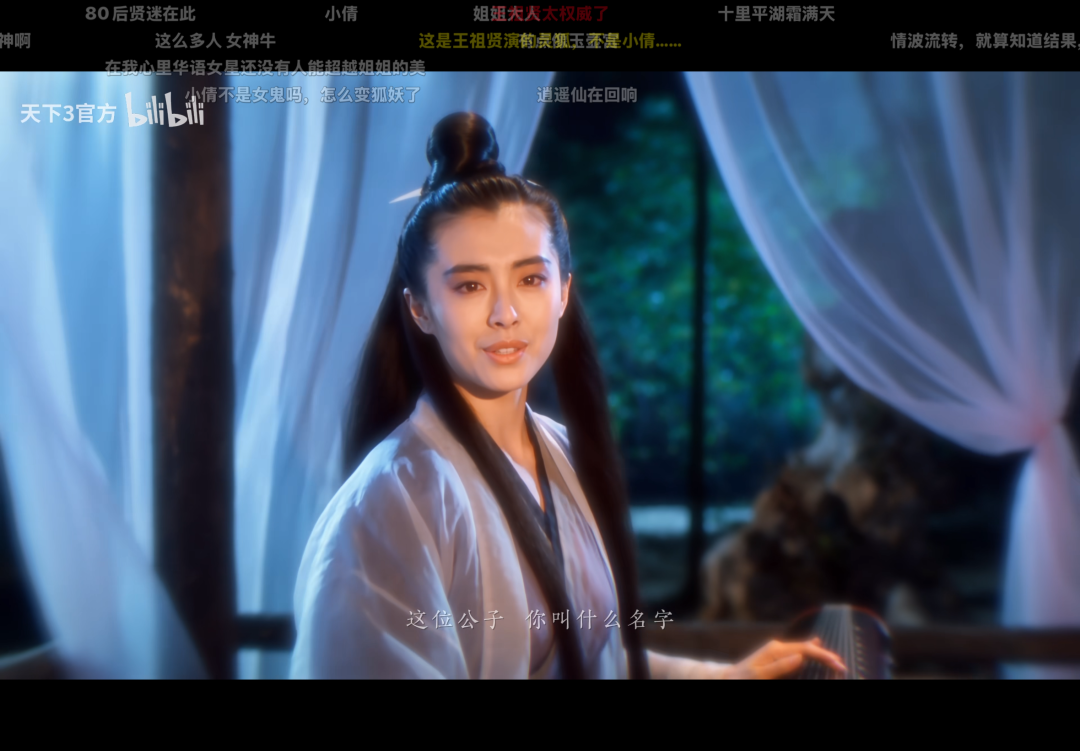
*Image Source: Screenshot from Bilibili
While top-tier celebrities navigate AI commercialization boundaries amid controversy, veteran actors with iconic screen personas have pioneered alternative AI monetization paths. Wang Zuxian, retired for 22 years, licensed her peak-era likeness to NetEase's game *Underworld*, using AI to recreate classic roles like Nie Xiaoqian. The announcement video amassed nearly 3 million views on Bilibili, with collaborations strictly limited to the game's IP, covering short films, digital NPCs, and exclusive costumes. The credits explicitly state, 'Actor: Wang Zuxian (AI).' You Benchang, 93, authorized an AI-powered Ji Gong digital avatar, overseeing content direction and retaining script and final edit approval for positive IP derivatives. Hong Kong actor Ng Kai Wah licensed his youthful likeness, earning sustained royalties without filming.
Top-tier and veteran artists can leverage their IP influence to maintain agency amid the AI wave, but the further down the industry chain, the more tangible and brutal AI's impact becomes. Among the top 10 trending shows on Hongguo Short Drama App, only four feature human actors, with AI content ascending from early fringe experiments to mainstream relevance.
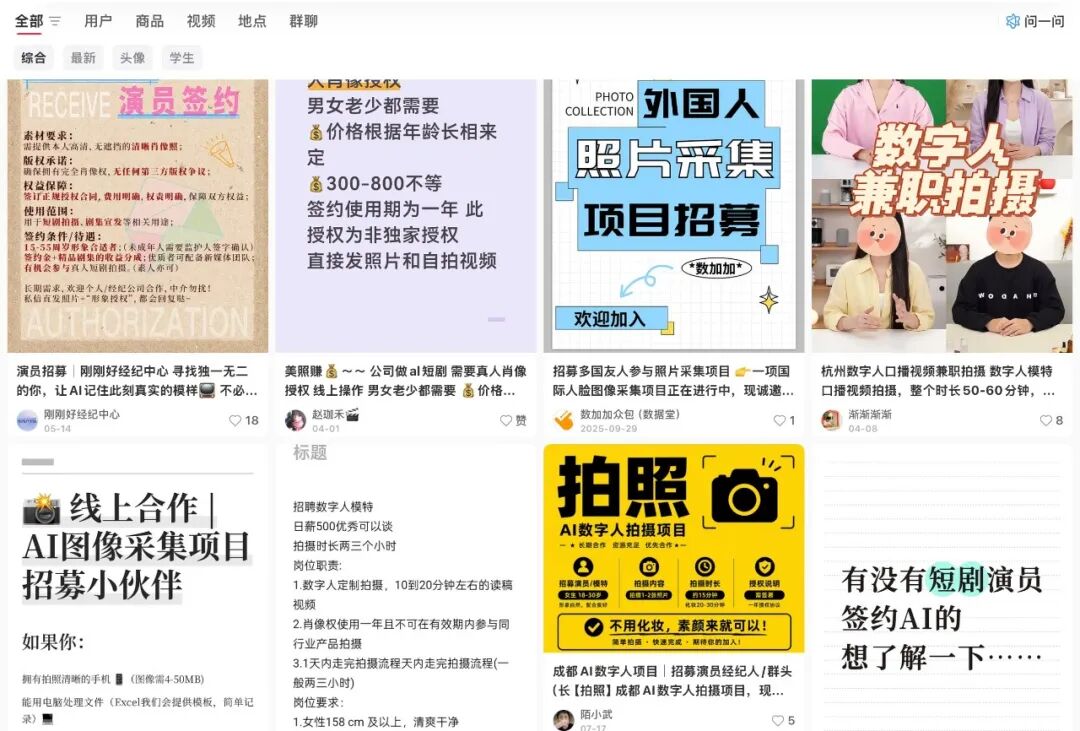
The rapid reshuffling of content has first struck grassroots actors at the industry's base, with many now facing a lack of acting opportunities. More alarmingly, a gray market has emerged downstream, where 'buying a face for 1,000 RMB' is common. Novice likeness licensing fees have dropped to as low as 100 RMB, with some production teams embedding authorization clauses in actor contracts, leaving many unwittingly 'selling their faces.'
Such licenses are typically one-time buyouts, lacking long-term profit-sharing or creative control. While providing short-term income, they essentially trade future career prospects for immediate survival, accelerating their own replacement. Ultimately, AI technology hasn’t leveled the industry playing field but merely projected existing professional hierarchies more clearly into the digital realm.
The controversy over 'AI stealing actors' jobs' has persisted since the technology's infancy, but as industrialization accelerates, celebrity attitudes have shifted from initial collective resistance to fragmentation.
The initial wave of 'AI resistance' stemmed from infringement chaos during the technology's growth phase. From 2025 to early 2026, AI short dramas exploded in popularity, with countless works using celebrity likenesses without authorization for face-swapping. From popular actors like Yang Mi, Dilraba Dilmurat, and Yang Zi to veteran performers, all found their images exploited in low-quality micro-dramas.
This disorder peaked in April 2026. On April 20, the hashtag '#iQIYI AI Talent Library' trended after iQIYI announced at its World Conference the launch of an AI talent library with over 100 signed artists, igniting industry anxiety. Multiple celebrities swiftly issued statements denying any AI-related authorizations.
However, resistance isn’t the industry’s sole voice. During a 2025 debate on *Ace vs. Ace*, Tang Guoqiang asserted, 'AI is highly likely to replace human actors.' In his view, AI and human actors fundamentally aim to simulate reality and convey emotions, pursuing 'convincingly realistic' artistic effects. Audiences care about quality, not performance format. If live-action film and television (films and TV) rely solely on celebrity status while neglecting content, they’ll eventually be supplanted by emerging forms.
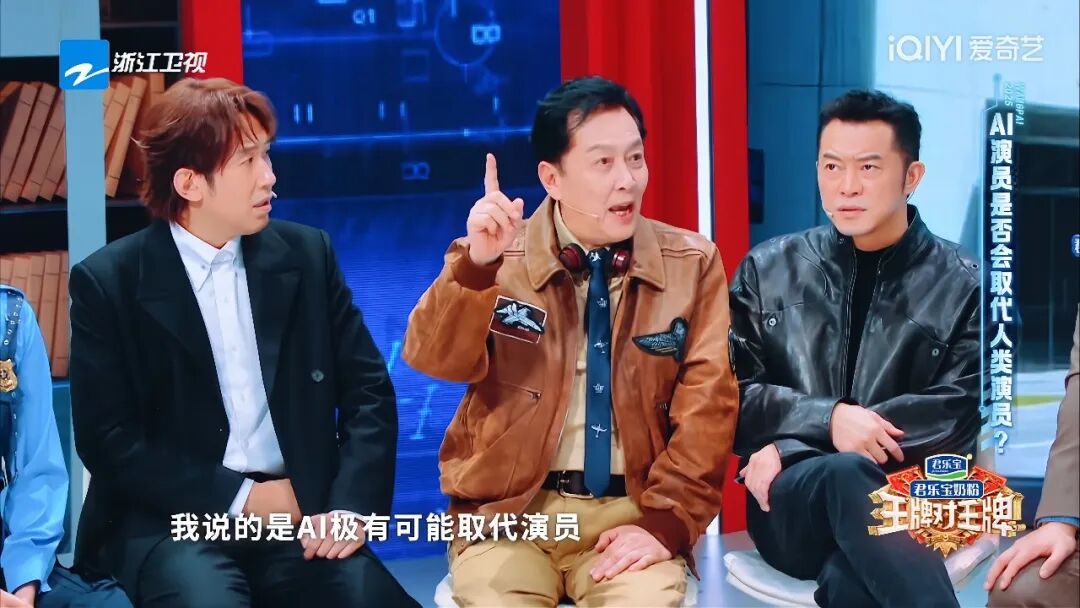
*Image Source: Screenshot from *Ace vs. Ace*
In Hollywood, the clash between humans and technology has been more aggressive. In 2023, SAG-AFTRA initiated the longest strike in Hollywood history, partly to resist AI encroachment. In 2025, UK-based Particle 6 launched AI virtual actor Tilly Norwood, prompting SAG-AFTRA to declare, 'Tilly Norwood is not an actor. We firmly oppose replacing human performers with synthetic actors.'
In June 2026, SAG-AFTRA reached a four-year agreement with major Hollywood studios, stipulating that AI-generated performers must be disclosed to audiences, with actors retaining right to know (right to know) and consent over their digital avatars, plus compensation mechanisms. However, some actors deemed the protections insufficient, citing unresolved issues around AI data copyright tracing.
Ironically, while unions were still defining rights boundaries, studios began calculating costs and efficiency, rolling out AI initiatives internally. Disney's Skywalker Sound hired AI researchers; Netflix opened positions for AI video product managers in Los Angeles; and Barak Turovsky, former Cisco AI head and General Motors Chief AI Officer, announced on LinkedIn his role as Paramount's VP of Consumer AI Business.
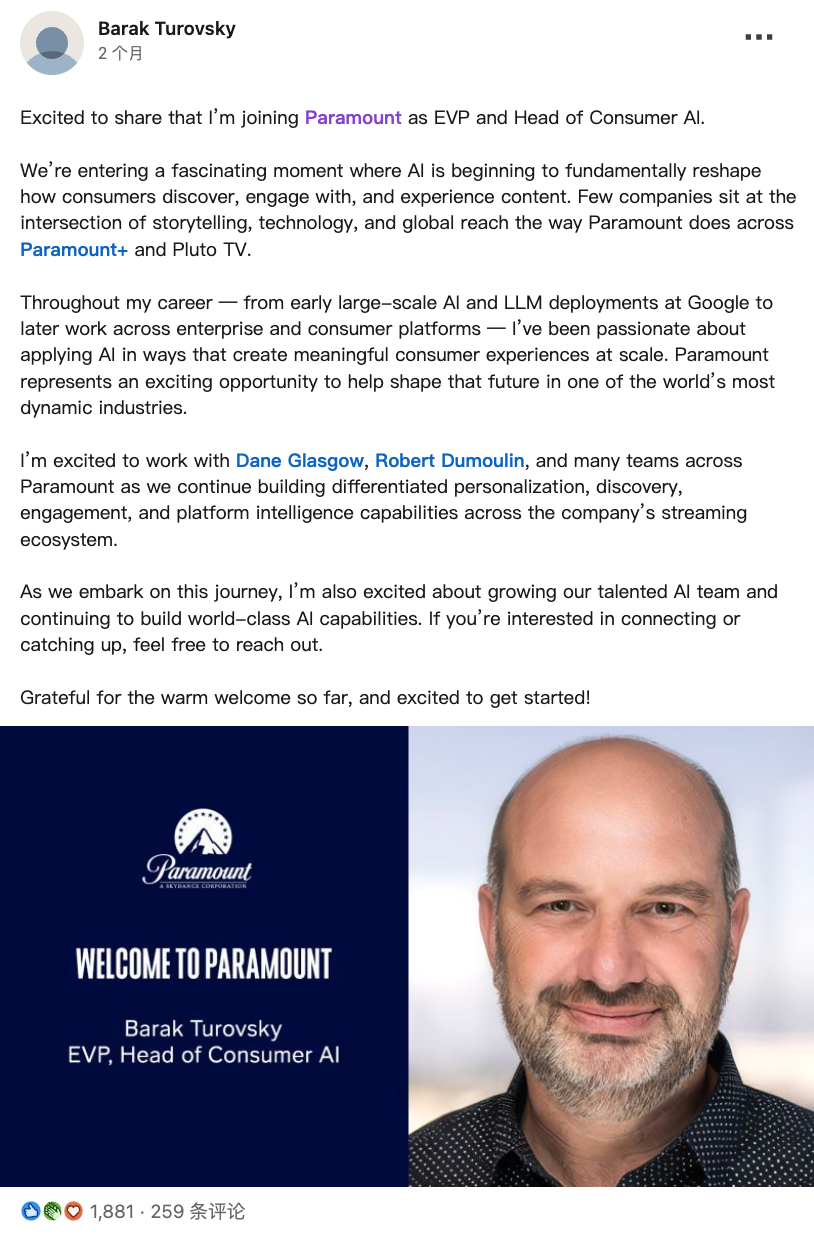
*Image Source: Barak Turovsky's LinkedIn profile
Ultimately, whether it’s China's professional stratification or Hollywood's labor disputes, these reflect inevitable adjustments of old production orders to new technologies. For all practitioners, clinging to outdated work models guarantees being swept away by the tide. Identifying irreplaceable value in the AI era remains the safest path forward.
If the debate between human celebrities and AI still revolves around 'cooperation or replacement,' the discourse gains true depth when AI sheds human reliance entirely to become 'stars' in its own right.
Recently, Fang Taozi, the lead in AI short drama *The Laid-Off Girl*, went viral. Douyin data shows the series surpassed 340 million views by its 20th episode. Unlike past AI roles confined to narratives, Fang Taozi launched independent social media accounts, sharing fitness routines, daily life, and behind-the-scenes content. Her relatable persona rapidly amassed nearly 500,000 fans within two months.
Behind her meteoric rise, a commercialization model for AI-native characters has emerged:
1. **IP-Driven Product Endorsements**: After Fang Taozi's popularity soared, she promoted colored contact lenses, sharing wearer experiences in a tone mimicking human influencers, claiming products remained 'comfortable all day' and 'stayed aligned when blinking,' attempting to replicate real KOL marketing logic.
2. **Brand Collaborations**: Duan Yan, the virtual male lead from *Infiltrating Your Life with Deep Affection*, exemplifies early success in this field. A 129 RMB 'Duan Yan Edition' Swarovski-elemented lucky four-leaf clover bracelet sold over 10,000 units via Barbie's official Douyin store alone. Recently, he became the first AI-native character to secure a Tmall Qixi Festival commercial collaboration, marking an industry breakthrough in brand endorsements.
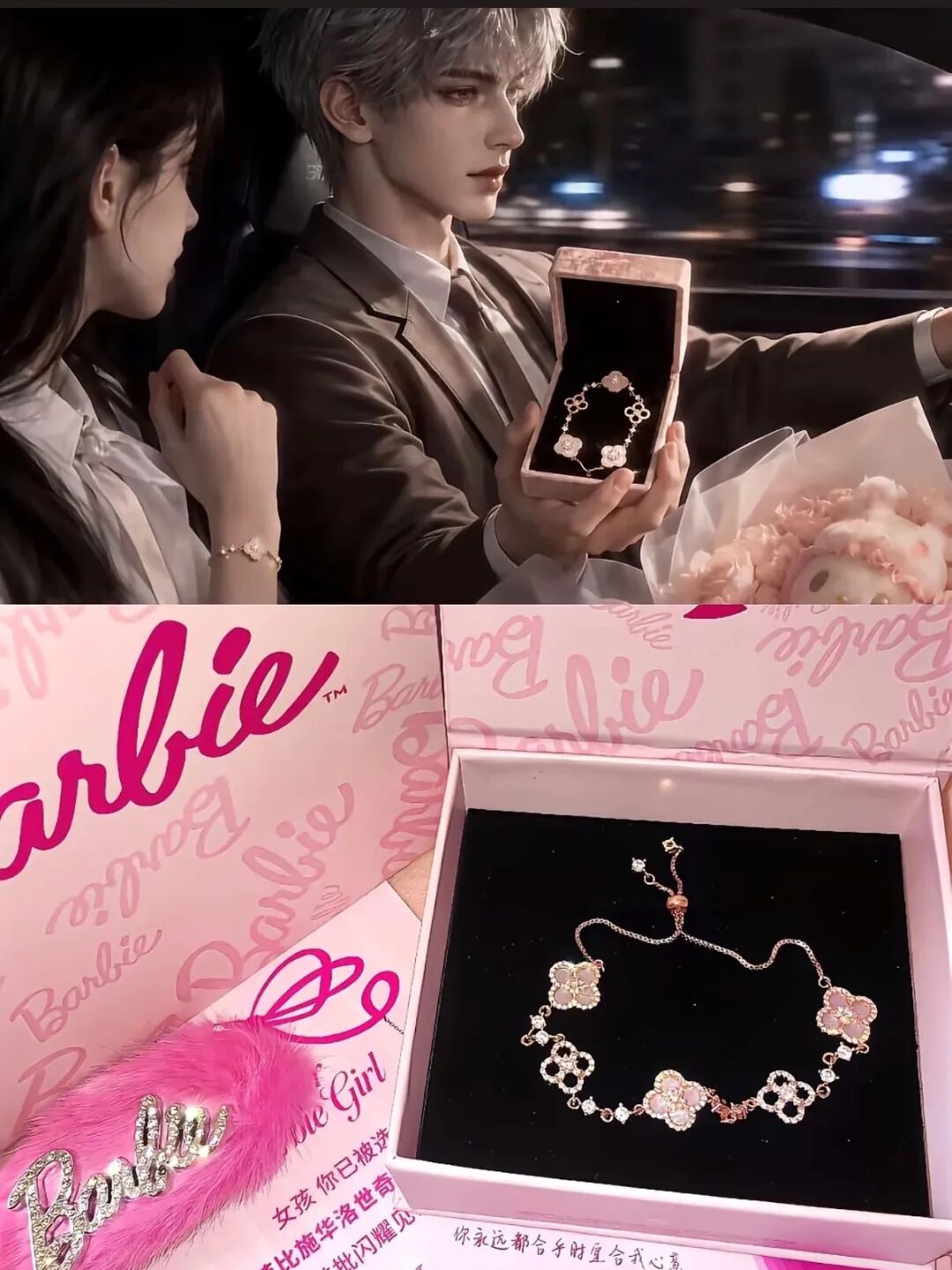
However, high-profile successes don’t equate to sector-wide commercialization breakthroughs. The apparent viability of these paths conceals fundamental flaws.
According to AI short drama creator Xiao Nian, 'The logic of AI virtual characters directly endorsing products is flawed. Ordinary audiences struggle to accept virtual entities without real experiences vouching for products. AI avatars lack genuine physiological perception, making their 'usage experiences' inherently fictional.' Fang Taozi's colored contact lens promotion sparked backlash for suspected false advertising and was ultimately removed from all platforms.
Ethical controversies over endorsements are just the tip of the iceberg. A greater risk looms over all AI-native characters: copyright compliance. As Jingzhe Research Institute noted in *AI Actors: Reshaping the Entertainment Industry?*, digital humans hold content creation potential, but copyright remains the biggest barrier to their market integration.
After Duan Yan secured the Tmall Qixi campaign, voice actor Sanshi accused him of 'using an AI voice highly similar to mine without authorization.' This wasn’t Duan Yan’s first infringement dispute; his appearance had previously been alleged to copy features of the male lead Qin Che from the otome game *Love and Deep Space*.
While AI short drama virtual stars haven’t yet established mature commercialization paths, the rise of AI talent shows has propelled 'AI star-making' further. Programs like *12-Star Training Race* and *Starlight 108* sparked 'cyber fandom' discussions, with fans organizing data stations, art teams, and anti-black groups—mirroring real idol fandom practices.
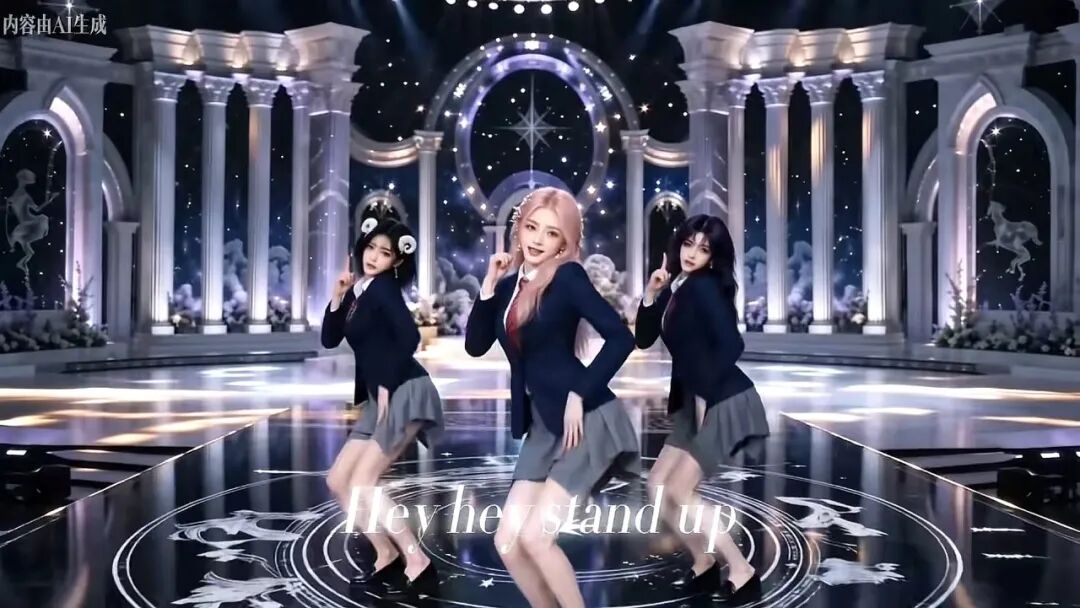
*Image Source: Official *12-Star Training Race* account
This mirrors early 'traffic-driven star-making' and 'talent show voting' logic: relying on data operations to sustain superficial Heat , yet inevitably facing rapid burnout. Data shows *12-Star Training Race* initially surged in popularity before quickly declining, with recent Douyin content likes plummeting from a peak of 700,000 to 38,000, and contestant account growth stalling.
This content fatigue reflects a broader pain point in current AI creation. For many practitioners, technology is no longer the primary bottleneck—creativity and output capacity are.
Xiao Nian confessed to Jingzhe Research Institute, 'My technical skills now largely meet creation demands, but imagination feels limited. I often face 'mental blocks' where no visuals come to mind.' A more pressing constraint is division of labor: blockbuster content requires specialized roles, yet individual creators often juggle writing, directing, art, and post-production, making it hard to excel in every area—explaining why few solo accounts produce top-tier hits.
Up until now, whether 'AI + real person' will become a new direction in the content field is almost a certainty. However, the viability of the direction does not mean that the path has been successfully navigated. The current 'AI star-making' essentially falls into the same predicament as the early days of internet celebrity creation: both rely on industrial assembly lines for rapid mass production, creating a false sense of prosperity through topic manipulation and data accumulation. Yet, they consistently lack a solid narrative foundation, an empathetic personality core, and an aesthetically refined expression that can withstand scrutiny. As a result, their popularity surges quickly but dissipates even faster.
The underlying logic of the film and television industry has actually never changed. Technology can revolutionize production methods, but it cannot replace the weight of the content itself. What audiences ultimately pay for are compelling characters and moving stories, whether they are portrayed by human actors or AI digital characters.
*Xiaonian is a pseudonym
-
![]()
Three Waves of Technological Advancement in Sync: Who Will Seize the Next AI 'Opportunity Window'?
-
![]()
The Scripts of Chinese and U.S. AI Have Completely Swapped Overnight
-
![]()
From a 1.4 Billion Yuan Loss to an Estimated 500 Million Yuan Profit: Generative AI Paves the Way for SenseTime’s Turnaround
-
![]()
After Testing CatPaw, I See the Second Half of Meituan's AI Game
-
![]()
In the AI Era, How Much Is Doubao’s Entrance Pricing Power Worth in Terms of Commission?
-
In Line with HJ 1480 - 2026! Hikvision Launches Specialized Products for Video Surveillance Systems in Pollution Discharge Monitoring
-
![]()
The Next Corolla: How Toyota is Reinventing the 'National Car' Amid Global Automotive Industry Changes - NHK's 'Inside Toyota'
-
![]()
HONOR Robot Phone: A Revolutionary Smartphone or Just a Compelling Tale?