SenseTime’s SenseNova U1.5 Lite Goes Open Source: Ushering in a New Era of Predictable AI Image Generation
 08/21 2026
 434
434
The days of relying on chance—or "gacha"—to achieve desired results in AI image generation and editing are numbered.
On August 21, 2026, SenseTime unveiled its lightweight, native unified multimodal large model, SenseNova U1.5 Lite (U1.5 Lite), as an open-source solution. Building on the insights gained from Leikeji’s experience, SenseNova U1.5 Lite showcases remarkable enhancements in context handling, visual style replication, and text comprehension. Notably, it supports native 4K canvas sizes, setting a new benchmark in the field.
It's widely acknowledged that the precision and comprehensiveness of prompts significantly influence the quality of AI-generated images. The more detailed the prompts, the closer the output aligns with user expectations. However, a common challenge arises when dealing with large-scale images: many models struggle with overly lengthy prompts. Moreover, attempting secondary edits on images often leads to model crashes due to context overload.
So, how does SenseNova U1.5 Lite overcome these hurdles? Firstly, in terms of context length, U1.5 Lite is designed to natively support ultra-long contexts of 3-4K, ensuring visual consistency even when faced with intricate prompts and multiple rounds of editing.
For instance, consider a scenario where Leikeji is preparing for IFA reporting in Germany. Initially, I tasked SenseNova U1.5 Lite with creating a hand-drawn-style Berlin sightseeing guide.

Image Source: Leikeji
By feeding the resulting image back to U1.5 Lite within the same conversation and requesting a Chinese translation of the text, a side-by-side comparison revealed that, apart from a few low-resolution texts, the original image's style, illustrations, and even font styles remained intact.
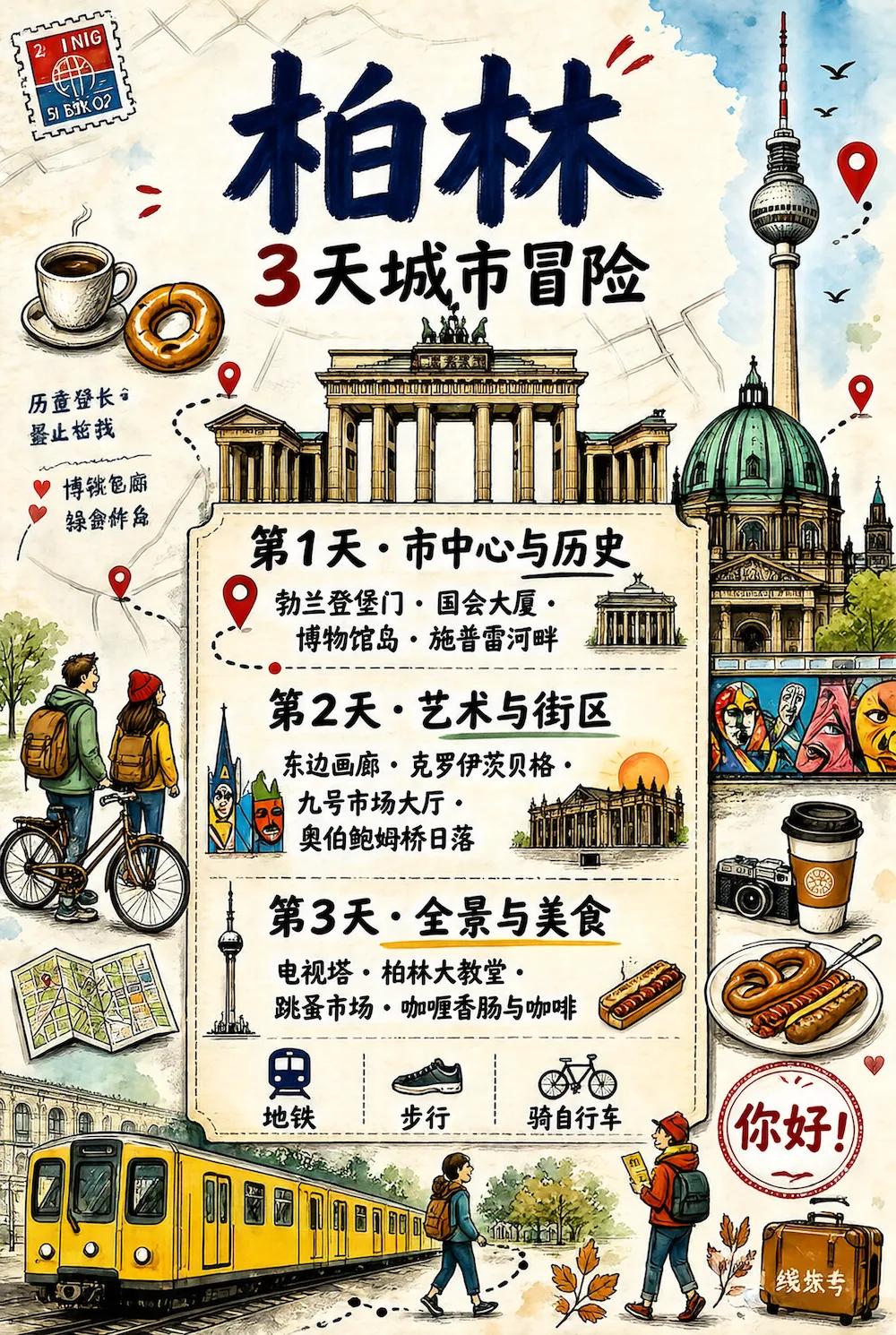
Image Source: Leikeji
Another standout feature of SenseNova U1.5 Lite that I particularly appreciate is its regional modification capability. Previously, when Leikeji used AI to generate cards featuring IPO information for various companies using a uniform image template, the AI would occasionally behave erratically after several attempts, often applying local modification suggestions to the entire image.
With SenseNova U1.5 Lite, however, we can precisely mark the areas requiring modification on the image, and the model will adhere to these specifications, modifying only the designated regions.
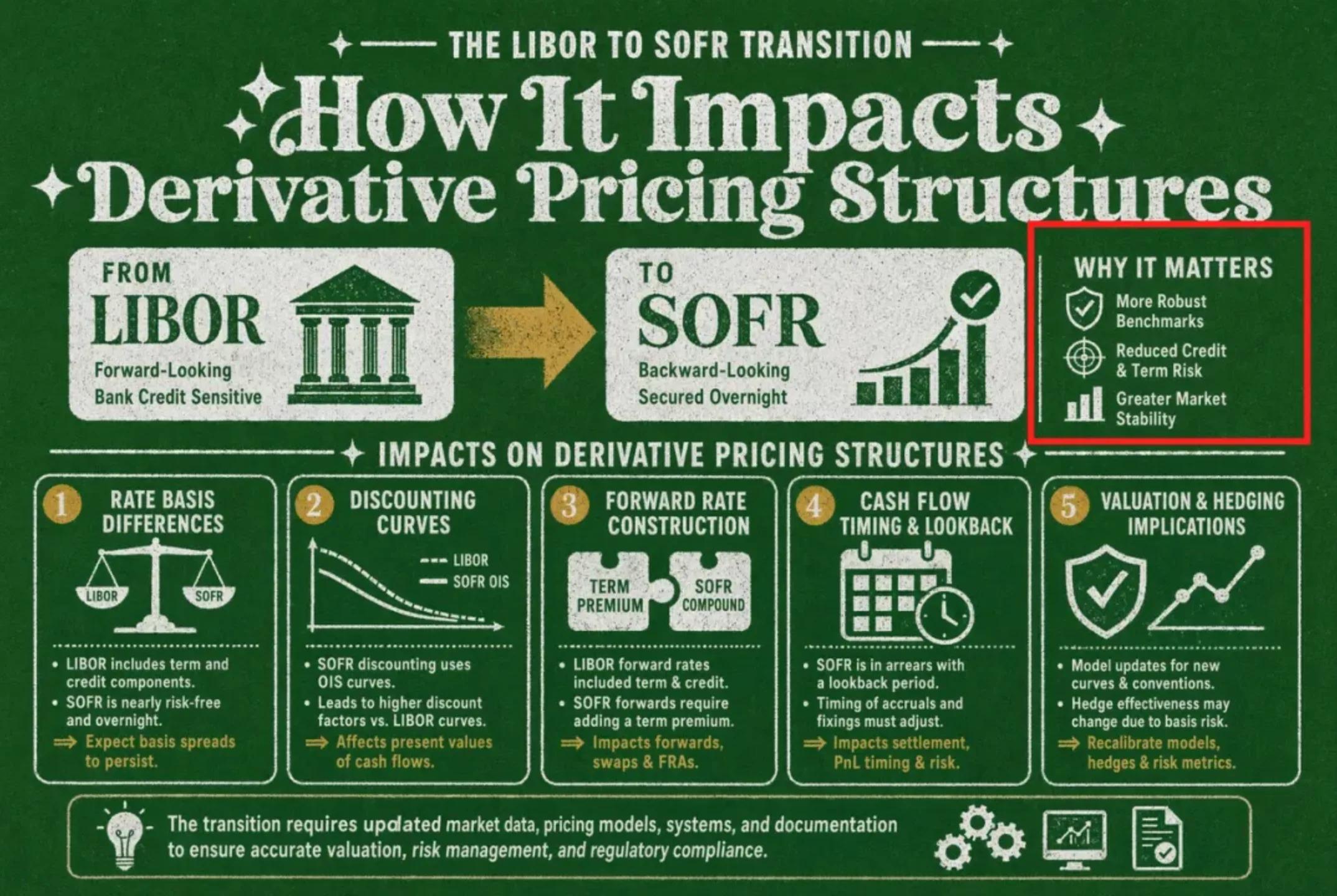
Original Image
Image Source: SenseTime
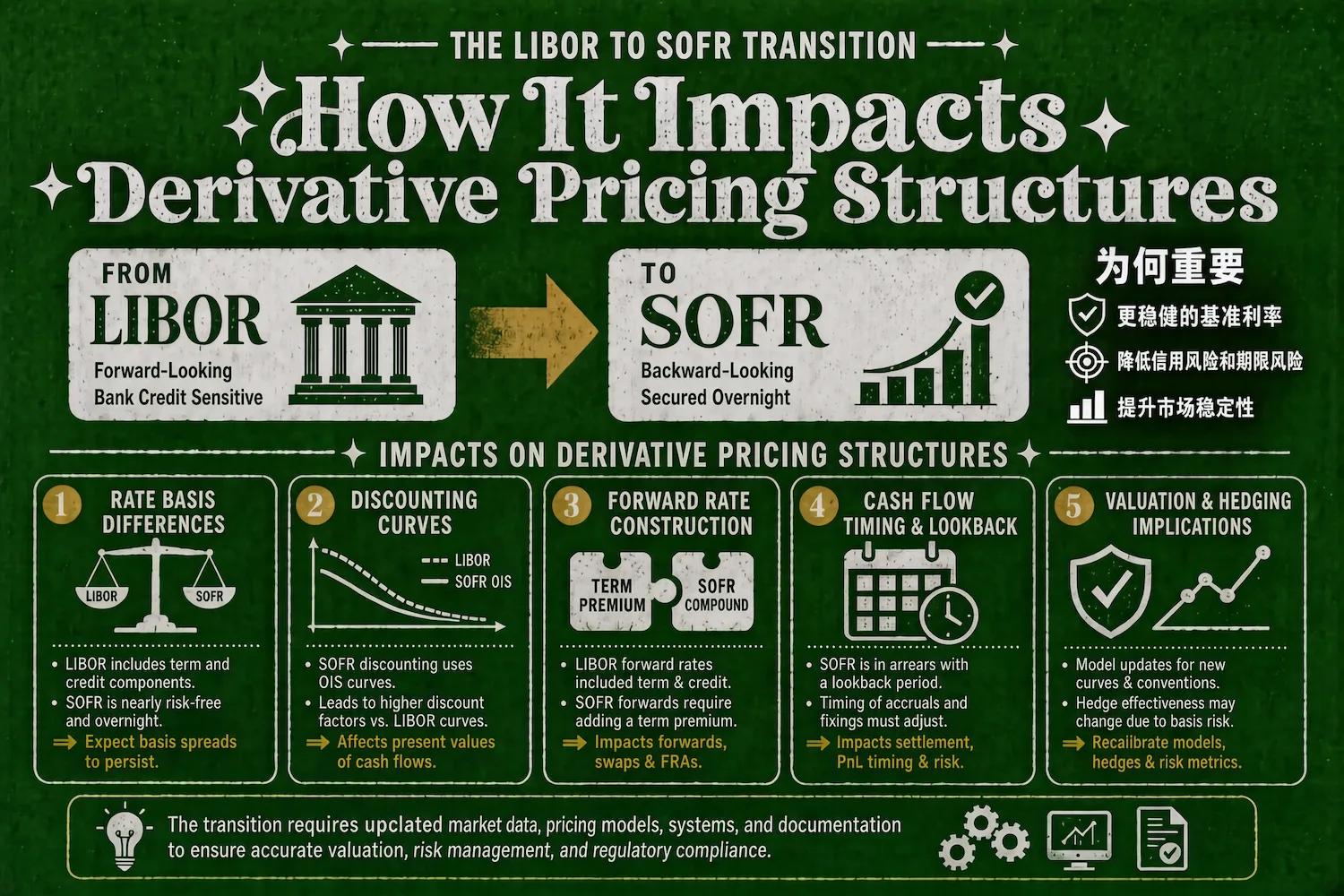
Modified Image
Image Source: Leikeji
The expansive context window and the ability to preserve original information open up a plethora of new applications for SenseNova U1.5 Lite, such as synthesizing multiple images while retaining the integrity of the original content. Based on Leikeji’s firsthand experience, U1.5 Lite excels in handling lengthy instructions and executing precise edits.
This is precisely why Leikeji believes that SenseTime’s decision to open-source SenseNova U1.5 Lite signifies a pivotal moment in AI’s evolution. It underscores AI’s transition from its nascent "small-scale" phase to a more mature stage where it can be reliably integrated into real-world work scenarios. Historically, resistance to adopting AI in professional settings stemmed from concerns over its unpredictability. Those familiar with early iterations of Stable Diffusion will recall the "wild west" era of text-to-image generation, where even with tools like ComfyUI, the final outcomes remained somewhat uncertain.
The advent of models like U1.5 Lite heralds a departure from this era of unpredictability. An open-source model capable of generating and editing images with consistent reliability will significantly lower the entry barrier for AI image generation, offering immense value to creators and small teams alike. In the competitive landscape of open-source models, SenseTime has positioned itself as a frontrunner. Now, the onus is on its peers to rise to the challenge.
-
![]()
SenseTime’s SenseNova U1.5 Lite Goes Open Source: Ushering in a New Era of Predictable AI Image Generation
-
![]()
Collaboration Initiated! Tesla Officially Welcomes Doubao Onboard
-
![]()
WPS: From Alternative to Leader, Kingsoft Software Bets on AI Office, H1 Revenue Nears 5 Billion
-
![]()
Can TECNO Mobile Expand Beyond Africa?
-
![]()
A Sample of AI Breakthrough for a Company
-
![]()
Goldman Sachs Raises the Bar: China’s Global Expansion Steps into the '3.0 Era,' Now Exporting AI Industrial Prowess
-
![]()
Aunt Wu Advises Everyone Not to Be Afraid
-
![]()
Chengdu Auto Show: BMW and SAIC Volkswagen Adopt Direct Strategies