As Memory Prices Surge, Mobile Phone Makers Opt to 'Resurrect' SD Cards, Making Card Slots a 'Self-Preservation' Strategy
 02/12 2026
 705
705
Adding Slots is Simple, but Restoring the Experience is Tough.
Lately, PC enthusiasts have witnessed a dramatic surge in memory prices, spiraling out of control. Yet, in the mobile phone sector, which also heavily relies on memory, there hasn't been a significant hike in new phone prices. This isn't because mobile phone manufacturers have successfully kept prices in check, but rather due to their relatively abundant inventories.
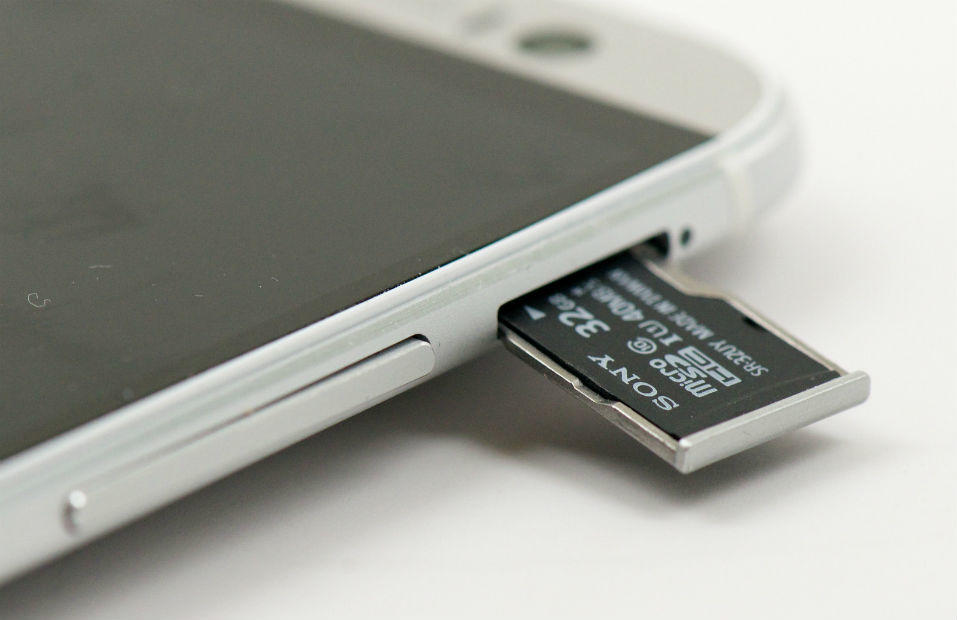
However, reports suggest that mobile phone makers are now grappling with dwindling memory inventories, prompting some brands to explore alternative strategies to mitigate inventory depletion. One such approach is to 'resurrect' the design of external storage cards, empowering consumers to independently expand their storage capacity.
(Image Source: Tiger Mobile)
In the past, support for storage card expansion was nearly ubiquitous in mobile phones. However, to optimize internal space and incorporate dustproof and waterproof features, this configuration was gradually phased out. Surprisingly, a memory crisis has breathed new life into this feature.
Resurrecting Old Tech Can Only Temporarily Ease Memory Concerns
Expanding mobile phone storage via external storage cards dates back to an era when mobile multimedia was rapidly evolving, yet hardware and cost considerations couldn't be balanced. As early as 2004, Motorola unveiled the V780, the first model to support MicroSD card expansion. With just 10MB of built-in storage, this phone could exponentially increase its storage space through expansion, accommodating data and music.
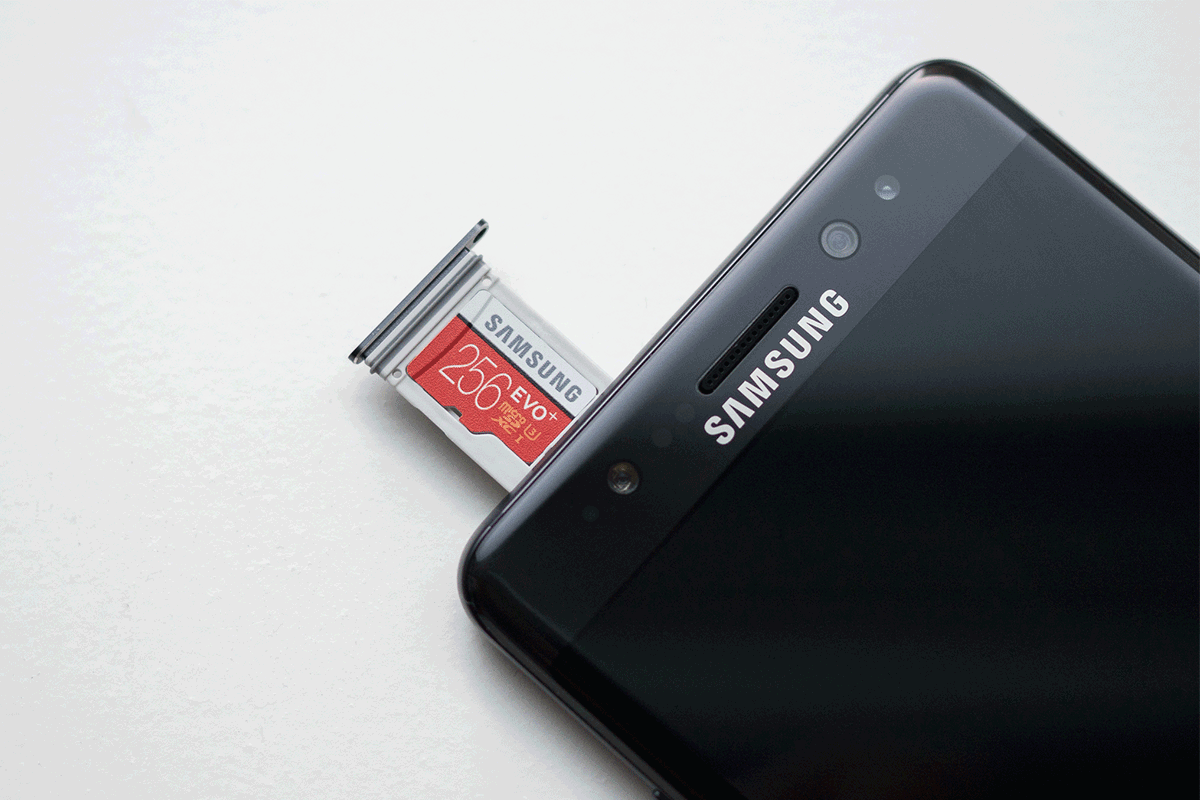
This design became a de facto standard in mobile phones for over a decade. However, in 2007, Apple's iPhone omitted this feature, prompting the market to reevaluate its necessity. Samsung later removed MicroSD card expansion support in subsequent Galaxy S20 series models; Xiaomi, Vivo, and OPPO also ceased releasing new models with MicroSD card expansion around 2019.
(Image Source: My Memory)
In reality, the original intent of MicroSD cards was to alleviate storage pressure, not to replace built-in storage.
For instance, today's flagship phones typically employ built-in flash memory like UFS 4.1, boasting a theoretical interface rate of up to 5.8GB/s. This technology offers low latency and robust random performance, ideal for high-frequency small file read-write scenarios such as app installation, system updates, and game loading. Conversely, MicroSD cards struggle to match these read-write speeds. Even the most premium microSD cards on the market, like microSD Express with PCIe/NVMe interfaces, can only approach sequential read speeds of 800MB/s, significantly lagging behind UFS 4.1.
Nevertheless, reviving external storage card design is a boon for consumers.
Without expansion cards, users seeking more storage must settle for the capacity tiers offered by manufacturers, such as 256GB, 512GB, and 1TB, with price disparities that consumers can only grudgingly accept. Reports indicate that under the pressure of rising memory prices, manufacturers are unlikely to push for 1TB storage models and may widen the price gap between 256GB and 512GB, estimated at 400-500 yuan.
Allowing external expansion enables users to opt for a more basic built-in capacity and prioritize core hardware like the screen, imaging, and performance. For consumers, this means maximizing cost-effectiveness within the same budget.
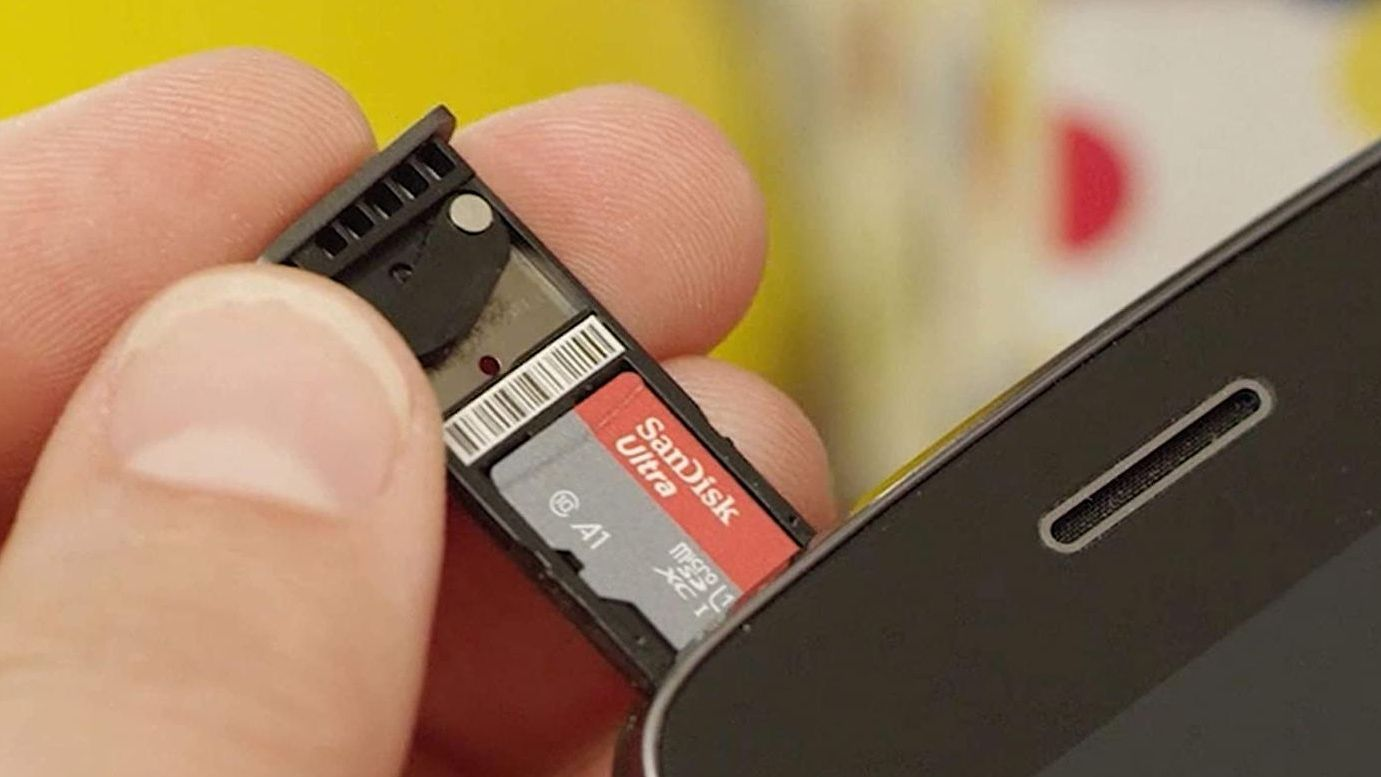
(Image Source: Tech Radar)
More crucially, there's flexibility in memory allocation. Each consumer's usage needs and storage requirements vary. For instance, video creators may store vast amounts of material on their phones year-round, finding even 1TB insufficient; whereas some consumers may not accumulate much data, making 256GB more than adequate. Allowing users to freely purchase cards for expansion better caters to the public's diverse needs.
However, as previously mentioned, MicroSD cards can't match the read-write speed of built-in UFS 4.1. Therefore, even if mobile phone manufacturers opt to reintroduce this design, it can only partially alleviate users' memory concerns. For example, installing apps and games on MicroSD cards would significantly degrade the user experience.
Reintroducing External Storage Cards Isn't as Ideal as It Seems
Just because mobile phone manufacturers intend to reintroduce external storage card expansion doesn't guarantee a better consumer experience. Not necessarily.
The most apparent issue is that adding this seemingly minor interface necessitates readjusting the internal structure. With the advent of full-screen phones, internal stacking density has increased, accommodating larger batteries, thicker imaging modules, more complex heat dissipation, and 5G antennas and RF components occupying more space. Although the microSD card slot may seem to occupy minimal space, internally it involves spring contacts, shielding, reinforcement, and wiring connected to the motherboard.
Moreover, today's mobile phones boast higher and higher dustproof and waterproof ratings, with bodies tending towards integration and sealing with adhesives and structural components. Any additional openings increase the risk of sealing failure.
As an external, removable storage medium, MicroSD cards also pose unavoidable problems. Frequent user plugging and unplugging, contact point oxidation, varying card quality, and even gray market products like expanded capacity cards can render after-sales risks uncontrollable. However, such after-sales issues can't be simply resolved by 'repair' but are accompanied by the risk of losing important data. Currently, numerous brands produce MicroSD cards, with varying specifications offering different speeds and experiences. If consumers opt for cheap MicroSD cards in pursuit of cost-effectiveness, it will inevitably lead to phone lag and slow data read-write speeds, detracting from the experience.
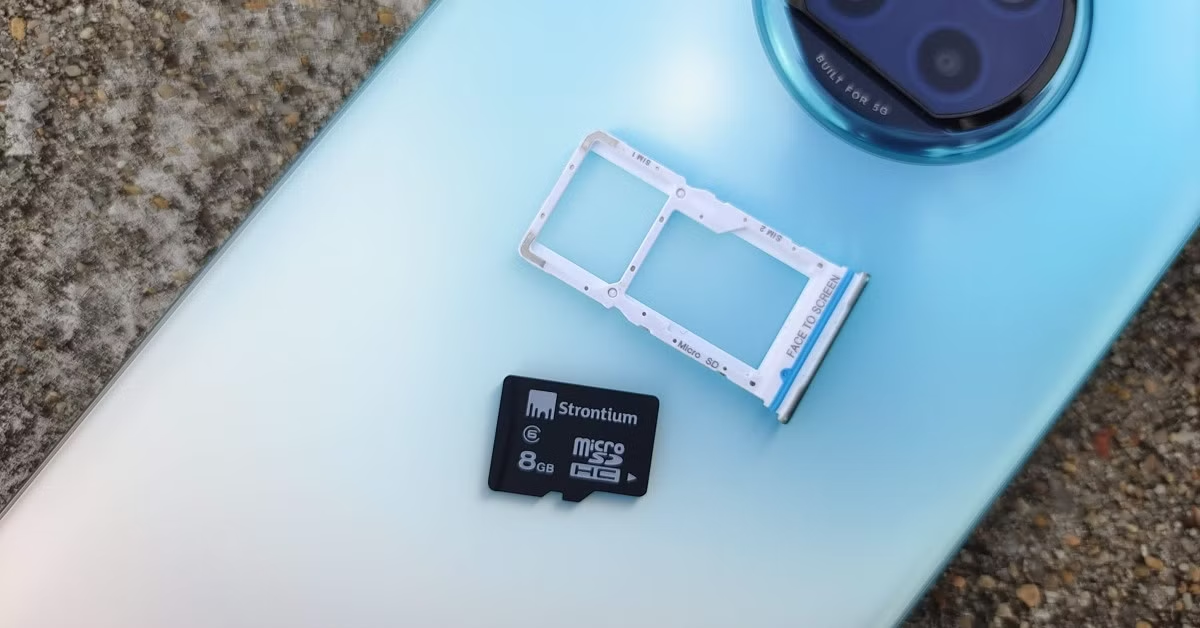
(Image Source: XDA)
So the question arises: can these difficulties be overcome if external storage solutions are to be revived? Yes, but only partially.
For instance, regarding speed, high-speed cards like MicroSD Express and SD Express on the market, utilizing PCIe/NVMe channels, can achieve sequential read speeds of up to 800MB/s in SD Express mode. Although still somewhat slow, this speed is comparable to entry-level SSDs. Even for shooting 4K and 8K videos, such storage cards can suffice. Of course, these storage cards aren't cheap. Taking Samsung's microSD Express as an example, a 256GB version costs 369 yuan.
It's worth noting that MicroSD Express isn't something that can be used indiscriminately. Since the advantages of such cards are more pronounced in sequential read-write operations, behaviors like random IO, latency consistency, and long-term write speed reduction are still influenced by card control, NAND particles, and heat dissipation conditions, making it difficult to match the stability of built-in UFS. This requires mobile phone manufacturers to invest more effort in wiring, power consumption, and heat dissipation design, equivalent to requiring manufacturers to 'adapt.'
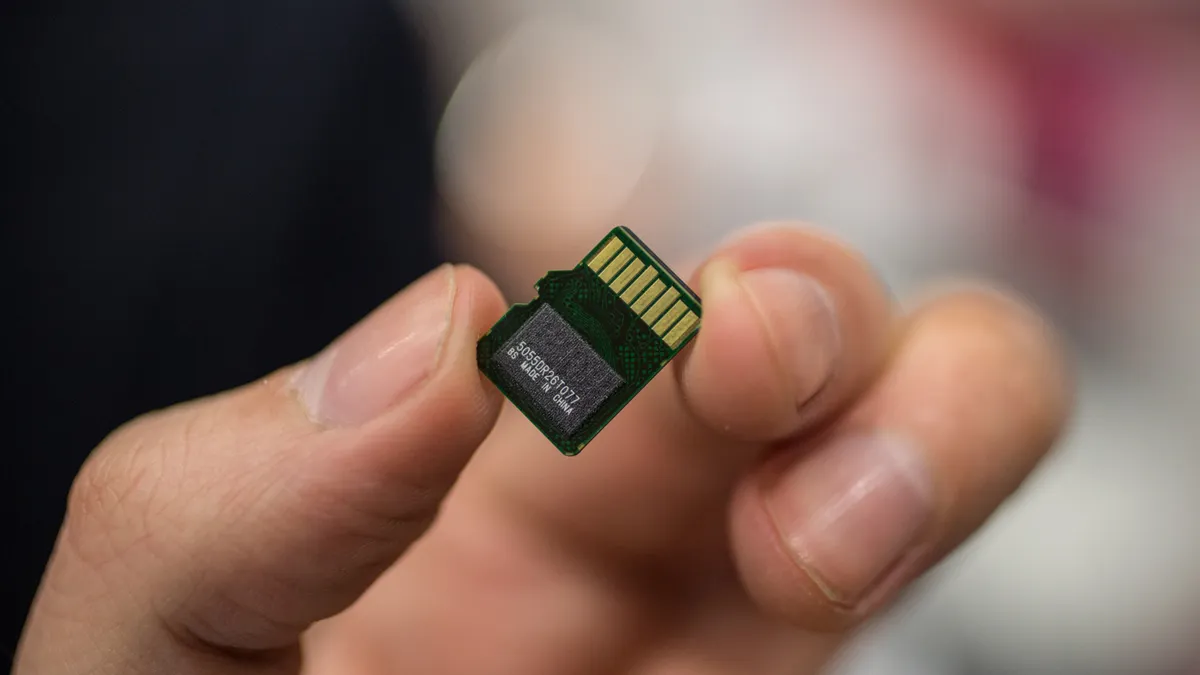
(Image Source: CENT)
Therefore, if mobile phone manufacturers wish to revive the external storage card solution, they must further modify the original overall design logic and cannot treat external storage as they did over a decade ago by 'cramming everything in.' Instead, they must mandatorily distinguish and categorize file types based on the speed support of MicroSD cards.
Reviving Old Tech: Can It Rejuvenate the Market?
Over the past few years, after microSD cards were marginalized by flagship phones, demand in the storage card industry has been primarily driven by drones, action cameras, dashcams, handheld consoles, surveillance, and industrial equipment. Although their demand isn't insignificant, it's undeniable that they've always been on the periphery.
A report by Fortune Business Insights mentions that the global SD card market size was approximately $11.38 billion in 2025 and is expected to reach about $11.89 billion in 2026, growing to $17.07 billion by 2034. The forecast data continues to grow, albeit at a limited rate. However, if the mobile phone market renews its demand for microSD cards, it could trigger a new surge.
More importantly, once mobile phones return to external expansion, the growth point of the storage card industry may shift from cost-effectiveness to stability and high speed. In the past two years, the SD Association and storage manufacturers have rescued storage cards from the limitations of the traditional UHS bus and propelled them towards SD Express. Even Nintendo's Switch2 has chosen microSD Express as its primary removable storage solution, proving its capability to meet the demands of high-performance games.
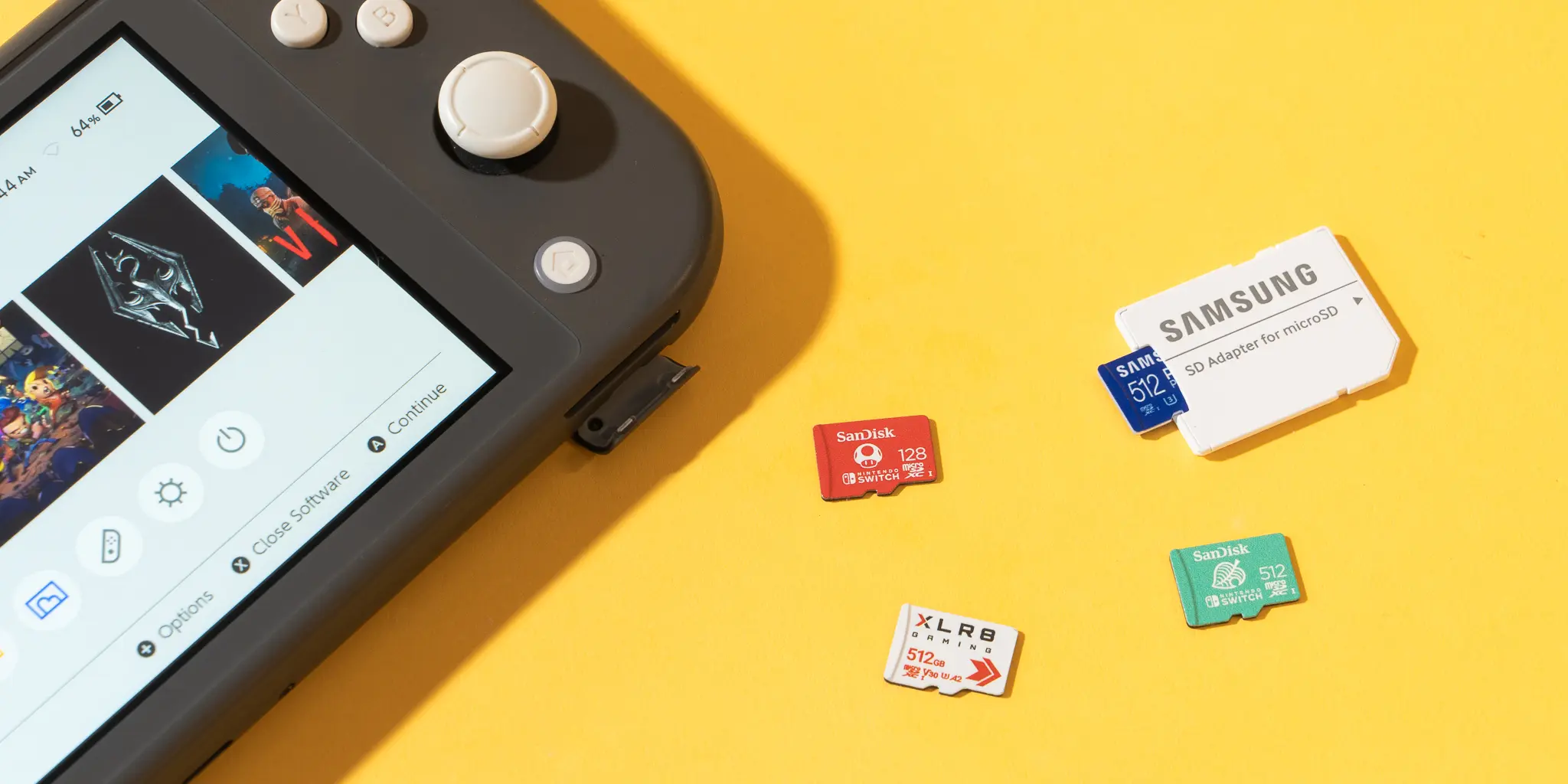
(Image Source: New York Times)
Returning to the mobile phone market, when built-in storage prices rise or supply fluctuates, mobile phone manufacturers previously had only two options: either set the minimum storage space lower to maintain prices or raise the prices of high-capacity versions even more outrageously. Now, with external expansion, manufacturers have an additional option, such as releasing versions with appropriate prices and low storage space, allowing consumers to purchase cards to expand capacity independently.
The outcome of this approach is that mobile phone manufacturers can offload part of the storage pressure to storage manufacturers while ensuring a baseline experience, ensuring stable consumer demand and market growth for both parties. In fact, Huawei has already experimented with this approach in the Mate60 series, promoting the development of NM cards in a smaller card form factor. NM cards are a storage protocol developed by Huawei itself.
Overall, the 'resurrection' of external storage in the mobile phone market is a beneficial choice for consumers, mobile phone manufacturers, and storage manufacturers, despite some potential detailed issues. It's also one of the 'version answers' to the current situation where storage prices remain high. The most challenging issue to resolve may be the prevalence of counterfeit cards/fake speed cards in the market, which may confuse consumers when purchasing cards. However, these issues can be gradually improved after mobile phone manufacturers actually implement this approach.
Mobile Phones, Digital Storage Cards, Huawei
Source: Leikeji
Images in this article are from the 123RF Authentic Library (123RF Royalty-Free Image Library)
-
![]()
Hardware is the skeleton, AI is the soul, and data integrates the two
-
![]()
China’s AI Industry: A Unified Pivot Towards Monetization?
-
![]()
New Progress! Infineon Completes Acquisition of ams OSRAM's Non-Optical Sensor Business
-
![]()
35 Million Bet on an Optical Future! Tengjing Technology Makes a Move in AR
-
![]()
Why World Models Get Stuck on Construction Roads in Autonomous Driving Applications
-
Alibaba Initiates Cultural Transformation: Is Jack Ma Making a Strategic Comeback?
-
Tianfeng Heads to Hong Kong for IPO with RMB 3.8 Billion in Funds: Xingyu's Cross-Border Foray into Embodied AI Faces Uncertain Future
-
![]()
Mengshi Auto’s High-End Aspirations Dashed: Huawei Partnership Fails to Revive Sales, New Model’s Entry Price Dips Below 300,000 Yuan