MacBook Neo Sparks Debate: Post-Store Visits Reveal Buyers Prioritize Experience Over Specs
 04/09 2026
 581
581
Performance Takes a Backseat as the 'Budget-Friendly' MacBook Tempts Consumers
In late March 2026, the MacBook Neo made its official debut. Priced at 4,599 yuan and powered by the A18 Pro chip, with Touch ID available as an optional feature, this budget-conscious MacBook was swiftly dubbed 'electronic waste' by tech aficionados upon release. After all, from any perspective, the MacBook Neo seemed like a product from a bygone era, 'born to clear out old inventory'.
Yet, surprisingly, its affordability became the MacBook Neo's secret weapon. According to a report by tech media outlet Culpium, sales have soared beyond Apple's internal projections, with the MacBook Neo depleting its A18 Pro chip stock ahead of schedule. Apple even had to allocate scarce 3nm resources to manufacture this 'stripped-down version of the A18 Pro' for the Neo.
To uncover how this 'compact laptop' managed to captivate the market, Xiaolei visited multiple Apple Stores and authorized resellers in Guangzhou, engaging in conversations with several 'potential MacBook Neo customers'.
Design and Affordability: The MacBook Neo's Winning Combination
At the Apple Store, the majority of customers trying out the Neo were young women. Through discussions, it became evident that they had little to no understanding of the MacBook Neo's technical specifications. Not only were they unaware that the A18 Pro in the MacBook Neo was a 'downgraded version' (the Neo's A18 Pro lacks one GPU compared to the full-fledged mobile version), but they also didn't know that the MacBook Neo utilized a mobile processor.
Instead, the 'pink exterior' and the '4,599 yuan' price tag emerged as the MacBook Neo's standout features. All three potential customers expressed disinterest in the technical specs, emphasizing that the 'vibrant color palette' was what set the MacBook Neo apart from other MacBooks.
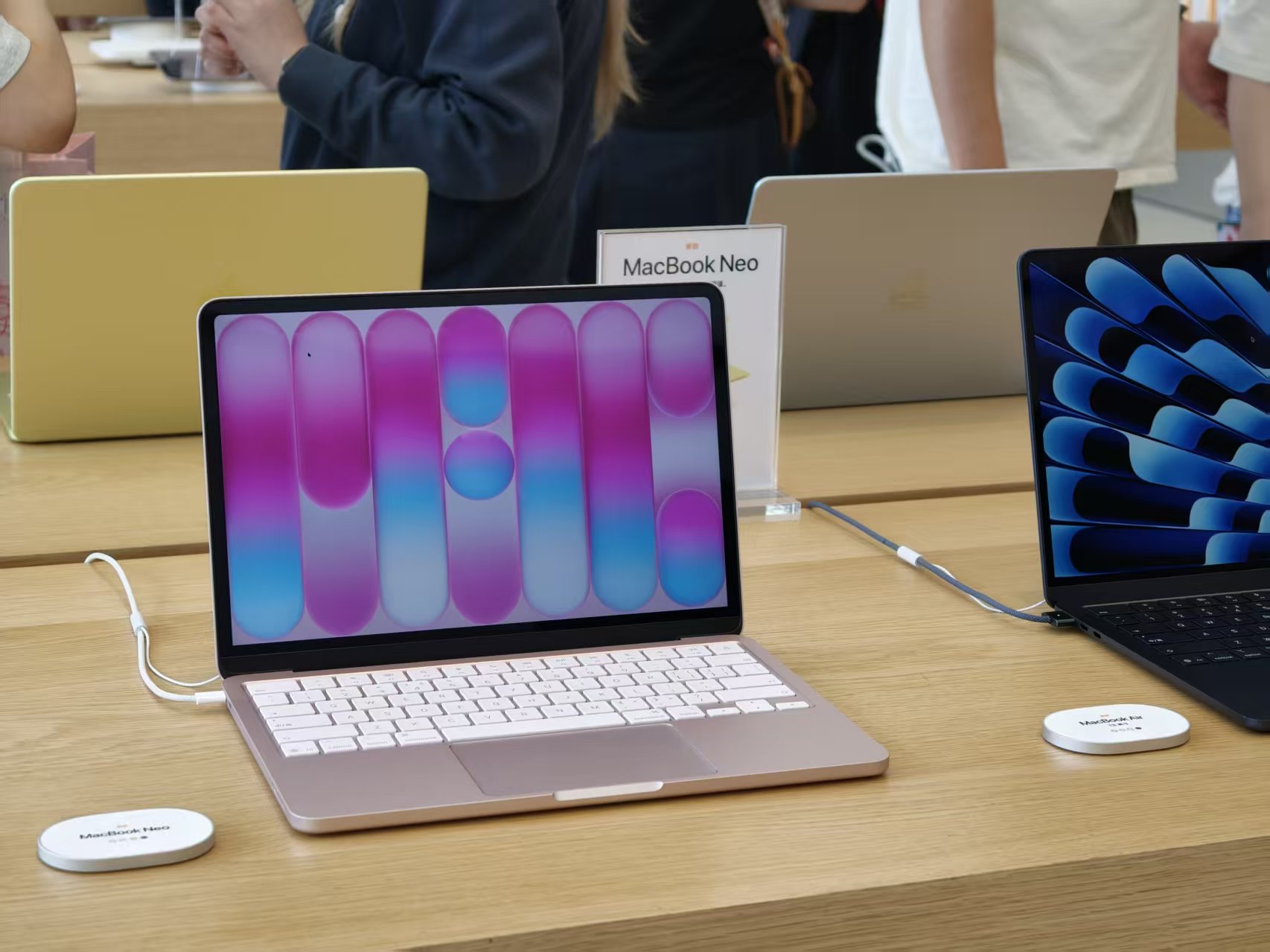
Image Source: Lei Technology
One customer trying out the MacBook Neo shared with Xiaolei that she initially planned to purchase an iPad Air, starting at 4,799 yuan, for online courses and streaming. However, after comparison, she realized that the MacBook Neo, priced at just 4,599 yuan, was not only cheaper than the iPad Air but also came with a built-in keyboard, making typing and form-filling significantly more convenient than on a tablet.
'I’m just using it for online courses and not gaming, so this laptop is cheaper than a tablet and includes a keyboard. It’s definitely a better value than the iPad (Air).'
At Apple's authorized resellers, Lei Technology encountered a different type of MacBook Neo buyer.
Li, a hardware-savvy college sophomore and self-proclaimed 'spec enthusiast,' had a clear rationale for his purchase. He already owned a Windows gaming laptop for resource-intensive tasks in his dorm and opted for the Neo due to its affordability and extended battery life. Not only could he attend classes without carrying a charger, but he could also utilize Xcode for project development.
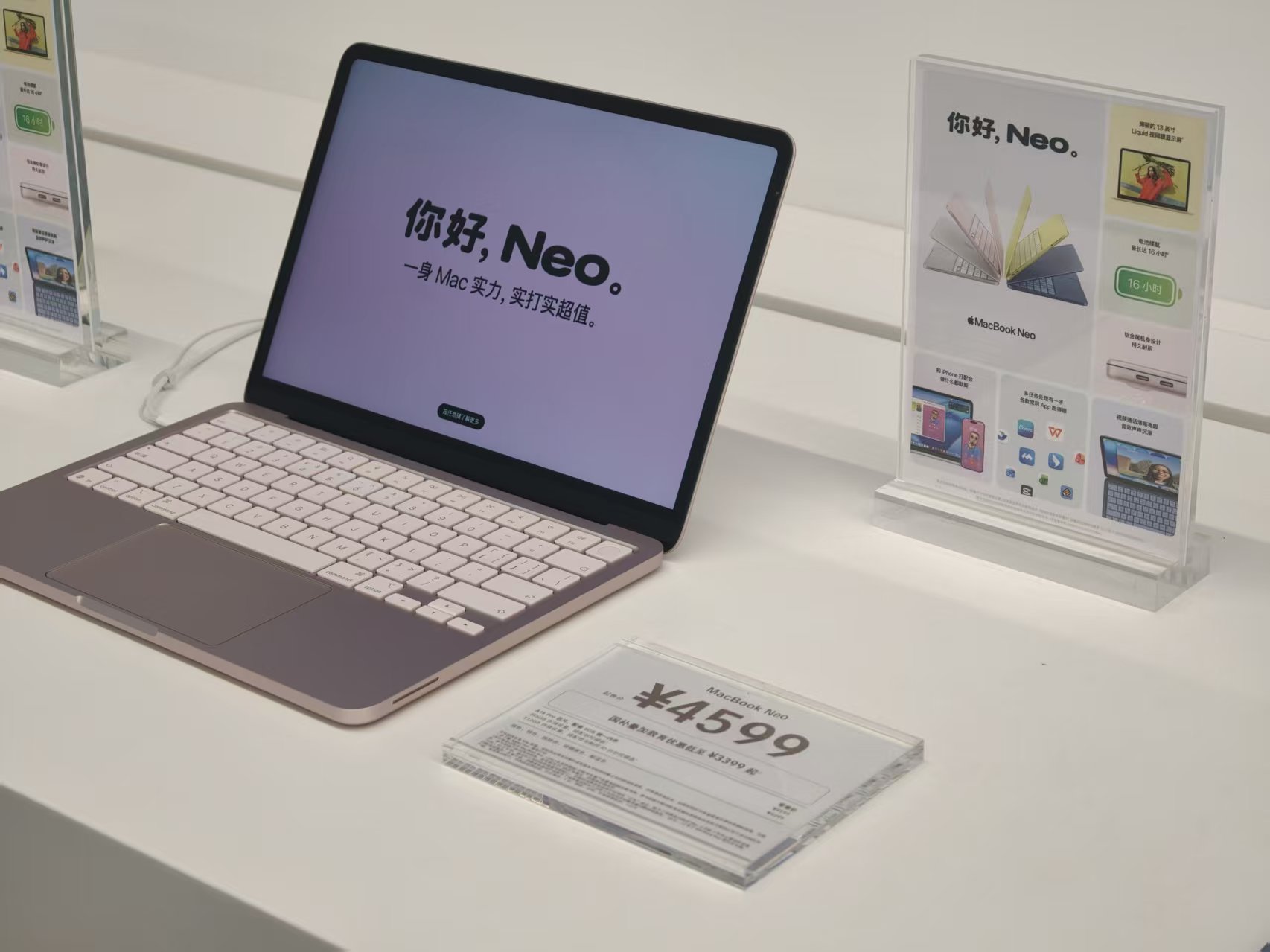
Image Source: Lei Technology
Li candidly admitted that he chose the authorized store because of the 'national subsidy + education discount.' With this combination, the MacBook Neo's price dropped by nearly a thousand yuan compared to the official website, enabling him to purchase a brand-new Mac laptop for under 4,000 yuan—a cost-effectiveness that even surpasses the Mac mini when a monitor is factored in.
Why Is the MacBook Neo's Reputation So Divisive?
Based on customer interactions, Lei Technology believes that the MacBook Neo's primary competitive edge lies in its price. While there are more budget-friendly options in the Windows lineup at the 4,500 yuan mark, for potential MacBook Neo customers, the 'benchmark' for comparison isn't entry-level Windows laptops at the same price point but Apple's long-standing MacBook pricing structure.
For them, the 4,599 yuan MacBook Neo isn't 'electronic waste' with a mobile processor meant to 'clear out old stock' but a 'budget-friendly MacBook Air' with a similar design, the same macOS, and a '50% discount.' With a different benchmark in mind, the product's 'appeal' naturally shifts.
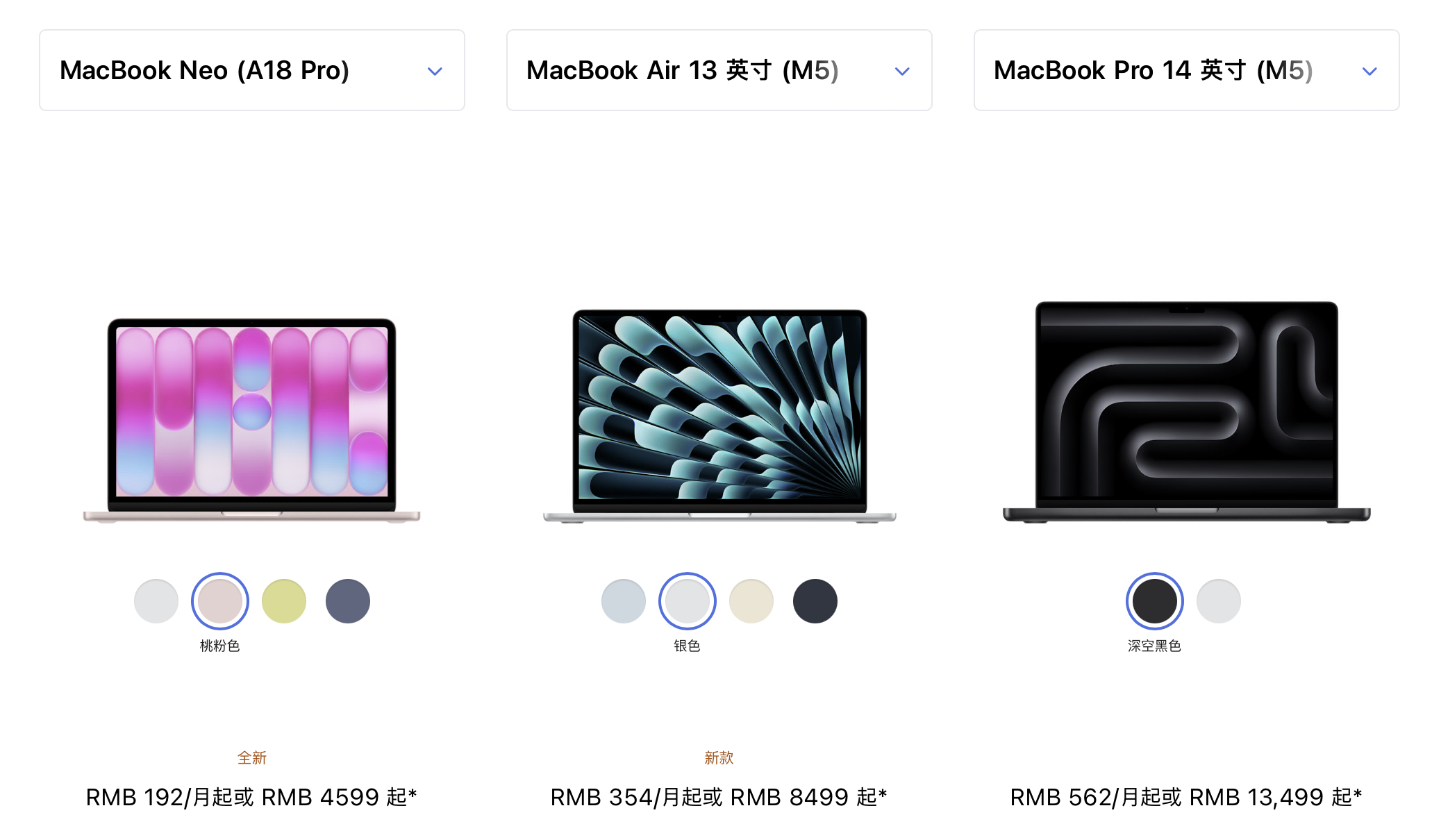
Image Source: Apple
Lei Technology posits that this differing price benchmark system is the root cause of the MacBook Neo's 'divisive reputation' in both online and offline markets. For the 'tech-savvy' online community, the MacBook Neo is perceived as a 'compromised MacBook' with shortcomings in every aspect.
In contrast, offline consumers are far less concerned with technical specs and highly attuned to tangible, visible attributes such as brand, aesthetics, battery life, and build quality. For them, a computer is more akin to a 'high-end appliance'.
In physical stores, most average users are unable to discern differences in screen color gamut without direct comparison and are indifferent to the trade-offs of overclocking a mobile chip for a laptop. For them, the MacBook Neo is well-crafted, visually appealing, and offers battery life several times longer than the low-cost Windows laptops they've previously used. As long as it doesn't lag during video playback and can open WPS, the MacBook Neo meets their expectations.
Can the Neo Revive the Domestic 'Compact Laptop' Market?
Given the significant price differential, users are willing to forego quantifiable 'performance' for relatively abstract 'experience.' Does this consumption logic sound familiar? Indeed—it mirrors the path taken by the 'compact laptops' that were popular in China over a decade ago.
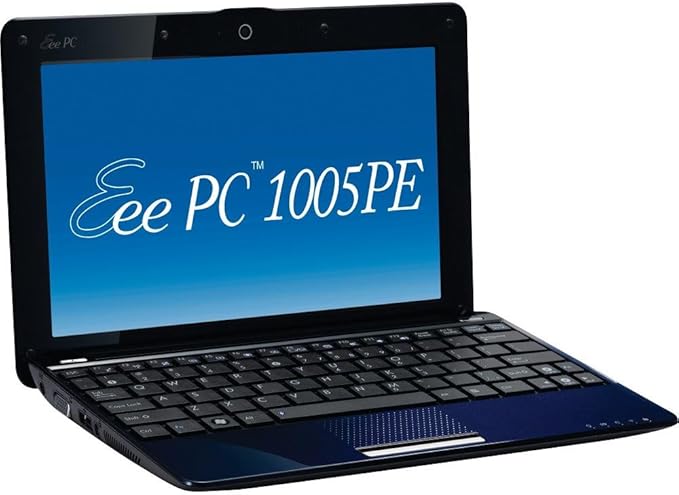
Image Source: ASUS
Back then, compact laptops were also marketed as 'low-cost, lightweight, refined, and long-lasting,' designed for portability and on-the-go use. However, due to the subpar hardware performance of Intel’s Atom chips and the inadequate software support of Windows CE, the compact laptop concept was swiftly replaced by the iPad and the new 'Ultrabook' category.
So, given their similar philosophies, does this imply that the MacBook Neo has a chance to 'restore' the compact laptop's 'glory'?
To be candid, Lei Technology doesn't believe so.
There's no denying that the MacBook Neo has performed admirably in the market. However, to revive the 'compact laptop' concept, the MacBook Neo faces significant hurdles. Pricewise, the 'pink Apple laptop' appears highly competitive at the 4,000 yuan mark, but without the 'Apple halo,' the 4,599 yuan price point still places it in the 'upper-middle' range of the laptop market.
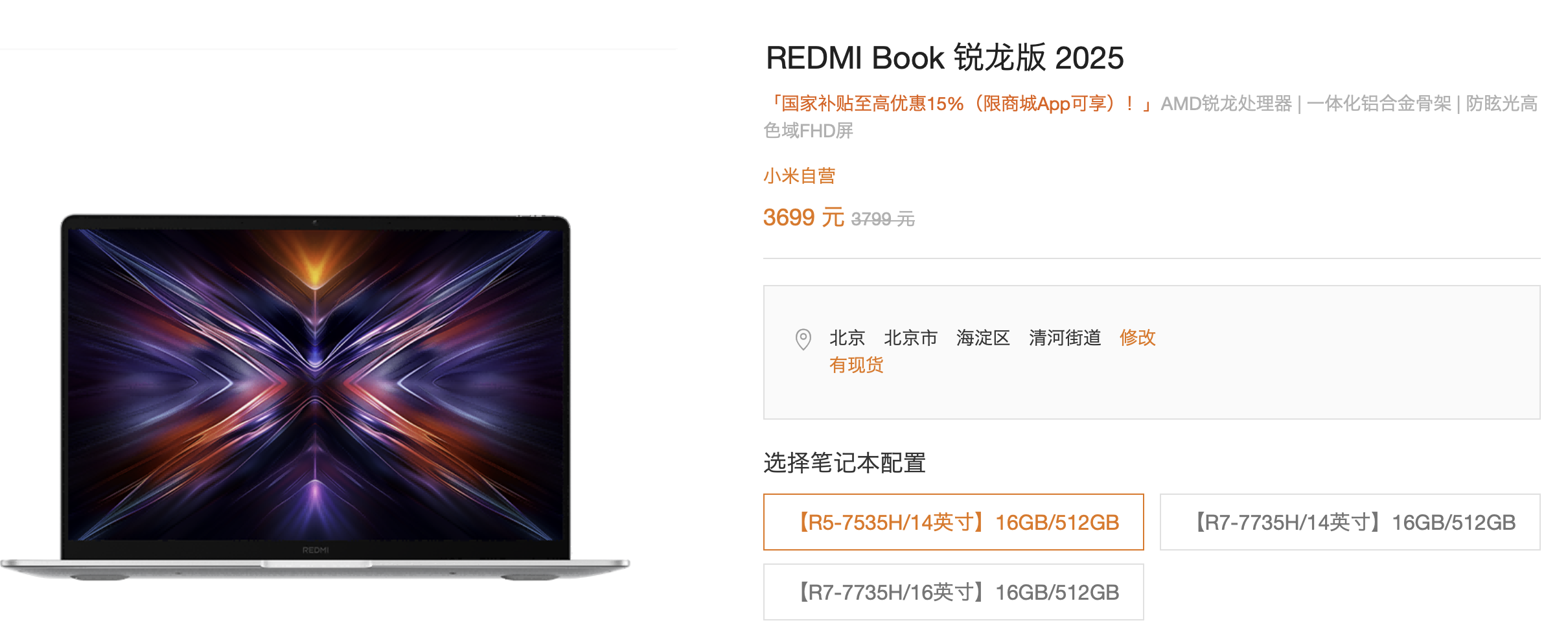
Image Source: Xiaomi
At this price point, the Windows lineup offers more robust 'core components' and even surpasses the MacBook Neo in 'peripheral specs' such as ports and trackpads. The MacBook Neo's strong sales are largely driven by the novelty of 'Apple at a lower price point.' Once this novelty fades or the A18 Pro inventory dividend is exhausted, the MacBook Neo is unlikely to replicate the compact laptop's success by spreading rapidly in the mainstream market due to its low barrier to entry.
The second challenge is the software ecosystem barrier. While many offline customers believe the MacBook Neo's performance is 'adequate,' macOS remains a niche player in China’s internet ecosystem. Compared to the fully compatible Windows or the intuitive mobile systems, macOS still presents a learning curve and software adaptation 'gaps.'
Beyond the MacBook Neo's own limitations, today's internet era also demands different attributes from network devices. Around 2014, the internet entered the 'mobile' era, introducing a new interaction paradigm centered on touch. Compared to traditional laptops like the MacBook Neo, tablets and smartphones offer significantly lower barriers to entry and a more intuitive user experience.

Image Source: Apple
For many young people, full-sized physical keyboards are now deeply associated with 'workers' and 'overtime.' This inherent aversion to productivity tools makes it unlikely that 'compact laptops' will regain popularity as pure 'internet devices' as they did over a decade ago.
On a positive note, while the 'compact laptop revival' plan has faltered, the MacBook Neo's 'good days' aren't over yet. As the most affordable MacBook currently available, the MacBook Neo demonstrates the success of Apple’s past 'price anchoring' strategy while joining forces with the iPad to challenge Chromebooks and other 'Android laptops' in the overseas education hardware market.
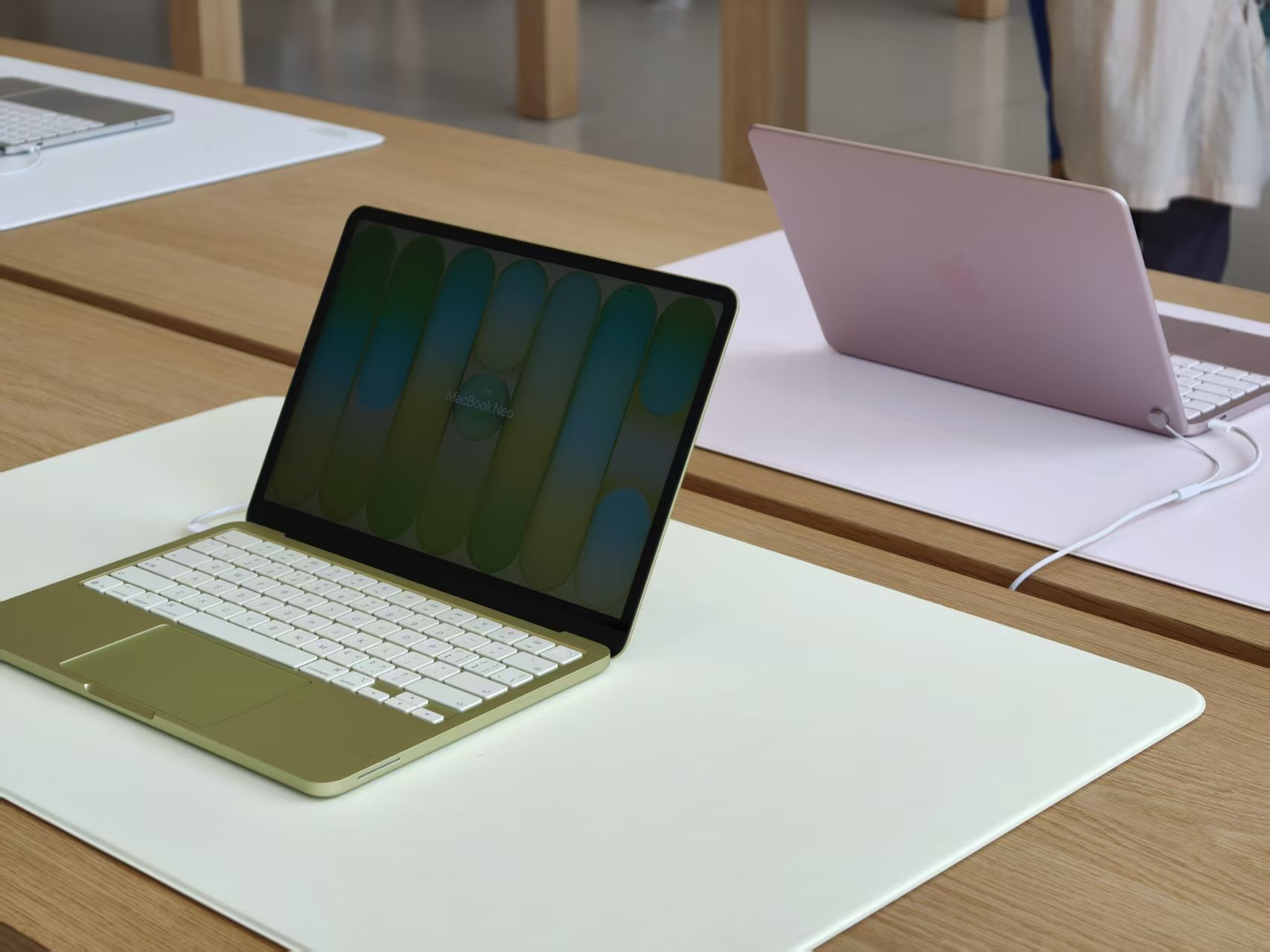
Image Source: Lei Technology
It's certain that Apple will continue to invest in the Neo lineup, complementing the iPad Air to target the sub-5,000 yuan 'new' market in 2026 and 2027, when Windows laptops face widespread price hikes due to memory supply shortages. With cloud computing support, the performance gap between the MacBook Neo and the MacBook Air will narrow further.
In Lei Technology’s view, the MacBook Neo's future remains promising.
Apple MacBook
Source: Lei Technology
Images in this article are from the 123RF licensed image library.
-
![]()
Breaking News | Core Chip Team Member Unexpectedly Changes Jobs! OpenAI Transforms into Anthropic's Talent Hub, with Over 15 Ex-OpenAI Core Members Now Holding Key Roles at Anthropic
-
![]()
When European Factories Face Idle Capacity, Chinese Brands Offer a ‘Traditional Chinese Remedy’
-
![]()
SEER Robotics Passes IPO Hearing: How Valuable Is the 'First Robot Brain Stock?'
-
![]()
5 Years, 170 Billion Yuan Wealth Vanishes: Where Did Wei Jianjun Go Wrong?
-
![]()
What Exactly Has Changed with the AI That Automatically Opens a Browser to Search Xiaohongshu?
-
![]()
Over 3,000 Heat-Related Deaths Daily, Yet India Imposes Ban on Chinese Air Conditioner Imports: Unraveling the Underlying Motives
-
![]()
Second-Hand Car Prices Plummet: Are Gasoline Vehicles on the Verge of Collapse?
-
![]()
800V vs. 48V: Which Reigns Supreme? Online Clash Between Executives Intensifies Debate Over Li Auto and NIO's Suspension Systems | MIRROR Pro