Chinese EVs Make Waves in Europe! Q1 Market Share Tops 21%, BYD Breaks into Top 5, Leapmotor Soars | MIRROR Pro
 04/09 2026
 581
581
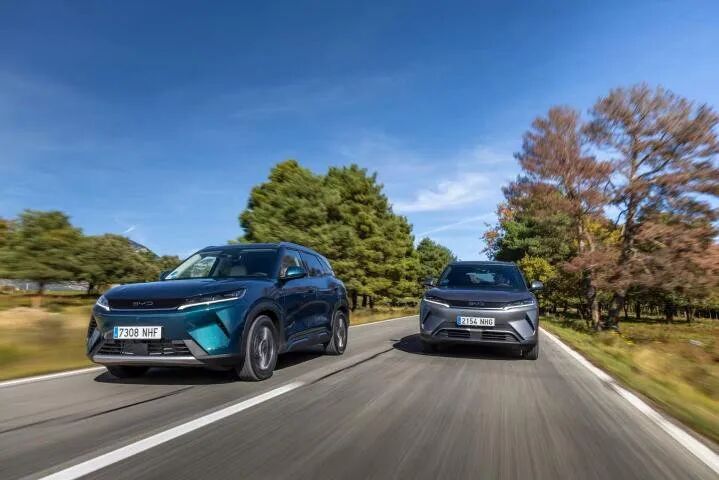
While the European EV market experienced a slowdown in the first quarter, China's "EV Legion" hit the gas pedal, launching a counter-trend surge. Across 14 key European markets (including the UK, Norway, Netherlands, Spain, Sweden, Denmark, Germany, Italy, Switzerland, Ireland, Finland, Austria, Portugal, and France), EV sales reached 441,576 units in Q1, marking a 4.07% year-on-year decline.
Amid this overall European EV market downturn, Chinese EVs achieved remarkable growth, kicking off a strong offensive in the European market for 2026. In Q1, Chinese brands sold 65,641 EVs in Europe, a staggering 109.62% increase year-on-year. Their market share surged from 6.8% to 14.97% compared to the same period last year. When including four Chinese-controlled brands—Volvo, Polestar, Smart, and Lotus—Chinese brands' total EV sales in Europe reached 95,734 units in Q1, up 59.39% year-on-year, with market share leaping from 13.05% to 21.68%, capturing over one-fifth of the European EV market.
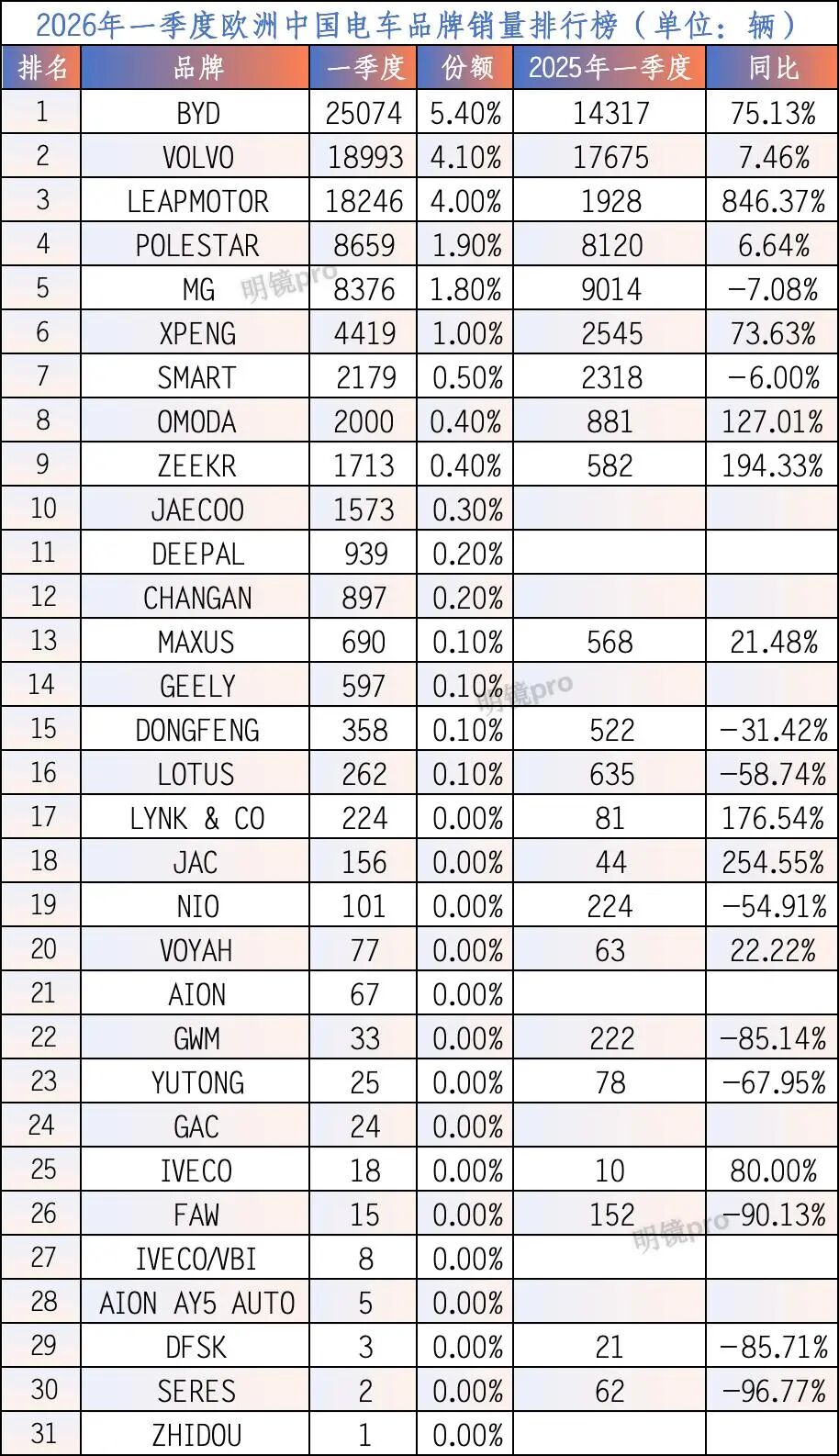
Among Chinese brands, BYD maintained its lead in European EV sales. In Q1, BYD sold 25,074 units, a 75.13% year-on-year increase, with market share rising from 3.2% to 5.4%. It surpassed European bestsellers like BMW, Audi, Mercedes-Benz, and Renault to break into Europe's top 5 EV brands for the first time. Unlike other Chinese brands, BYD employs a "vehicle flood" strategy in Europe, offering over 10 models. The DOLPHIN SURF and SEAL each sold over 5,000 units quarterly. BYD trails Kia by just over 900 units, and at its current growth rate, it could climb another spot in annual sales.
Leapmotor emerged as the fastest-growing Chinese brand. In Q1, its European EV sales surpassed MG, reaching 18,246 units, an 846.37% year-on-year increase, with market share jumping from 0.4% to 4%—a tenfold increase in just one year. The pure electric T03 small car drove Leapmotor's sales, with 12,550 units sold in Q1 and stable monthly sales exceeding 4,000 units. This propelled it into Europe's top 4 bestselling EV models—the highest ranking ever for a Chinese brand's single EV model in Europe. Beyond the T03, the B10 and C10 models began steady sales growth, with the B10 selling 3,272 units at one point, exceeding its full-year sales from last year. This year, Leapmotor will launch models like the A10 and Lafa5 in Europe, potentially joining BYD in the top 5.
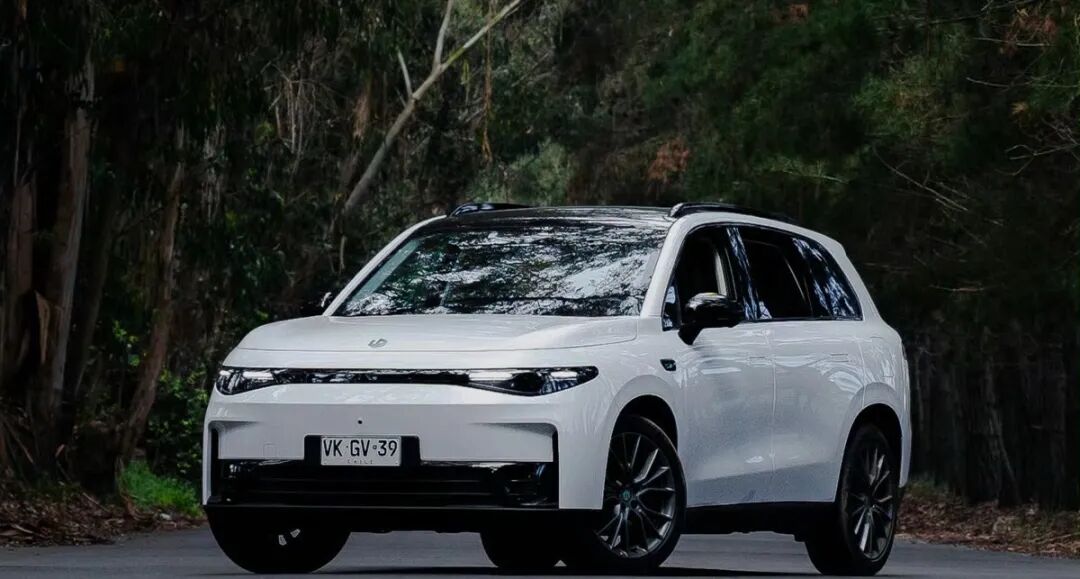
MG, once the "top Chinese EV brand in Europe," sold 8,376 EVs in Q1, a 7.08% year-on-year decline. In 2024, MG still led Chinese EV brands in Europe, with models like the MG4 selling well across multiple countries. However, with EU tariff adjustments and intensified competition from Chinese brands, MG's market share has shrunk, now lagging far behind BYD and Leapmotor.
Below MG, other Chinese brands sold under 5,000 EVs in Q1, but several showed impressive growth. XPENG accelerated its European expansion, selling 4,419 EVs in Q1, a 73.63% year-on-year increase. The G6 and G9 models were XPENG's top sellers in Europe, with 2,791 and 1,137 units sold in Q1, up 77.88% and 58.8% year-on-year, respectively.
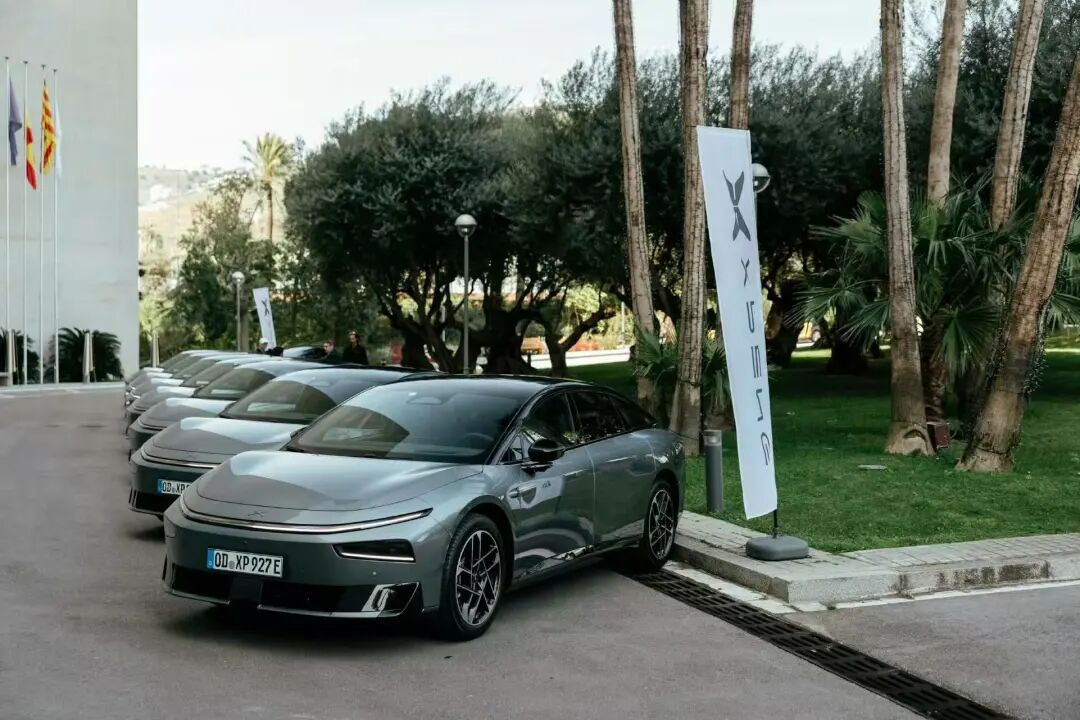
Brands like Chery's OMODA and JAECOO, along with ZEEKR, remained small but grew rapidly. OMODA sold 2,000 units, a 127% increase; ZEEKR sold 1,713 units, a 194% increase; and JAECOO sold 1,573 units, marking its debut in the European market. Additionally, brands like SERES, Geely, and AION have entered Europe but sold under 1,000 units in Q1, with their product potential yet to be fully unleashed—their future performance remains to be seen.
The collective offensive by China's "EV Army" has disrupted Europe's EV market hierarchy, triggering an unprecedented reshuffle in the top tier. In Q1, Tesla reclaimed the top spot in European EV sales with 44,948 units, a 10.54% year-on-year increase, holding a 9.2% market share—a 0.6 percentage point increase. The Model Y remained Europe's bestselling EV model, with 23,914 units sold in Q1, nearly 8,000 units ahead of the second-place Skoda ELROQ. Tesla's dominance in both Europe and China remains unchallenged for now.
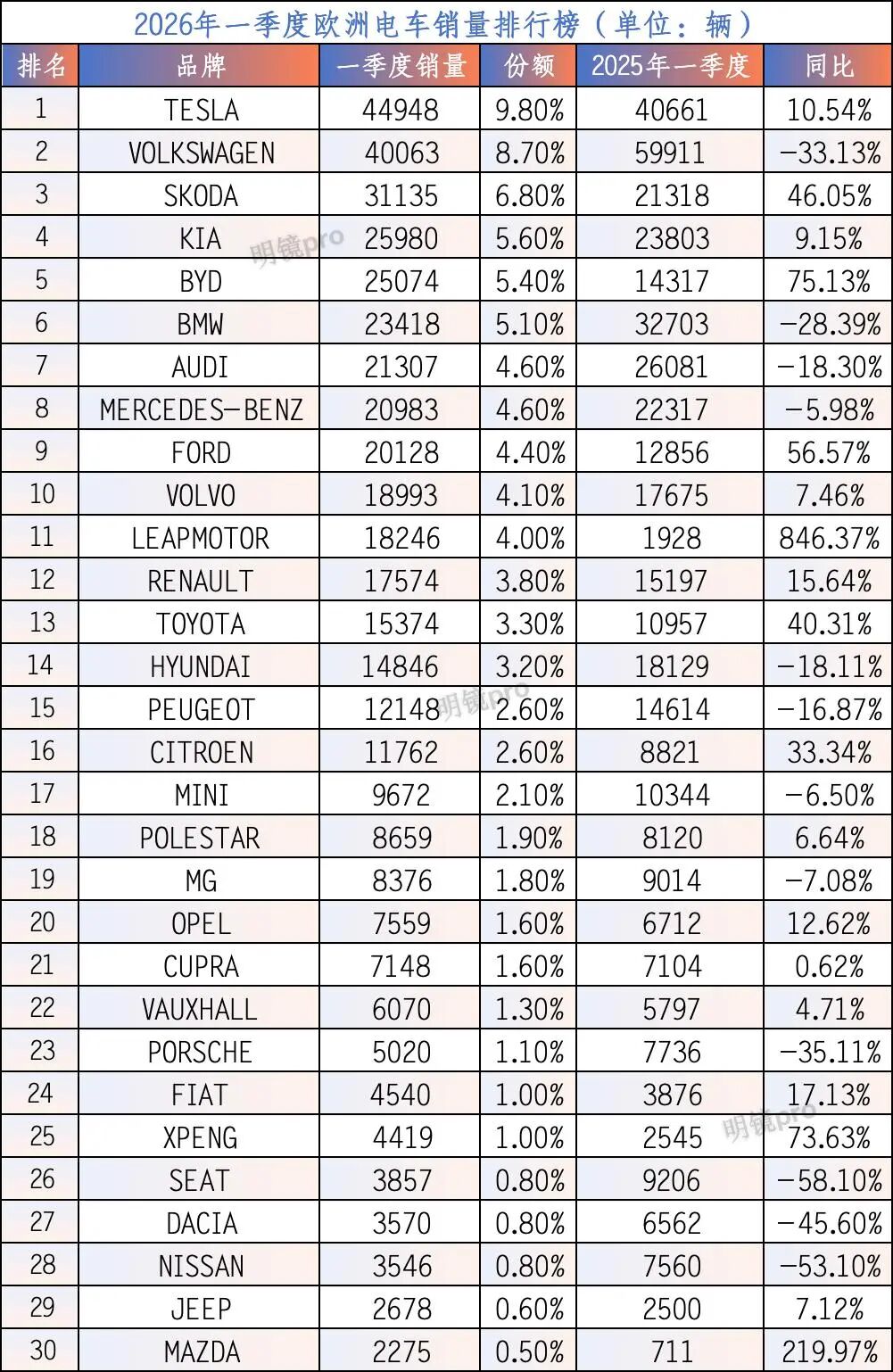
Volkswagen slipped to second place, selling 40,063 EVs in Q1, a 33.13% year-on-year decline, with market share dropping from 6.8% to 4.8%—the steepest decline among Europe's top EV brands. Key models like the ID.3, ID.4, and ID.7 all saw sales declines, largely due to rising competition from Chinese brands. Hot-selling Chinese models now directly challenge Volkswagen's ID series: the BYD Dolphin competes with the ID.3 and MG4; the BYD Yuan PLUS (ATTO3), Haishi 07, Leapmotor B10, and XPENG G6 target the ID.4/ID.5; and the BYD Seal goes head-to-head with the ID.7. These precise market positions by Chinese EVs have eroded Volkswagen's share.
Skoda, however, was Volkswagen Group's only brand to achieve positive sales growth. In Q1, it sold 31,135 units, a 46.05% year-on-year increase. Despite a limited product lineup, Skoda's models are blockbusters, much like Tesla's. The ELROQ sold 16,081 units in Q1, a 239.12% increase, while the ENYAQ sold 12,345 units, a 19.76% decline—ranking second and fifth, respectively, among European EV models by sales. The slumping ENYAQ now competes with the ATTO and C10.
Among Korean brands, Kia rebounded thanks to new model launches, selling 25,980 EVs in Q1, a 9.15% year-on-year increase, reclaiming fourth place. The all-new EV4 and EV5 drove growth, with 2,984 and 4,398 units sold in Q1, respectively. However, another key model, the EV3, sold 8,789 units, a 37.45% year-on-year decline, underperforming expectations. Meanwhile, Hyundai sold 14,846 EVs in Q1, an 18.11% year-on-year decline.
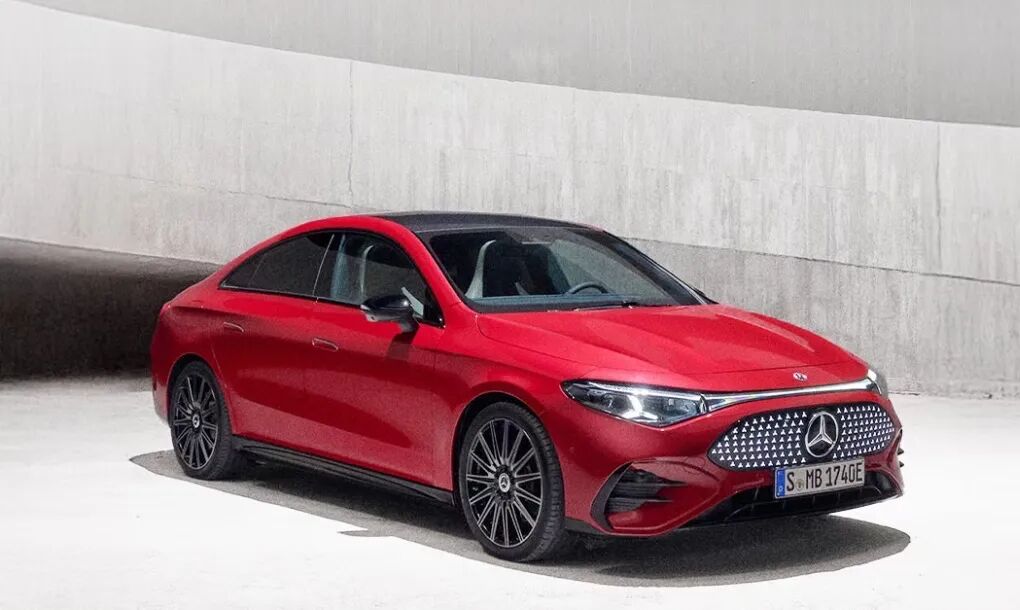
Luxury brands BMW, Audi, and Mercedes all saw EV sales decline in Q1. BMW, once a top-3 European EV seller, fell to sixth place, selling 23,418 units, a 28.39% year-on-year decline. Audi sold 21,307 units, an 18.30% decline, ranking seventh, while Mercedes sold 20,983 units, a 5.98% decline, ranking eighth. Their sales scales are shrinking.
Ford and Toyota emerged as dark horses in Europe's EV market over the past two years. Ford sold 20,128 EVs in Q1, a 56.57% year-on-year increase, led by the PUMA and EXPLORER, each selling over 5,000 units. Toyota sold 15,374 EVs, a 40.31% year-on-year increase. Its BZ4X, a modest performer in China, unexpectedly took off in Europe, selling 8,535 units in Q1—accounting for half of Toyota's European EV sales.
No French brand cracked the top 10 in Q1 European EV sales. While Renault and Citroën saw positive sales growth, their scales remain small compared to other top brands. Before 2023, Renault had ranked in Europe's top 3 EV sellers for five consecutive years, even topping the charts in 2017–2018. Additionally, foreign media reported that Stellantis is negotiating partnerships with Chinese EV startups like Leapmotor and XPENG, seeking to break into electrification through China's smart EV technologies.
From doubling sales against the trend to capturing over one-fifth market share, and now European giants actively seeking tech collaborations, China's EV surge in Europe is not about isolated successes by single brands but a collective breakthrough powered by China's entire new energy vehicle supply chain. The story of China's EV Army in Europe is just getting started—and it promises to be even more thrilling.
-
![]()
Geely and BYD Step Up Efforts: Giants Aren't Willing to Lose in the Breakthrough Battle for New Energy Pickups
-
![]()
From Selling Computers to Selling AI: How Far Has Lenovo Come?
-
![]()
What Enlightenment Does the Successfully Verified Trillion-Dollar Anthropic Bring to SaaS Enterprises?
-
![]()
Li Auto L9 Livis: Caught Between 'Daddy Car' and 'AI'
-
![]()
From 'Flying Machines' to 'Embodied Intelligent Agents': How Embodied Intelligence is Revolutionizing the Commercial Landscape of Low-Altitude Equipment
-
![]()
Launch of the Lynx S10: Why is DeepRobotics Developing a Small Wheeled-Legged Robot?
-
![]()
AI Accelerator: The Powerhouse Behind AI Algorithm Operations and Applications
-
![]()
Ferrari Luce Electric Debuts: Ferrari’s Essence Endures in the Electric Age | On-Site Report