MediaTek Steps Back from Benchmark Battles! MDDC 2026 Unveils Its AI Masterstroke: The Future Goes Far Beyond Chips
 05/15 2026
 507
507
On May 13th, Leiguan Technology attended the MediaTek Dimensity Developer Conference 2026 (MDDC 2026) as a member of the invited press.
While many casual readers might think the MDDC conference is mainly for developers and therefore less significant than the unveiling of new flagship chips, this view isn't entirely accurate. From Lei's perspective, if flagship chips are the 'bones and flesh' of MediaTek's mobile ecosystem, then MDDC injects the 'intelligence and soul' into it.
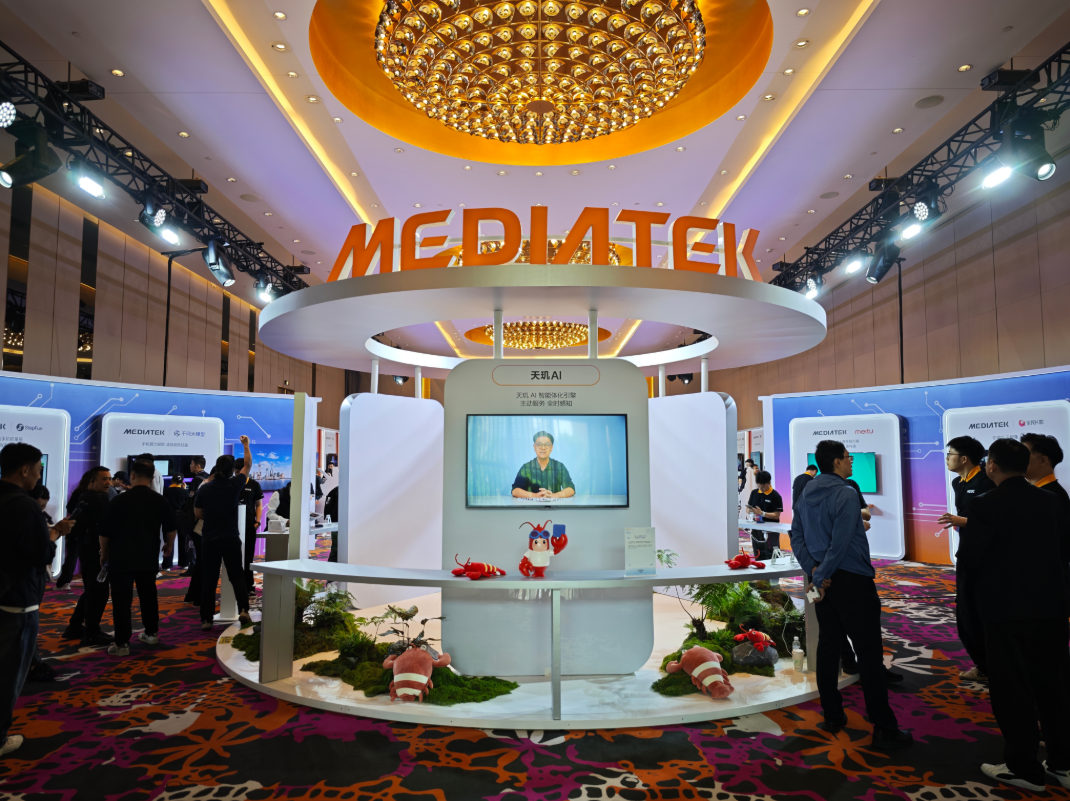
Image Source: Leiguan Technology
Moreover, MDDC offers a glimpse into the direction of the mobile ecosystem for the coming year. For instance, last year's MDDC 2025 had the theme 'AI Empowers Chips, Applications Know No Bounds.' Ecosystem capabilities such as the AI Development Kit 2.0, Dimensity Development Studio, and gaming AI technologies drove the real-world transition of agent AI from concept to consumer applications.
The subsequent developments are well-known: agent software like OpenClaw emerged, sparking a wave of comprehensive AI applications shifting towards agents.
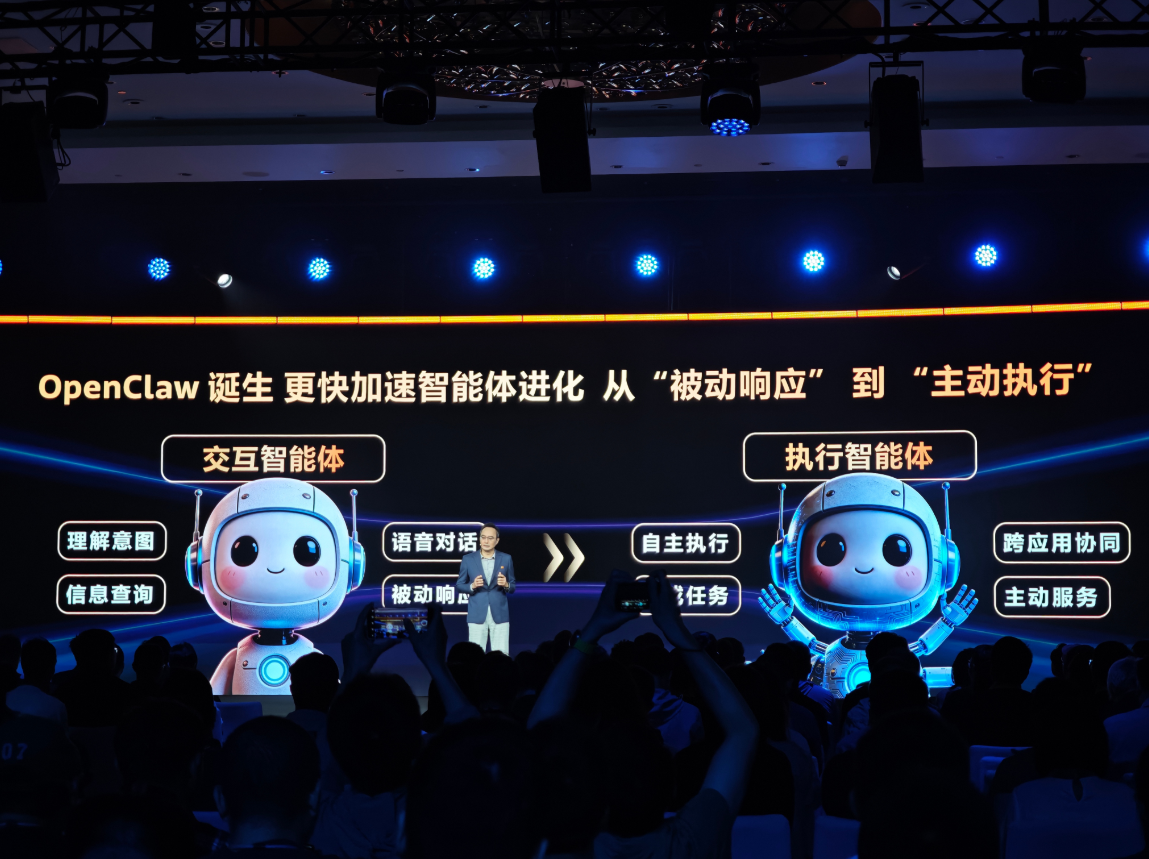
Image Source: Leiguan Technology
A year later, MDDC reconvened with this year's theme being 'Omni-Domain Chip Intelligence, New Boundaries of Experience.' MediaTek unveiled a series of tools and innovative solutions for global developers at the event and showcased, alongside ecosystem partners, the latest achievements in AI, gaming, imaging, end-device agents, and other areas.
Beyond Benchmark Scores, Dimensity Aims to Prove It Understands AI Phones Better
The theme makes it clear that MediaTek's focus this time extends beyond just flagship chips. Instead, it centers on how the Dimensity platform can extend from smartphones to automotive, IoT, AI infrastructure, and developer ecosystems, ultimately supporting 'ubiquitous agent-based experiences.'
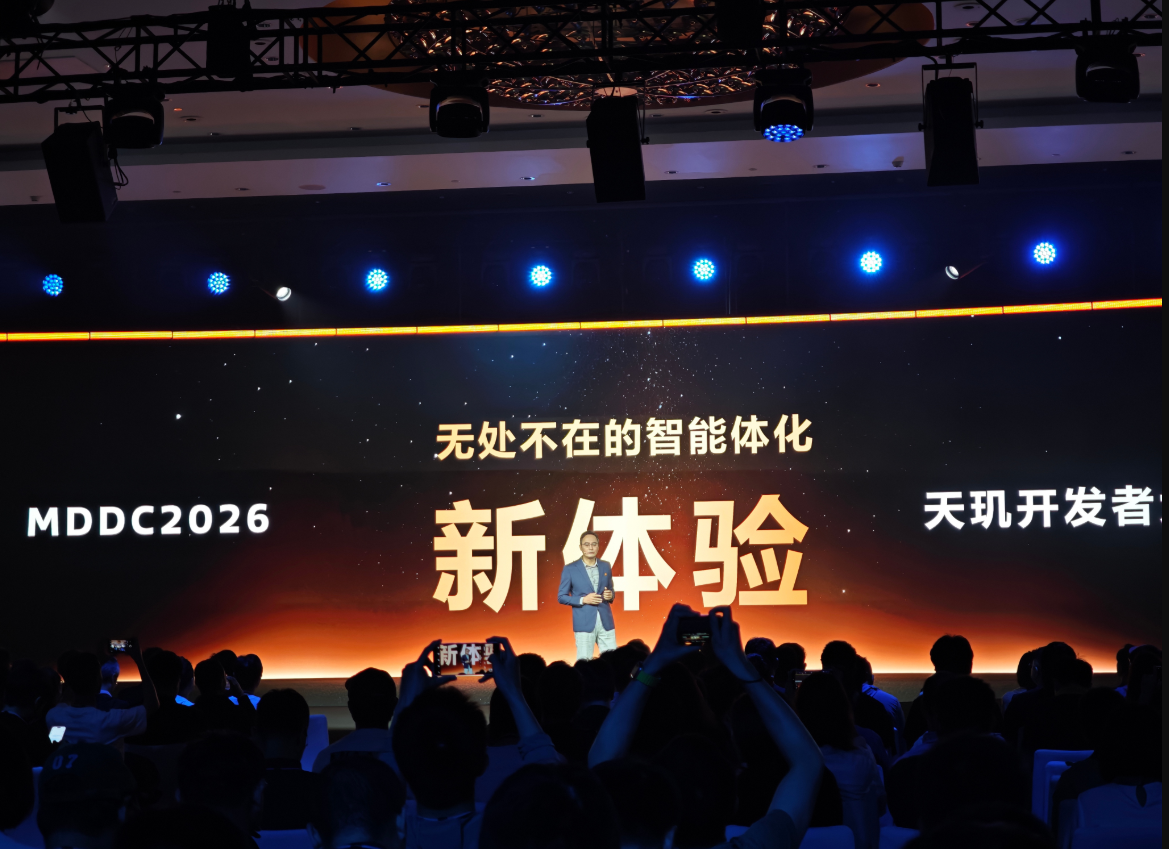
Image Source: Leiguan Technology
The core idea is that AI applications are no longer just about embedding large models into systems but enabling end devices to have continuous perception, proactive understanding, cross-application execution, and cross-device transfer capabilities. In other words, what will truly differentiate the experiences across various mobile ecosystems in the future will not be a single performance metric or AI feature but whether the underlying chips, systems, models, applications, and development tools can form a cohesive ecosystem.
At the conference, Chen Guanzhou, MediaTek's Director, General Manager, and Chief Operating Officer, mentioned that agent AI is reconstructing more and more industries and application scenarios. MediaTek hopes to use its technology and product portfolio covering smartphones, automotive, IoT, and AI infrastructure to help ecosystem partners transition from creative ideas to large-scale implementation.
Lei believes that the key takeaway from this statement is that Dimensity is no longer satisfied with being just the 'performance foundation for end devices' but aims to become a platform jointly relied upon by developers and end-device manufacturers in the AI era. This is the most fundamental change at this year's MDDC 2026.
Over the past three years, the Dimensity AI ecosystem has grown significantly, with the number of ecosystem partners increasing by 240% and downloads of the Dimensity AI Development Kit rising to 440%. These figures indicate that on-device AI has moved beyond early concept validation and is gradually entering a stage where developers are genuinely willing to invest resources.
Focusing on this trend, MediaTek officially released the Dimensity AI Agent Engine 2.0. Its significance is no longer just about 'benchmark scores' but enabling smartphones to possess 'always-on perception' and 'proactive execution' capabilities. With Dimensity SensingClaw technology, devices can maintain continuous perception capabilities under low power consumption, allowing manufacturers to create Agent OS with proactive perception and cross-application driving capabilities.
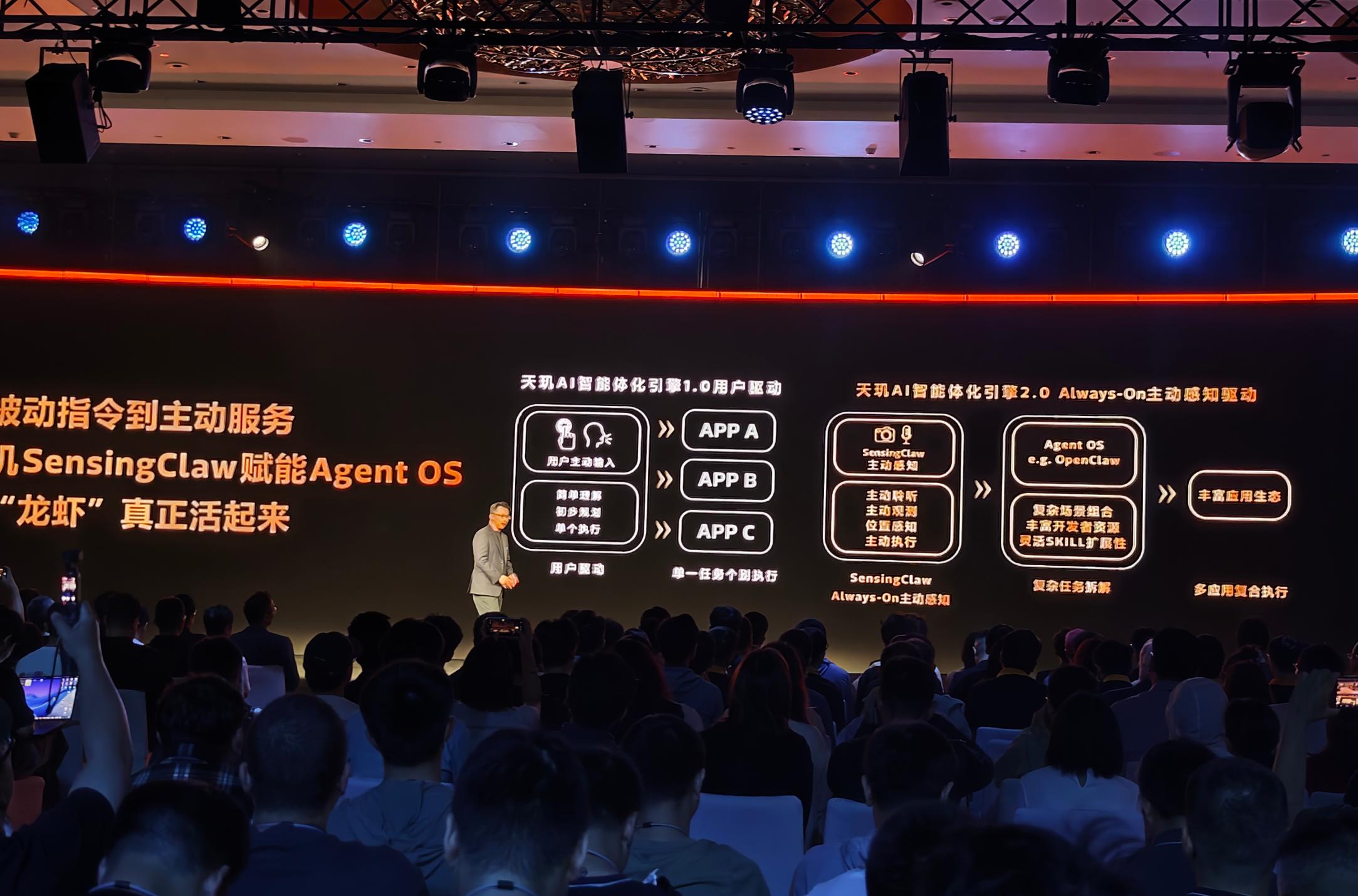
Image Source: Leiguan Technology
In simple terms, future smartphones will not just wait for users to click on an app but will understand the user's current context and proactively mobilize system capabilities.
More notably, MediaTek also unveiled its collaboration with OPPO, Xiaomi, and TECNO on system-native Claw capabilities, showcasing experiences such as proactive perception, proactive execution, and seamless cross-device transfer. This holds significant importance for smartphone manufacturers because the on-device AI experience cannot rely solely on a single AI application. It must truly penetrate the system's core and become a tangible improvement in the user experience that users perceive daily.
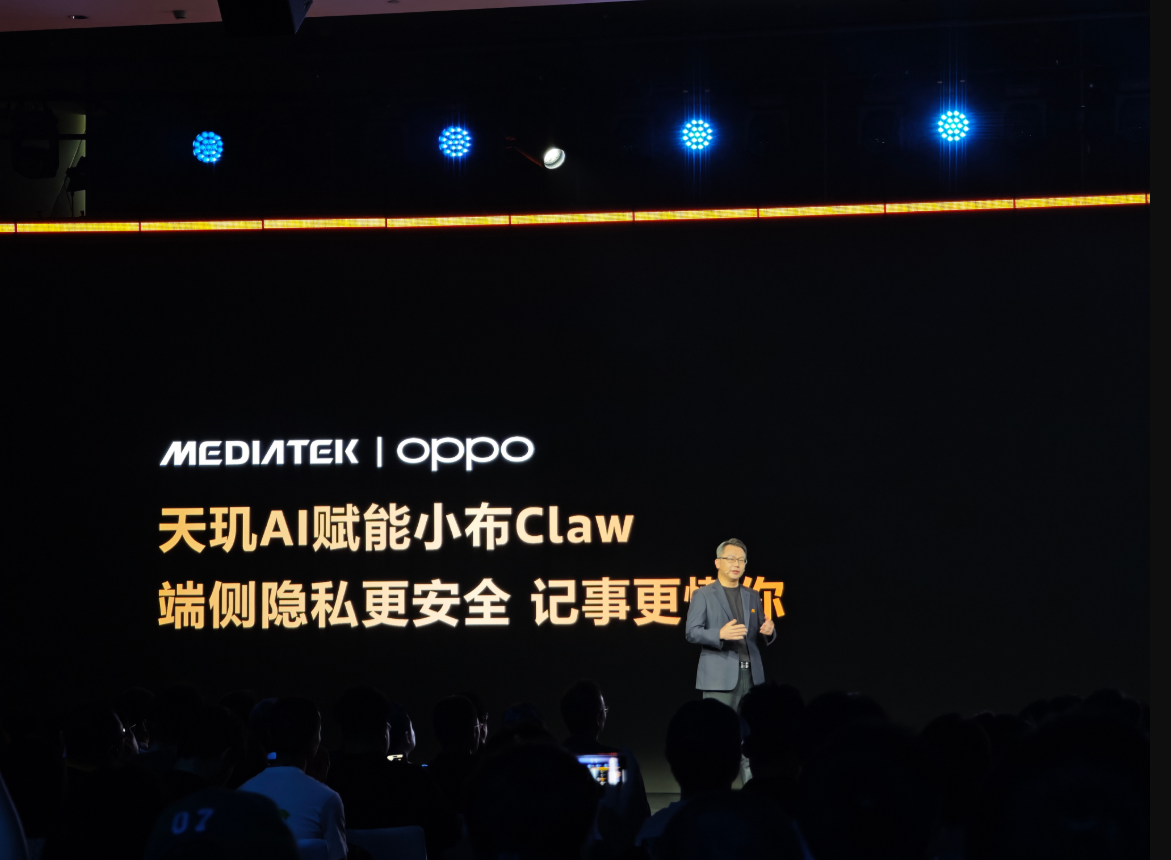
Image Source: Leiguan Technology
To enable developers to integrate AI more seamlessly into applications and systems, the Dimensity AI Development Kit has also been upgraded. Version 3.0 introduces many changes compared to its predecessor, such as upgrading from command-line operations to more intuitive and adjustable GUI modules for visual deployment of LVM models, improving deployment and optimization efficiency by 50%.
Additionally, MediaTek introduced the Low Bit Compression Toolkit, increasing compression rates by up to 58% while maintaining the same model quality. The eNPU Development Toolkit reduces power consumption for resident lightweight AI models by 42%. Dimensity AI Partner reduces deployment times for on-device LLM models by up to 90%.
While these technologies may seem developer-focused, they ultimately impact ordinary users. The true challenge of on-device AI lies in enabling numerous applications and system functions to be readily accessible while minimizing system resource usage. This approach attracts developers and manufacturers to adapt, popularizing the AI ecosystem and providing users with genuine experience improvements.
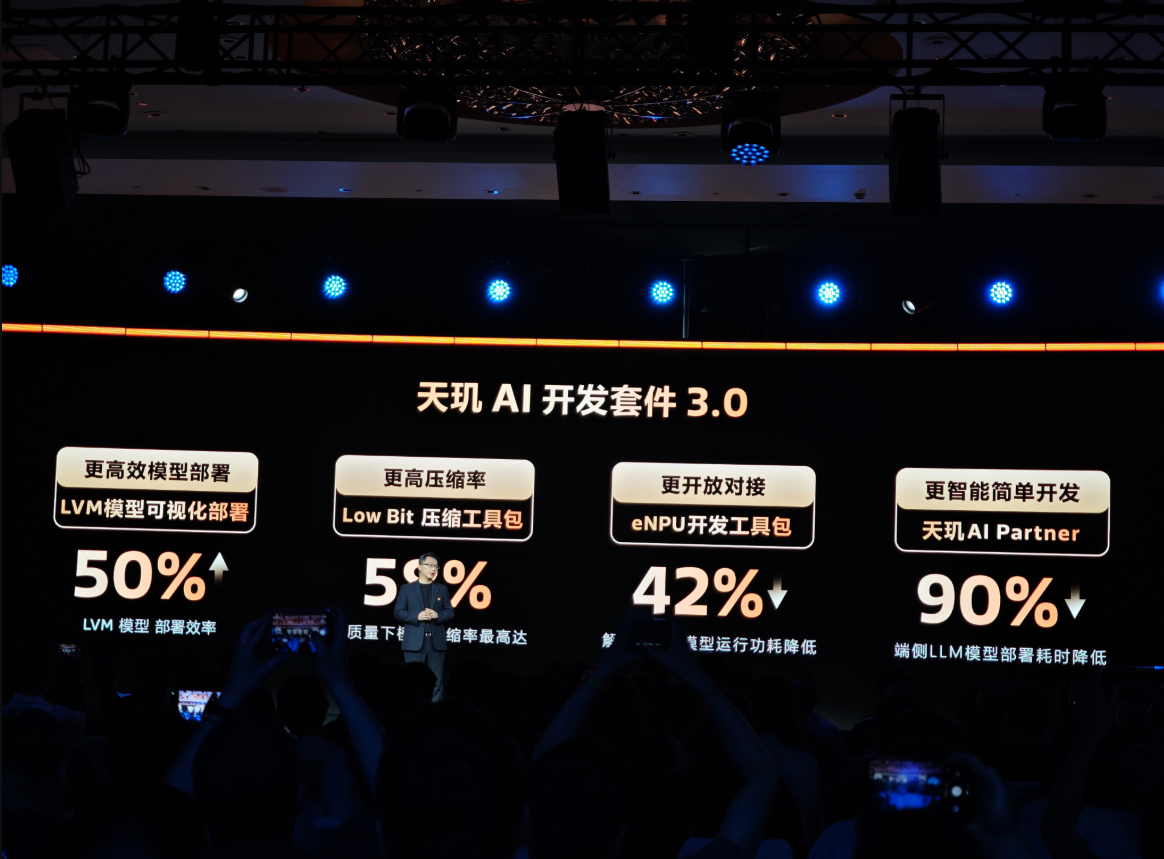
Image Source: Leiguan Technology
Besides AI, gaming remains a key battleground for the Dimensity ecosystem. At the conference, MediaTek introduced its new-generation Ray Tracing Pipeline mobile ray tracing technology and shared pre-research collaboration results with Tencent's Delta Force project team.
The new technological achievements have bridged the rendering pipeline for cross-platform adaptation between PC and mobile, enabling better presentation of complex lighting effects such as dynamic objects, skeletal animations, and off-screen environmental reflections. For mobile gaming, this means that mobile graphics are further approaching the expressive capabilities of traditional console and PC games.
Furthermore, MediaTek Dimensity has deeply adapted virtual geometry technology with the Unity Engine, leveraging the GPU capabilities of the Dimensity mobile platform to achieve over 1 billion triangle renderings on mobile devices and sustain full-frame operation at 1.5K high resolution for one hour.
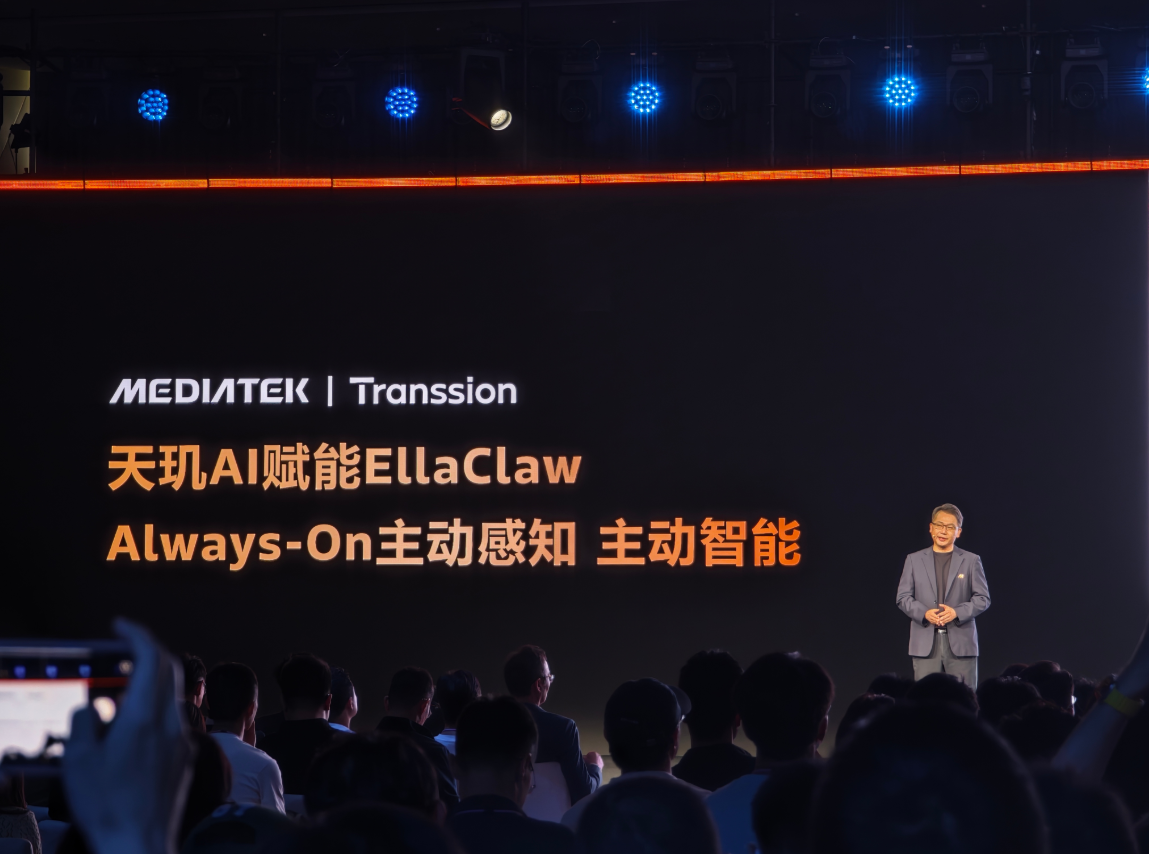
Image Source: Leiguan Technology
Additionally, MediaTek introduced Dimensity Frame Boost Technology 3.0 and Adaptive Control Technology 5.0, shifting the Dimensity gaming ecosystem from merely pursuing high frame rates to a more complex balance of performance, power consumption, and experience. These technological upgrades not only refine graphics but also provide mobile game developers with greater creative freedom in modeling, scene complexity, and visual styles.
For example, the game Arknights: Endfield, known for its realistic graphics and detailed models, can reduce power consumption by over 40% while maintaining a stable 60 frames per second with these technologies, significantly improving the phone's heat control and gaming battery life.
Moreover, MediaTek has collaborated with several mainstream games, including Honor of Kings and Wuthering Waves, to promote experiences such as 144 FPS low power consumption and ultra-stable frame rates, significantly enhancing the gaming experience on the Dimensity platform. At the MDDC exhibition hall, Lei observed no fewer than 30 mainstream games and applications on display, showcasing MediaTek's extensive ecosystem collaboration.
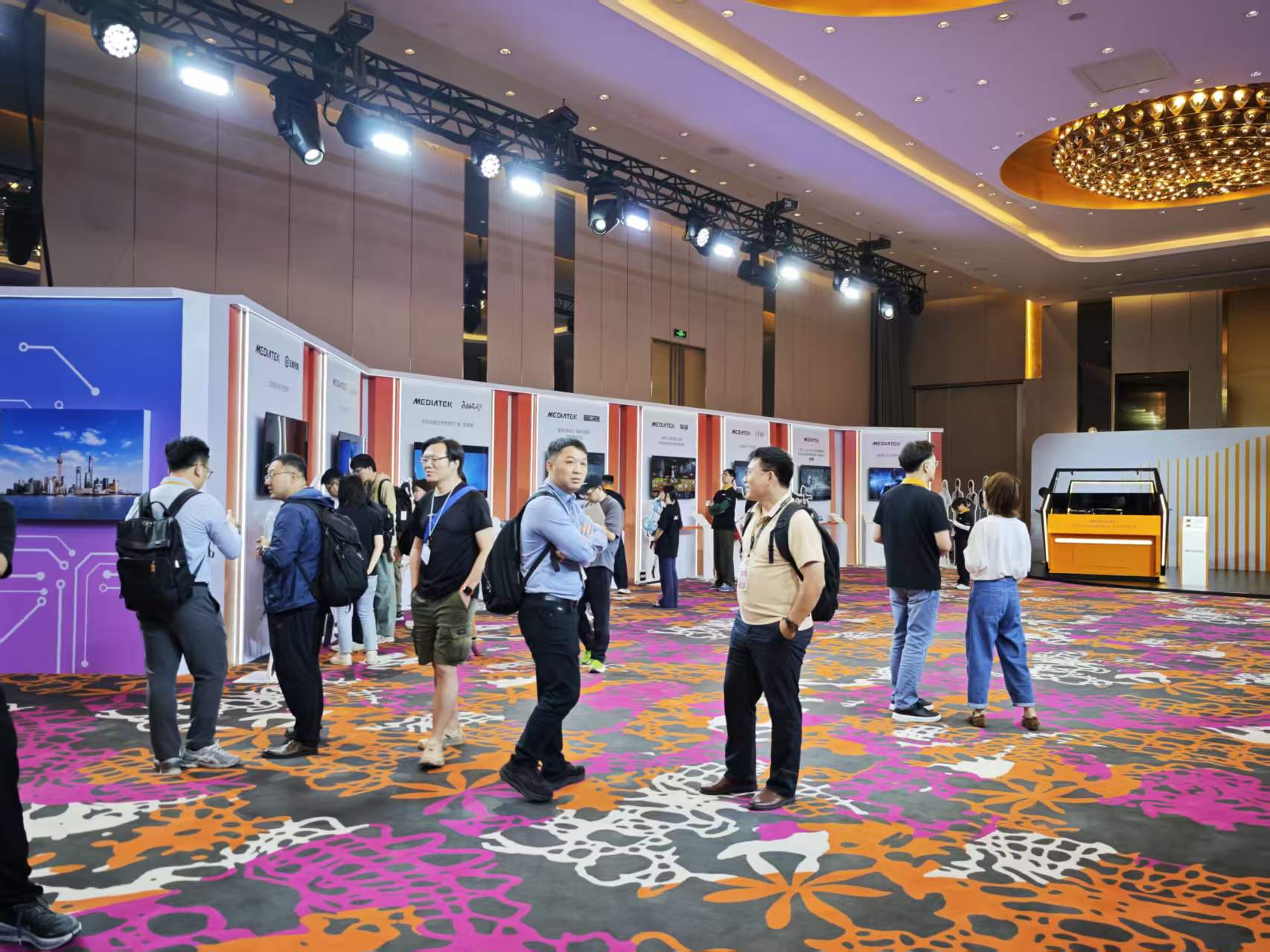
Image Source: Leiguan Technology
Beyond graphics, audio experiences have also been incorporated into the gaming optimization system. Dimensity LE Audio low-latency technology, through full-link optimization, delivers 32ms Bluetooth stereo low-latency performance on Dimensity flagship mobile platforms and has already been implemented in the Peacekeeper Elite test server.
From MDDC 2026, it is evident that MediaTek is transforming Dimensity from a 'chip brand' into an 'ecosystem platform.' On one side are the AI Agent Engine, development kits, and system-native Claw capabilities; on the other are ray tracing, virtual geometry, frame boost, low-latency audio, and development optimization tools.
The former determines whether smartphones can become smarter, while the latter continues to advance the flagship smartphone experience.
The Real Challenge of AI Phones: Not Computational Power, But the Ecosystem
After the conference, Leiguan Technology was also invited to participate in a post-conference group interview. Compared to the technical announcements at the main conference, what left a deeper impression on Lei during the group interview was MediaTek's shift in perspective on AI phones from a 'computational power race' to an 'ecosystem reconstruction.'
When asked what will determine the end-device AI experience, MediaTek's response was clear: the ecosystem is a chain involving chip manufacturers, end customers, middleware vendors, OS vendors, and developers. The key is to first identify one's position within this chain.
This statement actually highlights the biggest contradiction in AI phones today. Over the past year, almost all manufacturers have talked about AI phones, but ordinary users often perceive only scattered functionalities: AI photo editing, AI summaries, AI assistants, and AI search. While useful, these functionalities are not truly interconnected and often feel like just a few new feature entries added to the system rather than the phone genuinely transforming into an intelligent agent.
MediaTek acknowledged during the group interview that the scattered nature of AI functionalities is essentially because today's phone systems do not possess AI-native characteristics. The past organizational structures and functional definitions of phone manufacturers often compartmentalized imaging, gaming, and system functionalities, with AI merely added to existing functional modules.
Therefore, to achieve a truly native AI experience, new collaborative methods must emerge at the system, model, and application layers. This is why the Dimensity AI Agent Engine 2.0 is crucial. After a comprehensive upgrade, it is no longer just a standalone AI functionality but a foundational engine for system-level agent experiences, supporting the development of AI-native phone systems.
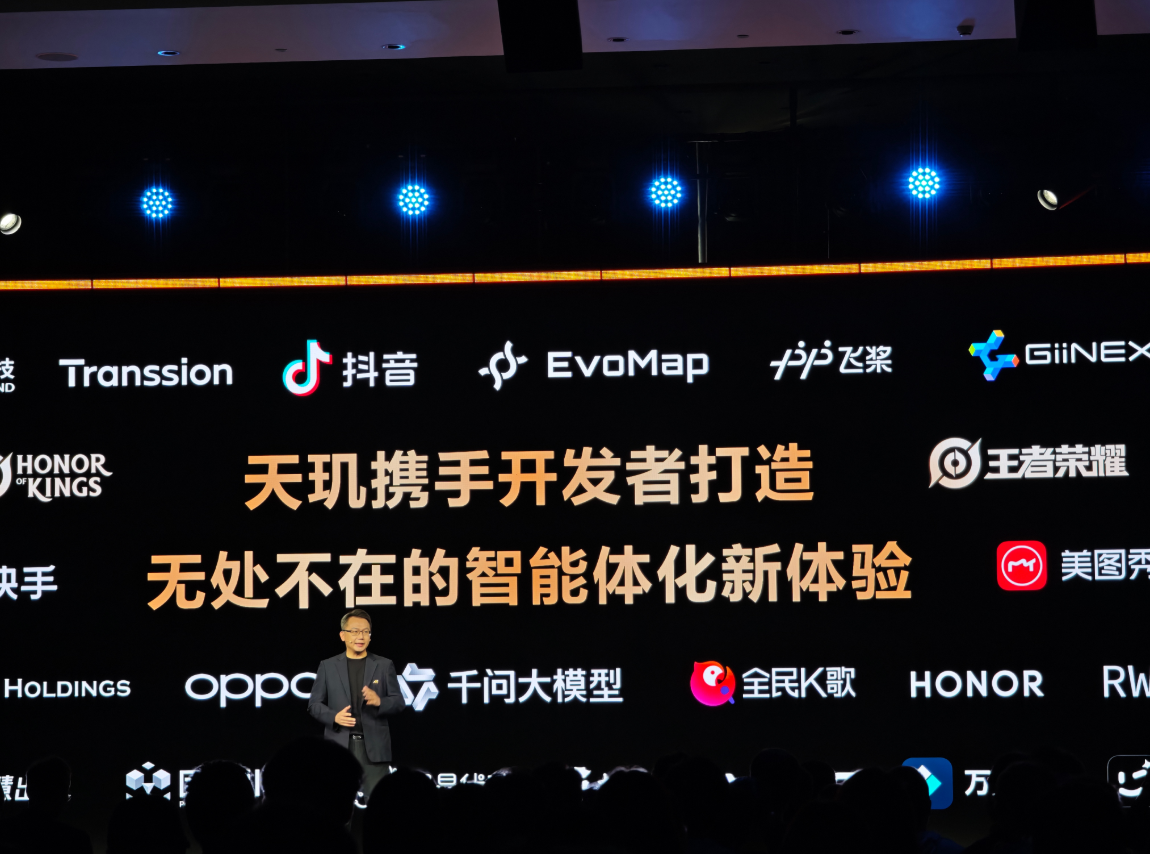
Image Source: Leiguan Technology
In other words, MediaTek is not aiming to create a complete AI OS for phone manufacturers but to provide a fertile ground for an AI OS to grow.
From Leiguan Technology's perspective, this is particularly crucial in the next stage of AI phones because the real issue that AI phones need to address is not whether 'phones can run large models' but whether phones can continuously understand users and proactively provide services in appropriate scenarios while maintaining low power consumption, low latency, and controllable privacy.
During the group interview, MediaTek repeatedly mentioned the importance of Always-On capabilities. MediaTek believes that the key to future AI phones is not users seeking services but services understanding users and finding them. As the most ubiquitous and frequently used intelligent device, smartphones accumulate various data on users' schedules, work, social interactions, usage habits, and content preferences, making them the most suitable personal AI entry point.
However, MediaTek also acknowledged that achieving 'services understanding users and proactively finding users' presents more complex performance and power consumption challenges for chip platforms than before. In the agent era, phones need to continuously perceive their surroundings, frequently invoke models, and schedule NPU, CPU, and memory resources across multiple applications.
MediaTek mentioned during the group interview that as more applications and phone manufacturers use NPUs, issues of NPU resource contention have started to arise among different applications. In other words, the bottleneck for AI phones is shifting from 'having computational power' to 'whether the system can efficiently schedule computational power.'
To put it simply, when AI was just a demo feature, phones only needed to occasionally run a model, which did not significantly burden battery life or smoothness. However, when AI becomes a system capability, scheduling becomes highly complex.
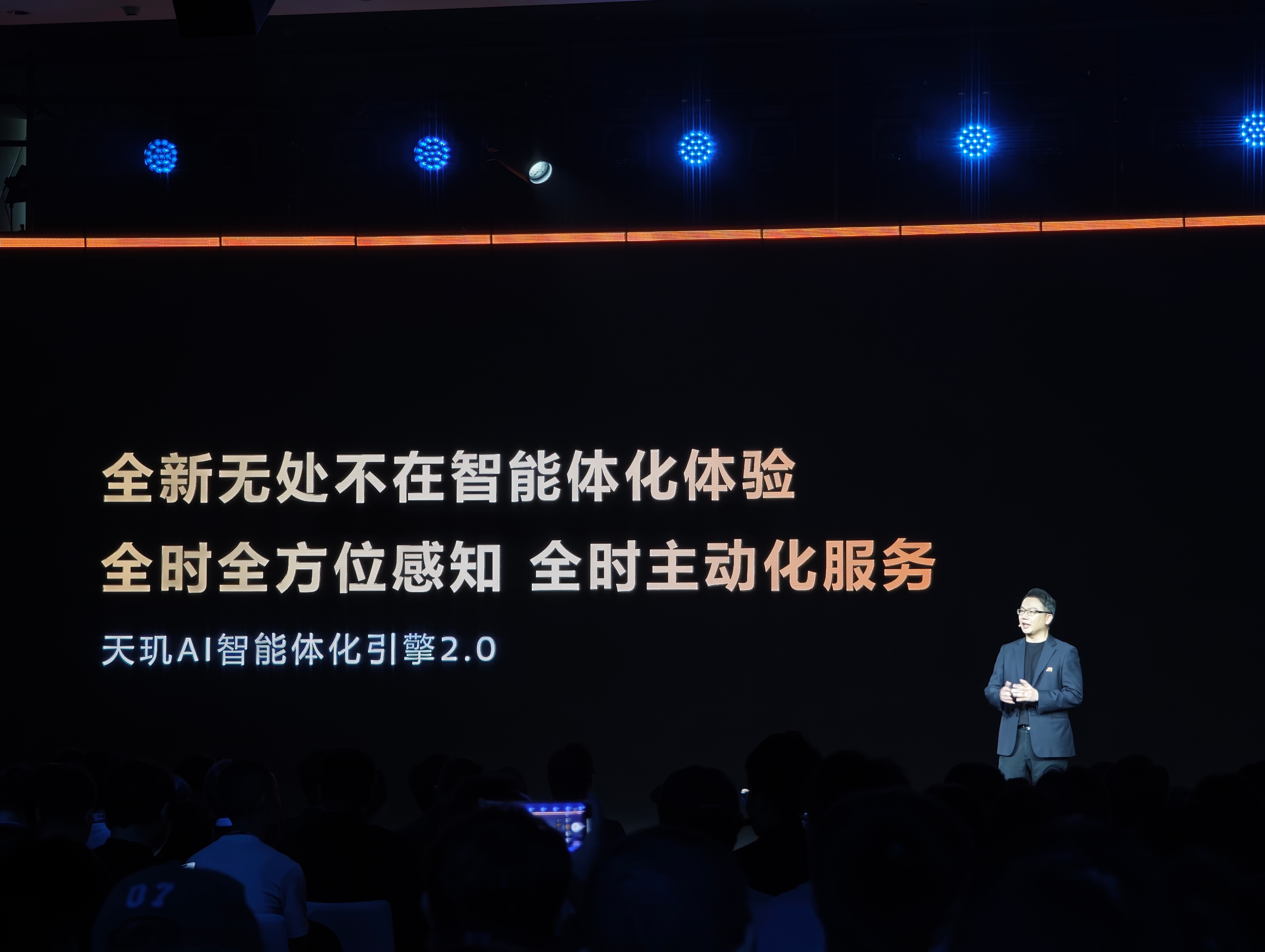
Image Source: Leiguan Technology
For example, Task A might be best suited for the NPU, Task B for the CPU, and lightweight tasks for the resident eNPU, all requiring real-time decisions by the phone system. Furthermore, questions like which data to store in memory and which to store in storage are no longer purely chip parameter issues but involve changes and optimizations to the entire platform architecture.
Additionally, memory-related challenges are escalating in severity, as the cost of memory rises, while the demand for memory from on-device AI keeps surging. Consequently, the most pressing breakthrough required at present is to mitigate the impact of bandwidth and memory capacity on the AI user experience.
Following several years of enhancements, computational power has reached a relatively adequate level. However, new challenges emerge when it comes to running models efficiently on smartphones. Memory utilization, bandwidth efficiency, and sustained power consumption have become critical factors. The Low Bit Compression Toolkit, memory compression, and dynamic weight scheduling technologies unveiled by MediaTek this time are designed to enable on-device AI to operate more stably within constrained resources.
Lei believes that this also sheds light on why MediaTek consistently underscores the significance of development tools. The competition for AI-enabled smartphones cannot be won by chip manufacturers simply by piling on hardware. If developers are unable to deploy models efficiently and manufacturers fail to manage power consumption, memory usage, and ensure a consistent user experience, the so-called AI agent phones will remain nothing more than conference demo prototypes.
From this vantage point, the advent of agent frameworks such as OpenClaw and Harness has, in fact, expedited MediaTek's technological implementation.
Image source: OpenClaw
MediaTek stated that Harness facilitates the earlier realization of agent experiences by decoupling certain engineering capabilities from the large model "brain." This allows smartphones to deliver implementable agent experiences without the need to wait for all "brain" functions to be fully localized on the device.
More significantly, Harness does not rely solely on the NPU; it also necessitates CPU and system scheduling capabilities. Processes such as personal memory summarization, scenario assessment, and memory bank construction impose higher demands on CPU efficiency and system-wide collaboration.
In Leiguanxia's opinion, the competition among future flagship smartphones will increasingly revolve around AI ecosystem capabilities.
From the Dimensity AI Agent Engine 2.0 to SensingClaw, and further to the Dimensity AI development kit, gaming ecosystem, and cross-device toolchain, MediaTek is striving to transform these technological advancements into an ecological foundation. Whether this foundation can genuinely underpin the next generation of AI smartphone experiences will hinge on whether, over the next year, smartphone manufacturers, developers, and the application ecosystem can convert these capabilities into daily usable features for end-users.
-
![]()
Holding Similar AI “Passes,” Alibaba and Tencent Have Transformed Beyond Recognition
-
Final Ruling: Domestic Auto Market Suffers Broad Decline in First Four Months of the Year
-
![]()
Two Months of Free Codex Access! AI Programming Tool Price War Ignites, Sam Altman Steps In to Lure Users
-
![]()
Has AI Become a 'Fawning Follower'? Three Major Models Put to the Test: They'll Even Admit 7+8=13 to Please You
-
For AI's Sake, Jiang Fan Steps Back from Wang Xing
-
Avnet and Hong Kong Science and Technology Parks Corporation Launch New AI Hardware Launchpad Program, Inviting Global Startups to Participate
-
![]()
Revisiting Investment Opportunities in the Commercial Space Industry
-
![]()
Doubao Payment Arrives! Amazon, Alibaba, and ByteDance All Reveal Their Strategies Overnight—Is AI the Future of E-Commerce?