DJI Pocket 4P Review Debut: Photos on Par with Cameras, Video Reaches New Heights
 06/16 2026
 569
569
A month ago, DJI unveiled the successor to the Pocket 3, the Pocket 4, which has garnered quite a positive reputation and impressive sales, still being out of stock on many e-commerce platforms.
However, at the end of the Pocket 4 launch event, DJI also revealed a major surprise: a Pocket 4 with two cameras.
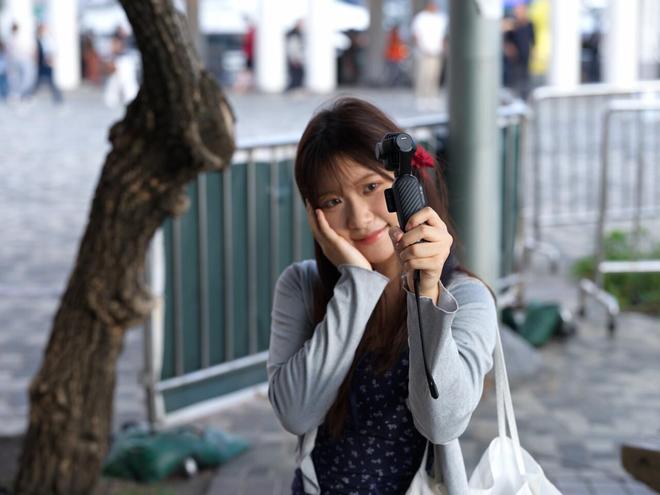
(Image source: Leikeji)
Today, DJI officially launched this product, naming it the DJI Osmo Pocket 4P. Leikeji has obtained this product in advance and tested it for several days. Next, Xiaolei will provide a detailed experience (hereinafter referred to as Pocket 4P).
Pricing:
The Osmo Pocket 4P standard kit is priced at 3799 yuan and includes the Osmo Pocket 4P main camera, fill light, 1/4’’ threaded handle, portable storage bag, USB-C to USB-C PD fast charging cable (USB 3.1), and other accessories.
The Osmo Pocket 4P Vlog kit is priced at 4299 yuan and includes the Osmo Pocket 4P main camera, DJI Mic Mini 2 transmitter, fill light, viewfinder remote control, mini tripod, 1/4’’ threaded handle, storage bag, portable storage bag, USB-C to USB-C PD fast charging cable (USB 3.1), and other accessories.
Compared to the Pocket 4, the most significant difference in the Pocket 4P is the large camera module on top, which is not just a simple physical stacking of two cameras.
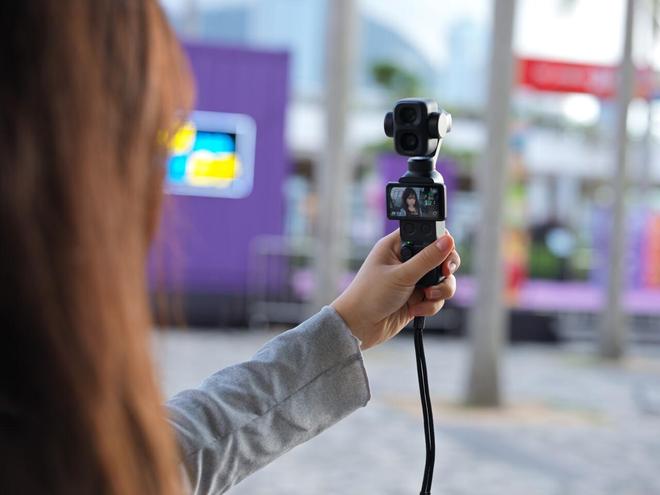
(Image source: Leikeji)
This new telephoto lens features a special focal length: 60mm. Why 60mm? Because it is a very classic focal length for 'portraits and close-ups.' When switching to this lens, the perspective of the image immediately returns to the normal human visual habit, without the exaggerated stretching of a wide-angle lens. It can also utilize the natural depth-of-field advantage of a telephoto lens and a large physical aperture to 'strip' the subject out of a cluttered environment.
Secondly, you might think it just provides an additional focal length option. In fact, the introduction of two physical lenses in a gimbal camera brings more than just a change in focal length. Due to the natural physical distance between the wide-angle and telephoto lenses, 'parallax' can be generated.
The chip inside the camera body can directly calculate the real depth information of objects in space by simultaneously analyzing the images captured by the two lenses, rather than relying on AI algorithms to guess blindly. With this hardware-level depth information acquisition capability, the gimbal camera can render an extremely natural shallow depth-of-field effect in real-time within the camera, even comparable to that of a DSLR with a large aperture lens.
However, the increase in weight has resulted in a relative decline in the feel of the Pocket 4P. For someone with large hands like me, an extension handle is necessary to achieve a comfortable grip. If you find the grip still not satisfactory, it is recommended to use a longer external battery handle.
Moreover, the heat dissipation fin area behind the Pocket 4P lens has also increased significantly, indicating that the heat generated by these two lenses is unparalleled compared to previous Pocket models. However, the actual heat dissipation performance remains to be seen.
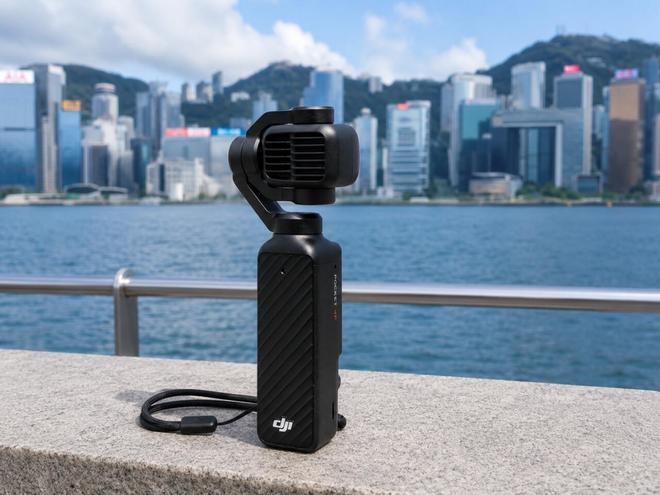
(Image source: Leikeji)
Oh, by the way, the magnetic attachment point on the Pocket 4 has been retained, allowing the use of an officially provided fill light for facial illumination. However, the only thing I care about is when other accessories will be available. Just having a fill light seems like a waste of this magnetic attachment point.
In other aspects, it is largely similar to the Pocket 4, so we'll just briefly mention them: 360° universal joystick, two new physical buttons (one for zoom switching and one for customization), a dust-proof and water-resistant slot cover, and a fully upgraded microphone sound reception hole.
Alright, let's stop here with what we can see with the naked eye and move on to the most anticipated part: the imaging experience.
I believe that the vast majority of users use Pocket products as handheld cameras for recording Vlogs, and few users utilize their photo-taking capabilities. On one hand, this is not really a selling point of the DJI Pocket series. On the other hand, the previous Pocket models did not have high shooting pixels, making them not significantly different from smartphones.
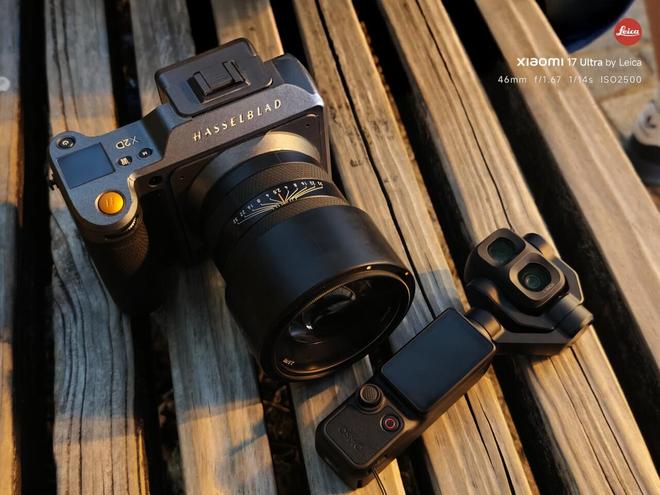
(Image source: Leikeji)
The Pocket 4P, however, may completely shatter your preconceptions. As the first Pocket model with a 'P' suffix and the first to feature an independent 3x telephoto lens, I specifically brought along the Xiaomi 17 Ultra Leica Edition, which is currently one of the pinnacles of smartphone imaging, as well as the Hasselblad X2D+90V 2.5, a medium-format camera worth over a hundred thousand yuan, to see if the Pocket 4P can surprise us in terms of still image performance.
Let's give a straightforward conclusion first: it exceeds expectations, even to the point of 'overstepping boundaries.' This is definitely not me exaggerating just because I got my hands on a DJI product in advance.
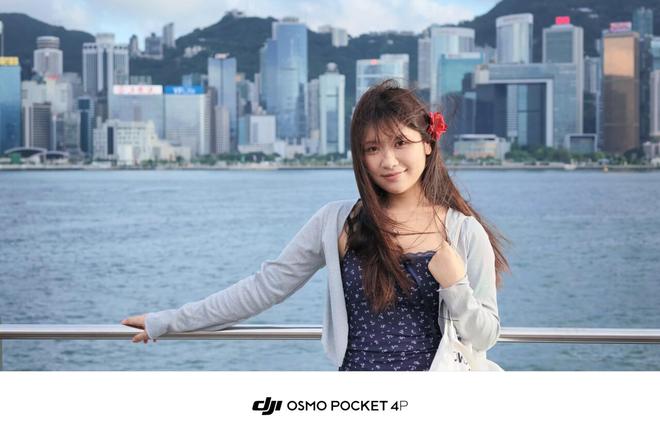
(Image source: Leikeji)
Let's set aside boring resolution discussions and start with what everyone cares about the most: 'authenticity' and 'optical texture.' Look closely at the transition edges between the subject's hair and the background in the following set of sample images: you can hardly tell which one was taken by Hasselblad and which one by the DJI Pocket 4P.
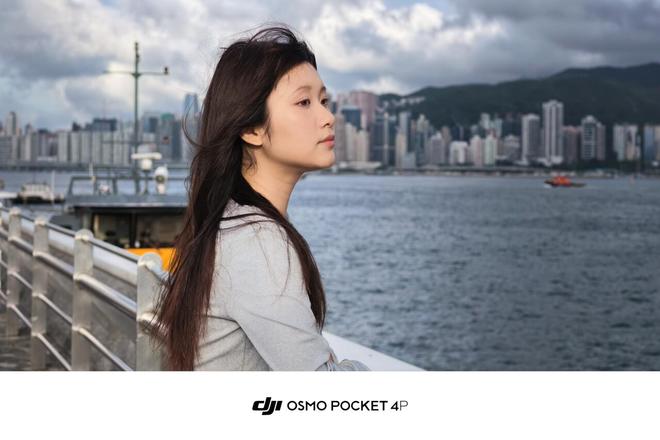
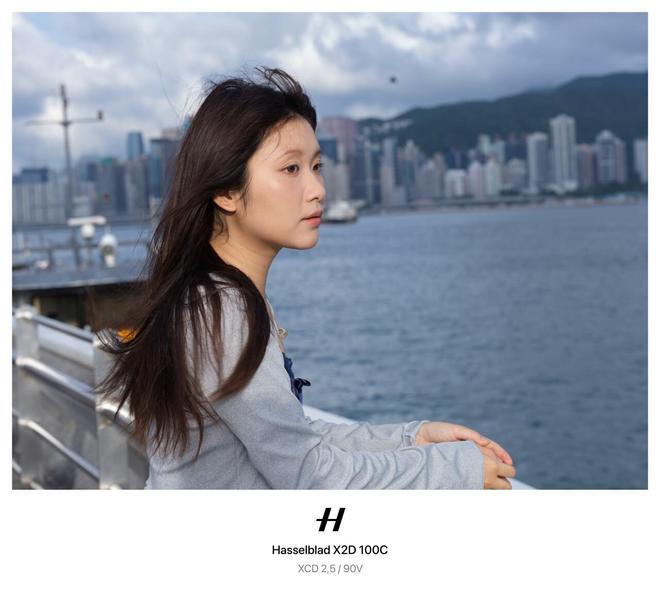
(Image source: Leikeji)
So, why? Why is the ability to accurately capture hair strands and create background bokeh, which has stumped smartphone manufacturers for years, seemingly just basic skills for DJI?
It's simple: the DJI Pocket 4P is equipped with a more comprehensive and extreme optical link system. It doesn't need to compromise on volume for the motherboard, heat dissipation, etc., like smartphones do. Its lens, sensor, and gimbal can exist as an independent imaging unit, leaving more space for the optical path, lens group, shading, coating, thermal stability, and mechanical stability.
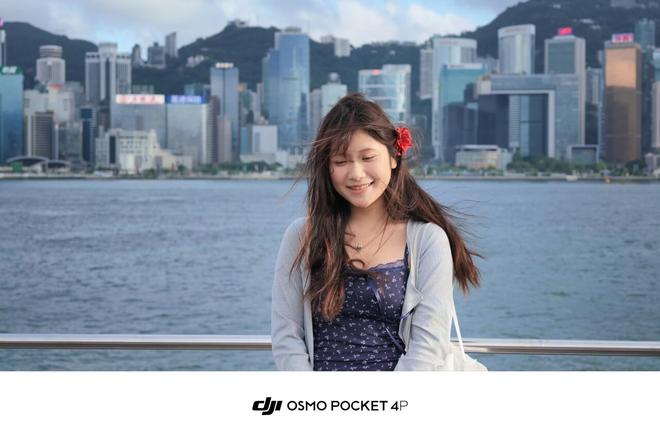
(Image source: Leikeji)
Ultimately, this is reflected in the images with two words: 'authenticity.'
In terms of absolute image quality, the larger sensor size of medium-format cameras still dominates, leaving an overall gap in comparison. However, if I had not brought a Hasselblad but instead a micro four-thirds camera priced at around ten thousand yuan, I doubt anyone would be able to tell which images were taken by DJI and which by a camera when posted on social media.
So, what if we add smartphones to the mix?
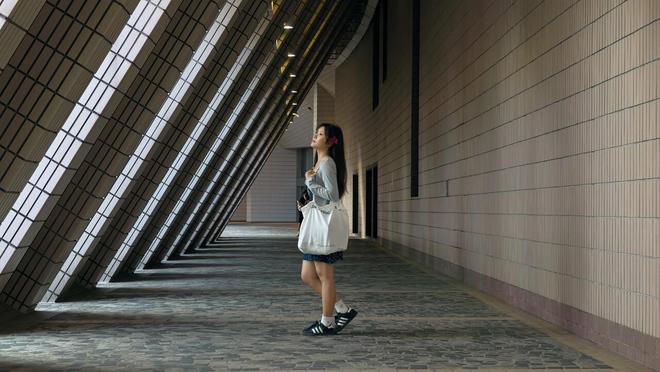


(From top to bottom: DJI, Hasselblad, and Xiaomi)
In terms of color and visual appeal, all three devices perform admirably. DJI focuses on atmosphere, Hasselblad on accuracy, and Xiaomi strives for a balance between the two.
However, when it comes to details, Xiaomi might be the first to fall short. The reason is simple: its images have the most noticeable noise and smudging, not to mention the slightly blurred facial features, making them less suitable for secondary cropping or viewing on large screens.
(Image source: Leikeji)
Of course, DJI is not without its flaws. Compared to Hasselblad, its processing of facial features is slightly excessive, giving a slightly greasy feel when zoomed in. After all, it's currently unlikely to outperform a medium-format flagship with just a one-inch sensor and algorithms.
(Image source: Leikeji)
In this set of sample image comparisons, the differences among the three are more pronounced.
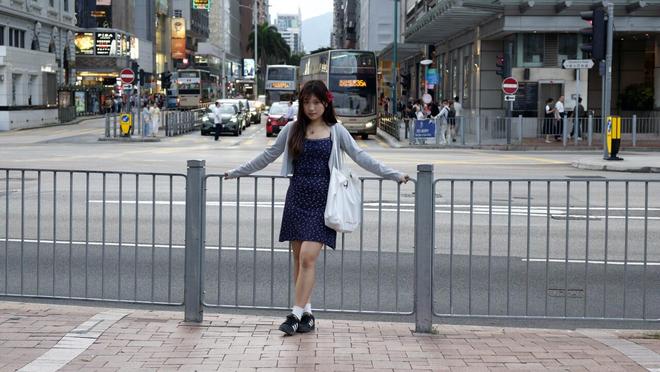
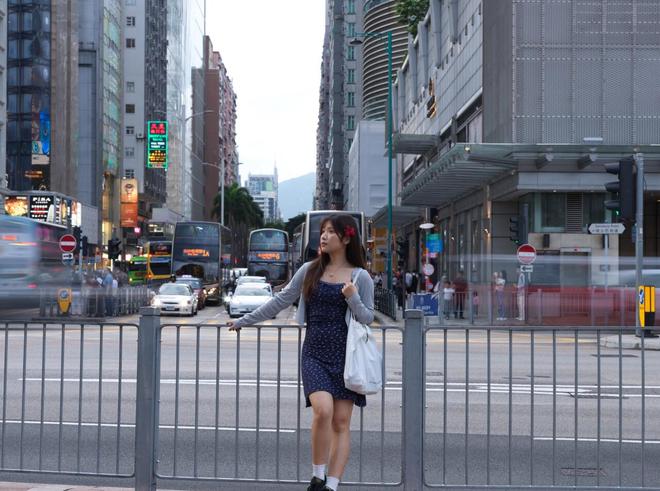
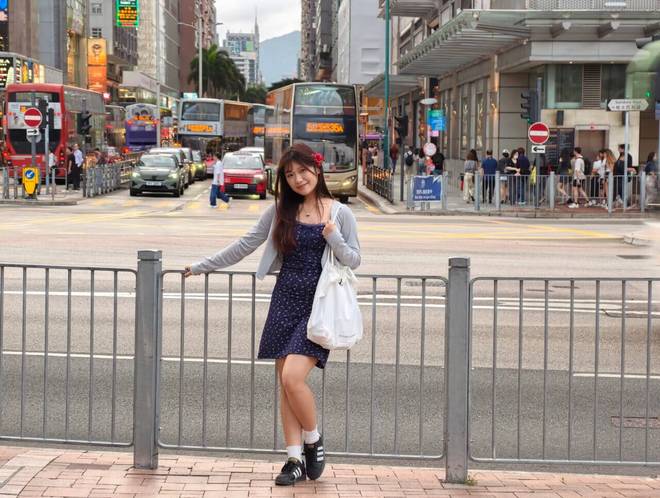
(From top to bottom: DJI, Hasselblad, and Xiaomi)
Clearly, Xiaomi's bokeh effect is the weakest and least authentic among the three. It struggles to 'extract' the subject from a complex background, and perhaps influenced by the Leica color tone, the overall white balance leans slightly towards yellow.
DJI's background bokeh, on the other hand, is relatively more natural, but not mindless. It retains most of the colors and object outlines in the background, at least letting people know 'where it was taken.' Moreover, in DJI's forte—skin tones—the facial features are sufficiently clear, natural, and healthy, not achieved through beauty algorithms resulting in 'mindless whitening.'
By the way, all the DJI sample images above were taken directly with the 3x telephoto lens, so users concerned about the image quality of the telephoto lens can rest assured.
Of course, the evolution of RAW format is also one of the reasons I'm willing to use the Pocket 4 for still photography. Many Pocket users may not even know that it can shoot high-quality RAW photos.
Here's a quick explanation: RAW format photos retain as much of the 'raw data' recorded by the camera sensor as possible, leaving the most room for post-processing. Although the Pocket series has always focused on low-barrier operation, the more professional Pocket 4P should still have some RAW capabilities.
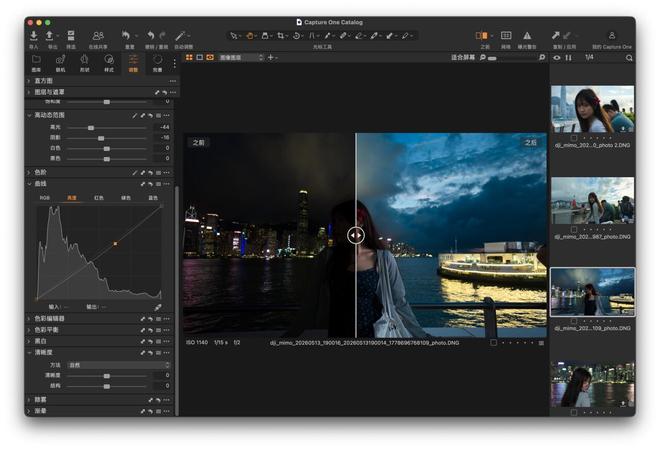

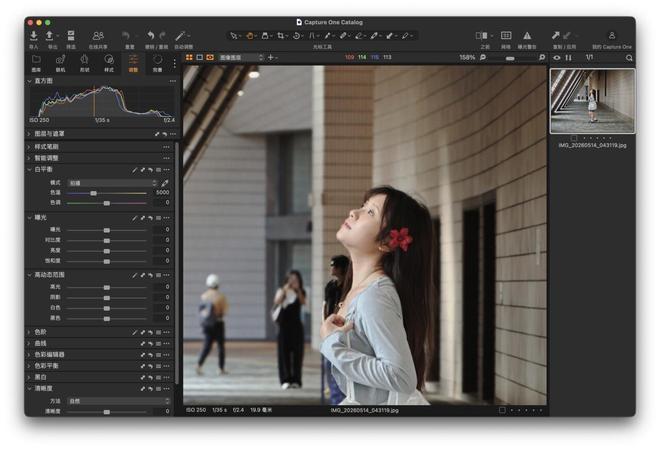
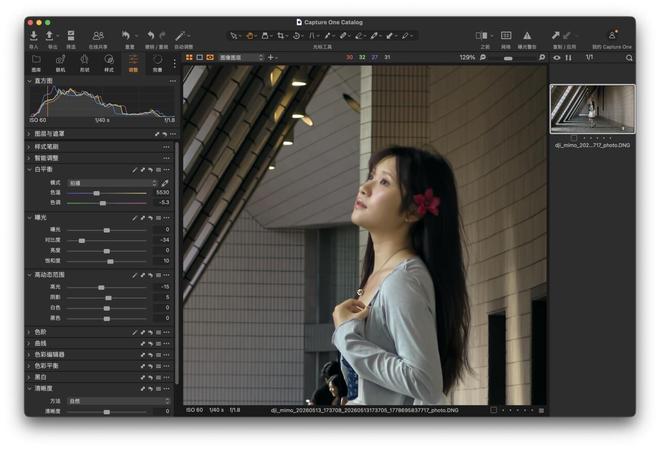
(Image source: Leikeji)
Importing the RAW files into Capture One, you can see that even if you mess up the exposure or ISO in the preliminary stage (pre-shooting phase), you can still salvage the image through post-processing adjustments. Especially with the backlit telephoto shots mentioned earlier, even if you operate incorrectly but really like the expression in the photo, the Pocket 4P gives you a chance to save it.
In summary, in the realm of still imaging, the Pocket 4P has shed the stereotype of previous Pocket models being 'only good for video, with photography as an afterthought' with its pure optical foundation, authentic physical bokeh, and extremely solid RAW post-processing space.
Although it cannot truly shake the status of medium-format behemoths like Hasselblad and professional full-frame cameras in terms of absolute image quality, for a pocketable gimbal camera that can fit in your pants pocket at any time, the Pocket 4P's current still image performance is more than capable of meeting daily photography creation needs and certainly lives up to the extra 'P' in its name.
Now that we've covered still photos, let's return to the DJI Pocket 4P's main battleground: video.
As the camera manufacturer that understands short video shooting the best on the market, the reason the previous Pocket 4 went viral was that it reshaped the average person's shooting workflow in the simplest and most direct way. With the addition of dual cameras, the Pocket 4P takes this experience to the extreme.
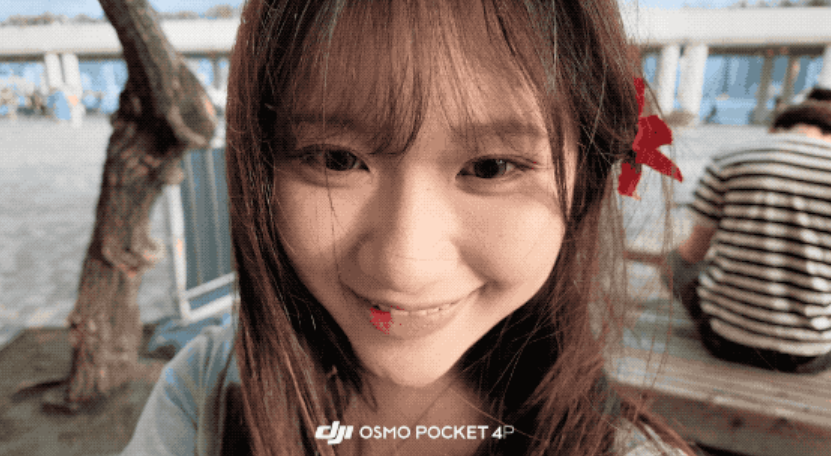
(To be replaced with video later)
On the Pocket 4, DJI introduced Intelligent Follow 7.0 technology and the Main Character Follow feature, while the Pocket 4P, equipped with two high-quality lenses, further leverages its advantages.
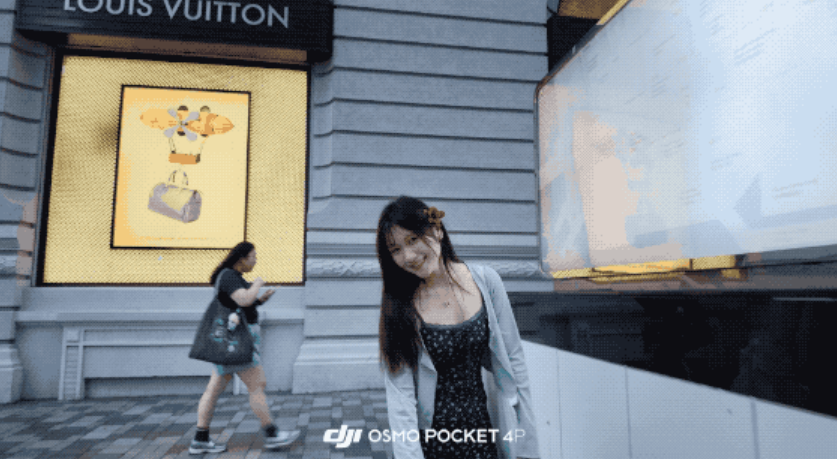
When the model cannot find a suitable background to shoot in a crowd, we only need to register the main character's facial information in advance and switch to the telephoto lens. No matter what actions the model takes at this moment, the Pocket 4P can firmly lock onto the main character's face.
(To be replaced with video later)
Moreover, thanks to the physical compression effect and large aperture bokeh of the telephoto lens, the chaotic crowd in the background is instantly stripped away, making the main subject of the scene stand out vividly.
You no longer need to worry about composition and camera movement because the Pocket 4P is like a top-tier photographer who never gets tired.
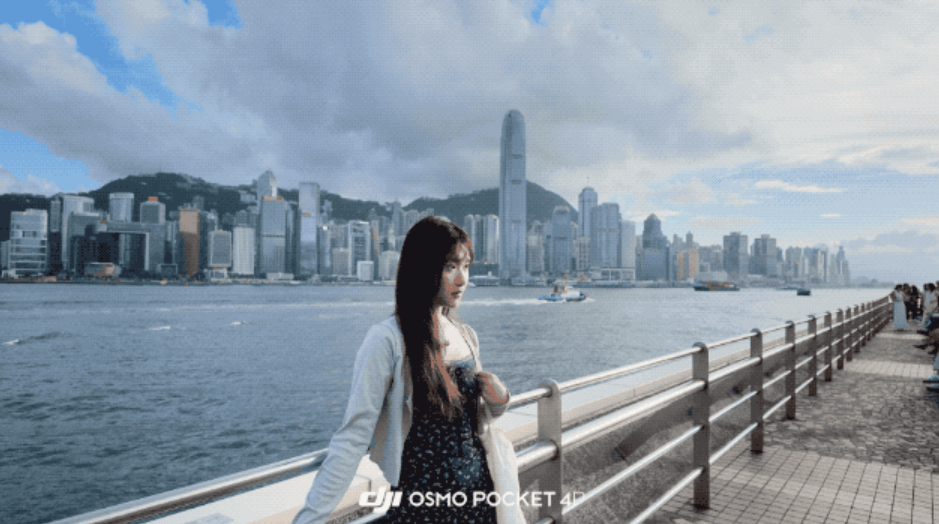
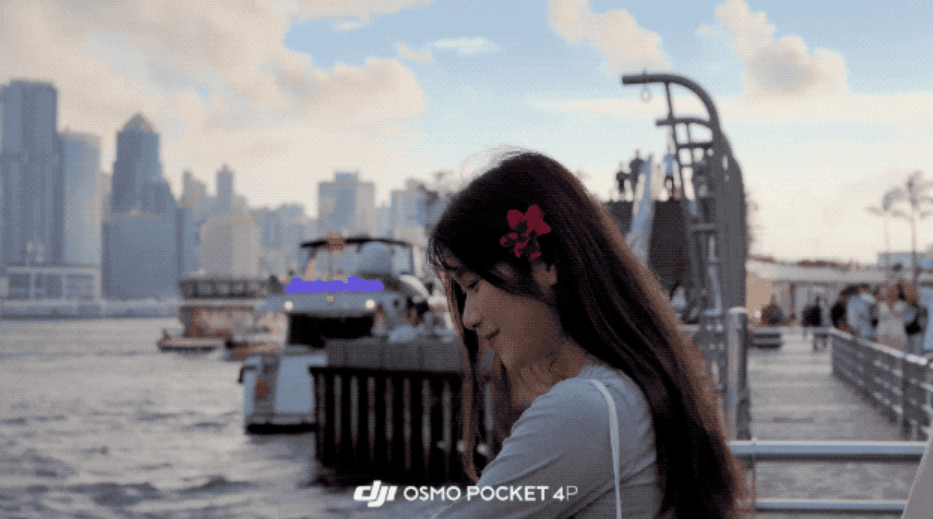
Next is the visual experience. For many mobile imaging devices, a light source suddenly entering the frame from outside can directly affect the overall exposure of the scene, or in simpler terms, cause "brightness fluctuations."
The Pocket 4P completely withstands this test. From the moment the side light source enters the frame to its full integration, the overall brightness of the video remains almost unchanged, and the light source and shadows on the subject's face are also unaffected. Don't underestimate this detail; for video creators, this advantage cannot be simply achieved by "throwing money and time" at the problem.
(To be replaced with video later)
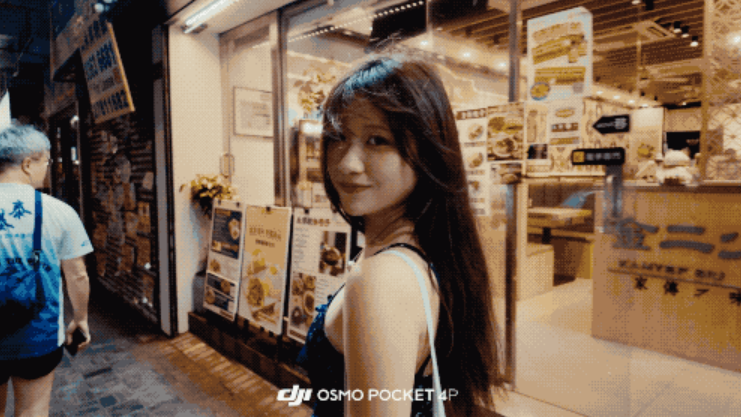
Night scenes are absolutely the most surprising aspect this time. Although the previous Pocket 3 and Pocket 4 performed well in this area, the Pocket 4P takes it to the next level.
(To be replaced with video later)
The Pocket 4P's performance in night scenes continues the advantage of consistent brightness mentioned earlier. Regardless of whether the street lights are bright or dim, yellow or white, the overall brightness and tone of the scene remain unchanged to the naked eye. Coupled with a sufficiently clean and pure background, the texture (texture/quality) immediately stands out.
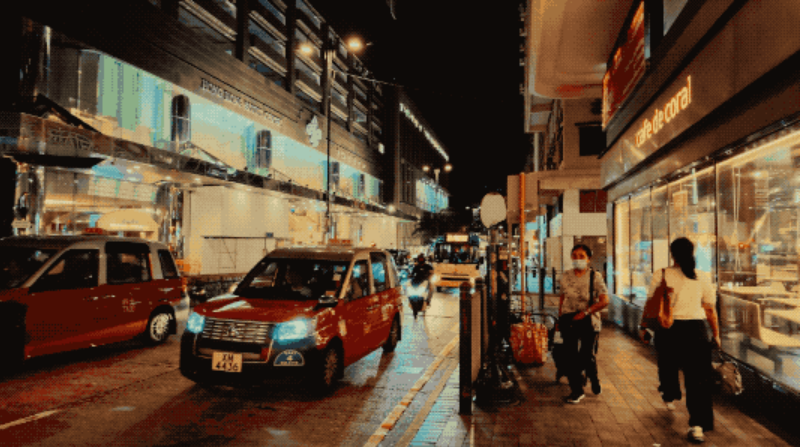
(To be replaced with video later)
Simply picking up the Pocket 4P to record a video, paired with the warm filter built into the device, allows you to capture a short film with a great visual experience that holds up under scrutiny. If you have the energy to do some editing later, this high-quality footage recorded on the fly will be indispensable.
When facing more complex neon lights, the Pocket 4P first suppresses some of the scene's brightness to highlight the objects the user wants to capture. Combined with its already powerful multi-array microphone recording, it's perfect for recording concerts, fireworks shows, or light shows.
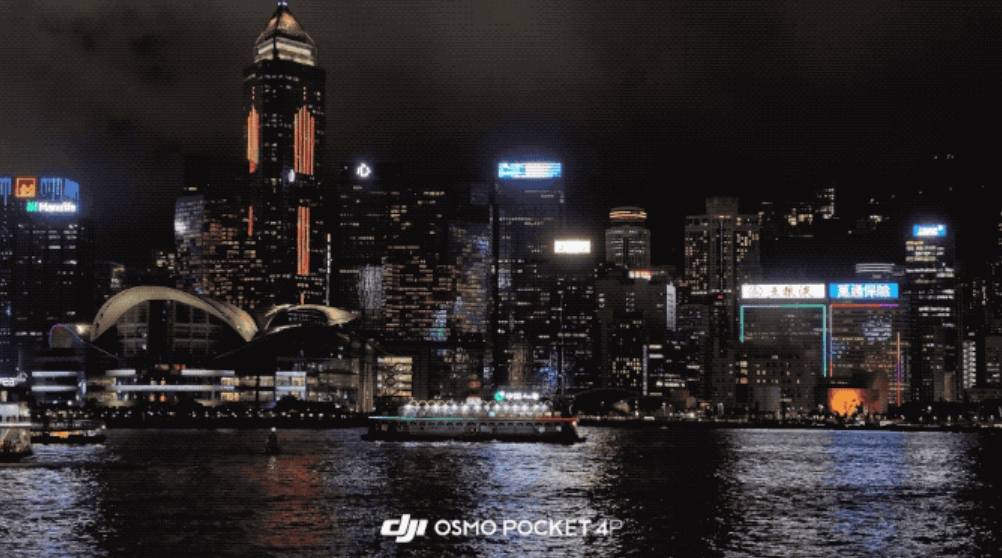
(To be replaced with video later)
I almost forgot—the 3x telephoto lens on the Pocket 4P also supports a 17-stop dynamic range Dlog2 curve. Its value is somewhat similar to RAW photos, as both provide users with greater post-production flexibility. Later, you can decide the contrast, color, sharpness, and skin tones yourself. This is especially important for users who need to shoot commercial videos, review samples, or brand short films.
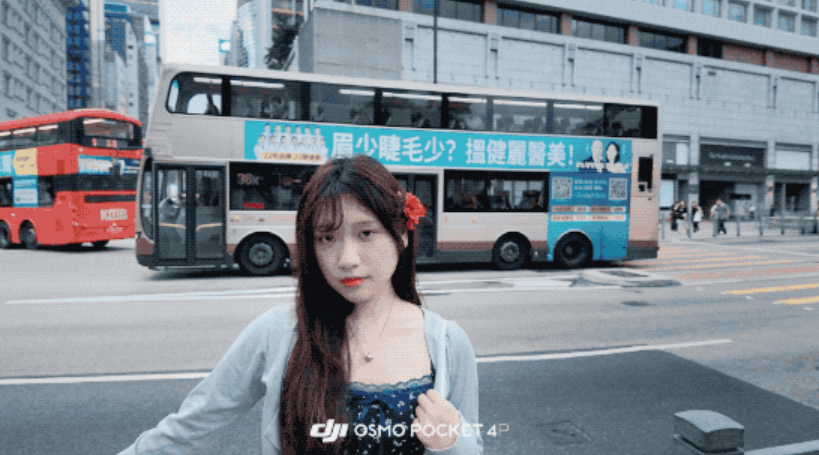
(To be replaced with video later)
Moreover, DJI has thoughtfully provided various style LUT files, allowing users to perform initial color grading and restoration with just one click in the app during post-production.
What is a truly professional imaging device suitable for mass users? This is it.
Finally, following Leitech's review tradition, here's a brief summary of the pros and cons of the DJI Pocket 4P:
Pros:
1. The presence of an independent telephoto lens provides more diverse compositional ideas;
2. The imaging quality of both lenses far exceeds expectations;
3. Its static photo capabilities are extremely powerful, already comparable to some flagship imaging smartphones and APS-C cameras;
4. Significant improvements in night scenes, with strong brightness consistency.
Cons:
1. The device tends to heat up relatively easily, so pay more attention to heat dissipation during outdoor use;
2. The grip feel may not be ideal for users with larger hands.
Is the DJI Osmo Pocket 4P a perfect device? Absolutely not. It's heavier than before, its center of gravity design is somewhat unreasonable to accommodate the lenses, its battery life faces severe challenges, and even its price will deter some entry-level users.
However, from the perspective of absolute imaging capability, it is a monster that deserves a place in the history of mobile imaging.
If you only occasionally record life or shoot TikTok videos without strict pursuit of image quality, then your smartphone or the Pocket 3/Pocket 4 will suffice.
But if you are a creator with an extreme obsession for image quality, if you're fed up with the erratic exposure and weird skin tones in smartphone videos, and if you need an ultimate tool that can truly serve as your main creative device, offers cinematic dynamic range, and fits in your coat pocket.
Then don't hesitate—go buy the DJI Osmo Pocket 4P. It's not only the strongest pocket gimbal camera on the market but also the "ceiling" of the current mobile imaging era.
-
![]()
Visual China's Hong Kong IPO: 700 Million Content Assets Brace for AI Era, Sheds 145 Key Accounts in Two Years
-
![]()
What Has Huawei's Pangu Large Model Done in the Autonomous Driving Field?
-
![]()
Challenges in Xpeng GX Delivery Shed Light on Five Common Hurdles for New EV Manufacturers
-
![]()
Buick’s Gemini Models Show Stark Performance Divide: E7 Soars with 7,000 Monthly Sales, While L7 Struggles with Fewer Than 500, Reduced to a Secondary Position
-
![]()
DJI Pocket 4P Review Debut: Photos on Par with Cameras, Video Reaches New Heights
-
![]()
Profits Slashed and Now Embroiled in DJI's 'Patent Battle', Liu Jingkang, with 28.5 Billion Yuan Fortune, Faces 'New Challenges'
-
![]()
AI Reconstructs the Core Logic of Investment: A Fundamental Shift in Asset Allocation Models
-
![]()
From a South African Teen to a Trillion-Dollar Tycoon: Musk's Dream-Building Business Empire | [Business Figures File]