Challenges in Xpeng GX Delivery Shed Light on Five Common Hurdles for New EV Manufacturers
 06/16 2026
 420
420
Why Do Popular EV Models Encounter Delivery Delays?
Behind this seemingly inevitable issue lies not merely occasional supply chain disruptions but a deeper structural imbalance and unforeseen repercussions from outdated production systems struggling to meet evolving consumer demands.
Editor | Li Jiaqi
Image Source | Internet
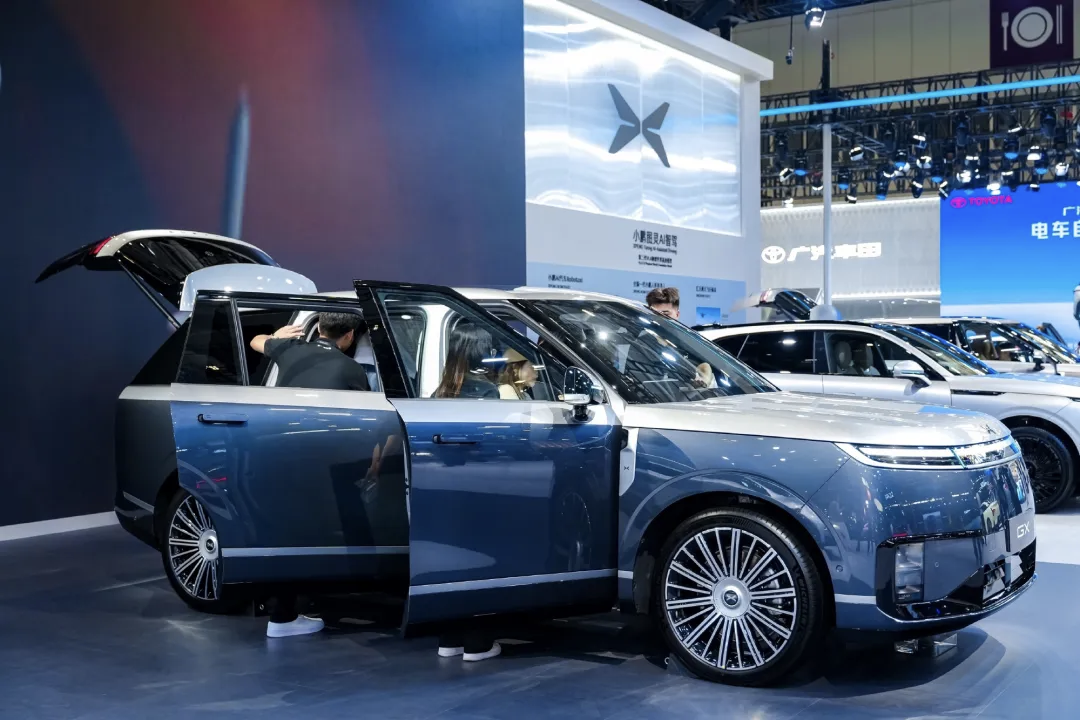
In just four days, the Xpeng GX will have been available on the market for a full month. According to third-party industry research data, firm orders for this new model have approached 60,000 units. The Xpeng GX is poised to surpass the previous record of 45,000 firm orders set by the Mona 03 in its launch month, cementing its position among the brand's top sellers.
Interestingly, orders for the top-tier all-electric Ultra version once exceeded 80%, making it the most affected area for delivery delays, with wait times sometimes extending beyond 30 months. This has led many GX users to speculate whether the delayed deliveries are a marketing strategy by Xpeng to mitigate losses after setting unprofitable prices, thereby encouraging customers to cancel orders. In reality, Xpeng Motors has established a high-level task force led by He Xiaopeng and Wang Fengying to ensure the supply of the new product. Previously, He Xiaopeng admitted to the media that Xpeng Motors would face its greatest production capacity challenge in history.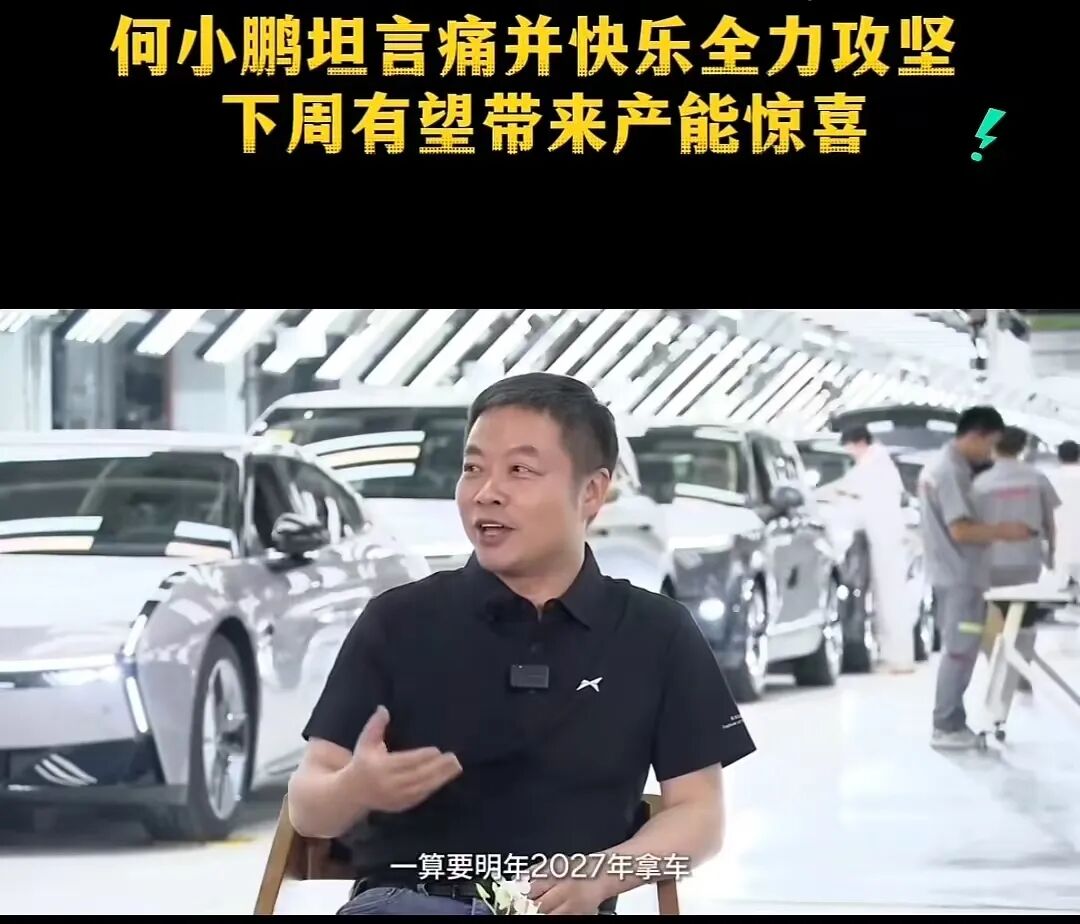
From the 2022 chip shortage to the present, delayed deliveries by automakers have evolved from occasional isolated incidents to a widespread industry norm. However, through the extreme case of the Xpeng GX, we can observe that delivery delays are no longer just periodic or contingent supply chain issues but rather the inevitable result of the industry's traditional static forecasting methods failing to keep pace with dynamic demands. At least five underlying common industry issues are worth noting in this entire situation:
1. The "light inventory, build-to-order" model has left automakers with no order buffer:
Build-to-order, as the term suggests, means that production, procurement, and scheduling are all determined based on customer orders. Currently, except for traditional automakers, nearly all new energy brands operating through fully direct or quasi-direct sales models adopt a 100% build-to-order approach, with over 95% of production based on orders. However, as of the first quarter of this year, the average inventory turnover days for parts among all listed passenger vehicle companies stood at 57.2 days, a year-on-year decrease of 4.6 days. Interestingly, traditional automakers maintain an average of over 60 days, whereas most new energy companies, including Xpeng Motors, have parts inventories of less than 40 days, with Seres having the industry's lowest at just 10 days.
Generally, 65 days is considered the industry-standard safe inventory cycle, during which companies typically set two safety lines to ensure supply and production: one is based on 20% of procurement orders as safety stock; the other is based on in-stock vehicles at dealerships to hedge against insufficient factory capacity. However, as of now, the inventory coefficient for domestic new energy companies is only 0.2, far below the industry's healthy warning line of 1.5. This means that automakers' ultimate pursuit of build-to-order and light inventory essentially involves voluntarily eliminating the two layers of safety stock protection for parts and finished vehicles, achieved indirectly by removing the industry's traditional fault-tolerant buffer mechanism. The corresponding cost is the complete loss of flexibility for supply and demand adjustment across the entire supply chain.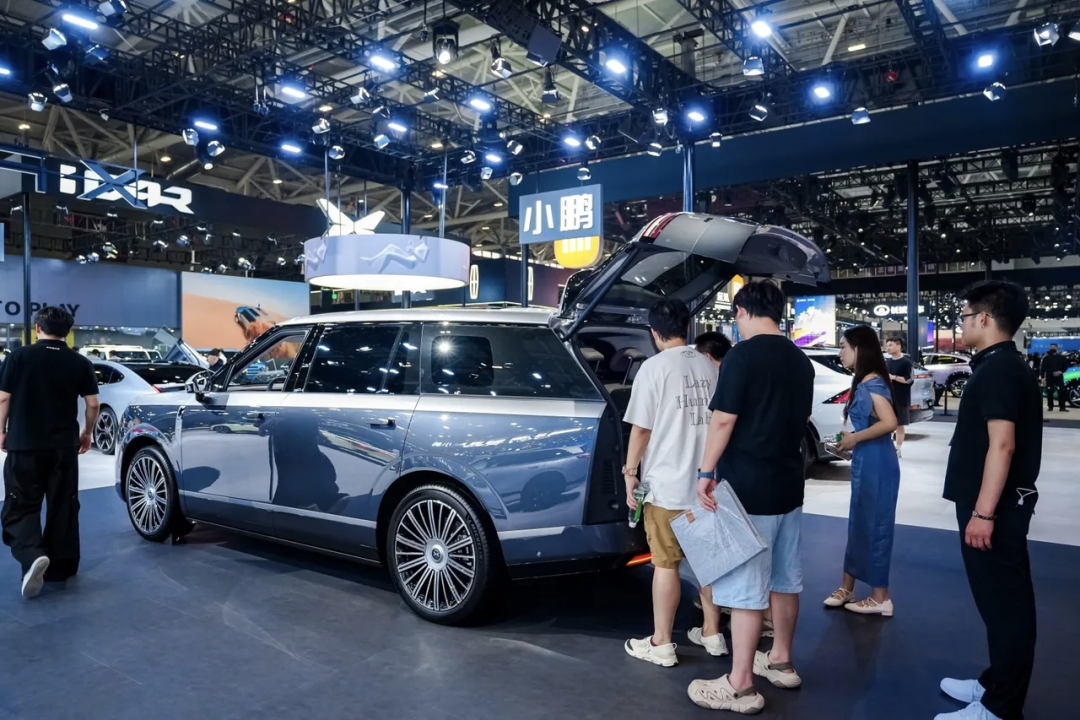
In fact, after three consecutive years of price wars, all automakers are now strictly controlling parts inventories and reducing capital occupancy, no longer blindly stockpiling components as in the past. They are basically locking in supply chain capacity based on conservative estimates (70% low-tier and 30% top-tier configurations). However, under this extreme inventory model, any misjudgment of the market will immediately result in structural shortages. The prolonged wait times for top-tier versions of the Xiaomi SU7 and Zeekr 9X are essentially flaws in the same system. From another perspective, this also rules out the possibility that Xpeng is deliberately misleading users; rather, it is a common issue for popular new models under the current minimalist model.
2. Price wars have forced suppliers into a systemic dilemma of "being afraid to expand production":
Over the past few years, the parts industry, under the banner of intelligent and electric vehicle technologies, has pursued industrial upgrading. There were hopes of breaking through with self-developed chassis and intelligent driving hardware, using cutting-edge technology to create value gaps and help the domestic supply chain escape low-end contract manufacturing. However, after several rounds of price wars, automakers have consistently pressured parts suppliers for lower prices and extended payment terms, compressing upstream profits to critical levels. Even when seeing a surge in orders for downstream models, suppliers are hesitant to expand production lines or purchase additional equipment to increase capacity, fearing that further price cuts by automakers or a drop in orders after investment would prevent cost recovery.
Here's a set of data: In the first quarter of this year, margins for small and medium-sized chassis, air suspension, and intelligent driving components further declined to 13%-14%, compared to a peak of 22% before the new energy boom. The profits of parts companies have been halved. Here, we can make a bold prediction: Before the underlying contradictions of the price wars are fully resolved, all new models featuring high-end configurations will struggle to avoid supply disruptions and significant delivery delays for their top-tier versions.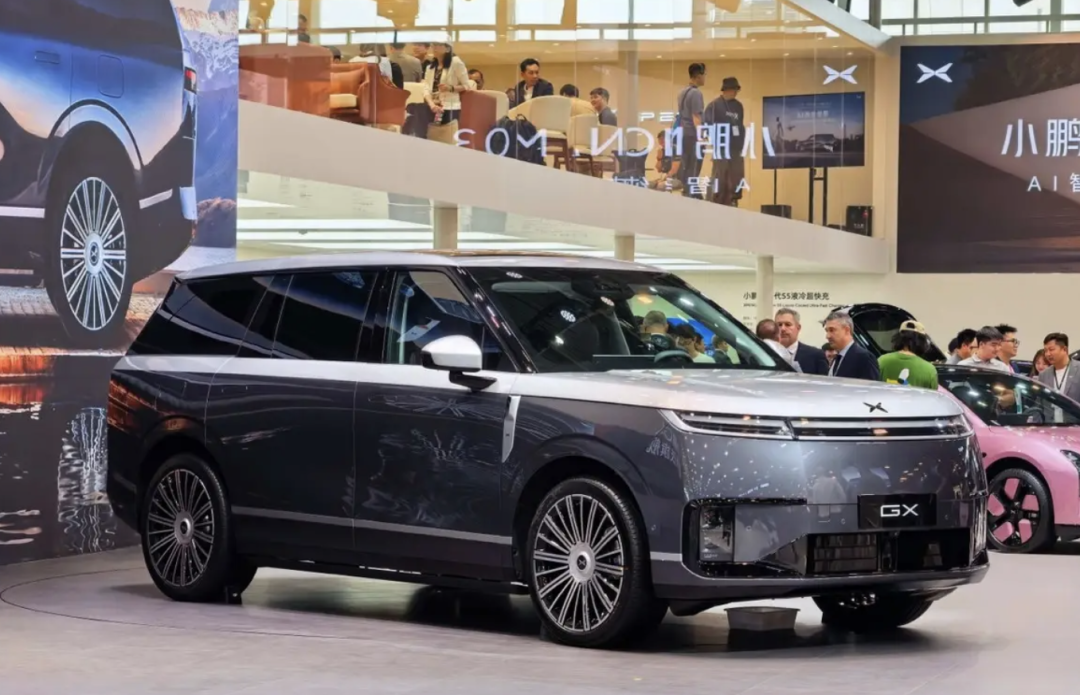
Take Baolong Technology, the air suspension supplier for Xpeng and NIO, as an example. Building a complete production line for dual-chamber air suspension costs over 400 million yuan and takes 45 months to construct, with a payback period extended to six years for the company. For the GX, orders for high-tier models surged, reaching 4-5 times the matching production capacity. Even with Baolong's existing production lines running at full capacity, the gap cannot be filled. In contrast, the low-tier models use standard single-chamber shock absorbers, which have stable profits and small reserved capacity from suppliers. This is one of the core reasons why the GX's low-tier models have shorter delivery times while the high-tier models face longer delays.
3. The new trend of "going all-in" on automotive consumption is disrupting capacity allocation across the industry:
It's widely known that the reason for the supply disruption in this case with Xpeng, besides the long wait times and order structure mismatch, is that it completely breaks historical patterns.
Notably, Xpeng had scheduled production based on the historical trend of top-tier configurations accounting for 15% of total orders and an electric-to-hybrid ratio of approximately 45:55 across all models. However, after launch, despite continuous efforts to guide customers toward other configurations, top-tier orders remained stable at 70%, with low-tier orders accounting for less than 5%. The gap between forecasts and actual demand was enormous, and combined with a lack of spare capacity upstream, supply disruptions occurred in the delivery process.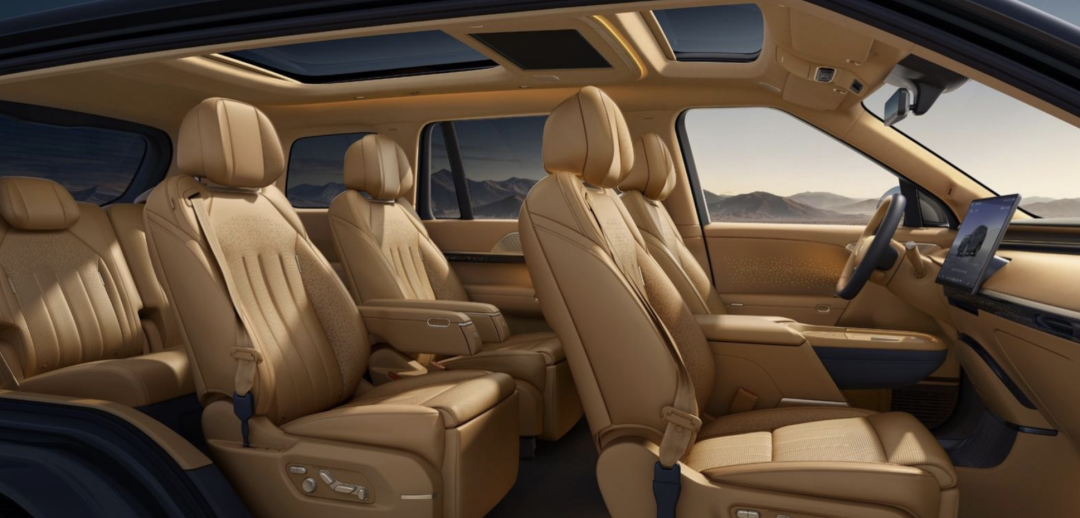
This also indicates from the side that the traditional model of relying on historical data to forecast demand is now beginning to fail for automakers. Users are no longer pursuing the cost-effectiveness of entry-level models; instead, they are willing to pay more for cutting-edge configurations such as intelligent driving, advanced chassis, and long-range capabilities. This trend is overturning the production and sales model that automakers have used for years, which relied on "low-tier models for volume and top-tier models for profit." Now, it seems that the Xpeng GX is just the first model to fully expose this contradiction, and in the future, the entire industry may need to readapt to this new consumption habit. Previously, the Zeekr 9X featured an upgraded chassis control module and a 48V active stabilizer bar, which were exclusive to the new high-tier version. The manufacturer had forecasted a high-tier installation rate of only 5%, but actual orders accounted for 70%.
Under this trend, automakers must simultaneously adjust at four levels—product simplification, securing redundant capacity in the supply chain, reconstructing forecasting models, and marketing diversification—to adapt to this new car-buying market dominated by high-tier configurations. Otherwise, they will inevitably fall into a vicious cycle of being more popular, having more missing parts, and slower deliveries.
4. The production challenges of hardware reconfiguration due to platform transitions cannot be ignored:
Many people ask: Why couldn't other Xpeng models help alleviate the production pressure on the GX this time? The reason is that the Xpeng GX is built on the SEPA 3.0 fully native drive-by-wire chassis and EEA4.0 electronic electrical architecture, which are completely incompatible with the SEPA2.0 Fuyao architecture hardware underlying Xpeng's existing G6, G9, and X9 models. The core components exclusive to the top-tier version cannot be cross-platform compatible or reallocated from inventory; combined with Xpeng's long-standing disadvantage of running multiple platforms in parallel with insufficient modularization and generalization, even if other models have idle parts inventories, they cannot make up for the GX's production capacity gap.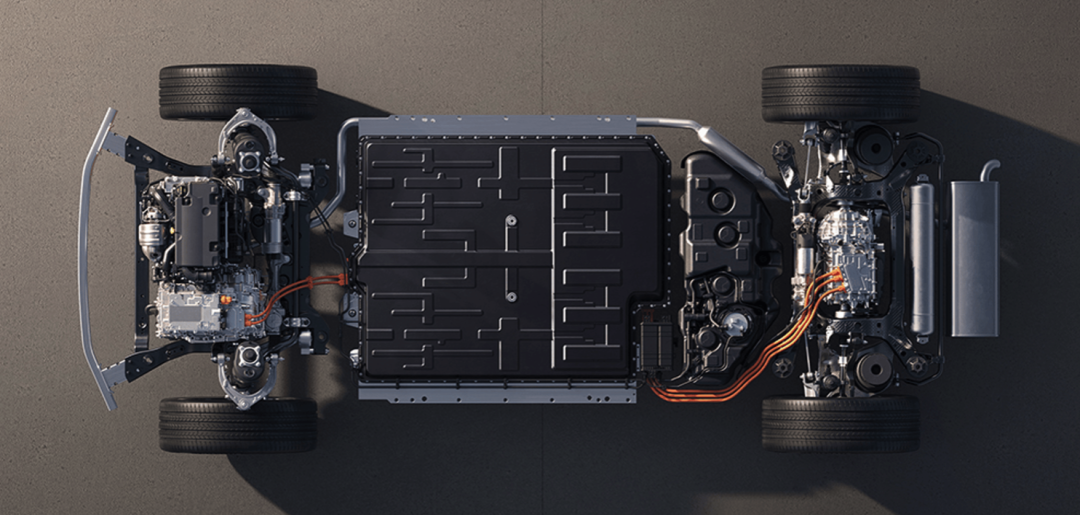
Anyone with experience in the automotive industry knows that whenever automakers completely overhaul their underlying hardware and sever parts reuse during model transitions, both new energy and traditional automakers will encounter similar delivery issues.
Supply disruptions due to platform transitions are not just a weakness in Xpeng's experience; they are essentially a common industry contradiction arising from outdated demand forecasting models combined with conservative capacity expansion by upstream suppliers. Rather, they are a common industry hidden risk: Whenever automakers fully overhaul their underlying hardware and sever parts reuse systems during architectural iterations, both new energy and traditional automakers will be exposed to similar risks. The entire industry should be vigilant against the supply chain fragility risks brought about by aggressive and comprehensive hardware reconfiguration.
5. Beware of exclusive supply of high-end hardware, which indirectly induces later-stage delivery imbalances:
Currently, most automakers, when launching new flagship models, tend to lock differentiated high-end components into the top-tier versions and exclusively partner with a single supplier to create product selling points. Previously, several new platform models, such as the 9X and M9, replicated similar issues, leading to rapid supply shortages when demand for high-tier configurations exceeded expectations.
To establish the technological superiority of its flagship model, Xpeng has exclusively equipped the Ultra top-tier version with a fully drive-by-wire chassis, multiple intelligent driving chips, and a proprietary dual-chamber air suspension, all sourced from a single supplier. This strategy of exclusive supply for the top-tier version can easily lead to later-stage delivery imbalances.
The production lines for high-end components require significant investment and long lead times, so suppliers do not reserve redundant capacity. The single-supplier model further amplifies the impact of supply-demand mismatches. Additionally, given the high investment and long lead times for high-end component production lines, combined with price wars compressing upstream profits, companies are unwilling to reserve redundant capacity. As a result, the single-supplier model is highly prone to further amplifying the impact of supply-demand mismatches.
End
-
![]()
Seres: 'Xiao Sai' Humanoid Robot Makes Official Debut! Will It Give Stock Prices a Lift?
-
"Copper Foil Magnate" Capitalizes on AI Boom: Leading CCL Company Sees Market Value Soar by HK$220 Billion in Six Months
-
![]()
Why Are Convolutional Neural Networks and Transformer Architectures Unfit for Embodied AI?
-
Bethel's Q1 Revenue Growth Decelerates, Profits Turn Negative: Chery-Related Deals Contribute 40%, Gross Margin Feels the Squeeze
-
![]()
A Strong Start Gone Awry: FAW Toyota, Once Ahead, Now Struggles to Keep Pace
-
![]()
Wang Chuanfu: Chinese Automobiles Will Surely Reach the Top of the World! BYD Will Become the World's Number One by 2030!
-
![]()
The Soaring Price of Automotive-Grade Memory Chips: Is AI the Culprit?
-
Leapmotor’s Rise: Triumph Amidst Turmoil