Sudden Closure! Black Shark Shuts Down Its Community: Is the Gaming Phone Era Coming to an End?
 06/23 2026
 459
459
It has drawn a belated full stop to an era.
"Just now, Black Shark officially closed access to its community."
Recently, a verified technical support engineer from Black Shark Technology posted this message on Weibo. Alongside the closure of the Black Shark community, all related Black Shark products were removed from the Xiaomi Mall. These events have gone largely unnoticed, marking what feels like a belated conclusion to a chapter.

(Image source: Weibo)
The last phone released by Black Shark was in 2022. The much-anticipated Black Shark 6, initially planned for a 2023 launch, never materialized. Over the past few years, Black Shark has not introduced any new phones, and user discussions about JOYUI updates, after-sales service, and community operations have gradually faded away.
Now, with community access gone and official sales channels cleared, it signals that this once-leading domestic gaming phone brand has essentially reached the end of its journey.
From prosperity to decline, it took only five short years.
In October 2018, Black Shark held the launch event for the Helo phone, just half a year after the debut of its first-generation gaming phone. The event was a high-profile affair, with Lei Jun and Luo Yonghao seated in the front row. At that time, Black Shark was a key player in Xiaomi's ecosystem, tasked with capturing the niche market of gaming phones.
Indeed, Black Shark experienced a golden era. In 2019, its global shipments exceeded 1 million units, ranking first among gaming phone brands and capturing over half of the market share.
However, after briefly reaching its peak, Black Shark, along with the entire gaming phone industry, quickly declined. In 2021, the gaming phone market rapidly contracted, and by 2022, Black Shark's sales had dropped to just over a hundred thousand units.
The reasons are straightforward. Black Shark's rise was fueled by a trend, and its fall was closely tied to shifts in the market environment. The emergence of gaming phones as a category stemmed from the poor gaming experiences offered by conventional smartphones at the time. Back then, phone brands focused on benchmark scores, but under high-load gaming scenarios, phones would throttle performance and shut down cores due to overheating, leading to a sharp drop in game frame rates.
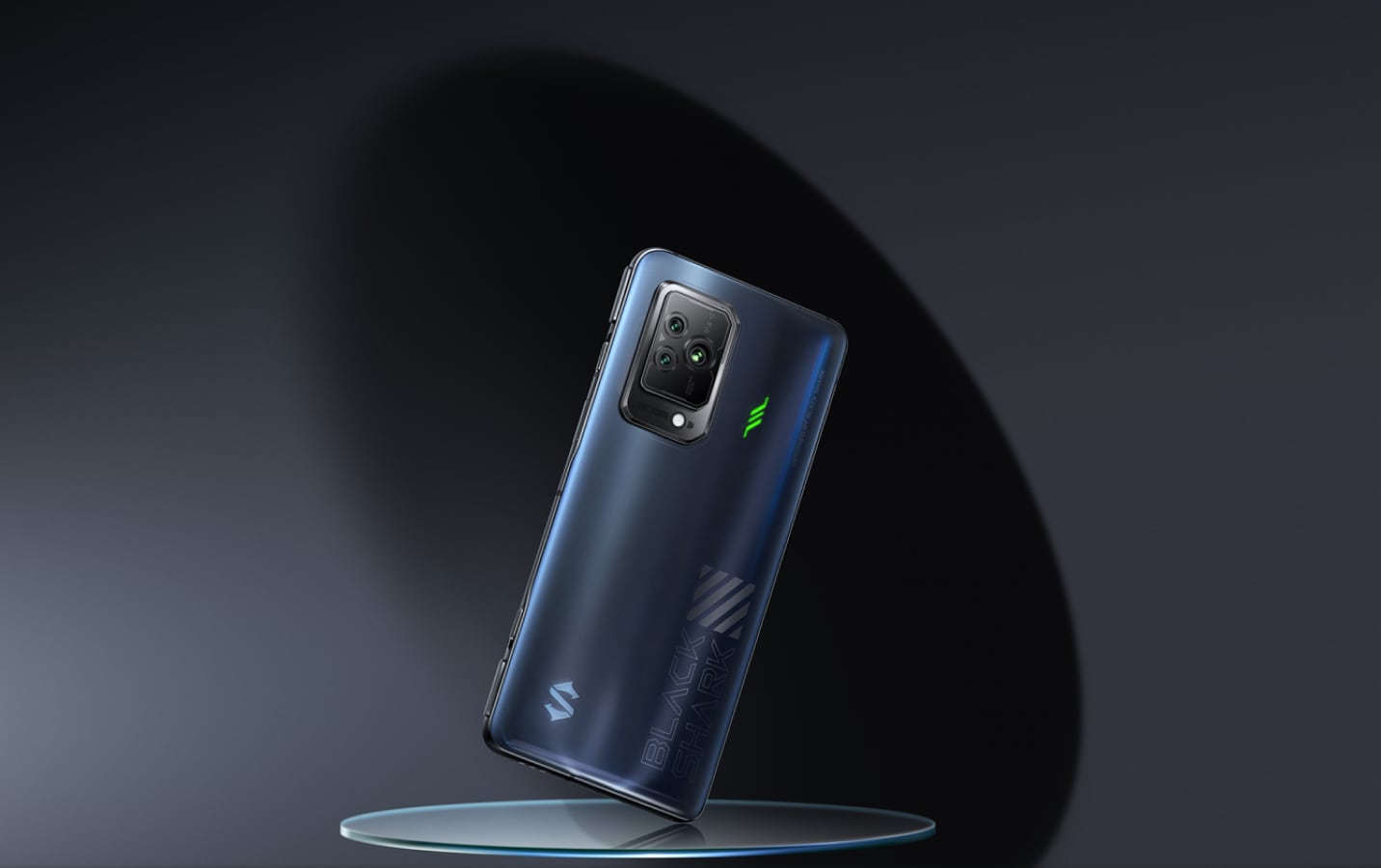
Gaming phones, like Black Shark, were specifically optimized for such scenarios. Traditional phones struggled with heat dissipation, so gaming phones incorporated air cooling and liquid cooling to enhance peak performance. If touchscreen controls were subpar, gaming phones added physical shoulder buttons. At that time, gaming phones offered a significantly better experience than ordinary flagship phones in gaming scenarios, naturally capturing a portion of the market.
(Image source: Black Shark)
However, the mobile phone industry evolves rapidly. Chip technology advanced swiftly, improving energy efficiency. Meanwhile, conventional flagship phones began incorporating features from gaming phones, such as display chips, enhanced heat dissipation, and optimized gaming modes. As a result, gaming phones quickly lost their niche.
After realizing the survival crisis, Black Shark swiftly pivoted to VR. In 2021, Black Shark initially reached an acquisition agreement with Tencent, which aimed to enter the VR sector through Black Shark. Thus, in the first half of 2022, Black Shark continued hiring for its VR business. However, with Tencent subsequently abandoning the acquisition, Black Shark's fate quickly took a downturn. It initiated large-scale layoffs, reducing its workforce from over a thousand employees to just over a hundred. The phone business was abandoned, and only the peripherals business remained.
The Black Shark brand is now just an empty shell.
Currently, the official website of Black Shark Technology is still operational, displaying various products for sale, mostly gaming peripherals and wearables, including phone coolers and gamepads. However, contrary to what many might think, Black Shark's peripherals business was sold off long ago. The current Black Shark hardware products are developed and manufactured by another company. Essentially, "Black Shark" is just a brand label slapped on them.
As early as 2023, when Black Shark faced public backlash over unpaid wages, employees revealed in interviews that the team responsible for producing peripherals had been sold to Shenzhen Mingyuan Electronics. According to Mingyuan Electronics, they expanded their peripherals business by acquiring Black Shark's trademarks and patents. Besides Black Shark, Mingyuan Electronics also owns the brand "Mojiang," which focuses on gamepads.
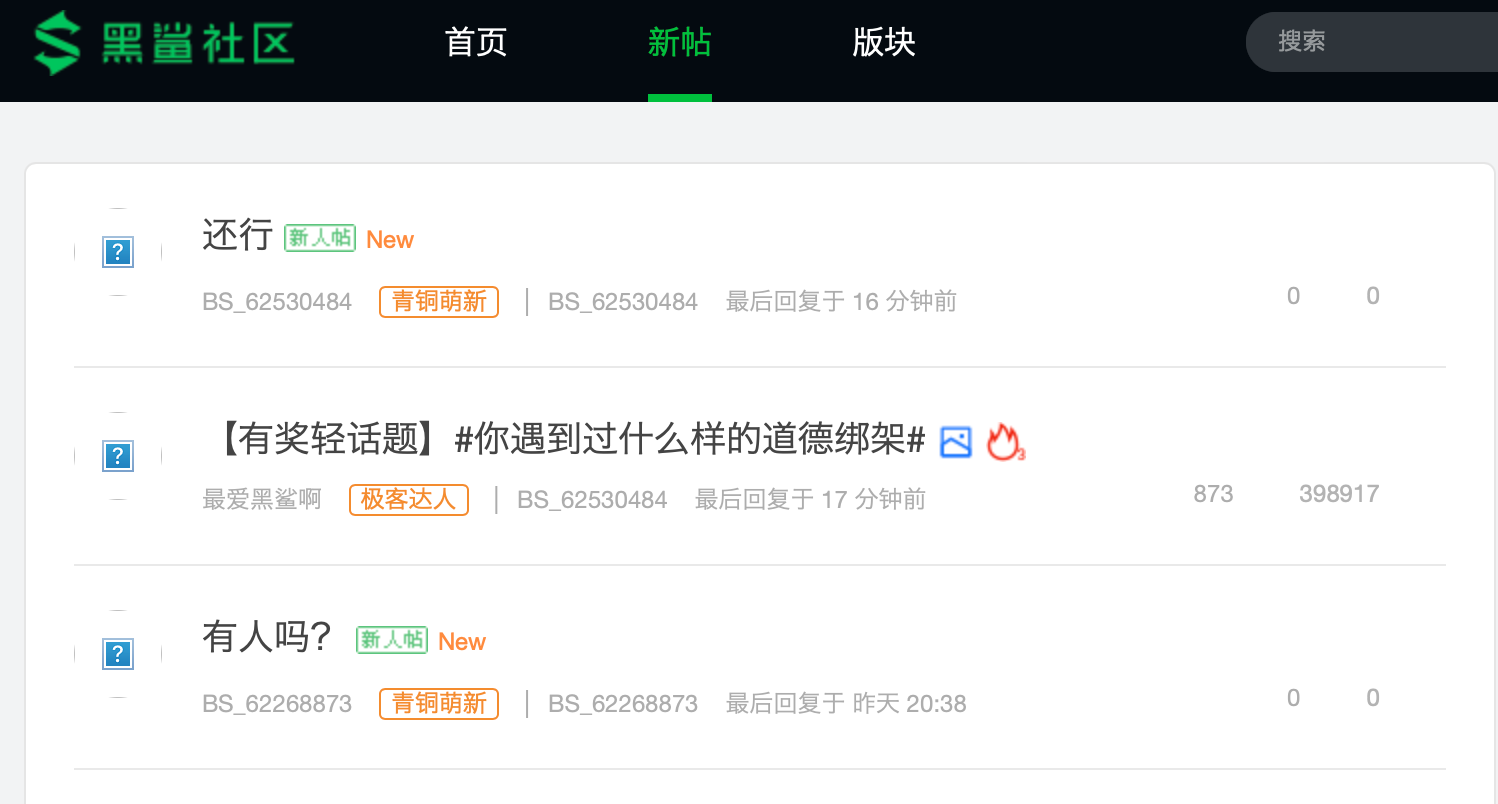
We found that the Black Shark community website can still be accessed, although some pages are no longer functional. Judging by the posting activity, the number of new posts and replies in this community is less than ten per day. Frankly, it has long been a zombie forum. With the termination of Black Shark's phone business in 2023, fans gradually abandoned discussions about the brand. Therefore, closing the Black Shark forum in 2026 is only logical.
(Image source: Black Shark)
The issue with the peripherals market is its low barriers to entry, rapid replication, and narrow price range. Cooling back clips can be stylish, and gamepads can earn a good reputation, but they are essentially supplementary purchases after the phone itself, not core expenditures in users' upgrade cycles. More importantly, strong peripheral sales do not equate to a thriving brand ecosystem. Without continuously updated phones, a system, a community, or official channels, Black Shark struggles to maintain a foothold among gamers.
Third-party collaborations can unleash technological capabilities but also dilute brand presence. Users buy a cooler or a gamepad, not the "Black Shark experience." For a brand that once built its identity around complete devices, systems, and communities, such a transition can only prolong its life, not revive it.
The Demise of Gaming Phones, While Mainstream Performance Phones Thrive
From an industry perspective, the end of gaming phone brands does not mean the disappearance of mobile gaming demand. On the contrary, gaming demand has become so crucial that all mainstream brands must take it seriously. Between 2025 and 2026, we have seen the emergence of numerous models with esports attributes, such as the Honor WIN series, REDMI K90 Max, and iQOO 15 Ultra, all equipped with active air cooling, large batteries, and fast charging. The purpose of these models from leading manufacturers is clear: to capture a portion of users more sensitive to gaming needs in the increasingly competitive phone industry.
Mainstream performance phones can seize the market previously held by gaming phones for a simple reason: they can game and still function as normal phones. Users can use them for photography, commuting, payments, office work, and short video browsing, as well as playing high-frame-rate mobile games for a couple of hours at night. In contrast, dedicated gaming phones feel more like a second device, but most users are unwilling to buy a "spare phone" just for mobile gaming.
Mainstream manufacturers also possess resources that small gaming phone brands can hardly match: stronger supply chain bargaining power, denser offline channels, more comprehensive after-sales service, more stable system updates, and budgets for device adaptation and esports marketing with game developers. The esports attributes that gaming phones once emphasized are now dissected by major brands and integrated into performance phones, flagship phones, cooling back clips, and tablets.
Thus, gaming phones did not fail as a technological route but became uneconomical as a standalone category. Xiaomi, a major shareholder owning nearly half of Black Shark's shares, still abandoned the gaming phone category. Lu Weibing even publicly stated that gaming phones have no future.
Behind Black Shark's exit lies a more pragmatic industry trend: today's phone market offers little room for small brands to survive independently.
The phone industry is no longer one where a single hit product can propel a brand to success. It requires continuous R&D, patent reserves, channel inventory, after-sales networks, system ecosystems, imaging algorithms, AI capabilities, as well as withstanding upstream component price hikes and downstream price wars. The global smartphone market is highly concentrated, with leading players like Apple, Samsung, Xiaomi, vivo, and OPPO dominating shipments and supply chain influence.

(Image source: Xiaomi)
Even sub-brands of major manufacturers are gradually narrowing their boundaries. OnePlus and realme have merged into the OPPO ecosystem, Redmi shoulders Xiaomi's cost-effective mission, and iQOO relies on vivo's supply chain and channels. Sub-brands can continue to exist but increasingly find it difficult to tell independent stories without the backing of their parent brands.
This is the most helpless aspect for Black Shark. It had Xiaomi's resources but was not Xiaomi's main brand. It had a gaming label but lacked gaming content. It had a player community but insufficient user scale to support R&D. It wanted to pivot to peripherals, but peripherals could not sustain the cost structure of a phone company. The closure of the Black Shark community marks the end of a once-thriving phone brand and an era when the mobile phone industry believed niche segments could grow into major brands.
Have gaming phone brands reached their endgame? If referring to independent gaming phone brands like Black Shark, the answer is most likely yes. But if referring to the gaming experience itself, the answer is quite the opposite. Gaming phones have fulfilled their historical mission, proving that heat dissipation, frame rates, touch controls, fast charging, shoulder buttons, peripherals, and game optimization deserve serious attention. However, once these capabilities became standard in mainstream performance phones, dedicated gaming phone brands lost their raison d'être.
After Black Shark's exit, players will not be left without phones to buy. But the era of phones with glowing backs, shoulder buttons on the sides, and Shark Sauce (a mascot) living in the system is truly over.
Black Shark gaming phone, Xiaomi esports phone, gaming
Source: Leikeji
Images in this article are from the 123RF royalty-free image library. Source: Leikeji
-
![]()
Over 50% of Revenue Hinges on Yutong Optics! This Optical Equipment Manufacturer is Charging Towards an IPO
-
![]()
YOCO Optics Finalizes Industrial and Commercial Registration Update Post 160 Million Yuan Investment in Jiangfeng Biology, Securing 20% Stake to Emerge as Second-Largest Shareholder!
-
![]()
Google Market Value Plummets by $1.5 Trillion Overnight Following the Loss of Two Key Figures
-
![]()
Put an End to the EV 'Weight Gain Race'! Can Your Car Still Be Driven Under the New National Standards?
-
![]()
In 2026, 'AI Upstarts' Collectively Bet on World Models
-
![]()
【OFweek Weike Cup】Phoenix Optics Officially Participates in the 2026 Optical Industry Annual Innovation Product Award
-
![]()
Ford Ditches Mach-E: Will Its Billion-Dollar Electrification Drive Have to Start All Over Again?
-
![]()
【OFweek Weike Cup】Shuangli Hepu Officially Participates in the 2026 High-Growth Enterprise Award in the Optical Industry