Can Computers, Despite Daily Price Hikes, Still Be a Viable Purchase?
 06/25 2026
 431
431
For the majority of white-collar professionals, computers serve as indispensable tools for daily work, primarily facilitating office tasks. However, recent reports of escalating computer prices have sparked widespread concern. With prices fluctuating on a daily basis, many are questioning whether purchasing a computer amidst these persistent price increases is still a prudent decision.

01 Computer Prices Fluctuate Daily
According to a report by Red Star News, an ASUS dealer identified as Lu Ming (a pseudonym) stated, "Recently, computer prices have been changing daily and rising significantly."
Consumers have also taken note of these price changes. For instance, a consumer named Zhou Zhou (also a pseudonym) purchased a Lenovo Legion Y9000P on May 22 through an e-commerce platform's subsidy program for 10,800 yuan. Less than a month later, the price had surged to 13,700 yuan.
A survey of offline computer brand stores revealed that prices for computers from brands such as Lenovo, HP, ASUS, and Acer have generally increased. Multiple dealers disclosed that prices for some popular gaming laptops have risen by approximately a thousand yuan in the past month, while ultrabooks have also seen price increases in the hundreds of yuan.
Lu Ming, the ASUS dealer, reiterated, "Recently, computer prices have been changing daily and rising significantly." He cited the ASUS TUF Gaming A16 as an example, noting that the price after national subsidies is now 8,999 yuan, compared to nearly 8,000 yuan with previous subsidies. "It has become nearly a thousand yuan more expensive in the past one to two months," he said, adding that general ultrabooks have also increased by several hundred yuan.
Regarding the reasons behind the recent computer price hikes, Lu Ming pointed to two main factors: rising memory prices and increased demand for computers among students following the college entrance exams.
Zhao Qi (a pseudonym), a Lenovo dealer, also noted that prices have been on the rise since December last year, with both gaming laptops and ultrabooks experiencing increases. He cited the popular Lenovo Legion Y9000P as an example, stating that the current discounted price is 14,000 yuan, compared to 13,000 yuan just 15 days ago, representing a 1,000 yuan increase. Ultrabooks have risen by approximately 600 yuan.
Cao Xin (a pseudonym), an HP dealer, similarly stated that computer prices have increased this year, with both gaming laptops and ultrabooks seeing price hikes. Computers purchased from HP a month ago were generally several hundred yuan cheaper. "Prices will continue to rise, changing daily," he predicted.
02 Can Computers with Continuous Price Increases Still Be Purchased?
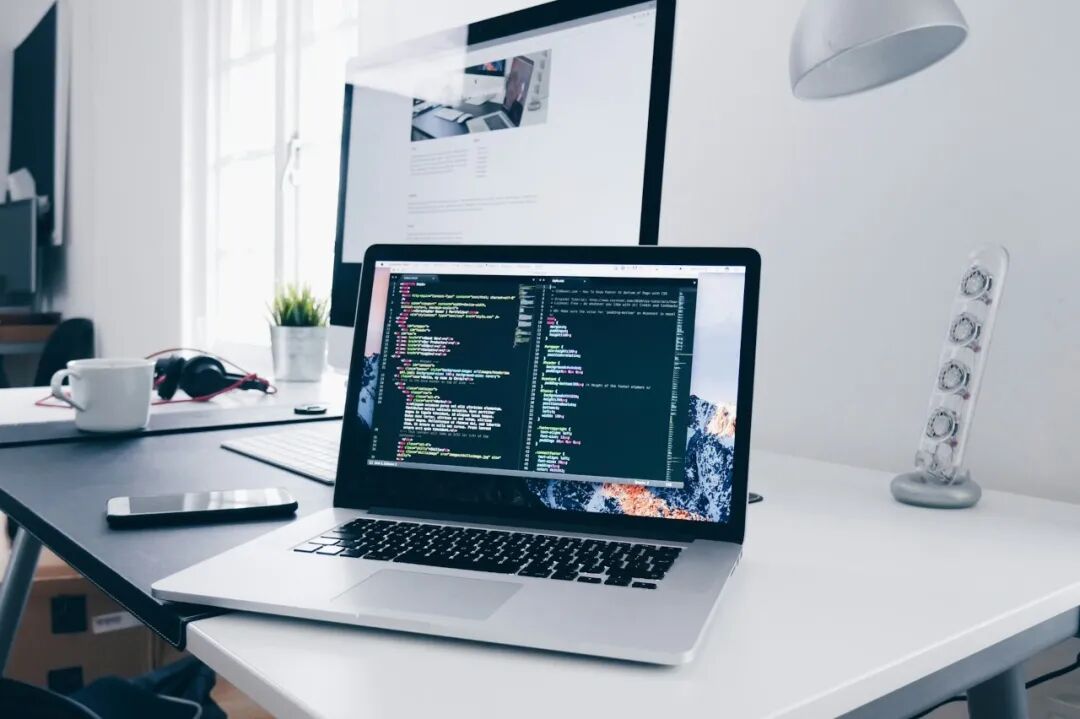
If you've been following the computer market lately, you may have noticed a surreal phenomenon: prices are changing daily. Configurations that seemed appealing last week may now cost several hundred or even a thousand yuan more. Many friends keep asking me whether they should still buy computers or wait for prices to drop.
Firstly, the AI-driven supercycle of memory chips continues to exert pressure on the market. To understand the persistent rise in computer prices, we must grasp a fundamental logic: besides CPUs and screens, the most significant cost component in computers is memory chips, including RAM and hard drives. The source of this price surge lies precisely here. As AI large models have become extremely popular in the past two years, leading to exponential growth in AI computing power demand. In the hardware architecture of AI computing power, HBM is an indispensable core component.
Investment theory dictates that capital and production capacity always flow toward areas with the highest profit margins. For upstream chip giants like Samsung, SK Hynix, and Micron, the profit margins for HBM are far greater than those for traditional consumer-grade memory chips. Consequently, a significant amount of wafer production capacity has been shifted to produce HBM, directly resulting in severe capacity constraints for traditional DDR4, DDR5 memory, and NAND flash memory. The market for consumer-grade memory chips is now characterized by a severe supply-demand imbalance. The capacity shift by chip manufacturers has rapidly transmitted downstream to PC manufacturing. As a core component of computers, the collective price increase of memory chips has naturally led to a significant rise in overall computer prices. This is not due to channel distributors intentionally hoarding goods for speculation but rather a fundamental structural change in upstream supply.
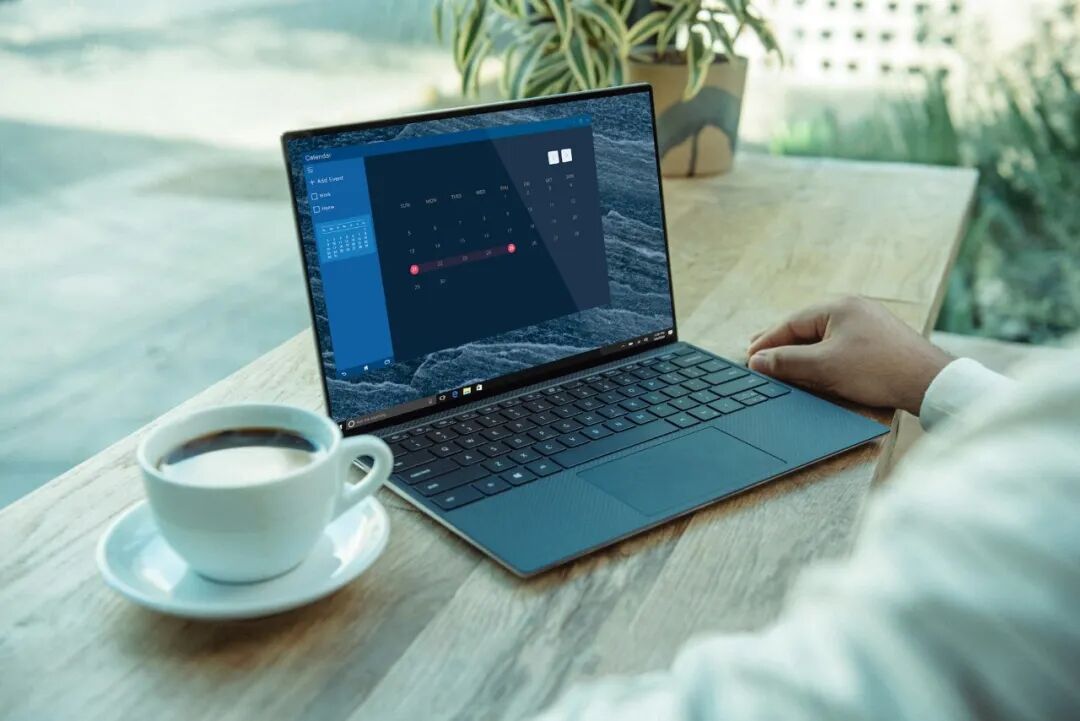
Secondly, market expectations have been completely disrupted. After understanding the upstream capacity logic, let's examine the psychological dynamics of channel distributors. In the consumer electronics industry, dealers' inventory strategies often determine short-term price fluctuations. Logically, during price increases, everyone should 'buy high, not low' and frantically stockpile goods. However, the current situation is that chip prices are rising too rapidly and frequently. Today's purchase price may become tomorrow's retail price. Once distributors stockpile goods at high prices and upstream prices drop the following week, they will face significant losses. Consequently, channel inventory across the entire industry has been suppressed to extremely low levels.
This low inventory state has, in turn, exacerbated market tightness. When you visit computer cities, many models are out of stock, and purchasing requires sourcing from other locations at the latest prices. A deeper issue lies in the extremely long cycle of capacity expansion in the semiconductor industry. Building a new memory wafer fab, from laying the foundation, introducing equipment, improving yield rates, to achieving mass production, often takes two to three years. Even if major manufacturers now recognize the shortage of consumer-grade memory and attempt to reallocate capacity, it is already too late. Therefore, the entire industry holds a pessimistic outlook on supply-demand balance until 2027 or even 2028. The expectation of supply recovery remains extremely unclear, meaning that this price increase is not a short-term spike but a prolonged industry cycle.

Thirdly, the decision to purchase a computer amidst daily price fluctuations depends on one's specific needs. Making situation-specific decisions is a pragmatic approach, while blindly following trends or adopting a one-size-fits-all strategy is not advisable.
For users with urgent needs, especially those with professional productivity requirements such as video editing, 3D modeling, and code development professionals, purchasing is still necessary. Alternatively, they can consider computational power leasing solutions. Professional productivity demands extremely high computational capabilities and stability from computers. Tablets and entry-level devices cannot withstand high-intensity workloads. Once equipment falls behind, project delays can result in losses far exceeding the additional costs of computer price increases. Computational power leasing is a flexible alternative solution that allows users to lease high-performance computational resources on demand without making a large upfront investment in equipment. It meets work requirements while avoiding the risks of hardware price increases, making it a cost-effective choice for professionals operating with light assets.
For entry-level consumers whose primary needs are daily internet browsing, video watching, and simple document processing, there is no need to purchase price-inflated computers reluctantly. Using a tablet-keyboard combination as an alternative is more cost-effective. Nowadays, tablet performance is sufficient to meet these basic needs. Paired with a cheap Bluetooth keyboard, it can satisfy typing and office requirements at a price significantly lower than entry-level computers, while offering greater portability for easy carrying when going out. For these users, the core functions of computers can be fully covered by tablet combinations, making it unnecessary to pay for price increases. Spending money wisely is the right approach.
For individuals with low urgency who only occasionally need computers, such as students who occasionally use computers to search for information or play games during holidays, or office workers who only occasionally handle temporary documents, it is entirely advisable to wait and see for a while or explore reliable devices in the second-hand market. Computer price increases are currently phased, and prices are likely to decline once market supply and demand gradually balance. Waiting can help avoid high-price periods and reduce unnecessary expenses. In the second-hand market, many well-maintained and stable-performing computers are priced at half or even lower than new machines. As long as users find reliable channels and carefully inspect the devices, they can fully meet occasional usage needs at a highly cost-effective price, making it unnecessary to spend excessively on new machines for occasional requirements.

Fourthly, do not be driven by anxiety that 'prices will only get higher if you don't buy now.' From a macroeconomic and market law perspective, consumer electronics are inherently a category that continuously decreases in price with technological advancements. Moore's Law has been effective for decades. The current situation of 'prices changing daily' completely deviates from the regular cycle of consumer electronics. It is not a sign of a healthy market but rather an irrational market fluctuation signal triggered by severe supply-demand mismatches.
From an objective economic law perspective, any sharp increase detached from fundamental support will eventually undergo mean reversion. Although capacity bottlenecks for memory chips currently persist, speculative sentiment in the capital market has already become quite intense. For ordinary consumers, chasing price increases and panic selling are always major taboos in investment and consumption. If you impulsively place an order today out of fear that prices will rise tomorrow, you are likely buying at a phased peak.
Therefore, my core viewpoint is very clear: at this special juncture, restraining your purchasing impulse and adopting a wait-and-see approach with cash in hand is the wisest choice. Let the market's irrational sentiment dissipate for a while, and avoid paying for upstream industry capacity mismatches. This is the best strategy for coping with the current computer price surge.
END
Daily Quote: No job is without hardship, and no interpersonal relationship is without complexity. Do not lash out arbitrarily; no one owes you anything. Learn to be low-key, as there are always gains and losses in choices, so there is no need to be overly calculating. Learn to be down-to-earth and pragmatic; the harder you work, the luckier you become. When a person has sufficient substance and material support, life becomes full of confidence. If it turns out well, it's called wonderful; if it turns out badly, it's called experience.
Jiang Han's Perspective
WeChat Official Account: jianghanview
-
![]()
China Spearheads Formulation! World's Pioneering Global Technical Regulation for Automated Driving Systems Greenlit and Unveiled
-
![]()
Farewell to Pulsed Support Policies: Three Major Auto Policy Directions from Multiple Departments Take Effect on the Same Day
-
![]()
Embercore AI’s Accelerated Funding: The Robot Industry’s Shift Toward ‘Learning Systems’
-
Hao Jida, Apple Supply Chain Coil Supplier, Switches Brokerage and Revives IPO Amidst Customer Dependency and Compliance Challenges
-
![]()
Annual Advertising Expenditure of VOYAH with Yudeshui: A Deep Dive
-
![]()
Can Computers, Despite Daily Price Hikes, Still Be a Viable Purchase?
-
![]()
January-June Auto Stocks' 'Resilience Ranking': Geely Alone Posts Gains, Six Plummet Over 40%, One Tumbles 54.5% | Mirror Pro
-
![]()
China’s Public Charging Market: Didi Charging, Teld, and Yunkuai Take the Lead