Breaking News! Apple's Midnight Price Surge Triggers Scalper Rush, iPhone 18 Faces Uncertainty
 06/26 2026
 557
557
Apple Falls Victim to AI-Driven Market Shifts.
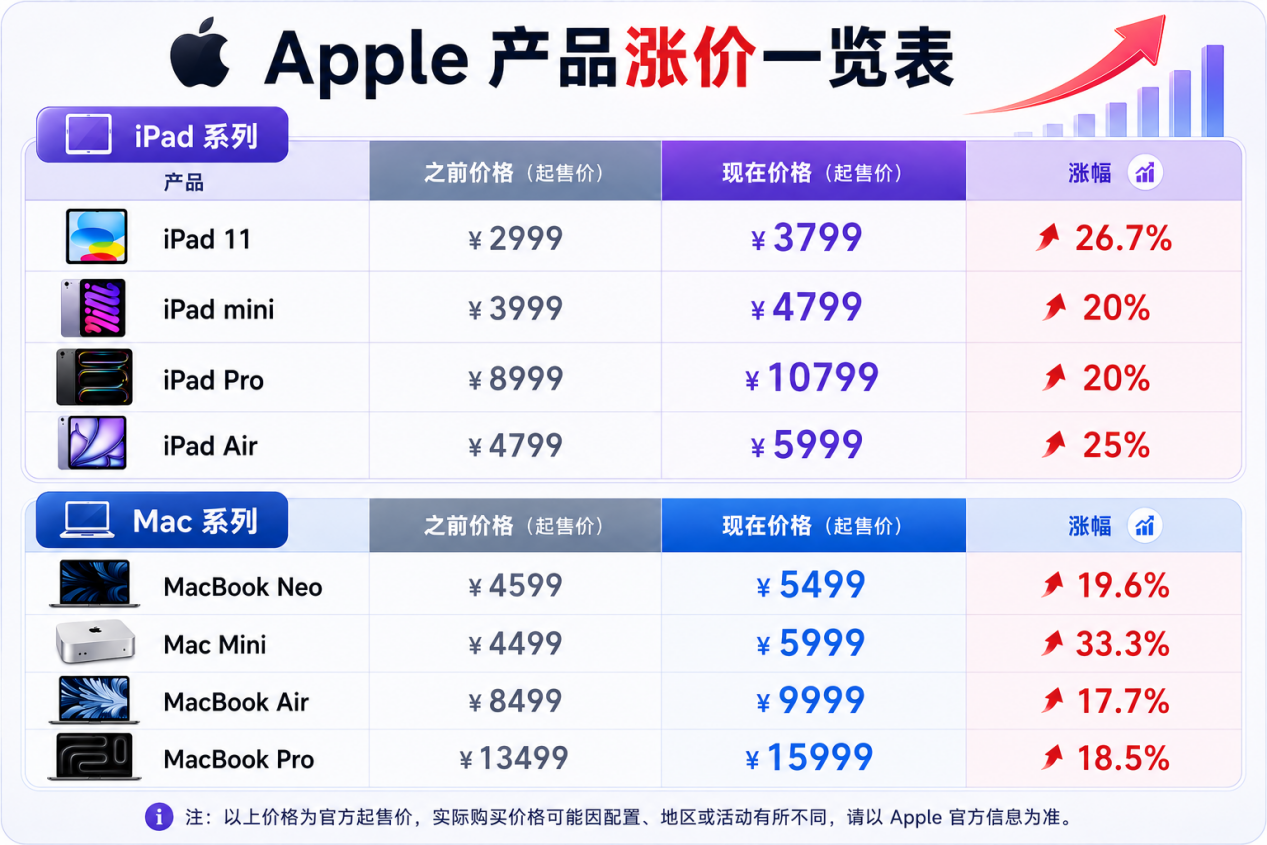
On the evening of June 25 (Beijing Time), Apple unexpectedly announced global price increases for its Mac, iPad, and home device lineups. Official data reveals that the MacBook Neo's starting price jumped from $599 to $699, the MacBook Air from $1,099 to $1,299, the 14-inch entry-level MacBook Pro from $1,699 to $1,999, the 11-inch iPad Pro from $999 to $1,199, and the iPad Air from $599 to $749. These hikes apply worldwide, with iPhone prices remaining stable for now.
(Image Source: Leitech Graphics)
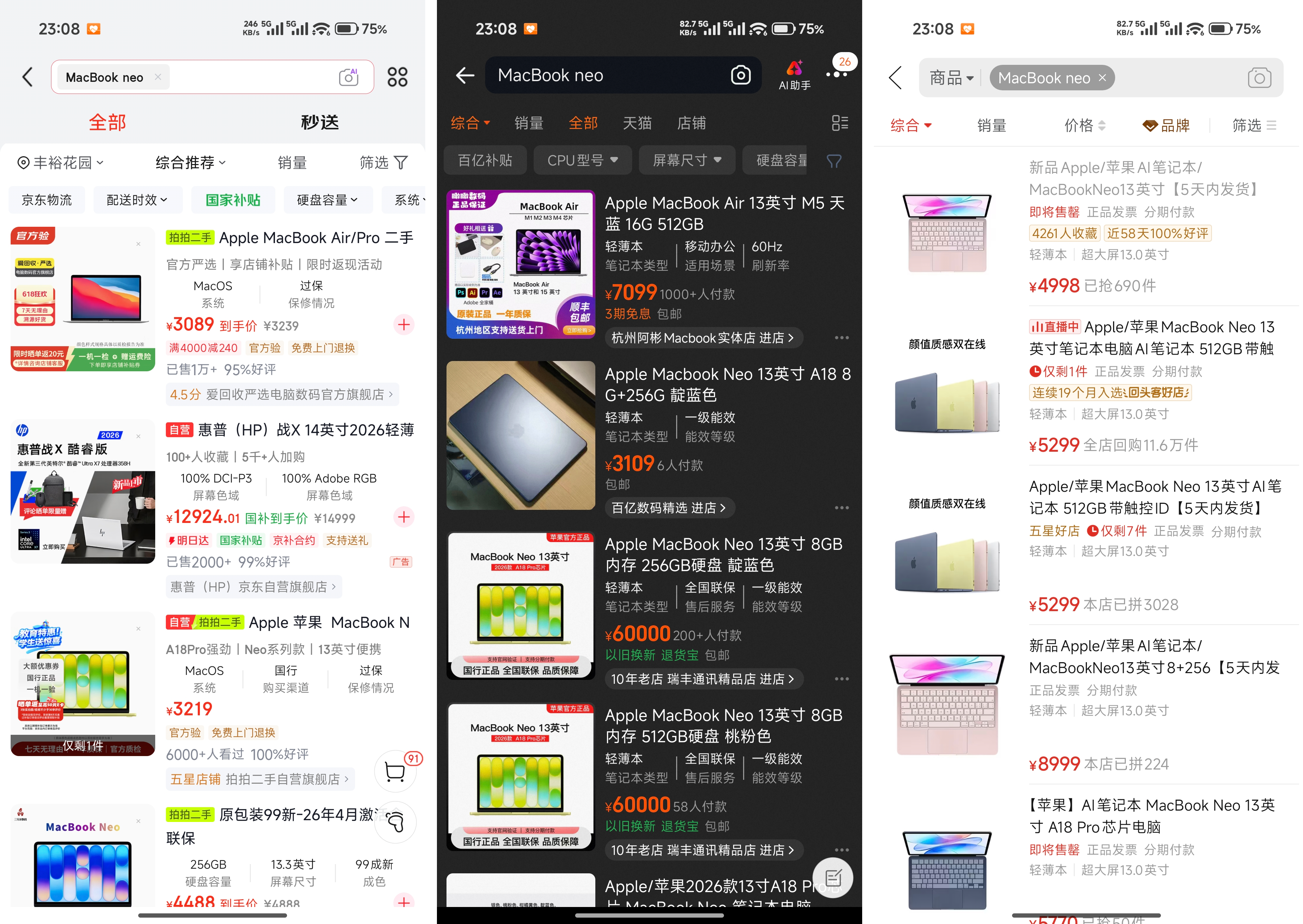
Leitech (ID: leitech) observed that immediately following Apple's announcement, e-commerce platforms quickly sold out of low-memory Mac and iPad models. As of press time, JD.com, Taobao, and Pinduoduo had completely delisted the lowest-priced MacBook Neo, leaving only premium-priced and second-hand options. This "price hike + stockout" double blow caught consumers off guard.
(Image Source: Leitech Graphics)
Why is Apple raising prices? Will the iPhone 18 series follow suit in September? What impact will these adjustments have on the consumer electronics industry? Leitech (ID: leitech) provides timely analysis.
Apple isn't merely struggling with AI integration—it's becoming an "AI casualty." The company is now suffering from the very technological wave it helped create.
Apple's official statement explains: "The consumer electronics industry faces unprecedented challenges. The rapid expansion of AI data centers has triggered a surge in storage demand, with component prices rising at an unprecedented magnitude and speed."
This isn't mere corporate rhetoric—it's an industry-wide crisis.
Since AI's explosive growth in 2025, demand for AI computing power has skyrocketed. Micron Technology's latest earnings report shows gross profit margins for its mobile business soaring to 86%, up from just 15% a year prior. Take DDR5 memory as an example: prices surged from around $3 per GB in early 2025 to $8 per GB by June 2026—a 160% increase. NAND flash memory fared even worse, with some models exceeding 200% price growth.
Memory manufacturers are reaping massive profits, but these gains come at the expense of consumer electronics brands.
Consider a MacBook Air with 16GB RAM and 512GB storage: memory and storage costs alone have risen by approximately ¥1,000 ($140), not including increases for other components.
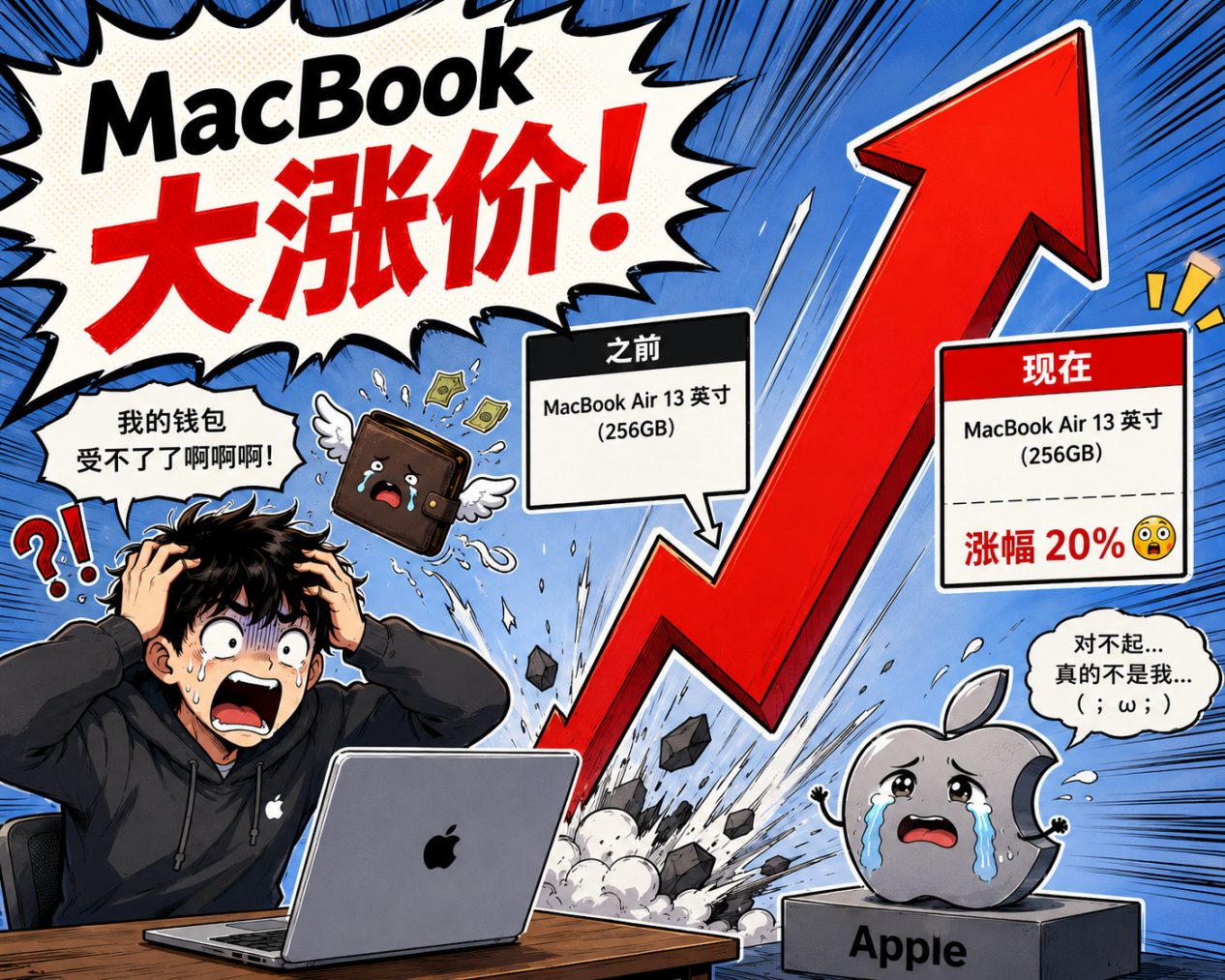
Apple CEO Tim Cook hinted at this crisis earlier this month. In an interview with The Wall Street Journal, he described the current storage supply-demand imbalance as a "100-year flood" and admitted Apple's pricing system had become unsustainable.
(Image Source: AI-Generated)
In essence, AI-driven storage shortages and price surges have pushed even Apple to its breaking point.
Other consumer electronics brands have already raised prices. In March, OPPO, OnePlus, and vivo adjusted pricing across their product lines, while Xiaomi and Honor increased prices on several popular models, with replacement costs rising by ¥300–¥2,000 ($42–$280). Meizu even canceled the launch of the Meizu 22 Air due to soaring memory chip prices—new pricing would have made the device uncompetitive.
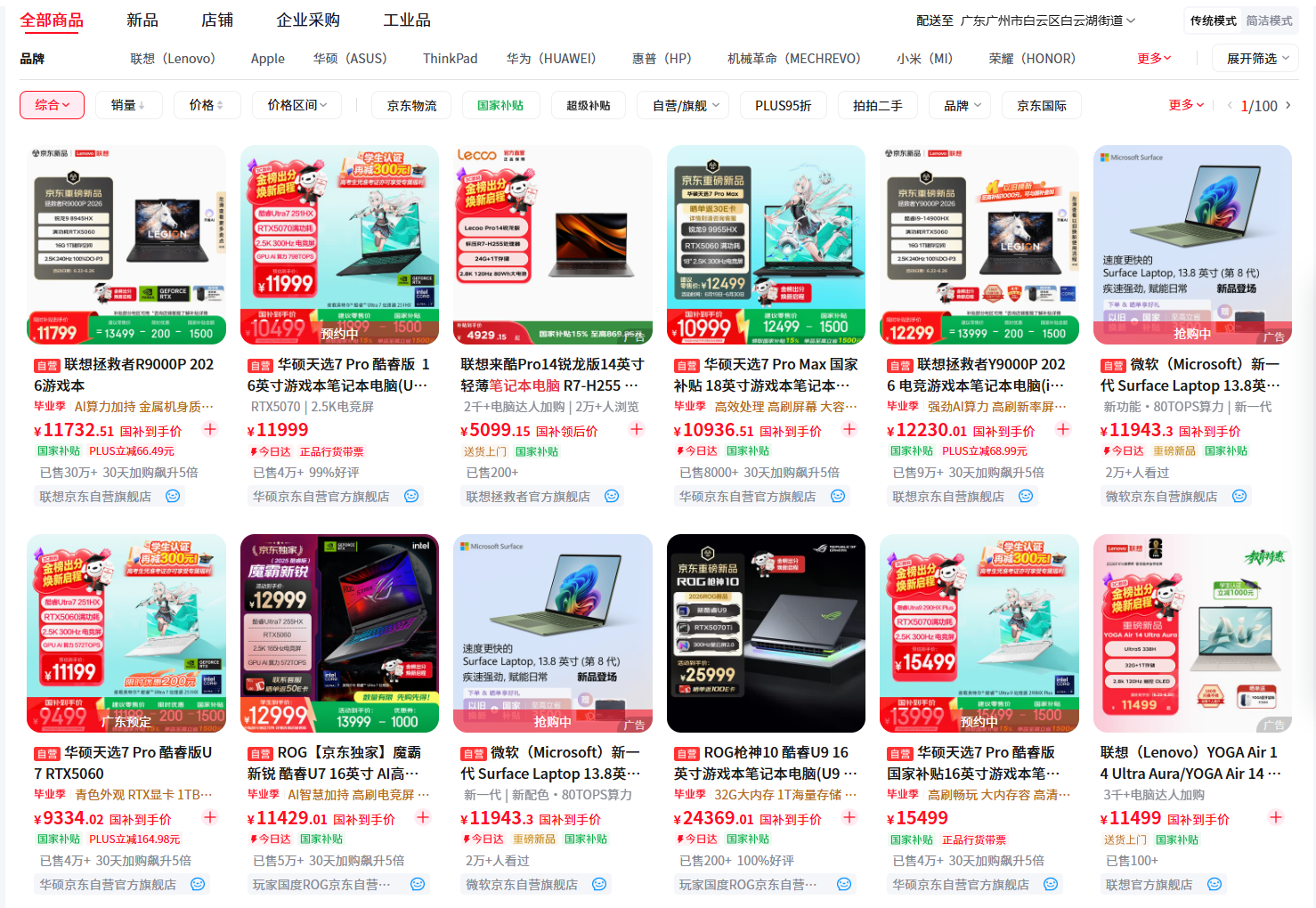
The PC market faces even greater challenges. Dell has raised computer prices by 10–30% since last year. Lenovo's Legion R9000PAI Yuanqi (RTX 5070 Ti 16G + 1T) jumped from ¥13,699 ($1,918) to ¥17,499 ($2,450) in four months—a ¥3,800 ($532) increase. According to Sina Geek Frontline, consumer notebook average prices rose 12.7% year-to-date and 21.3% year-over-year, with some models spiking ¥1,100 ($154) in a single day.
(Image Source: Leitech Graphics)
As an industry benchmark, Apple has long prioritized price stability. But under such immense cost pressure, it ultimately had to "follow the trend."
Now that Apple has raised prices by 20%, competitors will become even bolder. Here's why: Previously, Apple's strong supply chain influence kept prices stable, deterring other brands from steep hikes—fearing users would switch to iPhones. Indeed, iPhones consistently dominate sales charts, not just due to product strength but also because Android devices become less attractive as they get pricier.
Now? With Apple raising prices, what's stopping other brands? Consumers will soon find it increasingly difficult to purchase affordable laptops or smartphones.
For ordinary consumers, the impact of this price surge is tangible.
First, purchase costs have risen sharply. Take the MacBook Air: its starting price jumped from ¥8,499 ($1,190) to ¥9,999 ($1,400)—a 17.6% increase. Budget-conscious users may need to downgrade specifications or switch brands.
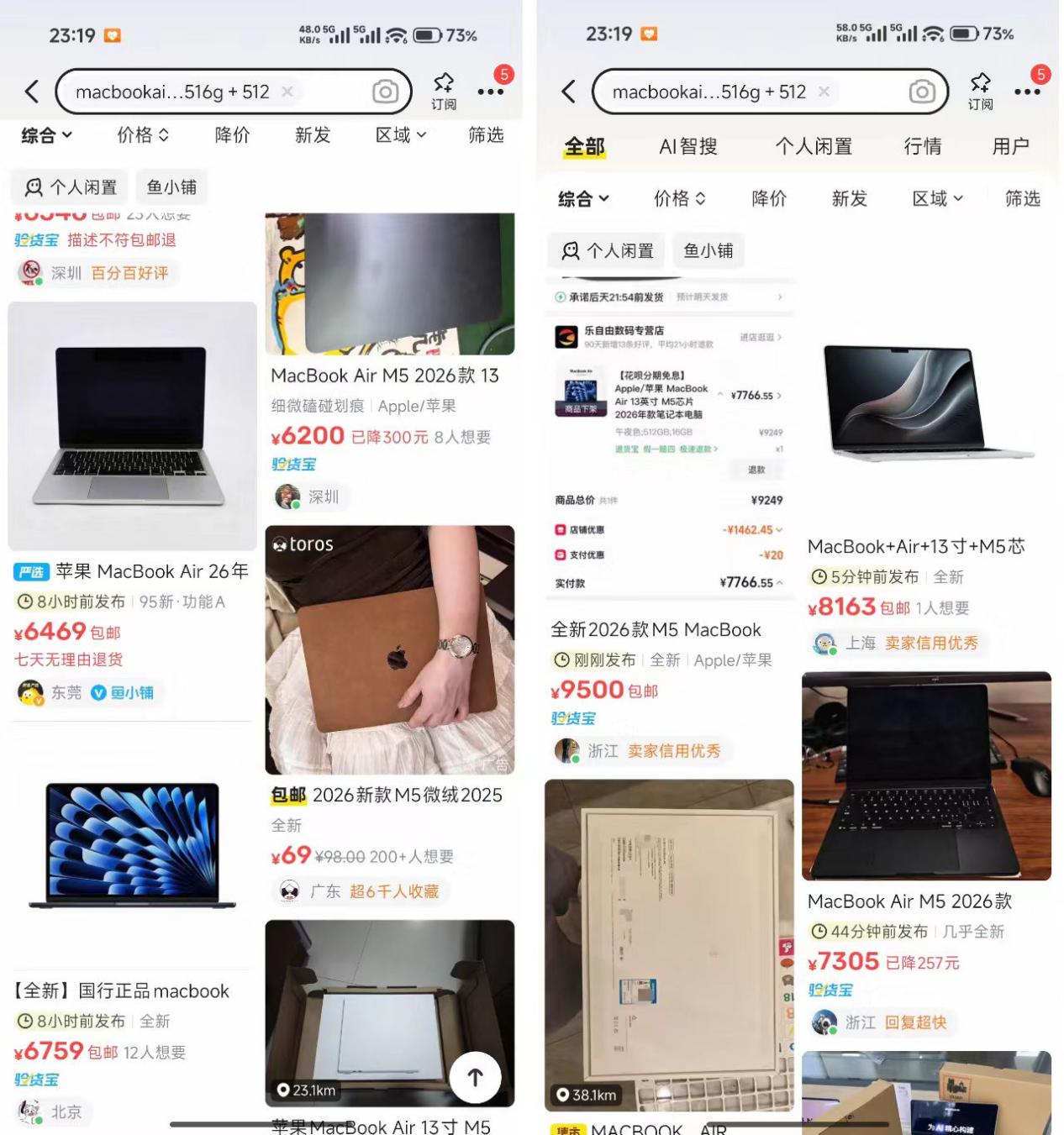
Thinking of finding a bargain on Xianyu (China's second-hand platform)? Think again. Second-hand prices are rising even faster. Due to new product hikes, scalpers have bought up all inventory, driving up used Mac and iPad prices. On Xianyu, a MacBook Air M5 that cost ¥6,000 ($840) second-hand before Apple's hike now costs ¥6,800 ($952) for a "like-new" model. Some sellers are even hoarding devices, betting on further price increases.
(Image Source: Leitech Graphics)
This leaves users in a dilemma: buy now or wait? Some opt for "early adoption," while others hope prices will drop. But the reality is that Windows alternatives are also rising, some even more steeply than Apple.
This price surge is industry-wide—no brand is spared.
Different consumer groups face varying impacts. Students, already on tight budgets, now need an extra ¥1,000–¥2,000 ($140–$280) for laptops, equivalent to a month's living expenses. Creators requiring large memory and high-performance configurations for video editing and 3D rendering face soaring production costs. Enterprises are hardest hit, with procurement costs skyrocketing—some may delay device upgrades.
For essential users, buying now may still be the best deal. Memory chip prices are still rising, with 40–50% increases expected in Q3 and another 30–40% in Q4. Waiting will only make purchases more expensive. Non-essential users can wait, but don't expect price drops—just slower growth. If budgets are tight, consider older models or lower-spec versions.
Ultimately, consumers face a simple choice: accept higher prices or forgo purchases. There's no middle ground.
This AI-driven storage crisis will reshape the entire supply chain.
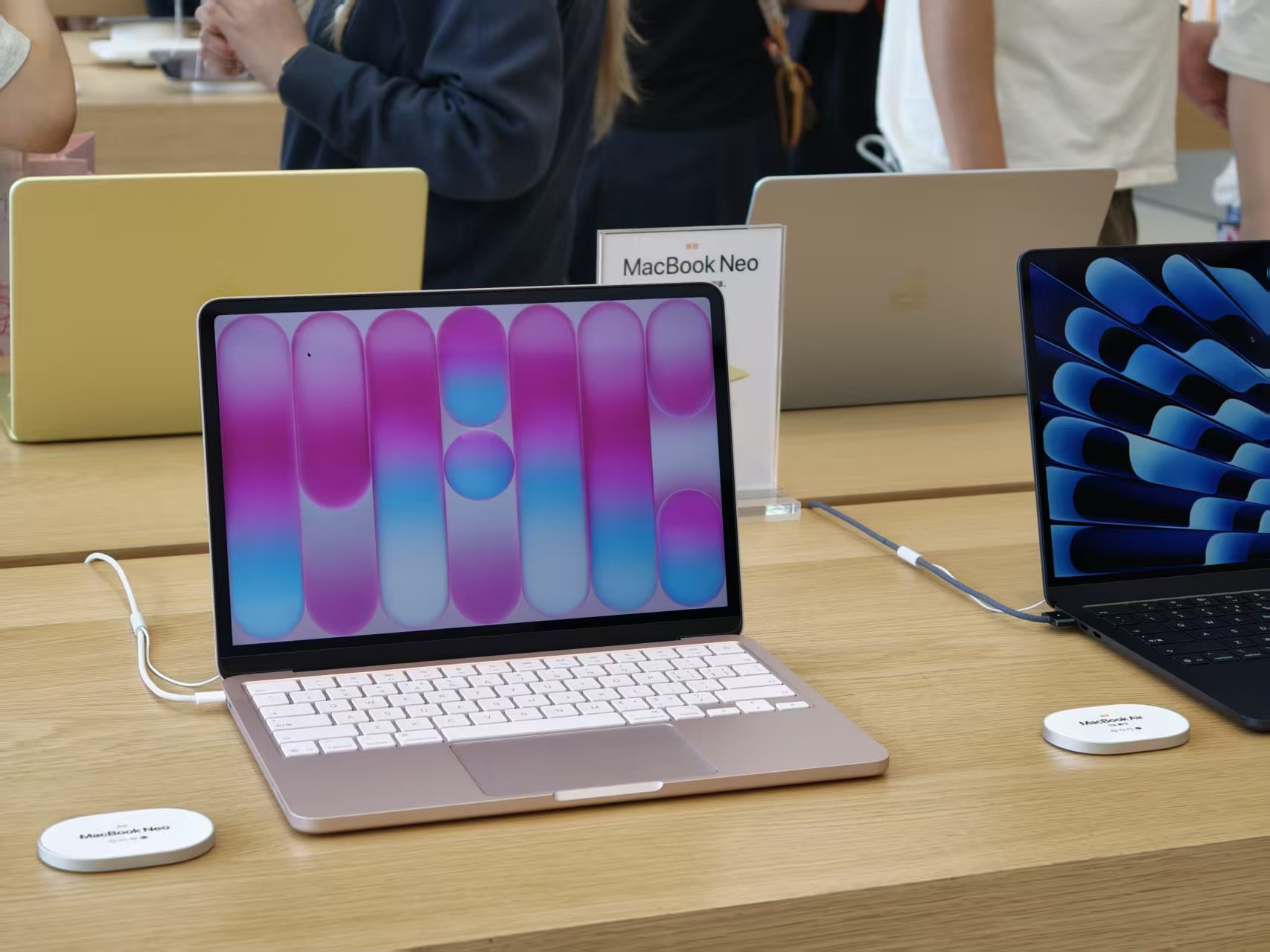
With memory manufacturers prioritizing AI, consumer electronics receive fewer allocations, making price hikes inevitable.
(Image Source: Leitech Photography)
According to Sigmaintell, AI infrastructure demand will push AI servers' share of global DRAM consumption to 50–55% by 2028, including DDR, LPDDR, and high-bandwidth memory (HBM). This compares to just 24% in 2025—more than doubling. This means fewer memory chips for consumer electronics.
Historically, memory chip prices fluctuated based on supply and demand but remained "healthy" overall. Now, AI data centers' near-infinite demand has shifted pricing power to memory manufacturers, leaving consumer electronics brands at their mercy.
This shift is reshaping the industry. Take Apple: its gross profit margin fell from 43% in 2024 to 40% in 2025 and is expected to drop further to 38% in 2026.
According to Jefferies, AI demand will keep driving global memory chip prices higher, with 40–50% quarter-over-quarter increases in Q3 2026 and another 30–40% in Q4. This trend may persist until late 2027.
To cope, Apple may adjust configurations. For example, future base-model MacBook Airs might upgrade from 16GB to 24GB RAM, improving user experience while justifying higher prices. "More features, higher prices" is easier to accept than outright hikes.
Apple is also overhauling its chip strategy. Bloomberg reports Apple will skip high-end M6 chip variants (Pro and Max) and launch M7 Pro and Max versions directly in 2027.
Why? With memory chip prices soaring, iterating high-end chips as planned would be cost-prohibitive. Skipping M6 Pro/Max to launch M7 with advanced AI capabilities saves costs and boosts competitiveness.
Unfortunately for users eyeing a 2026 MacBook Pro upgrade, the desired model may not arrive this year.
Other brands are responding too. Huawei is developing its own memory chips to reduce reliance on external suppliers, while Apple considers investing in memory chip makers to stabilize its supply chain. This crisis may accelerate industry consolidation.
While Apple's current hikes affect only Macs and iPads, iPhones may not escape unscathed. Leitech (ID: leitech) predicts iPhone pricing could rise later this year, with users potentially footing the bill for AI's growth.
Given current trends, iPhone price hikes seem inevitable. Apple's decision to spare iPhones this time was strategic. As its revenue mainstay (accounting for over half of total income), raising iPhone prices amid fierce competition could hurt sales.
But Apple's midnight surprise sets the stage for iPhone hikes: test market reaction with smaller hikes first, then consider raising prices on core products like iPhones if acceptance is high. This minimizes risk.
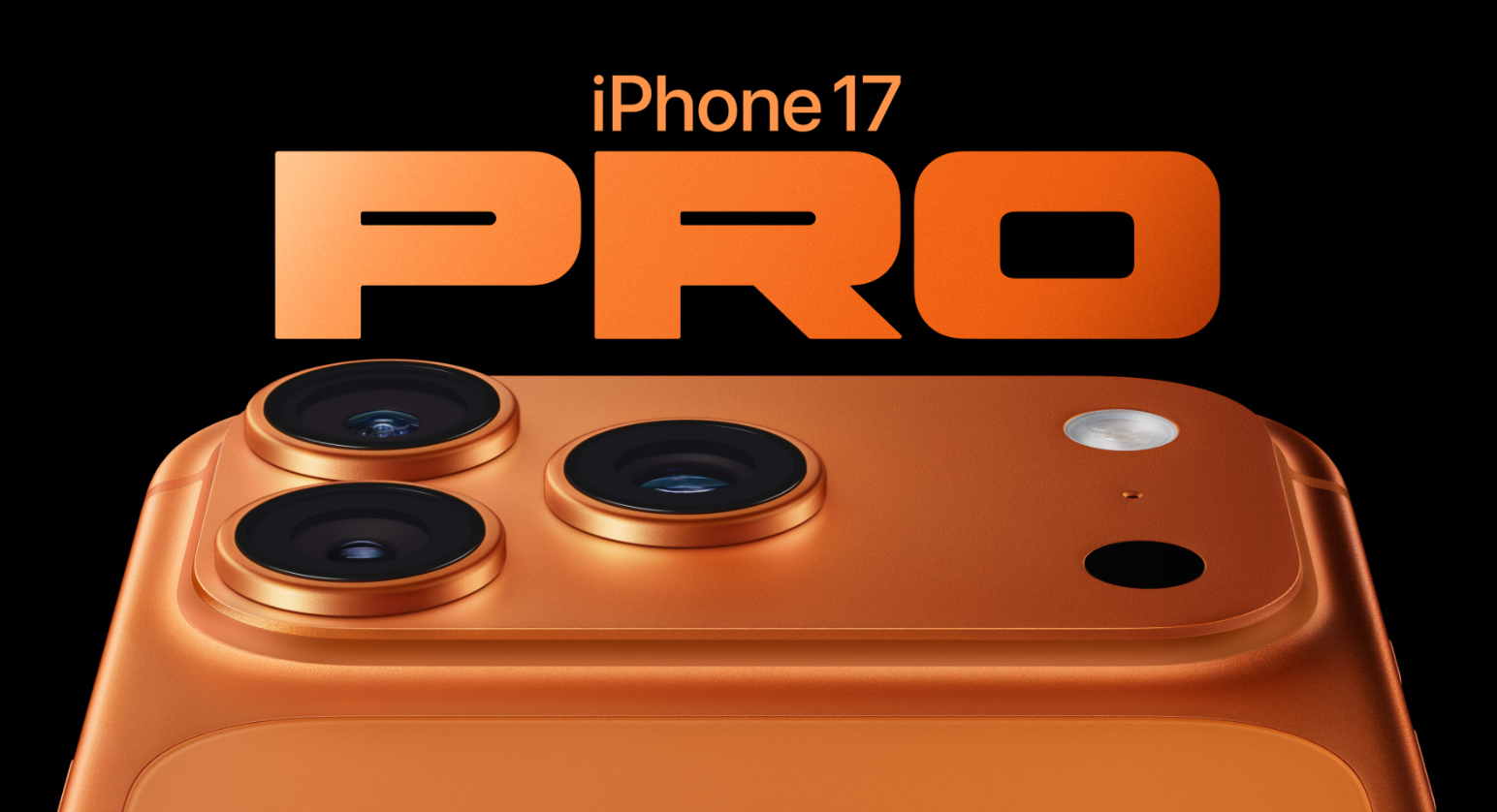
(Image Source: Apple Official)
From a supply chain perspective, iPhone price pressures are even greater. iPhones typically have higher memory configurations than Macs and iPads, meaning steeper cost increases. For example, if storage costs rise 20%, the iPhone 18 could see ¥450–¥600 ($63–$84) in additional costs per unit.
Market reaction depends on Apple's pricing strategy.
If iPhone hikes stay below 10%, users may grudgingly accept them. Loyal iPhone users are unlikely to switch camps quickly.
But excessive price hikes could drive users to Android alternatives like Samsung, Huawei, or Xiaomi, whose offerings rival iPhones. However, these brands face similar cost pressures and are also raising prices, making truly "cheap" alternatives scarce.
Crucially, while price hikes may ease cost pressures, they risk damaging Apple's brand image. If users feel Apple is no longer "worth it," they may defect.
Apple's price hikes boil down to "costs are unbearable." AI's growth has diverted memory chips to data centers, forcing consumer electronics brands to raise prices. For users, this is bad news. But viewed differently, AI is driving technological progress—it's just that the costs now fall on consumers.
If you're planning to buy a Mac or iPad, act soon. By the time the iPhone 18 series launches, Apple's entire product line may climb another rung on the pricing ladder.
As AI advances, storage crises may become the norm. Consumers must plan purchases rationally, while brands need agile strategies to navigate market shifts.
This AI-driven storage crisis is just beginning.
Apple, Mac, AI, iPhone, Memory
Source: Leitech
Images courtesy of 123RF Royalty-Free Library. Source: Leitech
-
![]()
Profits Skyrocket! From Leasing to Construction: A Storage Enterprise with Hundred-Billion-Yuan Revenue Plans 1.175 Billion Yuan Investment in New Headquarters
-
![]()
Discounts Now on Offer: Is Xiaomi No Longer Grappling with Vehicle Shortages?
-
![]()
Samsung Doesn't Make Money the Hard Way
-
![]()
Japanese Media Acknowledges: China's Engine Technology Outstrips That of Japanese Firms
-
![]()
Japanese Media Concedes: China’s Engine Technology Outpaces Japanese Firms
-
![]()
Doubao Professional Version Unveiled! China Now Boasts Its Own National-Level Professional AI Agent
-
![]()
ByteDance and Alibaba Both Step Back from the Gaming Arena
-
Xiangeo International Clears BSE Review: Setting a Global Standard for the ‘Chinese Sound’ | A-Share Financing Brief